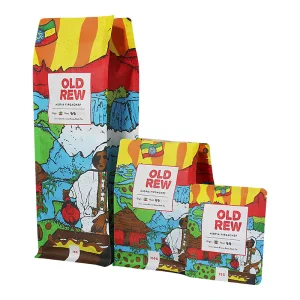
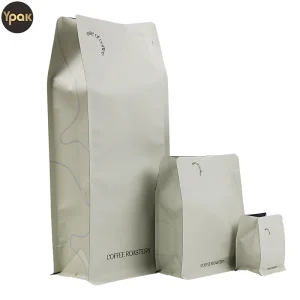
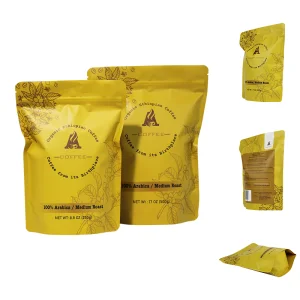
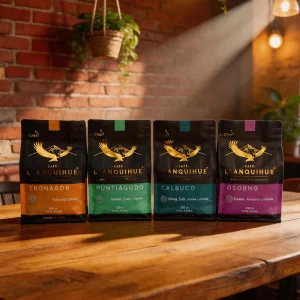
Engineered specifically to protect delicate light Nordic roasts while complying with Norwegian waste management directives.
Navigating the convergence of Nordic roasting philosophy, strict environmental regulations, and zero-microplastic imperatives.
Norway represents one of the world's highest per capita coffee consumers, drinking approximately 9.9 kilograms of coffee per person annually. Beyond sheer volume, Norway—and specifically Oslo—is globally recognized as the epicenter of "Nordic Light Roast" culture. Specialty roasters in cities like Oslo, Bergen, Trondheim, and Stavanger roast lightly to highlight terroir, complex acidity, floral top-notes, and delicate fruit aromas. However, light roasts are exceptionally vulnerable to oxygen degradation, moisture ingress, and volatile aroma loss.
Historically, achieving high-barrier protection meant utilizing multi-layer structures containing aluminum foil (PET/AL/PE). While effective for gas barrier performance, these traditional laminates are non-recyclable, impossible to compost, and generate substantial plastic waste. In response, Norwegian specialty roasters are actively seeking flexible packaging solutions that maintain structural barrier integrity while aligning with Norway's ambitious carbon-neutrality targets.
Regulatory Reality in Norway: Under the extended producer responsibility (EPR) mandates, the Norwegian Waste Regulation (Avfallsforskriften Chapter 10A), and strict compliance monitoring by the Norwegian Food Safety Authority (Mattilsynet), packaging producers must reduce single-use plastic waste and transitions toward fully circular or compostable bio-based substrates by 2025/2026.
A critical consideration for Norwegian B2B coffee buyers is the distinct operational difference between home composting and industrial municipal organic waste collection (such as systems run by Renovasjonsetaten in Oslo or BIR in Western Norway). Norway's cold sub-arctic climate means backyard home compost piles often do not sustain the continuous 55°C–60°C temperature necessary for quick polymer breakdown.
Therefore, YPAK engineers compostable coffee pouches primarily optimized for **EN 13432 Industrial Composting standards**. Under industrial composting conditions, our certified PLA (Polylactic Acid), PBS (Polybutylene Succinate), and Kraft Paper laminates decompose completely into natural biomass, carbon dioxide, and water within 90 to 180 days, leaving zero toxic chemical residues or microplastics in the municipal organic waste processing streams.
How YPAK solves the zero-oxygen challenge without synthetic plastics or metal foil.
Combining FSC-certified natural unbleached kraft paper on the exterior with high-barrier plant-derived cellulose film (NK Cellulose) and inner sealable PLA layers. Ideal for organic aesthetic roasts.
Vacuum-deposited Aluminum Oxide (AlOx) or Silicon Oxide (SiOx) on bio-films provides crystal-clear transparency while matching the exact gas barrier performance of traditional aluminum foil.
Integrated injection-molded PLA or Swiss-imported WIPF W016 bio-valves allow CO2 output from freshly roasted beans to escape while preventing ambient Norwegian moisture oxygen entry.
Below is the empirical test data demonstrating YPAK compostable material structures versus conventional packaging solutions under ISO standard test conditions (23°C, 50% RH):
| Structure Profile | Oxygen Transmission (OTR) | Water Vapor Transmission (WVTR) | Compost Certification | Shelf Life Protection |
|---|---|---|---|---|
| YPAK Bio-Barrier I: Kraft / NK Paper / PLA | < 0.8 cc/m²/24h | < 1.5 g/m²/24h | EN 13432 / OK Compost Industrial | 12 – 18 Months |
| YPAK Bio-Barrier II: PLA / AlOx-PLA / PBS | < 0.3 cc/m²/24h | < 0.6 g/m²/24h | EN 13432 / DIN CERTCO | 18 – 24 Months |
| Traditional Non-Eco: PET / AL / PE | < 0.1 cc/m²/24h | < 0.1 g/m²/24h | Non-Compostable / Landfill Only | 24+ Months |
| Standard Mono-PE: Recyclable PE / PE | < 2.5 cc/m²/24h | < 1.0 g/m²/24h | Recyclable (Not Compostable) | 6 – 12 Months |
Ensuring full regulatory alignment with Mattilsynet, REACH, SVHC, and Scandinavian retail packaging demands.
All packaging supplied to Norway by YPAK strictly adheres to Framework Regulation (EC) No 1935/2004 and Regulation (EU) No 10/2011 for food contact materials. Migration testing is performed rigorously, ensuring zero transfer of heavy metals, phthalates, primary aromatic amines, or toxic chemical residue into coffee beans.
In accordance with Scandinavian environmental initiatives (including Norway's restrictions on per- and polyfluoroalkyl substances), YPAK uses 100% fluorine-free bio-resins and water-based dispersion coatings. This prevents oil penetration from dark roast coffee beans without relying on harmful PFAS chemicals.
Over a decade of leadership in high-end flexible packaging, supplying top-tier coffee brands globally.
Founded in 2011, YPAK operates three advanced manufacturing facilities across Hong Kong, Dongguan, and Foshan, establishing itself as one of China’s premier coffee bag manufacturers and global exporters. Our state-of-the-art Foshan and Dongguan production hubs are certified under BRCGS Food Safety (Grade A) and ISO 22000:2018—guaranteeing that every compostable pouch leaving our factory floor complies with the most stringent international hygiene, traceability, and food safety standards.
We are pioneers in precision aroma preservation. We integrate Swiss WIPF one-way degassing valves as a standard high-end option, alongside custom bio-valves, giving specialty coffee roasters the assurance that their freshly roasted beans remain protected from ambient oxygen degradation. Furthermore, our investment in the HP Indigo 25K Digital Press allows Norwegian roasters to execute custom-printed runs with zero plate fees, ultra-fast turnaround times, photorealistic print fidelity, and flexible minimum order quantities (MOQs)—ideal for seasonal micro-lots and specialty roasts.
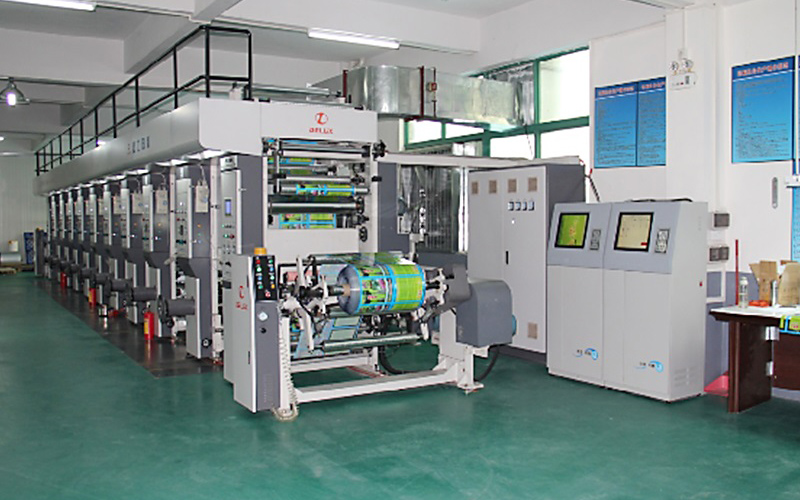
Established our first full flexible packaging line focused on food-grade high-barrier coffee pouches.
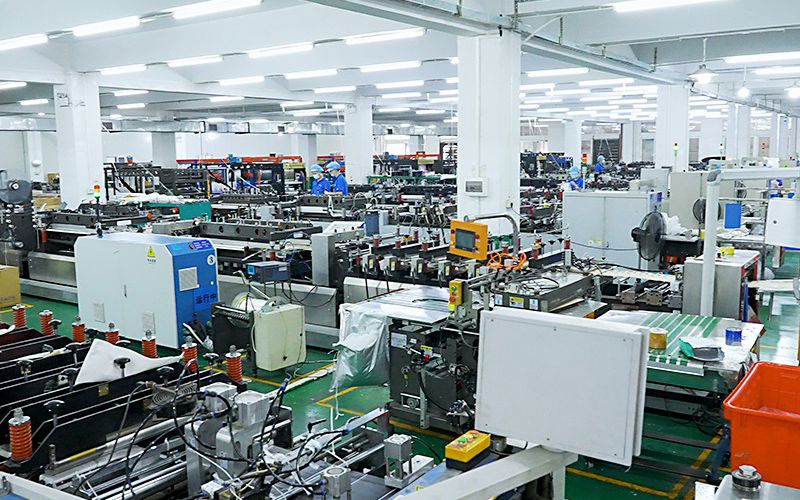
Pioneered high-precision flat bottom pouch production machinery for global specialty roasters.
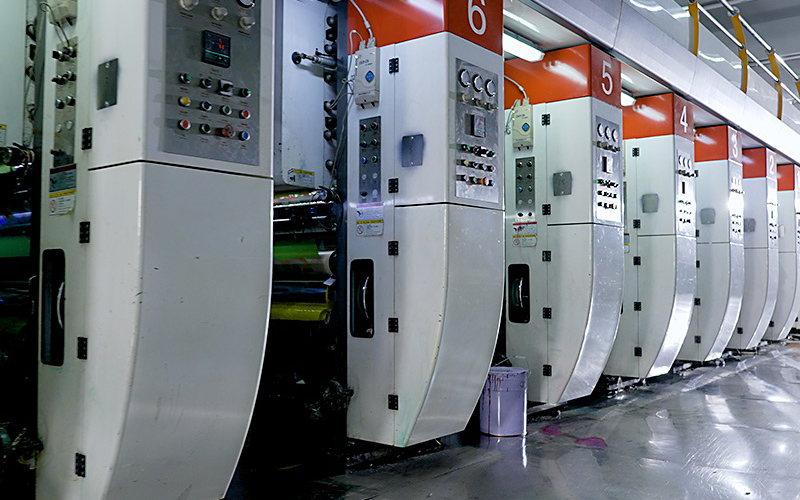
Expanded capacity with our second modern manufacturing facility to meet growing European demand.
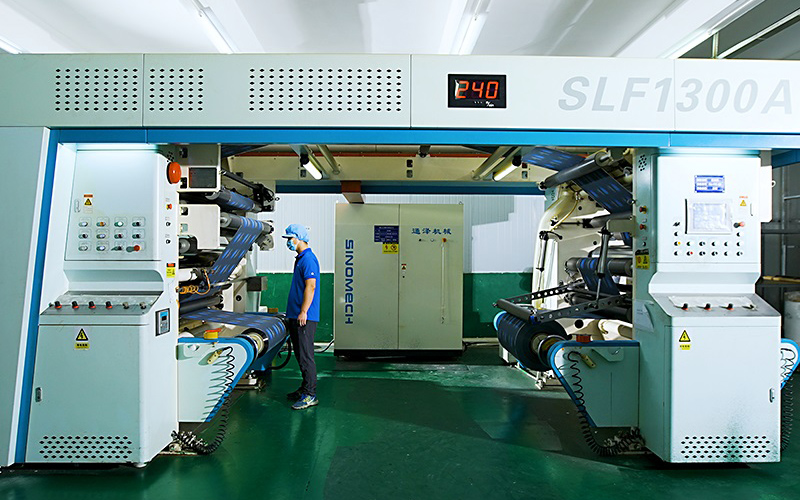
Transitioned 100% of laminating lines to eco-friendly solvent-free composite technology.
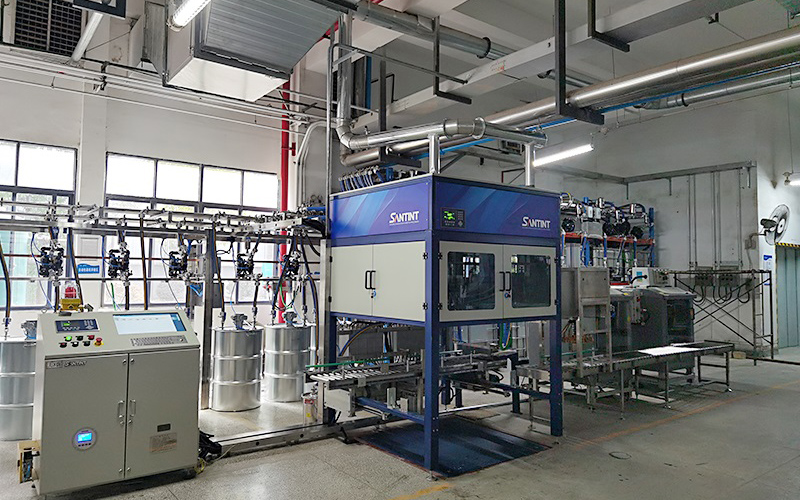
Introduced automated ink management and full-scale ERP cloud systems for batch traceability.
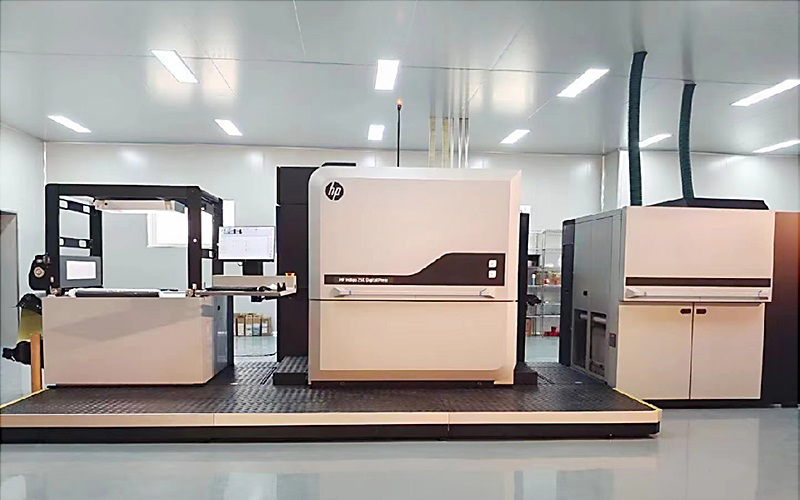
Installed HP Indigo 25K Digital Press to offer low-MOQ plate-free compostable custom packaging.
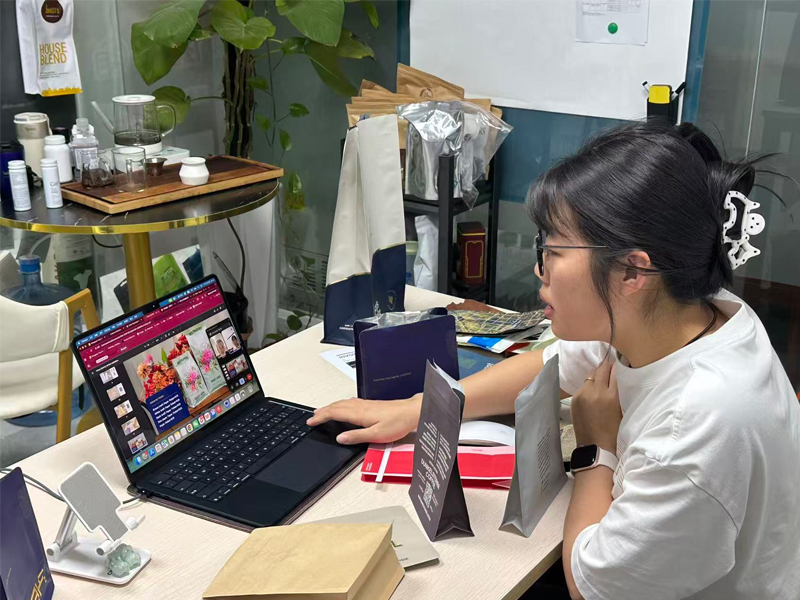
1-on-1 technical consultation, online live video artwork inspection, sample kit delivery to Norway, and barrier material testing.
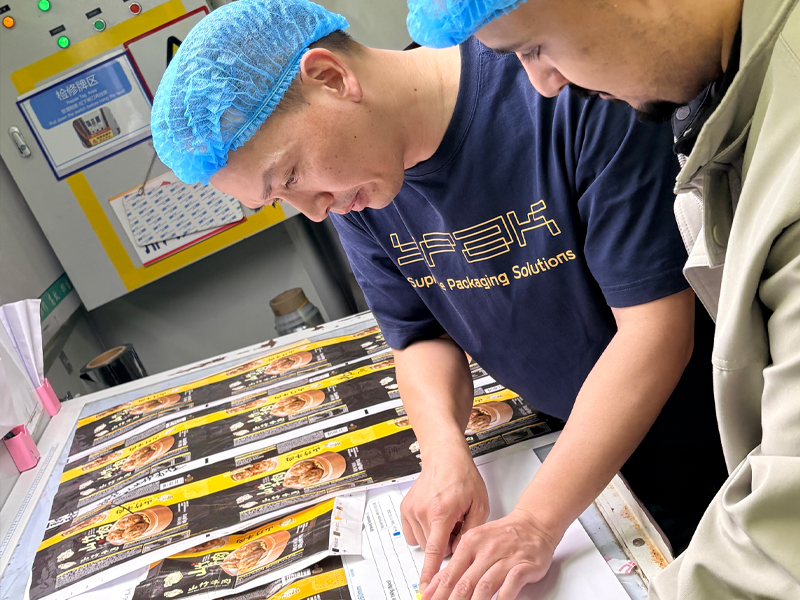
Continuous quality monitoring with real-time video/photo updates at printing, laminating, valve insertion, and pouch-forming stages.
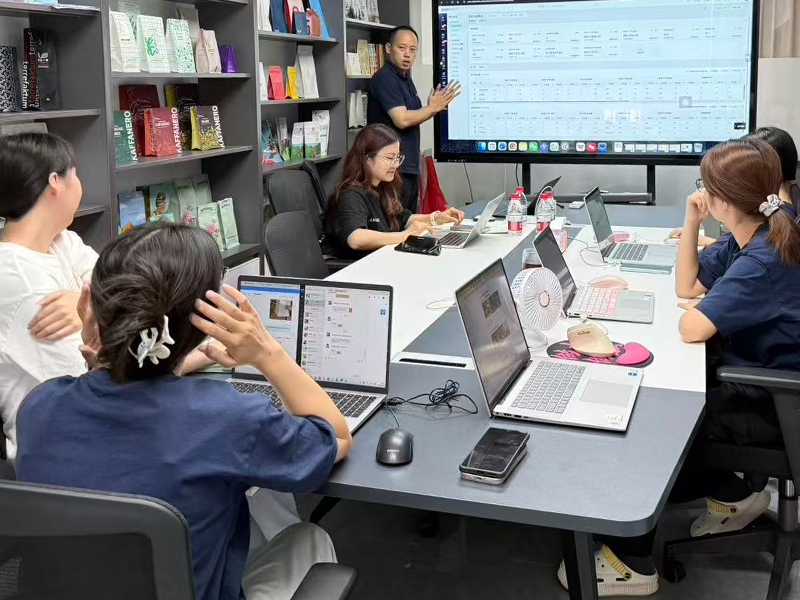
DDP shipping options to Oslo, Bergen, or Stavanger, full batch quality guarantee, and ongoing sustainability advice.
Anticipating next-generation bio-polymer materials and smart digital packaging passports for European trade.
YPAK is currently testing ocean-degradable PHA substrates synthesized via bacterial fermentation. PHA offers natural marine degradability without requiring industrial heat elevated environments.
Integrating unique QR codes and RFID NFC chips printed with compostable inks to give end-consumers in Norway full transparency regarding bean origin, roast date, and localized recycling instructions.
Next-gen bio-valves created from 100% bio-based PBS polymers, achieving zero degradation during shelf-storage while maintaining flawless structural breakdown in commercial industrial composters.
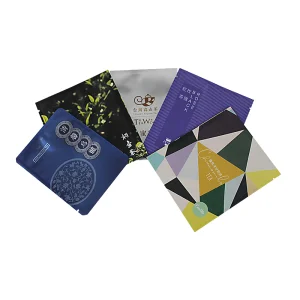
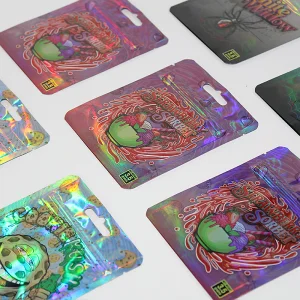
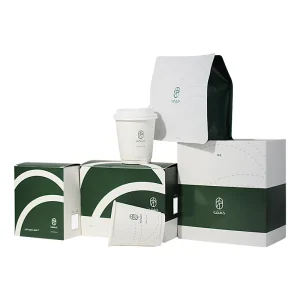
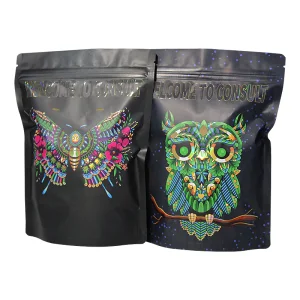
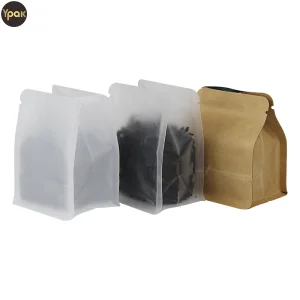
Explore our full range of customizable high-barrier pouches, trial packs, filter bags, and branding accessories.
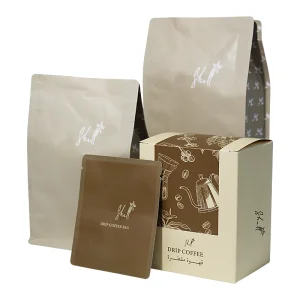
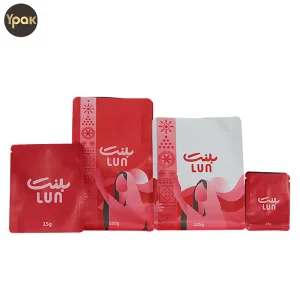
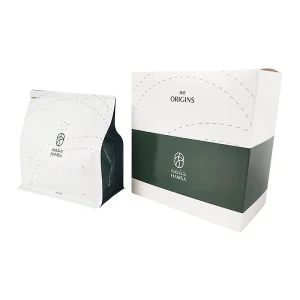
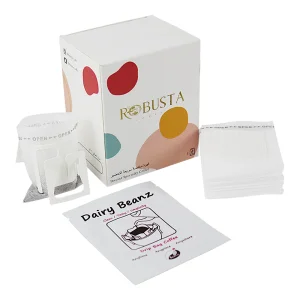
Technical answers for coffee roasters, brand owners, and procurement managers in Norway.
Our compostable coffee pouches are certified under EN 13432 (European Standard for Packaging Recoverable through Composting and Biodegradation) and OK Compost INDUSTRIAL by TÜV Austria (formerly Vinçotte). Additionally, specific un-laminated kraft variants meet OK Compost HOME criteria. We provide complete certification documentation for Norwegian customs and municipal authorities upon request.
We utilize multi-layer bio-laminate structures incorporating plant-based NK Cellulose and AlOx (Aluminum Oxide) coated PLA films. This achieves an exceptionally low Oxygen Transmission Rate (OTR < 0.5 cc/m²/24h) and Water Vapor Transmission Rate (WVTR < 0.8 g/m²/24h), rivaling traditional plastic/foil packaging and guaranteeing fresh roast protection for 12 to 18 months.
Yes. We offer 100% bio-based degassing valves manufactured from injection-molded PLA polymers, as well as compostable PLA zippers. When placed into an industrial composting environment, the entire pouch assembly—including valve, zipper, ink, and laminate body—decomposes completely into organic biomass, water, and CO2.
Absolutly. All food contact films, inks, adhesives, and valves satisfy EU Regulation (EC) No 1935/2004, Regulation (EU) No 10/2011, and Norwegian Food Safety Authority (Mattilsynet) standards. Our manufacturing plants operate under strict BRCGS Grade A and ISO 22000:2018 quality management systems.
Digital sample production takes 3 to 5 working days. Full custom mass production typically requires 15 to 20 business days. We offer flexible shipping logistics including Air Freight (5-7 days door-to-door), Railway Express, and Sea Freight DDP (Delivered Duty Paid) straight to your roastery or warehouse in Oslo, Bergen, Trondheim, or Stavanger.
Thanks to our HP Indigo 25K Digital Printing technology, we offer plate-free custom printing with MOQs as low as 500 to 1,000 pieces per SKU. This enables micro-roasters in Scandinavia to introduce seasonal micro-lot coffees without heavy upfront cylinder plate fees.
 YPAK PACKAGING