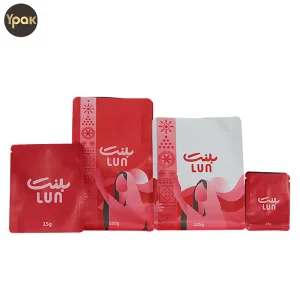
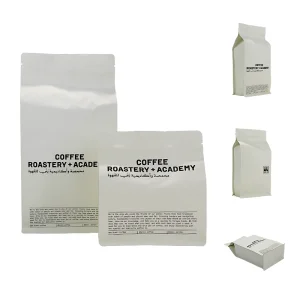
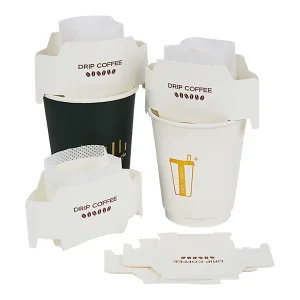
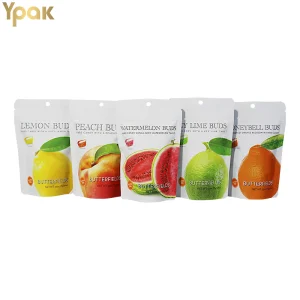
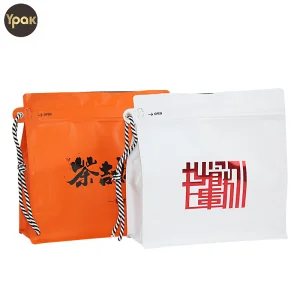
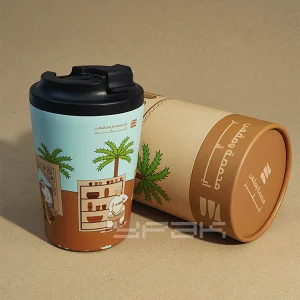
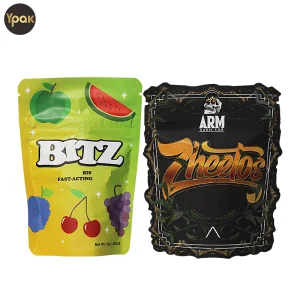
In contemporary food processing, industrial food supply chains, and large-scale manufacturing, flexible zip bags have evolved from basic containment solutions to active atmospheric barrier systems. Modern commercial food suppliers face complex operational friction points: stringent environmental legislation (e.g., EU PPWR mandates), fluctuating global freight timelines requiring extended product shelf life, zero-tolerance policies for food contamination, and automated high-speed packing line compatibility.
This technical whitepaper provides factory directors, procurement executives, and packaging engineers with a comprehensive roadmap for selecting, engineering, and procuring wholesale zip bags for food suppliers and manufacturing facilities. Backed by YPAK PACKAGING GROUP's decade-plus manufacturing intelligence, certified manufacturing footprint (BRCGS Grade AA, ISO 22000:2018), and cutting-edge solvent-free lamination technology, this report outlines key strategies for optimizing oxygen/moisture transmission rates (OTR/WVTR), maximizing seal integrity under mechanical stress, and seamlessly integrating circular economy materials without compromising food freshness.
The global market for industrial flexible food packaging is projected to exceed $135 Billion by 2030, driven by the explosive growth of specialty dry foods, single-origin roasters, commercial snack manufacturing, and plant-based protein processing. Modern food processing plants no longer treat packaging as a passive operational cost; it is an essential variable in supply chain risk mitigation.
Globalized food redistribution channels subject packaged goods to extreme climatic variations—from high-humidity maritime transit to sub-zero cold-chain warehousing. Food processing facilities require wholesale zip bags engineered with multi-layer co-extruded barrier films capable of preventing lipid oxidation, moisture ingress, and volatile aroma loss over extended distribution cycles.
Governments across North America and Europe are rapidly enacting strict packaging waste reduction initiatives. Regulatory frameworks such as the EU Packaging and Packaging Waste Regulation (PPWR) demand high-percentage recyclability or certified compostability. Manufacturers must transition legacy multi-layer aluminum laminates into mono-material PE/PE or PP/PP structures while maintaining critical oxygen barrier performance.
Modern automatic Form-Fill-Seal (FFS) and pre-made pouch packing machines run at speeds exceeding 60 to 120 units per minute. Inconsistent zipper profiles, variable seal temperatures, or film static charge can cause catastrophic line stoppages. Industrial zip bags must offer ultra-consistent seal initiation temperatures (SIT) and precise zipper alignment.
Choosing the correct polymer substrate combination is paramount for preserving product organoleptic qualities while optimizing bulk procurement budgets. Below is a engineering matrix detailing custom flexible barrier laminate structures manufactured by YPAK for enterprise food suppliers.
| Material Laminate Structure | Target Barrier Metrics (OTR / WVTR) | Key Physical Properties | Ideal Food Application Scenarios |
|---|---|---|---|
| PET / AL / LLDPE (High-Barrier Aluminum Foil) |
OTR: < 0.05 cc/m²/day WVTR: < 0.05 g/m²/day |
Absolute light opacity, zero gas permeability, maximum puncture resistance. | Specialty Roasted Coffee Beans, Milk Powder, Dehydrated Ingredients, Freeze-Dried Food. |
| Monomaterial PE / EVOH-PE (100% Recyclable Packaging) |
OTR: < 0.5 cc/m²/day WVTR: < 1.0 g/m²/day |
Fully recyclable in standard PE streams, high clarity windows possible, robust flex-crack resistance. | Organic Grains, Dry Pasta, Confectionery, Commercial Pet Treats, Green Tea. |
| Kraft Paper / VMPET / PE (Natural Aesthetics Barrier) |
OTR: < 0.5 cc/m²/day WVTR: < 0.8 g/m²/day |
Premium organic brand tactile feel, high stiffness, internal metallized moisture shield. | Artisanal Coffee, Dried Fruits, Nuts & Seeds, Gourmet Bakery Premixes. |
| PLA / PBAT / Plant-Starch (Industrial Compostable) |
OTR: < 2.0 cc/m²/day WVTR: < 5.0 g/m²/day |
EN 13432 & ASTM D6400 certified, 100% biodegradable in commercial composting facilities within 180 days. | Organic Snack Foods, Short-Shelf-Life Confectionery, Farm-to-Table Goods. |
The zipper seal is the primary mechanical point of interaction for consumers and commercial end-users. YPAK integrates several precision-engineered zipper closure mechanisms designed specifically for enterprise food applications:
Standardized high-tensile polyethylene or polypropylene zippers offering distinct tactile feedback upon closure. Double-track variants provide secondary sealing defense for fine powders, preventing dust clogging and ensuring airtight resealability over 50+ opening cycles.
Ideal for flat-bottom and quad-seal side-gusset pouches. The zipper is integrated below the top tamper-evident tear notch, enabling end-consumers to open the package effortlessly without sacrificing structural bag integrity or clean filling line execution.
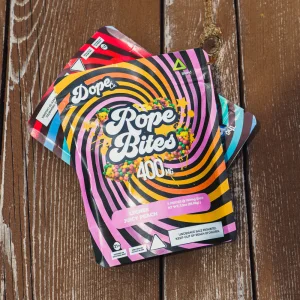
Engineered dual-push or squeeze-and-slide locking mechanisms compliant with ISO 8317 and US CFR Title 16 Part 1700. Essential for specialized edible packaging, legal cannabis-infused food products, and concentrated chemical/cleaning agents.
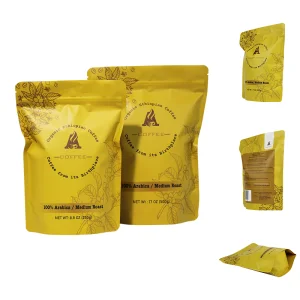
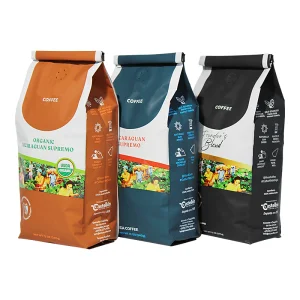
Integrated with Swiss-imported WIPF one-way degassing valves, our coffee zipper bags allow CO2 outgassing while preventing external oxygen ingress. The zipper placement is calibrated to prevent interference with automated valve stamping during pouch conversion.
YPAK PACKAGING GROUP (Founded in 2011) has established itself as an international benchmark in flexible barrier packaging manufacturing. Operating three specialized facilities across Hong Kong, Dongguan, and Foshan, YPAK supplies Fortune 500 food enterprises, mid-scale food processing factories, and specialty brand roasters globally.
Our commitment to uncompromising quality is verified through internationally recognized food safety and quality management standards. Both our Foshan and Dongguan production facilities hold BRCGS Food Safety (Grade AA) Certification and ISO 22000:2018 Management System Accreditation, ensuring full raw-material-to-finished-goods traceability for every production batch.
To eliminate pre-press setup costs and enable agile market testing, YPAK deployed the state-of-the-art HP Indigo 25K Digital Printing Press. This allows food suppliers to run variable-data printing, short-run seasonal campaigns, and high-definition micro-customization with zero plate fees and zero minimum order quantities (MOQ).
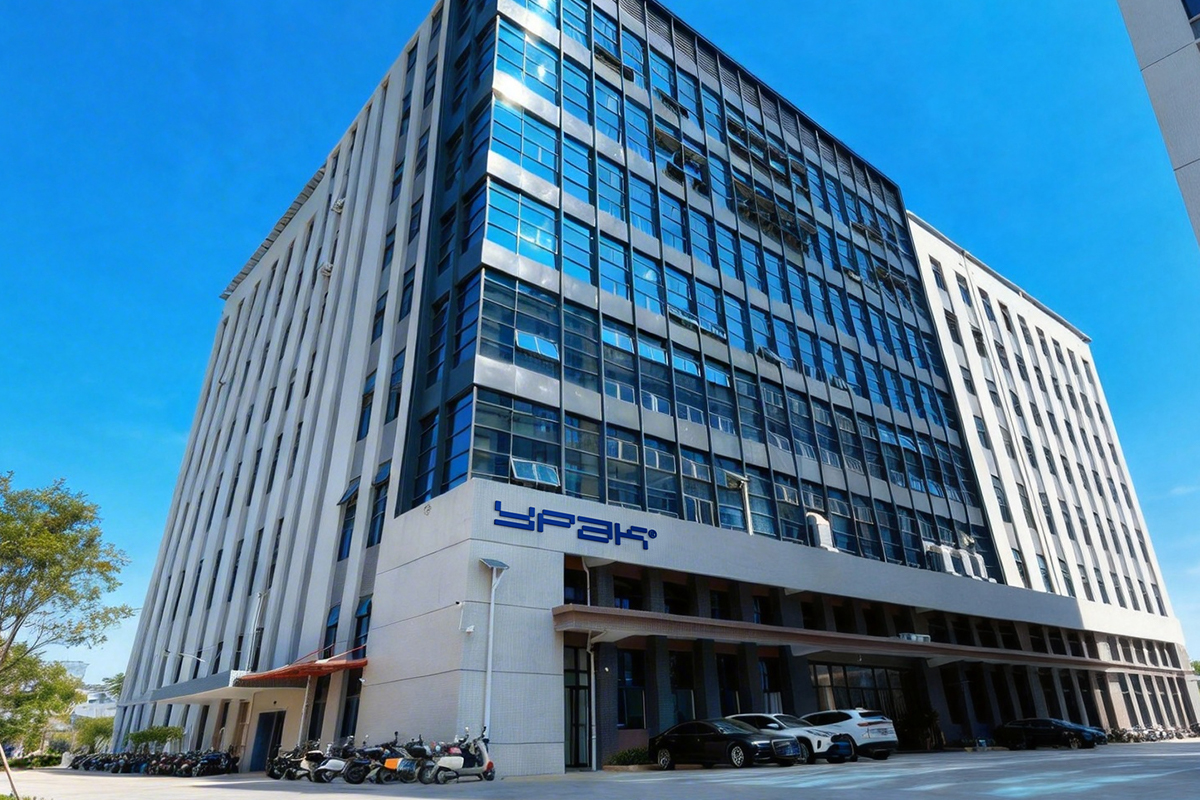
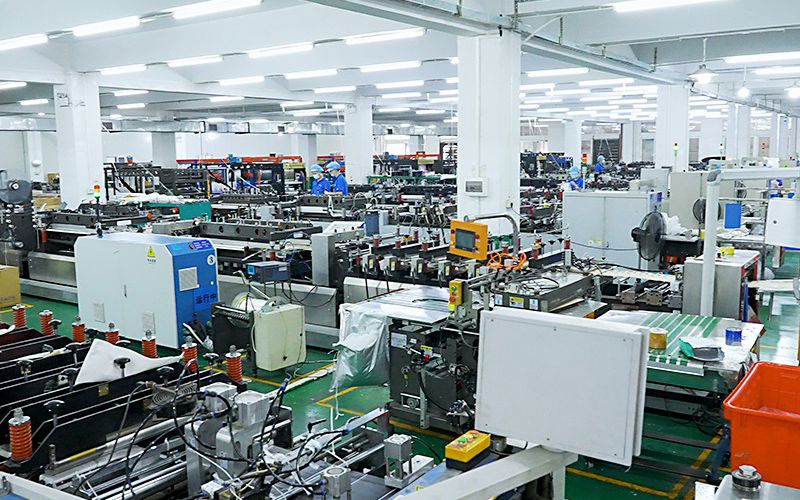
Commissioned the first automated flexible packaging co-extrusion and pouch conversion line in May 2012, setting foundational quality standards.
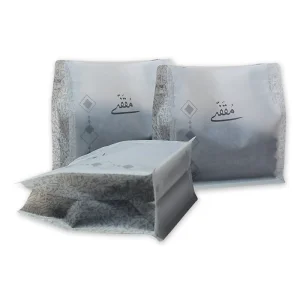
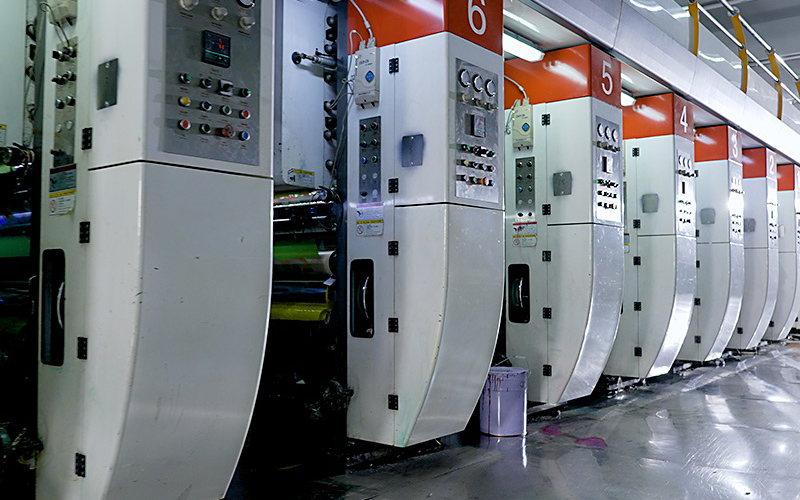
Expanded manufacturing capabilities in March 2016 to introduce specialized 3D flat-bottom box pouch manufacturing lines for premium roasters.
Established second automated production hub in August 2017 to meet surging demand from North American and European food ingredient suppliers.
Pioneered green manufacturing in April 2018 by adopting 100% solvent-free composite lamination technology, eliminating VOC emissions.
Introduced automated closed-loop ink viscosity adjustment systems (June 2020) and implemented enterprise-wide ERP production tracking (July 2020).
Acquired the HP INDIGO 25K digital printing system (October 2021), revolutionizing plate-free, ultra-fast custom flexible pouch production.
Procuring wholesale zip bags for industrial food production lines requires clear, flawless communication to guarantee that dimensional tolerances, material barrier specifications, and print color matching meet exact technical specifications.
We eliminate remote procurement uncertainty through structured pre-sales engineering consulting. Utilizing high-definition 1-on-1 online video verification sessions, clients can inspect physical sample prototypes, verify accurate sizing against their physical food products, and confirm technical artwork color specs before full tool production.
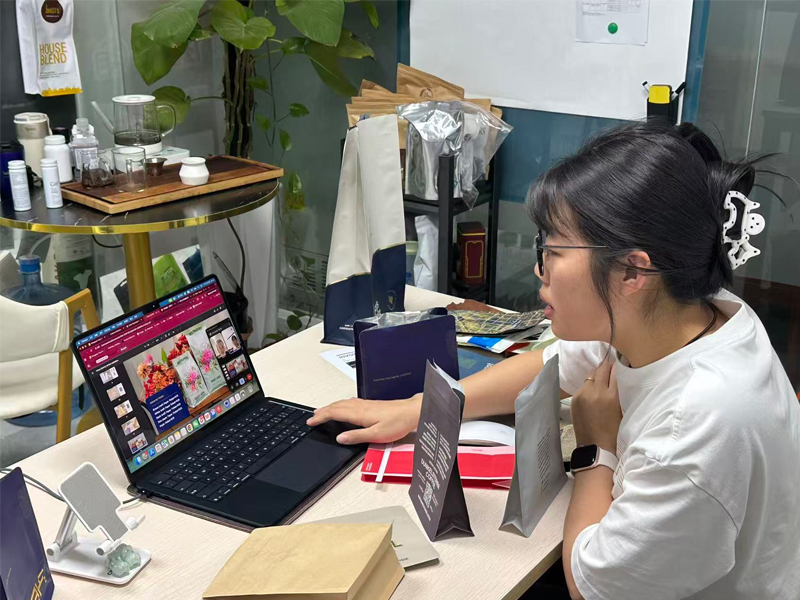
Mid-sale service focuses on rigorous in-line quality management across every manufacturing phase—from raw resin blown film extrusion to gravure/digital printing, solvent-free lamination, slitting, and pouch conversion. Clients receive detailed real-time video updates and photo verification reports, ensuring complete process transparency.
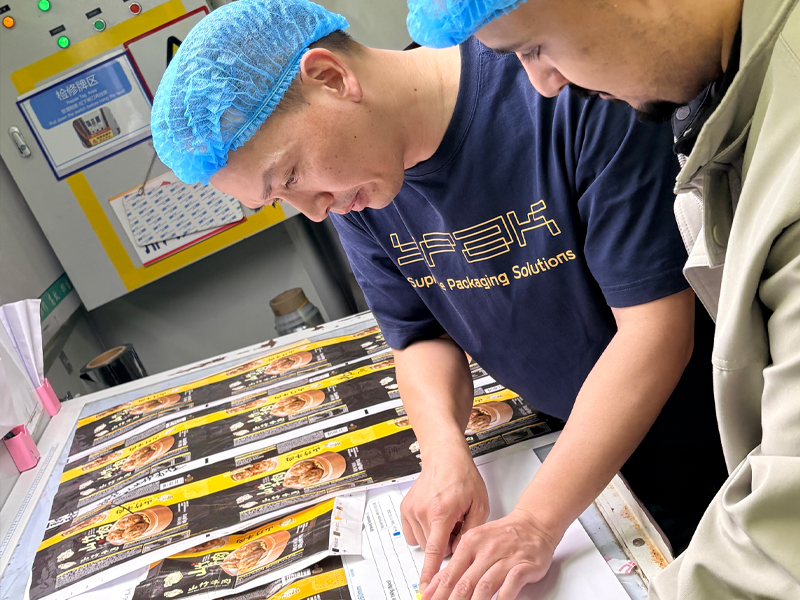
Our commitment extends far beyond final product dispatch. YPAK provides comprehensive after-sales assistance, including line-run machinery tuning guidance, seal integrity troubleshooting, and dedicated feedback channels. In the rare event of a quality deviation, our rapid-response protocol provides instant root-cause analysis and replacement dispatch.
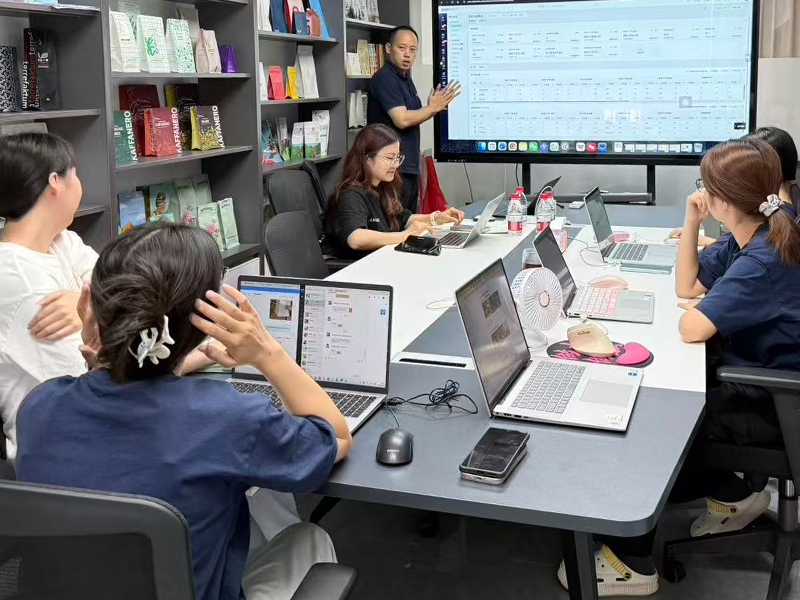
Food contact packaging must satisfy diverse regional legal mandates. YPAK ensures all wholesale zip bags meet international compliance metrics, empowering food processors to seamlessly export across global markets.
Operational Requirement: Zero-oxygen atmosphere retention, volatile terpene preservation, carbon dioxide outgassing balance.
Technical Solution: Aluminum-foil or high-barrier EVOH laminates fitted with Swiss WIPF degassing valves and heavy-duty side-seal press zippers. Fully compliant with US FDA 21 CFR 177.1520 and EU Regulation (EC) No 1935/2004.
Operational Requirement: High moisture barrier (preventing sugar bloom/caking), visual branding clarity, tamper evidence, child resistance.
Technical Solution: Soft-touch tactile matte film finishes, clear high-barrier window cutouts, integrated certified child-resistant zippers. Fully compliant with US Consumer Product Safety Commission (CPSC) standards.
Operational Requirement: Puncture resistance against sharp food particles (e.g., dry pasta, nuts with shells), high load-bearing capacity for 1kg to 5kg bulk packs.
Technical Solution: Reinforced nylon co-extruded inner layers (PET/NY/PE) paired with wide-bead reinforced bottom-gusset zippers to withstand drop impact tests from 1.5 meters.
Operational Requirement: Sub-zero flex-crack resistance (-20°C to -40°C), anti-fog clarity, grease resistance.
Technical Solution: Specialized cold-tolerant linear low-density polyethylene (LLDPE) formulations engineered to maintain zipper flex and seal elasticity without becoming brittle.
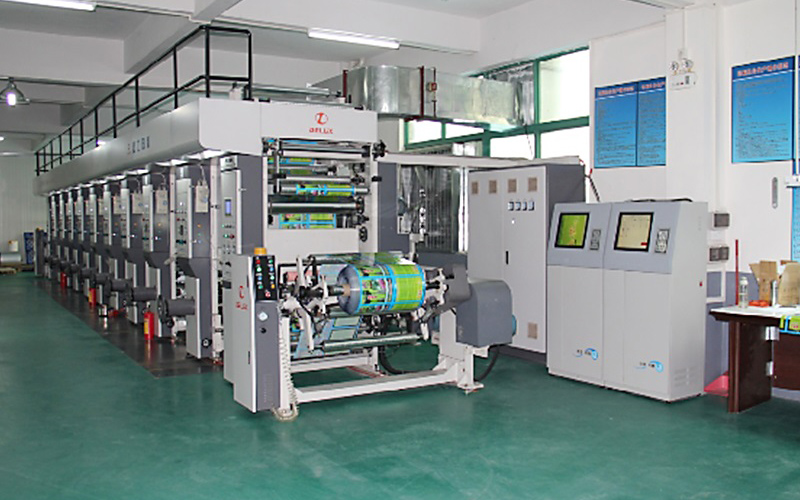
2012 Line Establishment
2016 Flat Bottom Conversion
2017 Secondary Production Hub
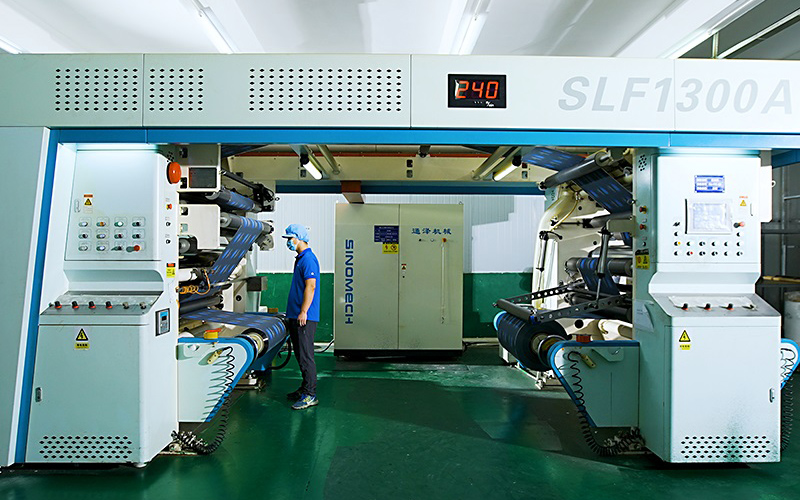
2018 Solvent-Free Lamination
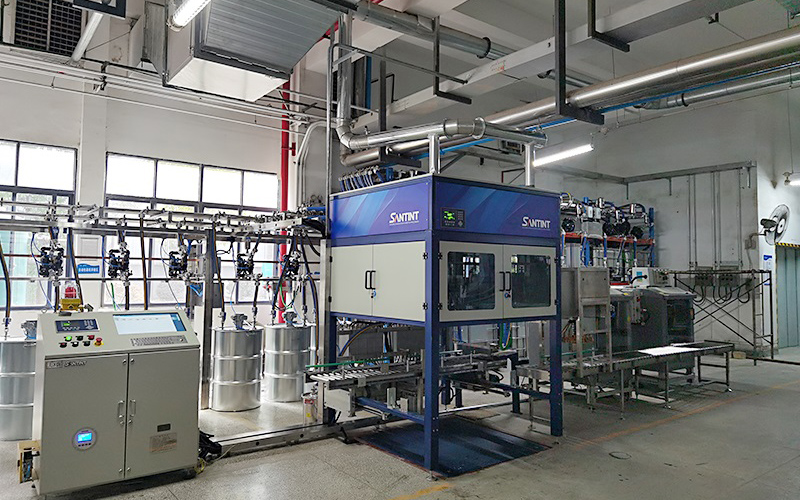
2020 Auto Ink Matching
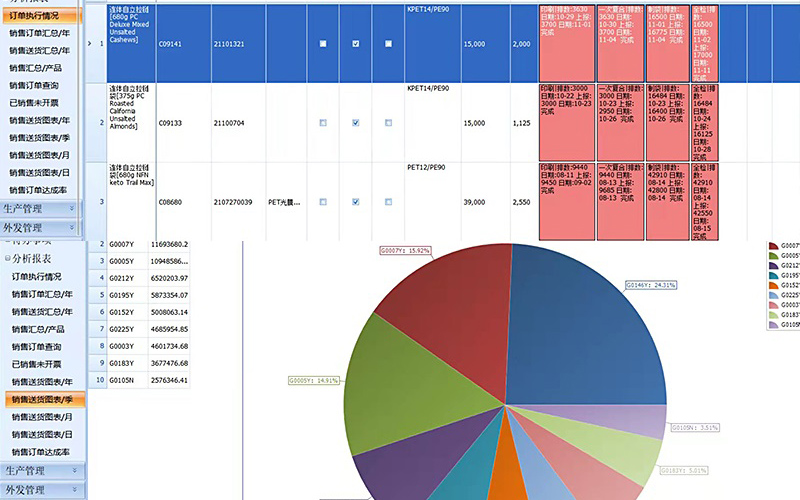
2020 Enterprise ERP System
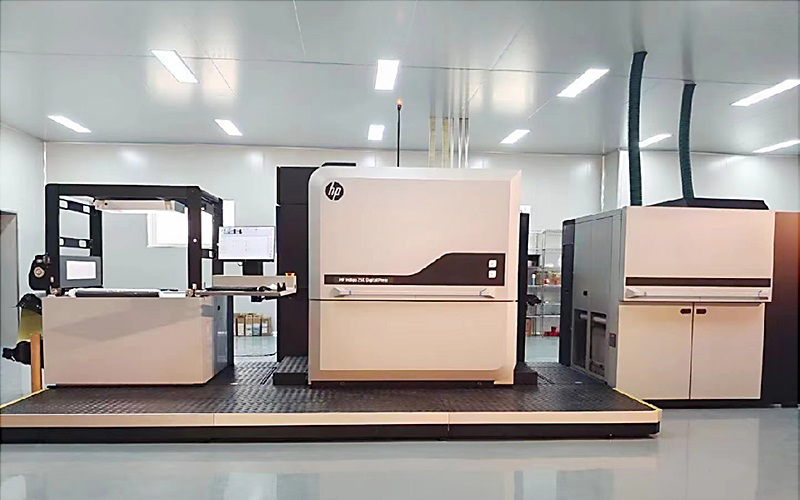
2021 HP Indigo 25K Digital Press
As global sustainability targets accelerate toward net-zero goals, YPAK is actively advancing sustainable flexible barrier innovation. Our R&D division is focused on three critical technological frontiers:
Transitioning from fossil-derived resins to second-generation bio-based PE polymers (sourced from agricultural waste). These bio-PE zip bags maintain exact tensile strength, seal integrity, and barrier metrics while reducing product carbon footprints by up to 70%.
Integrating ultra-thin, food-safe digital tags directly inside pouch laminates. This enables factory-to-table real-time temperature logging, automated anti-counterfeiting verification, and interactive digital engagement for end consumers.
Partnering with global chemical recyclers to ensure post-consumer flexible mono-PE packaging can be depolymerized back into virgin-grade, food-contact-approved resins, completely closing the circular loop for commercial zip bags.
Below are authoritative answers to high-intent technical questions frequently asked by commercial food factory procurement directors and packaging engineers.
 YPAK PACKAGING