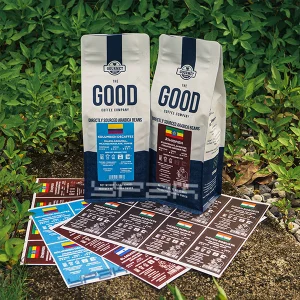
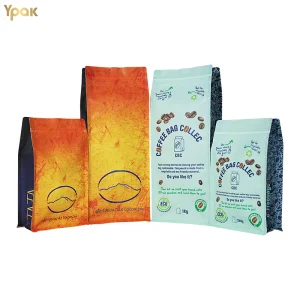
Engineered for structural integrity, extended shelf-life gas retention, and complete circular economy compliance across international markets.
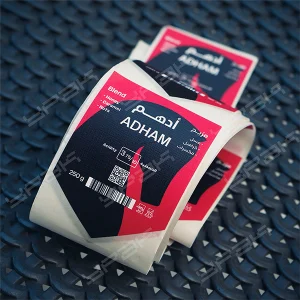
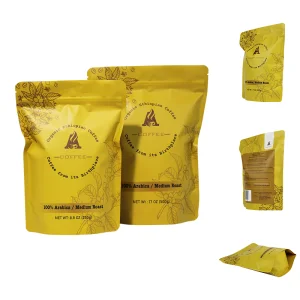
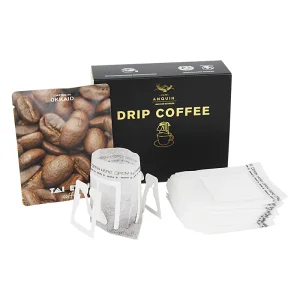
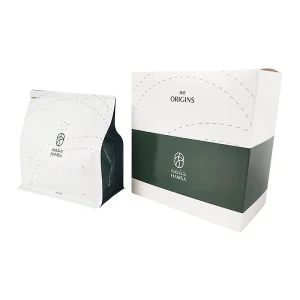
Analyzing global regulatory mandates, EVOH high-barrier polymer chemistry, and the technical imperatives for wholesale recyclable coffee bag procurement.
The international coffee industry faces an unprecedented regulatory paradigm shift. Legislation such as the European Union Packaging and Packaging Waste Regulation (PPWR) and state-level Extended Producer Responsibility (EPR) mandates in North America are systematically phasing out multi-material laminates. Historically, specialty coffee roasters relied on PET/AL/PE (Polyethylene Terephthalate / Aluminum Foil / Polyethylene) structures. While providing an absolute barrier, these tri-layer structures cannot be mechanically recycled, bound for landfills or incinerators.
As a premier wholesale recyclable coffee bag supplier, YPAK has pioneered high-density Mono-PE (Polyethylene) and Mono-PP (Polypropylene) laminates embedded with nano-scale EVOH (Ethylene Vinyl Alcohol) co-extrusions. This engineering milestone yields packaging that fully aligns with RIC #4 (LDPE) and RIC #5 (PP) post-consumer recycling streams while adhering to stringent international circular economy guidelines.
Freshly roasted coffee beans undergo rapid off-gassing, emitting up to 10 liters of Carbon Dioxide (CO2) per kilogram over the first 14 days post-roast. Without degassing mechanisms, flexible packaging suffers cataclysmic structural rupture. Conversely, exposure to ambient Oxygen (O2) and moisture degrades coffee’s delicate lipid compounds, leading to rapid staling and loss of specialty flavor profiles (such as fruity esters and delicate floral aldehydes).
YPAK solves this dual barrier requirement by pairing mono-material substrates with 100% PE-recyclable one-way degassing valves. Integrated via precision ultrasonic welding, our custom valve assemblies permit CO2 venting at internal pressures as low as 2-5 mbar while maintaining absolute structural impermeability against atmospheric oxygen ingress.
A rigorous technical breakdown of barrier metrics, recyclability streams, and mechanical performance for enterprise purchasing managers.
| Material Structure Profile | OTR Rate (cc/m²/24h) | WVTR Rate (g/m²/24h) | Recycling Code / Stream | Primary Industrial Use Case |
|---|---|---|---|---|
| Mono-PE + EVOH Nano-Layer | < 0.5 | < 0.8 | RIC #4 (LDPE) - 100% Recyclable | Specialty Roasted Coffee Beans (12-18 Month Shelf Life) |
| High-Barrier Mono-PP | < 1.0 | < 0.5 | RIC #5 (PP) - Fully Recyclable | High-Temperature Filling & Retort Coffee Packaging |
| Compostable Kraft / PLA / PBAT | < 5.0 | < 8.0 | Industrial Compost (EN 13432 / ASTM D6400) | Short-Cycle Eco Roasters (3-6 Month Shelf Life) |
| Legacy Foil (PET / AL / PE) | < 0.1 | < 0.1 | Non-Recyclable (Landfill/Incineration) | Deprecated Legacy Packaging (Non-Compliant EU PPWR) |
Utilizes state-of-the-art 7-layer blow molding to integrate an ultra-thin Ethylene Vinyl Alcohol gas barrier sandwiched within pure Polyethylene layers. Provides glass-like oxygen resistance without compromising plastic stream purity during municipal recycling sorting.
Standardized compatibility with genuine Swiss WIPF valves. Our heat-sealing matrix guarantees zero microscopic gas leakage around the valve perimeter, preventing internal oxidation while facilitating rapid automated gas dispersion.
Zero-plate digital printing technology offering gravure-quality resolution. Allows roasters to run multi-SKU product lines, seasonal micro-lots, and customized regional packaging without upfront cylinder setup fees.
Pioneering eco-friendly flexible packaging solutions since 2011 with international BRCGS Grade A facilities across Hong Kong, Dongguan, and Foshan.
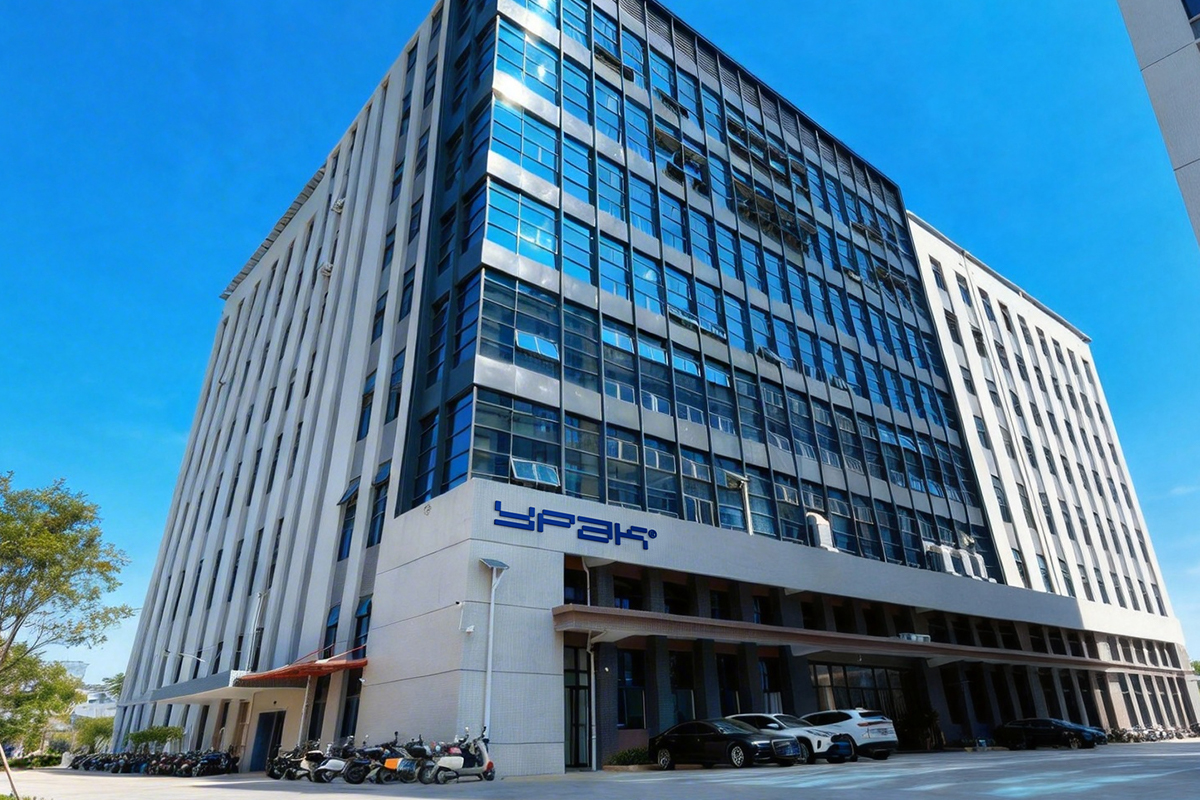
Founded in 2011, YPAK operates three state-of-the-art facilities across Hong Kong, Dongguan, and Foshan, emerging as one of China’s leading wholesale coffee bag manufacturers and exporters. Our Foshan and Dongguan production centers hold full BRCGS Food Safety Grade A and ISO 22000:2018 certifications—ensuring every batch meets hyper-rigorous international food contact compliance standards with complete supply-chain traceability.
We fit Swiss WIPF one-way degassing valves as an enterprise standard, delivering industry-leading technology for maintaining maximum roast freshness. Powered by our HP Indigo 25K digital press fleet alongside high-speed solvent-free lamination lines, YPAK provides MOQ-free, plate-free production runs with photorealistic color fidelity—ideal for rapid market testing, limited editions, and enterprise roaster scalability.
With a verified 99.5% on-time delivery rate, we keep your roasting automation lines running without disruption while helping your enterprise stay ahead of evolving global plastic regulations.
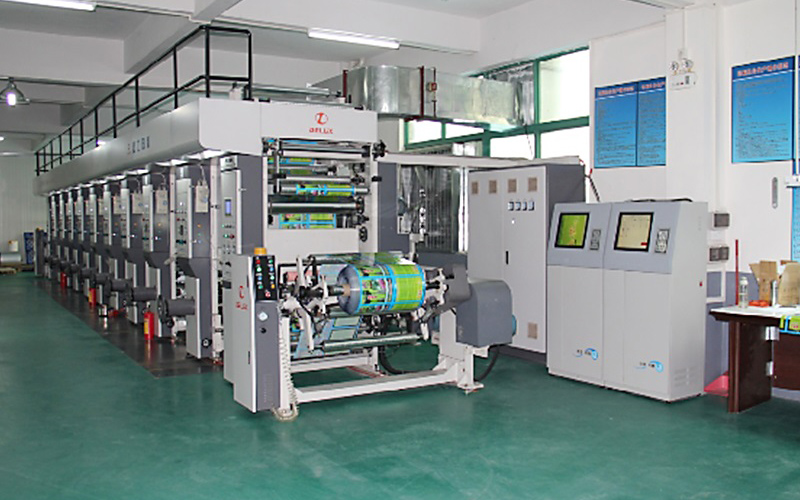
Commissioned the first complete high-speed flexible packaging production line, initiating specialized barrier pouch manufacturing.
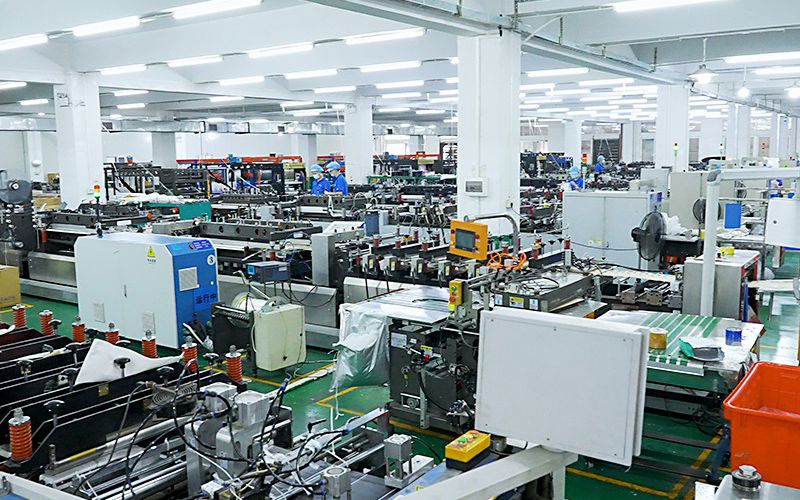
Expanded operations into premium flat-bottom box pouch manufacturing to serve elite European specialty roasters.
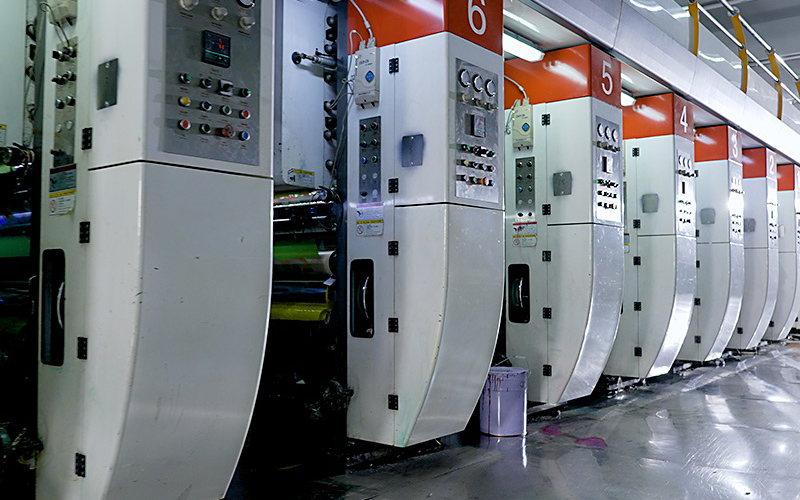
Established our second automated production facility, doubling production capacity for custom gusseted pouches.
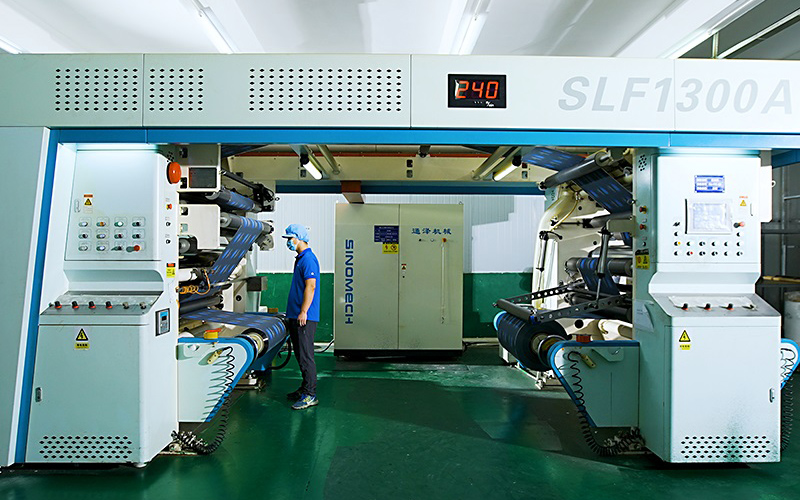
Adopted 100% green solvent-free composite technology, eliminating Volatile Organic Compounds (VOCs) from the lamination process.
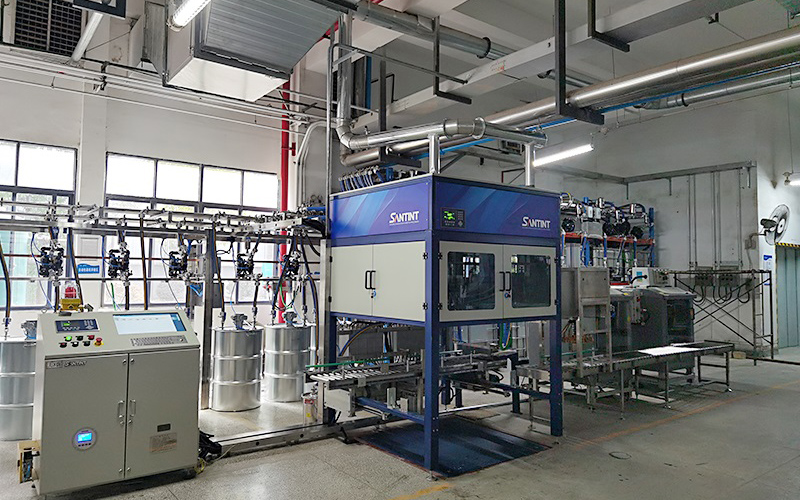
Introduced the automated closed-loop ink dispensing system, eliminating color variance across batch runs.
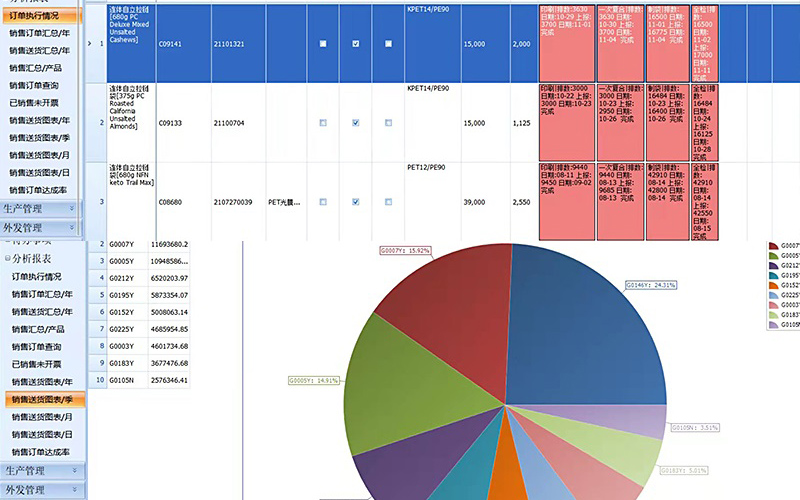
Fully deployed enterprise ERP production tracking system, standardizing real-time order monitoring and QA reporting.
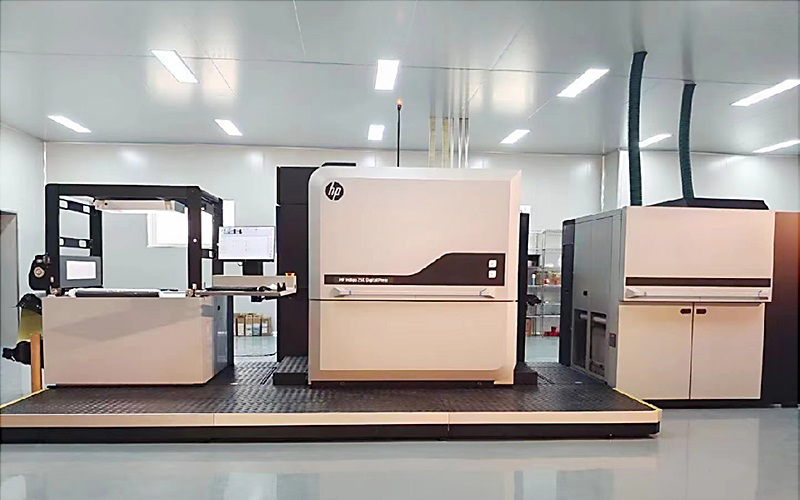
Integrated the HP INDIGO 25K digital printing machine, launching zero-MOQ, high-definition printable sustainable packaging.
From pre-production digital proofing to real-time manufacturing telemetry and dedicated post-sale QA guarantees.
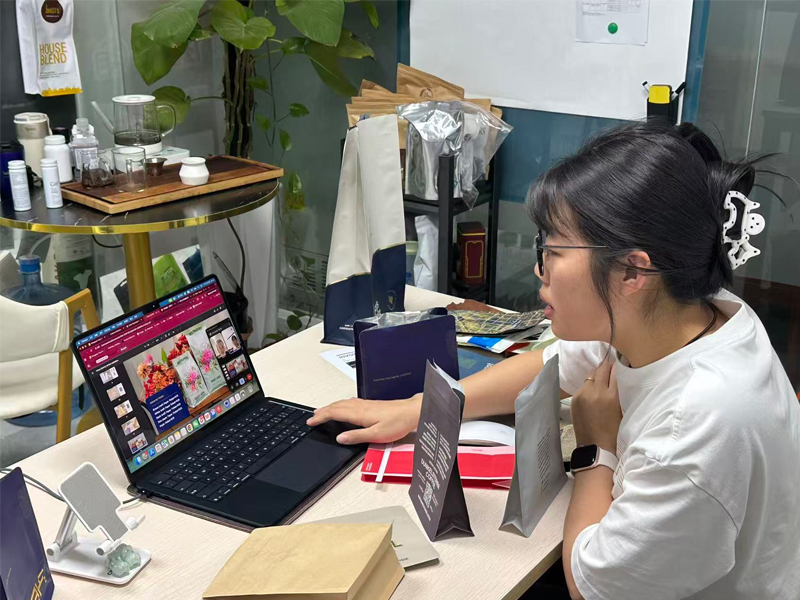
Enhancing client experience through online video sample verification and structural consultation. We provide dedicated 1-on-1 technical assistance to select optimal film structures, valve placements, and barrier metrics before volume production begins.
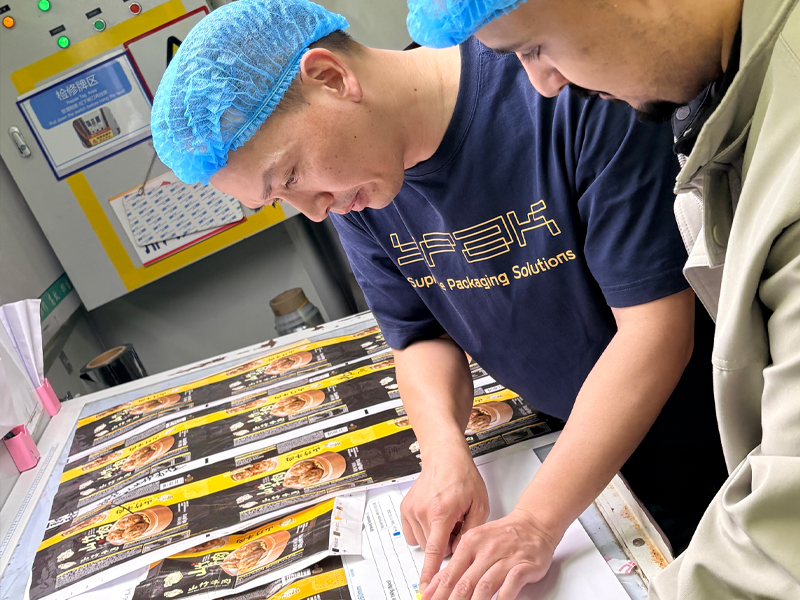
Maintaining meticulous control over production. We closely monitor and manage each phase of extrusion, lamination, and bag-making, delivering real-time video feeds and high-resolution inspection photography directly to client procurement teams.
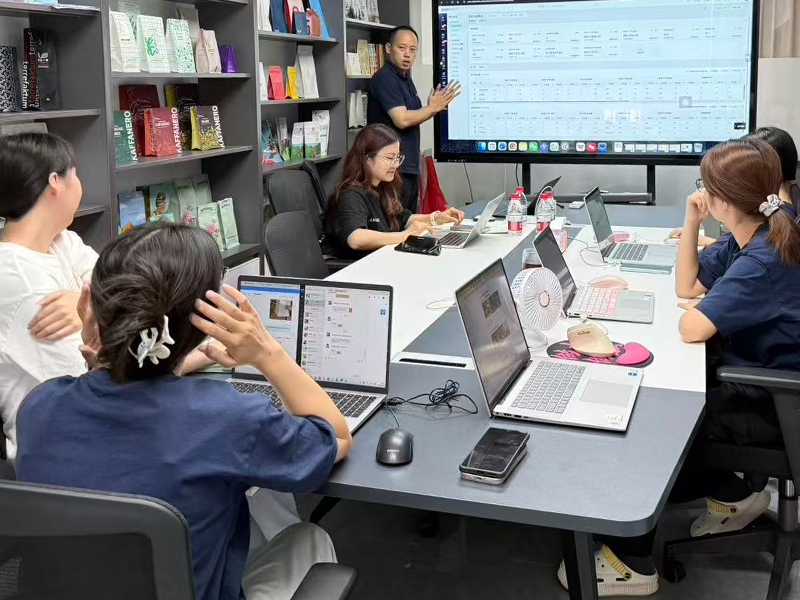
Comprehensive quality guarantee and supply-chain reassurance. By investing in training programs and structured feedback loops, YPAK ensures long-term partnership reliability, rapid issue resolution, and batch-to-batch consistency.
Navigating complex food-contact legislation and environmental compliance standards across major commercial roaster markets.
Fully compliant with EN 13432 compostability mandates and upcoming EU PPWR 2030 mono-material directives. Our Mono-PE pouches seamlessly fit kerbside plastic recycling protocols across Germany, France, Scandinavia, and the UK.
Manufactured under FDA 21 CFR 177.1520 direct food contact standards. Fully aligned with California SB 54 and state-level plastic reduction laws, supporting curb-side Store Drop-off recycling programs nationwide.
Designed to assist roasters in achieving the APCO 2025 National Packaging Targets. Our lightweight mono-polymer films optimize freight efficiency while maintaining rigid structural stability against tropical humidity.
Tailoring physical dimensions, seal strength, tactile feel, and brand aesthetics to match your automated filling equipment.
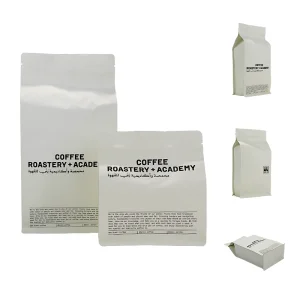
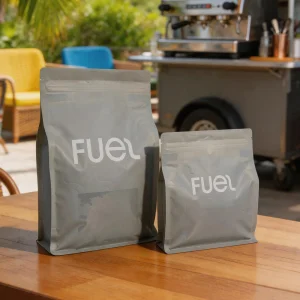
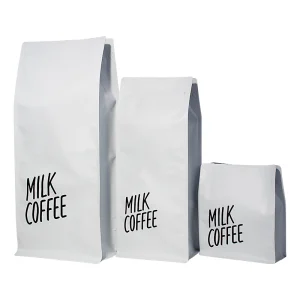
Offers five distinct printable panels for maximum retail shelf presence. The flat square base provides 100% standing stability on store shelves and automated conveyor loading systems.
The classic cost-effective flexible bag format for retail roasters. Features durable bottom gussets, easy-tear notches, and heavy-duty reclosable press-to-close zippers.
Ideal for bulk 1kg, 2.5kg, and 5lb commercial roaster supply lines. Compatible with tin-tie closures and heavy-gauge quad-seal edge reinforced corner welds.
Choose from Rough Matte textures, High-Gloss lacquers, Spot-UV contrasts, Hot-Stamping foils, and integrated clear transparent windows to showcase roasted bean perfection.
In-depth technical answers addressing material barrier integrity, recycling stream compliance, custom branding, and logistics.
YPAK utilizes advanced multi-layer co-extrusion technology incorporating a ultra-thin EVOH (Ethylene Vinyl Alcohol) layer sandwiched within Polyethylene (PE). This nano-layer blocks oxygen intrusion (OTR < 0.5 cc/m²/24h) and moisture ingress (WVTR < 0.8 g/m²/24h) without contaminating the single-polymer (Mono-PE) recycling stream during post-consumer recycling processing.
Yes. Traditional coffee bags pair PE film with PVC or rubber valves, rendering the whole package unrecyclable. YPAK manufactures 100% PE degassing valves and 100% PE zippers. When fused to our Mono-PE film pouches, the entire packaging assembly can be deposited directly into standard RIC #4 PE recycling drop-off streams without stripping components.
Thanks to our HP Indigo 25K digital printing technology, we offer zero-MOQ plate-free production runs for custom-designed digital orders. For ultra-high-volume wholesale orders utilizing our rotogravure printing presses, MOQs typically start at 5,000 to 10,000 units depending on pouch format and customization level.
YPAK’s Dongguan and Foshan production complexes are fully certified under BRCGS Global Standard for Packaging Materials (Grade A) and ISO 22000:2018. All raw polymer materials, inks, and solvent-free laminates conform strictly to US FDA 21 CFR 177.1520 and EU Regulation No 10/2011 for direct food contact.
Absolutely. Our Mono-PE matrix is engineered with specialized linear low-density polyethylene (LLDPE) sealant layers that provide a wide thermal sealing window (120°C - 160°C). This prevents burn-through while guaranteeing rapid, airtight seal formation on automatic form-fill-seal (FFS) machinery.
Recyclable Mono-PE bags are designed for mechanical recycling back into secondary plastic products, supporting the circular economy. Compostable bags (made from PLA, PBAT, and Kraft paper) break down into organic matter in industrial composting facilities compliant with EN 13432. YPAK produces both options to suit your regional waste management infrastructure.
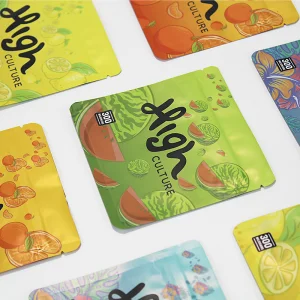
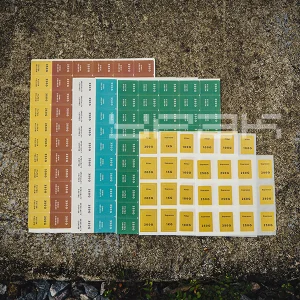
Discover our expanded inventory of specialty finish pouches, drip bags, and custom promotional labels.
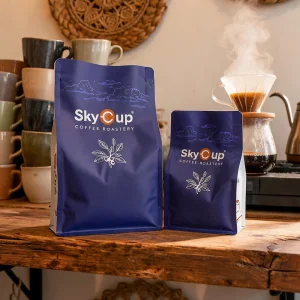
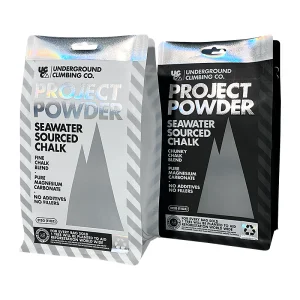
 YPAK PACKAGING