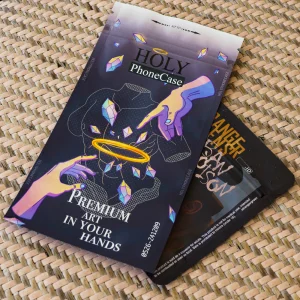
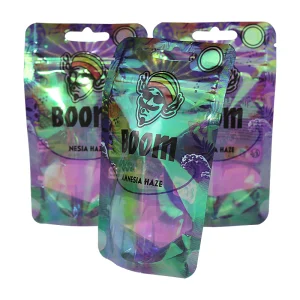
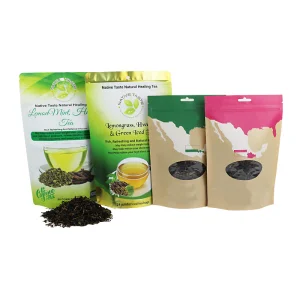
Explore our engineering-grade flexible packaging collection, featuring high-barrier coffee pouches, compostable tea filters, child-resistant cannabis bags, and precision UV transfer labels engineered for enterprise supply chains.
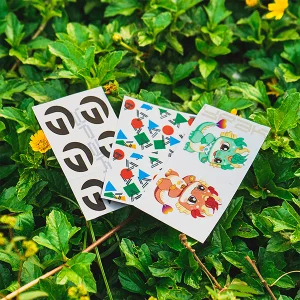
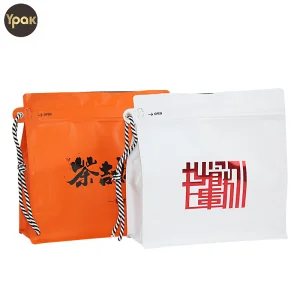
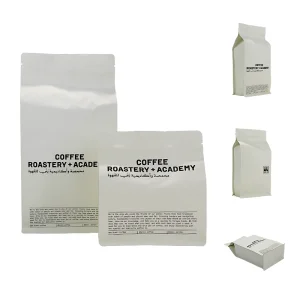
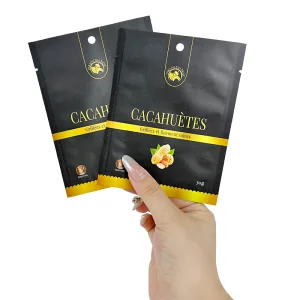
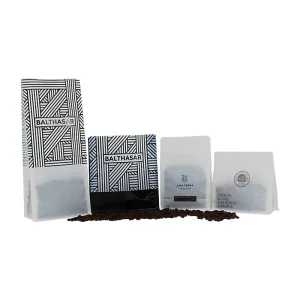
A rigorous examination of material performance parameters, Total Cost of Ownership (TCO) optimization, and supply chain risk mitigation for enterprise-scale packaging acquisition.
In the modern international market, sourcing wholesale plastic packaging bags has evolved from a basic commodity purchase into a complex polymer engineering procurement strategy. Enterprise buyers across specialty coffee, organic foods, pharmaceuticals, and legal cannabis industries demand rigorous compliance with moisture and gas permeability benchmarks.
Barrier efficiency is defined primarily by two metrics: Oxygen Transmission Rate (OTR) and Water Vapor Transmission Rate (WVTR). Premium food products require OTR levels below 0.5 cc/m²/24hr and WVTR below 0.5 g/m²/24hr to prevent oxidative rancidity, loss of volatile aroma compounds, and hygroscopic moisture absorption. Factory-direct suppliers must utilize high-purity multi-layer co-extrusion and solvent-free lamination processes to achieve these specifications consistently across millions of units.
Procurement directors increasingly evaluate suppliers based on Total Cost of Ownership (TCO) rather than unit price alone. Hidden costs in packaging procurement stem from cylinder/plate tooling fees, high Minimum Order Quantities (MOQs) causing dead stock, high scrap rates during automated pouch filling, and shipping delays that halt manufacturing lines.
Leading plastic packaging factories mitigate these risks by offering hybrid manufacturing frameworks: high-speed rotogravure printing for high-volume baseline SKUs combined with zero-plate digital presses (such as the HP Indigo 25K) for micro-customization, seasonal variants, and market testing. This hybrid approach enables brands to maintain lean inventories while keeping line efficiency above 98%.
Selecting the optimal polymer substrate combination determines shelf life, mechanical puncture resistance, and environmental compliance.
| Laminate Structure | Material Classification | OTR Performance | WVTR Performance | Key Industrial Applications |
|---|---|---|---|---|
| PET / VMPET / PE | Metallized High-Barrier | < 0.5 cc/m²/24h | < 0.5 g/m²/24h | Specialty Coffee, Milk Powders, Snack Foods |
| PET / AL / PA / PE | Foil Ultra-Barrier | < 0.05 cc/m²/24h | < 0.05 g/m²/24h | Medical Devices, Industrial Chemicals, Long Shelf-Life Foods |
| MDO-PE / PE (Mono-PE) | 100% Recyclable (RIC #4) | < 1.5 cc/m²/24h (EVOH coated) | < 1.2 g/m²/24h | EU Green Deal Compliant Dry Foods, Pet Treats |
| Kraft Paper / NK / PLA / PBAT | 100% Industrial Compostable | < 5.0 cc/m²/24h | < 4.5 g/m²/24h | Organic Teas, Artisanal Coffee, Eco-Retail Bags |
| Matte OPP / PET / PE | Standard Commercial Flexible | < 2.0 cc/m²/24h | < 1.5 g/m²/24h | Confectionery, Apparel Bags, General Merchandising |
Packaging integrity relies heavily on functional accessories. For roasted coffee beans, degassing is vital: post-roasting off-gassing produces up to 10 liters of CO2 per kilogram. Without proper ventilation, pouches experience ballooning and catastrophic seal rupture.
By fitting premium Swiss WIPF one-way degassing valves as standard, packaging maintains internal pressure balance. These valves feature a micro-precision rubber membrane sealed with silicone oil that opens at a threshold pressure of 3-5 mbar to release carbon dioxide while blocking atmospheric oxygen ingress completely. For child-resistant packaging (such as regulated cannabis pouches), custom pressure-and-slide zippers compliant with US 16 CFR § 1700.20 protocols guarantee verified child safety and senior adult accessibility.
Combining world-class cleanroom facilities, international food safety certifications, and state-of-the-art digital printing infrastructure.
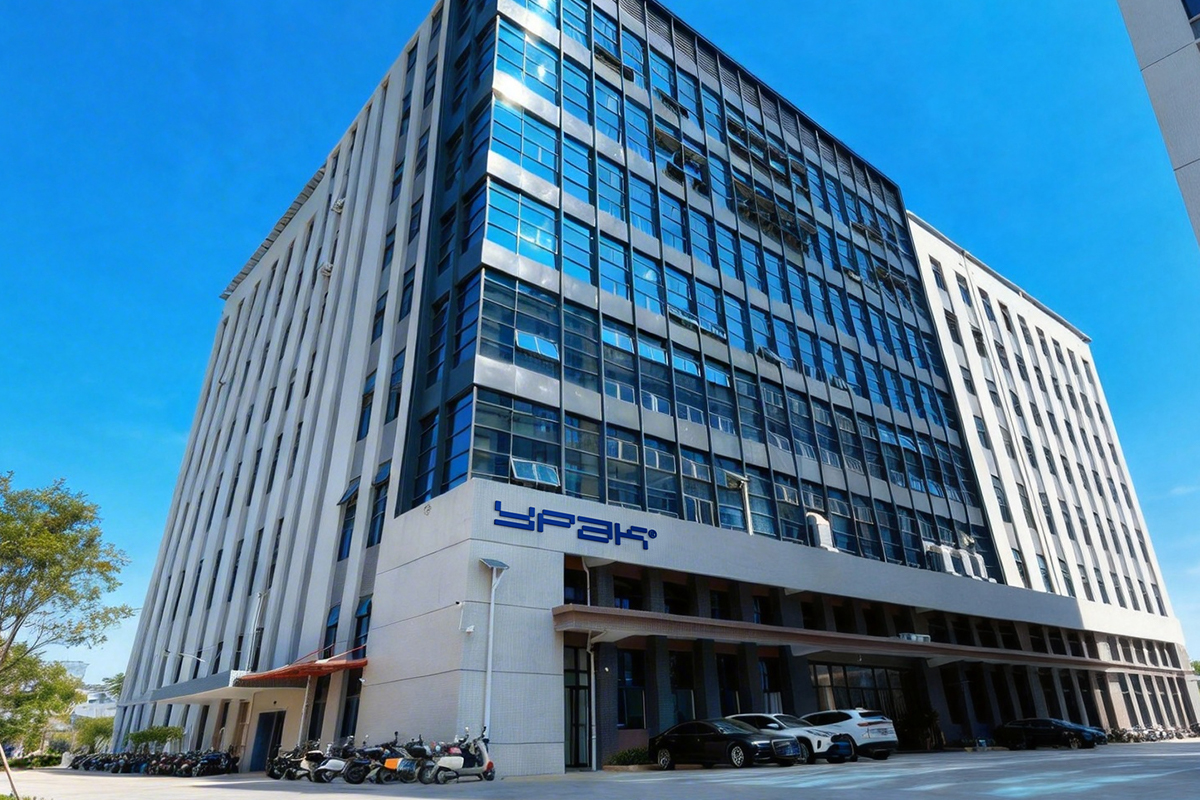
Founded in 2011, YPAK PACKAGING GROUP operates three state-of-the-art facilities across Hong Kong, Dongguan, and Foshan, positioning the organization as one of Asia's most advanced flexible packaging manufacturers.
Our manufacturing centers in Foshan and Dongguan are certified to BRCGS Food Safety Grade A and ISO 22000:2018 management standards. Every production line operates under dust-free positive-pressure cleanroom conditions. Raw materials are 100% traceable back to batch resin synthesis, ensuring full compliance with US FDA 21 CFR 177.1520 and EU No 10/2011 food-contact standards.
Equipped with an HP Indigo 25K Digital Press, YPAK removes traditional barrier-to-entry costs by offering MOQ-free, plate-free printing with photorealistic 2400 DPI color precision—ideal for rapid SKU expansion and boutique enterprise product lines.
A decade of strategic capital investments, process automation, and sustainable material innovation.
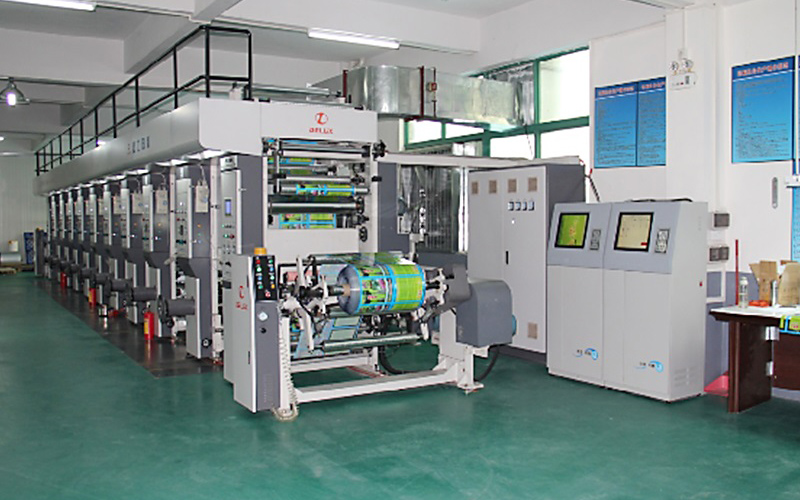
Established our first complete high-speed flexible packaging production line, establishing baseline gravure printing, solvent lamination, and three-side-seal pouch manufacturing.
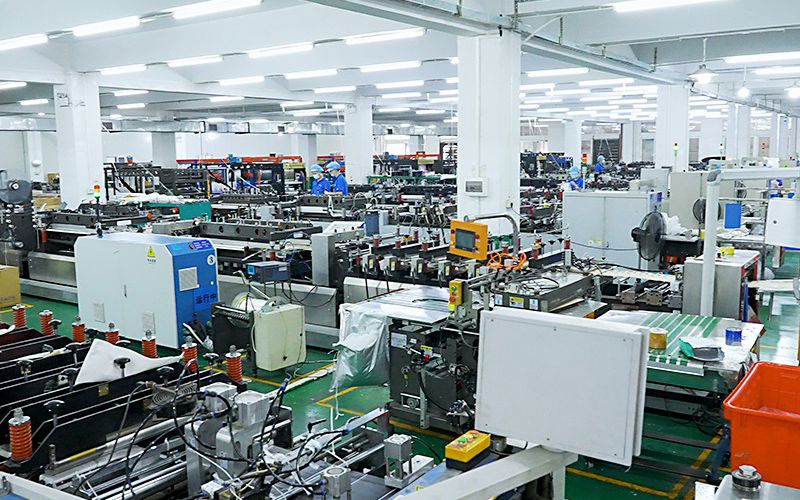
Pioneered advanced box pouch production, commissioning automated machinery to produce five-panel flat bottom bags with pocket zippers for premium coffee markets.
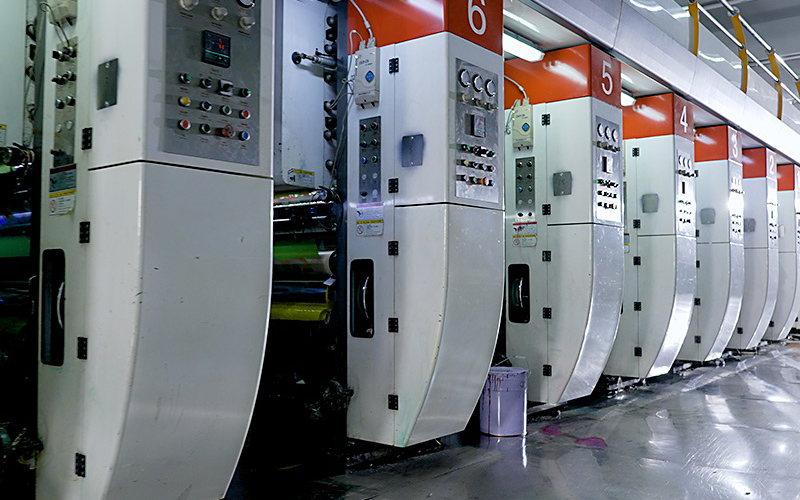
Doubled overall production capacity with the construction and deployment of our second complete automated manufacturing assembly line.
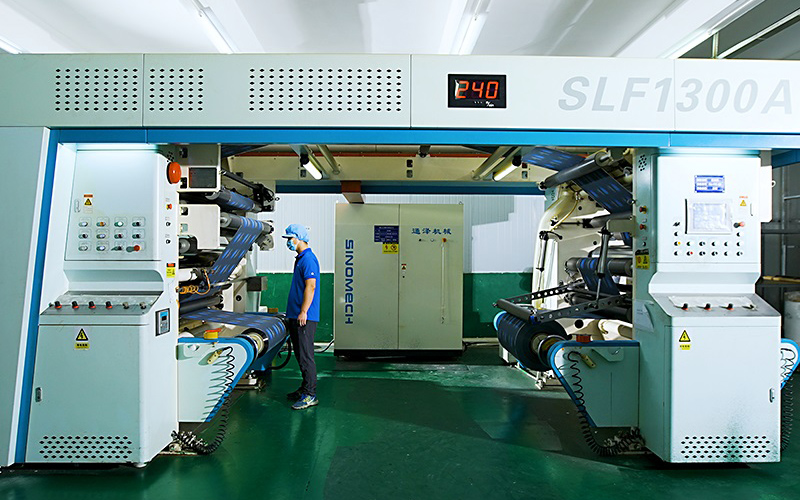
Transitioned facility operations to 100% solvent-free composite lamination technology, eliminating VOC emissions and residual solvent retention in food contact pouches.
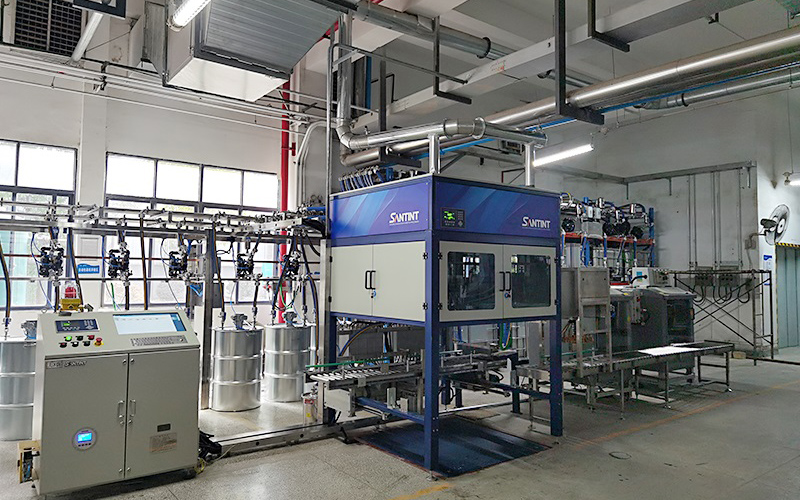
Introduced automated computer-controlled ink adjustment and dispensing systems, maintaining Delta E < 1.5 color consistency across repeat print runs.
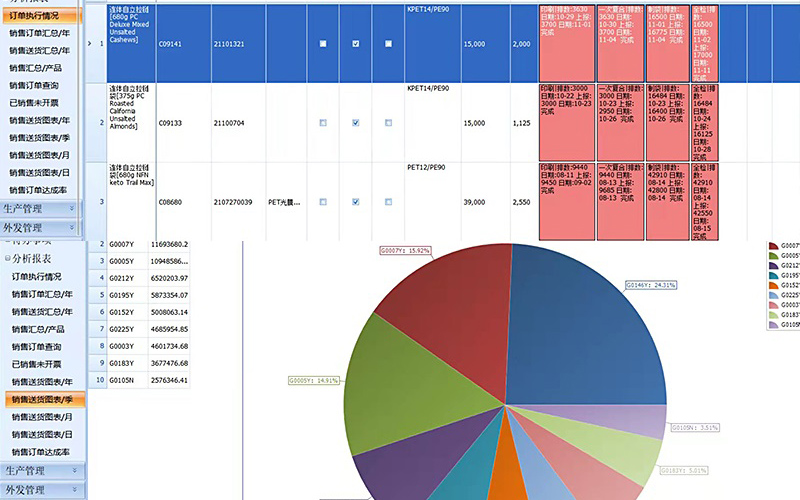
Fully integrated an Enterprise Resource Planning (ERP) production tracking system, enabling end-to-end real-time monitoring from raw polymer resin to final shipment.
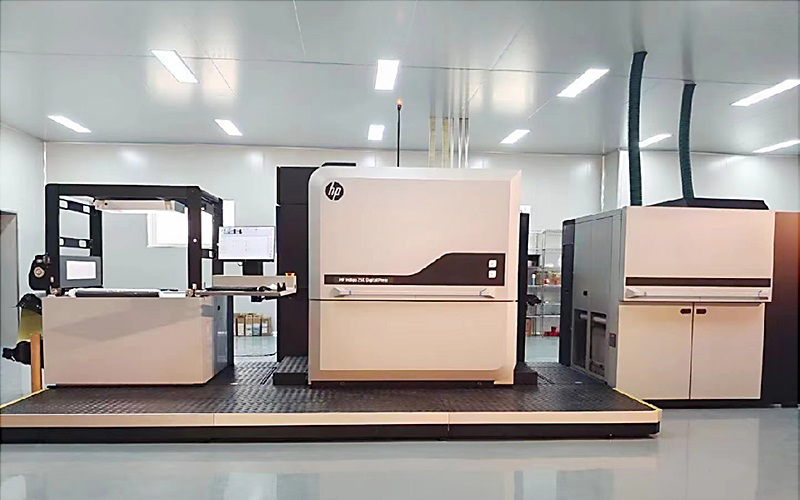
Acquired the industrial-grade HP INDIGO 25K Digital Printing Press, unlocking plate-free micro-customization, zero-waste setup, and ultra-fast turnaround times.
Ensuring transparency, batch consistency, and proactive customer support at every phase of production.
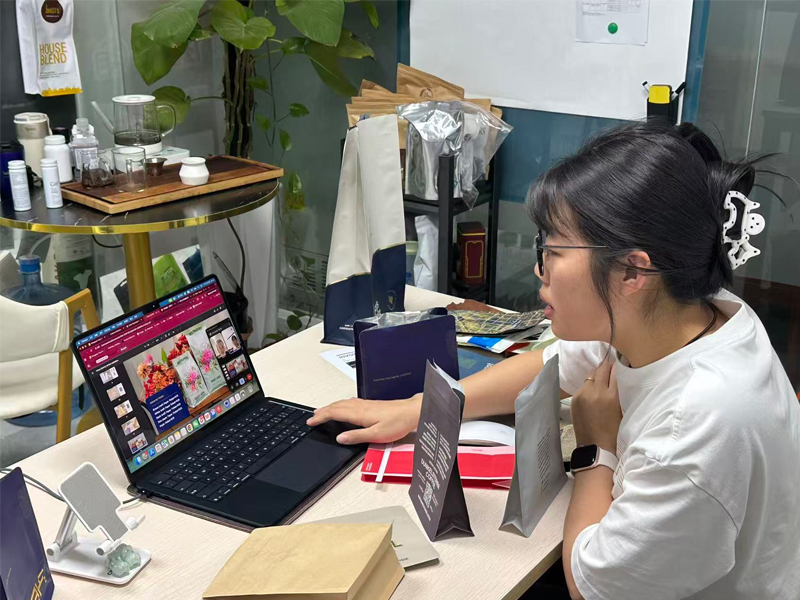
Selecting the ideal flexible packaging formulation requires clear technical alignment. Traditionally, pre-sales service involved static PDF proofs and prolonged physical sampling cycles that delayed go-to-market schedules.
YPAK modernizes this process through 1-on-1 online video confirmation and live digital press proofing. Clients review structural dimensions, foil sheen, matte/gloss contrast, and spout/zipper alignments in real-time with our packaging engineers. This eliminates artwork misinterpretations, verifies precise color match under calibrated D65 lighting, and accelerates sample approval from weeks to hours.
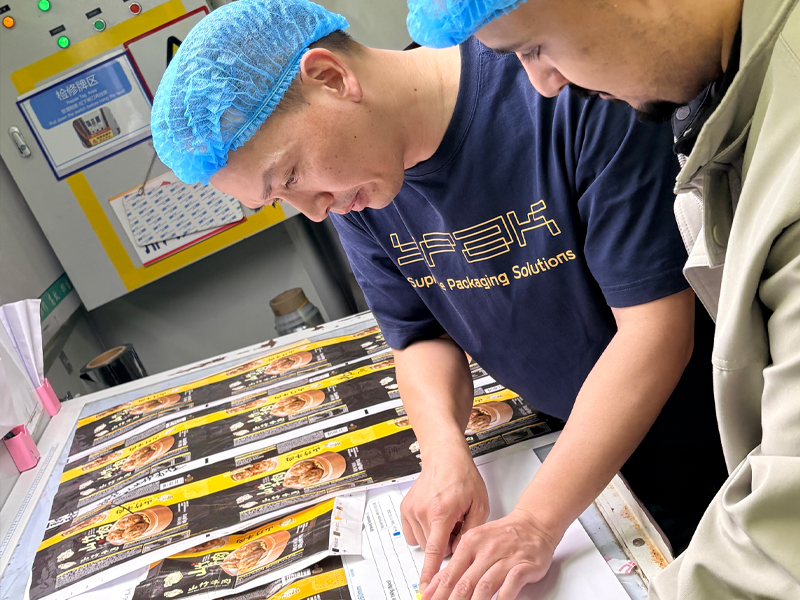
Seamless execution during production is critical to maintaining zero-defect standards. Our mid-sales support provides complete visibility over every manufacturing phase—from raw substrate corona treatment to solvent-free lamination and high-speed pouch conversion.
Through our integrated ERP platform, clients receive automated production status reports complete with high-resolution photographic and video documentation. Automated web inspection systems monitor film roll registration continuously, detecting optical micro-defects at speeds up to 400 meters per minute to ensure uncompromised quality.
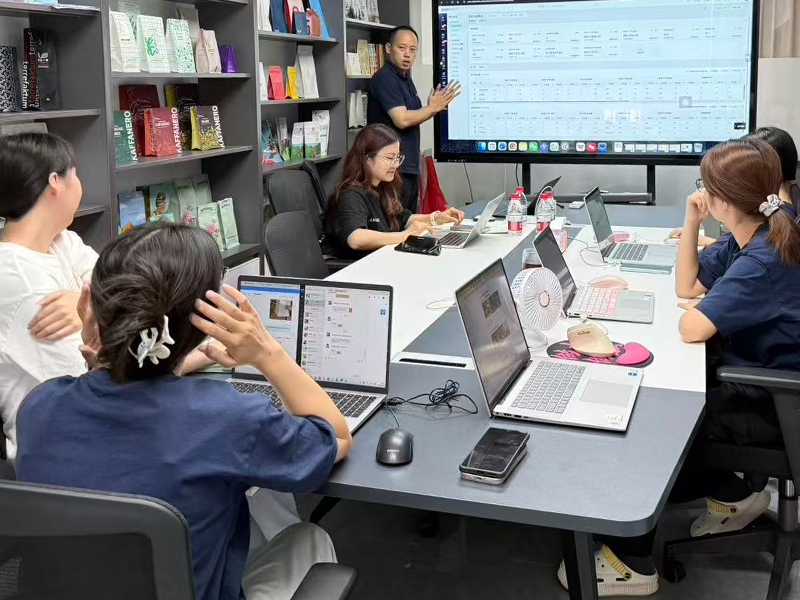
Our commitment extends well past order dispatch. YPAK operates a comprehensive after-sales technical support framework designed to foster long-term enterprise partnerships.
Every shipment includes lot-numbered Certificates of Analysis (COA) detailing seal strength (N/15mm), oxygen barrier levels, and solvent residue analysis. In the rare event of a specification discrepancy, our fast-response protocol delivers technical root-cause analysis within 24 hours and immediate replacement manufacturing, guaranteeing your packaging lines experience zero unexpected downtime.
Navigating dynamic international directives—from European circular economy mandates to North American food safety regulations.
The European Union's Packaging and Packaging Waste Regulation (PPWR) demands that all packaging formats placed on the EU market be fully recyclable or compostable by 2030. Traditional tri-laminate pouches containing aluminum foil (e.g., PET/AL/PE) face significant regulatory penalties and Extended Producer Responsibility (EPR) eco-fees due to their multi-material structure, which prevents standard curbside mechanical recycling.
YPAK addresses this global shift by engineering fully recyclable mono-material structures (such as Oriented PE with Low-Density PE inner sealants) that qualify for RIC #4 recycling streams. Furthermore, our certified compostable line utilizes certified renewable materials that breakdown into natural biomass, carbon dioxide, and water under industrial composting conditions (EN 13432 compliant), leaving zero toxic eco-residue or microplastics behind.
To support enterprise clients across North America, Europe, Australia, and the Middle East, YPAK offers complete Delivered Duty Paid (DDP) logistics services. We manage all import customs clearance, tariff classifications, and localized door-to-door transportation seamlessly.
By establishing strategic warehousing hubs and buffer inventory programs, we enable brands to order customized plastic packaging bags on-demand, reducing transit lead times from weeks to days while insulating supply chains against regional shipping volatility.
Pioneering active packaging substrates, bio-based barrier polymers, and smart track-and-trace packaging architectures.
Future iterations of plastic packaging bags will feature active barrier layers containing micro-encapsulated oxygen scavengers and moisture-absorbent compounds embedded directly into the PE sealant film layer. Additionally, digital integration via unique high-density serialization (NFC chips and micro QR codes) enables real-time supply chain traceability, anti-counterfeiting verification, and interactive consumer engagement upon scan.
YPAK is expanding its R&D into bio-allocated polyethylene synthesized from sugarcane waste ethanol feedstocks rather than fossil fuels. Bio-PE delivers physical properties, tear strength, and heat-seal temperatures identical to traditional virgin LDPE while offering a negative carbon footprint from cradle-to-gate. This ensures brands can achieve carbon neutrality targets without modifying existing packaging line machinery.
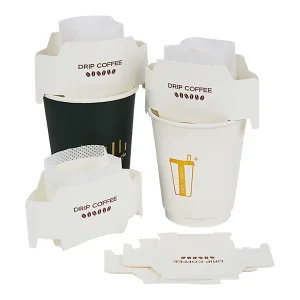
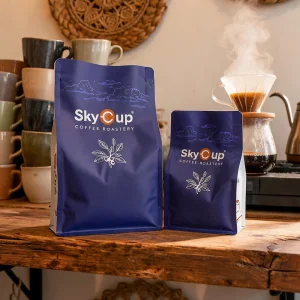
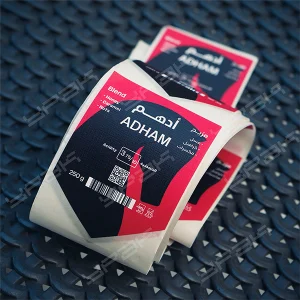
Browse our additional line of specialized coffee bags, eco-friendly kraft paper pouches, high-barrier mylar bags, and custom label solutions.
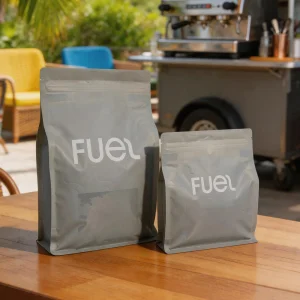
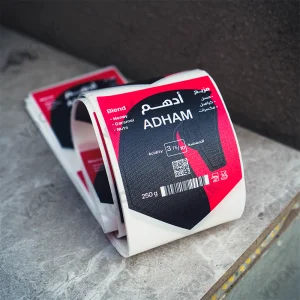
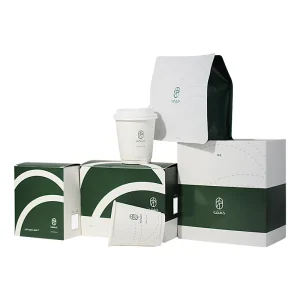
Direct technical guidance addressing material performance, printing technologies, degassing mechanics, and international compliance standards.
Rotogravure printing uses engraved copper cylinders suitable for high-volume manufacturing runs (typically over 10,000 to 20,000 units per SKU). It delivers low unit costs but requires initial plate setup expenses. Conversely, our HP Indigo 25K Digital Press operates with zero printing plates, zero cylinder costs, and zero setup waste. It allows brands to produce micro-customized orders, multi-SKU product runs, and seasonal packaging starting at 500 units while matching rotogravure ink durability and color fidelity.
Freshly roasted whole-bean coffee releases high quantities of carbon dioxide gas (off-gassing) over a 2 to 4 week period post-roast. Without degassing, sealed flexible pouches swell and rupture. Swiss WIPF valves feature a sensitive rubber diaphragm lubricated with sealant oil. When internal pouch pressure reaches 3-5 mbar, the valve flexes open to vent internal CO2. As soon as internal and atmospheric pressures equalize, the valve snaps tight, blocking atmospheric oxygen (O2) and ambient moisture from entering and oxidizing roasted lipids.
Yes. Traditional multi-layer pouches bond incompatible polymers together (e.g., PET bonded to PE or Aluminum Foil), making mechanical sorting and recycling economically unfeasible. YPAK’s mono-material structures use single-polymer formulations (MDO-PE coupled with Low-Density Polyethylene sealants). These structures fall under Recyclable Identification Code (RIC) #4 and can be processed directly in PE film recycling streams, complying fully with EU PPWR circular economy guidelines.
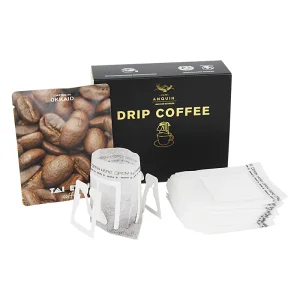
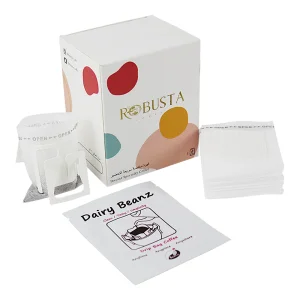
Our compostable flexible bags and hanging ear drip coffee filter pouches are fabricated using certified bio-based substrates including Polylactic Acid (PLA), Polybutylene Adipate Terephthalate (PBAT), and non-GMO plant-derived cellulose (NatureFlex). These films comply with European EN 13432 and American ASTM D6400 testing standards, disintegrating into non-toxic organic biomass within 90 to 180 days inside industrial composting environments.
Traditional lamination utilizes solvent-based adhesives (such as ethyl acetate) that require high-heat drying tunnels. If solvents are incompletely evaporated, chemical residues can migrate into packaged foodstuffs, imparting off-odors or violating FDA safety limits. In April 2018, YPAK transitioned to 100% solvent-free polyurethane laminating adhesives. Solvent-free lamination uses zero organic solvents, eliminating volatile organic compound (VOC) emissions, preventing chemical migration, and boosting laminate bond strength above 3.5 N/15mm.
We manufacture a comprehensive array of structural configurations tailored to specific filling automation lines: Stand-Up Pouches (Doypack) with bottom gussets, 8-Side Seal Flat Bottom Box Pouches (offering maximum shelf display stability and 5 printable surfaces), Side-Gusset Quad Seal Pouches, Three-Side-Seal Flat Bags, Shaped Die-Cut Pouches, and Spouted Liquid Pouches.
Every production run undergoes a rigorous 6-stage Quality Assurance protocol inside our ISO 22000 certified laboratories. We test and record: Tensile Strength & Elongation (ASTM D882), Seal Strength (ASTM F88), Hermetic Burst Leakage Pressure (ASTM F2054), Oxygen Transmission Rate (ASTM D3985), Water Vapor Transmission Rate (ASTM F1249), and Solvent Residue Gas Chromatography analysis before dispatching goods.
Enterprise buyers can request custom physical sample kits or set up an initial online video proofing consultation. Our engineering staff will review your barrier requirements (shelf life, fill temperature, puncture exposure), assess your artwork vector files, and provide sample mockups within 3 to 5 business days, backed by competitive DDP air and sea freight logistics quotes.
 YPAK PACKAGING