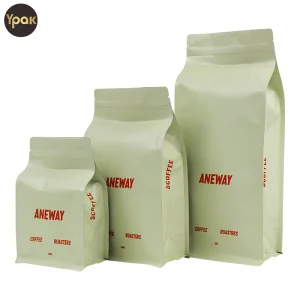
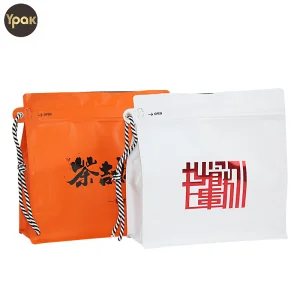
Analysis of changing international environmental directives, structural material innovations, circular economy mandates, and enterprise-grade flexible polymer transformation.
The commercial landscape for wholesale plastic bags for packing is undergoing an unprecedented structural transition driven by stringent regulatory frameworks, carbon-neutrality pledges, and evolving end-user expectations. Modern industrial buyers, multi-national brand owners, and FMCG packaging Directors no longer evaluate plastic flexible packaging purely on cost per unit. Instead, technical parameters such as WVTR (Water Vapor Transmission Rate), OTR (Oxygen Transmission Rate), circular economy compliance, and total lifecycle carbon impact have become vital metrics.
Global legislation including the EU Single-Use Plastics Directive (SUPD), Extended Producer Responsibility (EPR) regulations, and California's SB 54 mandate a complete re-engineering of packaging structures. Importers and wholesale distributors require high-barrier flexible plastic pouches that pass strict recyclable metrics (e.g., monomaterial PE or PP) or achieve fully certified compostability under EN 13432 and ASTM D6400 standards.
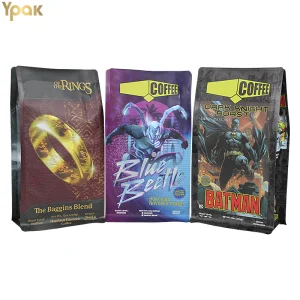
The traditional high-volume flexographic printing model is rapidly integrating high-speed digital web printing technology. Modern suppliers leverage equipment like the HP Indigo 25K to eliminate costly cylinder plating fees, reduce setup wastage by over 80%, enable short-run SKU micro-customization, and facilitate rapid time-to-market strategies for limited-edition roasted coffee, luxury teas, and specialty goods.
Preserving aromatic volatiles, sensitive oils, and moisture-critical powders demands multi-layered film stacks. Modern extrusion and solventless lamination allow engineers to pair EVOH (Ethylene Vinyl Alcohol Polymer), aluminum oxide (AlOx) coatings, and metalized PET with polyethylene, securing superior physical seal integrity while retaining lightweight properties to lower shipping freight emissions.
Information Gain Metric: Traditional multi-material structures (e.g., PET/AL/PE) are difficult to recycle. Modern suppliers focus on High-Barrier Monomaterial Polyethylene (PE/EVOH-PE) and Compostable Bio-Films (PLA/PBAT/Kraft Paper) to fulfill carbon transparency standards without lowering product shelf-life performance.
Decoupling factory-direct manufacturing metrics, supply chain resilience, and operational efficiency factors for enterprise procurement heads.
When sourcing bulk plastic bags for commercial packing, corporate procurement officers look far beyond initial piece-price quotes. Operational disruptions, seal failures during high-speed automated filing, and regulatory fines stemming from non-compliant food-contact materials exponentially increase Total Cost of Ownership (TCO).
Key decision vectors evaluated by global packaging buyers include supplier plant certifications (BRCGS Grade A/A+, ISO 22000), solventless lamination safety (eliminating aromatic amine migration risk), seal integrity under pressure differential (critical for air-freight logistics), and integrated de-gassing hardware (such as Swiss-imported WIPF one-way valves).
| Material Laminate Stack | Barrier Rating (OTR/WVTR) | Recyclability Profile | Primary Industrial Applications | Thermal & Mechanical Strength |
|---|---|---|---|---|
| Monomaterial PE (PE/EVOH-PE) | High (< 0.5 cc/m²/day) | 100% Recyclable (RIC #4) | Specialty Coffee, Dry Foods, Pet Food, Powders | High Puncture Resistance; Hot-Tack Sealing |
| PET / AL / LLDPE (Mylar) | Ultra-High (< 0.05 cc/m²/day) | Non-Recyclable (Landfill) | Long-Term Shelf Life, Medical, High-Oil Snacks | Maximum Tensile Strength & Light Shielding |
| Kraft Paper / PLA / PBAT | Medium Barrier | 100% Industrially Compostable | Organic Teas, Short-Shelf Coffee, Bakery Items | Natural Aesthetic; Moderate Moisture Resistance |
| Recyclable Mono-PP (BOPP/CPP) | Medium-High Barrier | 100% Recyclable (RIC #5) | Confectionery, Retort Pouches, Ready Meals | High Clarity, Excellent Heat Resistance |
Pioneering next-generation polymer chemistry, bio-derived resins, high-speed digital workflows, and zero-waste lamination processes.
Utilizing zero-solvent reactive polyurethane adhesives eliminates volatile organic compound (VOC) emissions during production. This technology completely removes the risk of solvent retention inside pouch layers, maintaining organoleptic purity for sensitive food products.
Freshly roasted coffee beans discharge large volumes of carbon dioxide ($CO_2$). Swiss-engineered WIPF valves integrated into plastic packaging allow internal pressure escape while strictly blocking external oxygen entry, maintaining inner freshness over extended storage cycles.
Combining electro-photographic liquid ink technology with custom barrier substrates enables variable data printing, photorealistic 1200 DPI graphic reproduction, micro-text security printing, and zero plate setup waste for micro-customized packaging orders.
Navigating international food contact standards, regional packaging waste mandates, and technical certification protocols across target markets.
All raw polyethylene, polypropylene, and PET resins deployed in our packing bag lines conform directly with FDA 21 CFR 177.1520 direct food-contact regulations. For eco-focused product lines distributed in California or states enforcing strict compostability labeling, our bio-degradable structures achieve full certification under ASTM D6400 / D6868 testing standards.
European market entry demands rigorous migration testing. Our facilities provide full overall migration limit (OML) and specific migration limit (SML) compliance reports adhering to EU Regulation No. 10/2011. Furthermore, our home-compostable and industrial-compostable film stacks carry DIN CERTCO and TÜV OK Compost verification according to EN 13432 guidelines.
Supply Chain Security & Traceability: Every wholesale packaging order processed features automated ERP-stamped lot numbers tracking raw material batch numbers, extrusion line parameters, adhesive mixing ratios, and QA seal integrity test results for 100% downstream accountability.
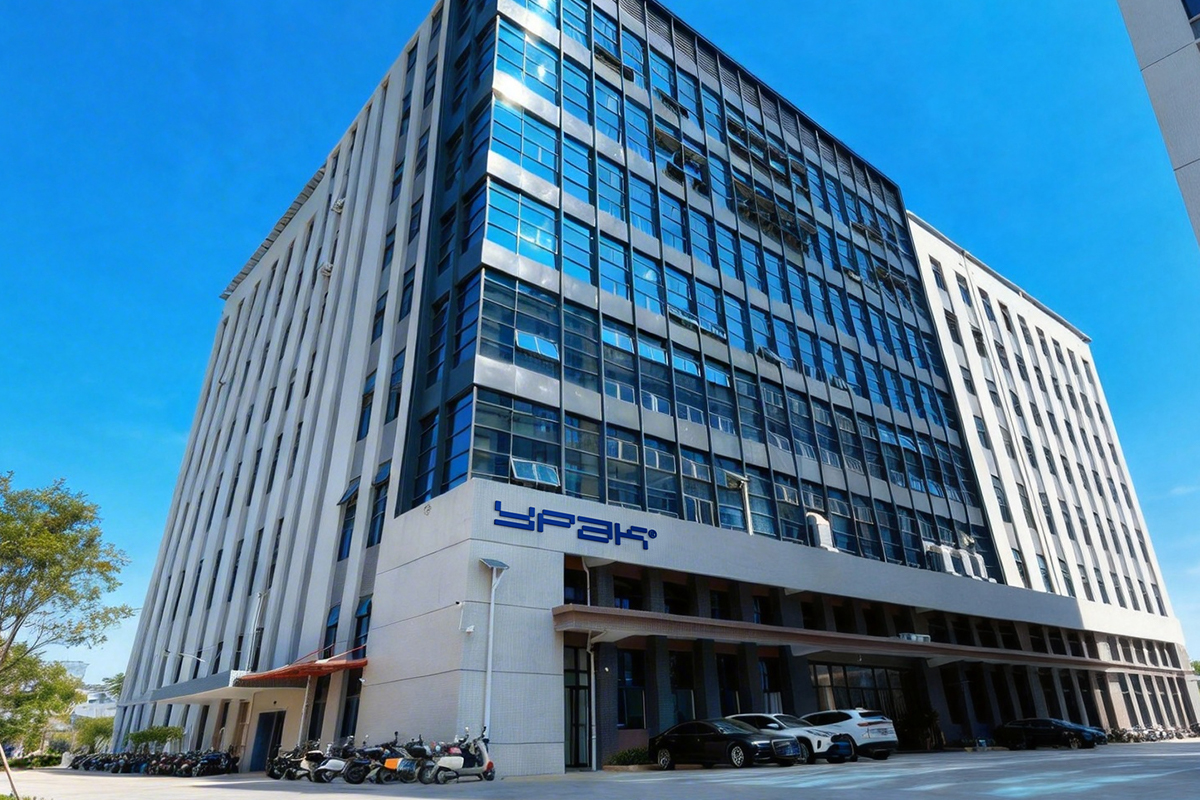
Founded in 2011, operating three state-of-the-art facilities across Hong Kong, Dongguan, and Foshan—emerging as one of China's premier flexible packaging leaders.
YPAK PACKAGING GROUP has established itself as an authoritative global manufacturer specializing in high-barrier coffee pouches, flexible plastic bags for wholesale packing, custom-printed packaging solutions, and specialty sticker applications.
Our modern Foshan and Dongguan production facilities hold world-recognized BRCGS Food Safety (Global Standard for Packaging Materials) and ISO 22000:2018 Food Safety Management System certifications. Every flexible pouch leaving our production lines is engineered to meet ultra-strict international food contact standards with full manufacturing traceability.
To deliver unmatched product freshness, we integrate original Swiss WIPF one-way degassing valves as standard configuration across our coffee and roasted bean packaging lines. Furthermore, our investment in the cutting-edge HP Indigo 25K Digital Press enables plate-free production runs, ultra-low minimum order quantities (MOQs), and photorealistic print fidelity—empowering emerging and enterprise brands to test markets with agility.
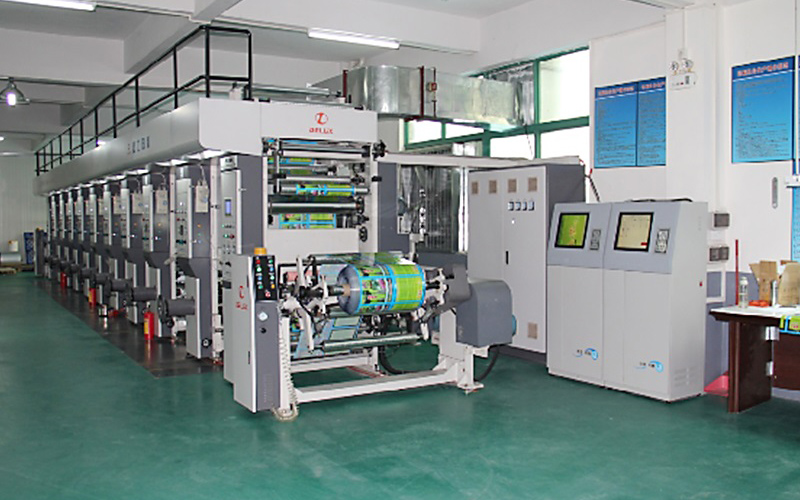
In May 2012, YPAK commissioned its first complete flexible packaging production line, initiating specialized film converting operations.
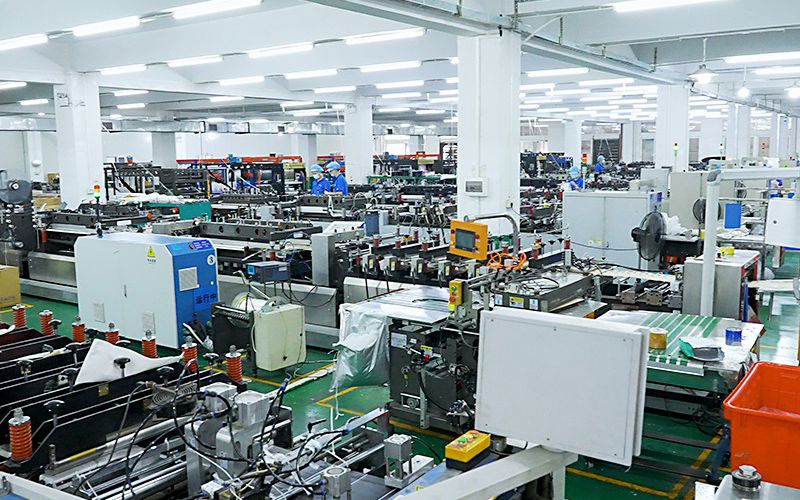
In March 2016, YPAK expanded technical capabilities to produce premium flat bottom box pouches with quad-seal structural integrity.
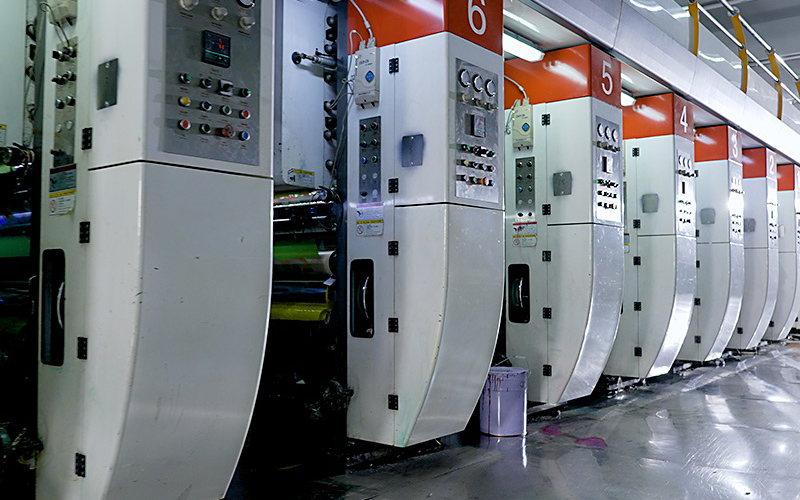
In August 2017, the second automated production facility was established to handle growing international OEM volume demand.
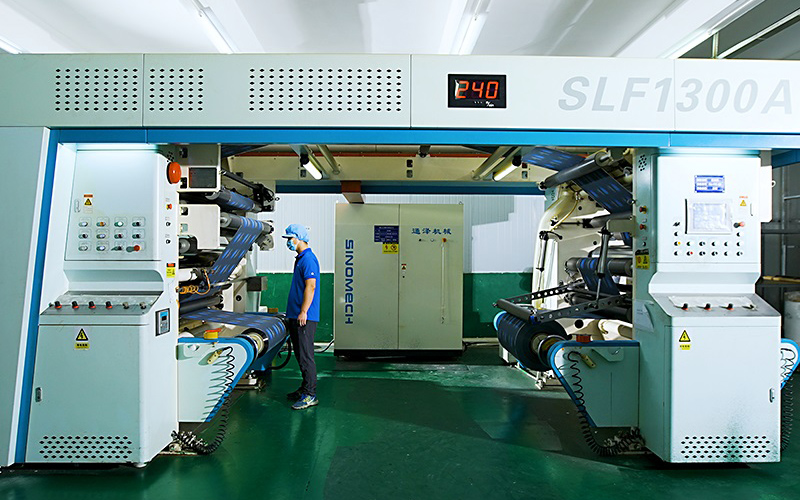
In April 2018, YPAK transitioned fully to solvent-free composite lamination technology, enhancing safety and sustainability standards.
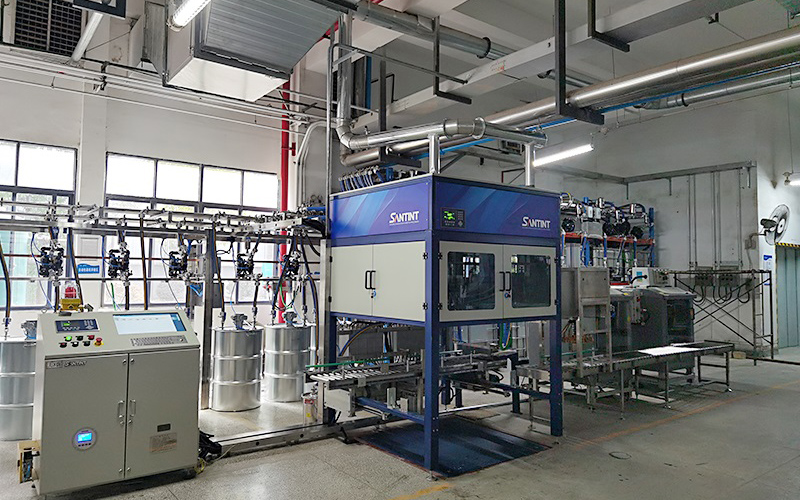
In June and July 2020, YPAK introduced automatic spectrophotometer ink adjustment systems alongside enterprise ERP production management software.
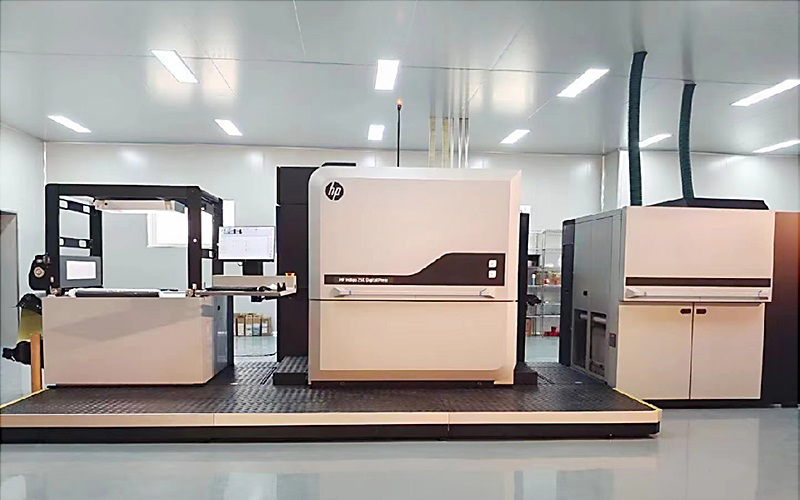
In October 2021, the acquisition of HP INDIGO 25K digital press revolutionized YPAK's custom flexible packaging offerings, providing plate-free printing with 99.5% on-time delivery.
Building transparent, long-term B2B partnerships through online video verification, mid-production tracking, and dedicated after-sales guarantees.
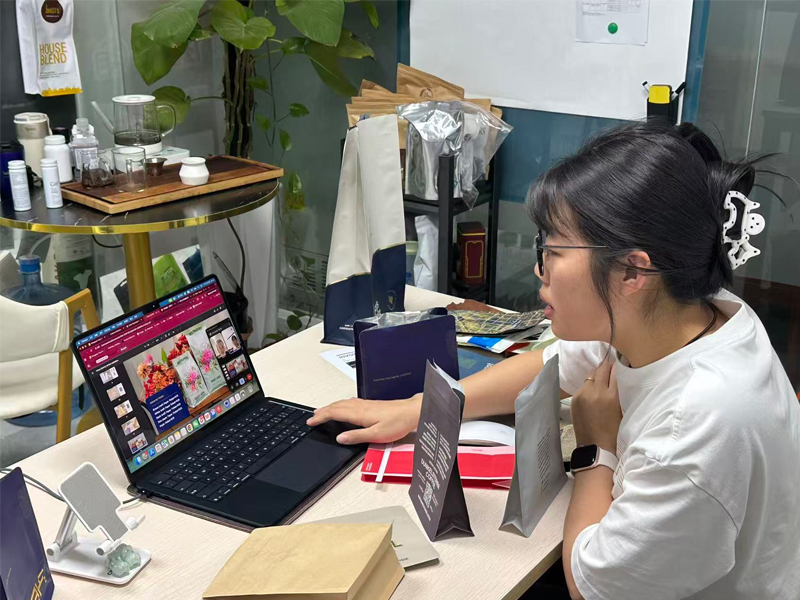
We eliminate guesswork by providing one-on-one video confirmation, material selection analysis, structural die-line templates, and customized 3D render mockups before mass production commences.
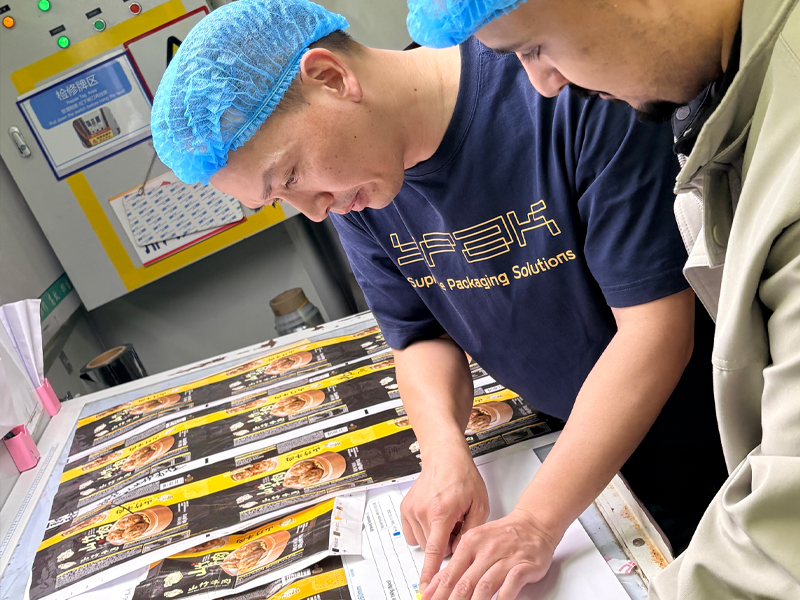
Maintaining strict control across every step. We share live photo updates and high-definition video clips of printing, lamination, curing, and pouch-making stages so clients visualize production progress in real-time.
Our partnership extends beyond delivery. We establish rapid feedback channels, track logistical performance, gather seal strength feedback, and provide continuous technical warranty support.
Technical clarifications, custom manufacturing inquiries, minimum order quantities, and material selection guidance.
 YPAK PACKAGING