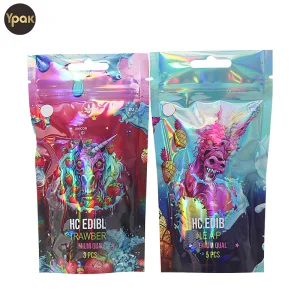
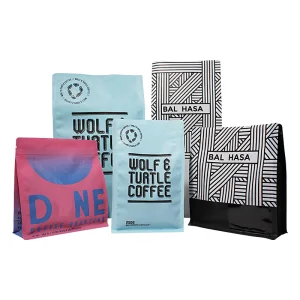
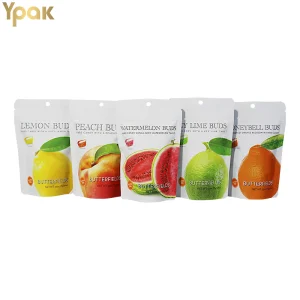
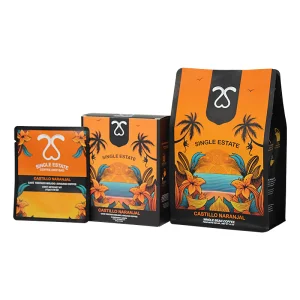
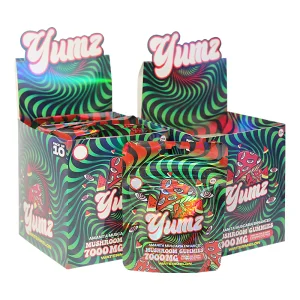
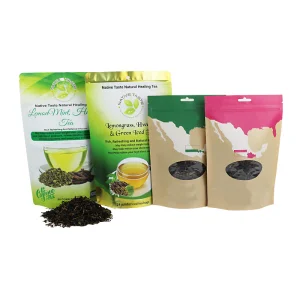
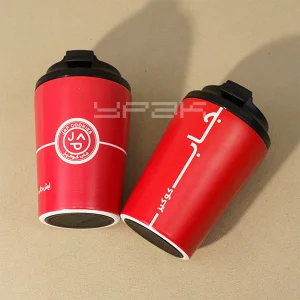
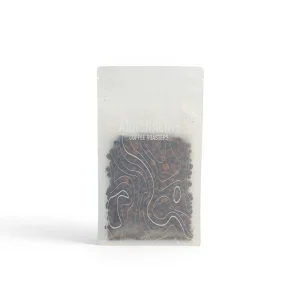
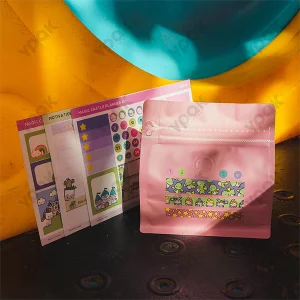
Explore our top-tier precision-engineered Mylar bag formulations designed for coffee, edibles, specialty teas, and industrial bulk preservation.
In the modern global supply chain, flexible barrier packaging has evolved from a simple protective envelope into a highly engineered, active component of product integrity, shelf-life extension, and brand valuation. The global market for flexible barrier packaging is projected to exceed $21.4 Billion by 2028, driven by accelerating demand in specialty coffee, legal cannabis derivatives, pharmaceuticals, electronics preservation, and long-term emergency food supplies. At the core of this sector lies Biaxially-oriented Polyethylene Terephthalate (BoPET), commercially popularized as Mylar.
A specialized Wholesale Mylar Bag Factory does not merely convert plastic films; it operates at the intersection of polymer science, micro-layer lamination physics, atmospheric barrier engineering, and sustainable material chemistry. Enterprise buyers seeking a manufacturing partner must look beyond baseline unit pricing to evaluate raw material sourcing integrity, atmospheric permeability metrics (OTR & WVTR), seal strength under thermal stress, and compliance with stringent international food-contact frameworks including FDA 21 CFR, EU 10/2011, and BRCGS Global Standards.
This technical whitepaper provides procurement directors, brand owners, packaging engineers, and supply chain executives with an exhaustive analysis of Mylar bag manufacturing technologies, material layer architecture, global regulatory landscapes, and direct factory procurement strategies.
The primary performance function of a commercial Mylar pouch is to isolate internal contents from external environmental degradation vectors: molecular oxygen penetration, water vapor transmission, ultraviolet (UV) photo-oxidation, and aroma compound migration. Achieving zero-defect barrier integrity requires multi-layer composite structures produced via high-precision lamination.
Different commercial applications require specific material combinations depending on shelf-life targets, puncture resistance requirements, and sustainability metrics. Below is the direct technical specification framework engineered across top-tier Mylar pouch factories:
| Laminate Code | Layer Structure Configuration | OTR (cc/m²/24h) | WVTR (g/m²/24h) | Primary Application Target |
|---|---|---|---|---|
| PET/AL/NY/PE | BoPET + Aluminum Foil + Biaxially Oriented Nylon + LLDPE | < 0.005 | < 0.005 | Ultra-High Barrier, Freeze-Dried Food, Medical, Long-term Bulk Storage |
| PET/VMPET/PE | BoPET + Vacuum Metallized PET + Linear Low-Density PE | < 0.500 | < 0.300 | Retail Coffee, Edibles, Dry Snacks, High-Visual Metallic Aesthetics |
| Kraft/AL/PE | Natural Kraft Paper + Aluminum Foil + Food-Grade LLDPE | < 0.010 | < 0.010 | Artisanal Organic Teas, Specialty Coffee Beans, Bio-Natural Look |
| Mono-PE (Recyclable) | MDO-PE + EVOH High-Barrier Layer + Low-Temp Seal PE | < 0.150 | < 0.400 | 100% Recyclable Packaging (RIC 4), EU PPWR Compliant Retail Pouch |
| PLA/Kraft/PBAT | Plant Cellulose + Kraft Paper + Compostable Polymer Sealant | < 2.500 | < 3.000 | Certified Industrial Compostable (EN 13432), Short-to-Mid Shelf Life |
Technical Insight: Aluminum Foil (AL) layers provide an absolute zero-permeability barrier against light and oxygen but suffer from flex-cracking under repeated mechanical stress. By co-extruding a Biaxially-oriented Nylon (BON/NY) layer into the matrix (PET/AL/NY/PE), puncture strength increases by over 300%, eliminating pinhole oxygen leaks during long-distance transoceanic shipping.
Integrating state-of-the-art European converting machinery with rigorous BRCGS food safety protocols to power international brands.
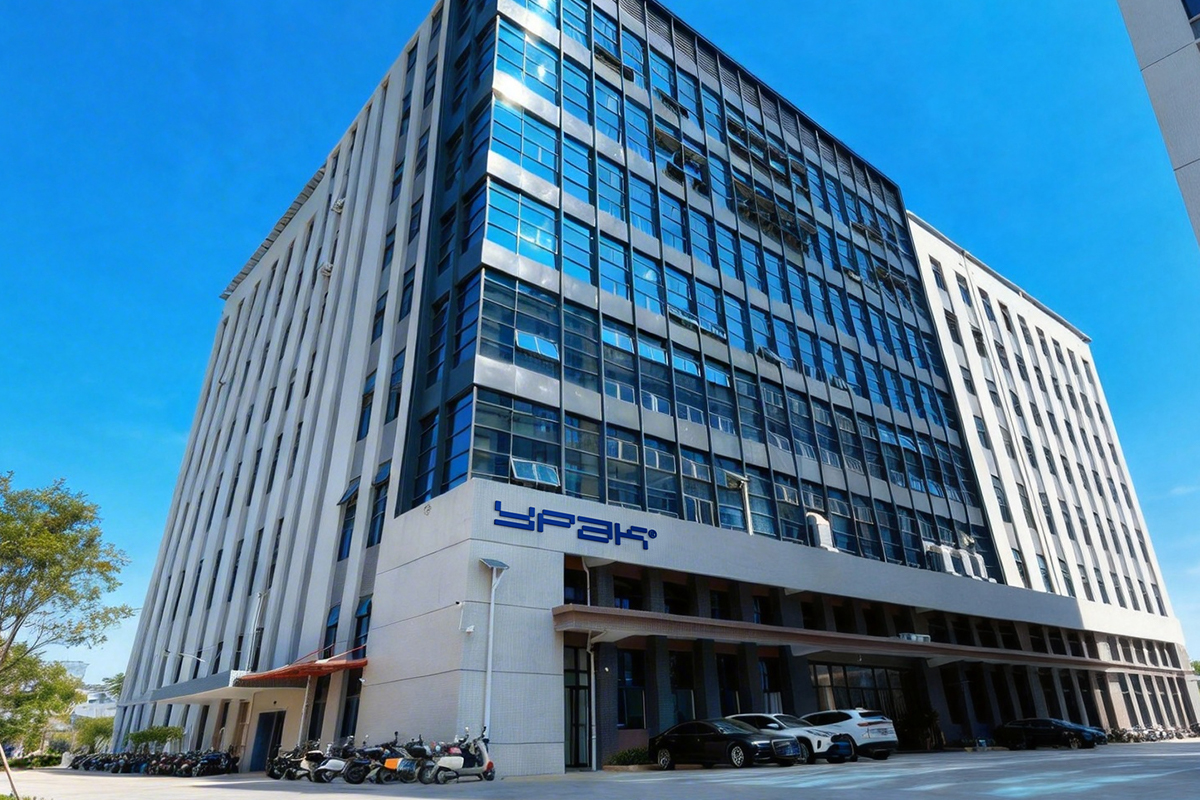
Founded in 2011, YPAK operates three facilities across Hong Kong, Dongguan, and Foshan, emerging as one of China’s leading coffee bag manufacturers. Our Foshan and Dongguan plants are BRCGS Food Safety and ISO 22000:2018 certified—ensuring every pouch meets rigorous global food contact standards with full traceability. We fit Swiss WIPF one-way valves as standard, delivering industry-leading technology of keeping coffee freshness in our packaging. Our HP Indigo 25K digital press enables MOQ-free, plate-free runs with photorealistic print quality—perfect for limited editions and market testing. With a 99.5% on-time delivery rate, we keep your production lines moving. Our recyclable and compostable pouches help you stay ahead of plastic regulations in the EU, UK, and North America—without compromising performance. You are welcome to visit YPAK.
YPAK’s continuous capital investment in advanced lamination engineering and automation reflects over a decade of technological expansion:
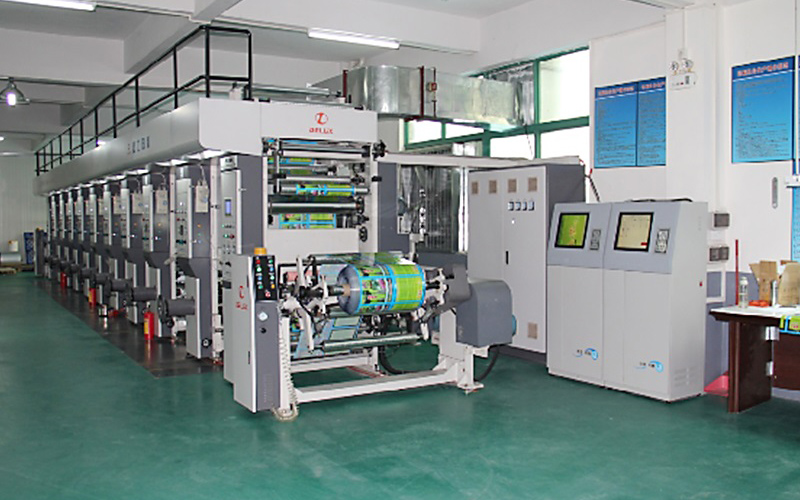
In May 2012, the first complete flexible packaging production line was established, marking full-scale manufacturing capability.
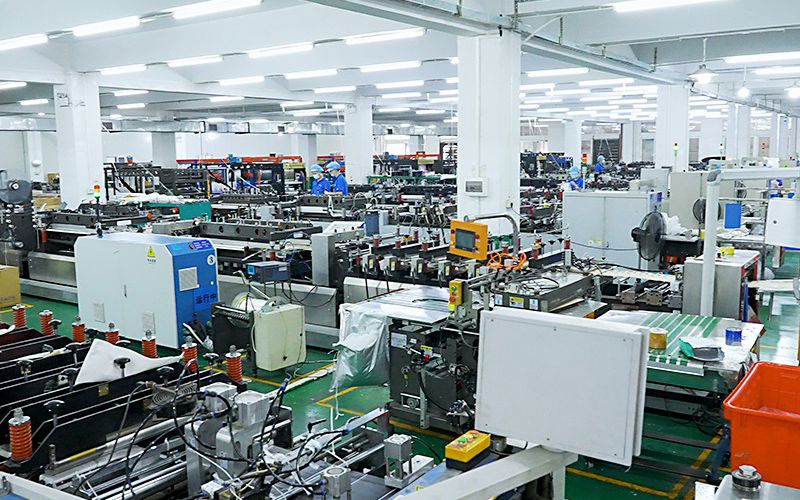
In March 2016, began to produce flat bottom bags, expanding into high-end box-pouch geometries for specialty coffee roasters.
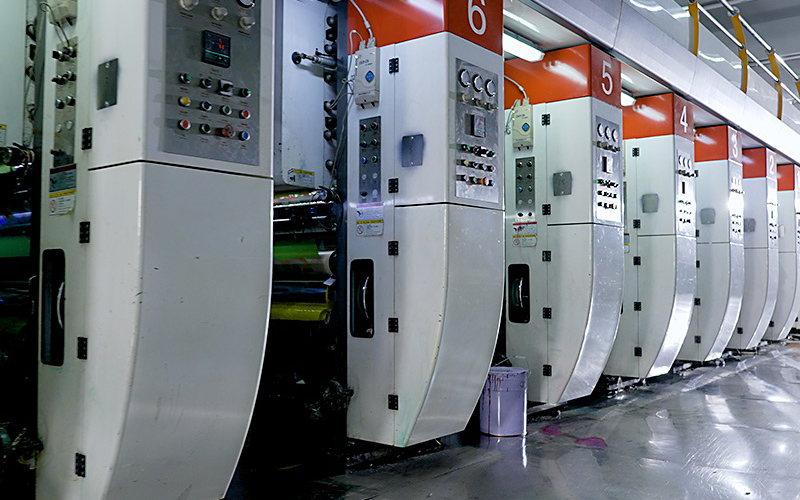
In August 2017, the second production line was established, doubling annual conversion output for high-barrier films.
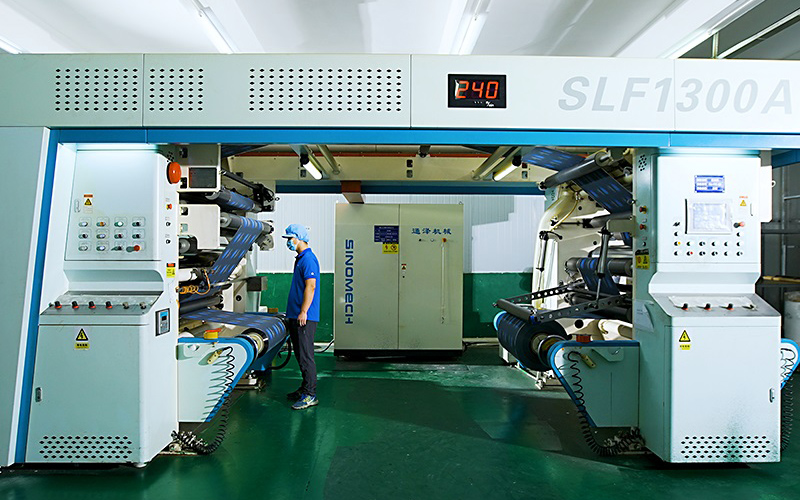
April 2018, integrated eco-friendly solvent-free composite technology, eliminating volatile organic compounds (VOCs) in lamination.
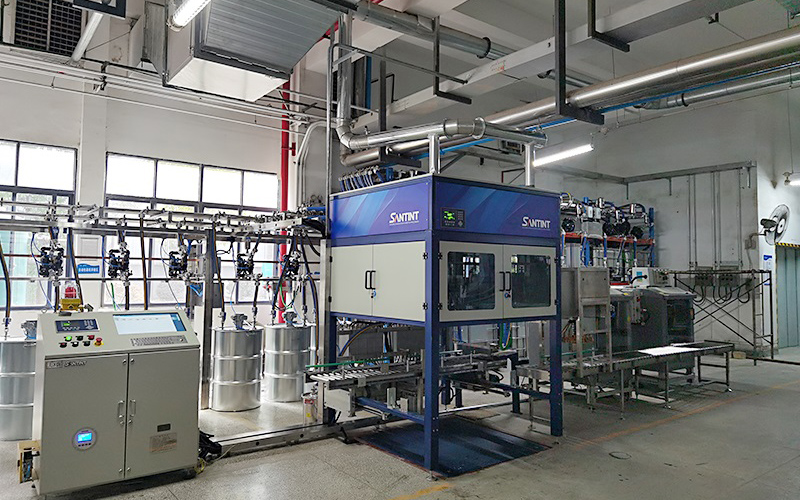
In June 2020, the automatic ink adjustment system was introduced for laser-precise color consistency across high-volume orders.
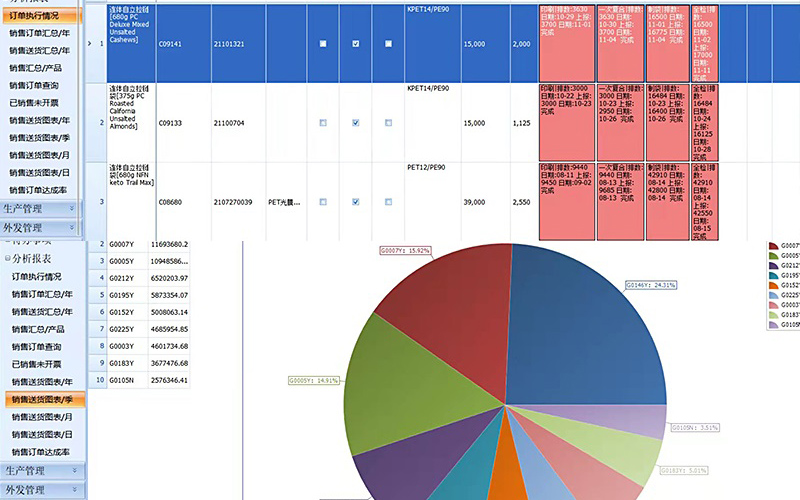
In July 2020, the ERP production management system was introduced to track batch metrics, material lot numbers, and real-time order scheduling.
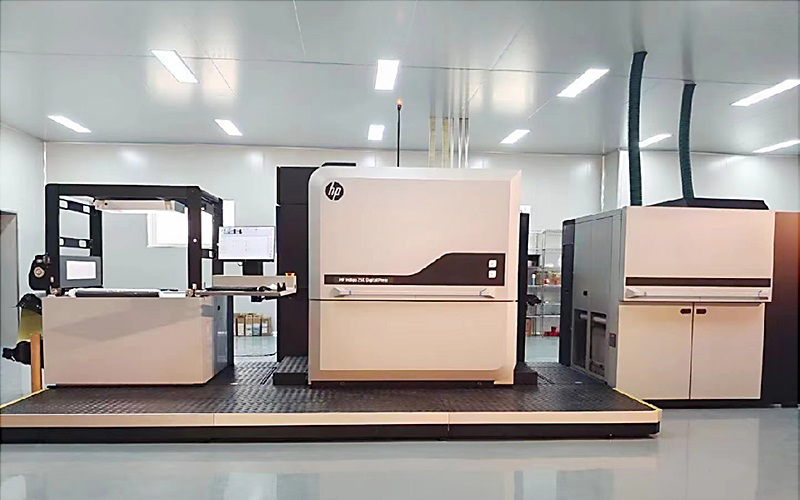
In October 2021, HP INDIGO 25K digital printing machine was introduced, pioneering zero-plate-cost digital flexible packaging runs with photorealistic accuracy.
A reliable wholesale factory partner must offer complete operational visibility throughout the manufacturing cycle. YPAK operates under a standardized three-phase service model:
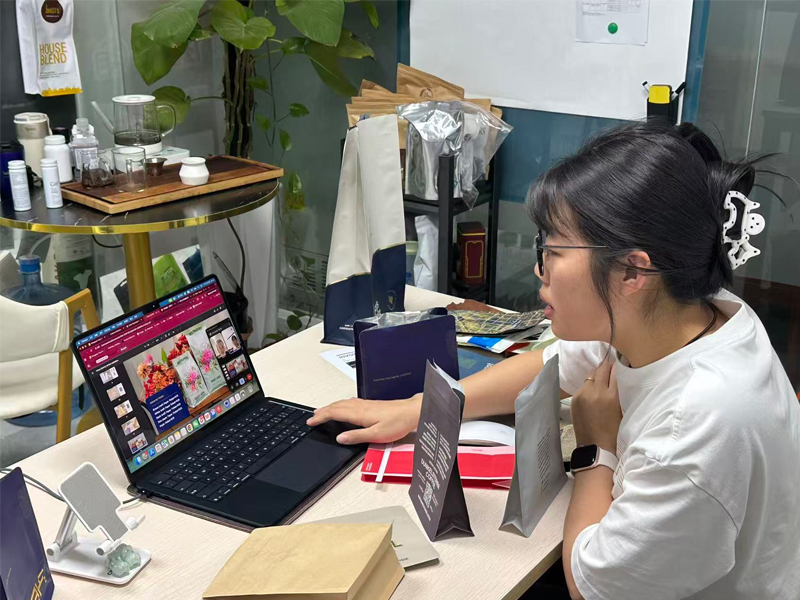
Pre-sales service: Improve customer experience through online video confirmation. One of the keys to meeting customer needs is to provide excellent pre-sales service, which helps to build a solid foundation for long-term relationships. We provide one-on-one service to ensure accurate and efficient communication.
Traditionally, pre-sales service involves assisting customers in selecting the correct product or service, understanding its features, and resolving any issues. However, this process is often time-consuming and presents challenges in confirming details. With online video confirmation, businesses can now take the guesswork out of it and take it one step further to provide customers with personal attention.
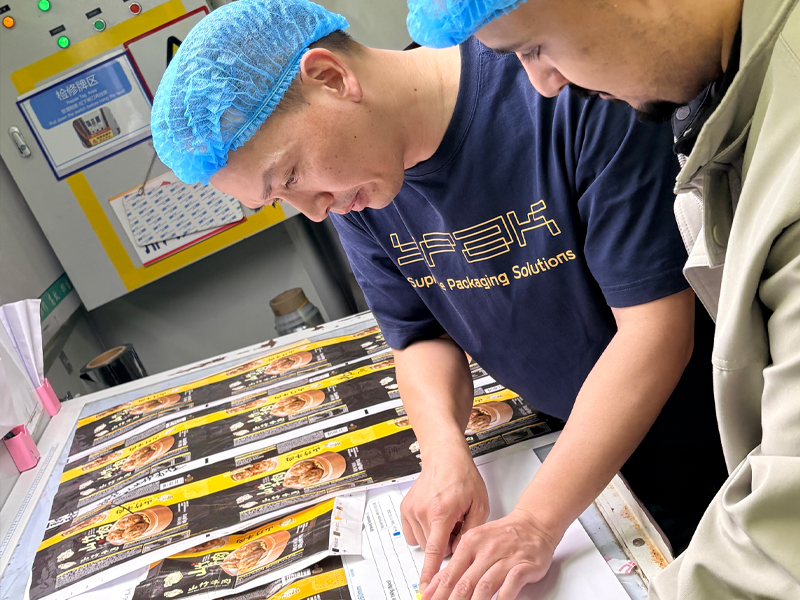
We provide exceptional mid-sale service. It is an essential step that ensures a seamless transition from the initial sale to the final delivery.
Mid-sale service is maintaining control over the production process. This involves closely monitoring and managing each stage of production to ensure quality and timely delivery. We will send the videos and pictures, which can help customers visualize the product they have purchased, audit seal parameters, and confirm batch colors in real time.
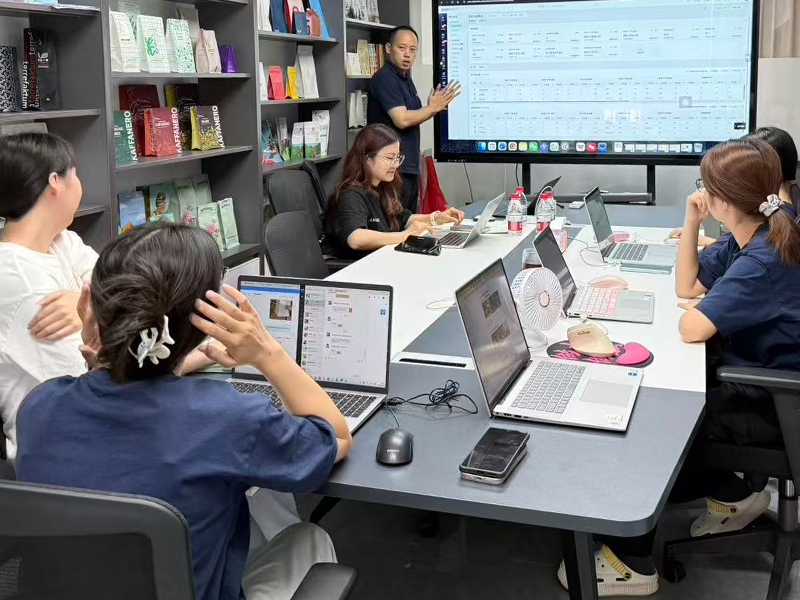
We provide excellent after-sales service that not only ensures customer satisfaction, but also enhances the partnership with customers, leading to repeat business and positive word-of-mouth marketing.
By investing in training programs and establishing effective feedback channels, businesses can continuously improve after-sales service and ensure long-term success in a competitive market. Full batch code traceability allows instant physical lot review if any parameter fails quality control inspection.
Mylar pouches are engineered to address specific physical and chemical degradation mechanisms across diverse industry verticals. A true OEM packaging factory tailors sealant layers, degassing hardware, and child-resistant closures to the precise demands of the product.
The flexible packaging regulatory framework is undergoing a massive shift globally. Statutory legislation like the European Union's Packaging and Packaging Waste Regulation (PPWR), the UK Plastic Packaging Tax, and California’s SB 54 require brands to transition to recyclable or compostable formats without sacrificing product protection.
Traditional high-barrier Mylar pouches combine dissimilar plastics (PET fused with Aluminum and PE), making them non-recyclable in standard municipal waste streams (RIC 7). YPAK has engineered advanced Mono-Polyethylene (Mono-PE) pouches utilizing Machine Direction Oriented PE (MDO-PE) laminated to high-barrier EVOH-PE sealant layers. This creates a 100% recyclable pouch under the RIC 4 (LDPE) recycling stream, compliant with RecyClass protocols.
For organic products, tea, and botanical brands targeting zero-waste goals, YPAK produces multi-layer compostable pouches utilizing natural Kraft paper combined with plant-derived PLA (Polylactic Acid) and PBAT bio-polymers. These pouches achieve full biodegradation under industrial composting conditions within 180 days in compliance with EN 13432 and ASTM D6400 standards.
When selecting a commercial Wholesale Mylar Bag Factory, enterprise procurement teams must evaluate Total Cost of Ownership (TCO) variables to balance unit cost, tooling expenses, lead times, and risk mitigation.
| Factor | Rotogravure Cylinder Printing | HP Indigo 25K Digital Printing |
|---|---|---|
| Minimum Order Quantity (MOQ) | 10,000 – 30,000 units per SKU | No MOQ (100 – 1,000 units) |
| Initial Tooling / Cylinder Fee | $150 - $300 per color channel | $0 (Zero Plate Cost) |
| Color Fidelity & SKU Variation | Pantone matching (Up to 10 Colors) | Variable Data, Unlimited SKUs per run |
| Cost per Unit (High Volume) | Lowest Cost / Highest Efficiency | Higher per-unit film cost |
| Lead Time to Production | 15 - 21 Days (Cylinder Engraving) | 3 - 7 Days |
Strategic Sourcing Recommendation: Utilize YPAK’s HP Indigo 25K digital press for seasonal products, geographic market tests, and multi-SKU product launches. Once market demand stabilizes, transition high-volume SKUs to gravure production to optimize per-unit margins.
The next decade of flexible barrier packaging will be defined by smart capabilities and ultra-thin nano-coatings that push packaging beyond passive containment.
Direct technical insights to simplify sourcing and engineering decisions for brand managers.
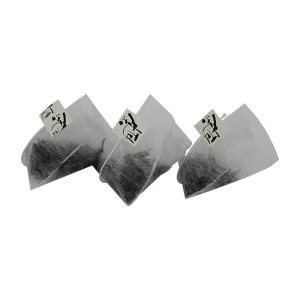
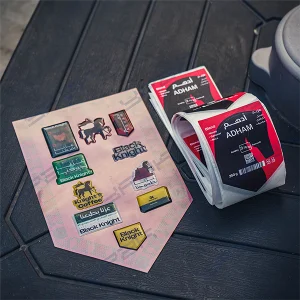
Explore our specialty lines including holographic dispensary bags, biodegradable tea filters, metal tins, and custom branding labels.
 YPAK PACKAGING