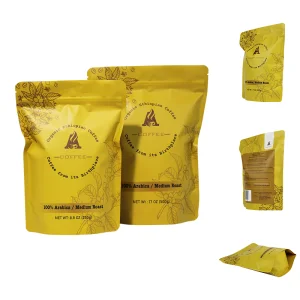
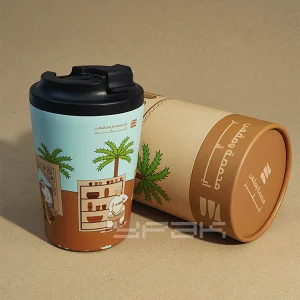
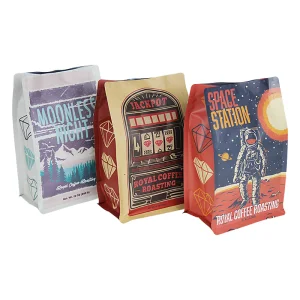
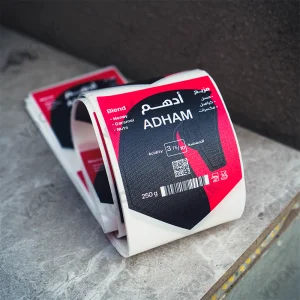
Direct from BRCGS & ISO 22000 Certified Manufacturing Facilities
Quantifiable quality indicators governing our wholesale moisture barrier packaging factory ecosystem
Analyzing powder degradation physics, atmospheric moisture ingress, and enterprise supply chain risks
Powdered products—ranging from highly sensitive pharmaceutical active ingredients (APIs), specialized infant formulas, and protein isolate concentrates to industrial agrochemicals, fine chemicals, and specialty micro-ground coffee—possess an elevated surface-area-to-mass ratio. This anatomical characteristic makes powders exceedingly susceptible to moisture vapor sorption. When exposed to ambient relative humidity (RH) exceeding critical thresholds, moisture ingress induces deliquescence, capillary condensation, plasticization, and rapid caking.
For modern bulk manufacturing and wholesale distribution, uncompromised barrier performance is non-negotiable. A minimal rise of 0.5% in internal pouch moisture content can trigger irreversible enzymatic degradation, active constituent hydrolysis, clump formation, loss of dispersibility, and premature microbial proliferation. Procuring advanced wholesale moisture barrier packaging for powder factory supply chains requires an intricate understanding of barrier film physics, thermal sealing dynamics, and structural laminate integrity.
To eliminate these multi-million dollar supply chain risks, global brand owners and industrial contract packagers are turning to multi-layered engineered laminates that maintain zero-tolerance moisture vapor transmission rates (WVTR) under tropical and extreme climatic conditions (ASTM E96 / ASTM F1249 testing standards at 38°C and 90% RH).
Structural film compositions engineered for maximum moisture impermeability and mechanical durability
Modern high-barrier flexible packaging utilizes complex, co-extruded or adhesive-laminated composite structures. Each layer in the composite fulfills a specific physical, chemical, or structural objective:
Aluminum foil (typically 6.3µm to 9µm thickness) remains the gold standard absolute barrier. Providing an effective WVTR of 0.000 g/m²/24h and zero oxygen permeability, aluminum foil prevents light-induced photo-oxidation. Incorporating Biaxially Oriented Nylon (BON/NY) adds superior puncture and flex-crack resistance for bulk powder transit up to 25kg.
Vacuum Metallized Polyester (VMPET) offers an economic, lightweight, and durable alternative. By depositing a micro-thin aluminum vapor layer onto PET film, manufacturers achieve high barrier performance (WVTR < 0.5 g/m²/24h) alongside excellent metallic aesthetic appeal, reduced carbon footprint, and enhanced flex life during automated pouch forming.
Aligned with global circular economy directives (EU PPWR), next-generation mono-material polyethylene structures incorporate ethylene vinyl alcohol (EVOH) co-extrusions. This engineering breakthrough delivers robust moisture and gas protection while remaining 100% recyclable in standard PE/PP recycling streams.
| Laminate Structure | WVTR (g/m²/24h) | OTR (cc/m²/24h) | Puncture Resistance | Recyclability Category | Primary Industrial Powder Application |
|---|---|---|---|---|---|
| PET / AL / LLDPE (Tri-Layer) | < 0.005 | < 0.01 | High | Specialized / Thermal Recovery | Hygroscopic APIs, Infant Formula, Specialty Chemicals |
| PET / NY / AL / LLDPE (Heavy Duty) | < 0.001 | < 0.005 | Extreme (High Pinhole Resistance) | Specialized Industrial | 25kg Bulk Agricultural Powders, Chemical Additives |
| PET / VMPET / PE (Metallic) | 0.2 - 0.5 | 0.5 - 1.2 | Moderate to High | Standard Plastic Stream | Nutraceutical Powders, Whey Isolate, Soluble Coffee |
| High-Barrier MDO-PE / EVOH-PE | 0.5 - 0.8 | 0.1 - 0.3 | High (Elongation Capacity) | 100% Circular PE Stream (#4) | Organic Food Powders, Specialty Retail Flavors |
Addressing dust contamination, electrostatic charge, micro-pinholing, and degassing in factory automated lines
During ultra-high-speed vertical form-fill-seal (VFFS) or pre-made pouch filling operations, fine powder particulates airborne within the pouch neck contaminate the heat seal area. Standard linear low-density polyethylenes fail to seal through dust, leading to channel leaks and catastrophic moisture entry.
YPAK Technical Solution: We engineer specialized Metallocene-catalyzed LLDPE sealant layers featuring low seal-initiation temperatures (SIT) and aggressive hot-tack strength. The polymer chain mobility enables the molten inner layer to encapsulate dust particles, forming a hermetic heat seal even in dusty filling environments.
Triboelectric charging occurs when powder particles frictionally rub against film surfaces during pneumatically fed industrial packaging lines. Static accumulation causes powder to adhere clingingly to the top seal area, zipper tracks, and outer package graphics.
YPAK Technical Solution: Integration of permanent non-migratable anti-static additives directly into the inner PE sealant layer. Surface resistivity is controlled strictly between 109 to 1011 ohms/sq, preventing particle attraction and preserving clean seal zones.
Active powders—such as freshly micro-ground roasted coffee, specific chemical catalysts, or bio-fermented agricultural agents—emit off-gases (CO2) after packaging. Without gas relief, pouches balloon and burst. Conversely, external air and ambient moisture must not enter.
YPAK Technical Solution: Installation of genuine Swiss-made WIPF one-way degassing valves. These precision-engineered micro-valves vent internal gas pressures above 10 mbar while instantly resealing to block oxygen and humidity ingress down to microscopic levels.
Consumer multi-use powder packaging demands repeatable, tight resealability over dozens of openings without allowing moisture accumulation inside the package head-space over weeks of product usage.
YPAK Technical Solution: Integration of specialized tactile click-lock zippers and powder-resistant hook-to-hook closures (e.g., Velcro-style closures) that crush trapped powder grains within the track mechanism, maintaining a tight moisture barrier seal throughout the product life cycle.
Why Tier-1 international enterprises partner with YPAK Packaging Group for high-barrier pouch manufacturing
When sourcing wholesale moisture barrier packaging for powder factory & factories direct from leading Chinese manufacturing hubs like Dongguan and Foshan, global buyers unlock unprecedented operational efficiencies, structural agility, and cost optimization.
As one of China's premier flexible packaging conglomerates, YPAK PACKAGING GROUP has built a fully vertically integrated manufacturing infrastructure. By maintaining absolute control over film blow extrusion, cylinder engraving, high-speed rotogravure printing, solvent-free lamination, slitting, and automated pouch-making, YPAK eliminates supply chain intermediaries and enforces rigorous quality control at every processing milestone.
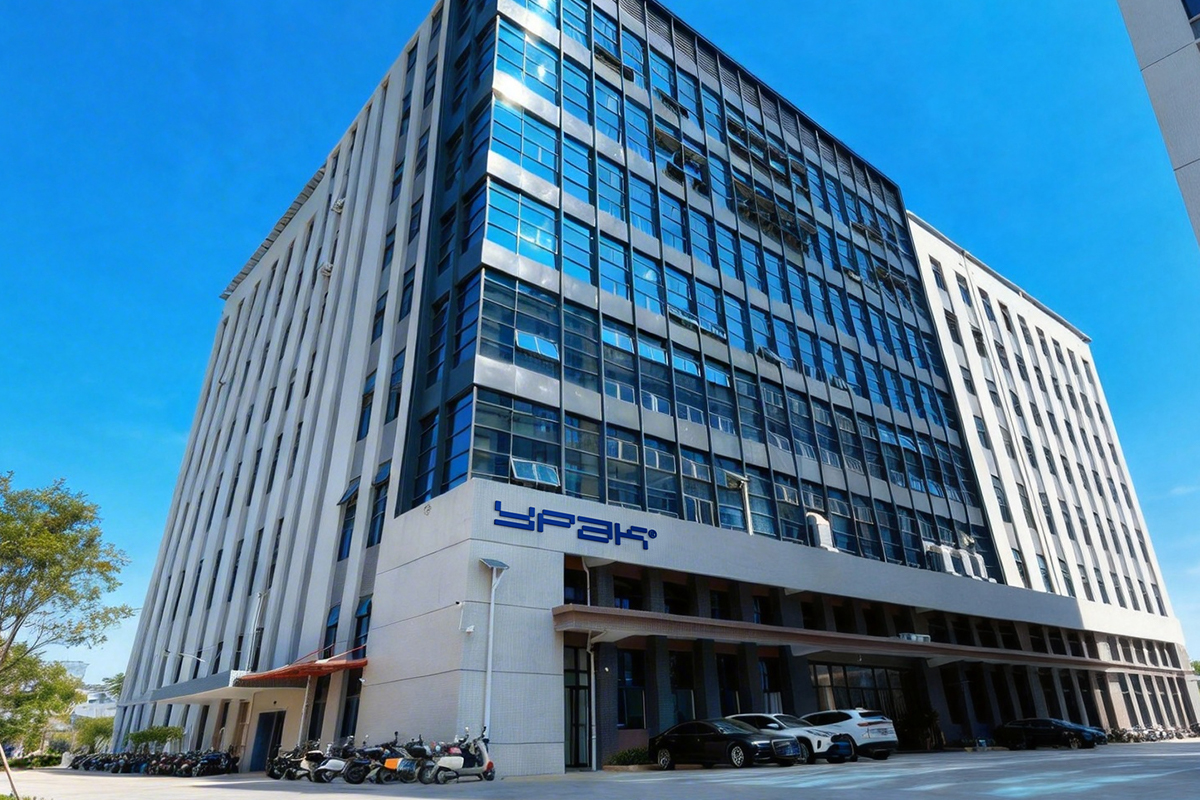
Founded in 2011, YPAK operates three facilities across Hong Kong, Dongguan, and Foshan, emerging as one of China’s leading coffee and barrier bag manufacturers.
Our Foshan and Dongguan plants are BRCGS Food Safety and ISO 22000:2018 certified—ensuring every pouch meets rigorous global food contact standards with full traceability. We fit Swiss WIPF one-way valves as standard, delivering industry-leading technology of keeping freshness in our packaging. Our HP Indigo 25K digital press enables MOQ-free, plate-free runs with photorealistic print quality—perfect for limited editions and market testing.
With a 99.5% on-time delivery rate, we keep your production lines moving. Our recyclable and compostable pouches help you stay ahead of plastic regulations in the EU, UK, and North America—without compromising performance. You are welcome to visit YPAK.
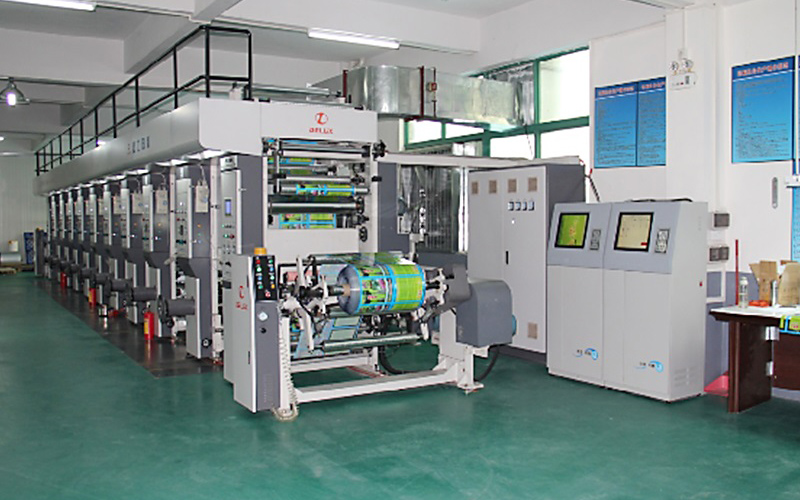
Commissioned our first complete high-speed flexible packaging laminate production line, serving domestic regional powder and coffee packaging clients.
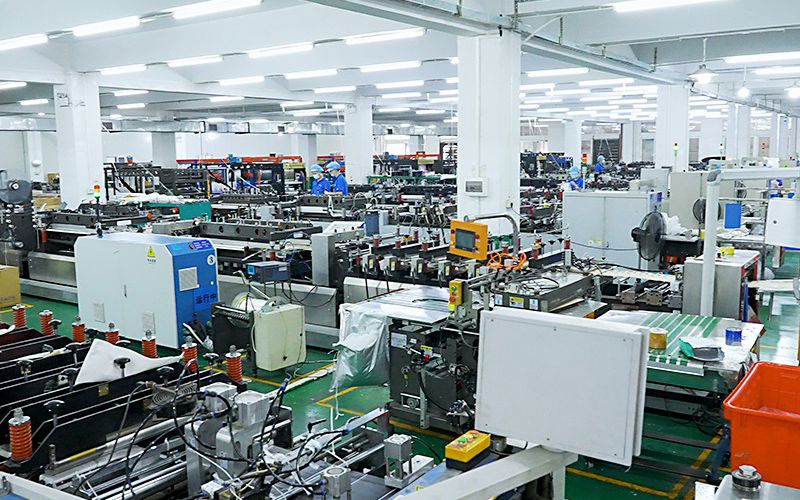
Pioneered high-precision automated machinery to manufacture five-side sealed flat bottom pouches (box pouches) with optimized shelf stability.
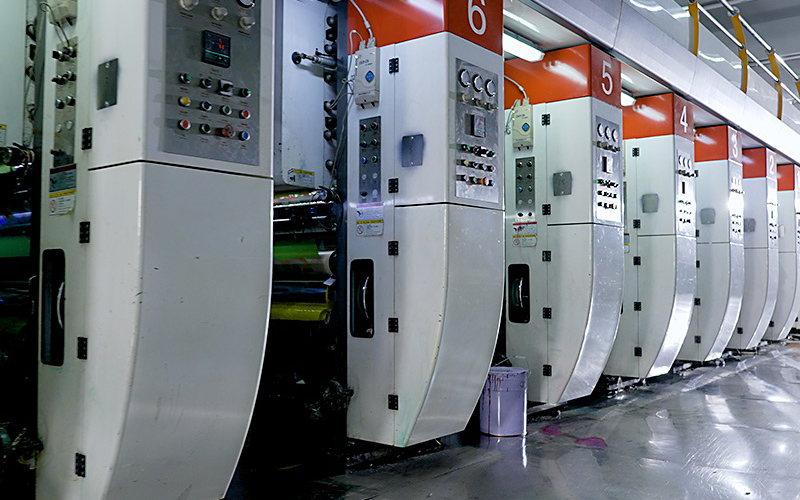
Expanded total manufacturing floor space by establishing a second specialized production line focused on high-barrier foil laminates.
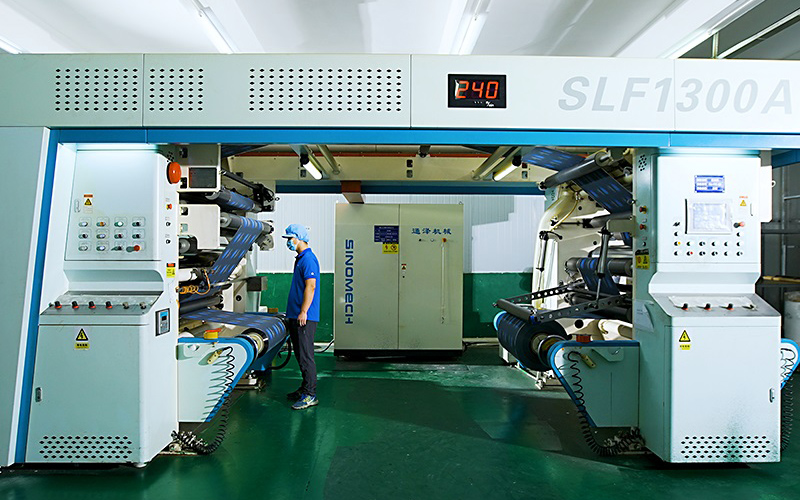
Transitioned 100% of composite film lamination to solvent-free eco-technologies, eliminating hazardous VOC emissions and zero chemical odor migration.
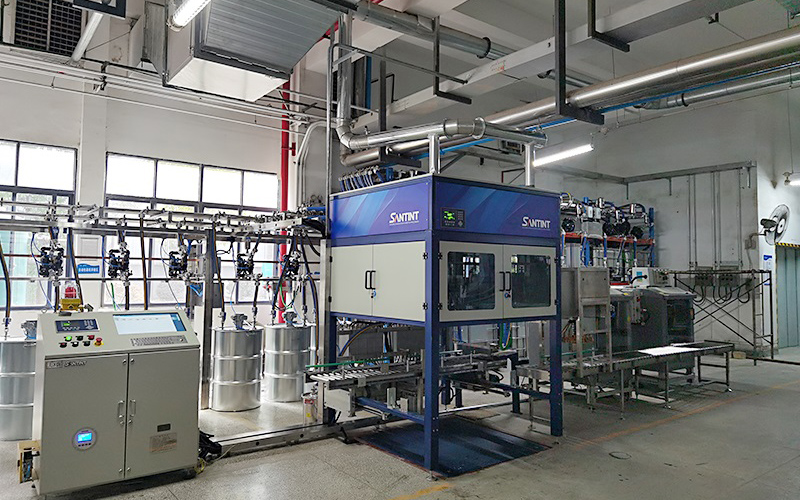
Implemented smart closed-loop spectro-photometric ink dispensing systems to ensure Delta-E < 1.5 color accuracy across high-volume production batches.
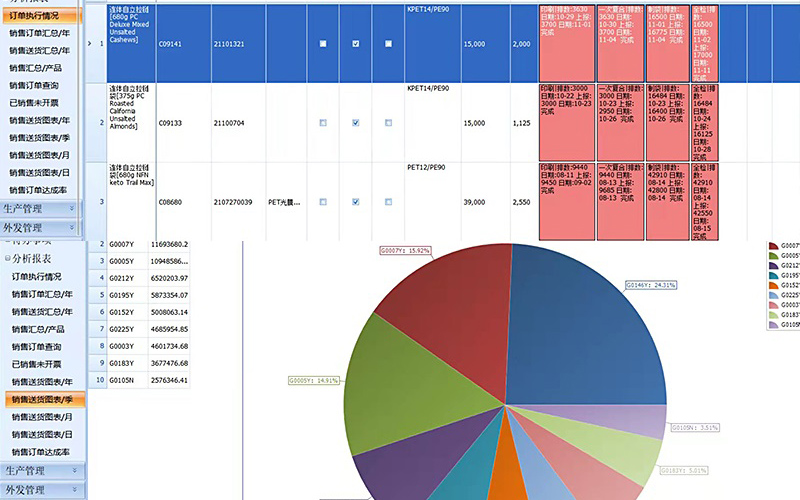
Integrated end-to-end ERP digital tracking, connecting raw material batch traceability directly to finished pouch shipments for enterprise compliance auditing.
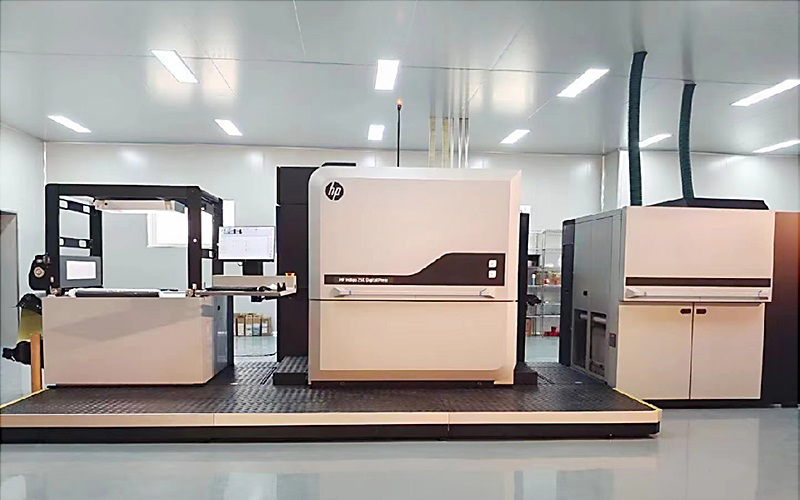
Introduced state-of-the-art HP Indigo 25K web digital press, breaking minimum order quantity barriers and enabling rapid market testing for global brands.
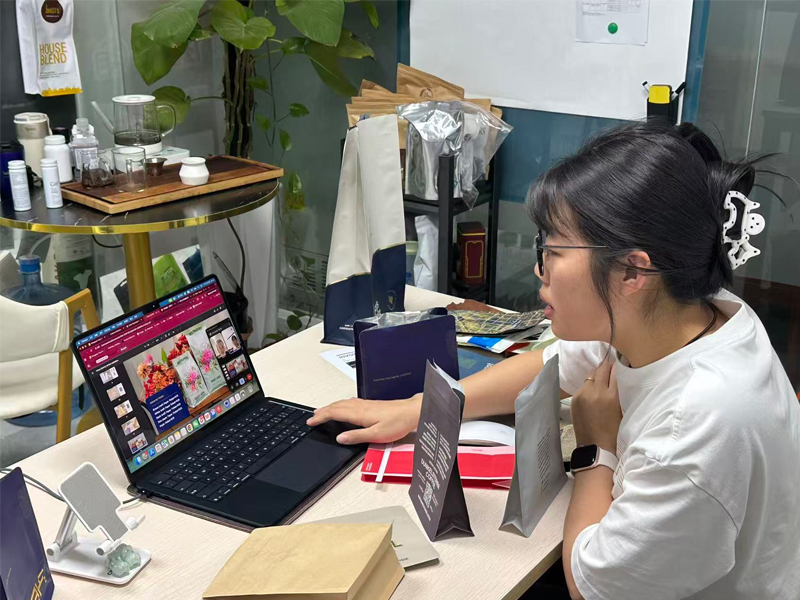
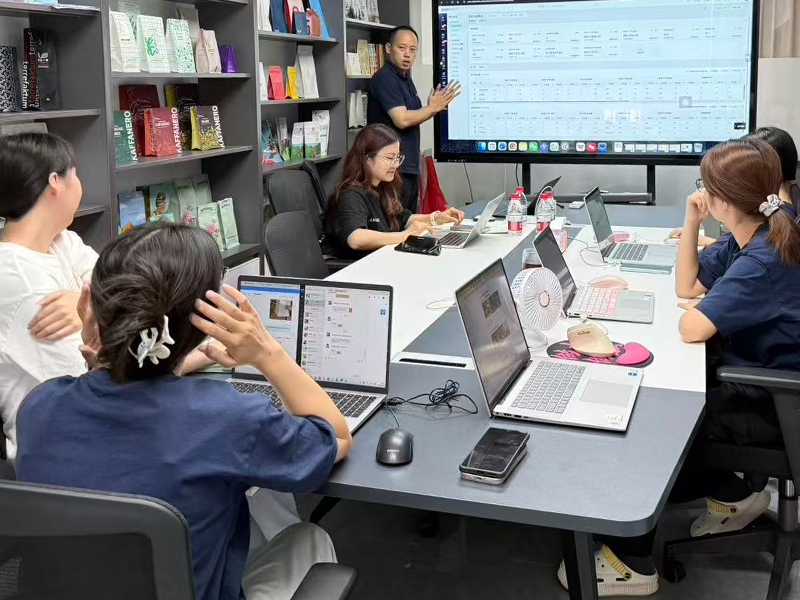
Improve customer experience through online video confirmation. One of the keys to meeting customer needs is providing excellent pre-sales service, establishing a solid foundation for long-term relationships. We provide one-on-one technical service to ensure accurate, efficient communication and material engineering specs.
We provide exceptional mid-sale service as an essential step ensuring a seamless transition from initial purchase order to final container delivery. We maintain control over each production stage, sending real-time inspection photos and videos to help customers monitor manufacturing quality.
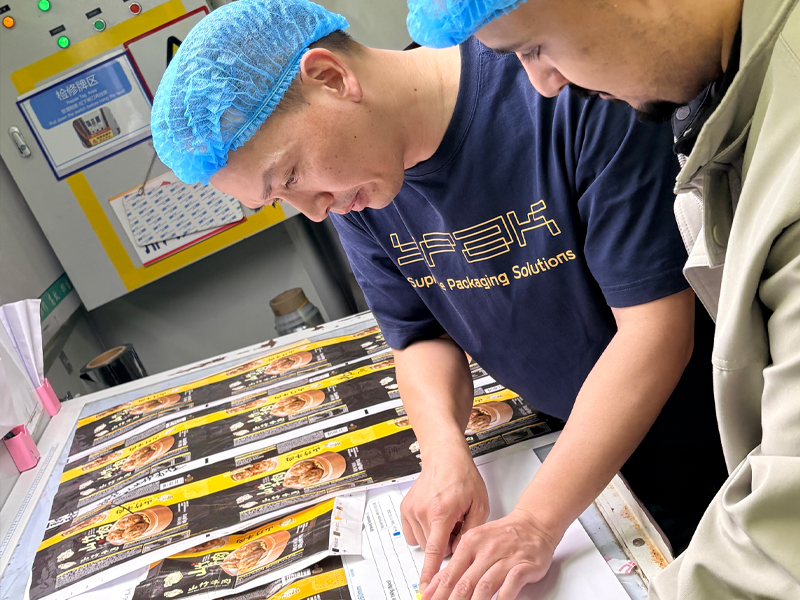
Our commitment extends far past shipping. Excellent after-sales service ensures customer satisfaction and long-term partnership. By investing in training programs and feedback channels, we continuously refine pouch performance, seal integrity, and global shipping logistics.
Tailored barrier engineering for diverse international market regulations and ambient conditions
Emphasis on high-speed automated packaging line compatibility, child-resistant resealable closures (CR zippers), heavy-duty puncture protection for bulk protein and supplement powders, and full compliance with FDA 21 CFR 177 food-contact regulations.
Focus on high-barrier mono-material PE pouches featuring EVOH moisture barriers that meet strict recycling guidelines without paying elevated plastic tax penalties. Absolute zero-solvent odor retention verified via Gas Chromatography testing.
Demands robust tropicalized multi-layer aluminum laminates (PET/AL/NY/PE) engineered to withstand prolonged ambient conditions of 40°C temperature and 95% relative humidity over 24-month extended distribution lifecycles.
Next-generation smart packaging, nano-coatings, and circular bio-polymers
Future industrial powder pouches are integrating micro-printed hydro-chromic indicators and NFC sensor tags directly inside the laminate layer. Procurement managers and end customers can scan outer packaging with a smartphone or warehouse reader to verify internal relative humidity levels without unsealing the batch.
Advancements in Atomic Layer Deposition (ALD) and Plasma Enhanced Chemical Vapor Deposition (PECVD) allow barrier packaging factories to apply ultra-thin silicon oxide (SiOx) or aluminum oxide (AlOx) transparent coatings (less than 40 nanometers thick). This delivers glass-like moisture and oxygen protection on fully transparent films, allowing visual product inspection while retaining 100% recyclability.
By 2030, global regulatory mandates will require over 80% of flexible packaging to be re-usable or recyclable. YPAK is actively pioneering commercially viable bio-based barrier films derived from non-food agricultural biomass (PLA/PBS composites) that degrade naturally in industrial composting facilities while maintaining a WVTR suitable for standard food and dry chemical powders.
Expert insights addressing key procurement, material science, and custom production queries
Explore our broader line of flexible barrier bags, coffee pouches, and custom labels
Partner directly with China's leading BRCGS & ISO 22000 certified manufacturing facilities. Request material samples, barrier property calculations, or rapid quotes for your bulk powder operations.
 YPAK PACKAGING