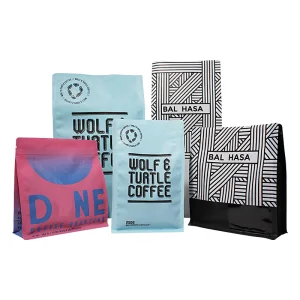
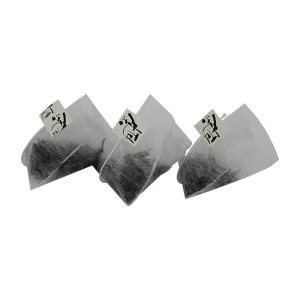
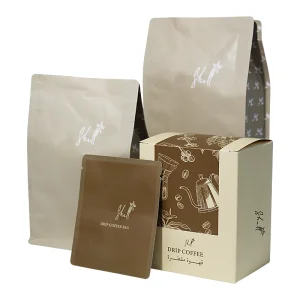
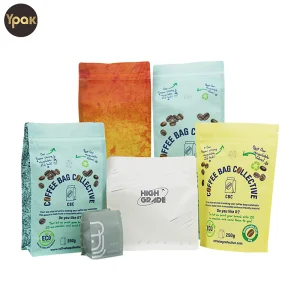
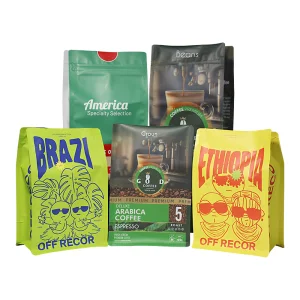
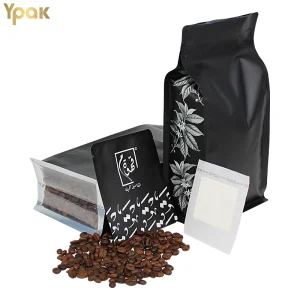
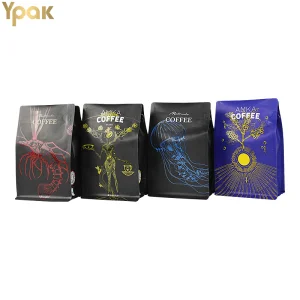
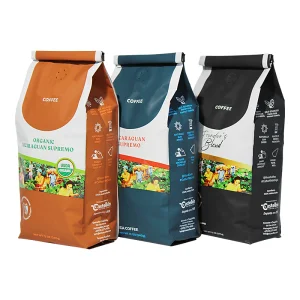
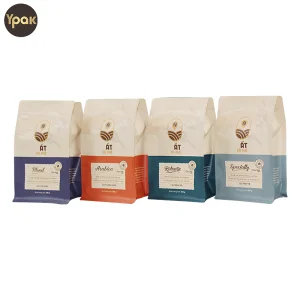
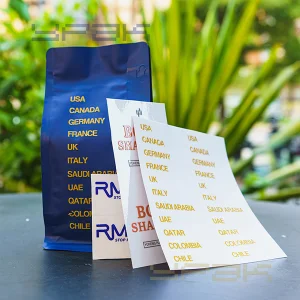
Explore our certified high-barrier, eco-engineered, and custom digitally printed pouches designed for maximum shelf life protection.
Matcha (Camellia sinensis) is uniquely vulnerable compared to standard black or green teas. As a ultra-fine ground powder with immense surface area, its active bioactive compounds react dynamically to ambient environmental stressors.
Exposure to visible light (400-700 nm) and ultraviolet radiation accelerates pheophytinization, converting vibrant chlorophyll-a and chlorophyll-b into dull brown pheophytin. A total light barrier (<0.01% luminous transmittance) is essential to preserve visual freshness.
Epigallocatechin gallate (EGCG) oxidizes rapidly upon molecular oxygen contact, creating o-quinones that dimerize into dark polymers. Maintaining atmospheric headroom oxygen below 0.5% preserves antioxidant efficacy and signature umami balance.
Matcha powder is extremely hygroscopic. Water vapor absorption triggers lipid oxidation, enzymatic degradation of L-Theanine into bitter astringency, and irreversible physical caking. Water Vapor Transmission Rates (WVTR) must remain strictly constrained.
Manufacturer Insight: Standard polyethylene (PE) or basic PET films are insufficient for long-term wholesale matcha preservation. True commercial preservation requires multi-layer composite structures engineered with micro-calibrated barrier layers such as EVOH, metallized PET (VMPET), or pure soft-temper aluminum foil (AL).
To assist brand managers, product developers, and procurement directors, our engineering lab has established precise physical performance benchmarks across leading packaging substrate combinations:
| Substrate Architecture | OTR (cc/m²/24hr @ 23°C, 0% RH) | WVTR (g/m²/24hr @ 38°C, 90% RH) | Light Barrier Efficiency | Target Shelf Life Range |
|---|---|---|---|---|
| PET / AL / LLDPE (Aluminum High-Barrier) | < 0.05 | < 0.05 | 99.99% (Total Opacity) | 24 to 36 Months |
| Matte OPP / VMPET / PE (Metallized High-Barrier) | < 0.50 | < 0.40 | 99.50% | 12 to 18 Months |
| Kraft Paper / EVOH-PE (Mono-Recyclable Structure) | < 0.80 | < 0.90 | Substrate Dependent (Opaque) | 12 Months |
| PLA / Kraft / PBAT (Certified Industrial Compostable) | < 1.50 | < 2.10 | High (When AlOx / Bio-Barrier Coated) | 6 to 12 Months |
The global matcha market is experiencing explosive demand across diverse channels—from high-end ceremonial retail tins to wholesale 25kg bulk industrial ingredient bags supplied to bakery, beverage, and nutraceutical manufacturers.
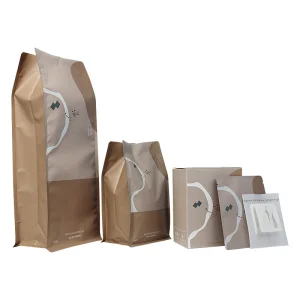
Consumer demand favors 30g, 50g, and 100g stand-up pouches (SUP) or tin-lined bags equipped with premium child-resistant or pocket-zippers. Gloss-matte selective UV varnishes, tactile soft-touch foils, and gold hot-stamping create retail shelf impact for ceremonial grade products.
Coffee chains and tea houses require 500g and 1kg flat-bottom, quad-seal bags with high-tensile strength ziplocks. Nitrogen-flushed packaging ensures that once opened, the product maintains freshness through high-frequency usage in dynamic commercial settings.
For B2B raw material suppliers exporting to multinational food processing plants, 5kg to 25kg multi-wall aluminum gusseted liners with solvent-free lamination are engineered to withstand ambient heat spikes, trans-oceanic shipping humidity, and stacking pressure.
As regulatory scrutiny around single-use plastics intensifies across the EU, UK, and North America, the technical packaging industry is undergoing a paradigm shift toward sustainable high-barrier materials that do not compromise shelf life performance.
Traditional passive packaging relies solely on physical barrier layers. YPAK’s R&D laboratory is pioneering integrated Active Oxygen-Scavenger Films. By embedding non-toxic, food-grade iron-free oxygen absorbents directly into the inner PE sealant layer, remaining residual oxygen inside the pouch headroom is dynamically scavenged to under 0.01% within 24 hours of sealing.
Furthermore, anti-static electrostatic dissipation (ESD) additives are co-extruded into the sealant layer to prevent fine matcha micro-dust from clinging to zipper tracks—ensuring airtight, zero-leak closure during repeated opening and closing.
To align with modern circular economy standards (such as the EU Packaging and Packaging Waste Directive), YPAK has commercialized fully recyclable PE/EVOH-PE monomaterial structures. These pouches can be re-processed directly in standard PE recycling streams (RIC 4) without barrier layer separation.
For organic-focused brands, our certified industrial compostable line (EN 13432 compliant) utilizes plant-derived Kraft paper, PLA films, and biodegradable PBAT barriers that naturally break down into non-toxic biomass within 180 days in commercial composting facilities.
Deploying wholesale matcha products across international borders requires stringent compliance with regional food safety regulations, environmental legislation, and supply chain environmental extremes.
All packaging supplied to US and Canadian markets strictly adheres to FDA 21 CFR 177.1520 for direct food contact polymers. In addition, our eco-friendly claims align with FTC Green Guides, providing verified documentation for "Recyclable" or "Compostable" certifications without risk of regulatory greenwashing liabilities.
For European distribution, packaging meets EU No 10/2011 migration limits and UK Plastic Packaging Tax (PPT) requirements. Our monomaterial PE pouches contain certified recyclability credentials, helping brands reduce environmental levies while guaranteeing zero heavy metal or phthalate contamination.
Exporting matcha to Southeast Asia, South America, or humid coastal regions presents extreme condensation risks. YPAK’s aluminum laminate structures undergo rigorous accelerated weathering tests (40°C / 90% RH for 90 days) to verify heat-seal seam integrity and moisture resistance under tropical transport conditions.
Founded in 2011, YPAK PACKAGING GROUP operates three state-of-the-art manufacturing facilities across Hong Kong, Dongguan, and Foshan, positioning us as a dominant global force in high-barrier coffee, tea, and specialty food packaging.
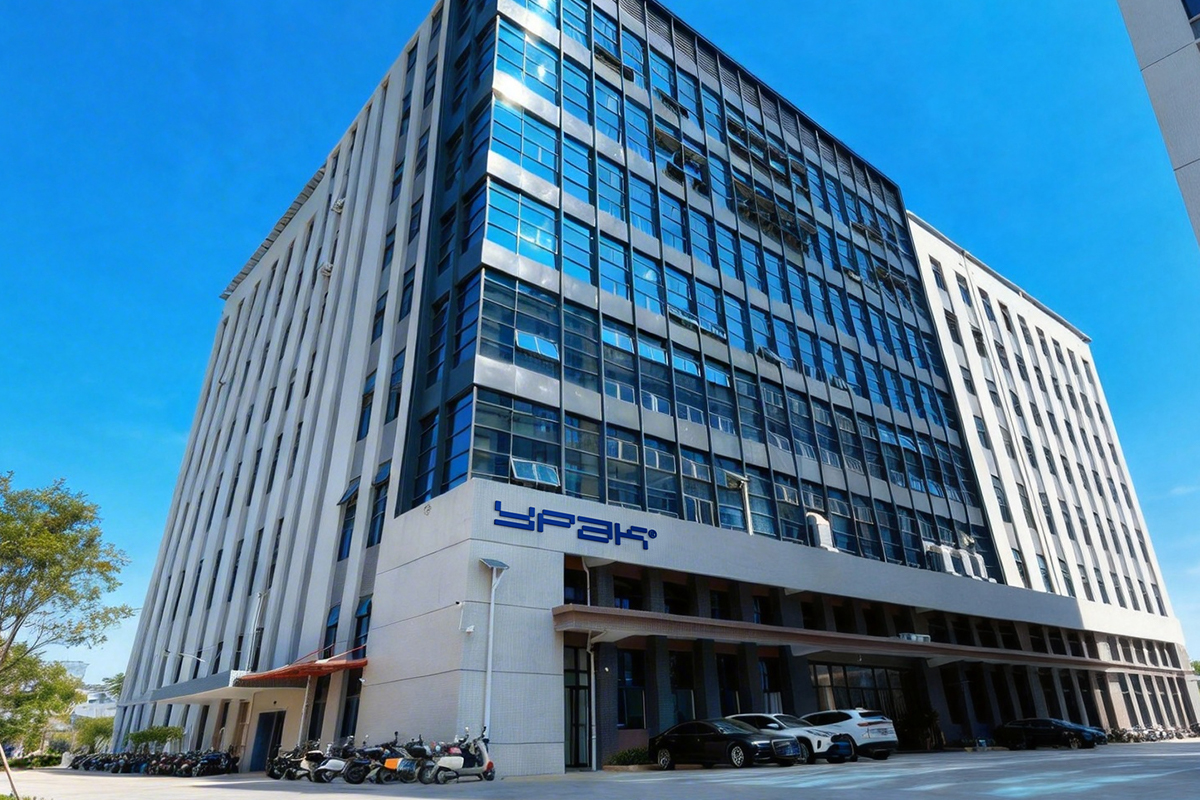
Our Foshan and Dongguan production complexes are BRCGS Food Safety (AA Grade) and ISO 22000:2018 certified—ensuring every flexible pouch meets uncompromising global food contact safety standards with full lot-number traceability.
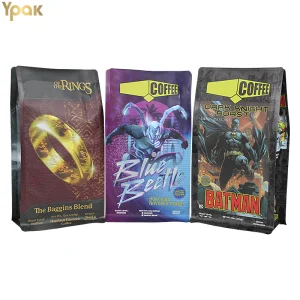
We fit premium Swiss WIPF one-way degassing valves as a standard option, delivering world-class freshness preservation technology. Our investment in the cutting-edge HP Indigo 25K Digital Press enables plate-free, zero-MOQ production runs with photorealistic color rendering—ideal for niche artisanal matcha releases, limited editions, and fast market testing.
With an industry-leading 99.5% on-time delivery rate, YPAK maintains complete operational resilience to keep your commercial packaging production lines running uninterrupted.
Our growth journey reflects continuous capital investment in green tech, solvent-free lamination, and automated digital manufacturing:
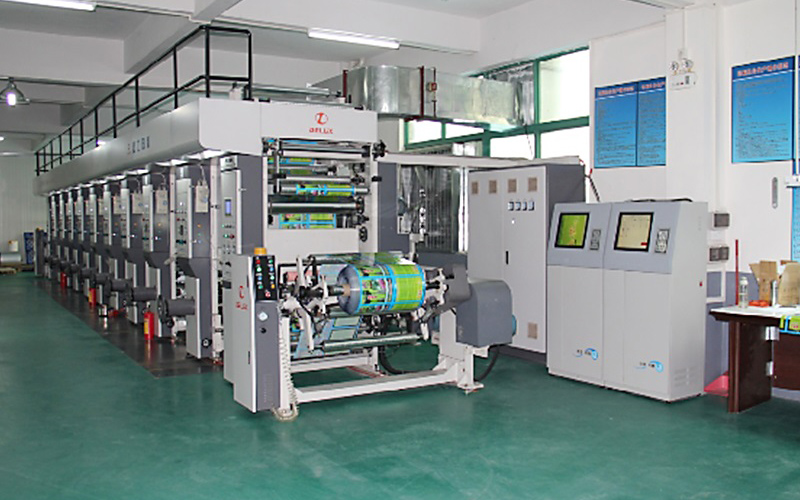 May 2012
First Complete Line: Commissioned our first automated flexible packaging production line.
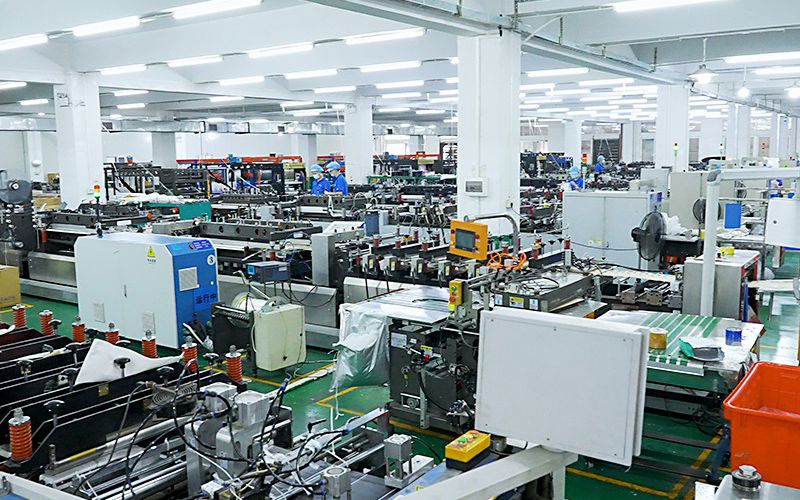 March 2016
Flat Bottom Expansion: Initiated specialized high-precision flat-bottom box pouch manufacturing.
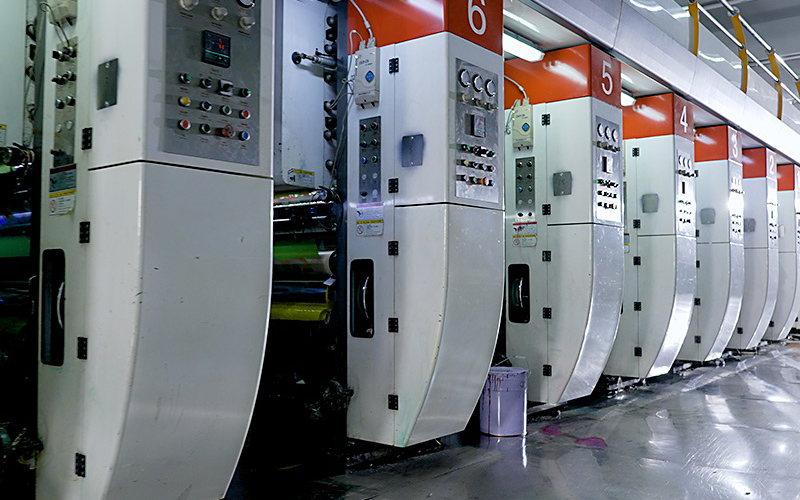 August 2017
Capacity Doubling: Established our second full-scale automated production facility.
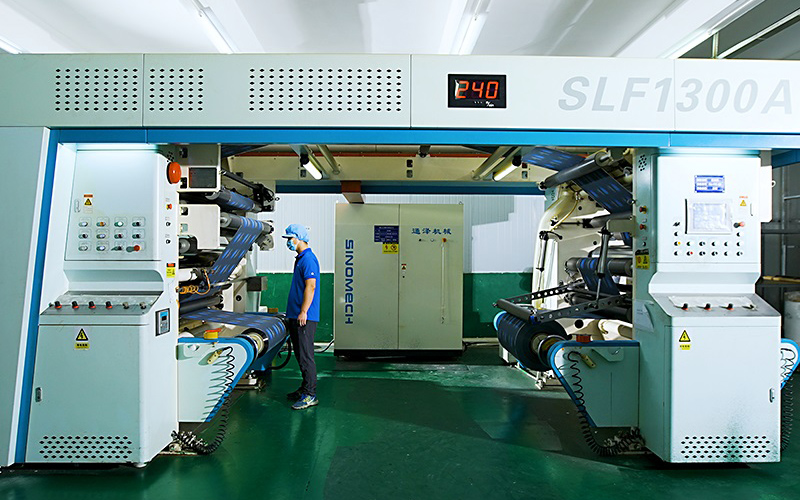 April 2018
Solvent-Free Eco-Tech: Implemented eco-friendly solvent-free composite lamination machinery.
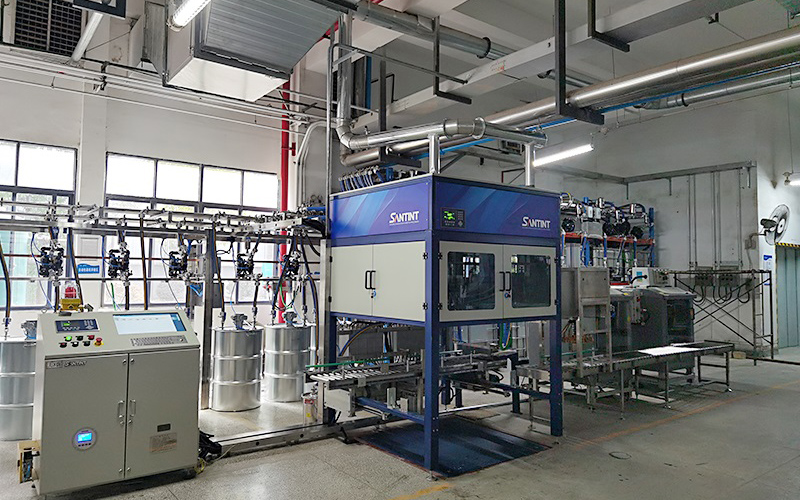 June 2020
Smart Ink Systems: Integrated automatic ink viscosity and spectral color adjustment technology.
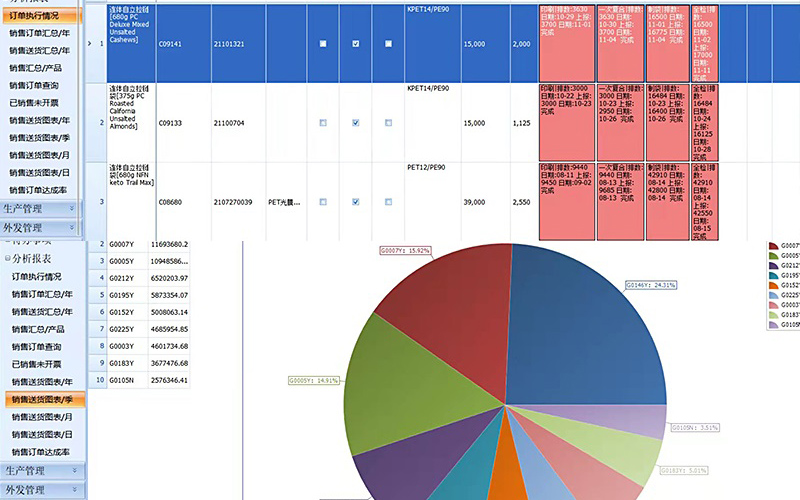 July 2020
ERP Digital Control: Deployed enterprise ERP software for real-time order tracking and quality assurance.
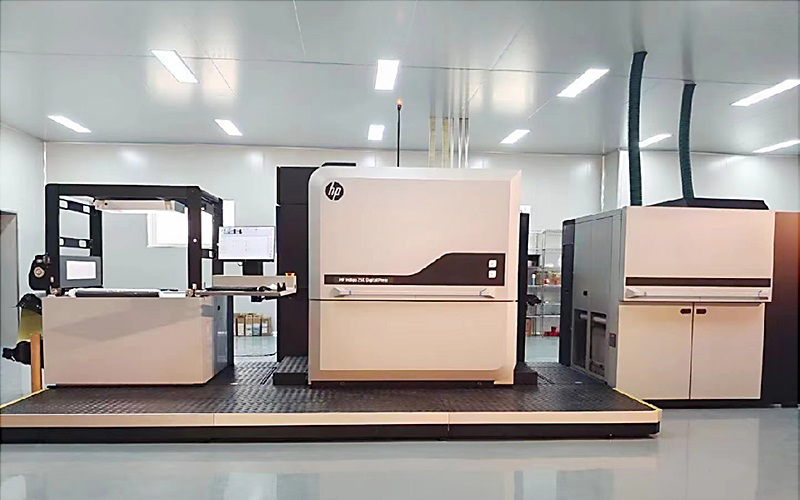
HP Indigo 25K Press: Introduced world-leading digital press technology, empowering brands with zero plate fees, variable data printing, and ultra-fast turnaround times for low-to-medium quantity wholesale orders.
YPAK provides end-to-end customer support across every phase of the manufacturing process to eliminate buyer risk and guarantee technical compliance:
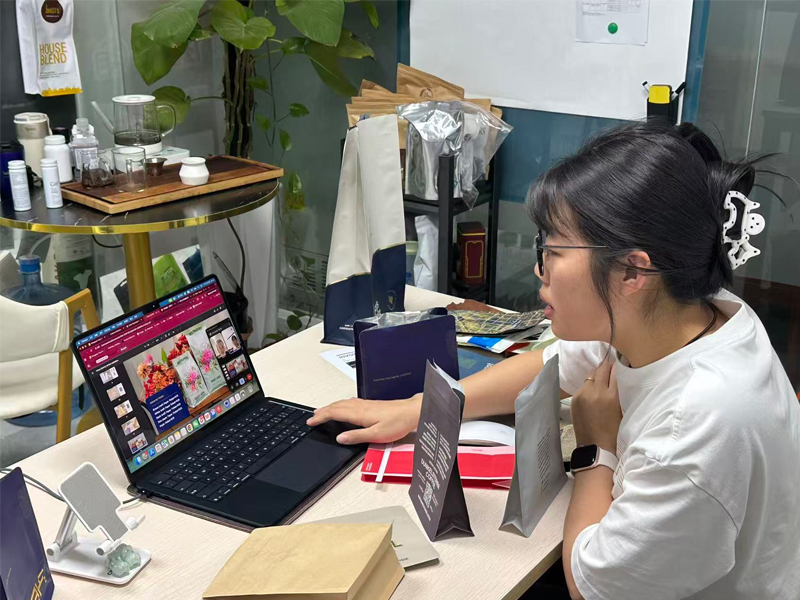
We provide 1-on-1 expert technical consulting and live online video confirmation. By replacing guesswork with real-time digital proofing, sample testing, and dimension verification, we ensure your exact barrier and design specifications are established prior to production.
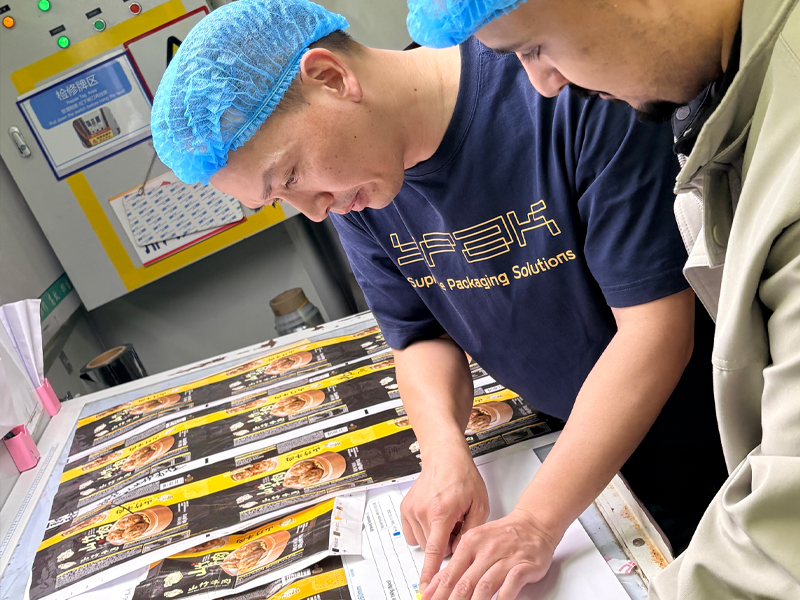
Our production team maintains stringent quality control over every manufacturing stage—from film extrusion and gravure/digital printing to solvent-free lamination and pouch conversion. We transmit photo and video progress reports to keep you updated in real time.
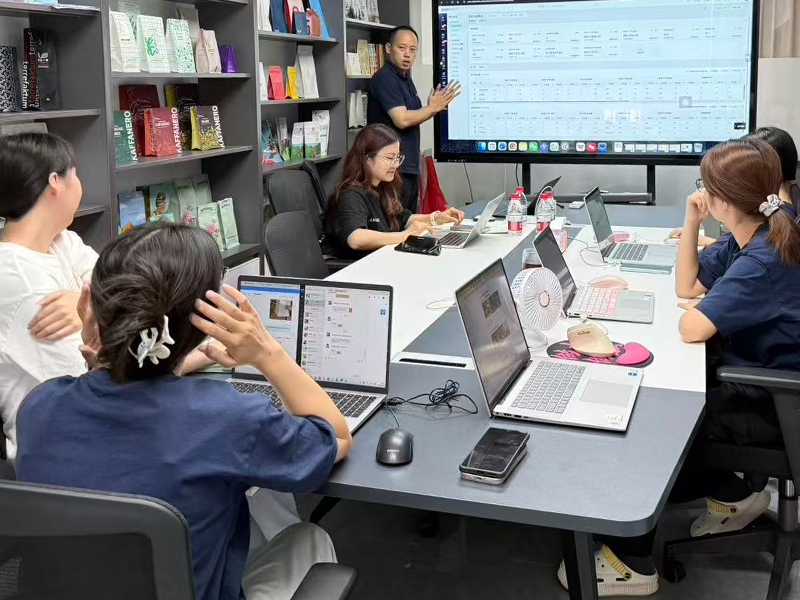
We back every shipment with comprehensive post-delivery guarantees. Through standardized feedback protocols and staff training, we continually refine our manufacturing standards to support long-term B2B partnerships and seamless repeat orders.
Expert technical answers regarding matcha packaging engineering, shelf life extension, high-barrier material selection, and custom factory manufacturing.
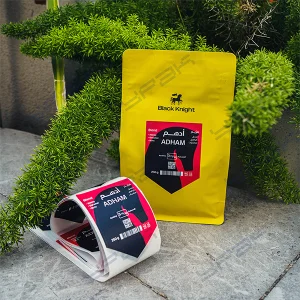
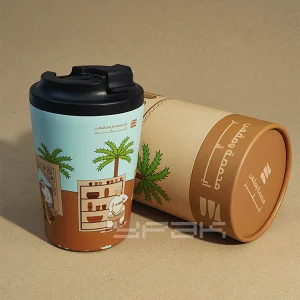
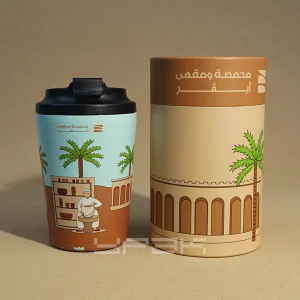
From compostable stand-up pouches to custom sticker sheets and thermal drinkware, YPAK provides comprehensive packaging and branding manufacturing.
 YPAK PACKAGING