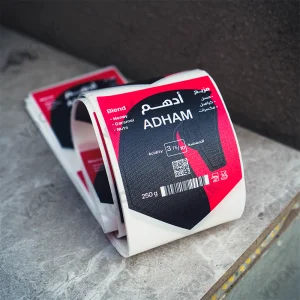
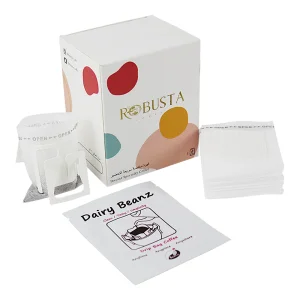
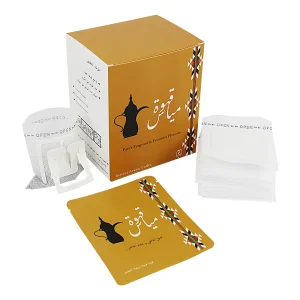
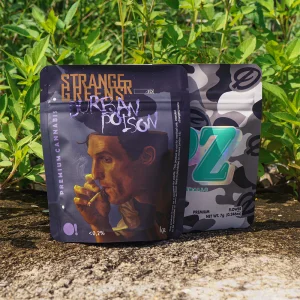
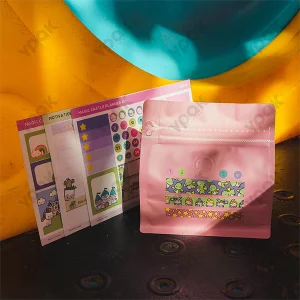
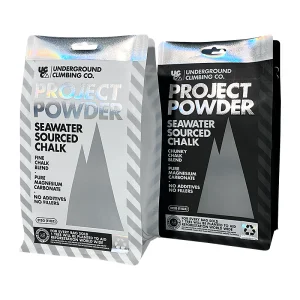
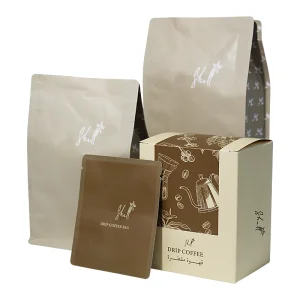
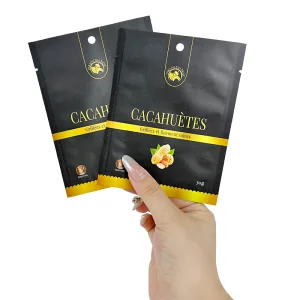
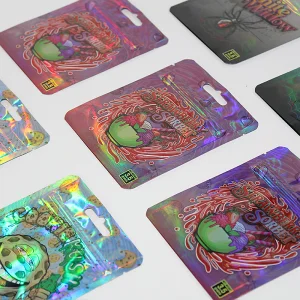
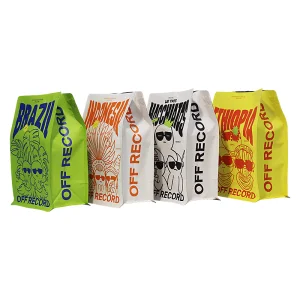
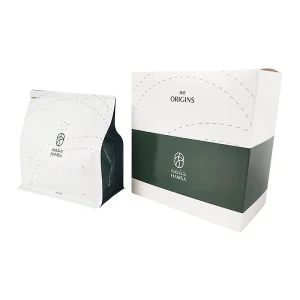
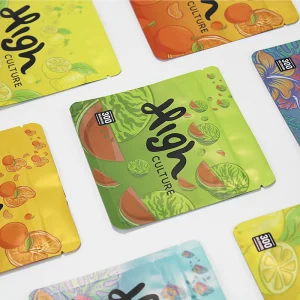
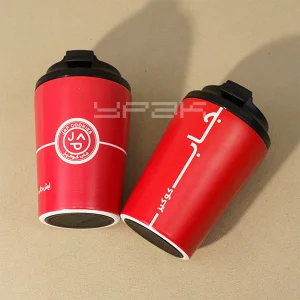
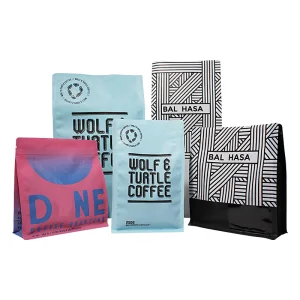
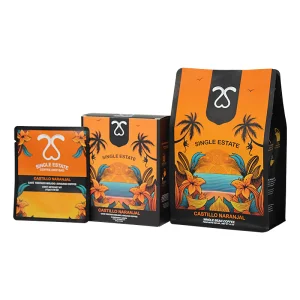
Explore our industrial-grade, certified flexible packaging catalog tailored for tea, coffee, and specialty food products.
Understanding degradation kinetics, moisture sensitivity, and oxygen permeation in premium stone-ground botanical powders.
Matcha’s vibrant green color stems from intense chlorophyll concentration achieved via shade-growing (Tana technique). Exposure to UV wavelengths (200nm to 400nm) and visible light causes rapid photo-degradation into pheophytin, turning the powder dull brown. Our specialized high-barrier aluminum laminate structures feature 100% light opacity, locking in sensory integrity.
Micro-fine matcha particles (particle size 5–10 microns) possess an exceptionally high specific surface area, making them ultra-hygroscopic. Moisture absorption leads to clumping, enzymatic degradation, and loss of volatile L-theanine amino acids. We engineer specialized co-extruded barrier barrier layers achieving WVTR < 0.05 g/m²/24h.
Preserving volatile epigallocatechin gallate (EGCG) catechins requires nitrogen flushing during industrial filling. Our pouch architectures are engineered to withstand continuous internal pressure differentials, preventing gas loss and maintaining residual oxygen levels below 0.5% over a 24-month shelf life.
Comprehensive breakdown of B2B buyer intent, regional regulations, and material shifts across primary international consumption hubs.
Information Gain Insight: The global matcha market is projected to reach $5.5 Billion by 2030. Sourcing directors at major beverage conglomerates are no longer simply looking for "bags"—they require validated, carbon-neutral barrier films that comply with the EU’s Packaging and Packaging Waste Regulation (PPWR) and US FDA 21 CFR standards without compromising sensitive tea alkaloids.
| Geographic Market | Primary Product Formats | Key Procurement Intent & Requirements | Recommended Barrier Structure |
|---|---|---|---|
| North America (USA & Canada) | 30g Tin Cans, 1kg Bakery Pouches, Ready-To-Drink Sticks | FDA Food Contact Compliance, Child-Resistant Zippers (for infused variants), Matte Soft-Touch Aesthetics | PET / VMPET / PE or Recyclable Mono-PE |
| European Union (EU & UK) | Refill Pouches, 100g Organic Retail Bags | Strict PPWR Recyclability Target, Home Compostable Certification (EN 13432), Zero Solvent Odors | Paper / EVOH-PE or Kraft / PLA Barrier Lamination |
| Asia-Pacific & Middle East | Ceremonial 20g Mini Pouches, Industrial 25kg Drums | Extreme Heat & Humidity Resistance (Tropical Storage), High Puncture Resistance, Gold Foil Stamping | PET / AL / NY / PE High-Strength Barrier |
Leveraging high-precision automated manufacturing, digital printing flexibility, and international safety certifications.
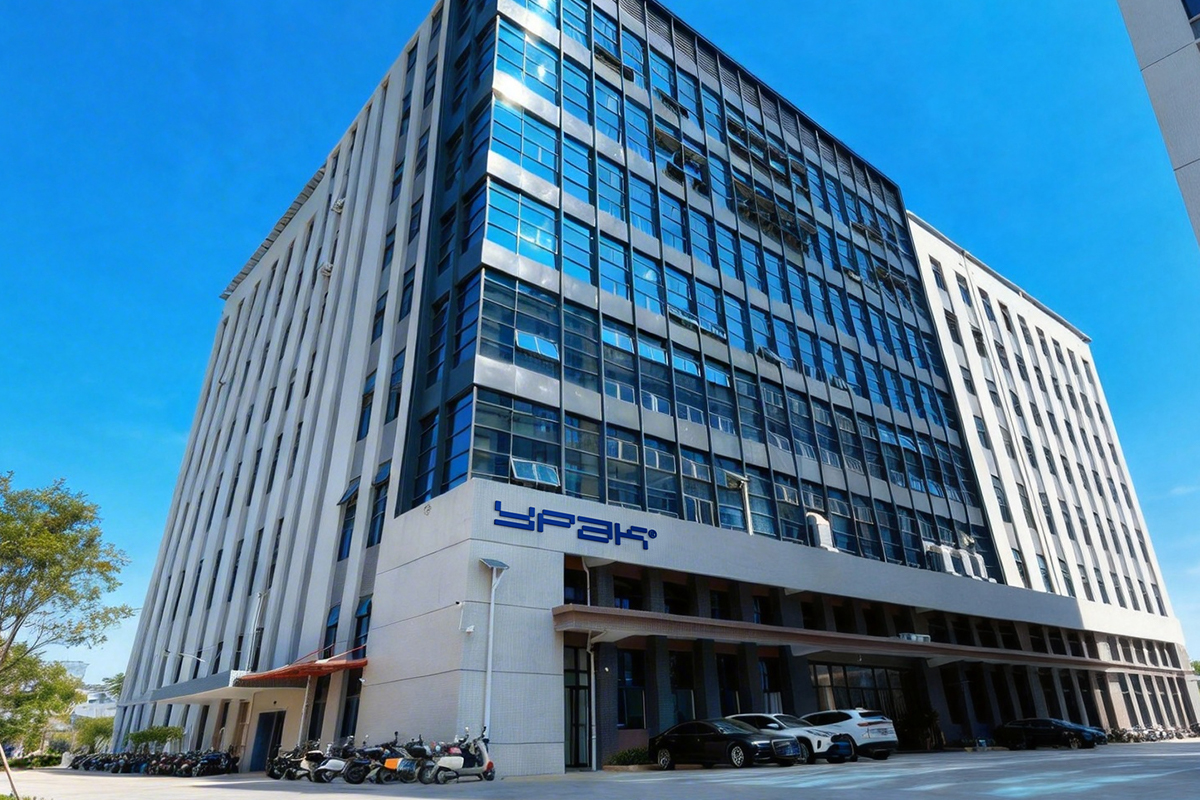
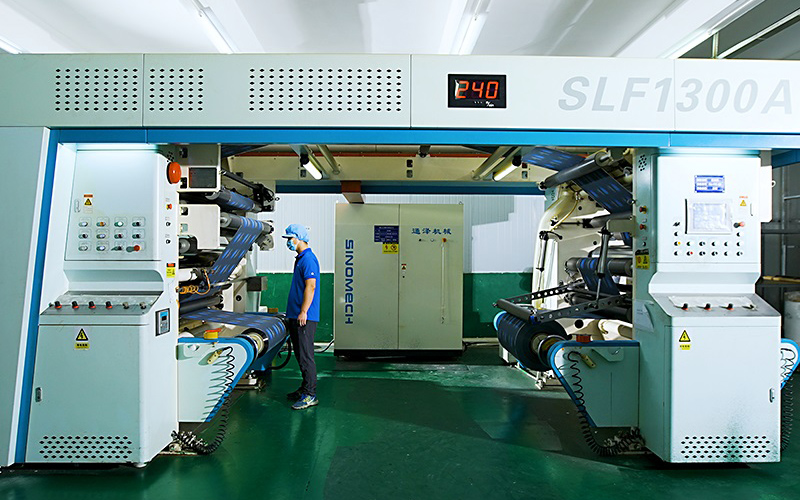
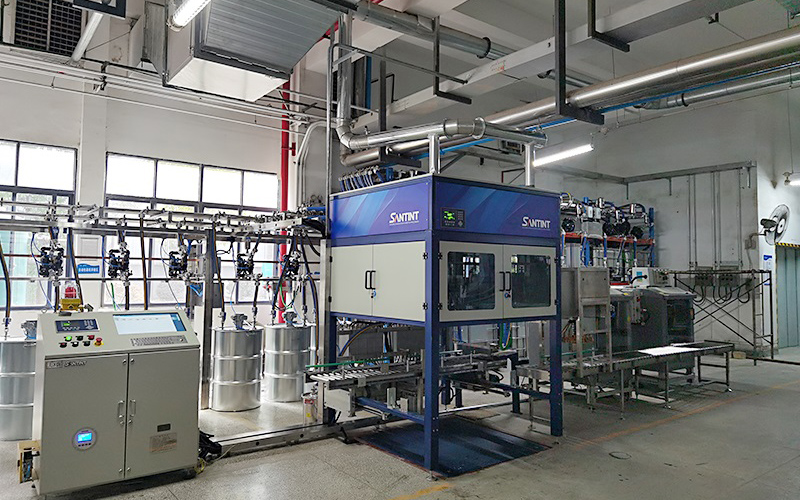
Founded in 2011, YPAK operates three state-of-the-art facilities across Hong Kong, Dongguan, and Foshan, emerging as one of China’s leading coffee and specialty food bag manufacturers. Our Foshan and Dongguan plants are BRCGS Food Safety and ISO 22000:2018 certified—ensuring every pouch meets rigorous global food contact standards with full traceability from raw polymer resin to finished pouch.
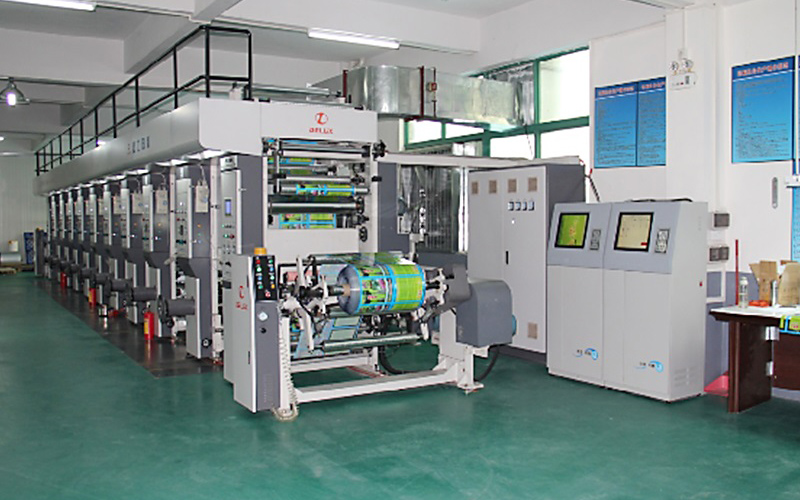
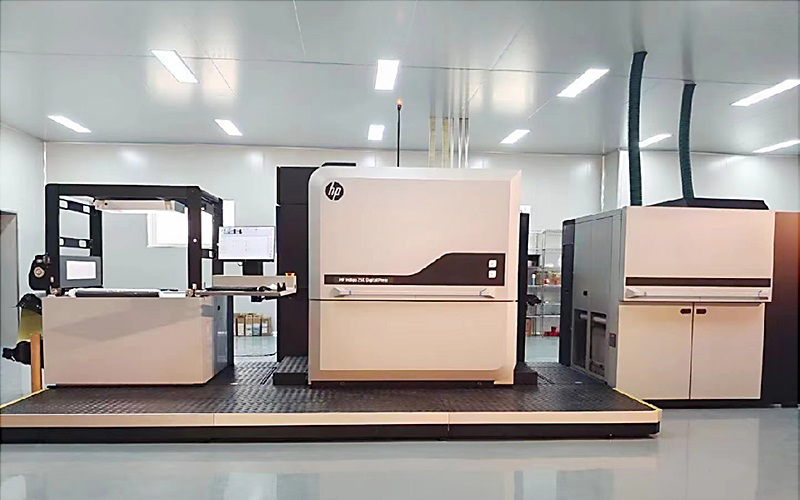
We fit Swiss WIPF one-way degassing valves as standard where required and engineer hermetic seals to deliver industry-leading technology for keeping powder freshness intact. Our HP Indigo 25K Digital Press enables plate-free, short-to-medium runs with photo-realistic print quality—ideal for boutique matcha brands, seasonal product launches, and rapid market testing.
How YPAK eliminates cross-border purchasing risks through digital transparency, live video proofing, and rigorous quality audits.
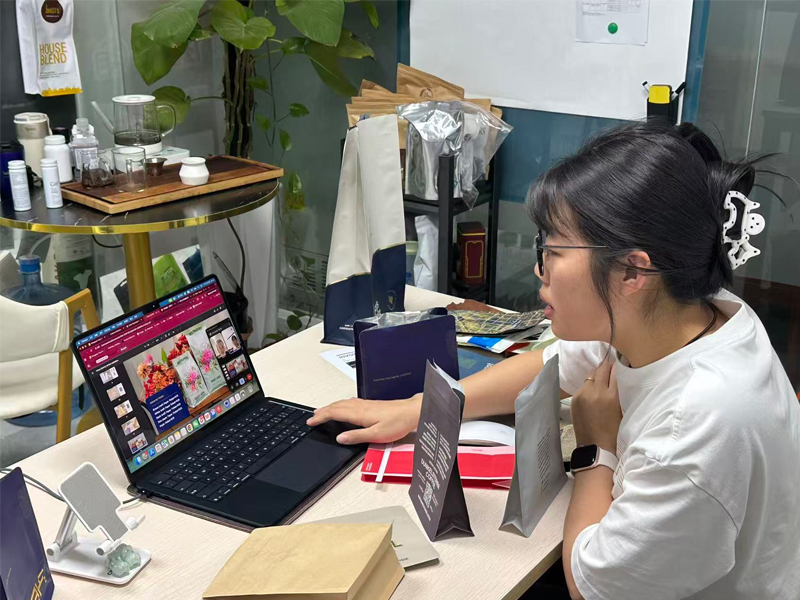
One of the keys to meeting complex enterprise needs is providing dynamic pre-sales service. We offer one-on-one technical consultation to confirm pouch dimensions, material barrier specs, and artwork calibration. Traditionally, pre-sales involves back-and-forth email guessing games. Through our real-time online video confirmation sessions, client teams inspect physical material hand-samples, foil finishes, and structural prototypes before production sign-off.
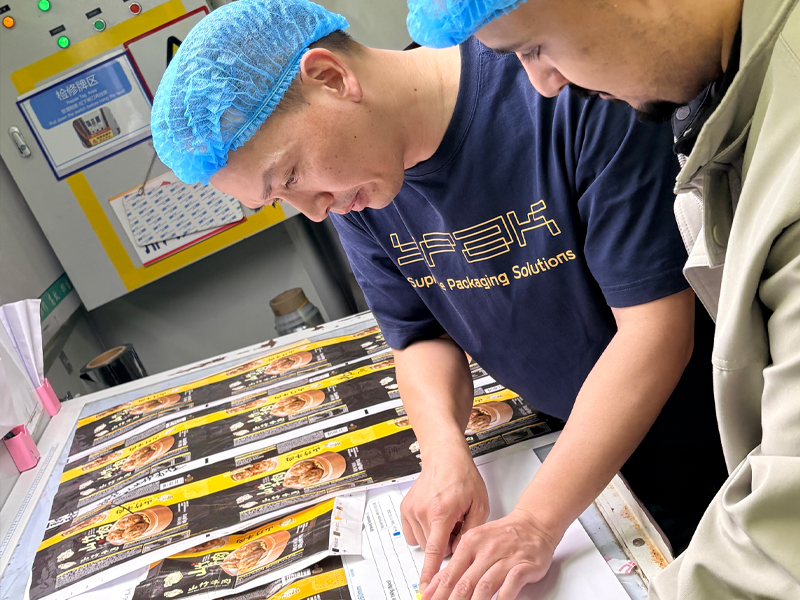
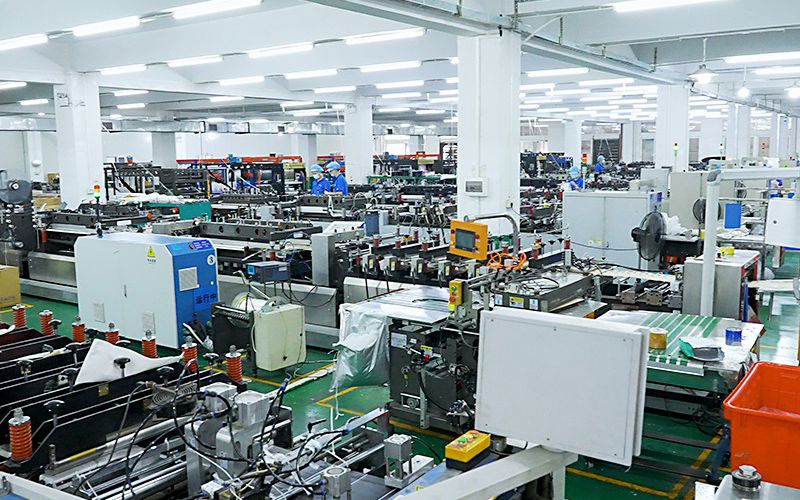
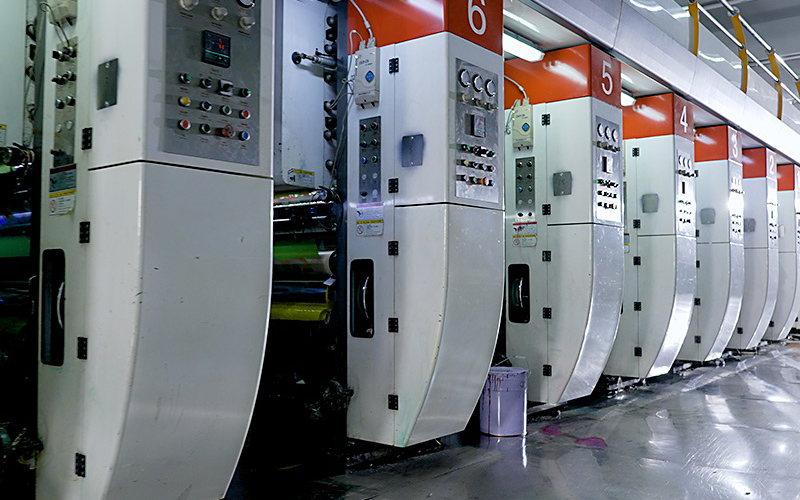
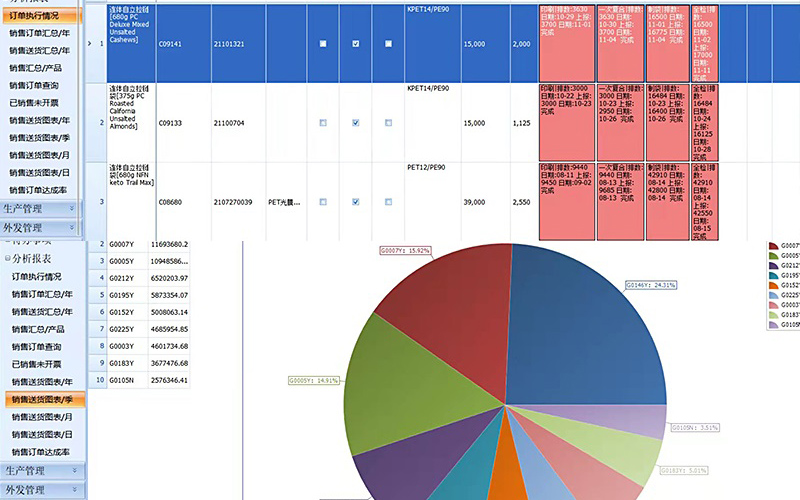
Our mid-sale protocol guarantees seamless execution from order placement to final dispatch. We maintain strict quality control over every manufacturing stage: printing, lamination, curing, slitting, and pouch conversion. Clients receive detailed photo updates and video monitoring logs, visualizing exact production milestones. This transparency eliminates delivery uncertainty and ensures 99.5% on-time fulfillment.
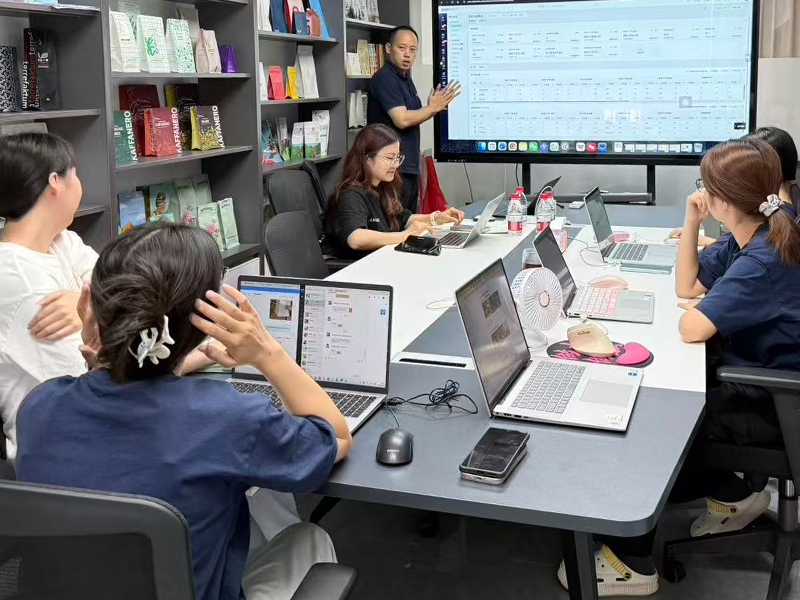
Extensive after-sales support guarantees complete client confidence. We back every shipment with certified lab reports detailing seal strength (N/15mm), oxygen barrier testing, and solvent residue analysis (< 5mg/m²). By investing in continuous training and feedback channels, YPAK builds long-term strategic partnerships that drive repeat business and positive brand reputation worldwide.
Tailored packaging engineering across commercial grade, retail, HORECA, and specialized botanical sectors.
Designed for ultra-premium 1g to 30g daily ceremonial matcha doses. Utilizes high-precision tear notches, anti-static inner PE liners to prevent powder sticking, and nitrogen-flushed foil film layers for 100% preservation of aromatic volatiles.
The preferred choice for 50g, 100g, and 250g organic retail brands. Offers five printable panels for branding, stable shelf presentation, and heavy-duty press-to-close moisture-proof zippers to safeguard product after opening.
Built for cafe supply chains, commercial bakeries, and industrial food processing plants. Features reinforced multi-ply lamination with high tensile strength to prevent bursting or drop damage during transoceanic shipping.
Expert insights addressing key technical, compliance, and supply chain queries from procurement managers.
Discover our extended product range designed for food safety, freshness retention, and shelf distinction.
 YPAK PACKAGING