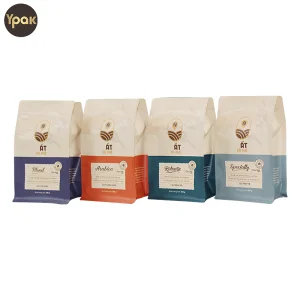
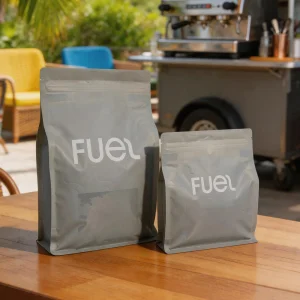
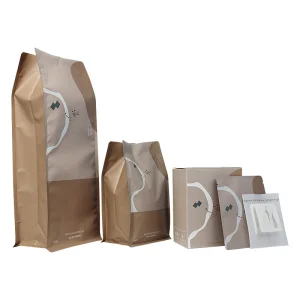
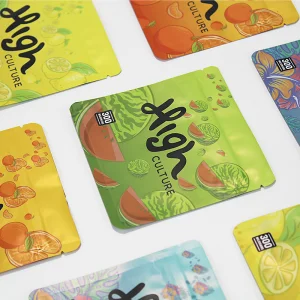
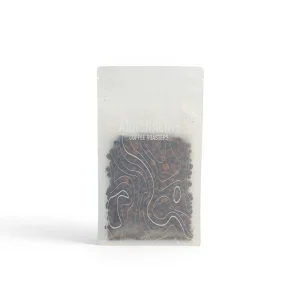
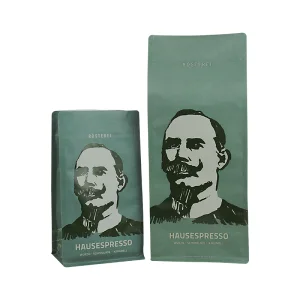
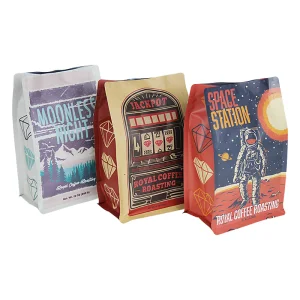
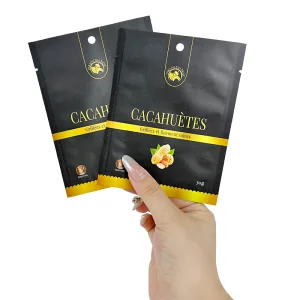
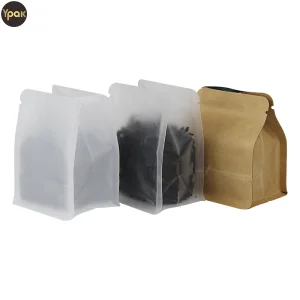
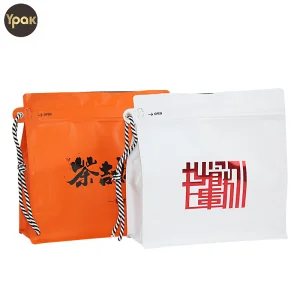
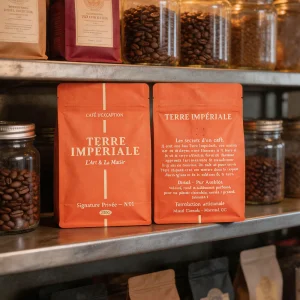
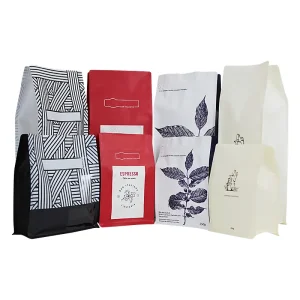
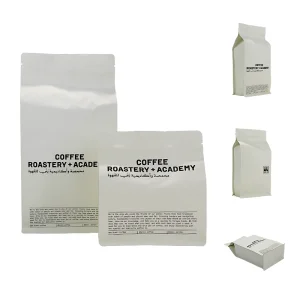
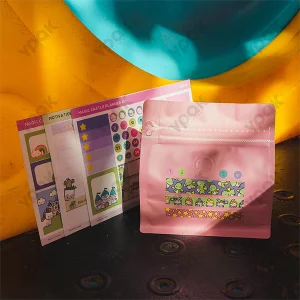
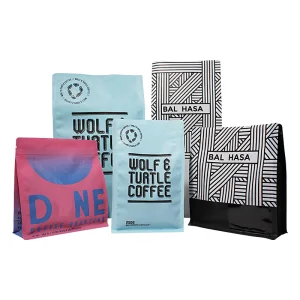
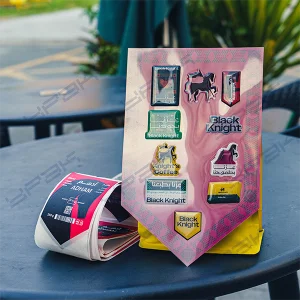
In the evolving landscape of global retail, Wholesale Kraft Paper Food Bags have transitioned from simple carriers to sophisticated brand statements. As a leading manufacturer, YPAK PACKAGING GROUP integrates material science with consumer psychology to provide packaging that satisfies both the Circular Economy demands and the rigorous barrier requirements for food safety.
This white paper explores the nexus of technology, sustainability, and manufacturing excellence in China, providing procurement directors with the "Information Gain" necessary to optimize their global supply chains.
Founded in 2011, YPAK operates three state-of-the-art facilities across Hong Kong, Dongguan, and Foshan. We have emerged as one of China’s premier coffee bag manufacturers, balancing scale with artisanal attention to detail.
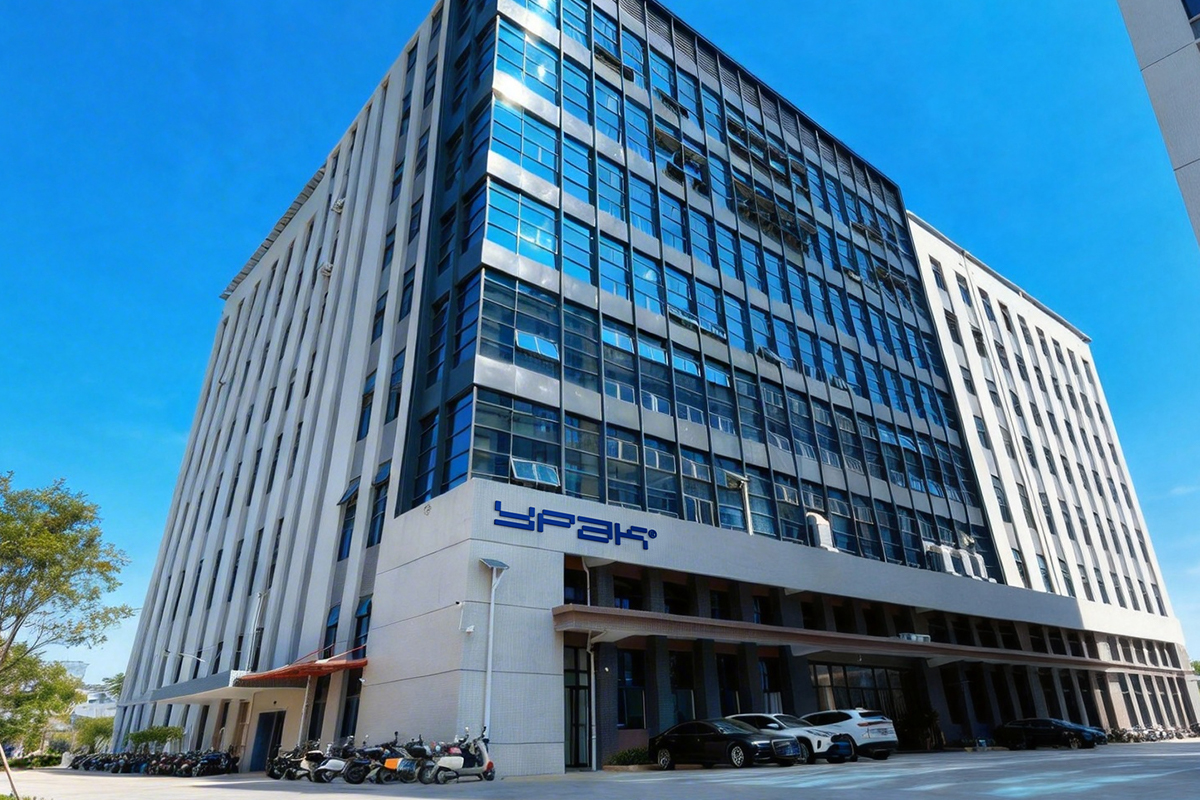
Our plants are BRCGS Food Safety and ISO 22000:2018 certified. Every pouch meets rigorous global food contact standards with full traceability, ensuring that international brands can import with absolute confidence.
We utilize the HP Indigo 25K digital press, enabling MOQ-free, plate-free runs. This technology allows for photorealistic quality—perfect for limited editions, seasonal flavor market testing, and micro-customization.
China's packaging ecosystem allows us to source raw Kraft paper, eco-friendly inks, and high-performance valves (like Swiss WIPF valves) within a 50-mile radius, drastically reducing lead times and costs.
Chinese factories are at the forefront of ALOX (Aluminum Oxide) and compostable barrier coatings. We offer Kraft paper bags that match the shelf-life performance of traditional plastic laminates while remaining eco-friendly.
From digital renders to physical samples, our engineering team can iterate designs in 48-72 hours, a speed that Western manufacturers often struggle to match due to fragmented production steps.
The global trend toward Plastic-Free packaging is no longer optional. Governments in the EU, UK, and North America are implementing plastic taxes that favor paper-based solutions. However, the challenge has always been maintaining the aroma and freshness of products like coffee or spices.
Trend 1: Mono-material Structures. We are moving toward all-paper or PE-recyclable structures that simplify the recycling stream. This aligns with the "Design for Recycling" guidelines used by global retailers.
Trend 2: Tactile Branding. Kraft paper provides a "Natural & Organic" feel that resonates with Gen Z and Millennial consumers. We enhance this through Spot UV, matte varnishes, and hot stamping to create a premium sensory experience.
Trend 3: Smart Packaging. Integration of QR codes and NFC tags directly onto Kraft bags to allow consumers to trace the origin of the product, fostering brand trust and transparency.
High-barrier Kraft pouches with one-way degassing valves to preserve essential oils and prevent oxidation. Ideal for roasteries looking for a rustic yet modern aesthetic.
Stand-up pouches with resealable zippers. The Kraft exterior communicates "health and wellness" while the inner lining ensures crunch and flavor are locked in.
Flat pouches for facial masks or sample packs. Using recycled Kraft paper helps cosmetic brands meet their ESG (Environmental, Social, and Governance) targets.
Child-resistant Kraft Mylar bags. Combining the safety of CR zippers with the organic look of paper, compliant with strict medicinal packaging regulations.
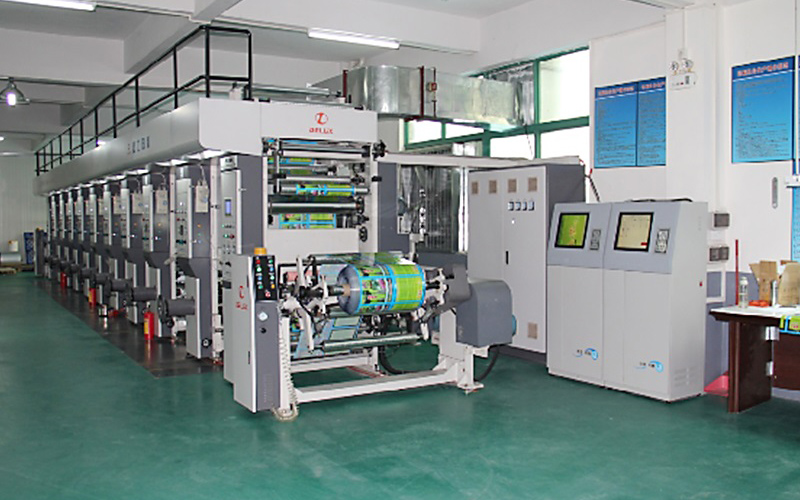
2012: Inauguration of the first complete flexible packaging production line.
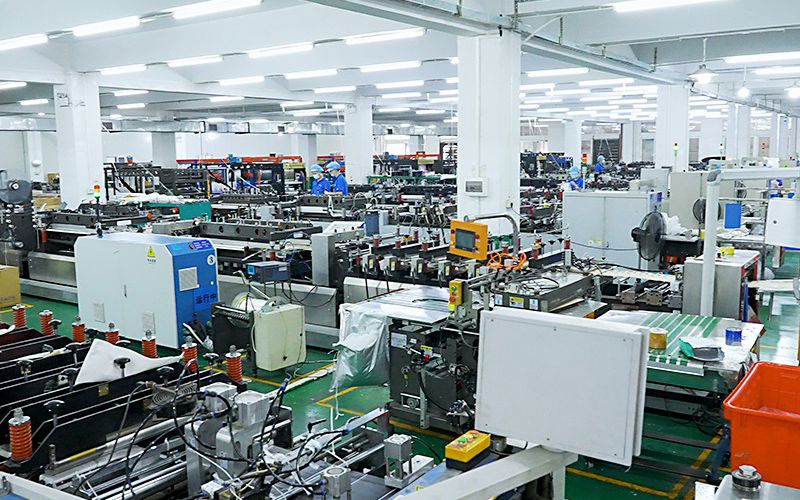
2016: Strategic shift to flat bottom bag production to meet high-end retail demand.
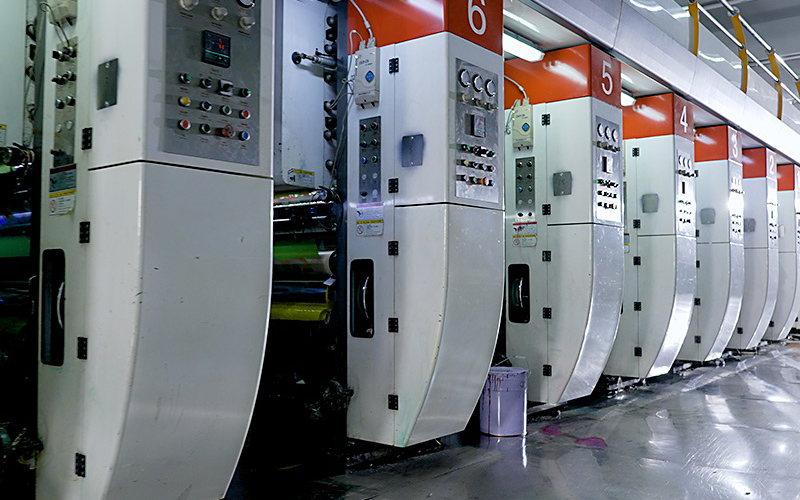
2017: Establishment of a second dedicated production line for eco-materials.
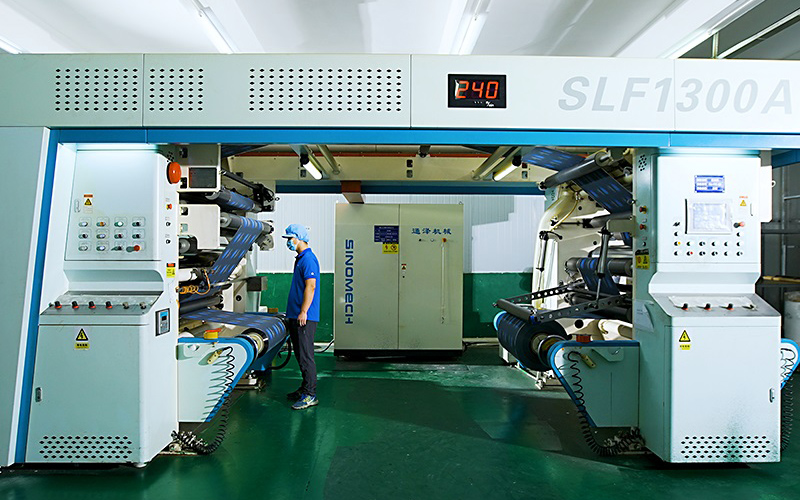
2018: Implementation of solvent-free composite technology for safer food packaging.
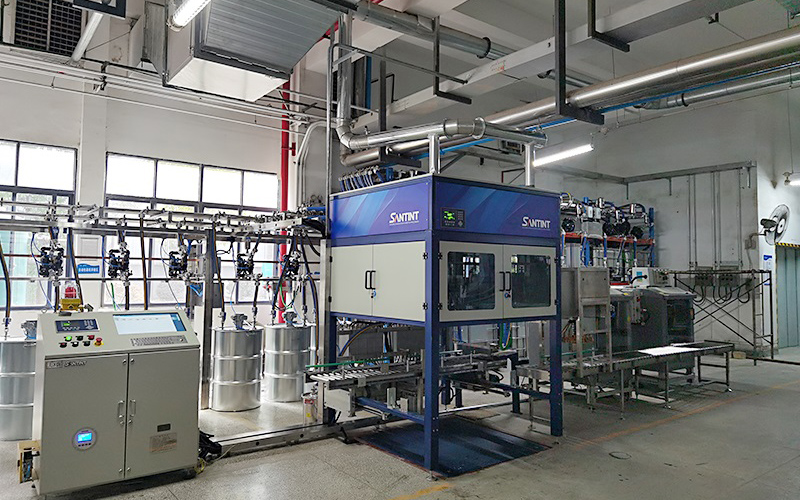
2020: Introduction of automatic ink adjustment and ERP systems for 100% color accuracy.
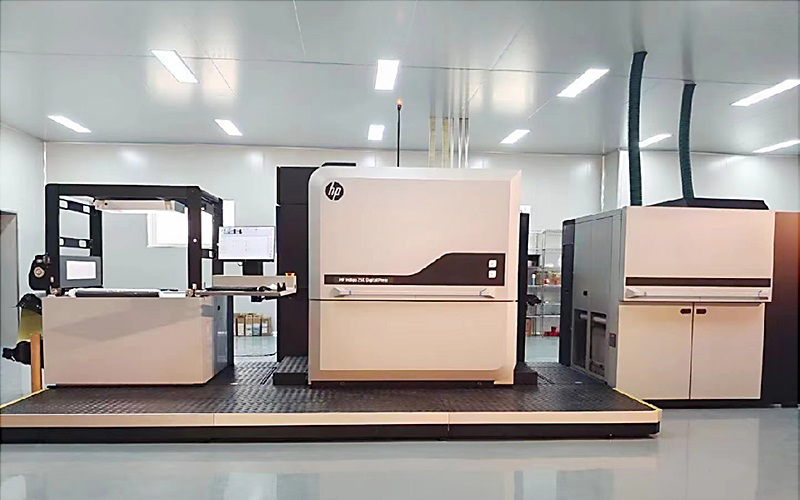
2021: HP Indigo 25K digital press acquisition, revolutionizing small-batch custom printing.
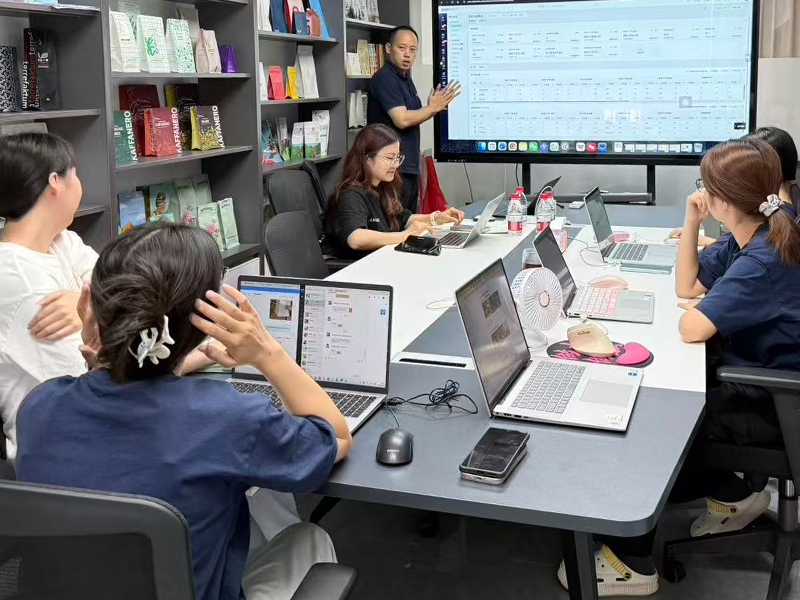
We provide online video confirmations and 3D mockups. Traditionally, selecting packaging was guesswork; we eliminate this through transparent digital prototyping.
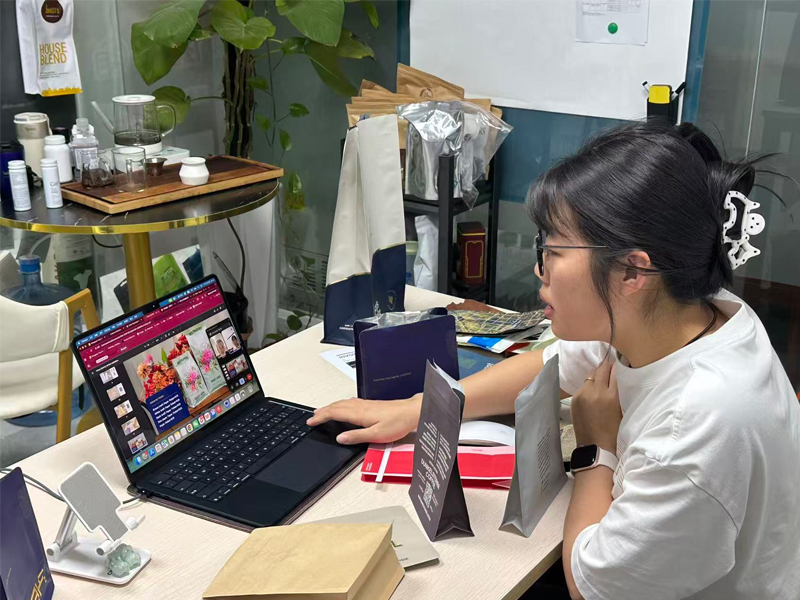
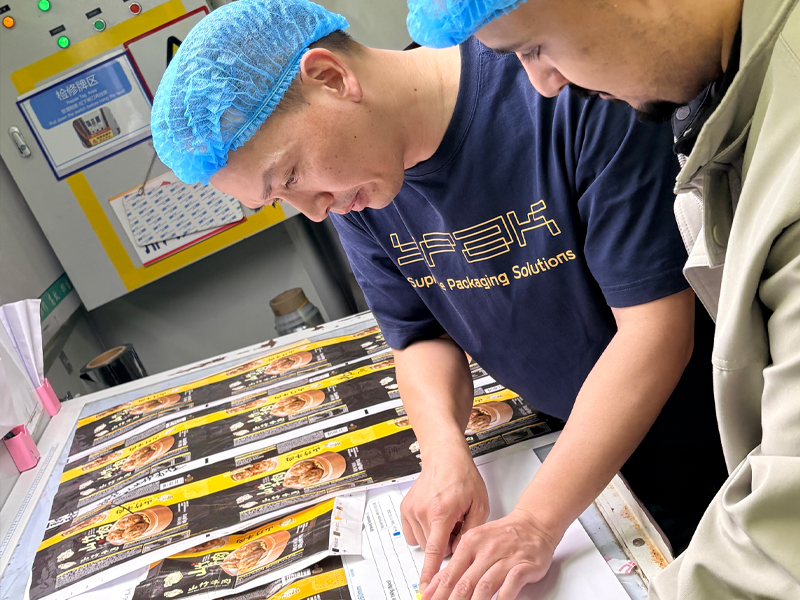
Real-time monitoring of the production process. We send live photos and videos of your bags on the press, ensuring color consistency and material integrity.
We don't just ship and forget. Our feedback channels and quality assurance teams ensure that any logistics or performance issues are resolved within 24 hours.
Yes, we offer specific variants using PLA (Polylactic Acid) linings and compostable zippers that meet EN 13432 and ASTM D6400 standards. These bags break down in industrial composting facilities within 90-180 days.
We utilize multi-layer lamination. For high-barrier needs, we use a middle layer of ALOX or EVOH, which provides superior protection against oxygen ingress while maintaining the paper aesthetic on the outside.
Thanks to our HP Indigo 25K digital press, we can offer custom printing with zero MOQ for market testing. For rotogravure printing (high volume), MOQs typically start at 5,000-10,000 units.
We have specialized heat-resistant Kraft laminates designed for temperature tolerances up to 90°C. Please consult our technical team for specific product compatibility testing.
We use the X-Rite color management system and automated ink dispensers. Every batch is measured against a master digital proof to ensure a Delta-E value of less than 2.0.
 YPAK PACKAGING