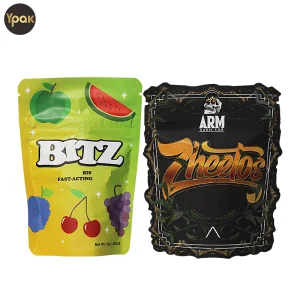
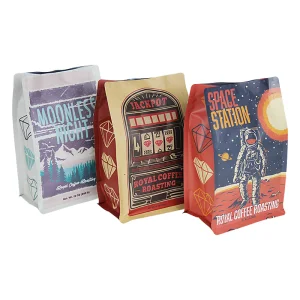
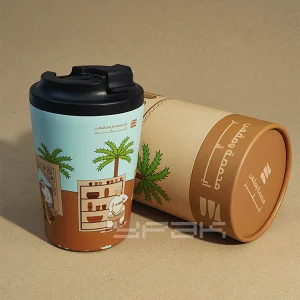
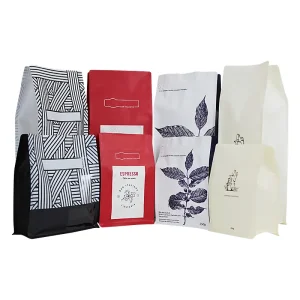
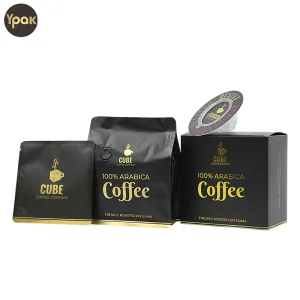
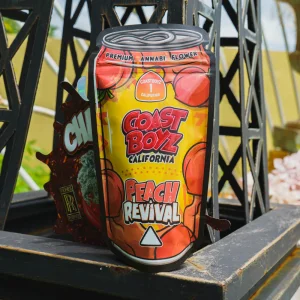
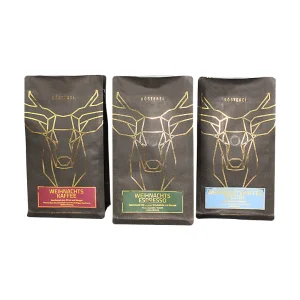
Explore our certified mono-material flexible packaging solutions designed for maximum oxygen barrier, shelf-life extension, and 100% circular recyclability.
The global fast-moving consumer goods (FMCG) and industrial food production sectors are undergoing a seismic transition. Brand owners, multinational food conglomerates, and specialized roasters are actively replacing legacy non-recyclable multi-layer laminates (such as PET/AL/PE) with advanced mono-material food wrappers and flexible pouches. Driven by stringent international mandates—including the European Union’s Packaging and Packaging Waste Regulation (PPWR), North American Extended Producer Responsibility (EPR) frameworks, and global ESG scorecards—procurement directors can no longer view sustainable food wrapping as a luxury option; it is now a critical core compliance requirement.
Direct sourcing from a certified wholesale food wrappers recyclable factory offers enterprise buyers the technical scale, batch consistency, and legal compliance necessary to safeguard supply chains against regulatory fines and plastic tax surcharges. Industrial food packaging requires delicate balance: maintaining high shelf stability and barrier protection against oxygen, moisture, UV rays, and grease, while simultaneously adhering to RIC 4 (LDPE) or RIC 5 (PP) post-consumer recycling streams.
| Packaging Metric | Traditional Multi-Layer (PET/AL/PE) | High-Barrier Mono-PE Packaging | Industrial Compostable Kraft/PLA |
|---|---|---|---|
| Circular Recyclability | Non-recyclable (Landfill / Incineration) | 100% Recyclable (RIC 4 Stream) | Compostable (EN 13432 / ASTM D6400) |
| Oxygen Barrier (OTR) | < 0.1 cc/m²/24h | < 0.5 cc/m²/24h (EVOH Co-extruded) | 1.5 - 5.0 cc/m²/24h |
| Moisture Barrier (MVTR) | < 0.1 g/m²/24h | < 0.8 g/m²/24h | 3.0 - 8.0 g/m²/24h |
| Carbon Footprint Index | High (Baseline 100%) | Reduced by 38% - 52% | Variable based on feedstock processing |
| EU PPWR 2030 Compliance | Non-Compliant (Phase-out phase) | Fully Compliant (Grade A Recyclability) | Compliant in Specific Organic Streams |
The primary engineering challenge in recyclable food wrappers lies in eliminating aluminum foil and non-recyclable PET outer layers without sacrificing gas and moisture resistance. YPAK Packaging Group has pioneered proprietary polymer processing techniques that bridge this performance gap using specialized Machine Direction Orientation (MDO) PE films combined with EVOH ultra-thin barrier co-extrusions.
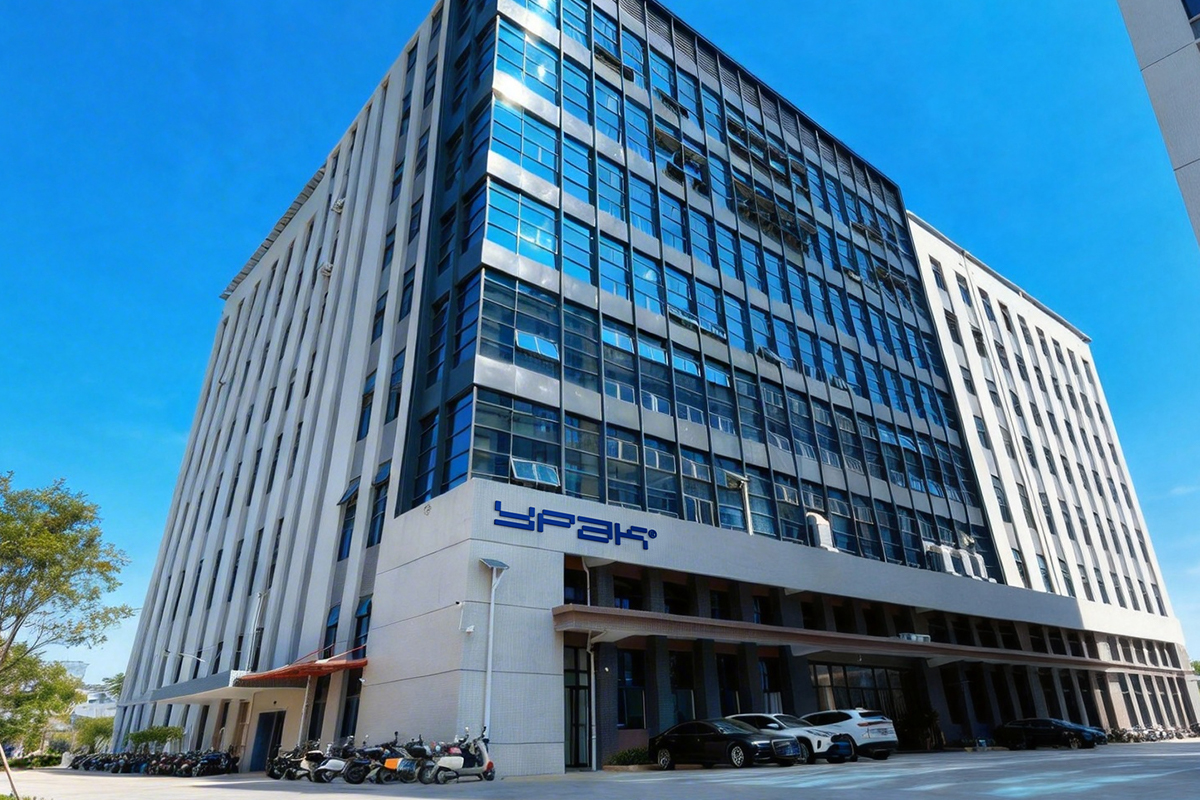
YPAK PACKAGING GROUP
Founded in 2011, YPAK operates three state-of-the-art manufacturing facilities across Hong Kong, Dongguan, and Foshan, emerging as one of China’s leading coffee bag and sustainable food packaging manufacturers.
Our Foshan and Dongguan plants are BRCGS Food Safety (Grade AA) and ISO 22000:2018 certified—ensuring every pouch and food wrapper meets rigorous global food contact standards with full end-to-end lot traceability. We fit Swiss WIPF one-way degassing valves as standard, delivering industry-leading technology to maintain freshness in roasting and food preservation.
Our HP Indigo 25K digital printing press enables MOQ-free, plate-free production runs with photorealistic print quality—perfect for limited editions, seasonal promotions, and rapid market testing. With a proven 99.5% on-time delivery rate, we keep enterprise production lines moving globally. Our recyclable and compostable pouches help brands stay far ahead of evolving plastic regulations across the EU, UK, and North America—without compromising functional performance.
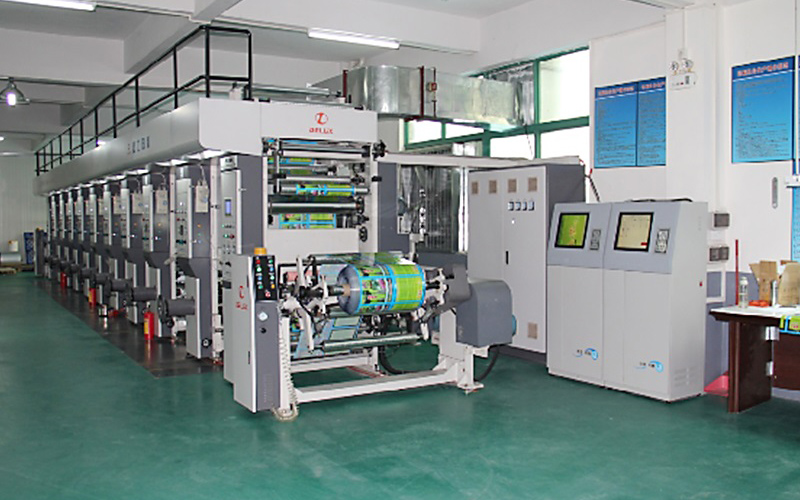
In May 2012, commissioned the first complete high-speed flexible packaging production line.
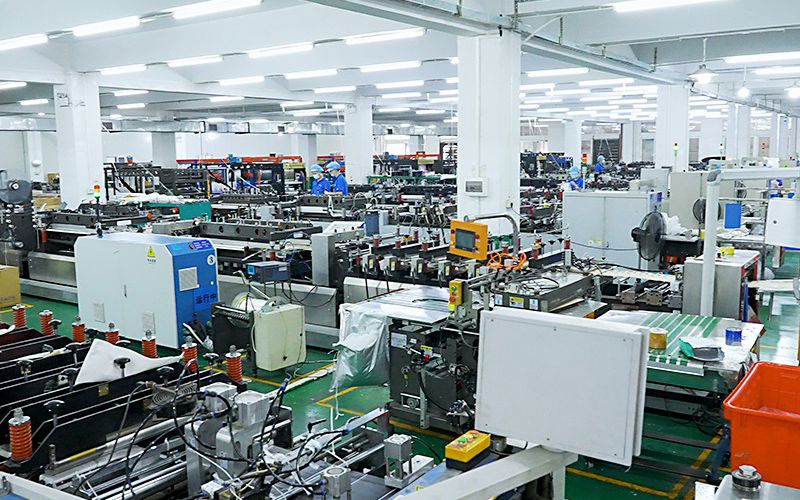
In March 2016, pioneered specialized production lines for premium flat bottom pouches.
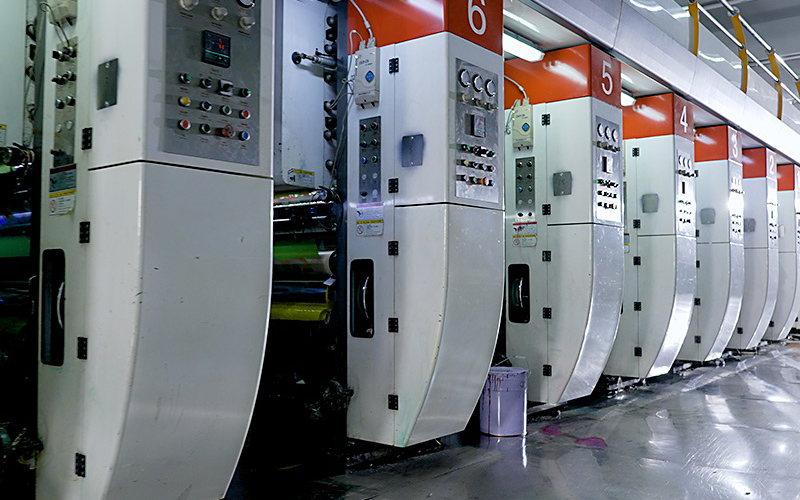
In August 2017, established the second automated high-speed conversion line.
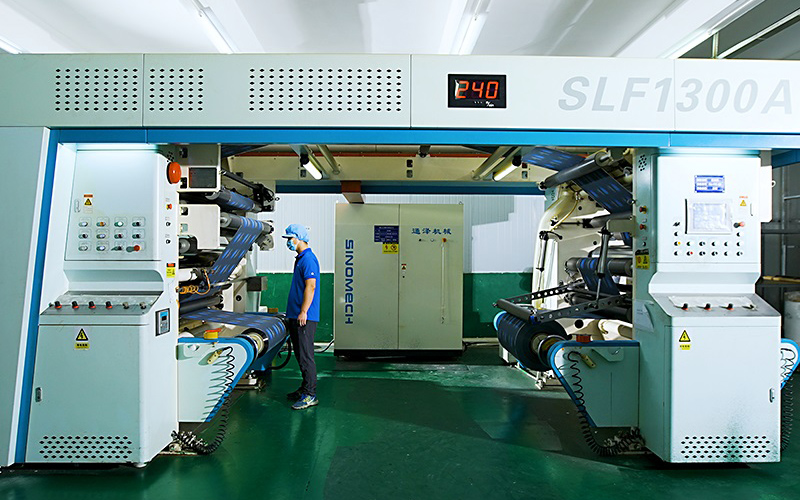
In April 2018, fully integrated eco-friendly solvent-free composite lamination technology.
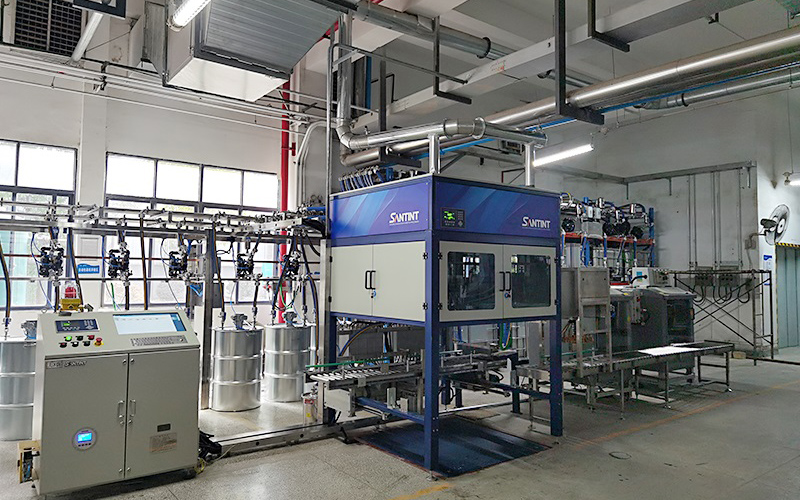
Introduced automated closed-loop ink dispensing & spectro-matching systems.
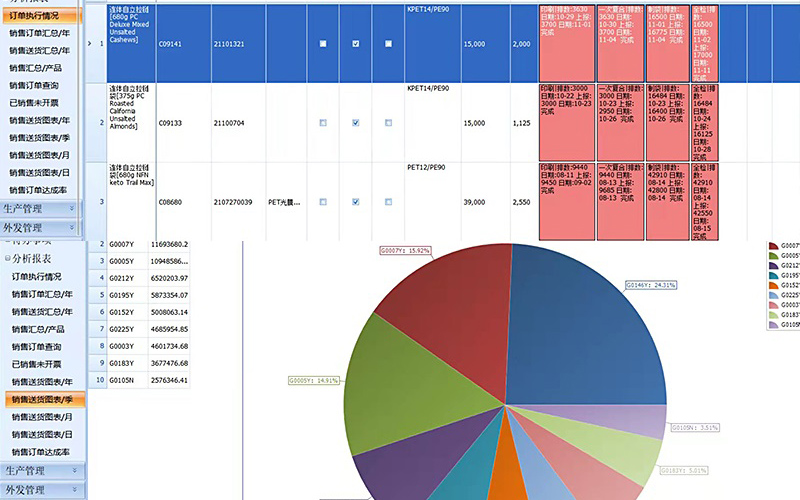
Deployed smart ERP production management for real-time order and quality tracking.
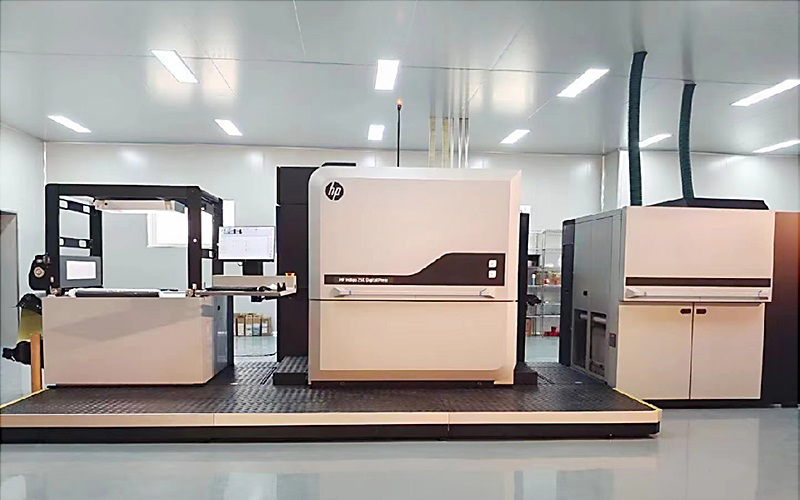
In October 2021, added the HP INDIGO 25K digital press for plate-free versatile runs.
From initial material selection to post-delivery assurance, our standardized service framework eliminates guesswork and ensures total operational reliability.
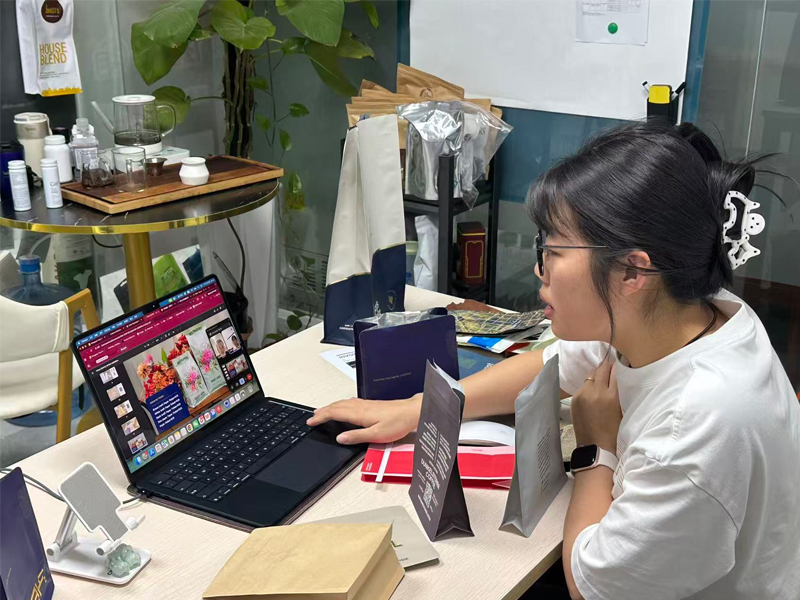
Improving client confidence through one-on-one video confirmation. Traditionally, selecting food wrapper specifications involved lengthy back-and-forth sampling cycles. Through real-time video validation and 3D digital proofing, we provide instant clarity on surface textures, barrier layers, and custom die-lines.
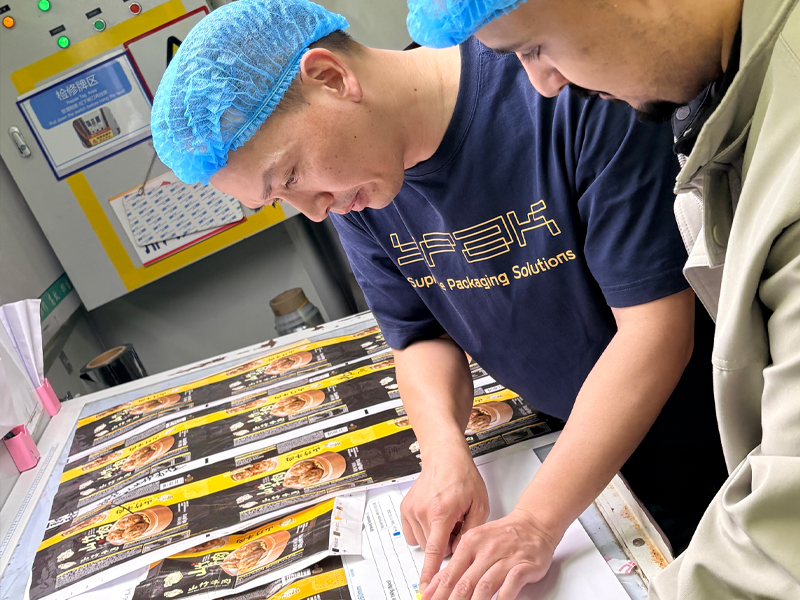
Maintaining absolute control over each manufacturing phase. We closely monitor extrusion, printing, lamination, and bag-making. Clients receive step-by-step visual inspection photos, spectro-check reports, and automated tracking updates ensuring flawless execution prior to dispatch.
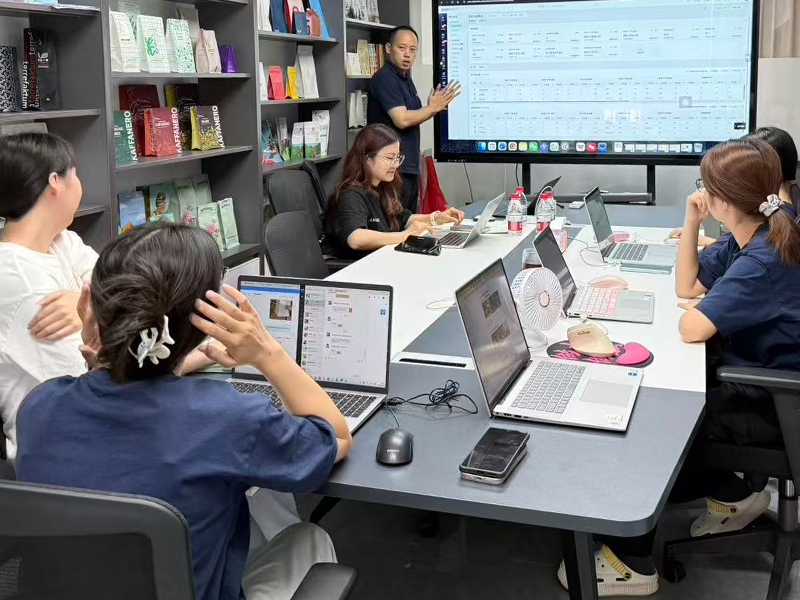
Our technical commitment extends long after shipment arrival. We provide ongoing support for automated pouch-filling integration, seal temperature optimization, and storage advice, fostering long-term strategic partnerships and repeat commercial success.
Navigating food contact regulations across global jurisdictions requires rigorous material testing and transparent documentation. Wholesale food wrappers produced by YPAK undergo multi-point chemical migration and physical integrity testing to ensure seamless clearance across international customs and store shelves.
All resins, inks, and adhesive agents comply strictly with US FDA 21 CFR 177.1520 and EU Regulation No. 10/2011 for direct food contact safety, heavy metal limits, and overall migration limits (OML).
Our mono-PE structures are engineered for compatibility with CEFLEX (Circular Economy for Flexible Packaging) design guidelines and RecyClass protocols, enabling Grade A recyclability status.
Every production batch generated through our ERP system carries a unique QR-coded tracking matrix detailing raw material resin lots, machine operational logs, and QC testing records.
Expert insights on switching to high-barrier recyclable food wrapping solutions.
Explore our broader portfolio of custom printed pouches, specialty paper bags, and eco-friendly labels.
 YPAK PACKAGING