Explore our engineered barrier pouches, custom printed coffee packaging, and industrial food storage solutions manufactured directly under strict BRCGS and ISO 22000:2018 standards.

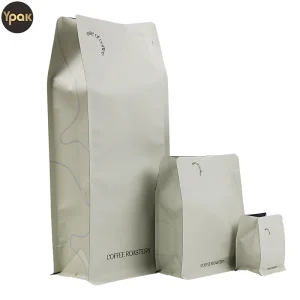
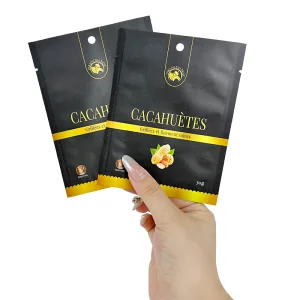
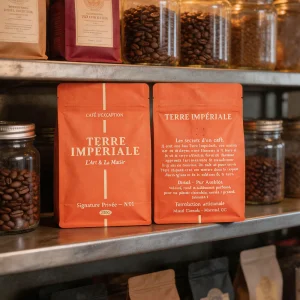
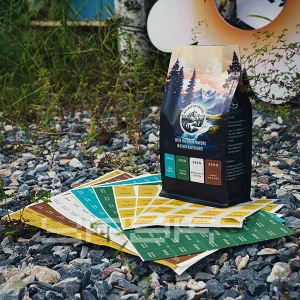
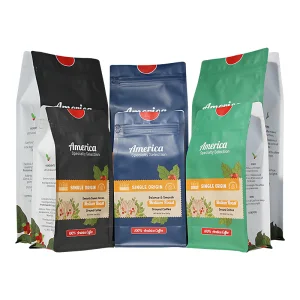
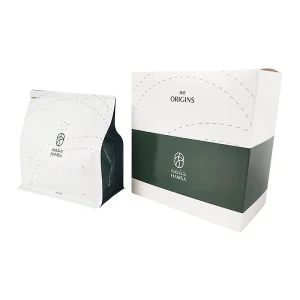
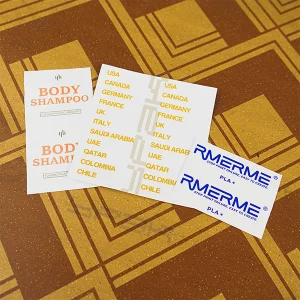
In the modern global supply chain, wholesale food storage bags have evolved from simple polyethylene containment pouches into highly engineered, multi-layer barrier systems designed to preserve nutritional integrity, prevent lipid oxidation, and significantly extend product shelf life. The transition toward flexible packaging is driven by a convergence of environmental mandates, transportation cost optimization, and advanced polymer chemistry. Brands sourcing wholesale food packaging are no longer looking for commodity bags; they require tailored engineering capable of meeting exact Oxygen Transmission Rates (OTR < 0.5 cc/m²/24hr) and Moisture Vapor Transmission Rates (MVTR < 0.5 g/m²/24hr).
As consumer demand shifts toward organic products without chemical preservatives, the physical barrier provided by flexible packaging becomes the primary safeguard against spoilage. Oxygen exposure leads to rancidity in high-fat food items such as nuts, coffee, and powdered dairy, while moisture ingress compromises crispness and promotes microbiological growth. Modern high-barrier packaging utilizes complex co-extrusion and lamination technologies—combining biaxially-oriented PET, metallized aluminum (VMPET), pure aluminum foil (AL), and high-density polyethylene (HDPE)—to create an impenetrable defense against light, oxygen, moisture, and aroma migration.
Navigating global food contact compliance requires deep technical expertise and rigorous quality assurance systems. Packaging imported into North America, the European Union, and the United Kingdom must comply with strict statutory safety limits regarding chemical migration, heavy metal content, and microplastic shed.
Our state-of-the-art production facilities in Foshan and Dongguan are certified under BRCGS (British Retail Consortium Global Standards) for Food Safety with Grade AA status, alongside ISO 22000:2018 management systems. This guarantees 100% full batch-level traceability from raw resin to finished pouches.
All polymers, adhesives, and inks used in our manufacturing process meet US FDA 21 CFR 177 requirements and EU Regulation (EU) No 10/2011 regarding plastic materials intended to come into contact with food. We provide complete Certificates of Analysis (CoA) and heavy metal testing (Directive 94/62/EC).
To help international importers avoid punitive plastic taxation, we engineer single-material PE/PE structures with over 30% recycled post-consumer resin (PCR) or 100% recyclable mono-materials. All coatings and oil-repellent treatments are certified 100% PFAS-free (Per- and Polyfluoroalkyl Substances).
China's Greater Bay Area (GBA) remains the epicenter of world-class flexible packaging innovation. By integrating specialized raw material synthesis, precision machinery engineering, and streamlined export logistics, YPAK Packaging Group offers global enterprise buyers unparalleled cost-performance ratios without sacrificing structural integrity or print fidelity.
Traditional rotogravure printing requires expensive cylinder plates and high minimum order quantities (MOQs). YPAK revolutionized short-run and promotional packaging by introducing the HP Indigo 25K Digital Press. This equipment enables plate-free, zero-MOQ production with 7-color photorealistic printing, perfect for seasonal SKUs, market testing, and private-label micro-brands.
Our Foshan factory utilizes eco-friendly solvent-free composite lamination technology. Unlike legacy solvent-based systems, solvent-free lamination eliminates volatile organic compound (VOC) emissions and prevents chemical odorous retention inside food pouches. Coupled with automated ink-dispensing management, we achieve 100% color consistency across multi-million batch orders.
Selecting the optimal material combination requires balancing shelf-life demands, mechanical puncture resistance, clear visibility windows, and end-of-life recyclability. Below is an engineering comparison matrix of standard substrate structures manufactured at YPAK:
For high-value agricultural commodities such as freshly roasted coffee beans, packaging requires dynamic gas pressure management. Freshly roasted coffee releases significant volumes of Carbon Dioxide ($CO_2$) over several weeks—a process known as off-gassing. Without proper venting, sealed airtight bags will expand and burst.
To resolve this challenge, YPAK integrates authentic Swiss WIPF One-Way Degassing Valves as standard components across our coffee packaging lines. The WIPF valve allows internal $CO_2$ gas to escape under micro-pressure while completely blocking ambient oxygen and air from entering the bag. This maintains internal inert atmospheres, preserving bean volatile aromatics and extending taste freshness for up to 12–18 months.
We offer pocket zippers, press-to-close tactile zippers, velcro zippers for flour/powders, and child-resistant (CR) safety closures for specialized pharmaceutical and cannabis edible applications.
Integrated precise directional laser scoring allows consumers to open bags cleanly along a straight line without requiring scissors or compromising the integrity of the inner press zipper seal.
For bulk food storage bags (5kg to 25kg capacity), we incorporate die-cut carrying handles, plastic side-grommets, and high-flow liquid spouts engineered to withstand 1.5-meter drop tests.
The flexible packaging sector is undergoing a historical shift toward sustainability. Driven by strict extended producer responsibility (EPR) regulations in Western economies, brand owners must replace traditional non-recyclable foil laminate structures with eco-conscious alternatives.
Key technological trajectories dominated by YPAK include:
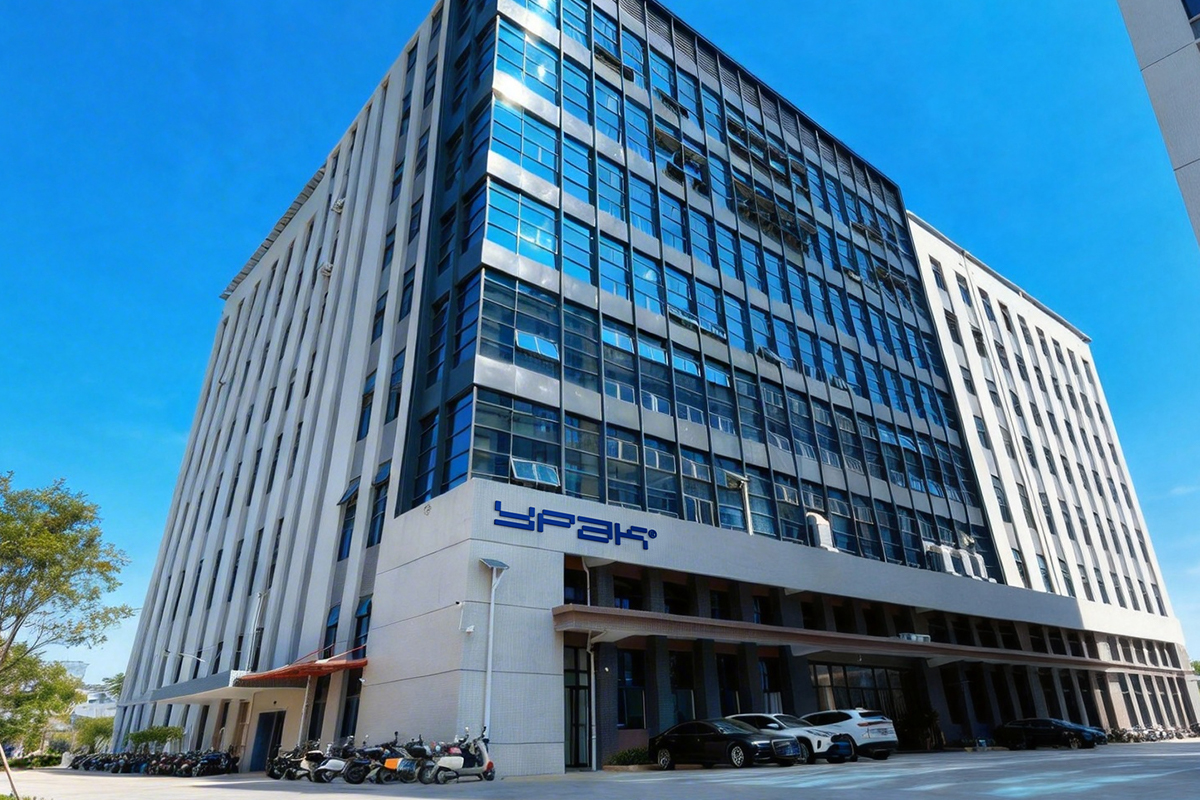
Founded in 2011, YPAK operates three manufacturing and international sales facilities across Hong Kong, Dongguan, and Foshan. Over the past decade, we have scaled our production capacity to become one of Asia's most advanced flexible packaging hubs.
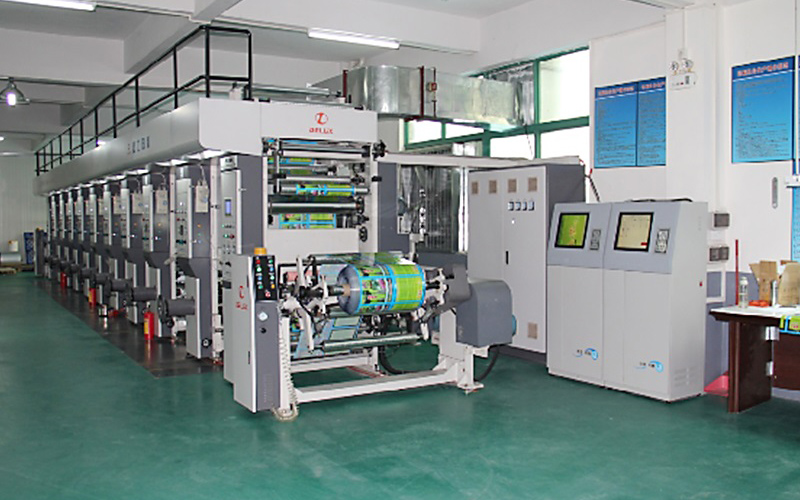 May 2012
Commissioned our first complete flexible packaging production line.
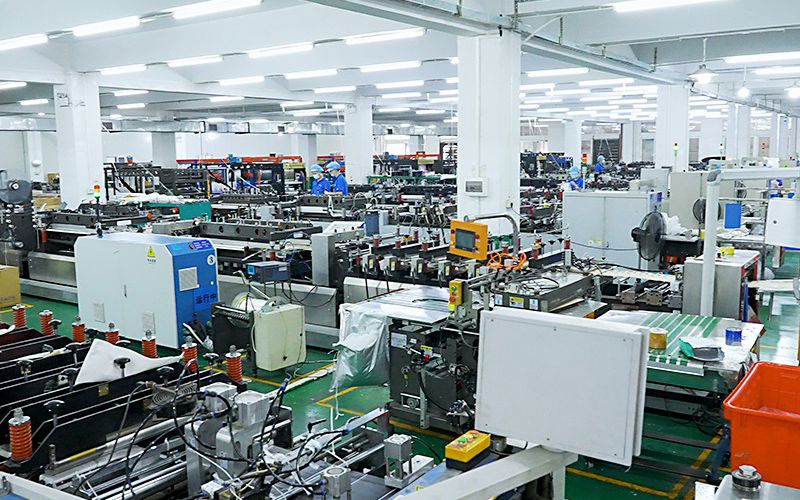 March 2016
Expanded production infrastructure to manufacture box-style flat bottom bags.
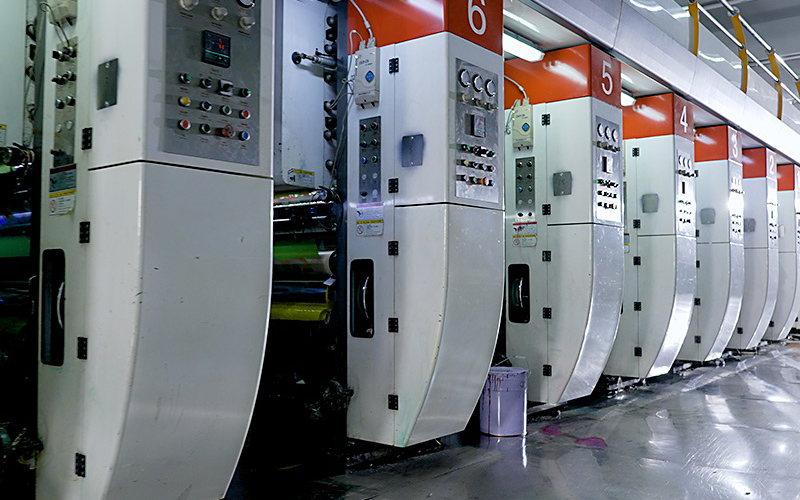 August 2017
Established our second automated high-speed converting production line.
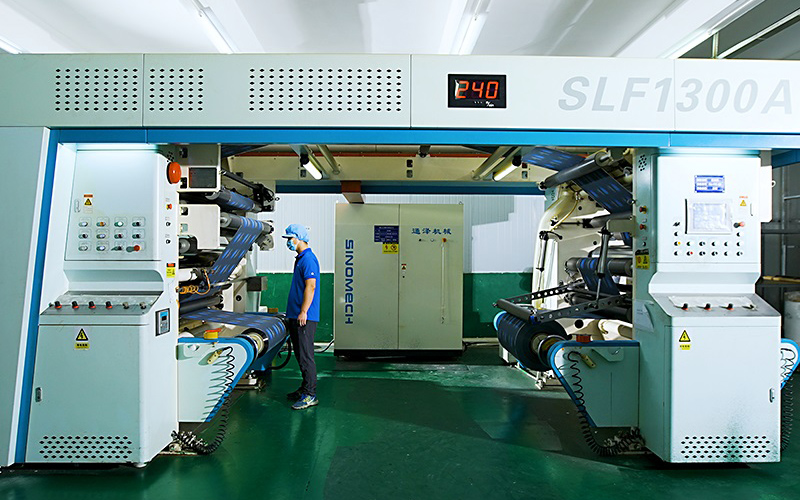 April 2018
Pioneered solvent-free eco-friendly composite lamination technology.
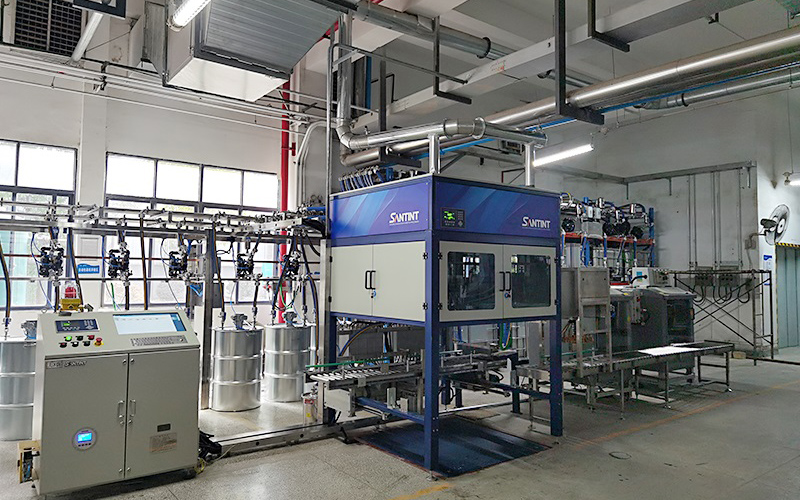 June 2020
Implemented fully automated computerized ink adjustment and color matching systems.
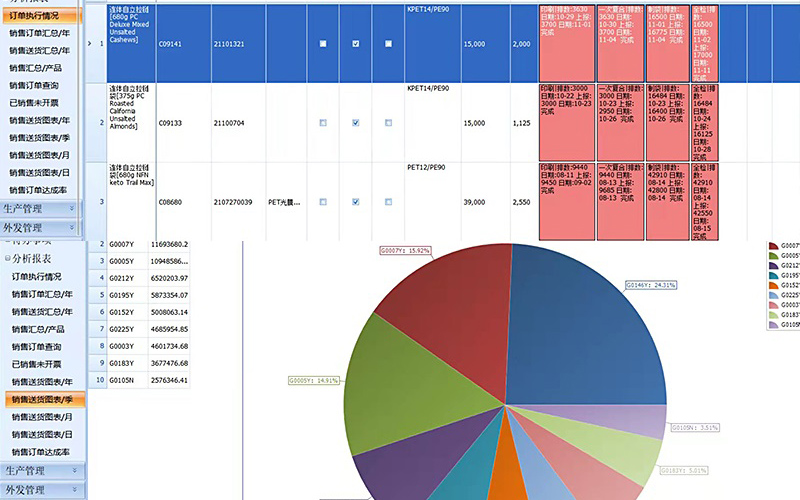 July 2020
Integrated full ERP enterprise production software for real-time tracking.
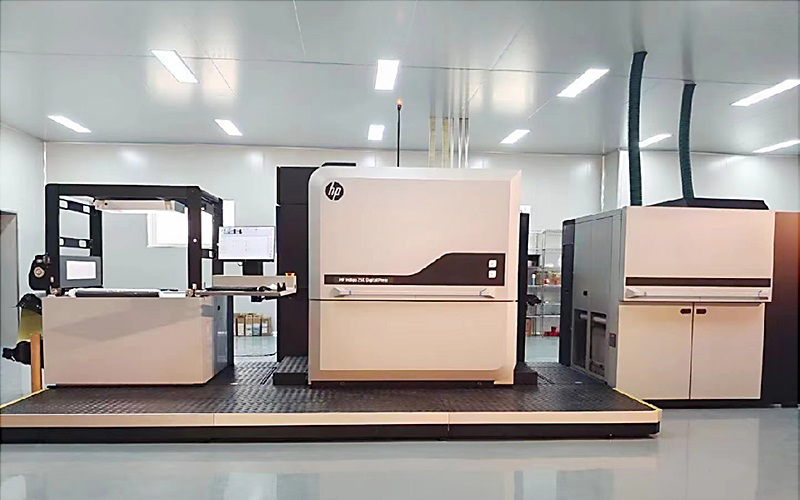 October 2021
Introduced HP INDIGO 25K Digital Press for plate-free fast turnaround runs.
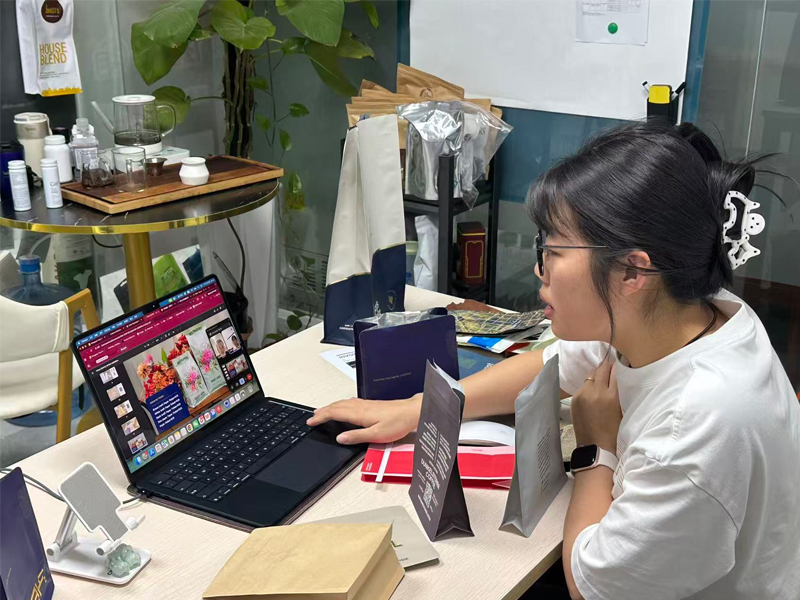
We eliminate guesswork through dedicated one-on-one engineering consultation and online video color/artwork confirmation prior to cylinder engraving or digital press setup.
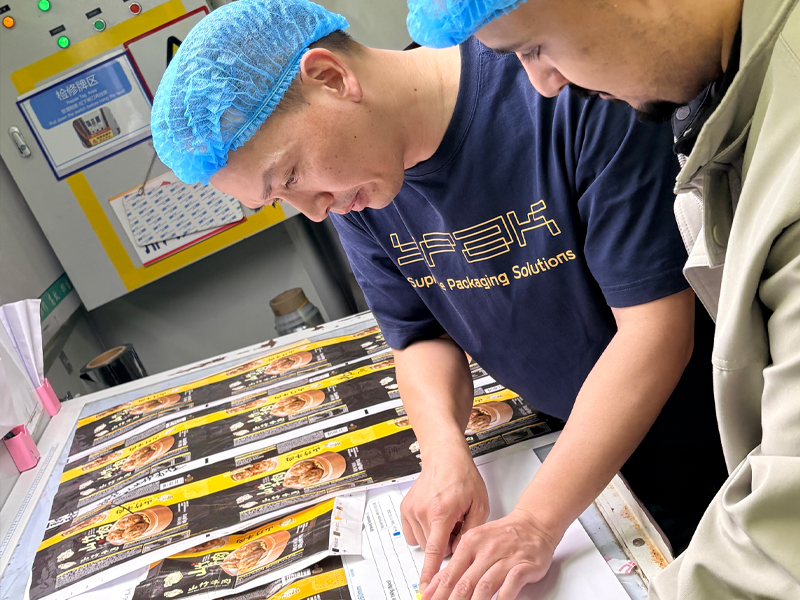
Our team maintains total control over each production stage. We dispatch live photo updates and video feeds of slitting, pouch making, and valve insertion to ensure on-time delivery.
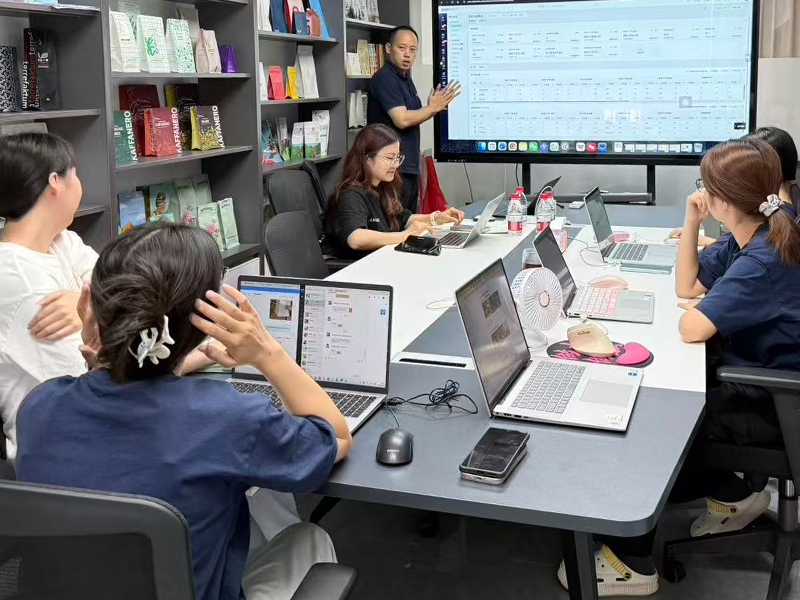
We back every shipment with formal quality guarantees, establishing feedback channels and rapid replacement resolution to foster multi-year commercial partnerships.
Our customized food storage packaging solutions serve diverse industry sectors across North America, Europe, Australia, and the Middle East:
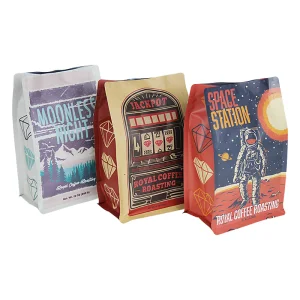
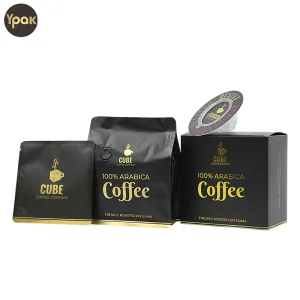
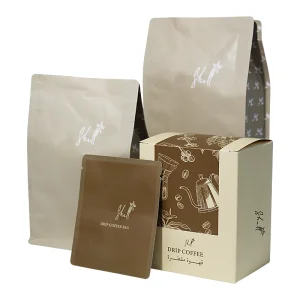
Flat-bottom bags, quad-seal pouches, and single-serve drip coffee bags equipped with degas valves and spot-UV varnishes designed for premium retail shelf placement.
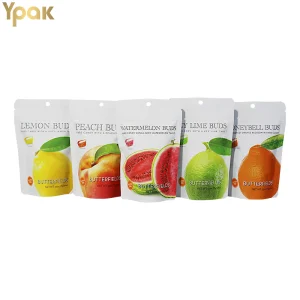
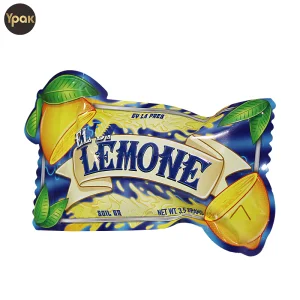
Resealable soft-touch Mylar pouches and child-resistant zipper bags for gummies, dried fruits, candy, cannabis edibles, and specialty bakery items.
Heavy-duty aluminum multi-layer pouches alongside waterproof adhesive vinyl sticker rolls and 3D UV transfer logos for unified corporate branding kit solutions.
Direct answers to crucial procurement, technical, and regulatory questions for wholesale packaging buyers.
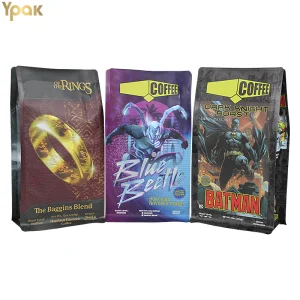
Browse additional custom flat-bottom pouches, anime/branded editions, cannabis Mylar packaging, and branding transfer accessories.
 YPAK PACKAGING