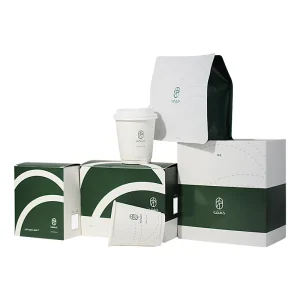
Explore our precision-manufactured food-grade pouch lines, engineered with advanced barrier layers, custom closures, and zero-plate digital print capabilities.
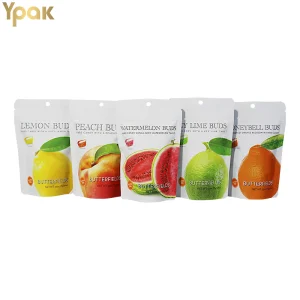
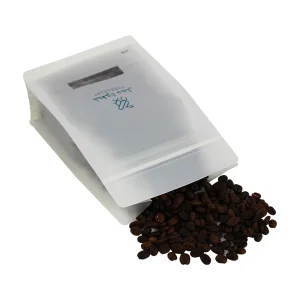
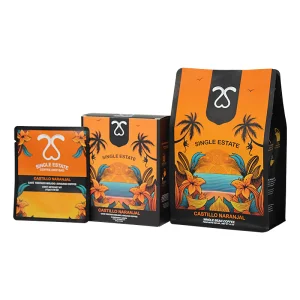
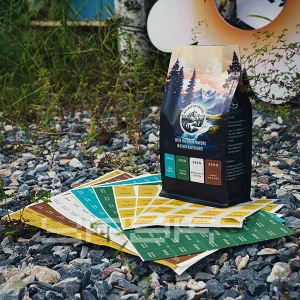
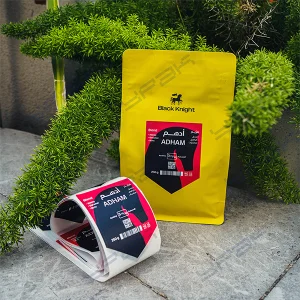
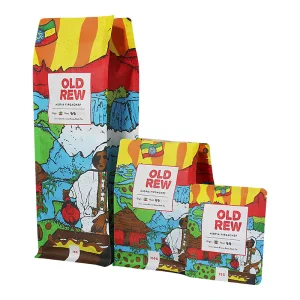
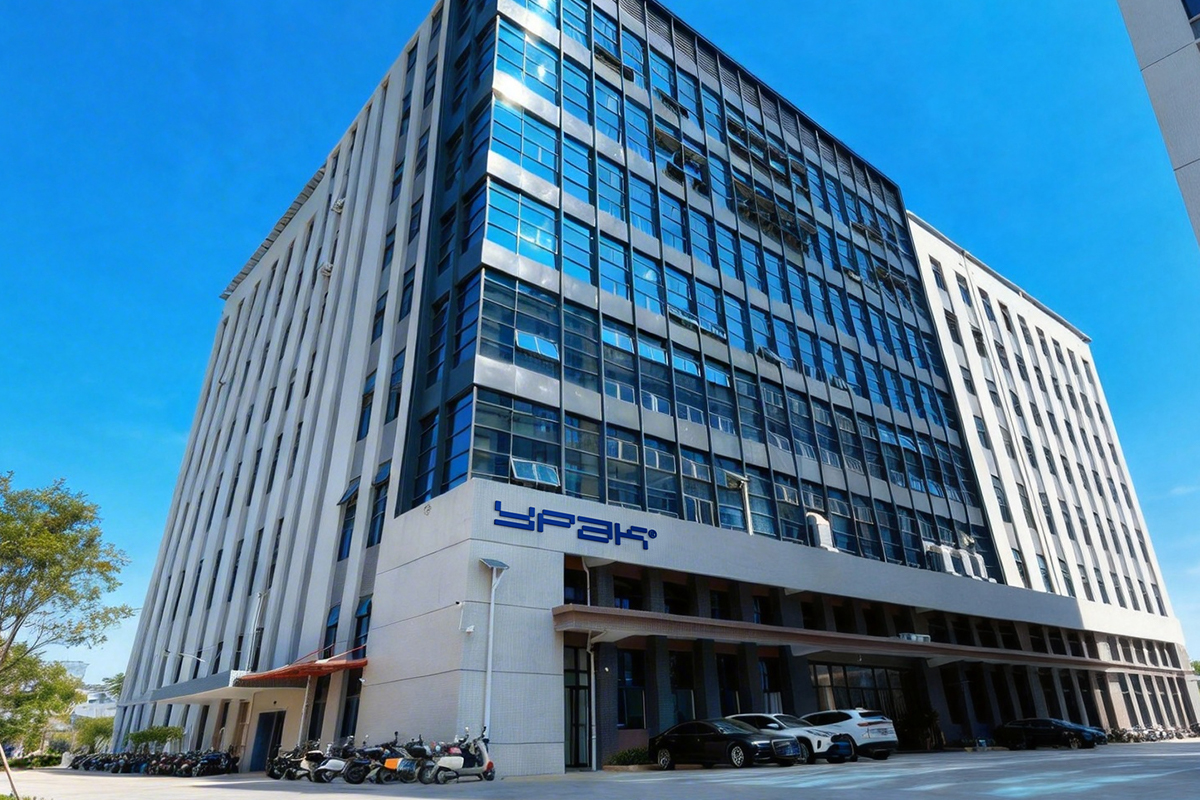
As a direct manufacturer operating high-tech hubs in Foshan, Dongguan, and Hong Kong, YPAK PACKAGING GROUP bridges precision chemical barrier engineering with agile manufacturing.
Selecting the optimal wholesale food packaging manufacturer requires understanding the physics of barrier protection. In food preservation, oxygen degradation and moisture absorption are the primary drivers of organoleptic decay and spoiled inventory. Modern packaging factories utilize multi-layer composite structures combining PET, VMPET, EVOH, Aluminum Foil, and Kraft paper with polyethylene (PE) or polypropylene (PP) sealant layers.
At YPAK, our engineers calibrate Oxygen Transmission Rates (OTR) down to less than 0.5 cc/m²/24hrs and Water Vapor Transmission Rates (WVTR) below 0.5 g/m²/24hrs. By integrating EVOH co-extrusions and high-purity aluminum barriers, our pouches safeguard delicate lipid chemistry, volatile aromatic oils, and crisp textures across extended supply chain durations.
Navigating global retail mandates demands flawless regulatory documentation. Enterprise food procurement teams cannot risk custom delays, product recalls, or heavy regulatory fines due to heavy metal migration or non-compliant ink formulations.
Our production facilities operate strictly under FDA 21 CFR 177.1520 (olefin polymers) for North America and EU Regulation No. 10/2011 on plastic materials intended to come into contact with food. Every batch undergoes rigorous migration testing, heavy-metal screen analysis, and organoleptic testing to ensure complete inertness, chemical purity, and zero taste transfer.
| Material Laminate Structure | Target OTR (cc/m²/24h) | Target WVTR (g/m²/24h) | Primary End-Use Application | Recyclability Profile |
|---|---|---|---|---|
| PET / AL / PE | < 0.05 | < 0.05 | Specialty Coffee, Dehydrated Foods, Milk Powder | Standard Waste-to-Energy Stream |
| Kraft / VMPET / PE | < 0.5 | < 0.5 | Artisanal Tea, Organic Snacks, Gourmet Nuts | Hybrid Composite Recovery |
| Mono-Material MDO-PE / PE | < 1.5 | < 1.5 | Sustainable Coffee, Dry Confectionery, Pet Food | 100% Recyclable (RIC #4 PE Stream) |
| PLA / PBAT Compostable | < 5.0 | < 8.0 | Short Shelf-life Bakery, Organic Teas, Dry Goods | Industrial Compostable (EN 13432) |
Global food brands and commercial coffee roasters are increasingly consolidating their flexible packaging sourcing within specialized manufacturing hubs in China. Operating across Dongguan, Foshan, and Hong Kong, YPAK PACKAGING GROUP represents the apex of this centralized industrial advantage. China’s packaging cluster offers unprecedented speed-to-market, deep vertical integration, and aggressive Total Cost of Ownership (TCO) efficiency.
From raw resin blown-film extrusion and solventless lamination to precision die-cutting, high-speed pouch converting, and degassing valve insertion, operating an all-in-one ecosystem eliminates third-party logistics overhead and reduces production cycle times by up to 40%.
Direct access to tier-one polymer suppliers and specialty paper mills allows us to source premium materials—such as Japanese high-barrier films, genuine Swiss WIPF valves, and German eco-certified inks—at lower bulk rates than Western conversion facilities.
Our state-of-the-art solventless lamination lines prevent solvent retention completely. This guarantees zero odor contamination inside the food cavity while significantly reducing volatile organic compound (VOC) emissions during production.
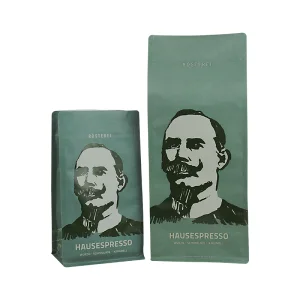
Roasted coffee continuously emits carbon dioxide gas while remaining acutely vulnerable to ambient oxygen and moisture. YPAK integrates Swiss WIPF one-way degassing valves into flat-bottom, quad-seal, and stand-up pouches. These micro-engineered valves allow internal degassing pressure to release freely without letting outside air enter, maintaining roast aroma and extending shelf freshness up to 18 months.
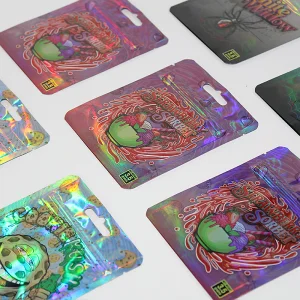
For regulated CBD gummies, pharmaceutical-grade supplements, and specialty candy, safety and tactile appeal are critical. We produce custom Mylar pouches with child-resistant (CR) zippers certified under ASTM D3475 standards. Paired with soft-touch matte finishes, holographic metalized films, and spot UV accents, these pouches protect active cannabinoid potency while enhancing shelf impact.
To help brands navigate strict plastic packaging taxes across the EU, UK, and North America, YPAK leads in Mono-Material Recyclable PE and certified Compostable PLA/PBAT pouches. Engineered to mirror traditional multi-layer barrier specs, our recyclable packaging fits directly into standard recycling streams without compromising on tear resistance or seal strength.
Traditional flexographic and rotogravure printing methods require expensive metal cylinder tooling and massive minimum run sizes (often 20,000+ units per SKU). This high capital requirement restricts product line extensions, seasonal flavors, and small-batch market testing.
YPAK solves this bottleneck by deploying the industrial-grade HP Indigo 25K Digital Press. Digital flexible packaging printing eliminates plate fees entirely, allowing rapid design switching, high-definition photorealistic graphics, variable data printing, and low-MOQ production runs without sacrificing unit cost efficiency.
Founded in 2011, YPAK operates three state-of-the-art facilities across Hong Kong, Dongguan, and Foshan, standing as a trusted high-barrier flexible packaging pioneer.
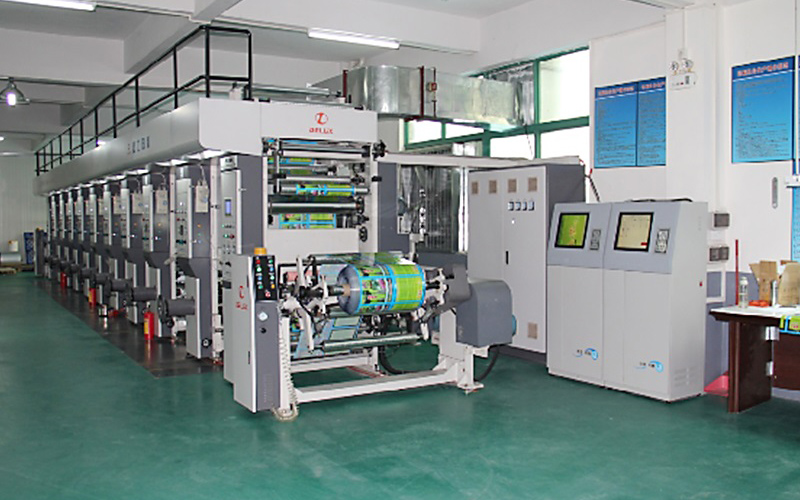
In May 2012, YPAK commissioned its first automated complete flexible packaging production line, launching high-precision gravure printing and laminating operations.
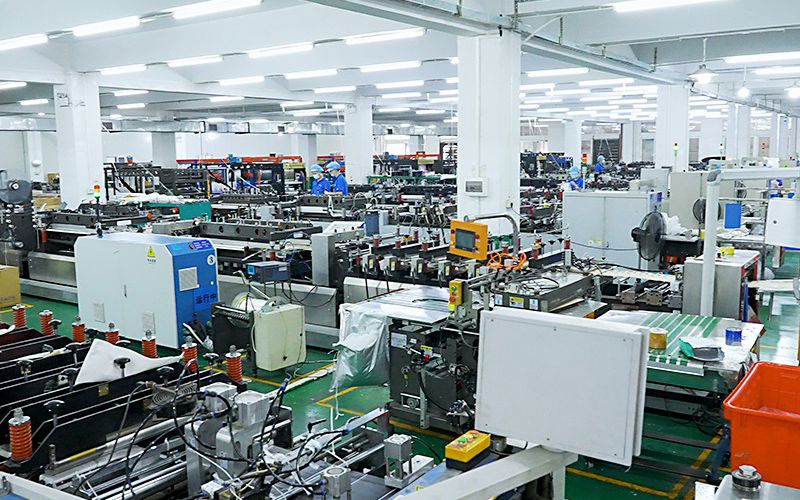
In March 2016, YPAK expanded box-pouch production, introducing high-speed flat bottom pouch converting lines for specialty coffee and bulk food packaging.
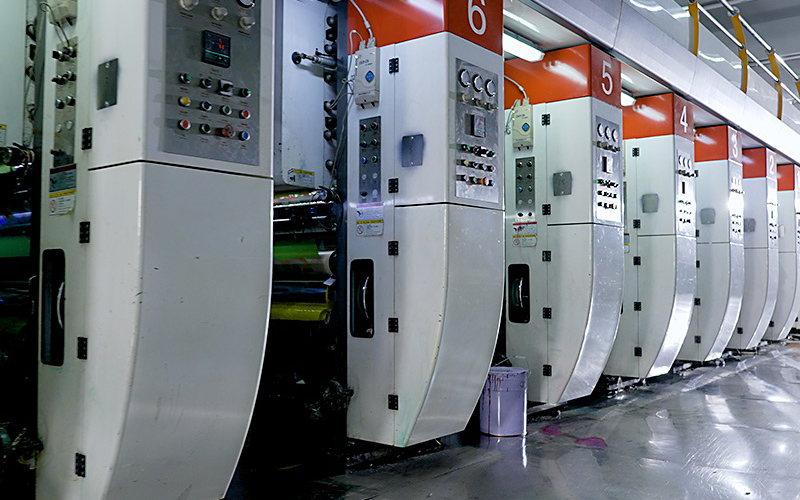
In August 2017, the company commissioned its second complete production line, doubling manufacturing output to meet rising export demand across Europe and North America.
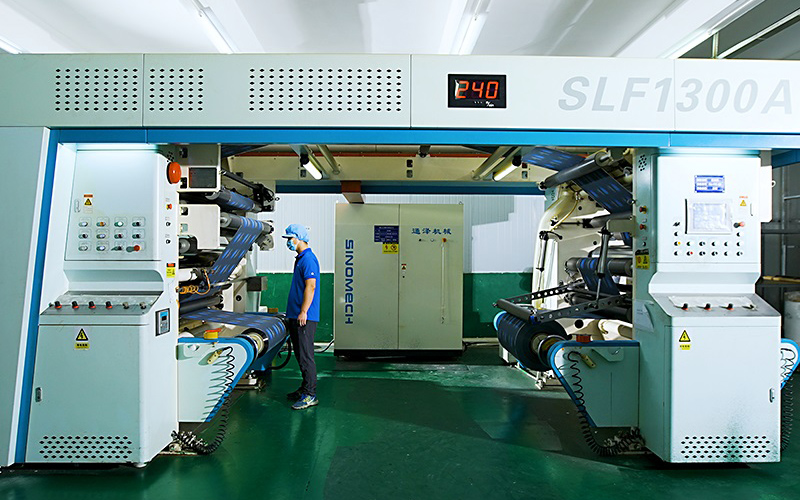
In April 2018, YPAK transitioned fully to green manufacturing by adopting solvent-free composite technology, guaranteeing odor-free and zero-VOC food pouches.
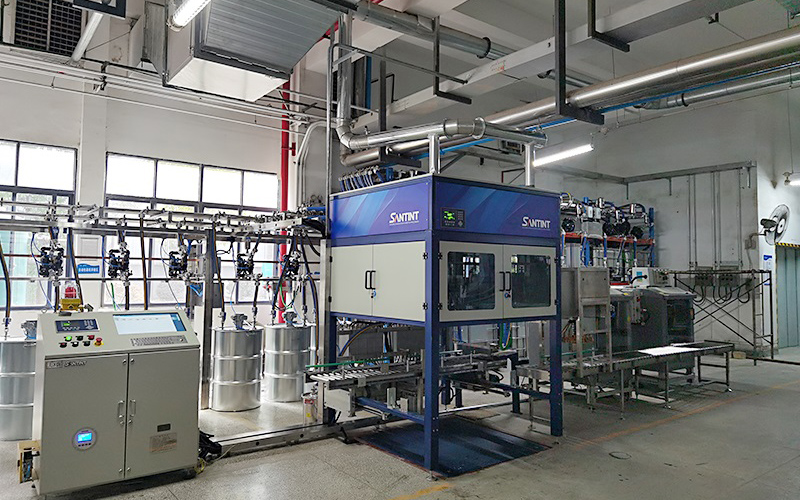
In June 2020, an automated computer-controlled ink adjustment system was introduced, enforcing perfect batch-to-batch color consistency.
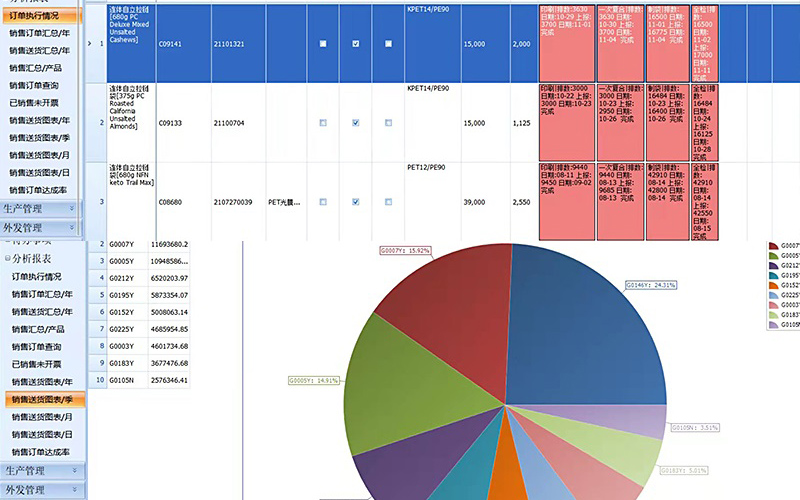
In July 2020, YPAK deployed an enterprise ERP production execution system, digitizing real-time inventory, batch tracking, and quality assurance metrics.
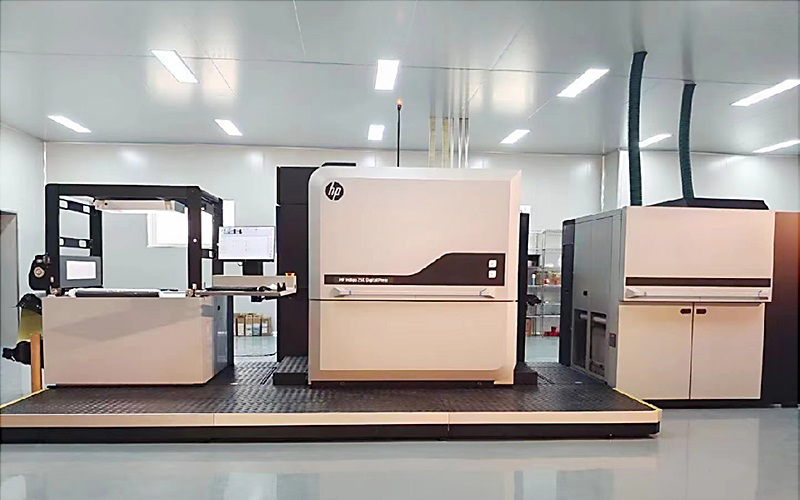
In October 2021, YPAK installed the advanced HP INDIGO 25K Digital Press, delivering plate-free, short-run custom pouch manufacturing with zero setup waste.
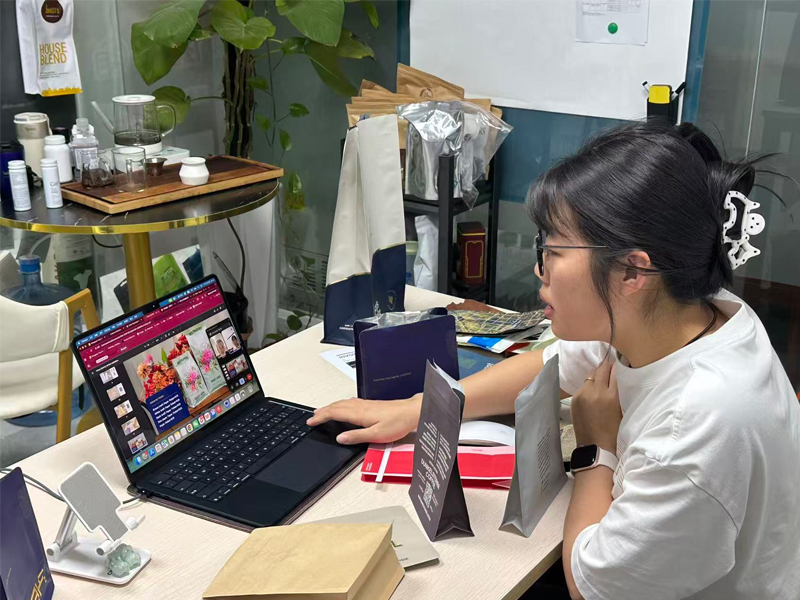
Traditional pre-sales can be slow and ambiguous. YPAK transforms initial engagements through one-on-one direct engineering consultation and live video proofing. We evaluate your product’s shelf-life requirements, barrier specs, and shipping conditions, resolving design challenges before production begins.
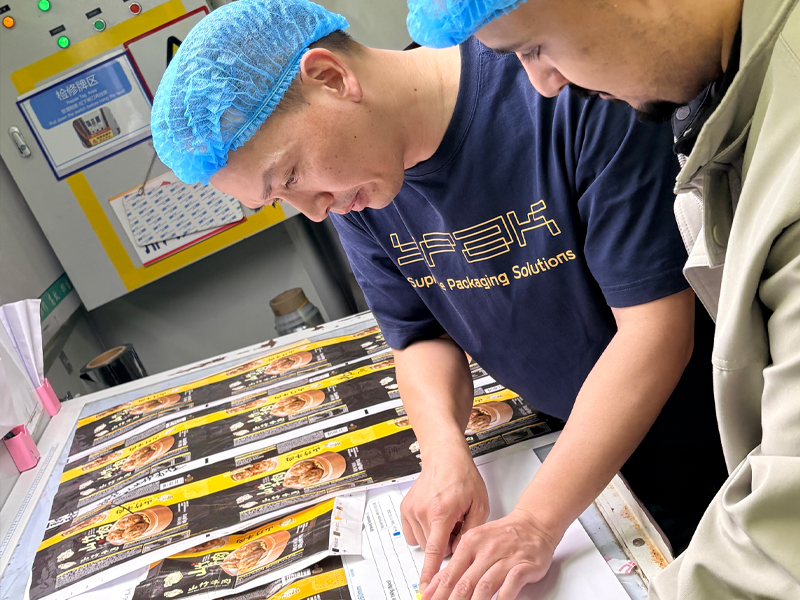
Maintaining full visibility over the converting process ensures zero surprises. Our mid-sales protocol provides live HD video streams, detailed photo checkpoints, and real-time ERP status updates across printing, lamination, and bag-making stages.
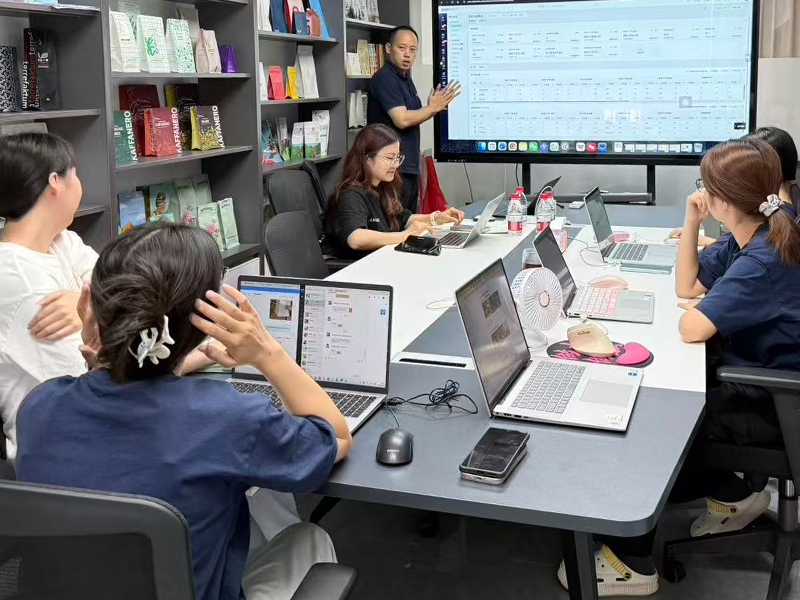
Our commitment extends beyond final delivery. We maintain retained production samples for every batch to support fast trace-back analysis. Built-in client feedback loops ensure continuous refinement for recurring bulk orders.
Multi-layer structures featuring dissimilar polymers (e.g., PET bonded to PE) are increasingly restricted due to recycling challenges. The future lies in Mono-Material Polyethylene (PE) laminates utilizing Machine-Direction Oriented (MDO-PE) films. These structures achieve high barrier properties while maintaining full compatibility with Curbside PE recycling streams (RIC #4).
Enterprise buyers are actively auditing Scope 3 carbon emissions across their supply chains. Next-generation flexible packaging factories are adopting solvent-free laminations, solar-powered converting lines, and bio-based PE resins (derived from sugarcane) to deliver audited Life Cycle Assessments (LCAs) with reduced carbon footprints.
Interactive packaging is evolving from basic branding into an operational necessity. By applying high-resolution digital micro-QR codes, food brands can provide consumers with direct farm-to-cup origin tracking, real-time freshness validation, and dynamic anti-counterfeiting security.
As industrial composting standards like EN 13432 and ASTM D6400 expand globally, advanced bioplastics combining PLA (polylactic acid) with PBAT and bio-based barrier coatings are closing the shelf-life gap with traditional fossil-fuel synthetic films.
Expert answers to technical procurement, manufacturing capability, and food safety compliance questions.
Our primary manufacturing plants in Foshan and Dongguan hold BRCGS Food Safety Grade AA certification alongside ISO 22000:2018 management compliance. All material inputs, laminating adhesives, and printing inks comply fully with US FDA 21 CFR 177.1520 and EU Directive No 10/2011 regulations for direct food contact.
Our HP Indigo 25K digital press eliminates physical printing plates entirely. This removes expensive tooling fees, speeds up pre-press setup, and allows for short-run production with zero minimum quantities. Turnaround times are reduced from 4-6 weeks (typical for gravure) down to just 10-14 business days.
Freshly roasted coffee beans continuously off-gas CO2, which can cause sealed pouches to swell and burst. Original Swiss WIPF one-way degassing valves release internal gas build-up at precise pressure thresholds while preventing external oxygen ingress. This preserves roast aroma, prevents oxidation, and extends product shelf life.
Mono-Material Recyclable PE uses a single polymer structure (MDO-PE/PE) that can be processed through standard plastic recycling loops (RIC #4). Compostable pouches are engineered using plant-derived polymers (PLA/PBAT/Kraft paper) designed to break down into organic matter in industrial composting facilities per EN 13432 standards.
We operate a multi-stage Quality Assurance system. It includes raw material testing, automated ink dispensing for precise color matching, solvent-free lamination monitoring, online optical inspections during converting, and mandatory burst and seal strength testing prior to dispatch.
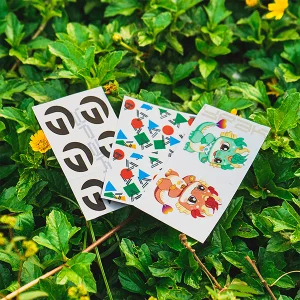
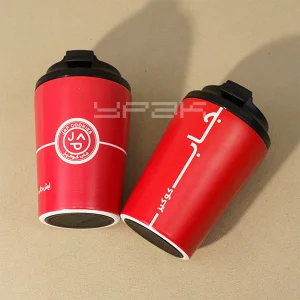
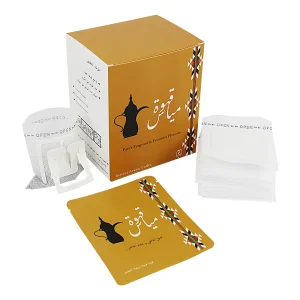
From child-resistant closures to premium labels and eco-friendly drip bags, discover our complete flexible packaging range.
 YPAK PACKAGING