Direct Factory Supply for Global Roasters, Brands, and Retail Enterprise Chains
Decoding the macroeconomic shifts, technical packaging standards, and regulatory mandates shaping bulk procurement for multi-national food brands.
The global food carrier bag and flexible food packaging industry is expanding at a projected CAGR of 6.4% through 2030. The surge in specialty food distribution, premium coffee roasting, and cold-chain meal delivery services requires rigid, high-barrier carrier pouches capable of supporting extended shelf life while retaining aesthetic elegance.
Procurement directors face stringent global requirements, including North American FDA 21 CFR food-grade mandates, European Union Packaging and Packaging Waste Regulation (PPWR), and BRCGS Global Standards for Packaging Materials. Modern factories must supply full traceability and zero-migratable-ink certifications.
Transitioning from traditional multi-layer non-recyclable foils to single-polymer mono-PE, post-consumer recycled (PCR) plastics, and certified industrial compostable PLA/PBAT substrates is no longer optional—it is a critical requirement for retail market shelf access.
Comprehensive comparative matrix for high-barrier food carrier pouch substrates, thermal protection layer, and atmospheric control mechanisms.
| Material Laminate Structure | WVTR (g/m²/24h) | OTR (cc/m²/24h) | Primary Industrial Application | Eco-Compliance Rating |
|---|---|---|---|---|
| Kraft Paper / VMPET / PE | < 0.5 | < 0.5 | Organic Coffee Beans, Roasted Tea, Dry Goods | Recyclable (Paper Separable) |
| Mono-PE (High Barrier Recyclable) | < 1.0 | < 1.2 | Retail Carrier Bags, Bakery Goods, Confectionery | 100% Fully Recyclable (RIC 4) |
| PLA / PBAT / NK Kraft (Compostable) | < 2.5 | < 3.0 | Short-to-Medium Shelf Life Gourmet Food Carriers | EN 13432 & ASTM D6400 Industrial Compost |
| PET / AL / LLDPE (Traditional Aluminum) | < 0.05 | < 0.05 | Long-Term Vacuum Packed Food & Cannabis Carriers | Standard Waste-to-Energy Stream |
Freshly roasted coffee and active artisanal food products emit carbon dioxide post-packaging. Without appropriate gas management, pouches suffer from high-risk bloating or seam ruptures. YPAK integrates high-precision Swiss WIPF One-Way Degassing Valves into our food carrier bags. These valves vent out internal CO₂ gases at precise differential pressures (approx. 3-5 mbar) while preventing exterior oxygen and moisture ingress, preserving volatile aroma compounds and preventing lipid oxidation for up to 18 months.
A decade of flexible packaging innovations, advanced plant expansions, and global enterprise partnerships.
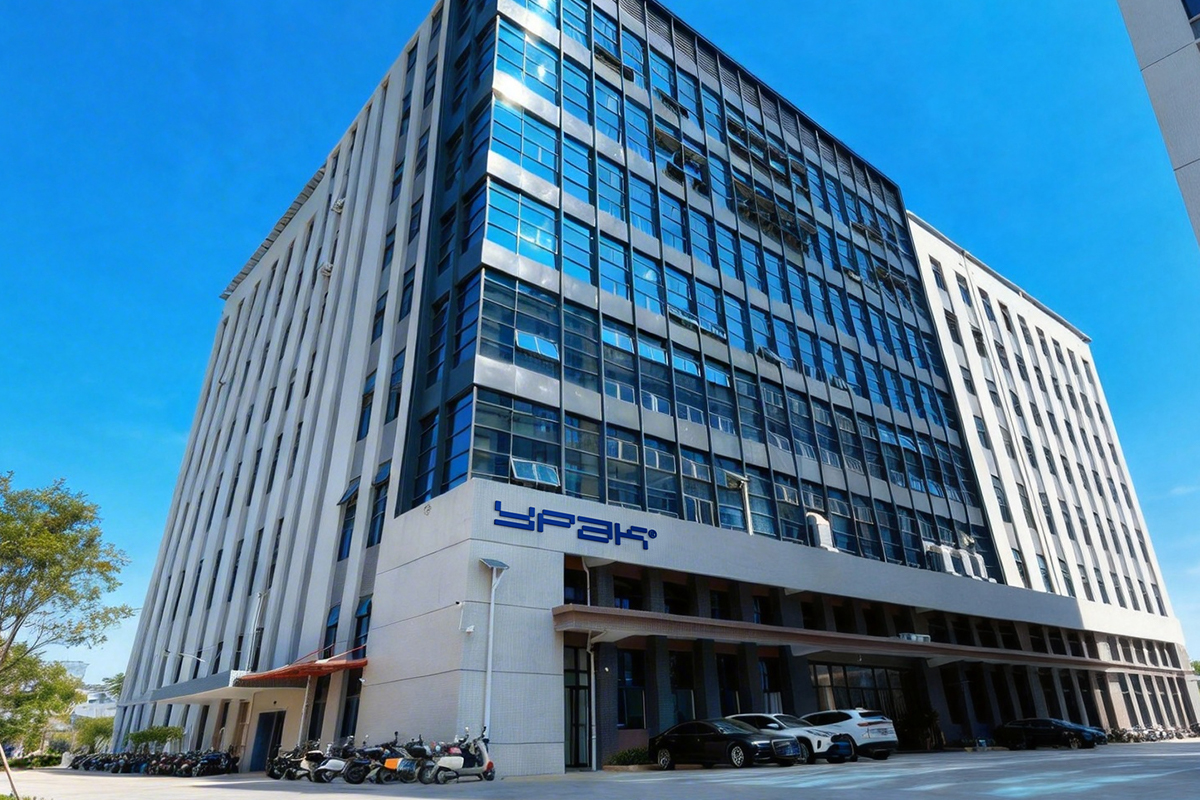
Founded in 2011, YPAK operates three state-of-the-art facilities strategically located across Hong Kong, Dongguan, and Foshan, solidifying our reputation as one of China’s leading coffee bag and food carrier bag manufacturers.
Our Foshan and Dongguan plants hold prestigious BRCGS Food Safety Grade A and ISO 22000:2018 certifications—ensuring every carrier pouch and barrier film meets rigorous global food contact standards with full batch traceability. We fit Swiss WIPF one-way valves as standard, delivering industry-leading freshness retention technology.
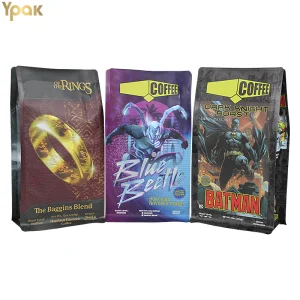
Our installation of the flagship HP Indigo 25K digital press enables plate-free, MOQ-free production runs with photorealistic print clarity, allowing roasters and brand owners to execute limited-edition product launches rapidly. Combined with our 99.5% on-time delivery rate, YPAK protects your production throughput while supporting circular economy mandates across North America, Europe, and the UK.
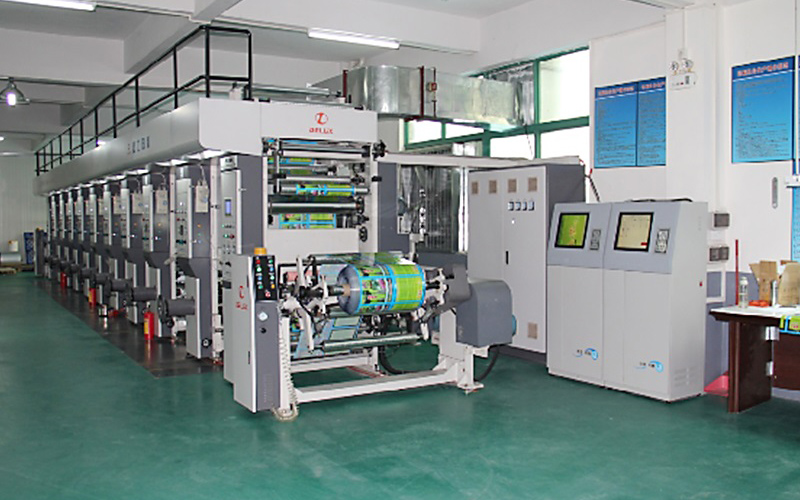
In May 2012, commissioned our first complete automated flexible packaging production line.
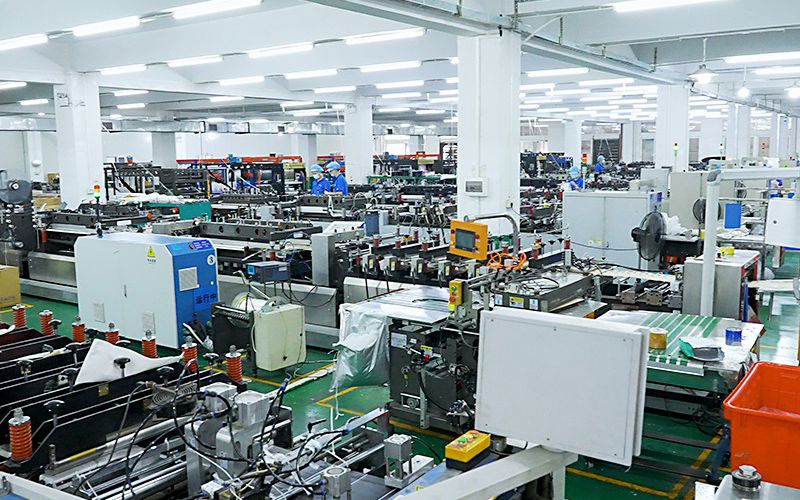
In March 2016, pioneered mass production lines specifically for heavy-duty flat bottom carrier bags.
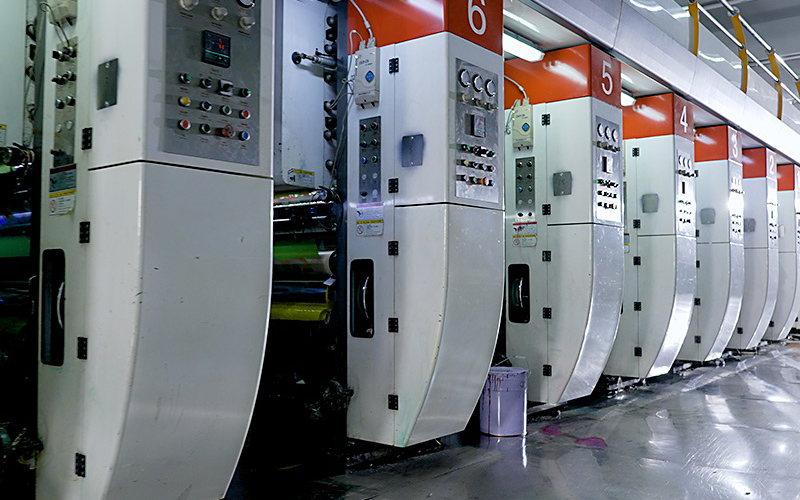
In August 2017, established our second high-speed multi-layer laminating production line.
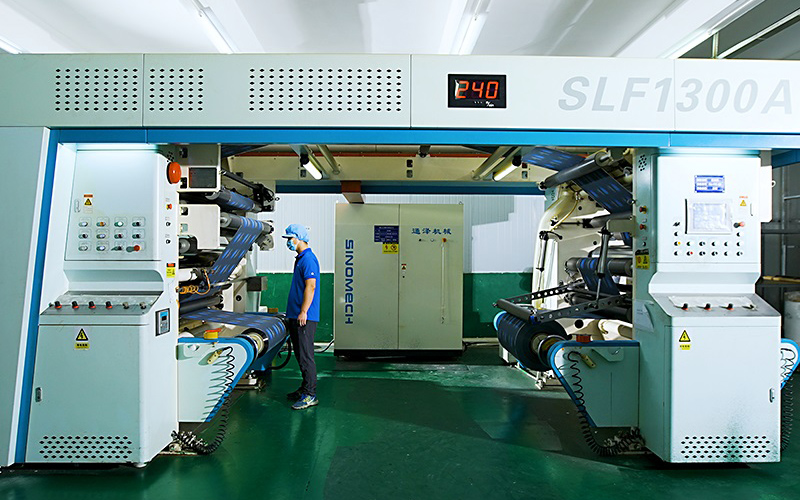
In April 2018, fully implemented solvent-free composite lamination technology to eliminate VOCs.
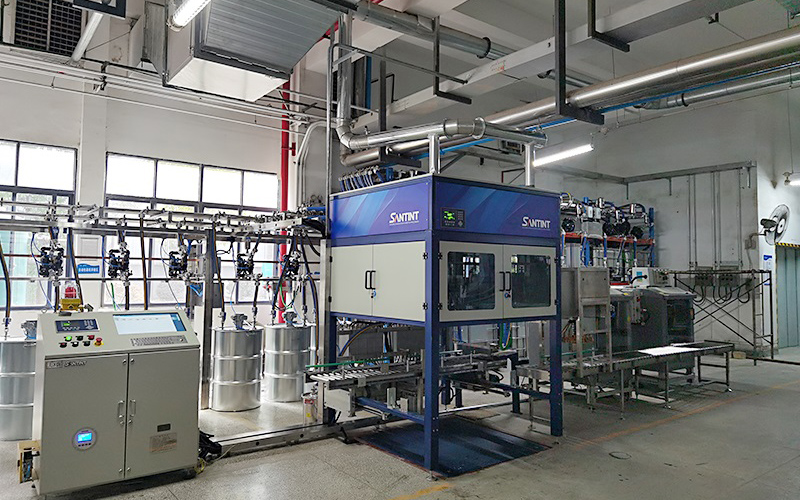
Introduced the automated closed-loop ink adjustment system, ensuring Delta-E < 1.5 color accuracy.
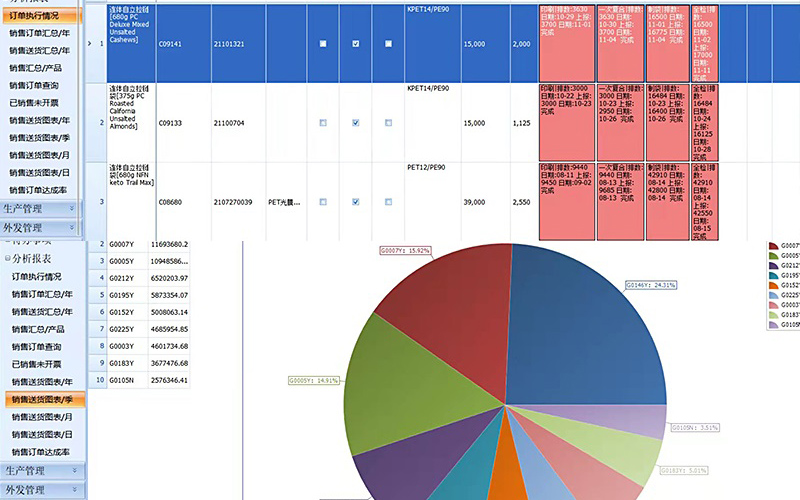
Implemented full-scale SAP-integrated ERP production system for end-to-end real-time tracking.
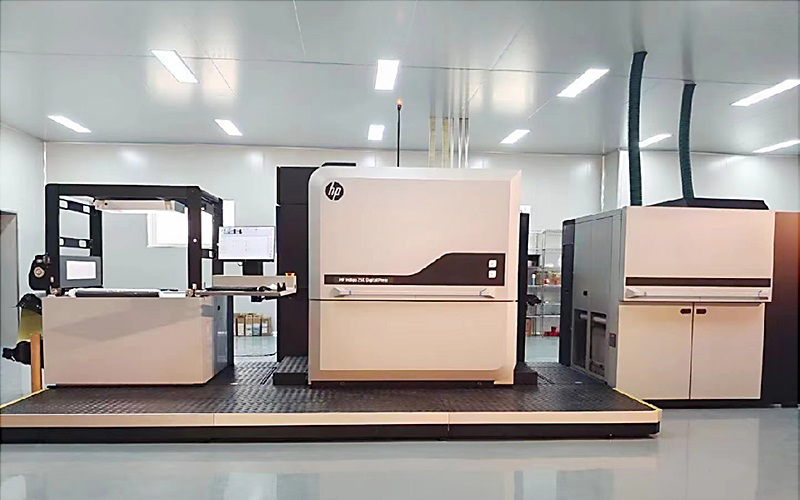
Commissioned the industry-leading HP INDIGO 25K Digital Printing Machine, revolutionizing short-run customized food carrier pouch printing with variable data capabilities.
Streamlined pre-sales design verification, real-time mid-sales production tracking, and dependable after-sales compliance backing.
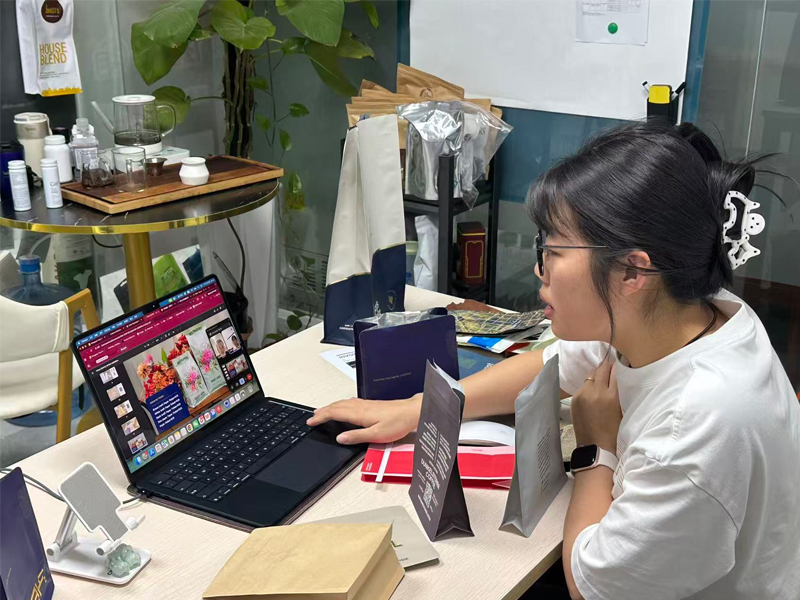
Improving customer procurement confidence through 1-on-1 online video proofing and structural engineering consultation.
Traditionally, selecting complex flexible packaging substrates involved lengthy physical sampling loops. We eliminate guesswork by offering instant remote proofing, dimensional testing, and 3D digital mockups to set a clear project foundation.
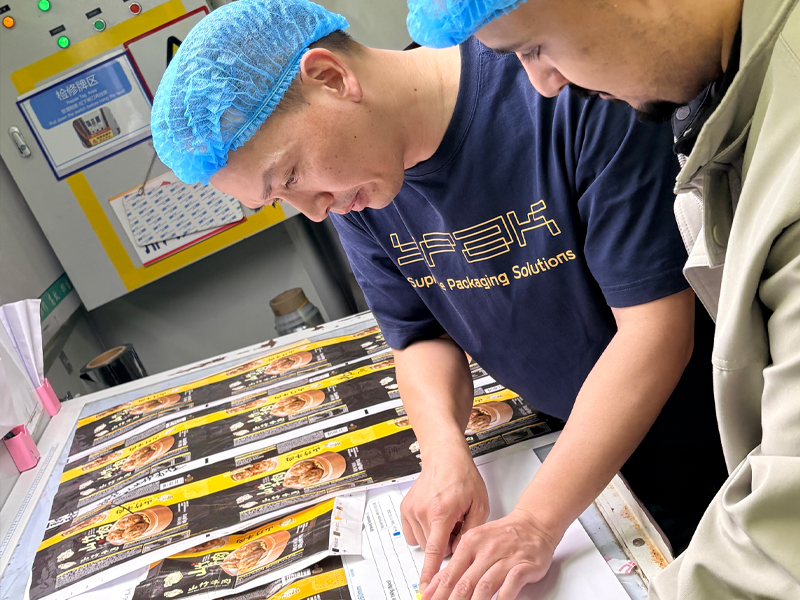
Ensuring total transparency from film extrusion and slitting to lamination, pouch conversion, and valve insertion.
Our ERP system monitors every shift. We send high-resolution video updates and QC inspection sheets directly to procurement officers, guaranteeing exact color match, seal strength integrity, and schedule adherence.
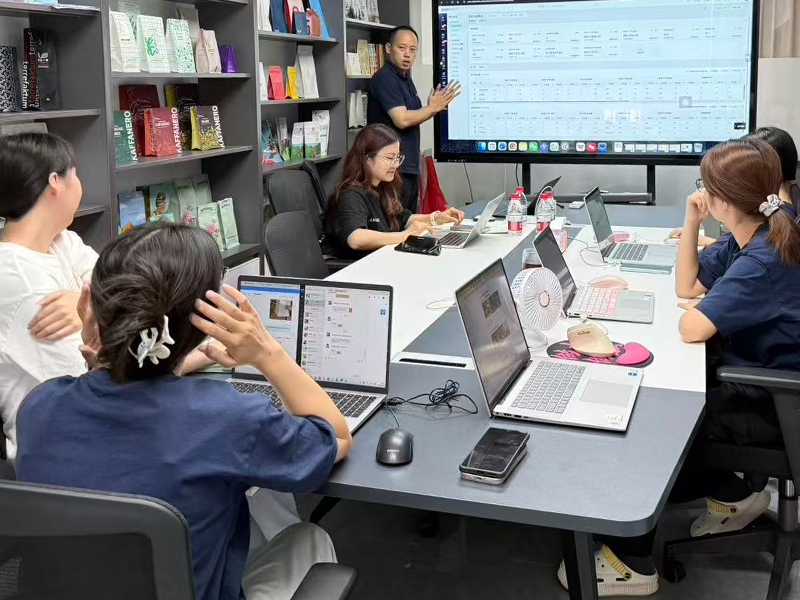
Fostering long-term manufacturing partnerships through post-delivery support and continuous quality feedback.
Every batch is backed by full laboratory test reports for food contact safety, seal burst pressure, and barrier performance. We maintain continuous feedback loops to refine future production runs for maximum efficiency.
Engineered structural carrier pouch formats developed specifically for sector-specific preservation requirements.
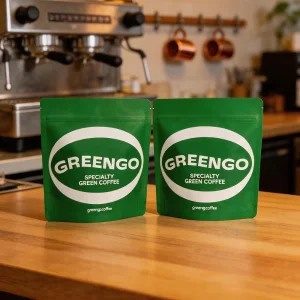
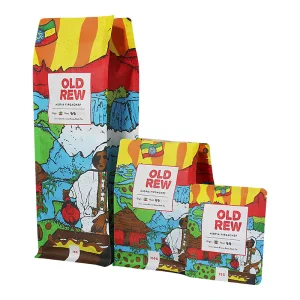
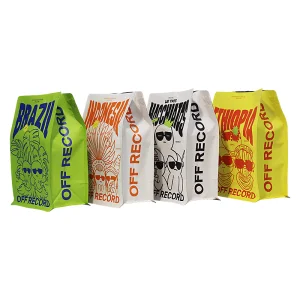
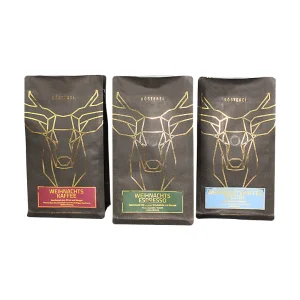
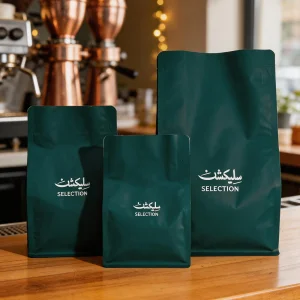
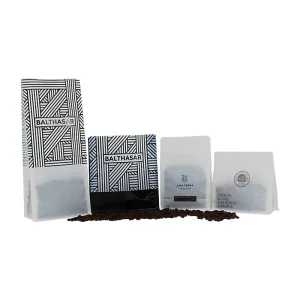
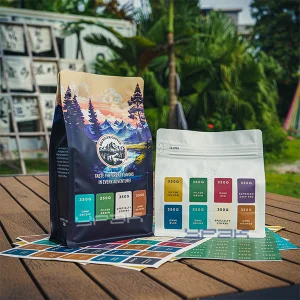
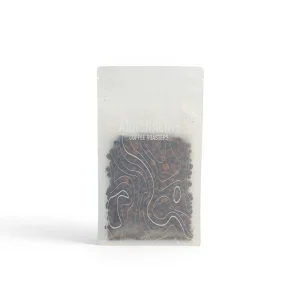
Flat-bottom box pouches with tactile rough-matte coatings, foil stamping, side zippers, and integrated Swiss WIPF degas valves. Designed to maintain roast fresh notes while maximizing retail shelf space efficiency.
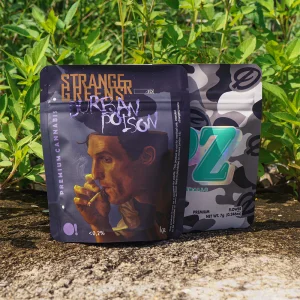
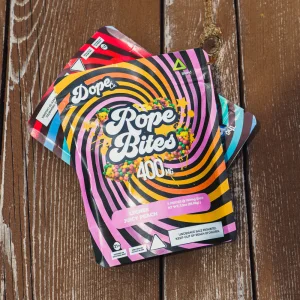
Certified press-to-close child-resistant zippers engineered in compliance with US 16 CFR § 1700.20 standards. Incorporates ultra-high barrier metallized substrates to trap terpene aromas and block light degradation.
Multi-layer bubble foil and insulated non-woven food carrier bags for hot gourmet takeaway and cold-chain meal kit delivery. Maintains internal core product temperature for up to 4 hours of logistics transit.
Expert insights regarding factory auditing, custom plate-free printing, barrier selection, and compliance certifications.
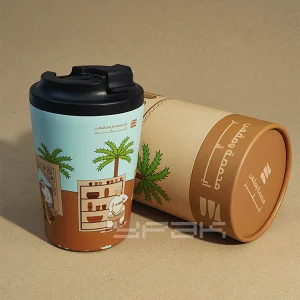
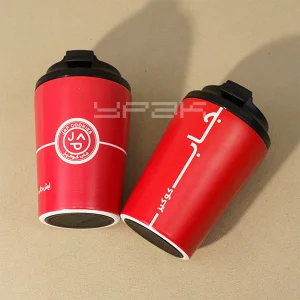
High-Performance Specialty Bags, Thermal Vacuum Drinkware & Custom Branding Labels
 YPAK PACKAGING