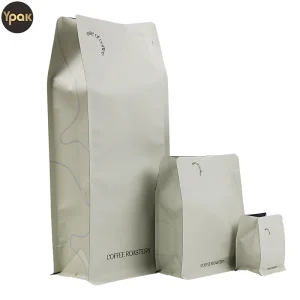
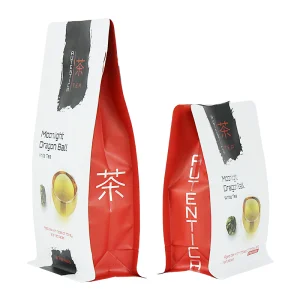
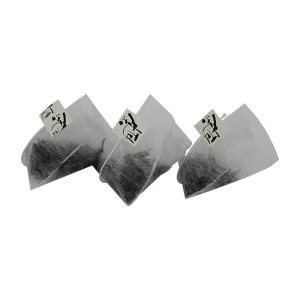
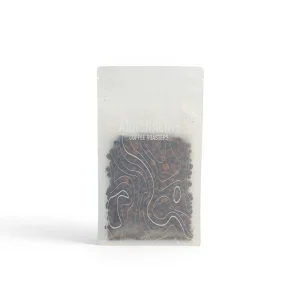
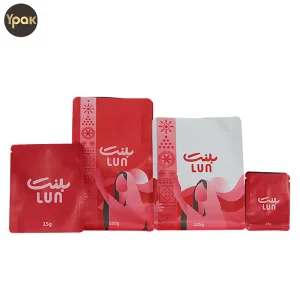
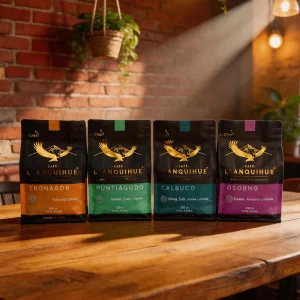
Explore our high-performance standard offerings designed for food service, retail, and commercial brand distribution.
As global consumer expectations pivot decisively toward premium botanical experiences, pristine flavor clarity, and strict plastic-free sustainability, the global beverage industry faces a structural shift. Selecting a specialized Wholesale Empty Tea Bags Supplier & Factory is no longer a simple procurement decision—it is a core strategic lever affecting infusion kinetics, automated filling efficiency, shelf-life retention, and international compliance.
Modern commercial tea containment has evolved beyond traditional heat-sealed paper filters. Contemporary market leaders require ultra-clean porous media engineered with non-leaching substrate technologies. Whether supplying fine-cut CTC black tea, large-leaf orthodox blends, or volatile herbal botanicals, the empty tea bag acts as a high-performance membrane. It must provide maximum liquid flow-through while retaining micro-particles and eliminating any residual taste or chemical migration during boiling-water extraction.
Traditional wood pulp filters often impede active essential oil extraction. Advanced bio-based mesh geometries (such as PLA cornstarch weave) optimize hydrodynamic liquor circulation, guaranteeing high clarity and maximum TDS (Total Dissolved Solids) yields in half the steep time.
With Europe enforcing SUPD (Single-Use Plastics Directive) guidelines and North American authorities scrutinizing microplastic shedding, our raw substrate portfolios comply fully with EN 13432, ASTM D6400, and US FDA 21 CFR 177 standards.
Our empty tea bag structures are tensile-engineered specifically for integration into automated packing lines (such as IMA, Maisa, and Fuso systems). Consistent tensile strength prevents costly line stoppages and web tears during high-frequency ultrasonic welding.
Selecting the optimal substrate material requires matching the specific density, cut size, and oil content of your botanical formulation with the appropriate web porosity and thermal behavior. Below is a structural matrix comparing primary commercial filter substrates engineered in our manufacturing facility:
| Substrate Material | Composition Source | Extraction Flow Metric | Sealing Technology | Biodegradability & Standards | Primary Industrial Application |
|---|---|---|---|---|---|
| PLA Cornstarch Mesh | 100% Plant-derived Polylactic Acid | Ultra-High Flow-Through | Ultrasonic Cold-Bonding | 100% Industrially Compostable (EN 13432) | Premium Whole Leaf, Specialty Botanical Pyramids |
| Food-Grade Nylon Mesh | Synthetic Polyamide Polymer | Maximum Liquid Permeability | Ultrasonic Sealing | Non-Biodegradable / High Thermal Resistance | Heavy-Duty Foodservice, Cold Brew Immersion |
| Non-Woven PET Filter | Polyethylene Terephthalate Fiber | Medium-High Hydrodynamic Flow | Thermal Heat Seal / Ultrasonic | Recyclable Polymer Stream | Commercial Single-Serve, Standard Herbal Tea Bags |
| Unbleached Wood Pulp | Natural Abaca Fiber & Wood Pulp | Controlled Infusion Flow | Heat Sealable (PE layer) or Non-Heat Seal | Home Compostable (Unlaminated variants) | Traditional Square/Round Pillow Tea Bags |
Modern packaging machines utilize two primary sealing mechanics. Thermal heat sealing relies on melting an inline thermoplastic component (like PE or micro-polymers) into paper fibers. While cost-effective, thermal sealing can restrict aperture opening sizes and alter delicate tea aromas through localized heat spikes.
Conversely, Ultrasonic Cold-Welding Technology utilizes high-frequency molecular friction (20kHz to 40kHz) to bond synthetic or PLA fibers instantaneously without thermal degradation. This yields clean edge geometry, eliminates adhesive residues, and ensures 100% structural integrity under near-boiling water temperatures.
Consumer concerns regarding micro-particle detachment have placed heat-sealable nylon and PP-dusted traditional paper filters under tight regulatory review. Our flagship bio-mesh empty tea bags are manufactured exclusively from food-grade raw materials subjected to strict migration testing.
Under rigorous GC-MS (Gas Chromatography-Mass Spectrometry) evaluations, our PLA substrates exhibit zero heavy metals, zero phthalate plasticizers, and non-detectable levels of chemical migration when steeped in 100°C aqueous environments for extended durations.
China remains the undisputed epicenter of global tea production and flexible packaging innovation. The convergence of native agricultural tea expertise with advanced synthetic and bio-polymer converting technologies allows Chinese manufacturing complexes to deliver unmatched scale, cost efficiency, and technological customization.
From primary PLA resin synthesis to precision mesh weaving, high-speed slit-rewinding, tag printing, and automated string-attaching, China’s industrial ecosystem offers complete end-to-end integration.
High-speed, multi-lane conversion machinery operates with lower overhead costs and minimal material scrap rates, allowing global brand owners to access wholesale pricing models without sacrificing product performance.
Whether requiring bespoke tag die-cuts, custom string lengths, private-label printed tags using soy-based inks, or custom barrier secondary pouches, Chinese facilities provide agile turnaround cycles.
Founded in 2011, YPAK operates three state-of-the-art manufacturing facilities across Hong Kong, Dongguan, and Foshan, emerging as one of China’s premier commercial packaging and filter pouch manufacturers.
Our Foshan and Dongguan plants are BRCGS Food Safety and ISO 22000:2018 certified—ensuring every filter bag and secondary barrier pouch meets rigorous global food contact standards with full batch traceability. We fit Swiss WIPF one-way degassing valves as standard where required, delivering industry-leading technology to maintain peak product freshness.
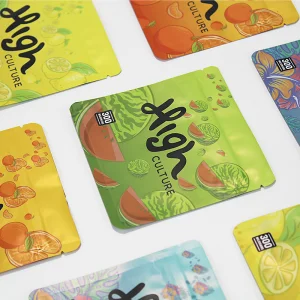
Our investment in HP Indigo 25K digital press hardware enables low-MOQ, plate-free production runs with photorealistic print quality—ideal for limited editions, private label branding, and rapid market testing.
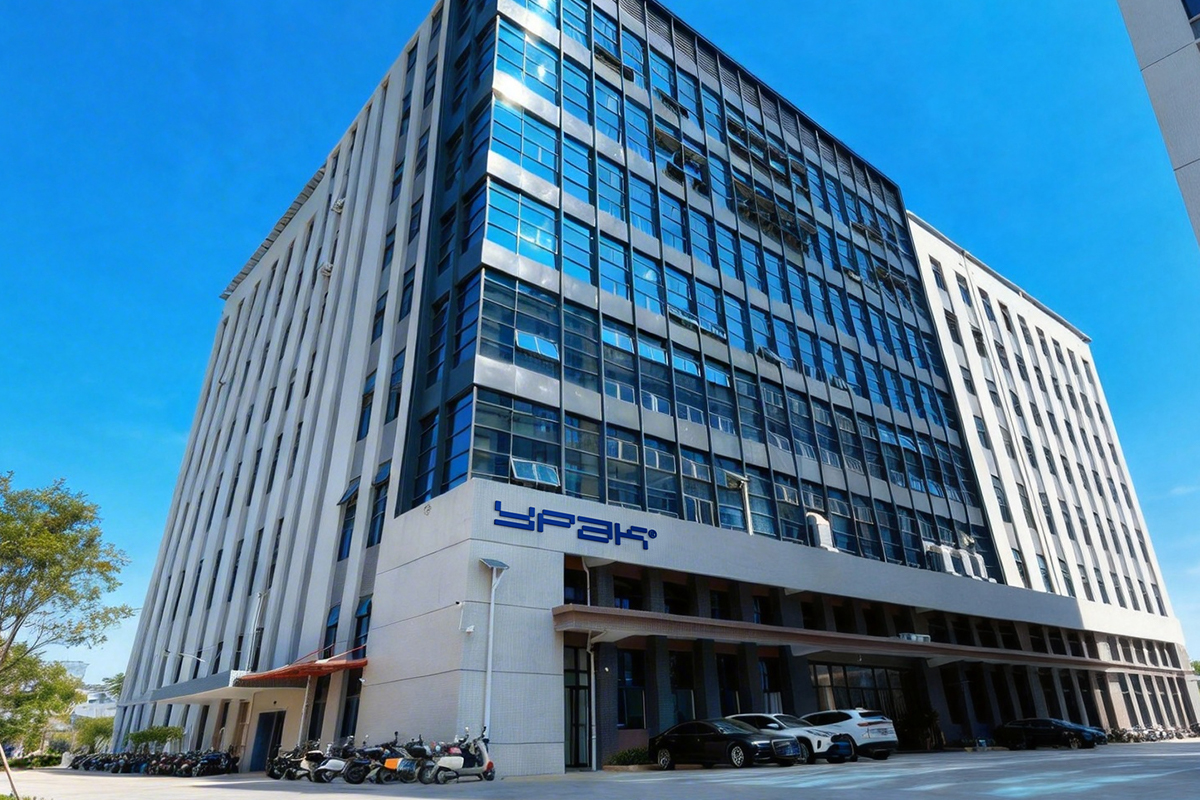
Our decade-plus evolution from a single flexible packaging line to an automated, multi-plant enterprise.
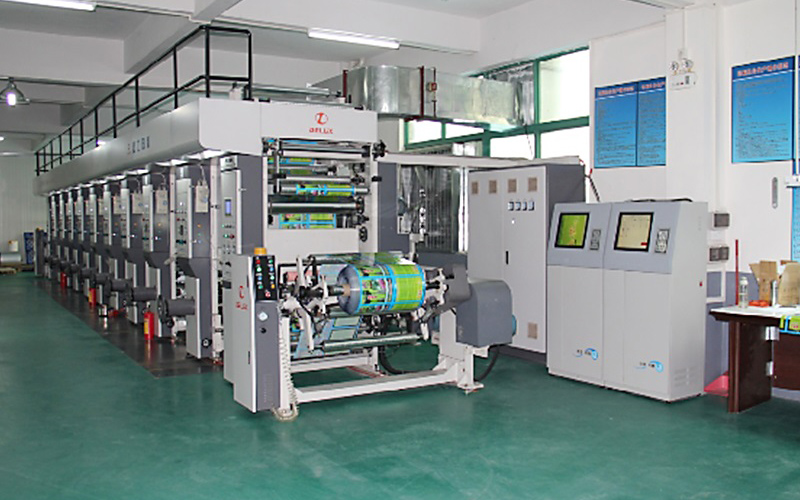
In May 2012, commissioned our first complete flexible packaging and pouch production line.
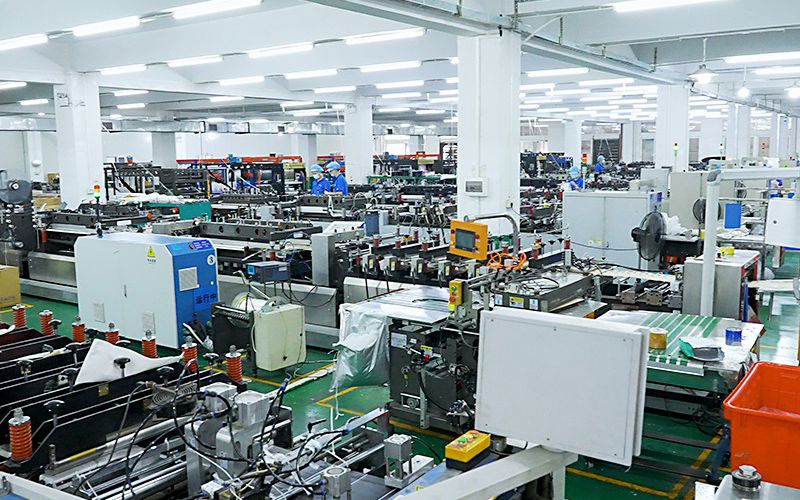
In March 2016, expanded converting capabilities to manufacture specialized flat-bottom and quad-seal bags.
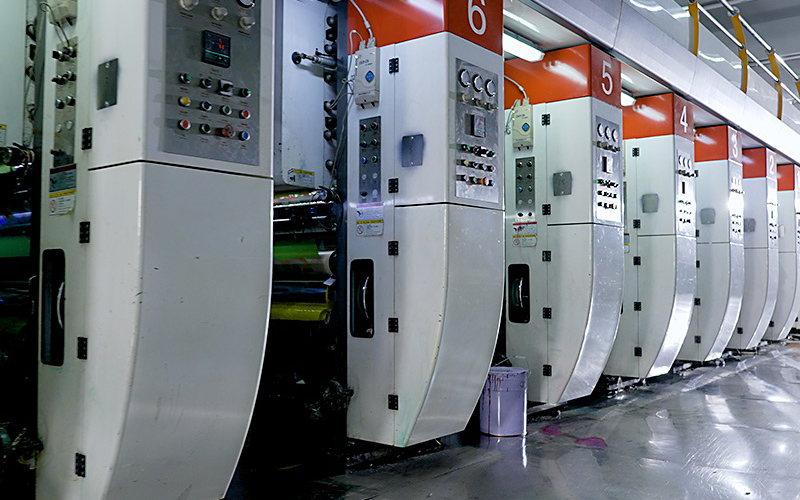
In August 2017, established our second high-speed production line to meet surging overseas OEM volume.
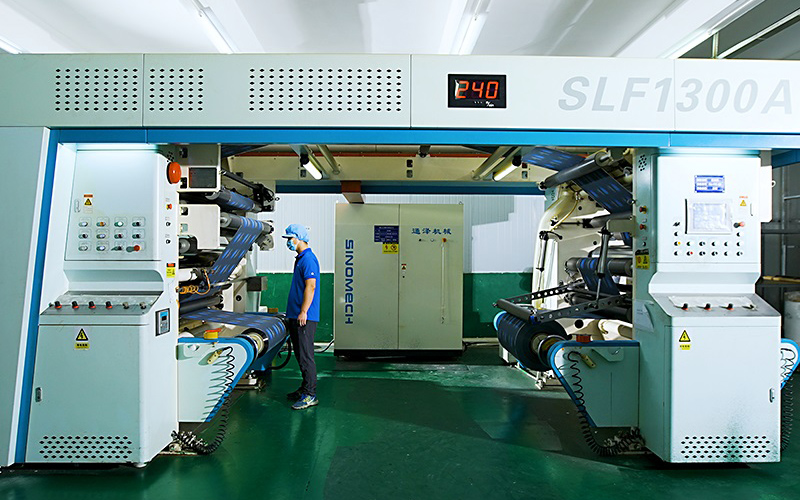
In April 2018, integrated eco-friendly solvent-free composite lamination technology across all food lines.
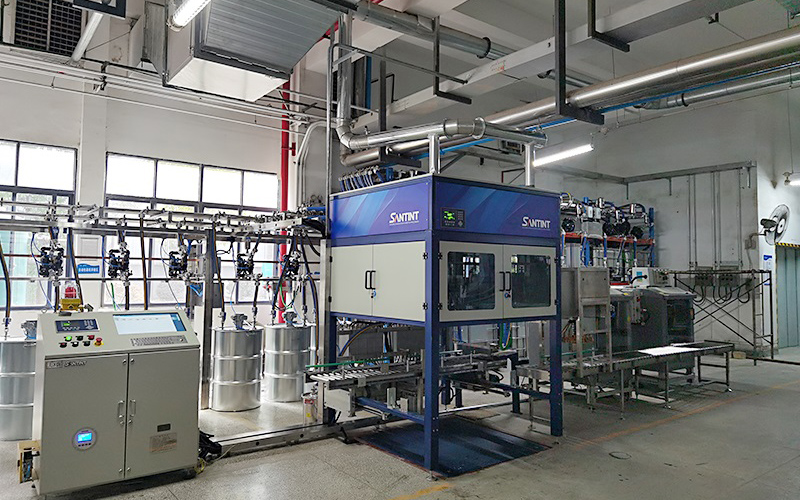
In June 2020, introduced an automatic closed-loop ink adjustment system for flawless spot-color calibration.
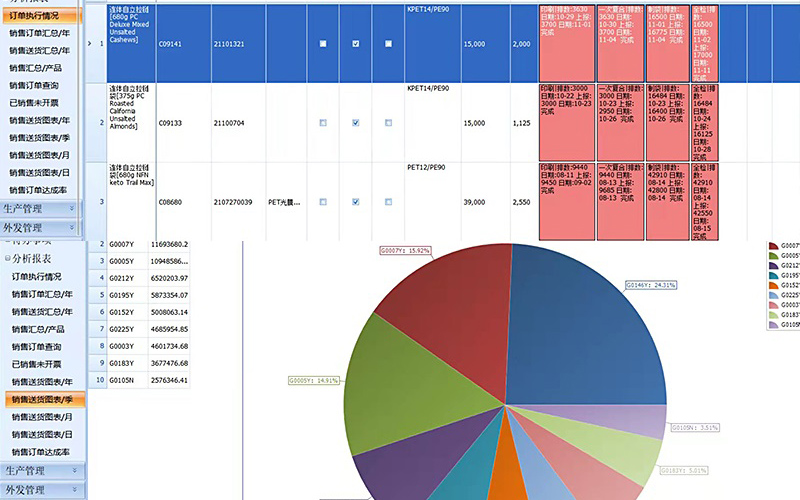
In July 2020, deployed a full ERP enterprise management system to digitize real-time order tracking.
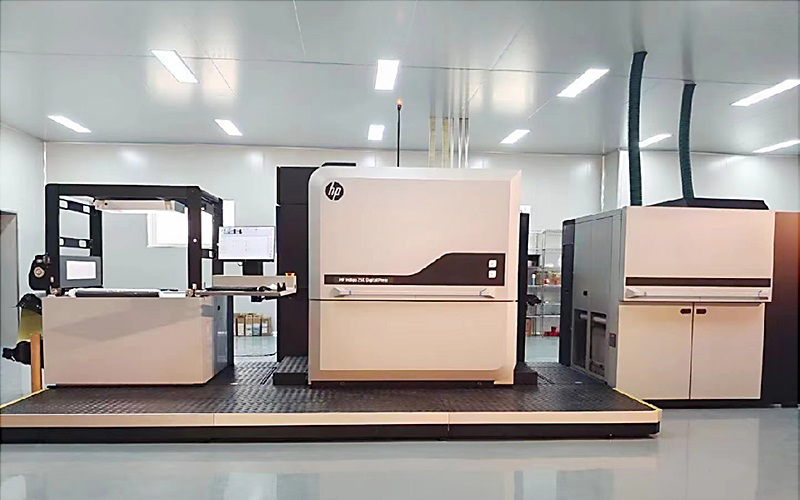
In October 2021, integrated the HP INDIGO 25K Digital Press, allowing fast-turnaround, variable-data digital printing for custom tea bag tags and outer barrier pouches.
Enterprise procurement teams across North America, the European Union, and Asia-Pacific face distinct operational requirements based on their distribution channels and regional consumer demands. Partnering with an experienced Wholesale Empty Tea Bags Supplier ensures tailored engineering across multiple commercial touchpoints:
Requirement: High visual clarity, minimal extraction interference, and volumetric expansion capability.
Solution: Ultrasonic-welded 3D PLA Pyramid Empty Tea Bags with custom-printed tags. The geometric shape allows whole leaves, dried berries, and botanical petals to unfurl completely, yielding optimal infusion strength without tearing.
Requirement: Uniform roll stock slit to exact millimeter tolerances with static-free web handling.
Solution: Precision slit filter rolls (PLA or Wood Pulp) engineered for seamless feeding into high-speed form-fill-seal equipment. Designed for zero jams, smooth cutting, and consistent ultrasonic seal density.
Requirement: Extra-large capacity bag formats, heavy burst-strength resistance, and multi-hour extraction durability.
Solution: Reinforced non-woven pouch filters with wide gussets and heavy-duty drawstrings or heat-seal tops, capable of holding 50g to 500g of coarse-ground tea or coffee blends without structural failure.
International corporate buyers require rigorous quality assurance protocols to guarantee batch-to-batch consistency. Our end-to-end operational framework spans three core service phases:
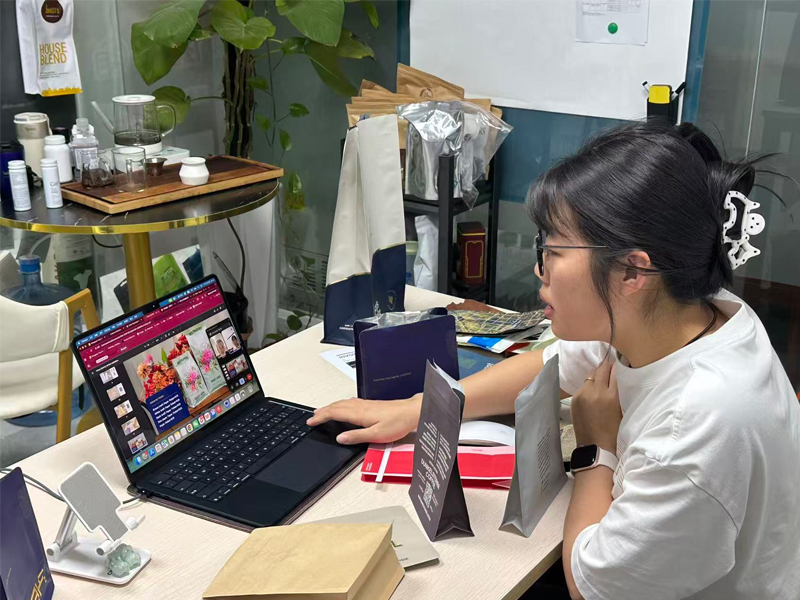
Interactive digital sample confirmation, raw material migration documentation, and physical dimensioning via online live video feeds to eliminate setup guesswork.
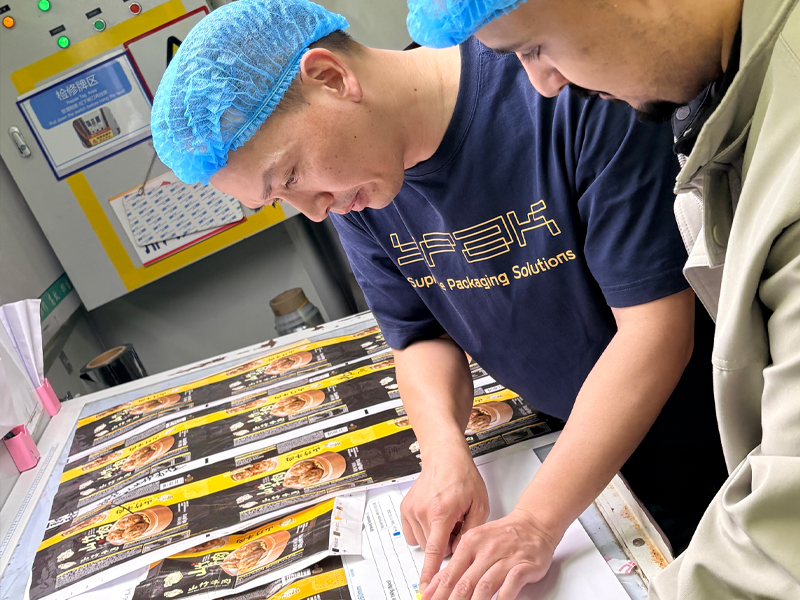
Real-time production tracking via integrated ERP systems, continuous tension testing, and inline visual inspection for slit accuracy and thread adhesion.
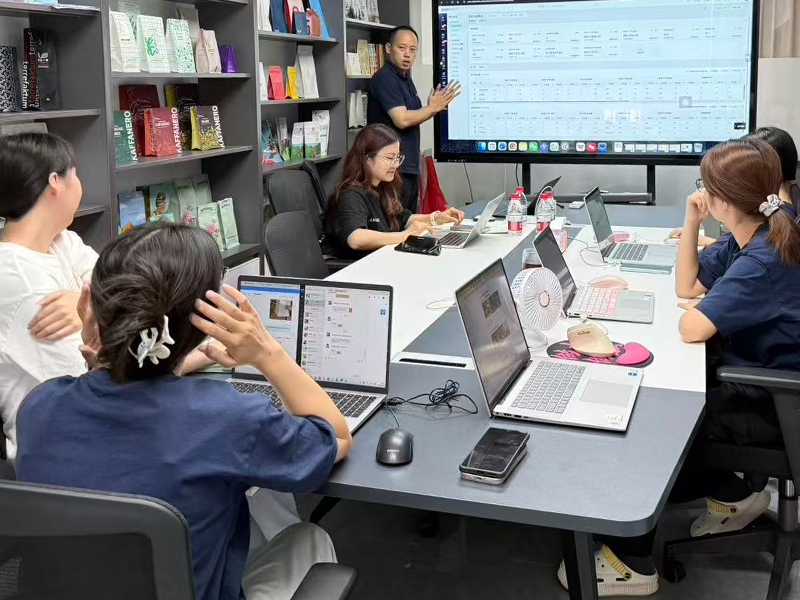
Dedicated post-delivery feedback channels, technical support for client-side filling machine tuning, and guaranteed batch tracking for full peace of mind.
Detailed insights for procurement managers, packaging engineers, and tea brand owners.
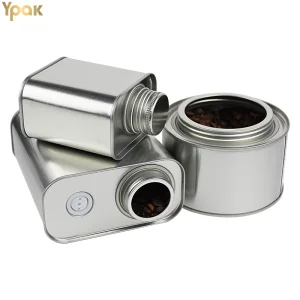
Complete your brand portfolio with high-barrier outer bags, coffee pouches, tins, and specialty packaging solutions.
 YPAK PACKAGING