For wholesale distributors and industrial tea manufacturers, the question "Does Matcha expire?" is not about a simple date, but about degradation kinetics. Matcha is a high-surface-area powder, meaning it is exceptionally sensitive to oxidation, light, and humidity. Unlike traditional loose-leaf teas, Matcha’s chlorophyll and L-theanine content can begin to degrade within weeks if not properly sequestered from the environment.
Matcha contains high levels of catechins. Exposure to oxygen leads to the conversion of these catechins into quinones, resulting in a brown color and a bitter, metallic taste. Premium factory solutions use nitrogen flushing to reduce O2 levels to <1%.
Chlorophyll is extremely light-sensitive. Even short-term exposure to UV light through suboptimal packaging causes the vibrant green color to fade to a dull yellow. Aluminum foil laminates are mandatory for wholesale stability.
Matcha powder naturally absorbs moisture from the air. This not only causes clumping but also creates an environment for microbial growth, potentially violating ISO 22000 safety standards.
Leveraging China's manufacturing ecosystem provides a strategic advantage for global brands. From vertical integration to advanced material science, here is why YPAK leads the market.
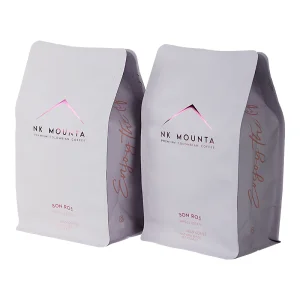
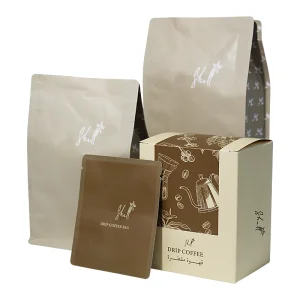
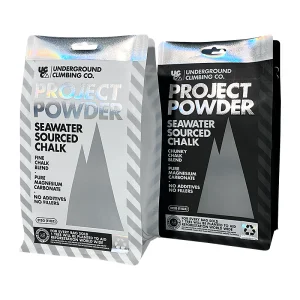
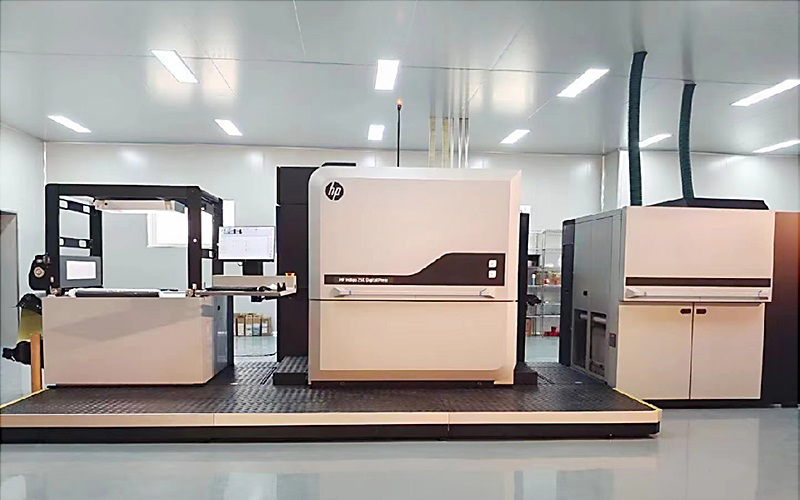
China-based factories like YPAK offer more than just cost efficiency; they offer Information Gain through material innovation. Our Foshan and Dongguan facilities utilize solvent-less lamination and HP Indigo 25K digital printing to ensure that wholesale Matcha brands can pivot to new regulations (like the EU Plastics Directive) faster than any other region.
With the rise of "Green Procurement," global enterprises are shifting to compostable and recyclable Mylar alternatives. We provide BRCGS certified paper-based laminates that maintain high barrier properties while meeting ESG targets.
Incorporating 3D UV printing and QR-based traceability allows consumers to verify the "harvest to cup" timeline, directly addressing concerns about Matcha freshness and expiration.
For wholesale buyers, small-batch digital printing reduces the risk of "dead stock" expiring in warehouses. Test market response with multiple designs without heavy plate costs.
Founded in 2011, YPAK operates three facilities across Hong Kong, Dongguan, and Foshan, emerging as one of China’s leading coffee and tea packaging manufacturers. Our Foshan and Dongguan plants are BRCGS Food Safety and ISO 22000:2018 certified—ensuring every pouch meets rigorous global food contact standards with full traceability.
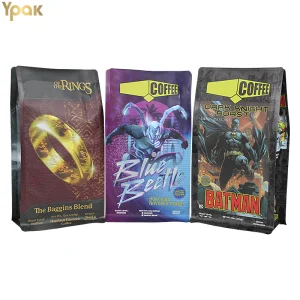
We fit Swiss WIPF one-way valves as standard, delivering industry-leading technology for keeping product freshness in our packaging. Our HP Indigo 25K digital press enables MOQ-free runs with photorealistic quality.
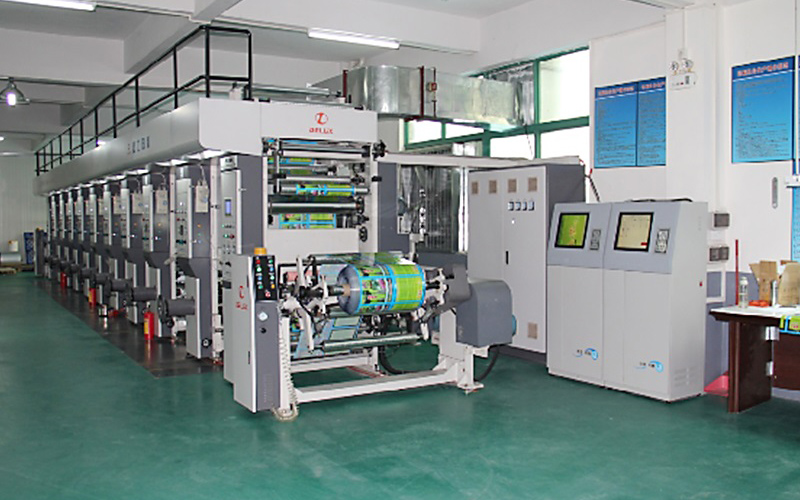 2012
2012
First complete flexible packaging production line established.
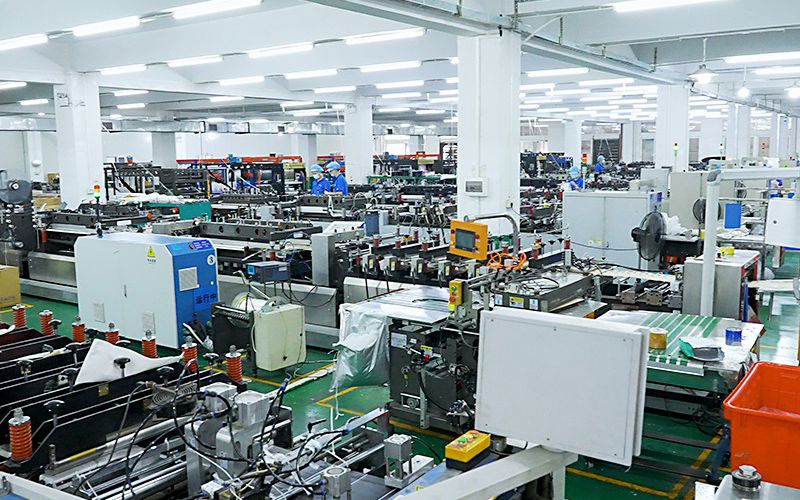 2016
2016
Specialized production of high-performance flat bottom bags began.
 2017
2017
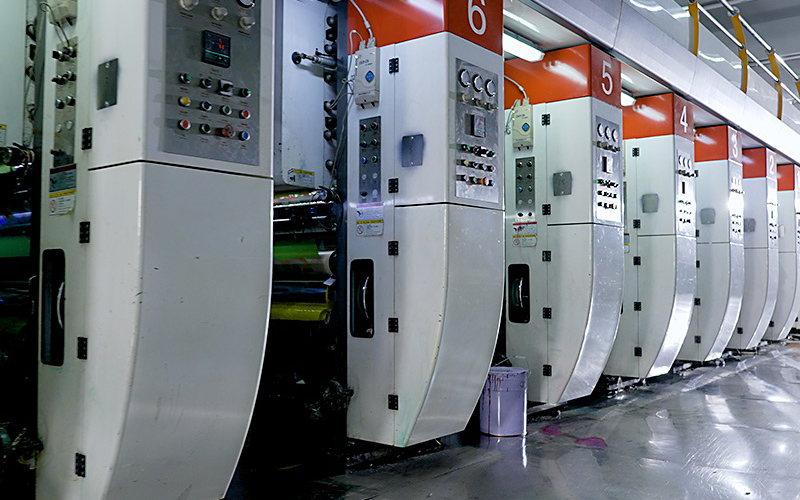
Expansion to a second fully-automated production line.
 2018
2018
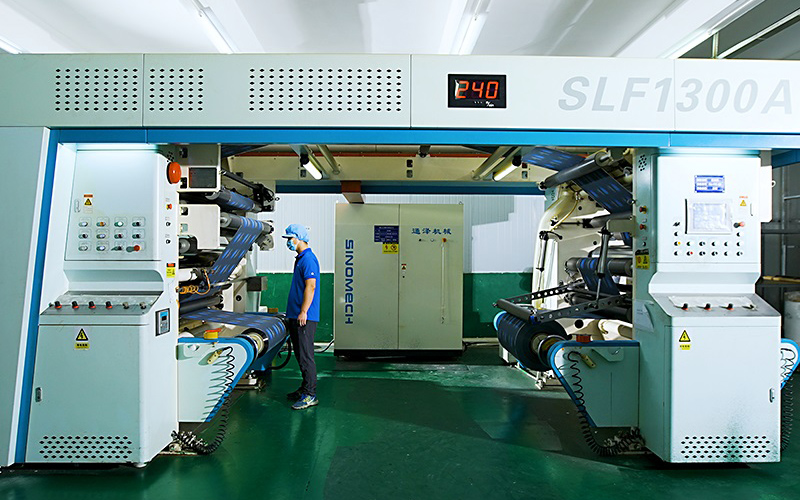
Introduction of eco-friendly solvent-free composite technology.
 2020 (June)
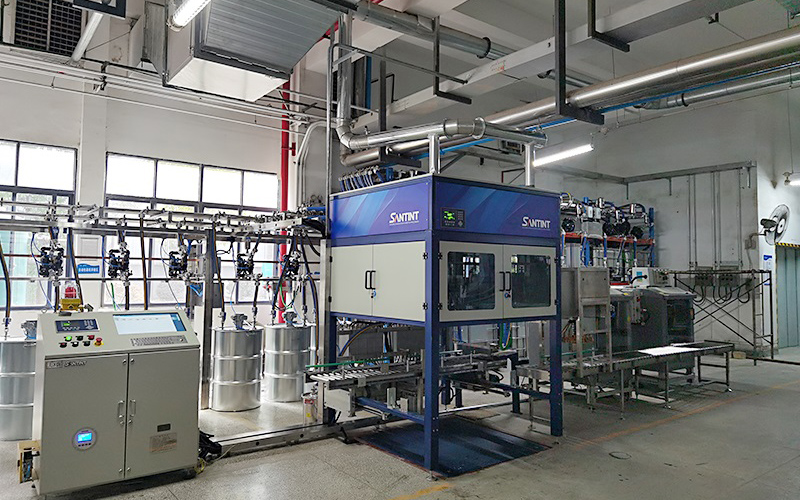
Automatic ink adjustment system for color precision.
 2020 (July)
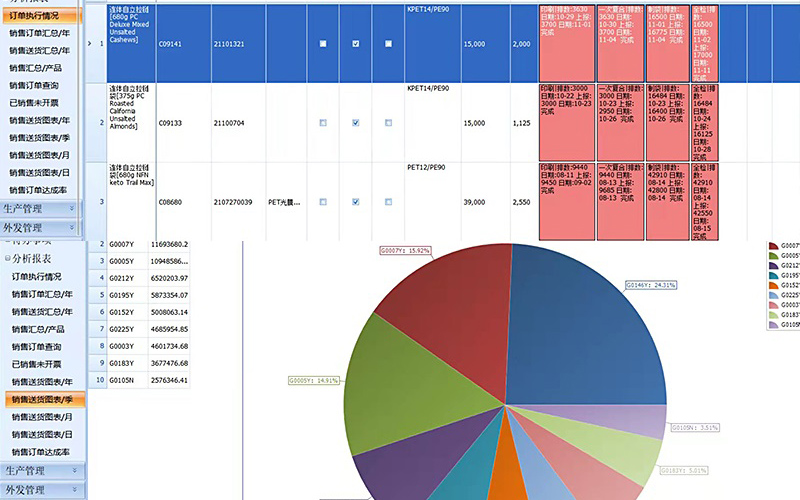
ERP production system integrated for 99.5% on-time delivery.
 2021
2021
HP INDIGO 25K Digital Printing Machine introduced.
Driving the industry toward 100% compostable barrier films.
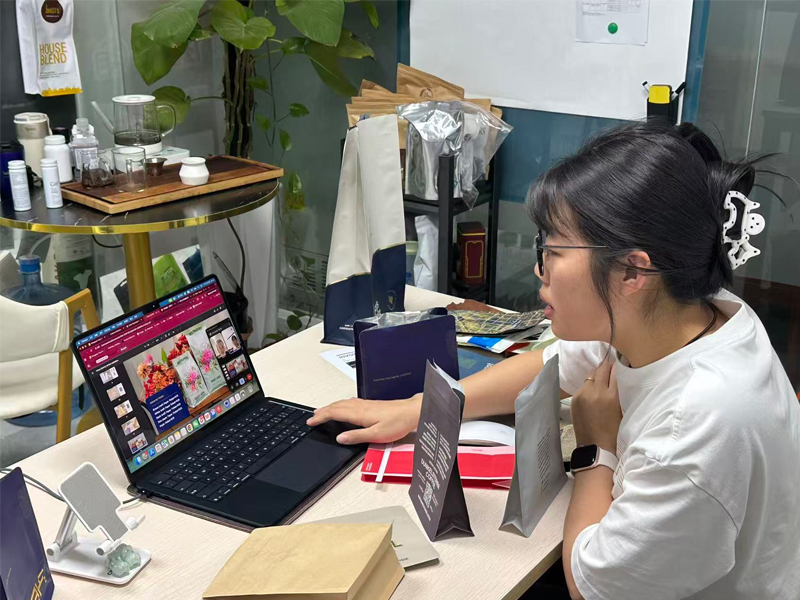
Improve customer experience through online video confirmation. We provide one-on-one service to ensure accurate and efficient communication, taking the guesswork out of technical specs.
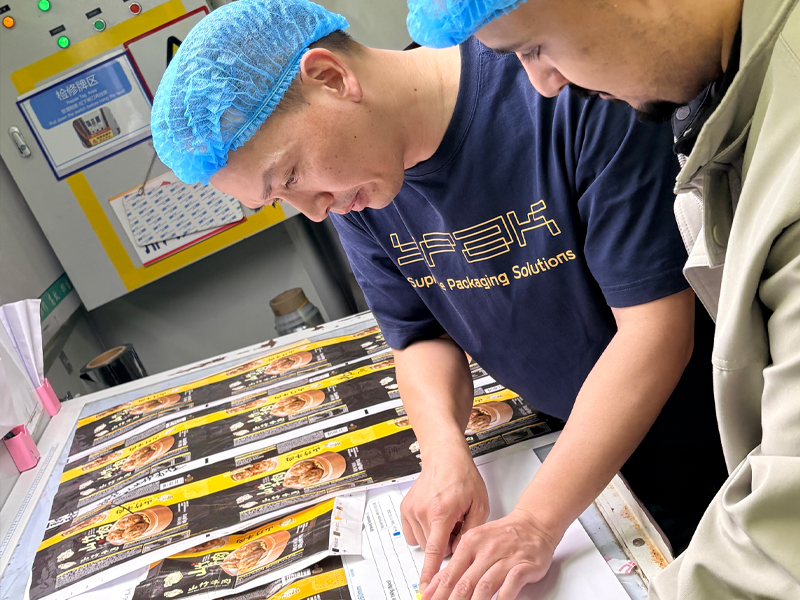
We maintain absolute control over the production process. Closely monitoring each stage, we send videos and pictures to help you visualize the final product before it leaves our factory floor.
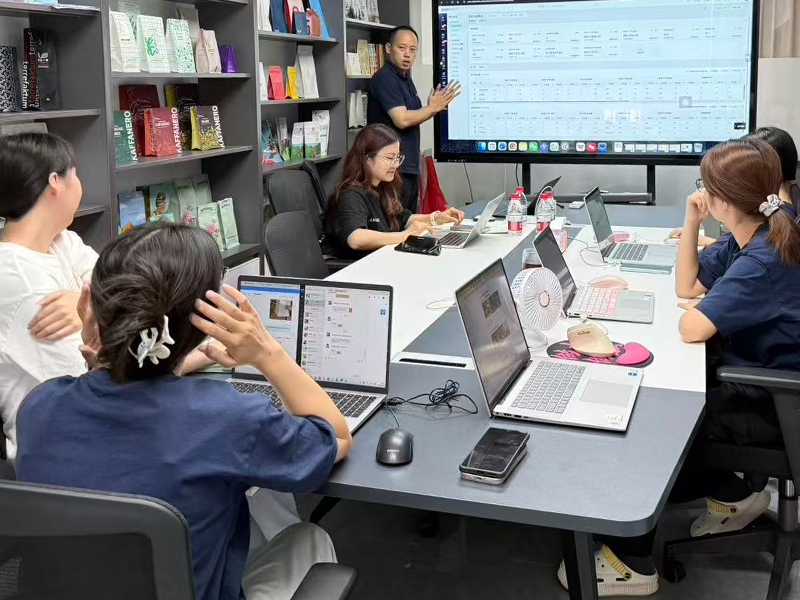
Ensuring long-term success through effective feedback channels. Our commitment doesn't end at delivery; we invest in training and improvement to ensure your brand thrives in competitive markets.
 YPAK PACKAGING