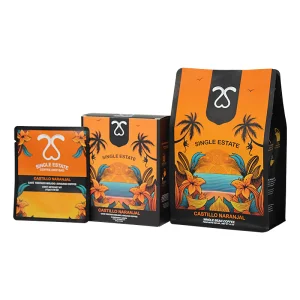
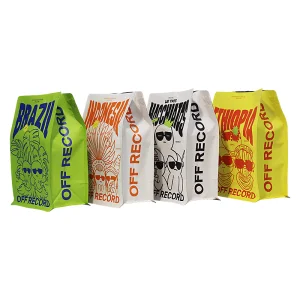
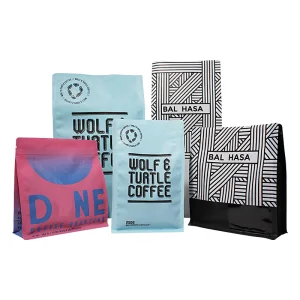
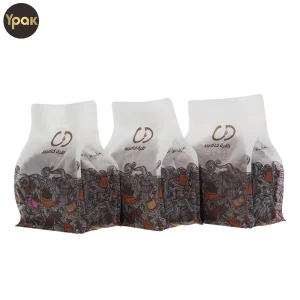
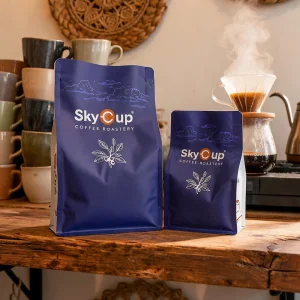
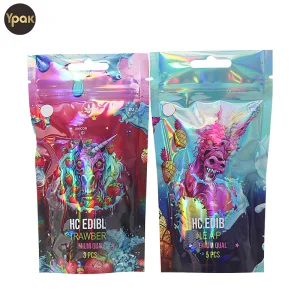
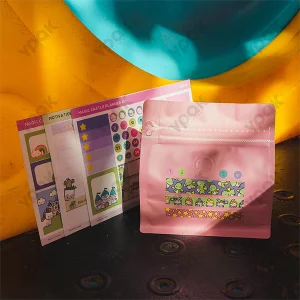
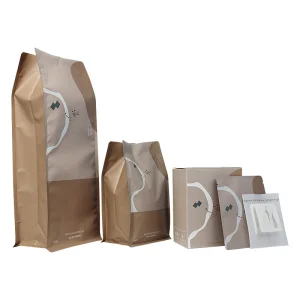
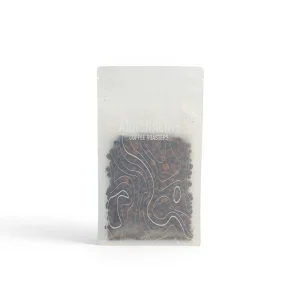
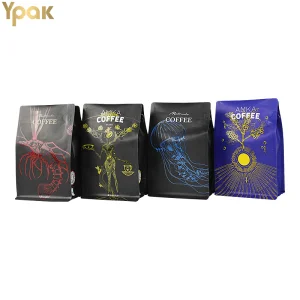
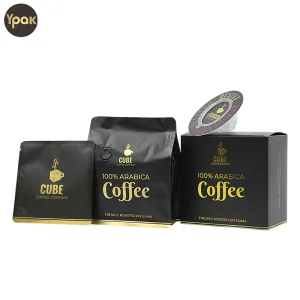
The global specialty coffee landscape is undergoing a structural transformation. Brand agility, micro-lot roasts, dynamic seasonal offerings, and aggressive zero-carbon mandates are forcing coffee enterprise procurement executives to re-evaluate traditional rotogravure printing workflows. Historically, high setup costs, rigid cylinder production, and high Minimum Order Quantities (MOQs) created severe inventory bottlenecks and capital lock-up for growing specialty coffee roasters.
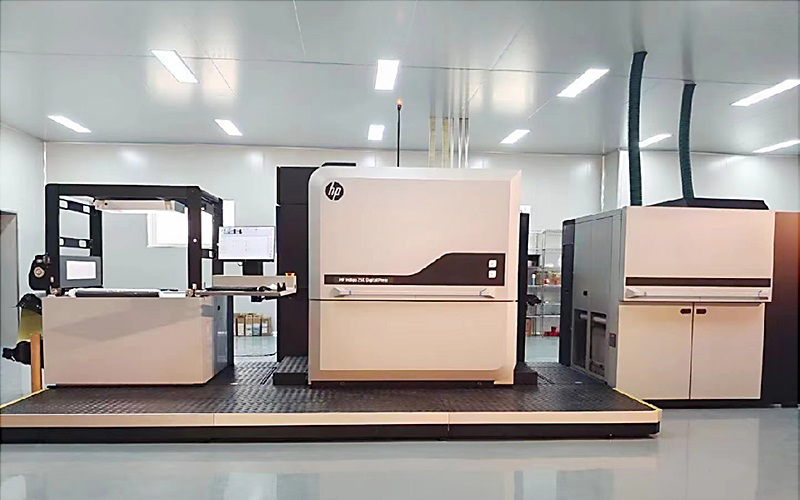
As a premier Wholesale Digital Printing Coffee Bag Supplier & Factory, YPAK PACKAGING GROUP bridges the gap between high-volume manufacturing cost efficiencies and micro-lot production agility. Powered by industrial-grade HP Indigo 25K Digital Presses, advanced solvent-free lamination technology, and Swiss-engineered WIPF degassing valves, modern digital printing offers zero-plate-cost versatility without compromising structural barrier integrity or photo-realistic color fidelity.
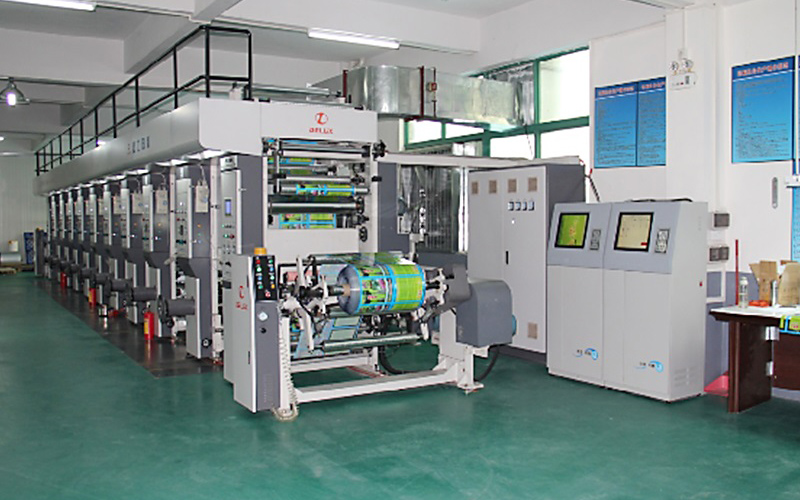
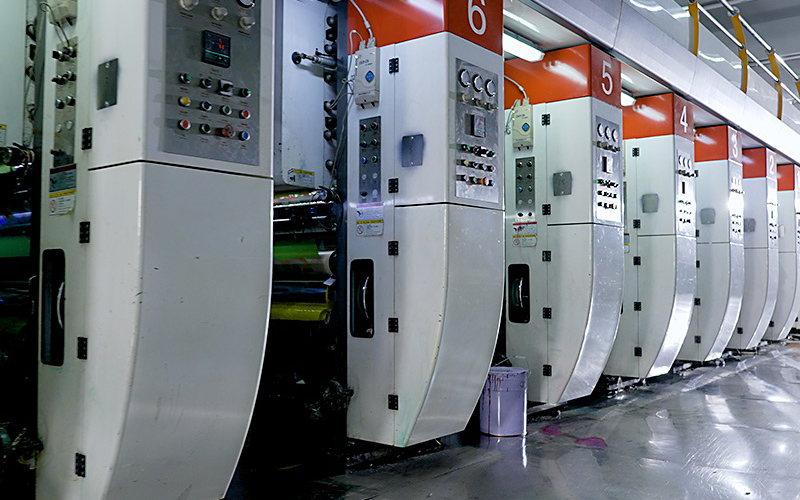
Understanding the core technical differences between digital and analog pouch conversion is crucial for enterprise procurement managers aiming to lower total cost of ownership (TCO). Digital printing utilizes liquid ElectroInk technology, delivering a smooth ink layer thickness (approx. 1 micron) that preserves film tactile texture while matching up to 97% of the PANTONE PLUS color gamut.
| Performance Dimension | HP Indigo 25K Digital Printing | Traditional Rotogravure Printing | Enterprise Business Impact |
|---|---|---|---|
| Cylinder & Plate Costs | $0 (100% Digital Data Workflow) | $150 - $400 per color channel | Saves thousands on multi-SKU product lines |
| Minimum Order Quantity (MOQ) | 100 - 500 pcs per SKU (Flexible) | 10,000 - 30,000 pcs per SKU | Eliminates obsolete pouch inventory stockouts |
| Lead Time to Market | 5 to 7 Business Days | 25 to 35 Business Days | Accelerates rapid seasonal campaign rollouts |
| Color Reproducibility & Registration | 7-Color HP ElectroInk System (97% PANTONE) | Analog Cylinder Ink Mixing | Guarantees precise cross-batch color constancy |
| Variable Data & Personalization | Native support (QR codes, Serial IDs, Micro-lots) | Impossible (Static artwork only) | Enables farm traceability and direct customer connection |
| Environmental Carbon Footprint | Minimal media waste (< 5m setup waste) | High setup waste (100m+ startup film waste) | Aligns directly with corporate ESG commitments |
Coffee beans release significant volumes of Carbon Dioxide ($CO_2$) for up to two weeks post-roasting—a process known as degassing. Without proper venting, sealed pouches swell and risk catastrophic rupture. Conversely, exposure to atmospheric Oxygen ($O_2$) and moisture ($H_2O$) degrades volatile aromatic lipids, causing staling.
We integrate genuine Swiss WIPF one-way degassing valves as standard. Engineered with precise opening/closing thresholds, WIPF valves vent internal $CO_2$ pressure while preventing external oxygen ingress down to less than 0.5% internal atmosphere.
To solve the plastic waste crisis, YPAK supplies engineered mono-material High-Density/Low-Density Polyethylene (HDPE/LDPE) laminates. Fully recyclable within standard Class 4 plastic streams without losing mechanical puncture resistance.
Derived from renewable plant starches, our Kraft Paper + Polylactic Acid (PLA) laminate structures break down into organic humus, carbon dioxide, and water in commercial composting facilities under EN 13432 and ASTM D6400 compliance.
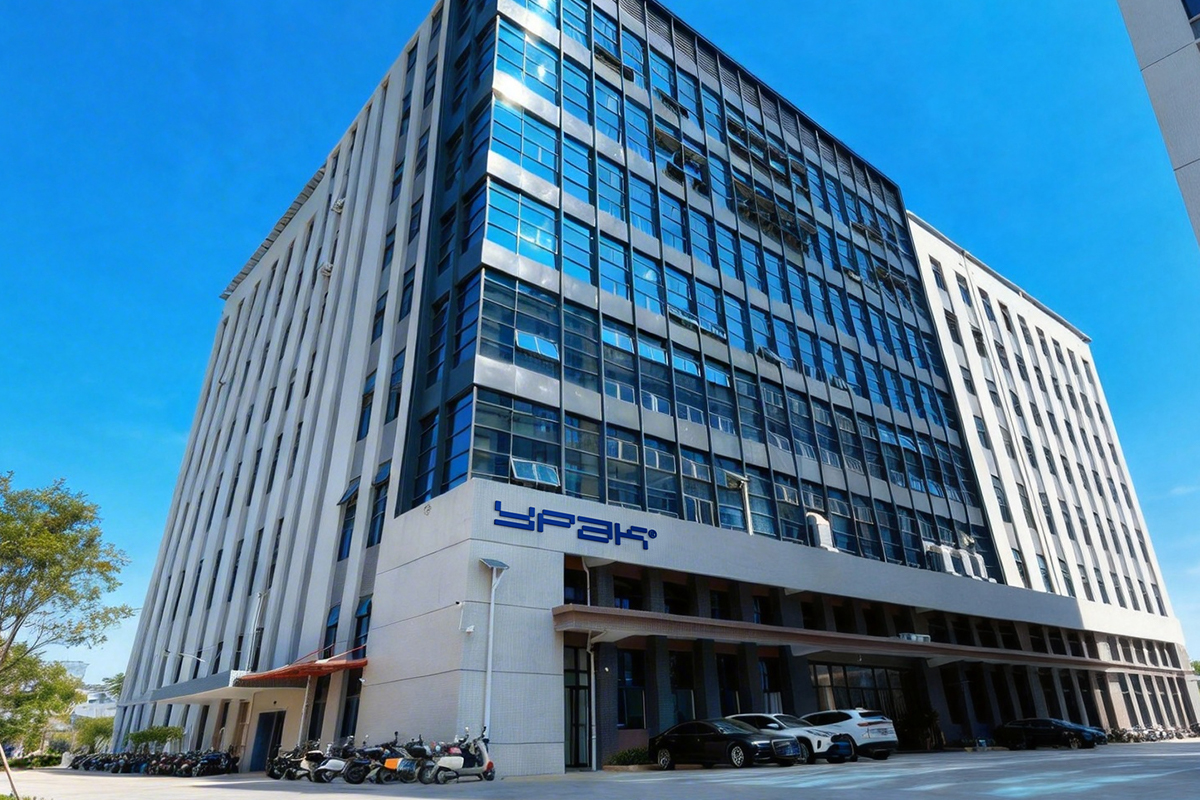
Founded in 2011, YPAK PACKAGING GROUP operates three state-of-the-art facilities located across Hong Kong, Dongguan, and Foshan, positioning us as one of Asia's primary coffee pouch production powerhouses.
Our Foshan and Dongguan manufacturing hubs hold global BRCGS Food Safety Grade A certification and ISO 22000:2018 Quality Management credentials. Every pouch batch undergoing our production lines meets stringent EU and US FDA direct food contact regulations with comprehensive lot-level digital traceability.
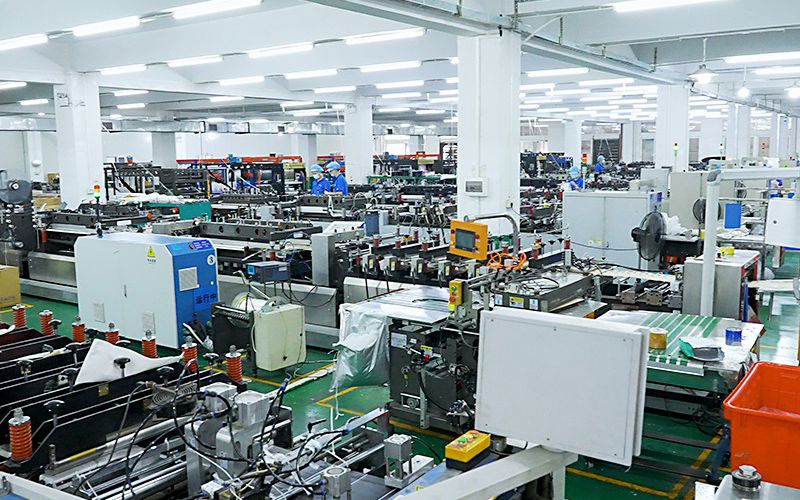
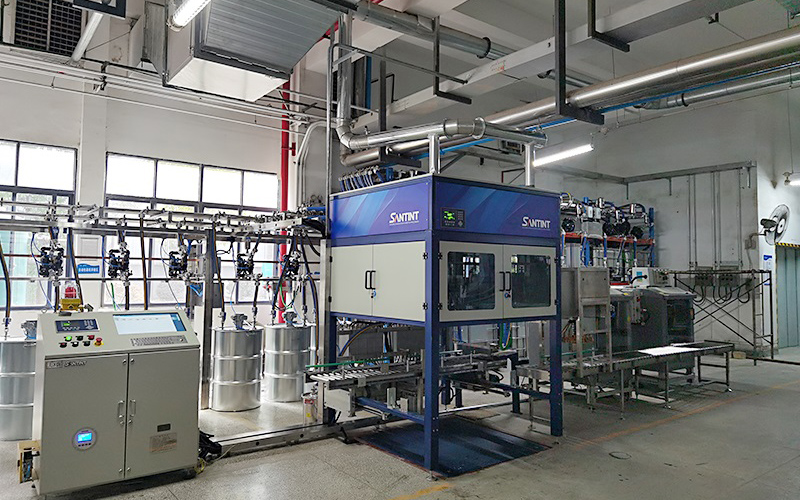
Operating a cleanroom converting environment, solvent-free composite lamination machines, and automatic ink viscosity feedback systems, YPAK maintains a 99.5% on-time delivery metric across North America, Europe, Australia, and the Middle East.
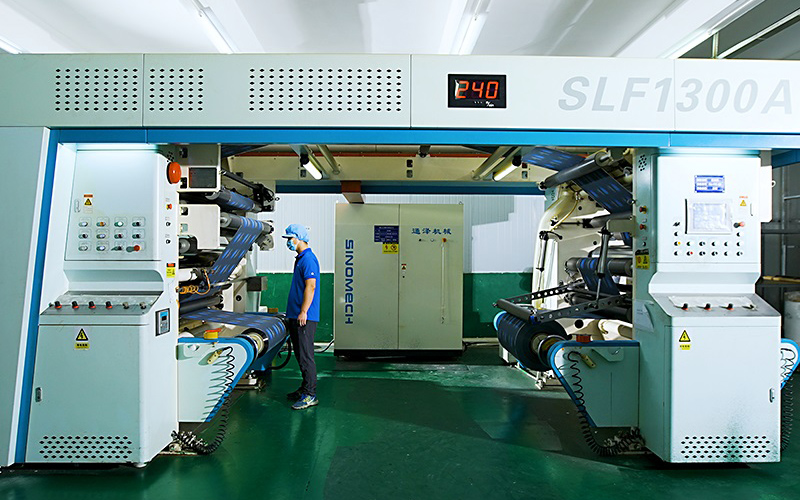
Traditionally, international buyers faced delays in physical sample approvals. YPAK modernizes pre-sales via 1-on-1 online video confirmation and digital 3D soft proofing. We verify color values, pouch dimensions, zip-lock closures, and valve locations live before starting bulk runs.
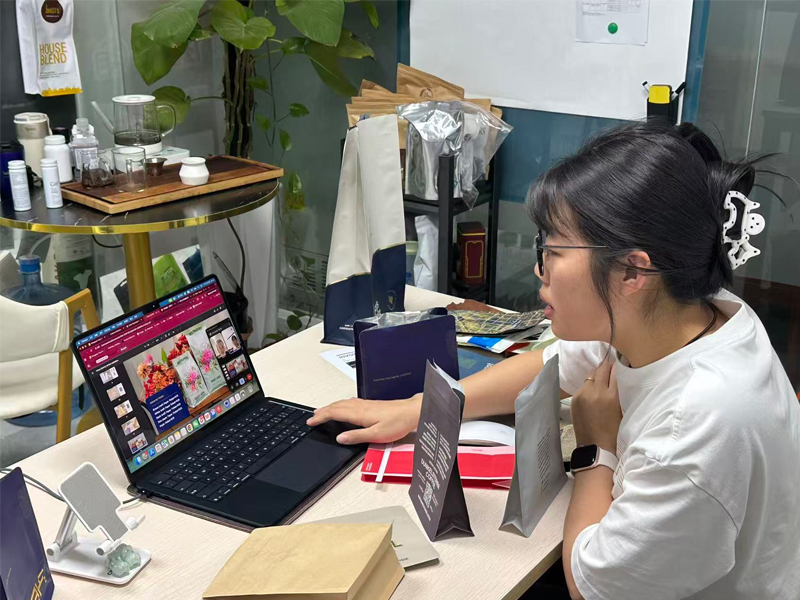
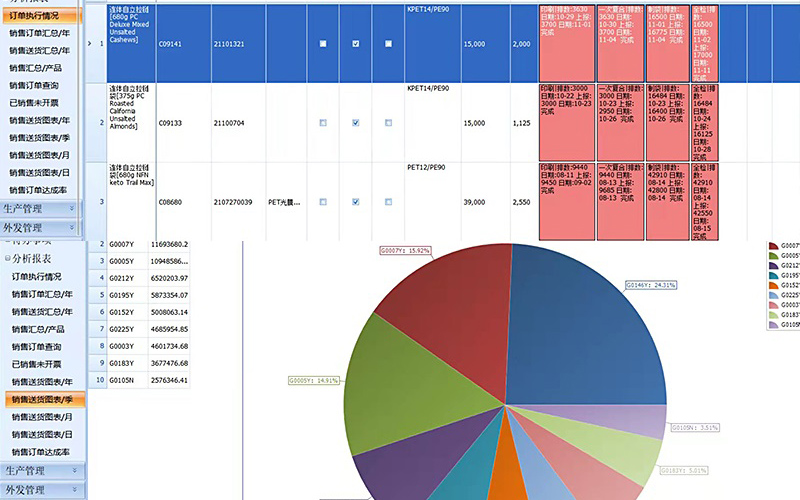
Our mid-sales management provides absolute control over production stages. Clients receive continuous real-time video clips, photo updates, and ERP tracking status across slitters, pouch formers, and valve appliers to ensure on-time dispatch.
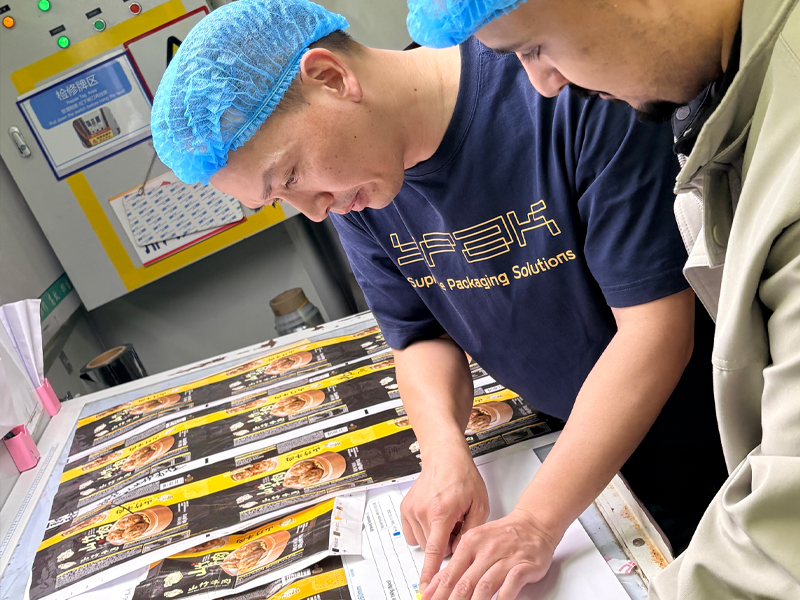
We provide comprehensive after-sales accountability. Every shipment includes batch retention samples and quality reports. In the rare event of line defects or valve seal compromises, YPAK provides immediate replacement protocols and root-cause analysis reports.
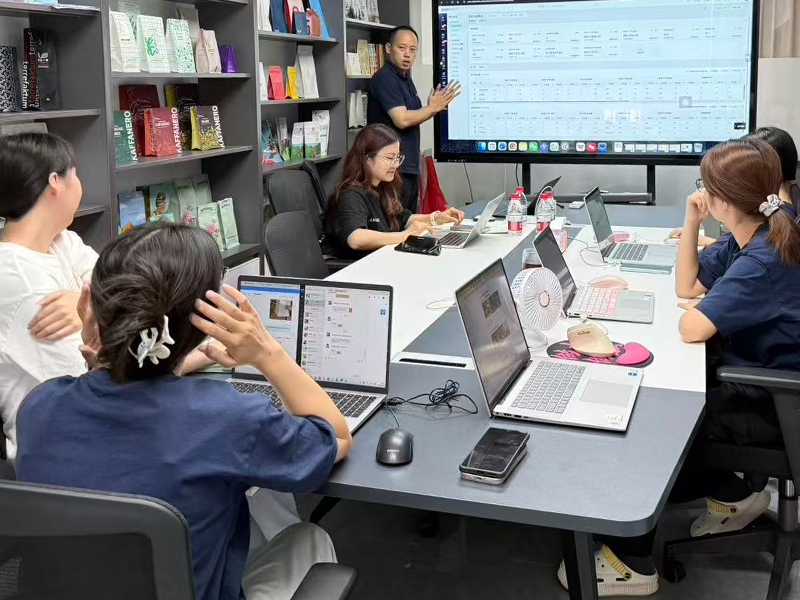
Navigating strict environmental directives requires a factory partner that understands international regulatory frameworks. Importers across Europe, North America, and Oceania must satisfy increasingly strict sustainability criteria:
The European Union Packaging and Packaging Waste Regulation (PPWR) demands that all packaging be recyclable by 2030. YPAK's Mono-PE mono-material structures fulfill Design-for-Recycling (D4R) guidelines, exempting your imports from heavy eco-penalties.
All raw material resins, masterbatches, and adhesives undergo rigorous migration testing under US FDA 21 CFR 175.300 standards. Certified by BRCGS, our cleanroom conversion processes guarantee zero food-contact contamination risks.
For UK coffee enterprise clients, we supply flexible barrier solutions incorporating certified post-consumer recycled (PCR) content or 100% recyclable single-polymer films to mitigate PPT financial liabilities.
As the flexible packaging sector integrates digital connectivity and bio-based chemistry, YPAK PACKAGING GROUP continues to pioneer future-ready coffee pouch architecture:
Integrating unique micro-variable QR codes during the HP Indigo digital printing pass. Consumers scan pouches to view bean harvest dates, farmer roast profiles, and verified carbon offset records.
Replacing traditional aluminium foil layers with transparent silicon oxide ($SiO_x$) or aluminium oxide ($AlO_x$) coatings to achieve near-zero OTR/WVTR while keeping the pouch 100% recyclable and microwave-safe.
Transitioning fossil-fuel based Polyethylene to sugarcane-derived Bio-PE polymers, drastically reducing greenhouse gas emissions right from raw resin synthesis.
 YPAK PACKAGING