Explore our specialized flexible packaging structures, customized flat-bottom pouches, and sustainable material options for commercial roasters worldwide.
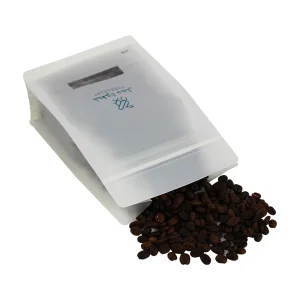
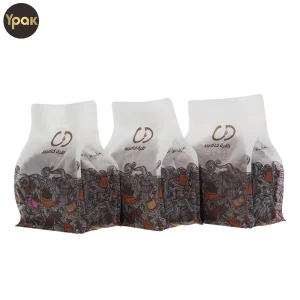
Understanding the technical, regulatory, and market factors driving global coffee packaging engineering.
The international specialty coffee market has experienced a fundamental shift in user intent and commercial procurement standards. Modern commercial roasters, contract packaging operations, and fast-moving consumer goods (FMCG) enterprise brands no longer treat custom coffee pouches merely as passive containment vessels. Instead, coffee packaging is recognized as a precision-engineered atmosphere management system vital to mitigating volatile aroma compound degradation, suppressing lipid oxidation, and guaranteeing extended structural integrity across multi-tiered global logistics chains.
Freshly roasted coffee beans represent a dynamic, biochemically active substrate. Following the endothermic and exothermic roasting reactions, coffee beans undergo aggressive carbon dioxide ($CO_2$) degassing, releasing between 4 to 12 liters of gas per kilogram over a 14-day post-roast window. Concurrently, delicate furans, pyrazines, and aldehydes—the volatile aromatic precursors responsible for specialty origin flavor profiles—are highly susceptible to irreversibly oxidative breakdown when exposed to ambient oxygen ($O_2$) concentrations as low as 1.0%. Consequently, sourcing from an advanced wholesale design coffee bags supplier requires strict validation of film permeation mechanics, seal strength reliability, and integrated gas control valves.
Mapping technical packaging specifications directly against enterprise buyer operational models.
Primary Intent: Short-run SKU agility, visual differentiation, and zero-inventory waste.
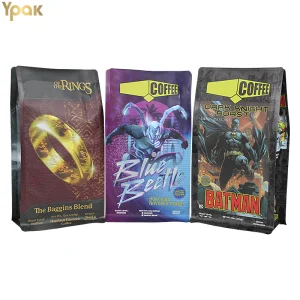
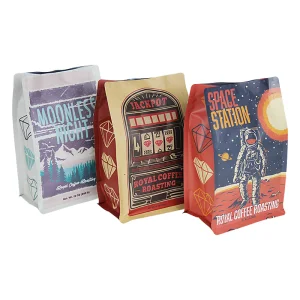
Technical Priority: High-definition digital printing via HP Indigo 25K with zero plate fees, allowing rapid seasonal releases, tactile rough matte finishes, and instant artwork adjustments without financial penalty.
Primary Intent: High-speed automated vertical form-fill-seal (VFFS) compatibility and cost efficiency.
Technical Priority: Tensile strength uniformity, controlled friction coefficients ($\mu$), high burst-strength heat seals, and long-run rotogravure cost optimization down to fraction-of-a-cent tolerances.
Primary Intent: 100% compliance with strict international sustainability mandates (EU PPWR, UK PPT).
Technical Priority: Mono-material Polyethylene (PE/EVOH-PE) fully recyclable packaging laminates or certified industrial compostable structures (PLA/Kraft) with verified barrier equivalence to aluminum.
Comparative barrier performance and functional layer architectural breakdown.
| Laminate Structure | Target Barrier Level | OTR ($cc/m^2/24hr$) | WVTR ($g/m^2/24hr$) | Sustainability Profile | Primary Industrial Application |
|---|---|---|---|---|---|
| PET / AL / PE | Ultra-High Foil Barrier | < 0.05 | < 0.05 | Standard Non-Recyclable | Long shelf-life (> 24 Months) retail roasted beans |
| Kraft / VMPET / PE | High Metallized Barrier | < 0.50 | < 0.50 | Partially Bio-Based | Artisanal specialty coffee & boutique roastery pouches |
| MDO-PE / EVOH-PE | High Monomaterial Barrier | < 1.00 | < 1.00 | 100% Recyclable (RIC #4) | EU PPWR compliant eco-friendly commercial coffee lines |
| Kraft / PLA / PBAT | Medium Bio Barrier | < 5.00 | < 8.00 | 100% Industrially Compostable | Organic specialty roasts with short logistics supply chains |
To maintain product wall stability and prevent pouch bloating or vacuum collapse, YPAK integrates genuine Swiss WIPF One-Way Degassing Valves into flexible pouch structures. Operating on precise response differential pressures, the WIPF valve opens automatically when internal $CO_2$ pressure exceeds 3-5 mbar, venting gas outwards while hermetically sealing out ambient oxygen, atmospheric moisture, and micro-contaminants.
Founded in 2011, operating three state-of-the-art manufacturing hubs across Hong Kong, Dongguan, and Foshan.
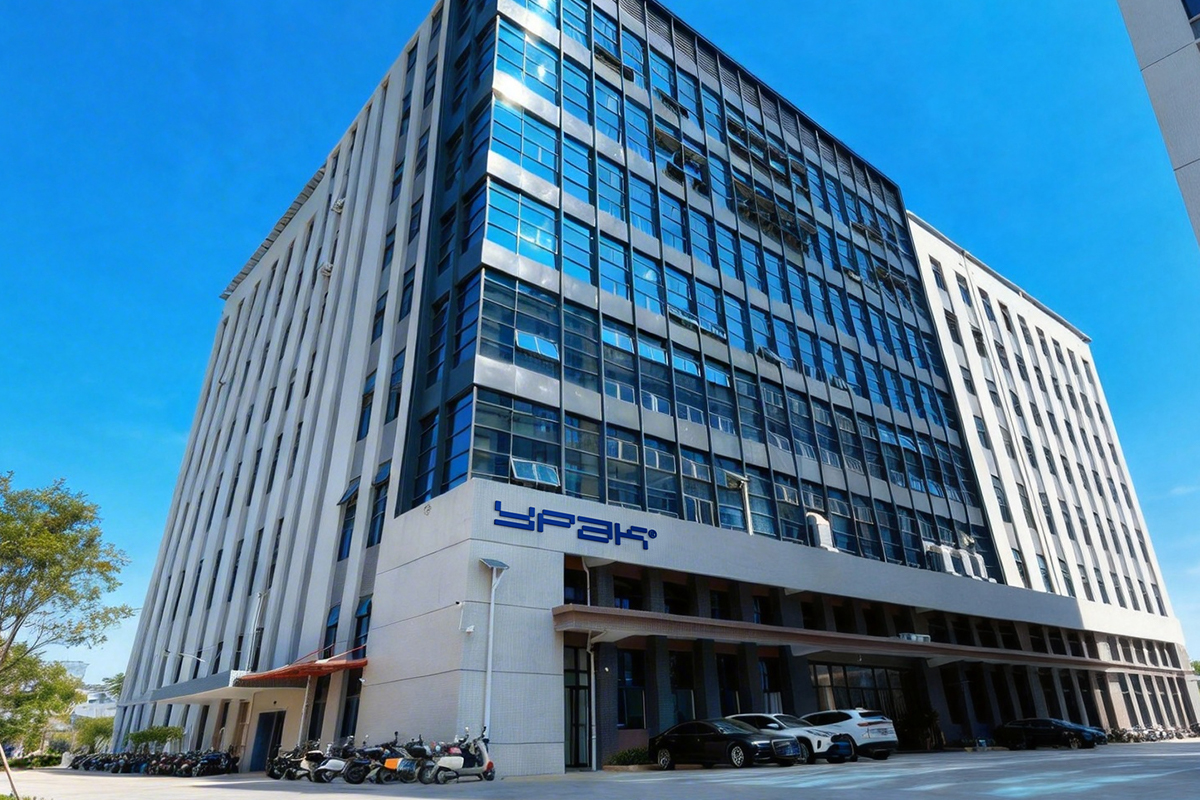
YPAK PACKAGING GROUP stands at the forefront of advanced flexible packaging engineering. Our primary facilities in Foshan and Dongguan are certified to BRCGS Food Safety Grade A and ISO 22000:2018 standards, guaranteeing total food contact safety, chemical migration testing compliance, and lot-by-lot batch traceability across all production runs.
Equipped with the flagship HP Indigo 25K Digital Printing Press, YPAK eliminates physical printing plates, enabling brand owners to execute variable data printing, multi-SKU runs, and rapid market validation testing with absolute photographic clarity and zero Minimum Order Quantities (MOQ).
A decade of continuous innovation, facility expansion, and technology adoption at YPAK.
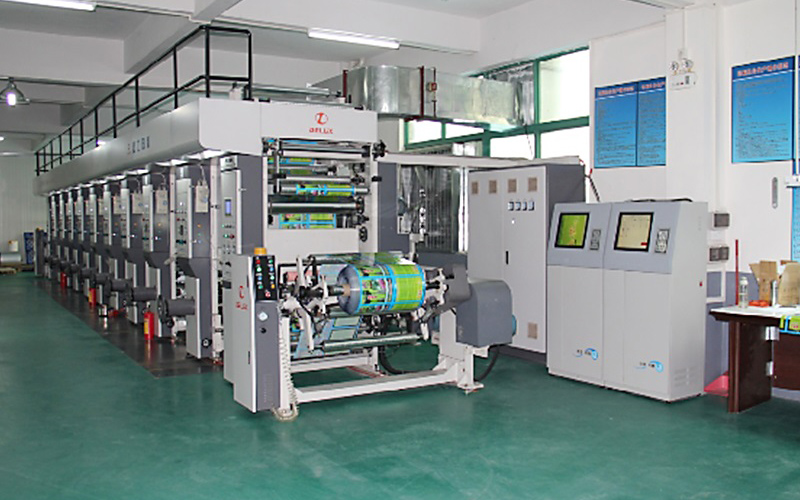
Commissioned our first complete high-speed flexible packaging film production line in Foshan.
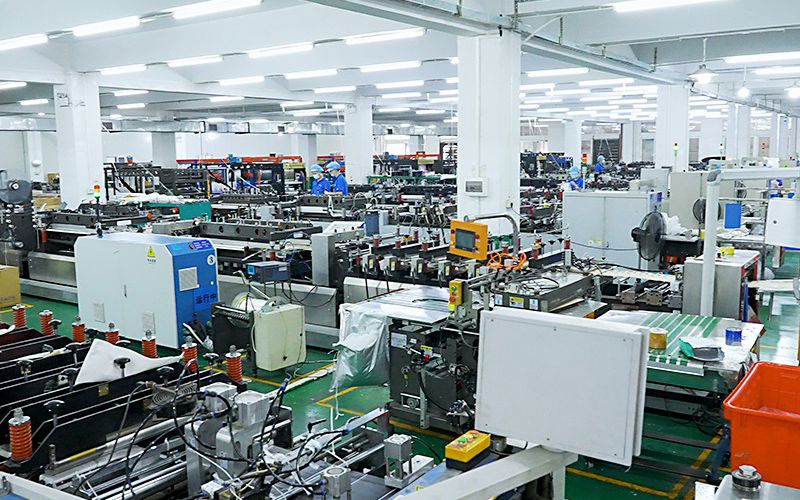
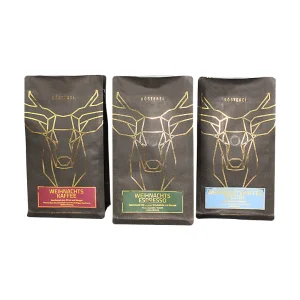
Pioneered full-scale automated manufacturing of box pouches and flat bottom coffee bags.
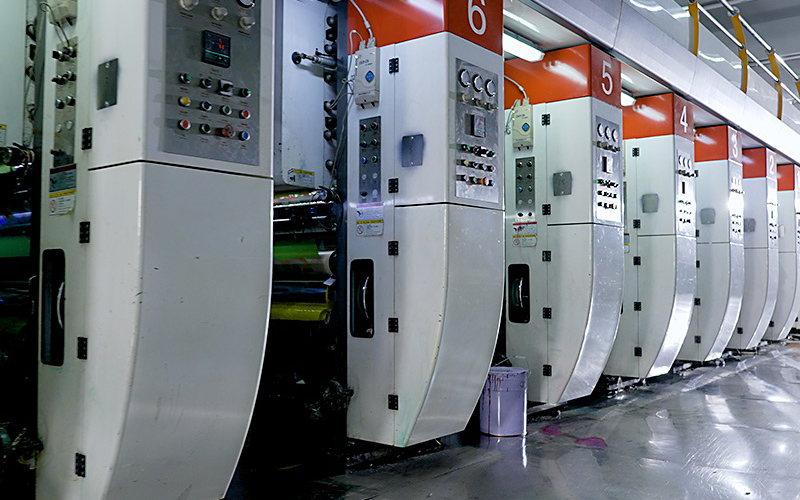
Established our second dedicated production line to handle surging export volume for European markets.
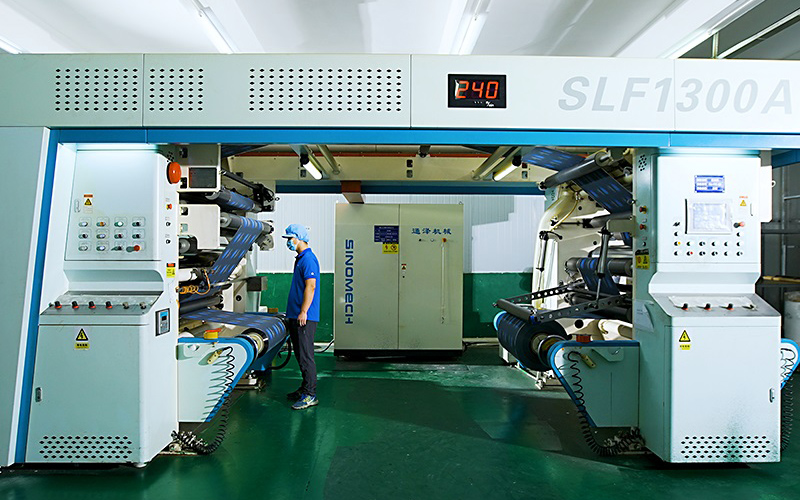
Converted 100% of composite film lamination processes to green solvent-free technology.
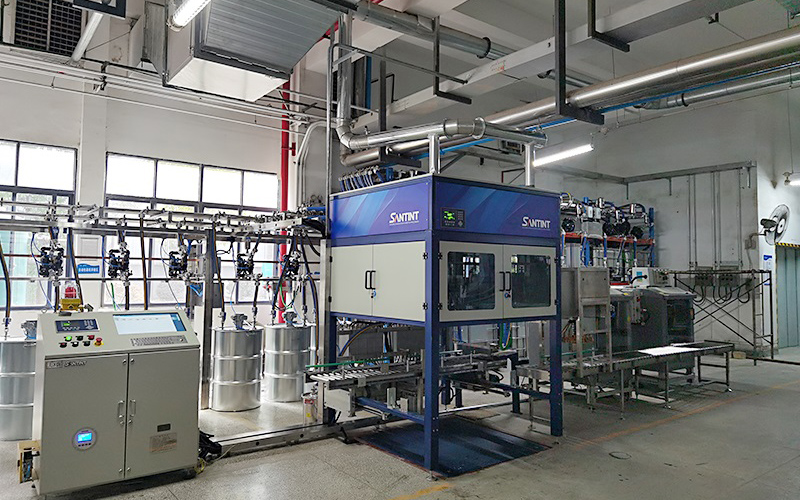
Integrated an automated robotic ink adjustment system to guarantee exact Pantone color matching.
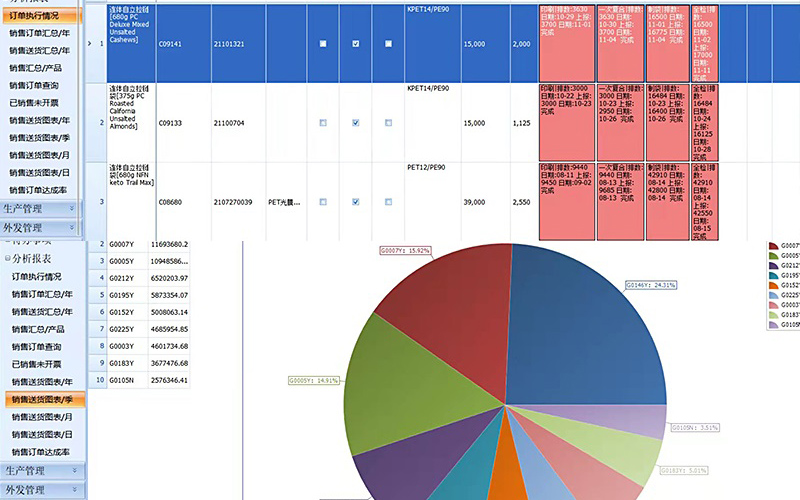
Deployed enterprise-wide ERP production execution systems for seamless order tracking.
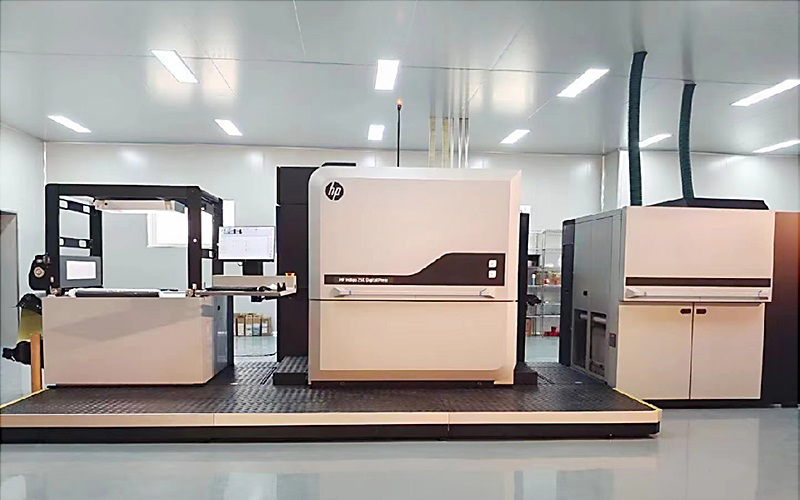
Introduced the world-class HP INDIGO 25K digital press, opening plate-free custom printing capabilities.
Transparent communication, live video verification, and strict quality assurance across every phase of order execution.
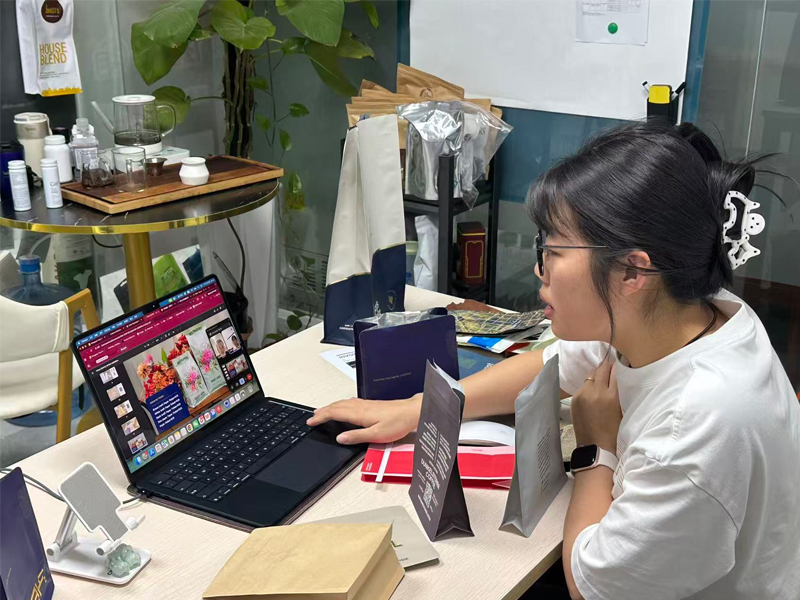
We eliminate technical miscommunications through one-on-one consultation and online video confirmation. Clients receive digital 3D pouch renders, structural template dielines, and live video proofing sessions to confirm dimensions, zipper placement, and valve positions prior to mass production.
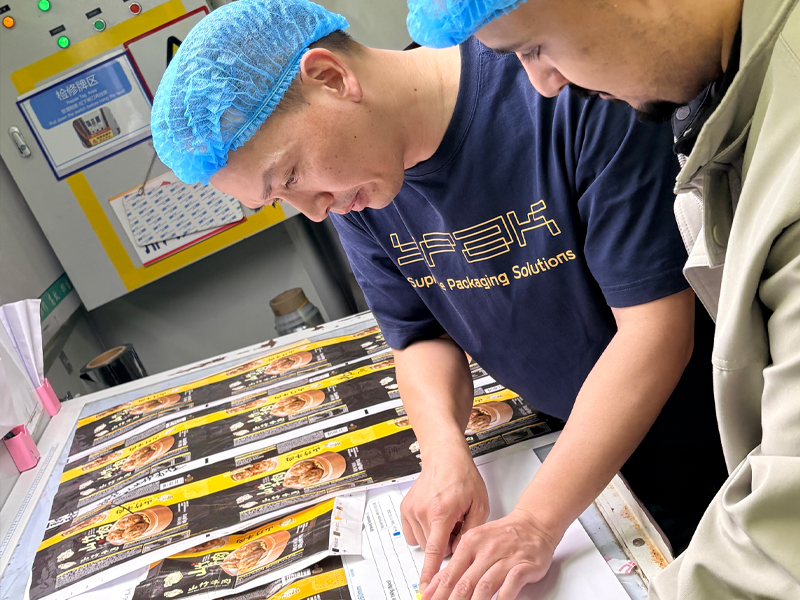
Maintaining control over every manufacturing stage is crucial. Our ERP system provides real-time production status updates. We dispatch live inspection footage, ink draw-down samples, and seal integrity test reports straight to your procurement team during slitting, printing, and pouch-making.
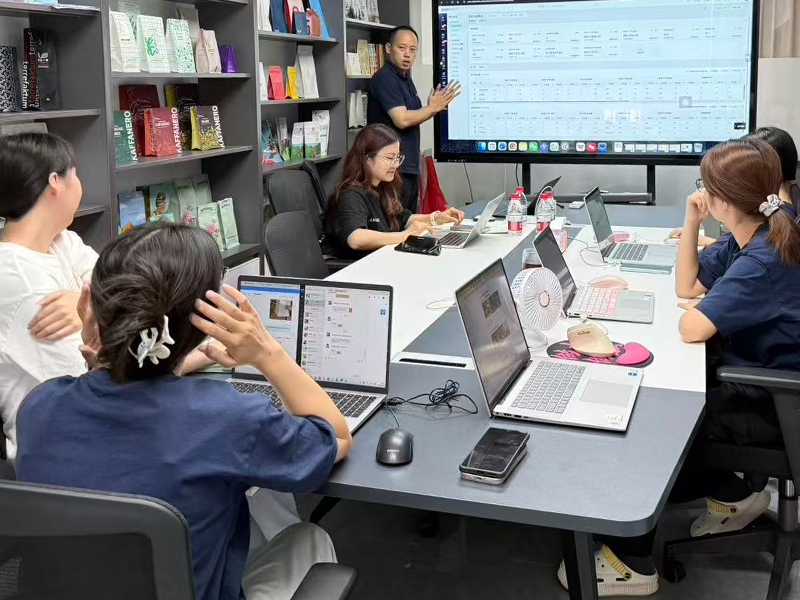
Our commitment extends beyond delivery. We establish long-term feedback channels, supply full regulatory compliance documentation (FDA, EU 10/2011), and maintain retention samples for every batch, guaranteeing fast issue resolution and continuous packaging optimization.
Safeguarding enterprise roasters against evolving environmental legislation across Europe and North America.
By 2030, all packaging placed on the EU market must be fully recyclable. YPAK’s Mono-Material PE pouch structures utilize high-barrier EVOH co-extrusions, achieving complete circular economy integration (RIC #4) while retaining standard high-speed shelf life.
All polymer resins, adhesives, degas valves, and printing inks utilized by YPAK strictly comply with US FDA 21 CFR regulations for direct food contact, backed by heavy metal testing, overall migration limits (OML), and specific migration limits (SML).
For eco-conscious specialty brands, YPAK offers certified bio-degradable laminate structures engineered from Kraft paper, PLA (Polylactic Acid), and PBAT, disintegrating within 180 days under industrial composting conditions without toxic residues.
Expert answers to critical B2B coffee packaging engineering questions.
Complete flexible packaging, specialized container accessories, and custom branding solutions.
 YPAK PACKAGING