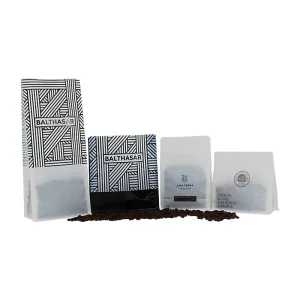
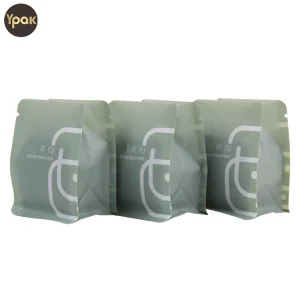
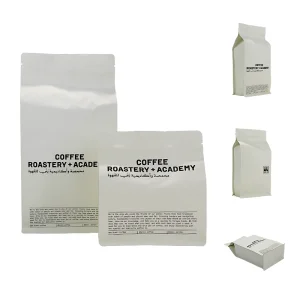
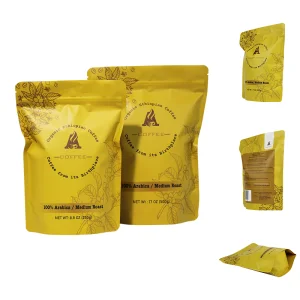
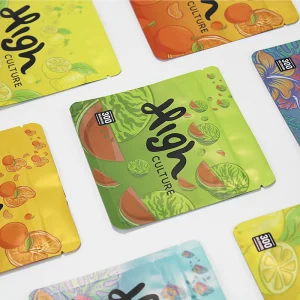
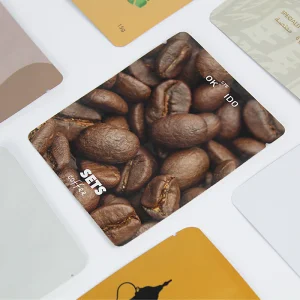
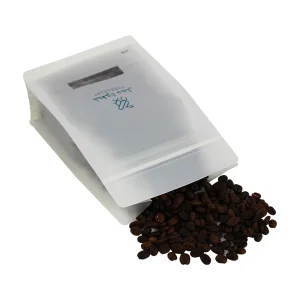
Explore our high-performance coffee pouches engineered for optimal freshness, shelf appeal, and eco-compliance.
Understanding user intent, technical barrier demands, and regulatory pressure in global wholesale coffee bag sourcing.
Freshly roasted coffee beans emit up to 10 liters of carbon dioxide (CO2) gas per kilogram over 14 days post-roasting. Packaging designed for wholesale distribution must integrate highly engineered, one-way degassing valves (such as Swiss WIPF technology) to vent internal pressure without allowing external oxygen (O2) or moisture ingress. Failure to manage degassing leads to burst pouches or accelerated lipid oxidation, ruining volatile aromatic profiles.
With the European Union’s Packaging and Packaging Waste Regulation (PPWR) mandates and strict North American state-level plastic legislation, corporate coffee roasters can no longer rely on conventional unrecyclable tri-layer foil structures (PET/AL/PE). Modern wholesale coffee packaging requires fully circular solutions—either Mono-Material Polyethylene (Mono-PE) recyclable structures or EN 13432 certified compostable laminates—without compromising oxygen transmission rates (OTR).
Global brand roasters and private label distributors face volatile green coffee markets and shifting consumer preferences. Achieving competitive advantage requires working with specialized flexible packaging factories that offer digital print flexibility (HP Indigo 25K), ultra-low minimum order quantities (MOQs), rapid artwork prototyping, and resilient supply chain logistics with 99%+ on-time delivery guarantees.
Architecting barrier matrices that shield volatile coffee oils against moisture, oxygen, light degradation, and structural failure.
Technical Insight: Specialty coffee contains over 800 volatile compounds responsible for aroma and flavor notes. Oxygen concentration inside the sealed package must be kept below 1% to prevent oxidation of essential coffee oils (lipids) into stale, rancid notes.
| Bag Structure Type | Material Composition | Oxygen Barrier (OTR) | Moisture Barrier (WVTR) | Sustainability Index | Optimal Application |
|---|---|---|---|---|---|
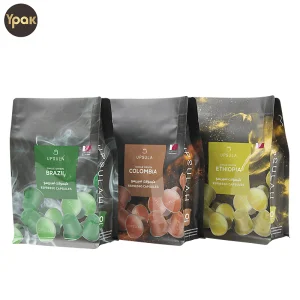
| Flat Bottom (Box Pouch) | High-Barrier Mono-PE / EVOH | < 0.5 cc/m²/24h | < 0.5 g/m²/24h | 100% Recyclable (Code 4) | Premium 250g - 1kg Retail Specialty Coffee Beans |
| Recyclable Stand-Up (Doypack) | MDO-PE / PE Sealant | < 1.0 cc/m²/24h | < 1.0 g/m²/24h | 100% Recyclable (Circular Economy) | Standard Retail Coffee, Ground Coffee, Tea |
| Compostable Eco-Pouch | Kraft Paper / NK Paper / PLA | < 2.0 cc/m²/24h | < 3.0 g/m²/24h | EN13432 / BPI Industrial Compostable | Organic & Eco-Conscious Specialty Coffee Brands |
| High-Barrier Mylar Pouch | PET / VMPET / LLDPE | < 0.1 cc/m²/24h | < 0.1 g/m²/24h | Standard High-Barrier Plastic | Commercial Bulk Roast Beans, Long Shelf-Life Packaging |
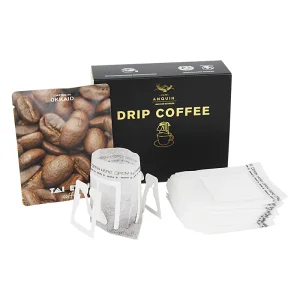
| Drip Coffee Ear Filter Bag | Non-Woven Food Grade PP/PET | N/A (Open System) | N/A (Open System) | Food Contact Compliant | Single-Serve Portable Drip Coffee Packs |
We integrate authentic Swiss WIPF one-way valves directly into our production line. These precision valves release internal degassing pressures at exact set-points (approx. 3-5 mbar) while acting as a hermetic lock against ambient oxygen. This guarantees zero bag swelling or air intrusion during ocean freight shipping or high-altitude transport.
Traditional coffee bags utilize aluminum foil layers that are impossible to separate in municipal recycling facilities. YPAK’s modern Mono-PE and Mono-PP flexible structures utilize ultra-high-barrier EVOH co-extrusions. This yields identical barrier performance to metallic foil while remaining 100% recyclable under international resin identification code 4.
Leveraging state-of-the-art automation, solvent-free lamination, and digital precision to empower enterprise clients worldwide.
YPAK was early to adopt the world-renowned HP Indigo 25K digital printing press. This tech eliminates traditional gravure printing plate costs ($250-$400 per color), enables seamless multi-SKU printing in a single run, provides photorealistic color accuracy, and empowers coffee brands to execute micro-batches or seasonal releases within days.
Safety is paramount when producing flexible packaging for roasted coffee and food contact products. Our production line uses 100% solvent-free composite lamination machinery. This eliminates toxic VOC (Volatile Organic Compound) emissions, prevents solvent residue from affecting subtle coffee flavor profiles, and guarantees food contact compliance.
From raw granule resin inspection to finished pouch drop testing, YPAK operates a fully integrated ERP production system. Combined with automated ink adjustment and inline machine vision scanning, we track every batch in real-time, delivering a 99.5% on-time fulfillment rate and near-zero defect index.
A heritage of engineering excellence, food safety certifications, and continuous manufacturing innovation since 2011.
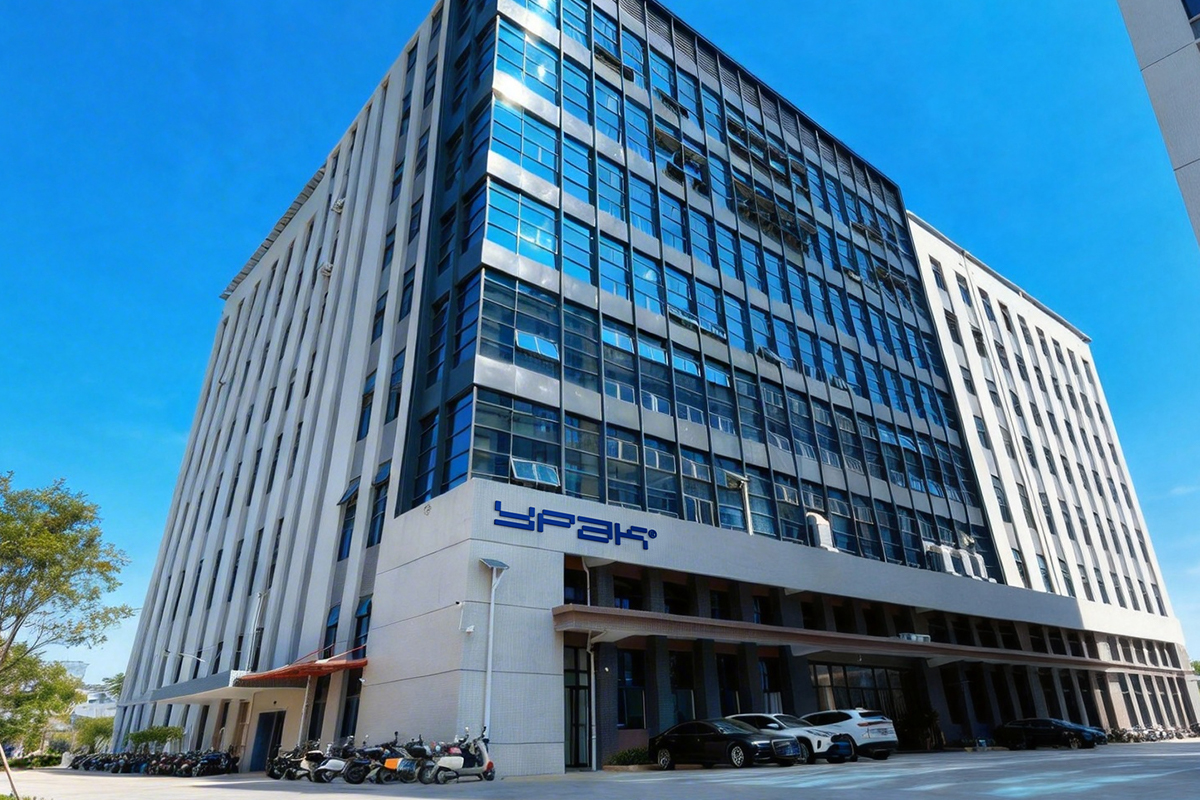
Founded in 2011, YPAK operates three state-of-the-art facilities across Hong Kong, Dongguan, and Foshan, emerging as one of China’s premier coffee bag manufacturers and exporters. Our Foshan and Dongguan plants are BRCGS Food Safety Class A and ISO 22000:2018 certified—ensuring every pouch meets rigorous global food contact standards with full end-to-end traceability.
We fit authentic Swiss WIPF one-way degassing valves as standard, delivering industry-leading technology to maintain peak coffee freshness. Our HP Indigo 25K digital printing press enables MOQ-free, plate-free production runs with photorealistic print clarity—perfect for specialty roasters, enterprise white-labeling, and rapid market testing.
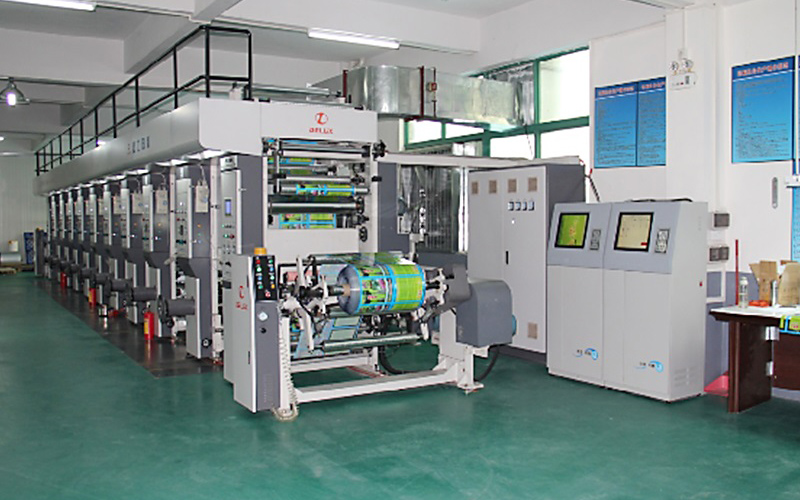
In May 2012, YPAK commissioned its first complete flexible packaging production line.
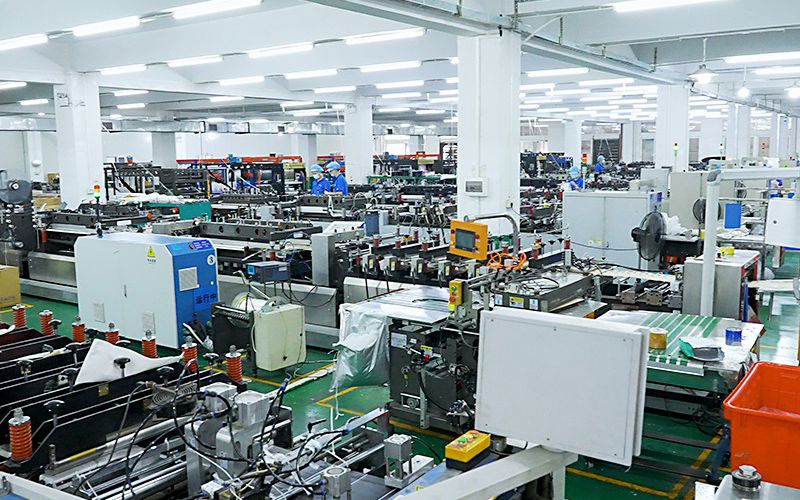
In March 2016, expanded machinery to manufacture high-end flat bottom (box) coffee bags.
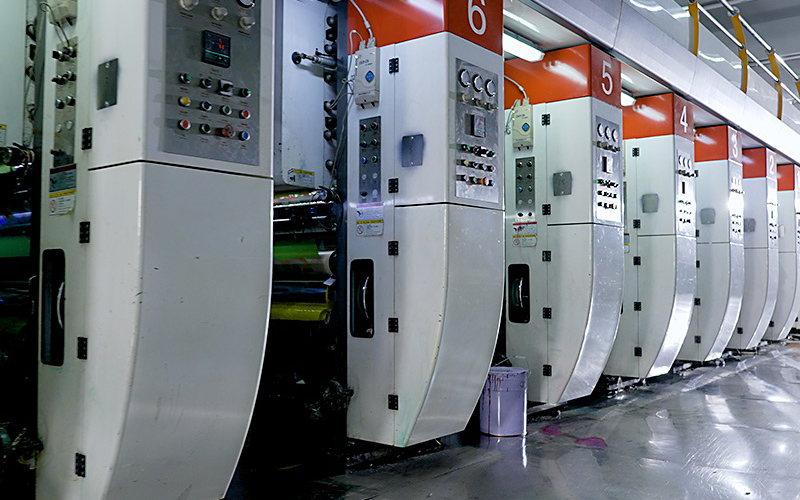
In August 2017, the second specialized manufacturing facility was established.
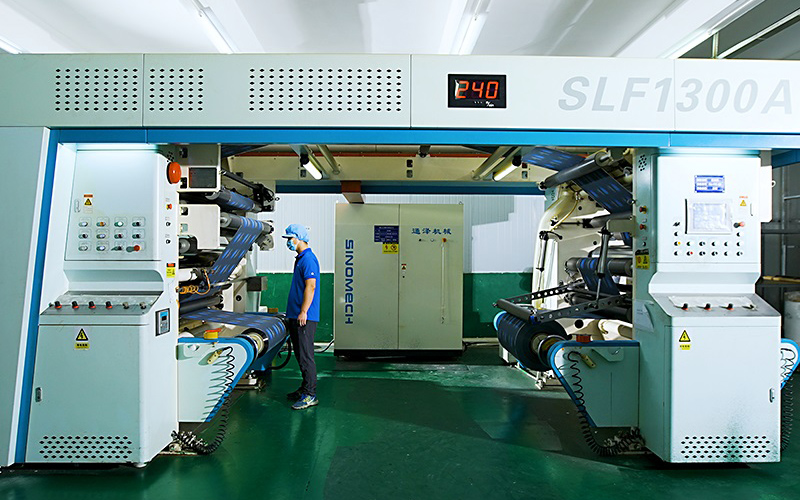
In April 2018, fully integrated eco-friendly solvent-free composite technology.
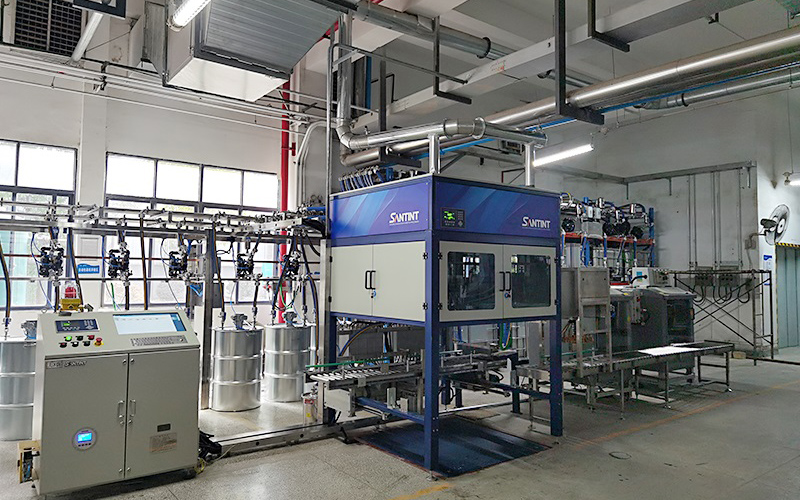
Introduced the automated digital ink adjustment system for precise color reproduction.
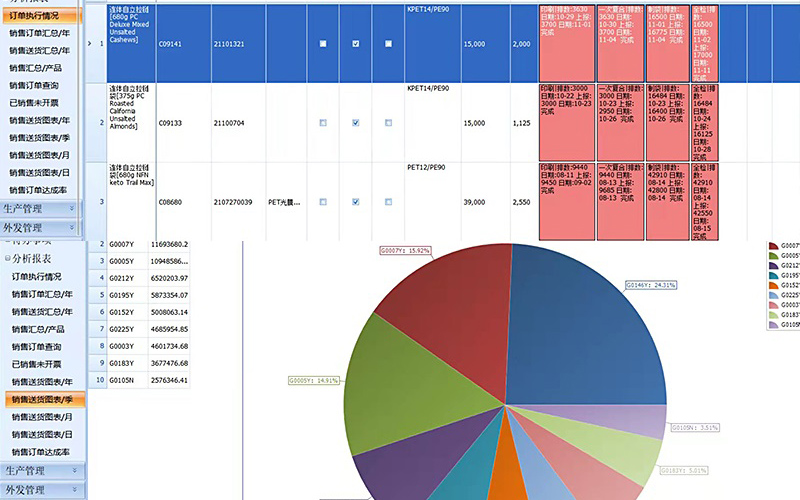
Implemented full-scale ERP production systems across all factory facilities.
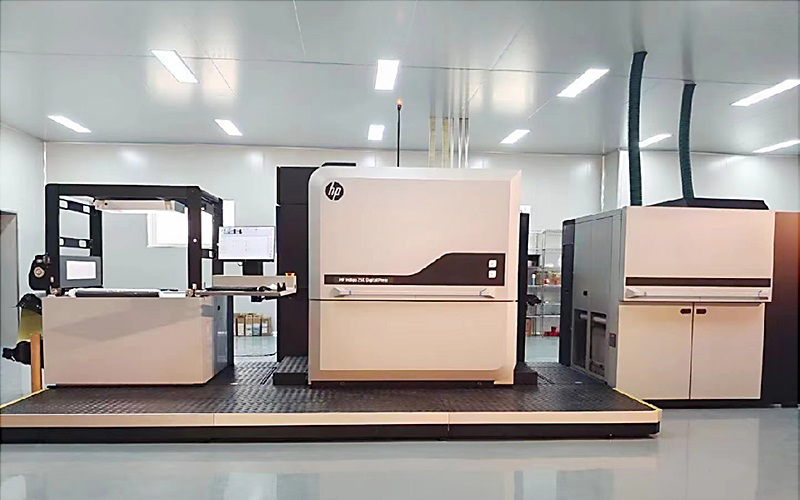
Acquired the HP INDIGO 25K digital press to pioneer plate-free short runs.
Providing seamless, transparent, and rigorous quality assurance at every phase of your procurement journey.
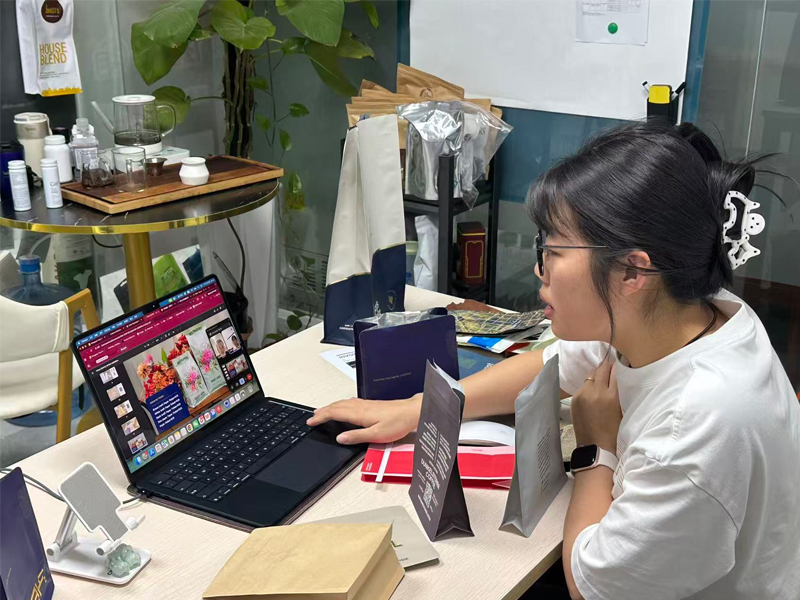
Enhancing procurement transparency through 1-on-1 online video alignment. Traditionally, pre-sales involves static proofing and prolonged back-and-forth email communications. With live video confirmation, YPAK removes guesswork—allowing buyers to review physical texture samples, finish choices (matte, gloss, UV, tactile), and dimension specifications in real-time before mass production.
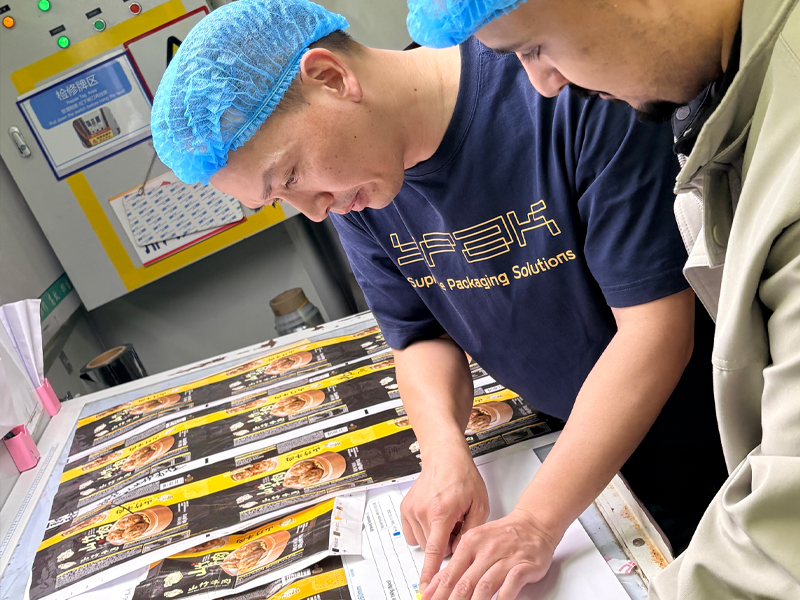
Executing continuous quality oversight from lamination to pouch converting. We send live photographic updates and high-definition video reports during printing, solvent-free composite bonding, and valve installation. This ensures seamless transition from artwork approval to final palletizing without unexpected delays or color drift.
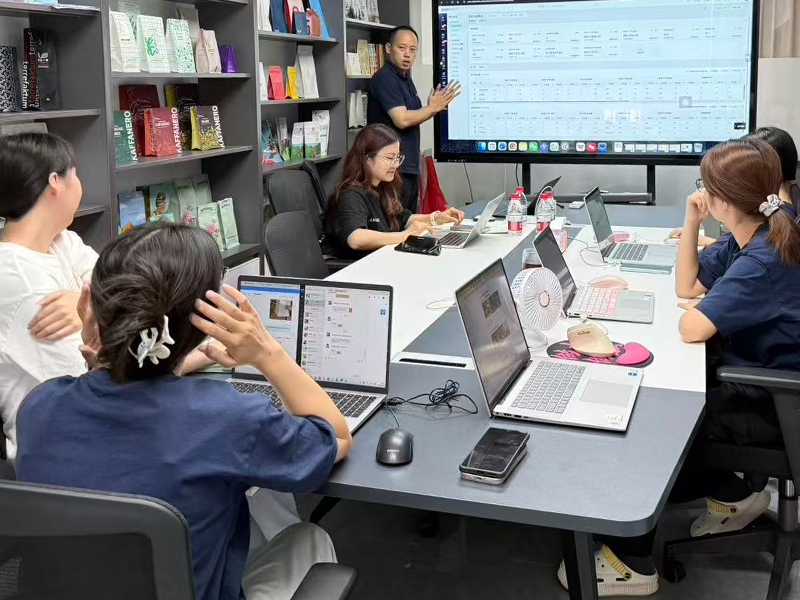
Our commitment extends long after shipment arrival. YPAK maintains comprehensive batch archives, dedicated feedback channels, and proactive customer satisfaction surveys. By prioritizing ongoing technical training and responsive issue resolution, we foster strategic, long-term partnerships with leading coffee brands worldwide.
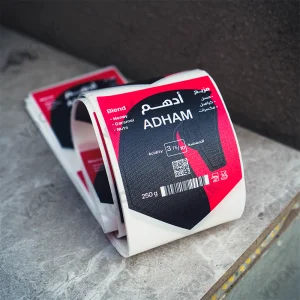
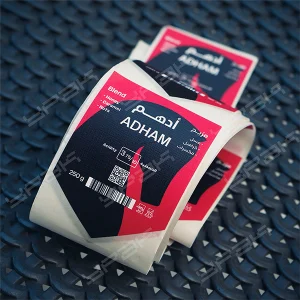
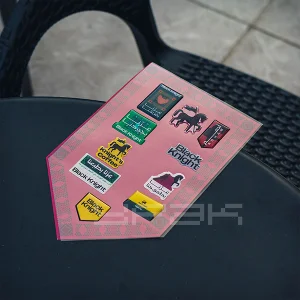
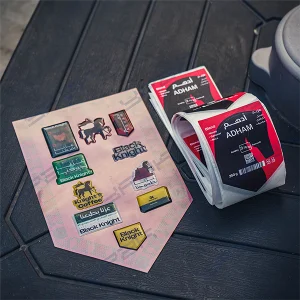
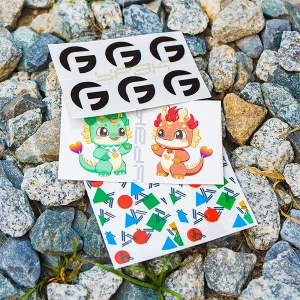
Complete your brand ecosystem with matching labels, stickers, drip bags, and custom flexible pouch options.
Clear, authoritative answers to essential engineering, material, and logistics queries for commercial buyers.
YPAK facilities hold rigorous BRCGS Global Standard for Packaging Materials Class A and ISO 22000:2018 certifications. All raw materials—including virgin polyolefin resins, inks, adhesives, and degassing valves—are 100% food-grade compliant with US FDA 21 CFR 177.1520 and EU Regulation No. 10/2011. Migration testing is performed per production lot.
Freshly roasted coffee continuously releases CO2. Swiss WIPF one-way valves use a rubber membrane sealed under precise oil tension. When internal pressure reaches approximately 3 to 5 mbar, the valve opens to release CO2 gas, then immediately reseals. This prevents internal gas build-up (which causes bags to swell and burst) while blocking ambient oxygen from entering, extending roasted coffee shelf-life up to 12-24 months.
Thanks to our advanced HP Indigo 25K digital press technology, we offer flexible MOQ options. Digital printing requires zero cylinder/plate fees, making it possible to order as few as 500 to 1,000 custom-printed units per SKU—ideal for limited-edition roasts and craft brands. For high-volume commercial runs (10,000+ units), our high-speed rotogravure production lines offer maximum unit-cost efficiency.
Our Mono-PE recyclable pouches utilize a high-barrier EVOH layer co-extruded between oriented polyethylene layers. This architecture achieves Oxygen Transmission Rates (OTR) of less than 0.5 cc/m²/24h and Water Vapor Transmission Rates (WVTR) below 0.5 g/m²/24h—matching traditional PET/AL/PE foil laminates while allowing full recycling under Code 4 stream.
We provide extensive custom finishing capabilities: Rough Matte Finish, Soft-Touch Rubberized Feeling, Spot Gloss UV, Hot Foil Stamping (Gold, Silver, Holographic), Metallic Ink overlays, Embossing/Debossing textures, and clear windows. All finishes are tested for scuff resistance and thermal stability during heat-sealing.
Standard digital print production takes 7 to 10 working days following final proof approval. Gravure printing runs average 15 to 20 days. Through our streamlined logistics network operating out of Foshan, Dongguan, and Hong Kong, we coordinate express air freight (3-5 days delivery) or ocean shipping (18-35 days delivery depending on destination port), backed by a 99.5% on-time delivery track record.
 YPAK PACKAGING