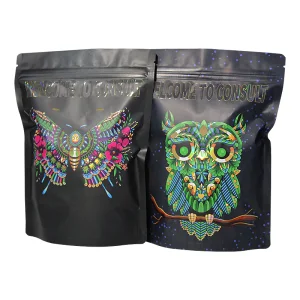
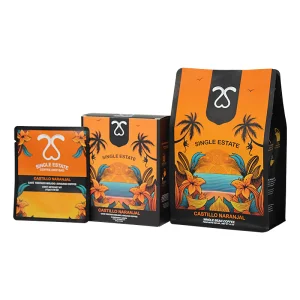
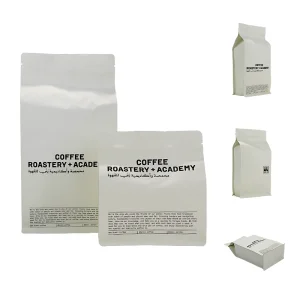
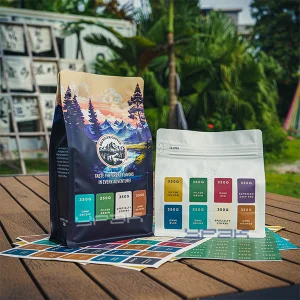
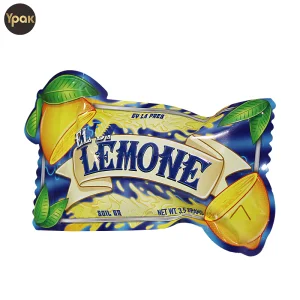
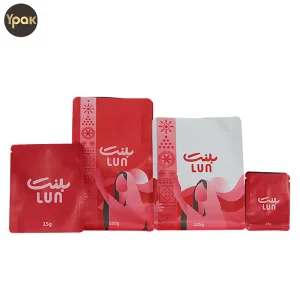
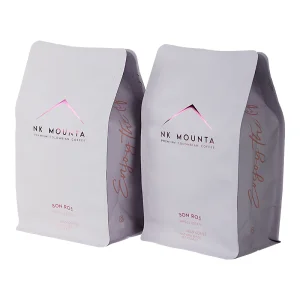
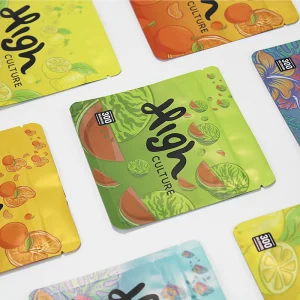
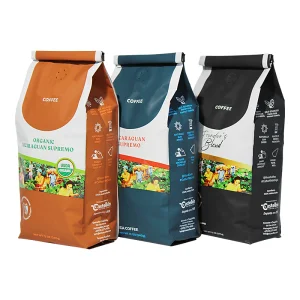
Engineered for extreme barrier resistance, child safety, and high-impact visual shelf presence.
Navigating the complex matrix of cannabinoid degradation, food matrix chemistry, and stringent international compliance standards.
Tetrahydrocannabinol (THC) and supporting cannabinoids like CBD/CBN rapidly degrade when exposed to ultraviolet light, oxygen ($\text{O}_2$), and ambient humidity. The best way to package THC edibles requires low-vapor-permeability barrier laminates (WVTR < 0.1 g/m²/day and OTR < 0.1 cc/m²/day/atm) to stop oxidation and preserve active potency throughout shelf-life.
Regulatory mandates across North America and Europe require certified Child-Resistant Packaging (CRP). Factory-engineered mechanisms such as Pinch-N-Pull, Push-and-Slide, and hidden dual-latch zip closures meet 16 CFR § 1700.20 and ISO 8317 safety parameters, securing protocol compliance without sacrificing adult accessibility.
Edible delivery vehicles—including THC gummies, infused chocolates, baked goods, and dissolvable strips—interact differently with internal film layers. Our BRCGS-certified factory uses solvent-free lamination films that eliminate chemical migration, preventing lipid extraction or flavor cross-contamination.
Terpene preservation is vital for customer satisfaction and discretion during transit. Multi-layer high-density Mylar combined with ultra-sound hermetic heat seals guarantees complete odor containment, maintaining volatile organic terpene profiles inside the package.
The convergence of active barrier science, sustainable polymer engineering, and smart track-and-trace packaging systems.
When selecting the best way to package THC edibles, brand owners must balance structural integrity, shelf-life performance, and eco-compliance. Below is a comparative breakdown of advanced flexible packaging laminates engineered by YPAK:
| Material Structure | Barrier Rating (O2 / Moisture) | Child Resistance Rating | Eco/Sustainability Status | Optimal THC Edible Application |
|---|---|---|---|---|
| PET / AL / PE (Mylar) | Maximum (< 0.05 g/m²) | ASTM D3475 Level 1 | Standard Recyclable Chain | High-fat Chocolates, Long shelf-life Gummies |
| Matte OPET / EVOH-PE | High (< 0.2 g/m²) | ASTM D3475 Level 1 | 100% Mono-Material Recyclable | Pectin Gummies, Hard Candies |
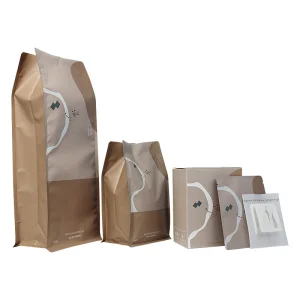
| Kraft Paper / VMPET / PE | High (< 0.1 g/m²) | Certified CR Zipper Fitted | Bio-sourced Exterior | Artisanal Baked Goods, Infused Chocolates |
| NK Paper / PLA / PBAT | Medium-High Barrier | Compostable CR Zip Option | 100% Industrially Compostable | Eco-focused Gummies & Dry Edibles |
Integrating dynamic variable QR codes and embedded NFC tags allows enterprise cannabis brands to satisfy seed-to-sale tracking requirements while protecting against illicit market counterfeiting.
Transitioning from complex tri-laminates to mono-PE and mono-PP structures with embedded EVOH layers allows brands to meet EU Plastic Packaging Tax requirements and US state eco-mandates.
Flushing flexible pouches with inert Nitrogen ($\text{N}_2$) gas during high-speed automated filling decreases residual oxygen concentration below 0.5%, virtually freezing THC degradation over 24 months.
How YPAK PACKAGING GROUP utilizes state-of-the-art automation and digital precision to empower global wholesale buyers.
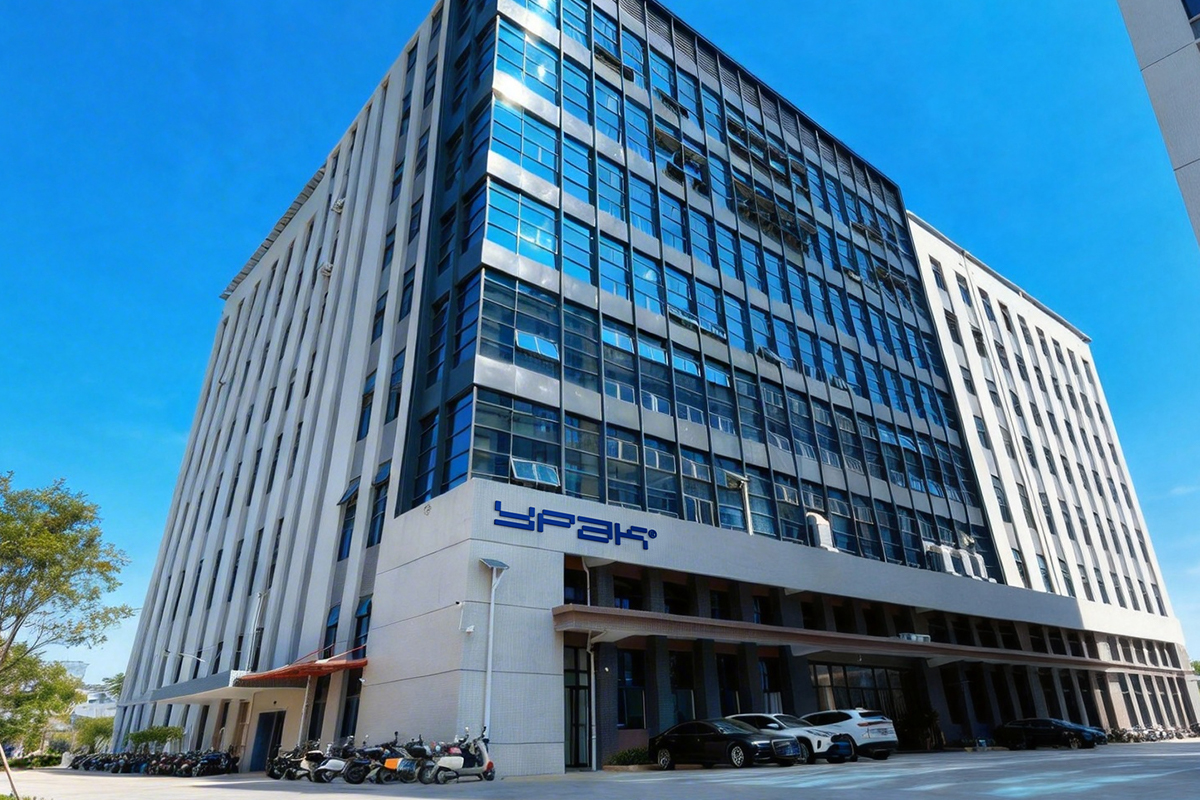
Founded in 2011, YPAK operates three facilities across Hong Kong, Dongguan, and Foshan, emerging as one of China’s leading coffee bag and flexible packaging manufacturers.
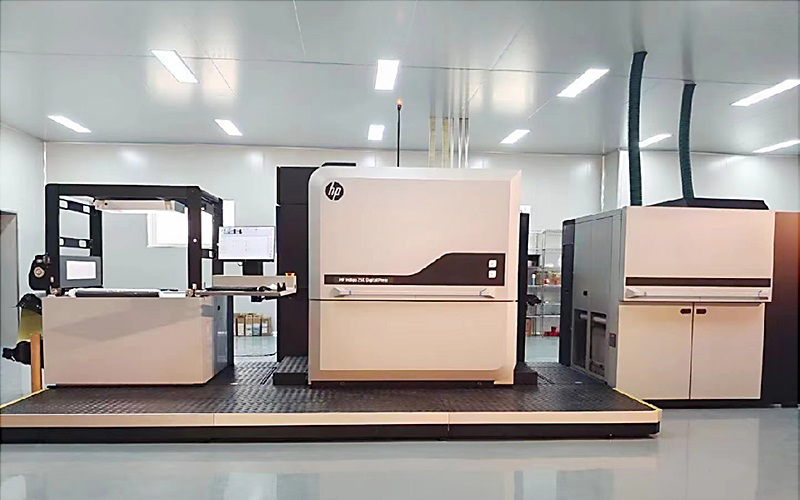
Our Foshan and Dongguan plants are BRCGS Food Safety and ISO 22000:2018 certified—ensuring every pouch meets rigorous global food contact standards with full traceability. We fit Swiss WIPF one-way valves as standard, delivering industry-leading technology for keeping freshness in our packaging. Our HP Indigo 25K digital press enables MOQ-free, plate-free runs with photorealistic print quality—perfect for limited editions, multi-SKU THC flavor runs, and rapid market testing.
With a 99.5% on-time delivery rate, we keep your production lines moving. Our recyclable and compostable pouches help you stay ahead of plastic regulations in the EU, UK, and North America—without compromising structural performance. You are welcome to visit YPAK.
May 2012: Established the first complete flexible packaging production line.
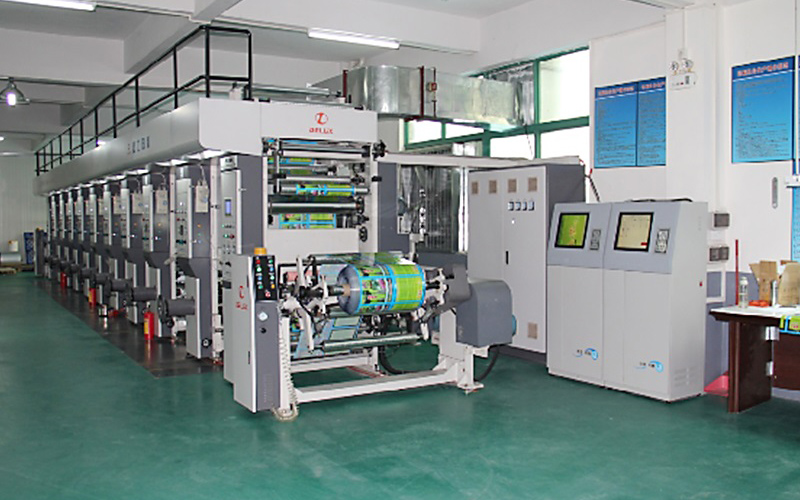
March 2016: Began to produce industry-leading flat bottom box pouches.
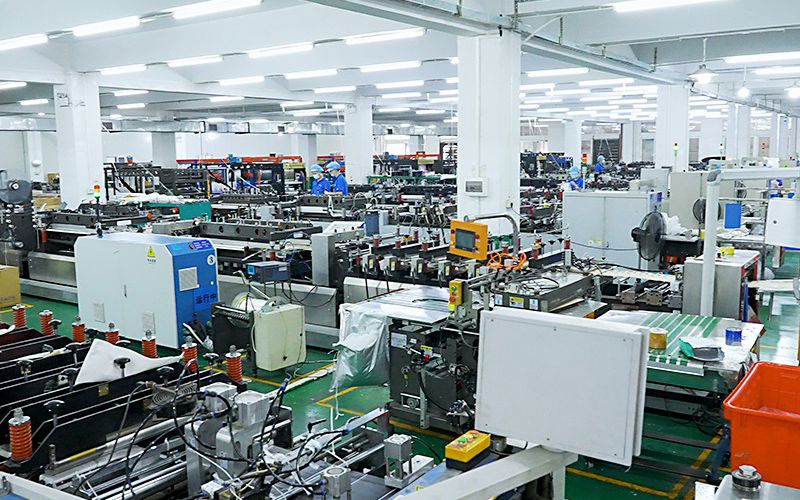
August 2017: Established the second high-capacity flexible packaging production line.
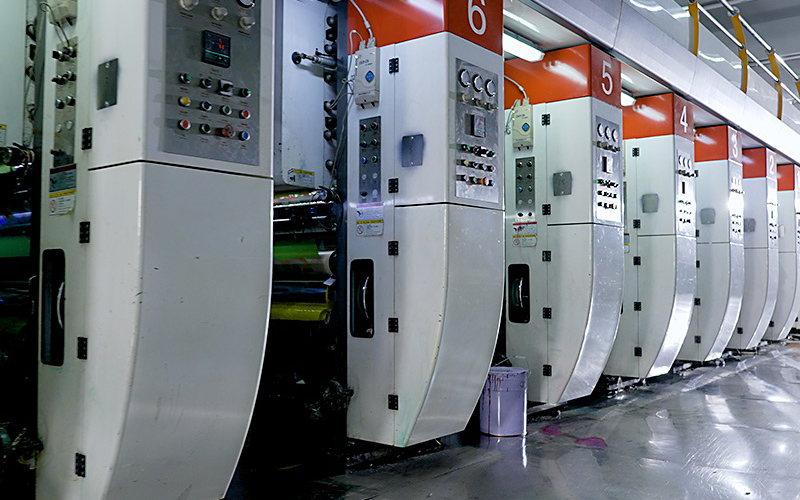
April 2018: Deployed solvent-free green composite lamination technology.
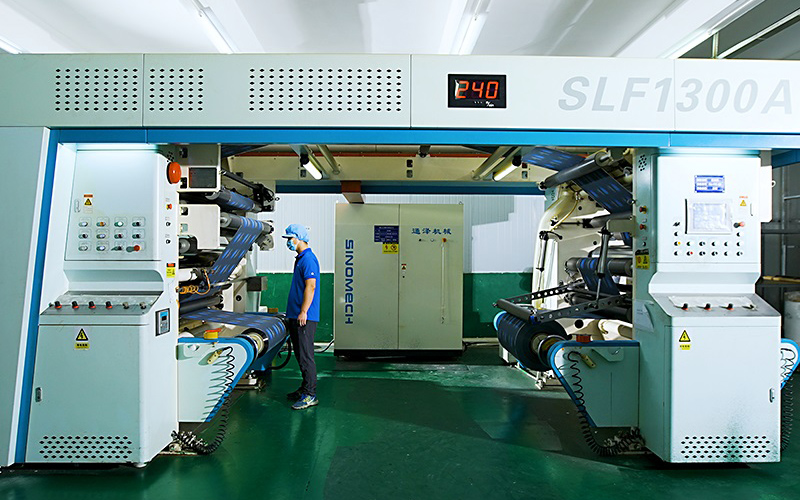
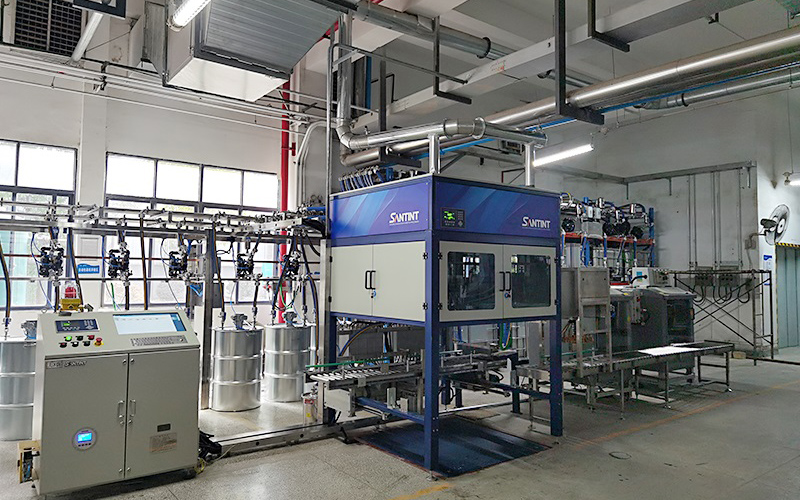
June 2020: Introduced automatic computer-controlled ink adjustment system.
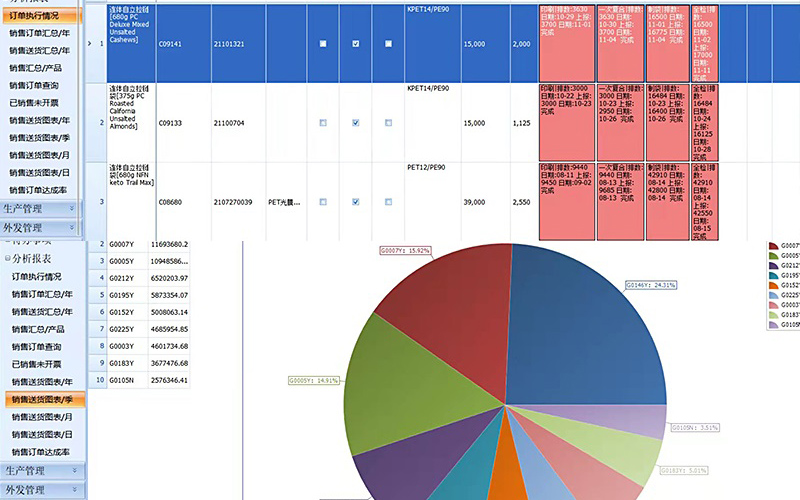
July 2020: Integrated intelligent ERP manufacturing production tracking system.
October 2021: Commissioned the HP INDIGO 25K digital press for plate-free fast turnaround.
Transparent communication, real-time quality assurance, and long-term customer partnerships.
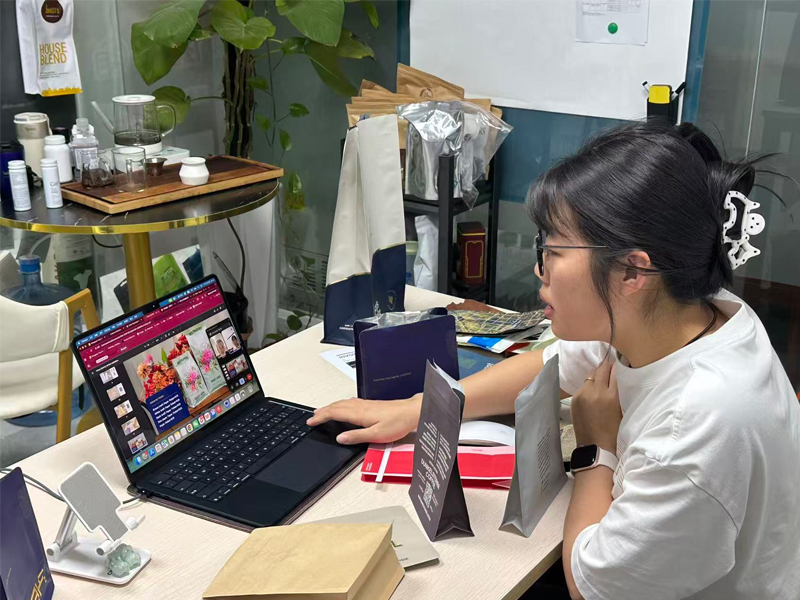
Improve procurement accuracy through real-time online video confirmation. One of the keys to meeting complex customer specifications is providing one-on-one virtual technical reviews before mass manufacturing.
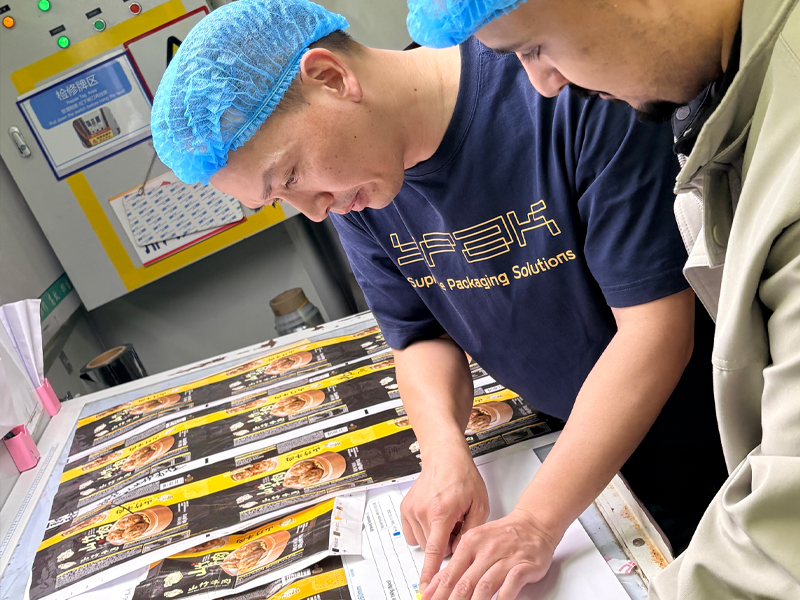
Ensures a seamless transition from proof approval to final factory output. We closely monitor each production stage, sending photo and video updates so customers visually verify quality and timeline progress.

Delivering robust post-delivery support enhances long-term partnership value. Through structured training and continuous feedback channels, we ensure complete client satisfaction across every shipped container.
Overcoming regional legal hurdles through tailored manufacturing engineering.
From California Bureau of Cannabis Control (BCC) opacity mandates to Colorado MED universal warning symbol positioning, YPAK provides exact pre-printed packaging compliance guaranteed not to fail state inspections.
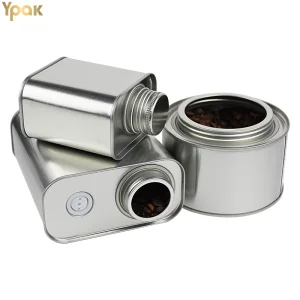
Our child-resistant stand-up pouches and tinplate cans comply with Health Canada Cannabis Regulations (SOR/2018-144), ensuring standardized tamper-evident features, strict matte finish opacity, and child-lock security.
All raw film resin, printing ink, and solvent-free lamination adhesives supplied by YPAK carry verified Certificate of Analysis (COA) documentation, adhering to strict migration limits under European legislation.
Technical insights from our R&D packaging specialists.
Explore our specialized flexible packaging, rigid tins, and high-adhesion labels.
 YPAK PACKAGING