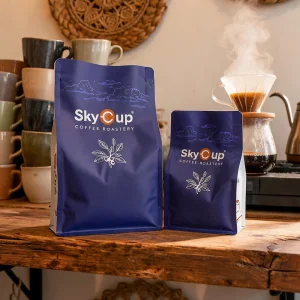
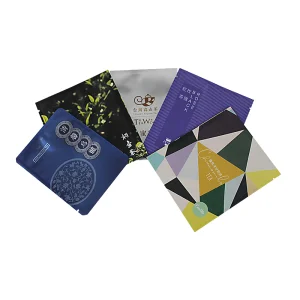
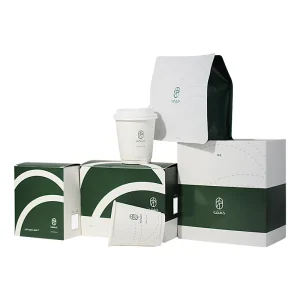
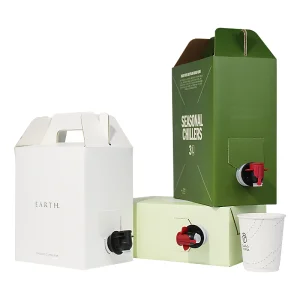
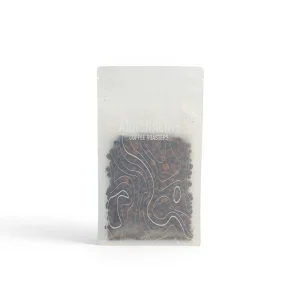
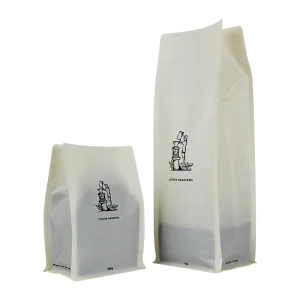
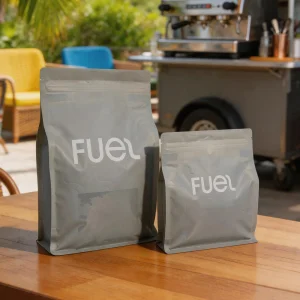
Explore our certified customizable products, engineered for performance, shelf impact, and sustainability.
Industrial analysis of shifting polymer legislation, Extended Producer Responsibility (EPR), and barrier technology.
The global specialty coffee sector is undergoing a profound structural shift. Driven by aggressive environmental mandates such as the European Union’s Packaging and Packaging Waste Regulation (PPWR) and North American state-level Extended Producer Responsibility (EPR) laws, roasters and commercial distributors are urgently replacing legacy multi-layer un-recyclable packaging (such as PET/ALU/PE laminates) with fully recyclable monomaterial alternatives.
However, transition within the coffee category presents unique technical hurdles. Freshly roasted coffee emits substantial volumes of carbon dioxide ($CO_2$)—up to 10 liters of gas per kilogram of coffee over a 14-day post-roast window—while remaining exceptionally susceptible to oxygen degradation, moisture ingress, and volatile aromatic compound loss. To achieve an acceptable commercial shelf life (typically 12 to 24 months) without compromising environmental compliance, modern brands require high-barrier monomaterial flexible packaging featuring integrated one-way degassing valves.
As a leading ISO 22000 and BRCGS food-safety certified manufacturer, YPAK PACKAGING GROUP sits at the forefront of this industrial evolution. By standardizing high-grade recyclable polyolefin structures (Mono-PE and Mono-PP) paired with advanced degassing valve technologies, YPAK eliminates the environmental penalty of traditional aluminum foil bags without surrendering aroma integrity or barrier performance.
Solving the OTR/MVTR Paradox through engineered EVOH polyolefin co-extrusions and precision valve mechanics.
Engineered with High-Density PE (HDPE) for structural stiffness and Linear Low-Density PE (LLDPE) for high-impact seal integrity. Incorporates embedded EVOH layers (<5% total polymer volume) to comply with RIC 4 recycling streams while providing ultra-low Oxygen Transmission Rates (OTR < 0.5 cc/m²/24hr).
Fitted with world-renowned Swiss WIPF one-way degassing valves as standard. The valve releases internal carbon dioxide gas pressure dynamically (opening at 2 to 5 mbar) while hermetically sealing out ambient oxygen, preventing oxidation of delicate coffee oils and lipids.
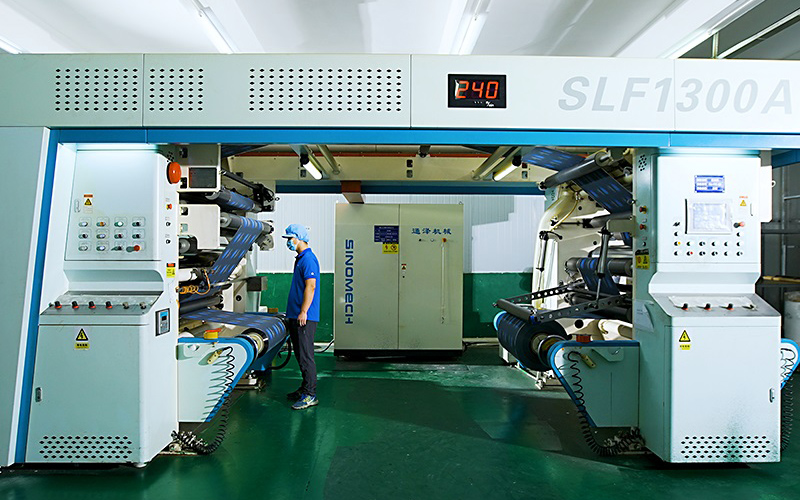
Utilizing 100% solvent-free adhesive processing line technology introduced in 2018. Eliminates volatile organic compound (VOC) emissions during production, prevents solvent retention risks, and dramatically enhances inter-laminar bond strength under heat-sealing stresses.
| Packaging Structure | Barrier Level (OTR / MVTR) | Recyclability Rating | EU PPWR Compliance | Environmental Lifecycle Impact |
|---|---|---|---|---|
| PET / ALU / PE (Legacy Standard) | Ultra-High (<0.1 OTR) | 0% (Landfill / Incineration) | Non-Compliant (Phased Out) | High Carbon Footprint & Raw Mining Impact |
| Monomaterial PE / EVOH-PE (YPAK Spec) | High (<0.5 OTR / <0.5 MVTR) | 100% Recyclable (RIC 4) | Fully Compliant (Class A) | 42% LCA Carbon Footprint Reduction |
| Kraft Paper / PE (Hybrid) | Moderate (1.5–3.0 OTR) | Conditional (Requires Layer Separation) | Restricted Criteria | Moderate - Fiber Recovery Challenges |
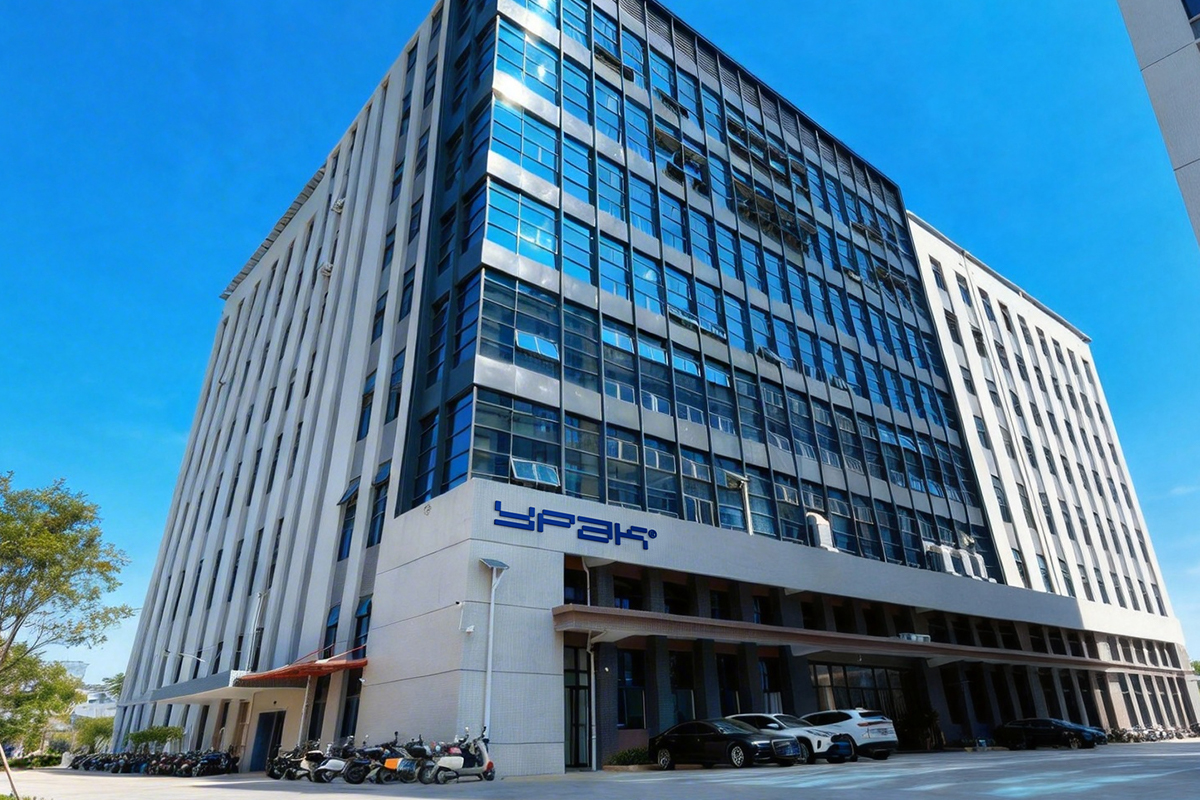
Discover YPAK Packaging Group: Advanced certified manufacturing facilities built on technical precision and global reliability.
A decade of continuous capital investment and technological elevation.
 2012
2012
First Production Line
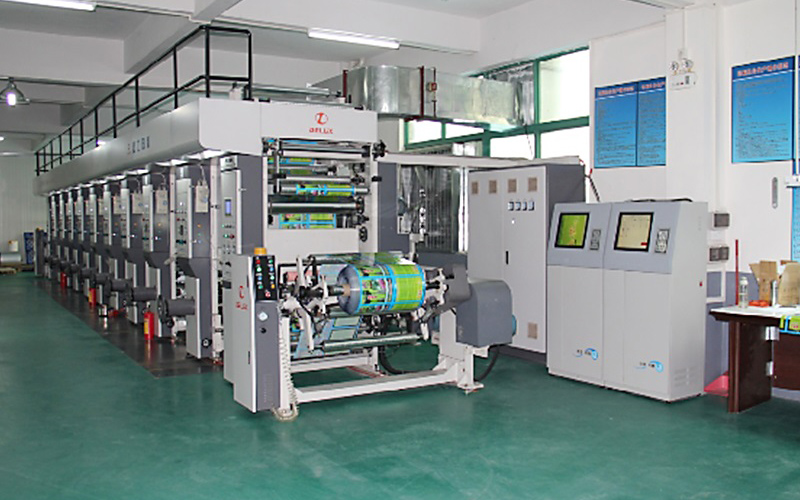
In May 2012, established the first complete flexible packaging production line.
 2016
2016
Flat Bottom Pouch Focus
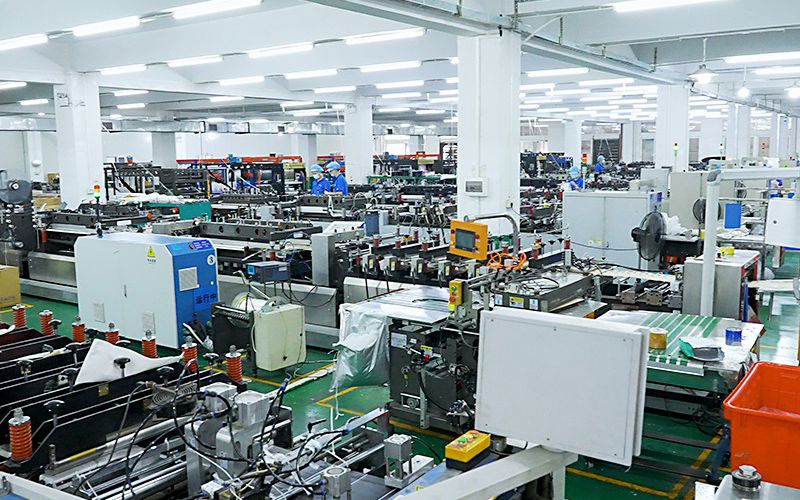
In March 2016, began manufacturing premium flat bottom box pouches for coffee.
 2017
2017
Facility Expansion
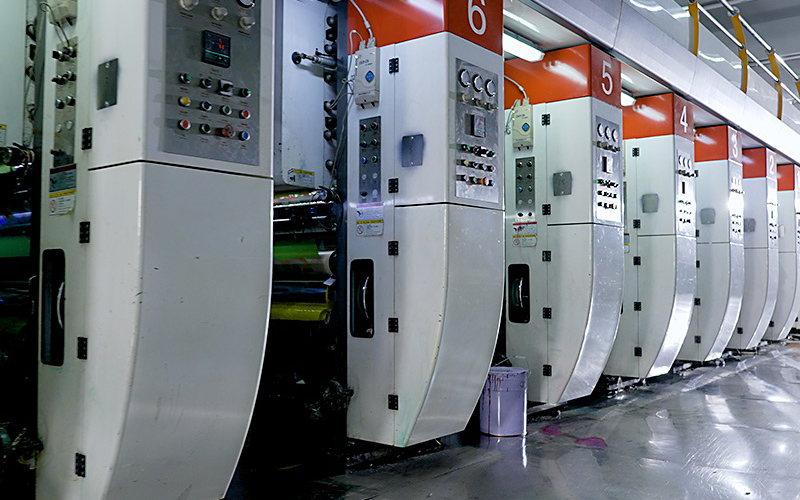
In August 2017, the second specialized production line was fully established.
 2018
2018
Solvent-Free Technology
April 2018, integrated clean solvent-free eco composite lamination technology.
 2020
2020
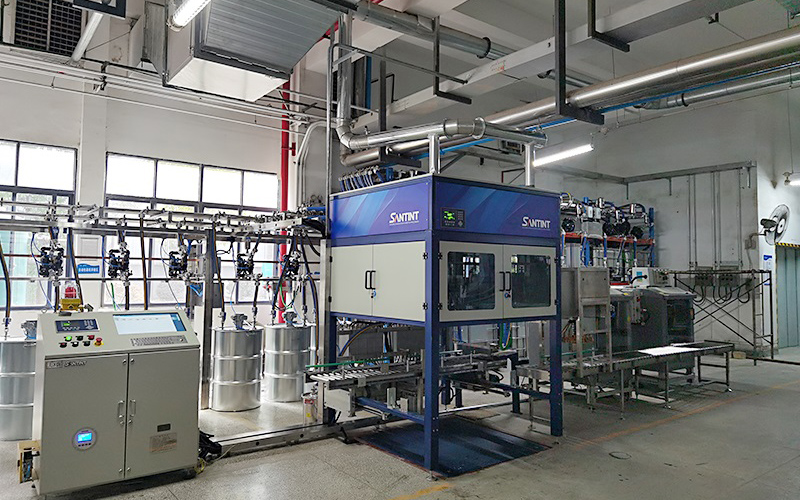
Automated Color Matching
In June 2020, introduced the state-of-the-art automatic ink adjustment system.
 2020
2020
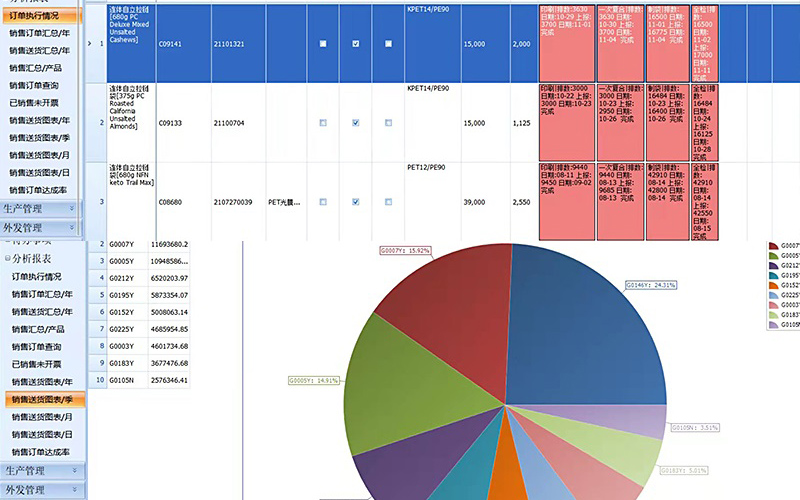
ERP Smart Operations
In July 2020, launched fully integrated ERP intelligent production control.
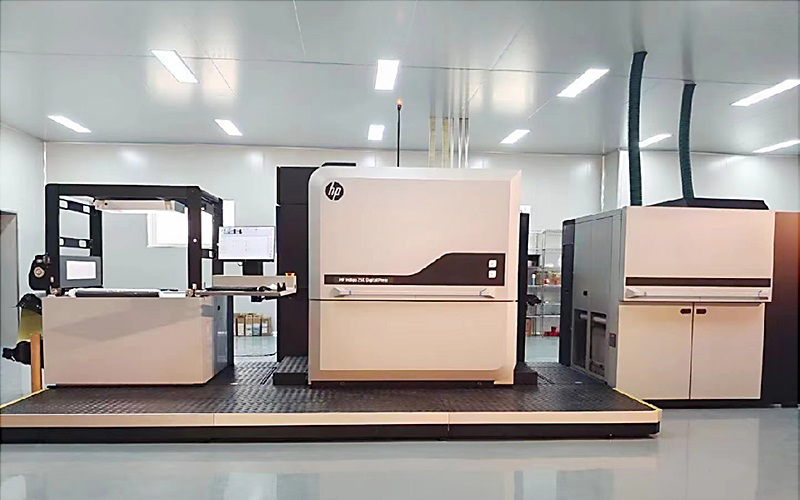
HP INDIGO 25K Digital Press Acquisition
In October 2021, introduced the industrial standard HP INDIGO 25K digital printing machine, opening ultra-customization without cylinder plate costs.
Transparent, technology-driven workflow management from artwork proofing to post-delivery assurance.
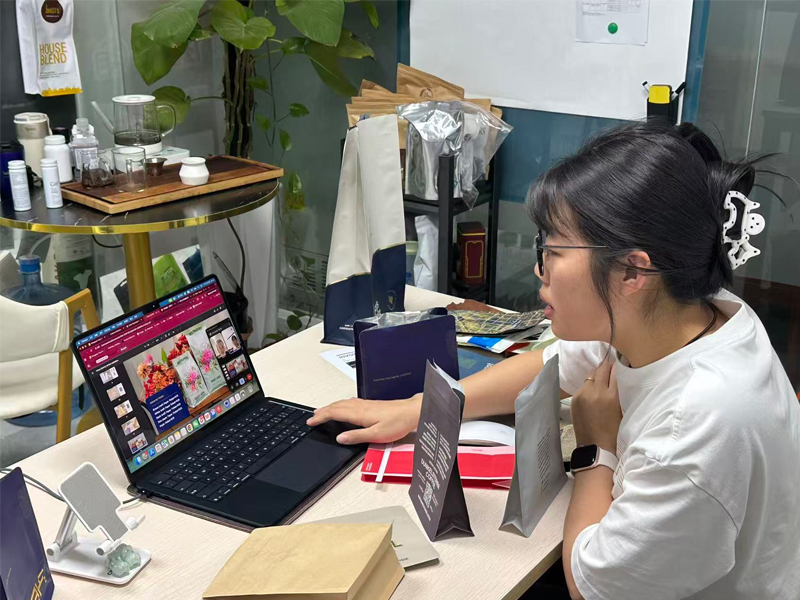
Improve customer experience through online video confirmation. One of the keys to meeting customer needs is providing excellent pre-sales consultation. Traditionally, selecting materials presented guesswork. With our one-on-one digital video verification, roasters inspect sample finishes, valve placement, and color matching under dynamic lab lighting before physical press runs.
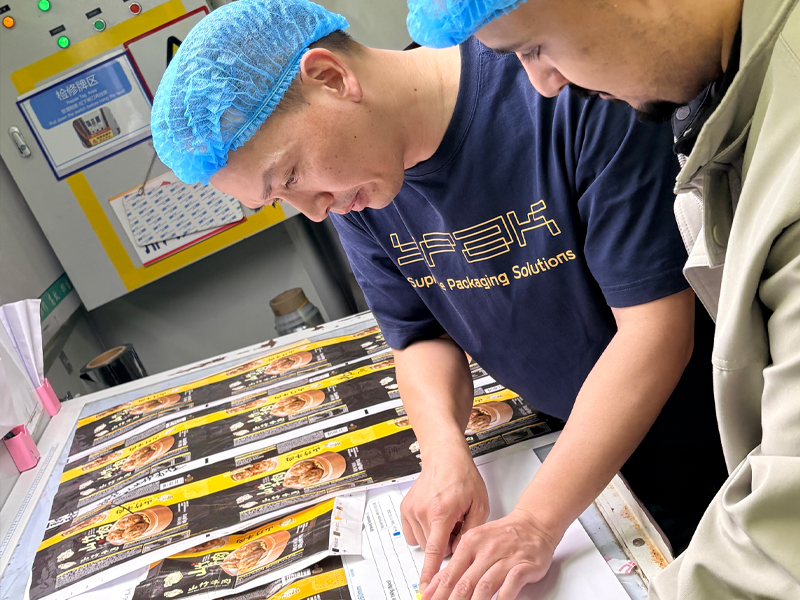
We provide exceptional mid-sale tracking to ensure a seamless transition from order booking to dispatch. Maintaining tight control over the production process, we closely monitor each conversion stage. Clients receive automated ERP status photos and videos of lamination, slitting, and pouch conversion to guarantee absolute peace of mind.
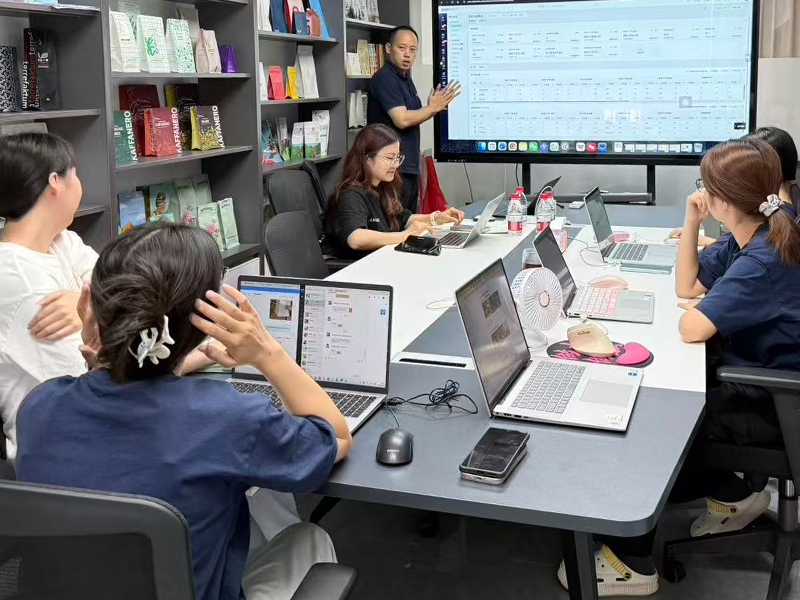
Our dedicated post-sale commitment enhances long-term partnerships. Every batch contains embedded tracking codes linking to manufacturing logs, film lot numbers, and seal burst pressure test metrics. By maintaining structured feedback channels, YPAK guarantees zero-defect accountability and rapid warranty resolution worldwide.
In-depth technical answers for packaging engineers, brand managers, and commercial coffee buyers.
YPAK’s monomaterial coffee bags utilize advanced co-extruded High-Density and Linear Low-Density Polyethylene (HDPE/LLDPE) combined with a ultra-thin Ethylene Vinyl Alcohol (EVOH) barrier core. Because the EVOH layer remains under 5% of the bag's total mass, the pouch is classified as 100% recyclable in the RIC 4 (LDPE) recycling stream according to EU and US guidelines, while keeping Oxygen Transmission Rates (OTR) under 0.5 cc/m²/24hr.
After roasting, coffee beans release significant amounts of $CO_2$ gas over several weeks. Without a degassing valve, sealed bags will swell and rupture. The Swiss WIPF one-way valve allows internal gas to escape when internal pressure reaches 2–5 mbar, while preventing external oxygen from entering and staling roasted coffee oils.
Traditional flexographic or rotogravure printing requires expensive copper/polymer cylinder plates per color and high Minimum Order Quantities (often 10,000+ units). YPAK’s HP Indigo 25K digital press eliminates plate fees entirely, allowing roasters to print ultra-high-definition graphics with zero MOQs—ideal for micro-lots, seasonal roasts, and private label testing.
YPAK manufacturing units in Dongguan and Foshan operate under BRCGS (Global Standard for Packaging Materials) and ISO 22000:2018 Food Safety Management System certifications. Raw materials strictly comply with US FDA 21 CFR 177.1520 and EU Regulation No. 10/2011 food contact requirements.
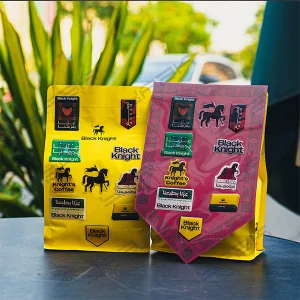
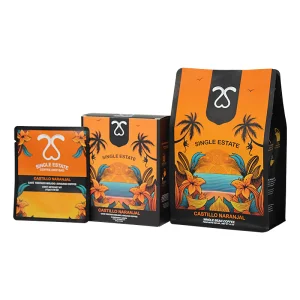
We manufacture Recyclable Flat Bottom Bags (Box Pouches), Stand-Up Pouches (Doypack), Side Gusset Bags, and Quad-Seal Bags. All formats can be fitted with pocket zippers, press-to-close recyclable PE zippers, and internal Swiss WIPF valves.
Browse our expanded lines including bag-in-box, specialty coffee pouches, and secondary custom branding solutions.
 YPAK PACKAGING