Engineered Polyolefin Solutions, High-Barrier Laminates & Sustainable Flexible Packaging for Global Enterprises
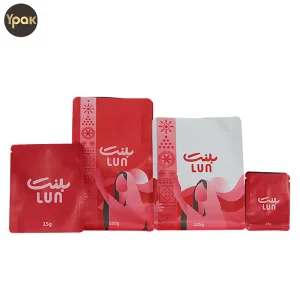
Explore our flagship flexible barrier pouches, precision valve integrations, and custom branded packaging engineered for maximum shelf life.
An authoritative analysis of flexible polymer engineering, international compliance mandates, and next-generation polymer supply chains.
The global market for custom poly bag packaging has undergone a fundamental structural transformation. Driven by stringent global environmental regulations—such as the European Union’s Packaging and Packaging Waste Regulation (PPWR) and Extended Producer Responsibility (EPR) frameworks in North America—the sourcing paradigm for B2B buyers has evolved from simple unit-cost procurement to sophisticated material science evaluation and lifecycle compliance.
Modern commercial polymer packaging encompasses a diverse matrix of substrates, ranging from traditional Low-Density Polyethylene (LDPE) and High-Density Polyethylene (HDPE) to high-barrier mono-material laminates (Mono-PE/Mono-PP) and certified compostable aliphatic-aromatic co-polyesters (PBAT/PLA). Selecting qualified custom poly bag packaging suppliers and factories requires granular understanding of barrier economics, thermal seal integrity, and carbon footprint metrics.
Mandatory transition toward mono-material structures (PE/PE or PP/PP) to enable closed-loop mechanical recycling without layer separation costs.
Replacement of thick aluminum foils with vacuum-deposited AlOx (Aluminum Oxide) and SiOx (Silicon Oxide) ultra-thin coatings for transparent high-barrier protection.
Integration of hybrid digital presses (such as HP Indigo 25K) eliminating cylinder costs, permitting micro-segmentation and hyper-customized brand SKUs.
Empirical data comparison for procurement engineers evaluating MVTR (Moisture Vapor Transmission Rate) and OTR (Oxygen Transmission Rate).
| Material Composition | Structure Category | OTR (cc/m²/24hr) | WVTR (g/m²/24hr) | Recyclability Grade | Primary Industrial Application |
|---|---|---|---|---|---|
| PET / AL / LLDPE | High-Barrier Foil Laminate | < 0.1 | < 0.1 | Landfill / Thermal Recovery | Specialty Coffee, Processed Meats, Chemicals |
| MDO-PE / PE-EVOH / PE | Recyclable Mono-PE | < 0.5 | < 1.2 | RIC 4 (PE Recycling Stream) | Organic Foods, Specialty Coffee, Pet Care |
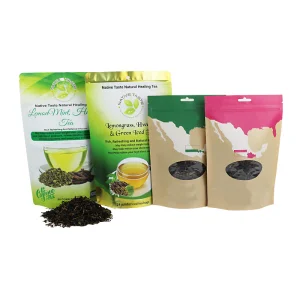
| Kraft Paper / VMPET / PE | Paper-Plastic Hybrid | < 1.5 | < 1.0 | Specialized Separation | Artisanal Tea, Dry Nuts, Confectionery |
| Kraft Paper / PLA / PBAT | 100% Bio-Compostable | < 15.0 | < 25.0 | EN 13432 / ASTM D6400 | Short Shelf-Life Bakery, Fast Logistics |
| OPP / CPP | Mono-PP Standard | < 1200 | < 5.0 | RIC 5 (PP Recycling Stream) | Apparel, Hardware, Fresh Produce Poly Bags |
A Premier Custom Poly Bag & Flexible Packaging Manufacturing Enterprise
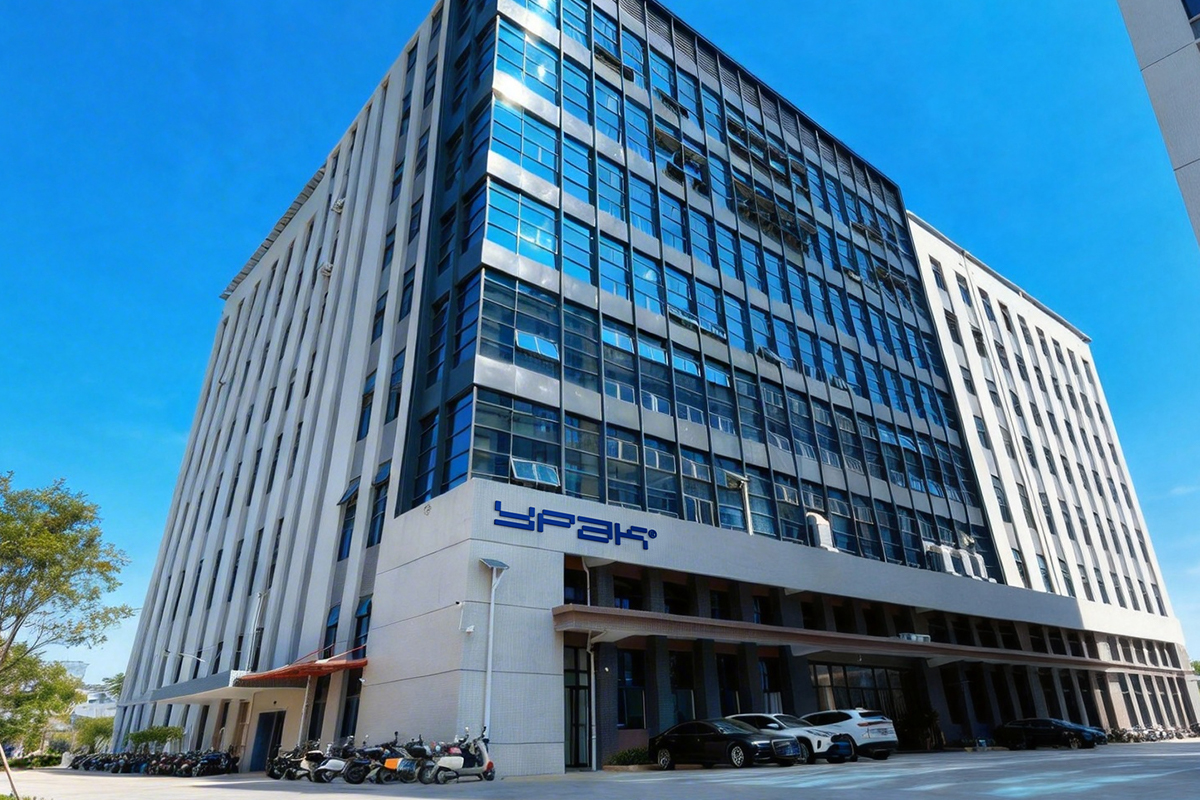
Founded in 2011, YPAK operates three advanced facilities across Hong Kong, Dongguan, and Foshan, emerging as one of China’s leading custom coffee bag and technical poly bag manufacturers.
Our Foshan and Dongguan plants are BRCGS Food Safety and ISO 22000:2018 certified—ensuring every pouch and flexible packaging film meets rigorous global food contact standards with full end-to-end traceability. We fit Swiss WIPF one-way degassing valves as standard, delivering industry-leading technology for preserving freshness in sensitive dry foods and coffee roast profiles.
Our state-of-the-art HP Indigo 25K digital press enables MOQ-free, plate-free runs with photorealistic print quality—perfect for limited editions, market testing, and micro-customization. With a 99.5% on-time delivery rate, we keep your commercial production lines moving seamlessly. Our recyclable and compostable pouches help your brand stay ahead of regulatory demands across the EU, UK, and North America without sacrificing performance.
Over a decade of continuous technological upgrading and facility expansion
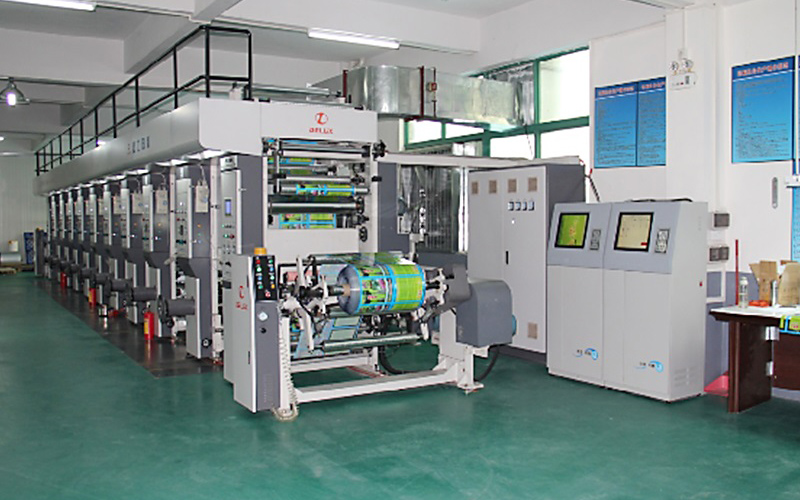
In May 2012, commissioned the first complete high-speed flexible packaging production line.
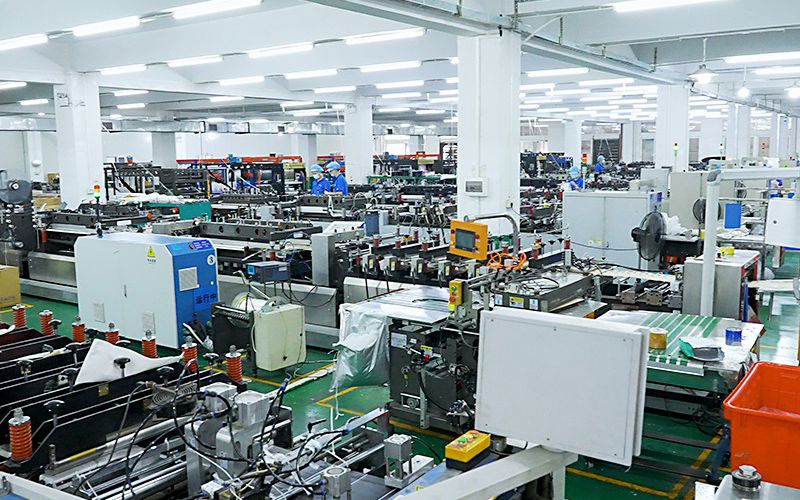
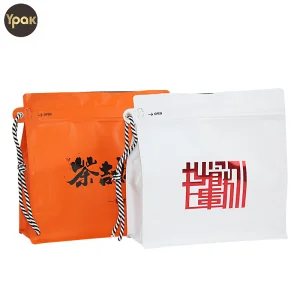
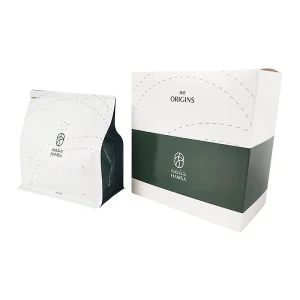
In March 2016, pioneered production lines for flat bottom box pouches with quad-seal stability.
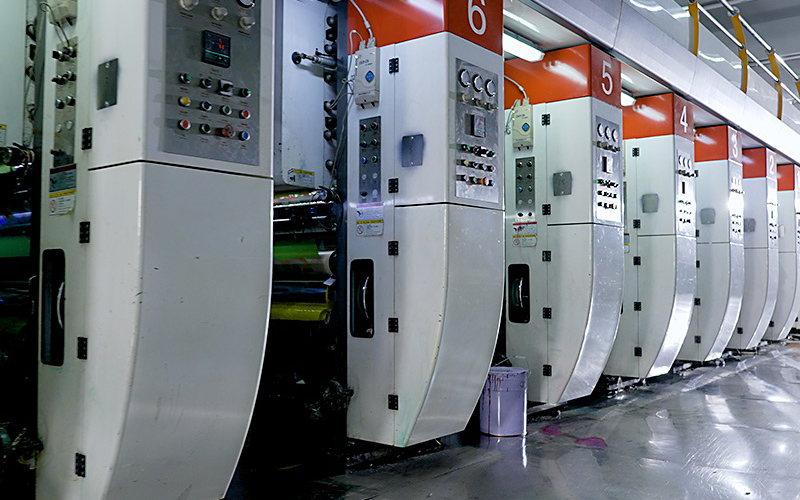
In August 2017, established our second automated manufacturing facility to meet global demand.
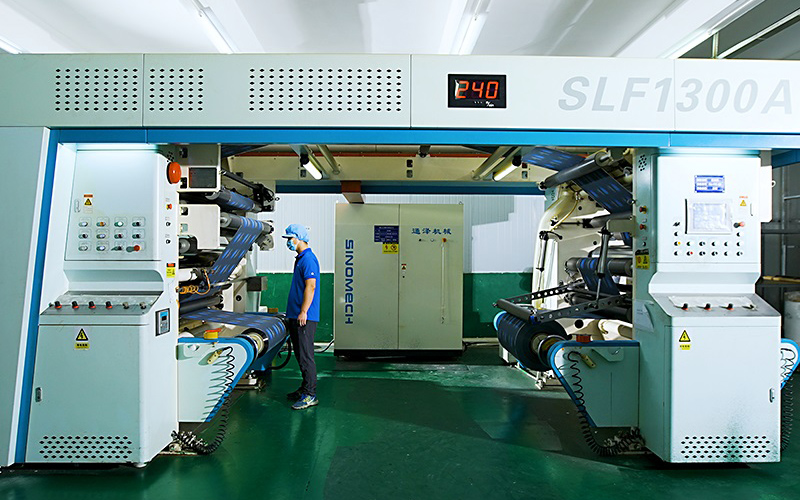
In April 2018, fully transitioned to 100% solvent-free composite lamination technology.
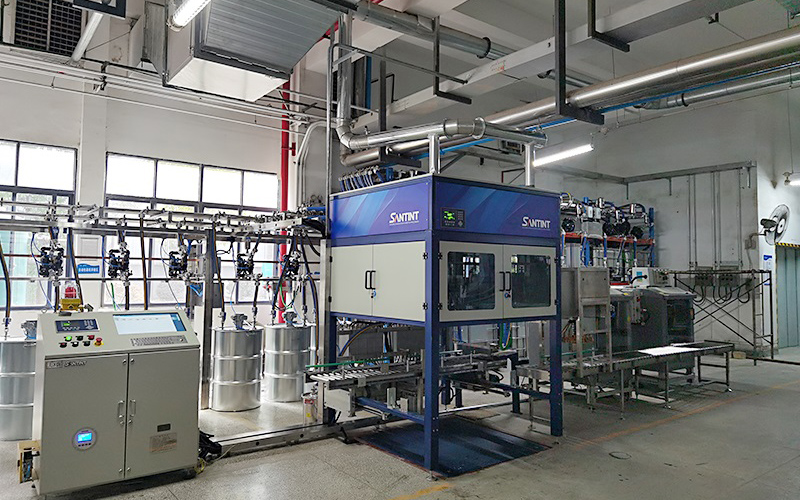
In June 2020, integrated an automated closed-loop ink dispensing system for delta-E precision.
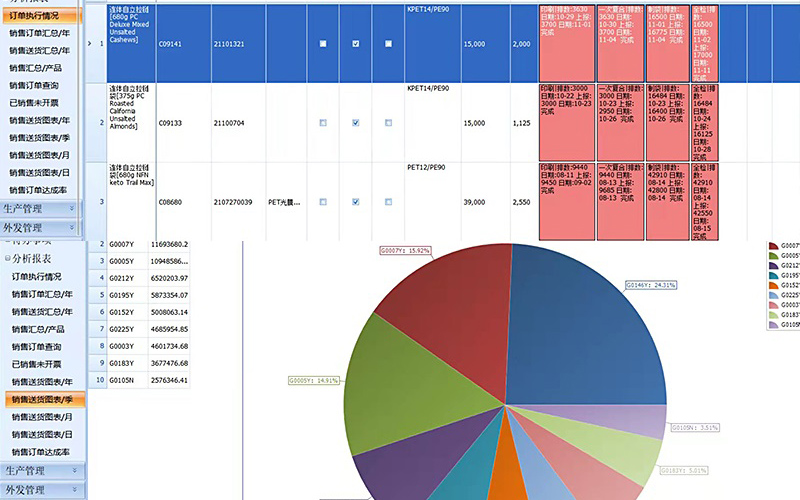
In July 2020, deployed an enterprise ERP manufacturing control system for real-time tracking.
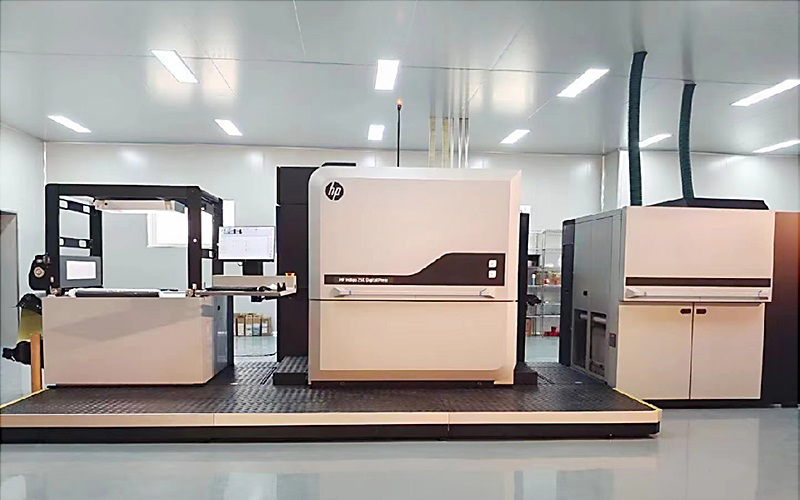
In October 2021, introduced the flagship HP INDIGO 25K digital press for plate-free production.
How YPAK maintains zero-defect quality and total transparency throughout the customer journey.
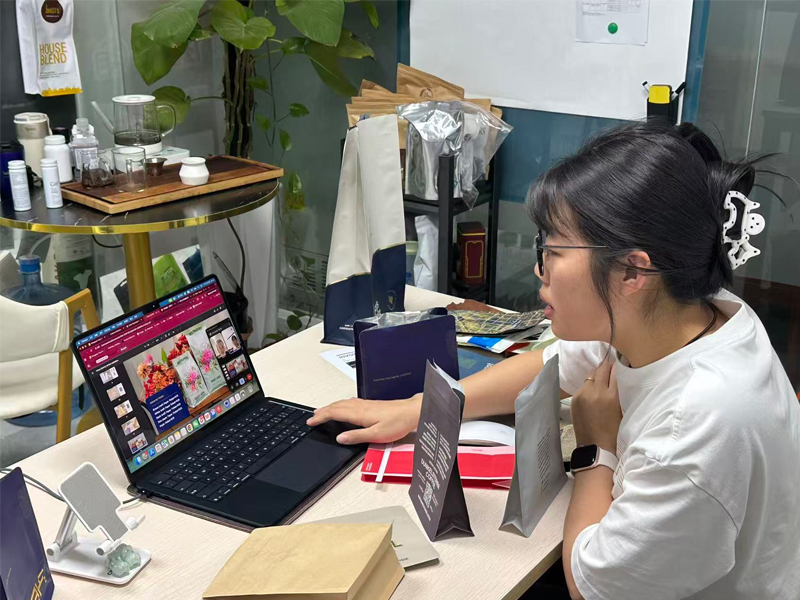
Online Video Confirmation & Proofing: We provide dedicated one-on-one engineering consultation to resolve complex material matching, sizing, and valve specs before production. Online video proofing eliminates guesswork and shortens approval cycles.
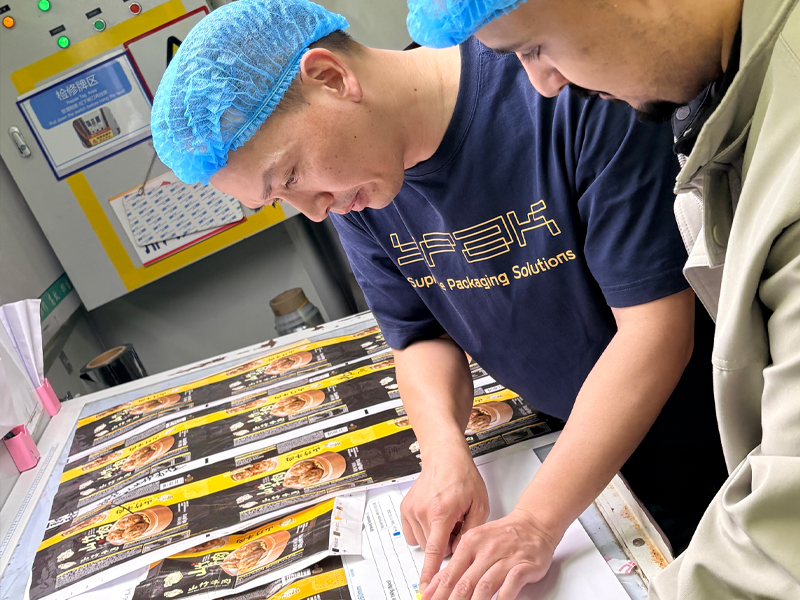
Real-Time Quality Supervision: We maintain full control over each manufacturing milestone—from resin extrusion to lamination and slitting. Clients receive live video logs, optical inspection reports, and production progress tracking.
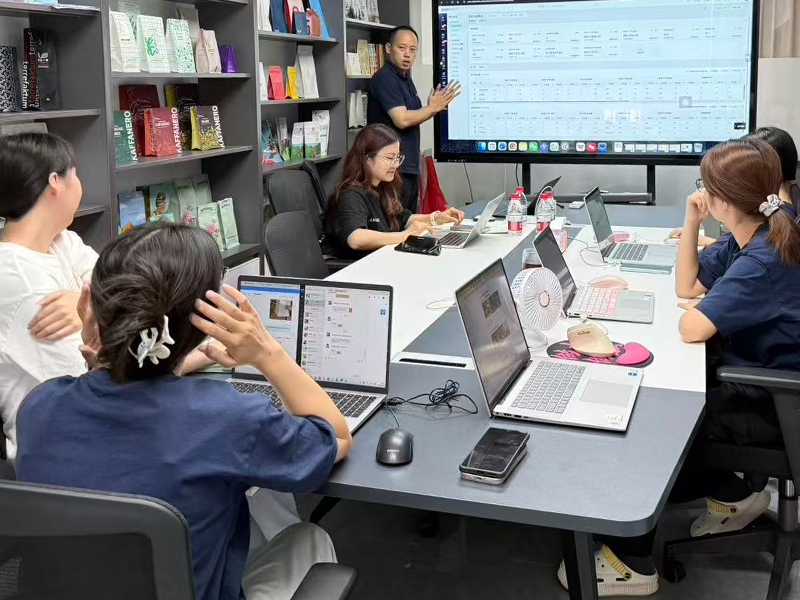
Lifecycle Satisfaction Guarantee: We stand firmly behind every delivery. Our feedback loops, dedicated support teams, and standardized claims protocols ensure continuous optimization for reorders and long-term brand success.
Custom structural engineering designed to address unique barrier, physical integrity, and shelf-appeal demands.
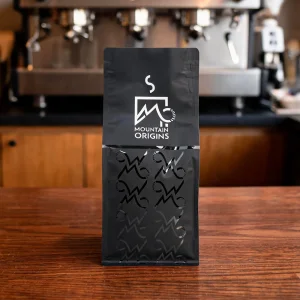
Coffee beans emit carbon dioxide post-roasting while remaining highly vulnerable to oxygen ingress and moisture degradation. Our solution embeds genuine Swiss WIPF one-way degassing valves paired with high-barrier aluminum foil or Mono-PE laminates. Side-seal zippers, pocket zippers, and tin-ties provide convenient consumer reclosure while preserving delicate aromatic volatiles.
Hygroscopic powders require strict water vapor protection to prevent clumping and active ingredient degradation. We utilize high-density linear polyolefin blends combined with anti-static inner sealant layers. This prevents powder cling in the seal area, guaranteeing 100% hermetic thermal seals across automatic Form-Fill-Seal (FFS) lines.
Large volume formats (5kg to 20kg) suffer high risk of drop-impact failure and puncture. Our custom poly bags utilize metallocene-catalyzed polyethylene (mPE) co-extrusions that boost tensile strength and puncture resistance by over 40% compared to standard LDPE, safeguarding products across complex distribution networks.
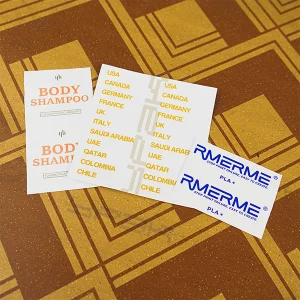
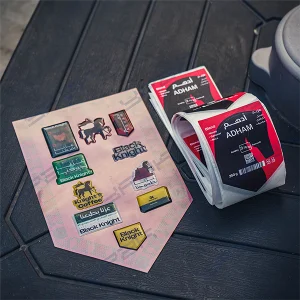
Differentiate product presentation with specialized surface finishing. We offer spot matte varnish, tactile soft-touch textures, metallic foil stamping, and high-precision 3D UV transparent transfer logos that deliver a luxury tactile feel directly on flexible poly substrates.
Strategic innovation vectors shaping the next decade of sustainable, smart flexible packaging.
Integrating 30% to 50% GRS-certified PCR poly resins into the core layer of multi-layer co-extrusions without sacrificing seal strength or food contact safety compliance under FDA and EU framework standards.
Incorporating invisible digital watermarking (such as HolyGrail 2.0 initiatives) within printed designs to enable high-speed automated sorting at recycling facilities worldwide.
Advancing next-generation biopolymers derived from non-food starch sources (TÜV OK Compost Home certified) that degrade completely into water, CO2, and biomass within 26 weeks under ambient conditions.
Critical considerations answered by YPAK packaging engineers for B2B procurement managers.
Traditional laminates combine incompatible plastics (such as PET outer films glued to PE sealants), making mechanical recycling impossible without complex chemical separation. High-barrier Mono-PE utilizes Machine Direction Oriented Polyethylene (MDO-PE) laminated to standard sealant PE, offering full kerbside recyclability (RIC 4) while incorporating high-barrier coatings to match historical shelf-life standards.
Freshly roasted coffee releases significant volumes of carbon dioxide gas. The Swiss WIPF one-way valve features a micro-membrane and silicon oil seal that allows gas to vent automatically from inside the sealed bag when pressure builds up. Crucially, it prevents ambient oxygen and humidity from entering, halting lipid oxidation and preserving fresh flavor profiles.
Digital printing (such as via our HP Indigo 25K) carries zero printing plate setup fees, making it cost-effective for short-to-medium runs (100 to 10,000 units), SKU variations, or rapid market testing. Rotogravure printing requires an initial investment in metal cylinders per color/layer, but offers significantly lower per-unit costs for high-volume production runs exceeding 20,000 units.
For food contact applications, demand accredited third-party certifications including BRCGS (Global Standard for Packaging Materials), ISO 22000:2018, and FDA 21 CFR 177 compliance test reports. For sustainable claims, look for GRS (Global Recycled Standard) for post-consumer recycled contents, or TÜV Austria OK Compost Home/Industrial certification for bio-based bags.
YPAK utilizes advanced solvent-free lamination technology paired with computerized tension control. Thermal seal integrity is continuously monitored via ASTM F88 burst-strength testing and vacuum bubble leak testing during production runs, yielding an industry-leading pin-hole failure rate of less than 0.1%.
Yes. By specifying specialized linear low-density polyethylene (LLDPE) and metallocene modifiers, our custom poly bags retain flexible polymer chain mobility at temperatures as low as -30°C (-22°F), preventing cold-shatter and seal embrittlement in frozen food supply chains.
Discover our complete portfolio of eco-friendly packaging sets, UV transfer logos, and custom structural pouches.
 YPAK PACKAGING