Explore our industrial-grade flexible packaging solutions including degassing valves, flat bottom pouches, recyclable mono-PE, and compostable films.
Analyzing high-barrier polymer science, shelf-life extension, and global supply chain compliance for enterprise buyers.
In the modern global food distribution ecosystem, selecting an authoritative custom plastic food bags supplier & suppliers is no longer merely a procurement transaction—it is a critical determinant of product integrity, shelf-life performance, brand equity, and regulatory compliance. Flexible plastic food packaging has evolved into a highly engineered discipline combining advanced polymer chemistry, multi-layer co-extrusion, precision barrier design, and sustainable end-of-life circularity.
Whether preserving the delicate volatile aromatic compounds of specialty roasted coffee, safeguarding functional nutraceutical powders against humidity, or ensuring modified atmosphere packaging (MAP) stability for snack foods and cannabis products, modern packaging must execute multiple technical functions simultaneously. Suppliers must demonstrate proven mastery over Water Vapor Transmission Rates (WVTR), Oxygen Transmission Rates (OTR), puncture resistance, structural seal integrity, and migration safety under stringent food contact frameworks such as US FDA 21 CFR, EU Regulation (EC) No 1935/2004, and BRCGS Global Standards.
Understanding laminate construction for extended product shelf life and chemical stability.
Utilizing PET/AL/PE or PET/VMPET/PE co-extrusions to deliver absolute light blockage, zero oxygen ingress, and zero moisture permeability—essential for specialty coffee roasted beans, sensitive dairy solids, and active nutraceuticals.
Engineered with MDO-PE (Machine Direction Oriented Polyethylene) paired with low-temperature heat seal PE resins or EVOH coatings. Fully compliant with RIC 4 recycling streams, fulfilling EU 2030 circular economy directives without sacrificing freshness.
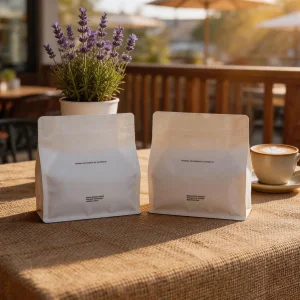
Formulated from Kraft paper combined with PLA (Polylactic Acid), PBAT, or certified cellulose substrates (EN 13432 & ASTM D6400 certified). Naturally degrades into organic humus without microplastic residue.
| Packaging Structure | Barrier Properties (OTR / WVTR) | Recyclability & Sustainability | Primary Food Applications |
|---|---|---|---|
| PET / AL / PE (Traditional Foil) | Ultra High (< 0.1 cc / < 0.1 g) | Non-recyclable (Landfill / Energy Recovery) | Whole bean coffee, milk powder, long shelf-life items |
| MDO-PE / EVOH-PE (Mono-Material) | High Barrier (< 0.5 cc / < 0.8 g) | 100% Recyclable (PE Stream #4) | Organic snacks, specialty roasted coffee, dry foods |
| Kraft Paper / NK / PLA (Bio-based) | Medium Barrier (< 2.0 cc / < 3.5 g) | 100% Biodegradable & Compostable | Short-cycle coffee, gourmet teas, artisanal bakeries |
| PET / VMPET / LLDPE (Standard Barrier) | High Barrier (< 0.8 cc / < 1.0 g) | Standard Flexible Stream | Confectionery, snacks, cannabis bags, pet treats |
Why sourcing custom plastic food bags from premier Chinese industrial hubs provides unmatched cost efficiency, innovation, and scaling.
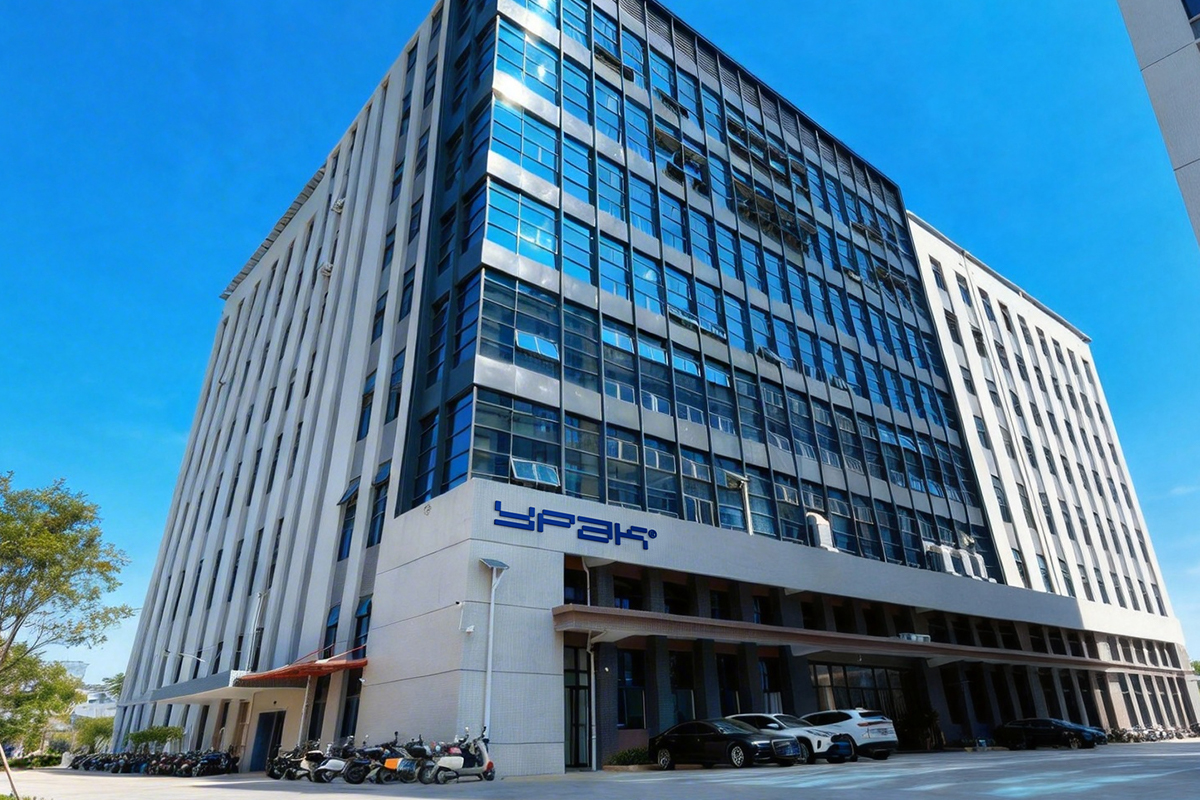
China's Guangdong province—specifically the manufacturing corridors of Foshan and Dongguan—represents the global epicenter of flexible packaging technology. By integrating raw resin polymer synthesis, solvent-free adhesive formulation, high-precision cylinder engraving, and advanced pouch-making machine fabrication into localized clusters, Chinese suppliers offer unparalleled lead-time advantages.
Procuring directly from certified Chinese manufacturers allows international enterprise buyers to leverage massive economies of scale, cutting unit packaging costs by 25% to 45% compared to regional Western converters, while achieving equal or superior quality standards verified by third-party testing.
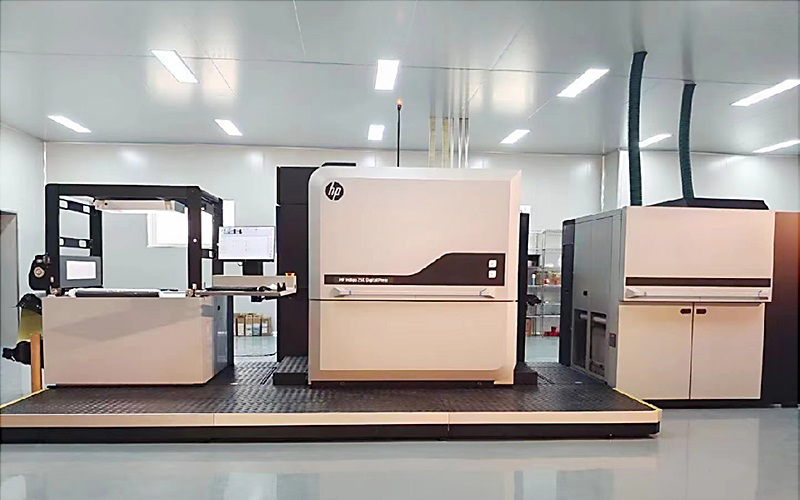
Leading Chinese custom plastic food bag factories have invested heavily in state-of-the-art printing machinery. The introduction of 10-color electronic shaft-less rotogravure presses allows high-volume production speeds exceeding 350 meters per minute with microscopic color registration accuracy.
Simultaneously, the deployment of industrial digital printing hardware—such as the HP Indigo 25K Digital Press—eliminates traditional cylinder engraving fees, enabling zero-MOQ, multi-SKU product runs, dynamic variable data printing, and ultra-fast market testing for boutique and enterprise brands alike.
Navigating global plastics regulations, EPR compliance, and technological advancements in food protection.
With the European Union's Packaging and Packaging Waste Regulation (PPWR) mandating that all packaging be recyclable by 2030, food brands are rapidly pivoting away from multi-material non-recyclable laminates. Top-tier suppliers are leading the transition with tested Mono-PE and PCR (Post-Consumer Recycled) resin incorporations.
For roasted coffee and active fermented food products, out-gassing of carbon dioxide (CO2) can rupture sealed bags if unmanaged. Integrating genuine Swiss WIPF or high-precision internal one-way degassing valves allows gas release while preventing oxygen ingress, maintaining peak aroma.
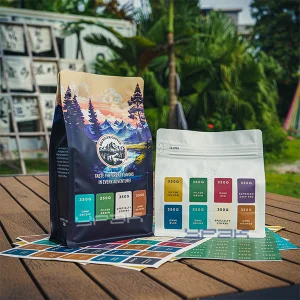
Modern consumers respond strongly to sensory touch. Advanced custom suppliers utilize selective 3D UV spot varnish, soft-touch rough matte finishes, metallic hot stamping, and transparent window cutouts to amplify shelf presence in premium retail environments.
Tailored packaging engineering across diverse food, beverage, and specialized consumable market segments.
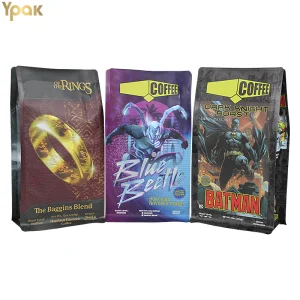
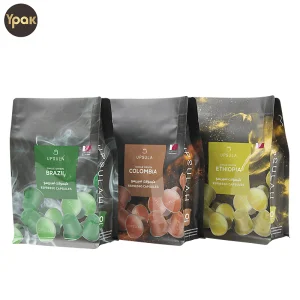
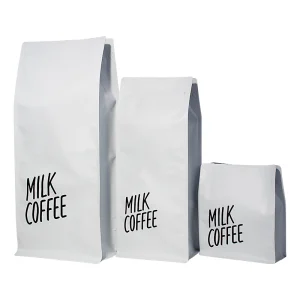
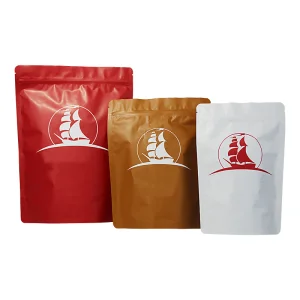
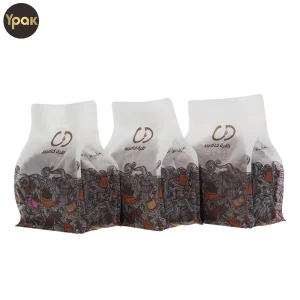
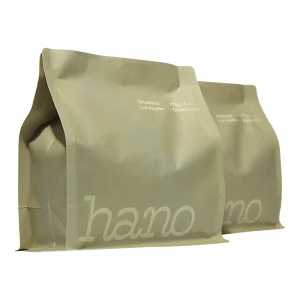
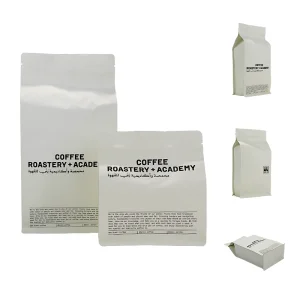
Flat bottom box pouches with side zippers and one-way degassing valves. Protects lipid oxidation in coffee beans and prevents moisture degradation in sensitive green tea leaves.
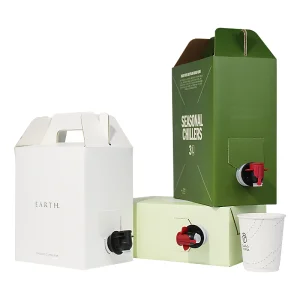
High-puncture-strength Bag-in-Box (BIB) and spouted stand-up pouches designed for wines, edible oils, purified water, and liquid seasonings. Prevents stress cracking during transit.
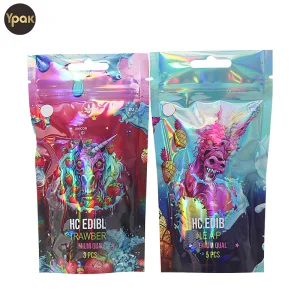
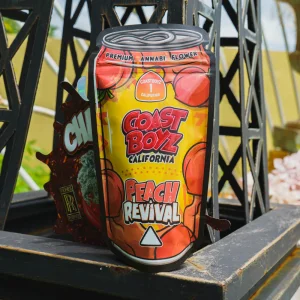
Child-resistant certified press-to-close zippers paired with high-barrier opaque Mylar structures. Ensures compliance with local legal requirements and total aroma containment.
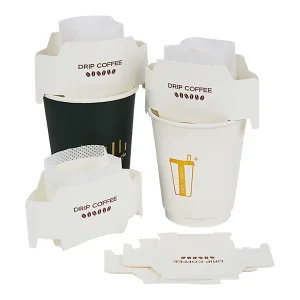
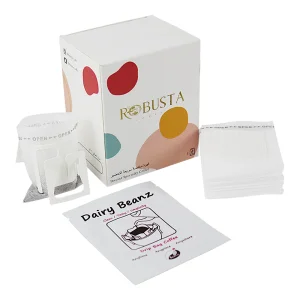
Precision non-woven filter materials paired with nitrogen-flushed outer foil envelopes. Designed for outdoor travel, office convenience, and hospitality use.
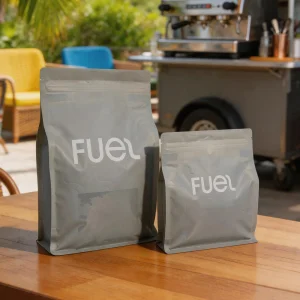
Heavy-duty quad-seal and flat-bottom bags with slider zippers and reinforced cross-laminations to withstand multi-kilogram loads without drop failure.
Resealable stand-up pouches featuring anti-fog windows, tear notches, and high-clarity gloss films designed for impulse retail impulse buying.
A decade of manufacturing excellence, certified food safety compliance, and technological leadership.
Founded in 2011, YPAK PACKAGING GROUP operates three state-of-the-art facilities located across Hong Kong, Dongguan, and Foshan, establishing itself as one of China's leading custom flexible food packaging manufacturers. Our Foshan and Dongguan plants hold prestigious BRCGS Food Safety Grade AA and ISO 22000:2018 certifications—guaranteeing that every pouch manufactured meets the world's most rigorous direct food contact standards with 100% batch traceability.
We fit industry-leading Swiss WIPF one-way degassing valves as standard equipment for our coffee packaging series, preserving unmatched bean freshness. Furthermore, our investment in the HP Indigo 25K digital press allows plate-free, low-MOQ runs with photorealistic printing fidelity—helping brands bring limited-edition products to market swiftly. Supported by a 99.5% verified on-time delivery metric, YPAK ensures your continuous production lines never stall.
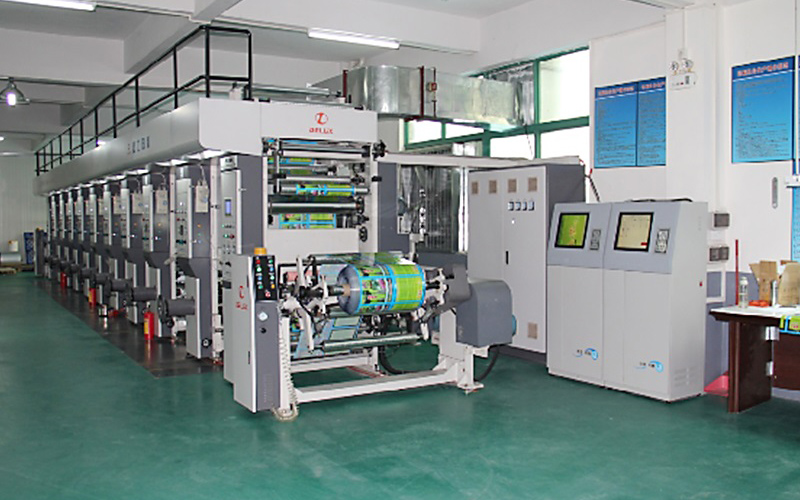
In May 2012, commissioned our first fully integrated flexible packaging production line.
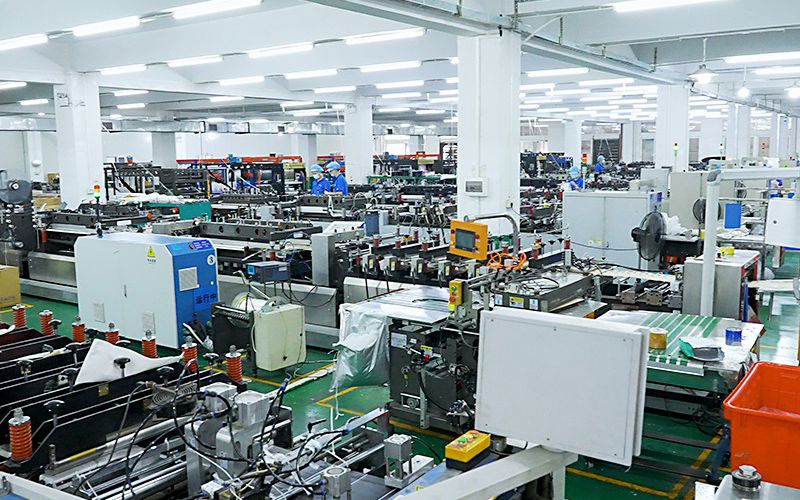
In March 2016, pioneered specialized production lines for premium flat bottom box pouches.
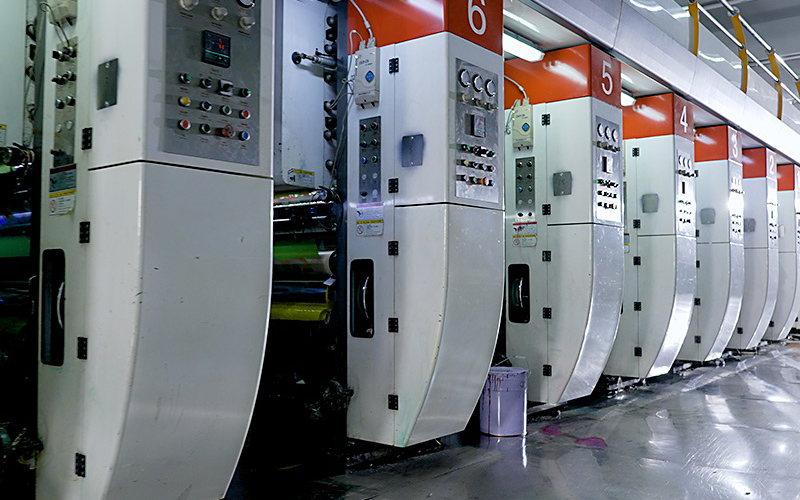
In August 2017, completed facility expansion and established our second high-speed line.
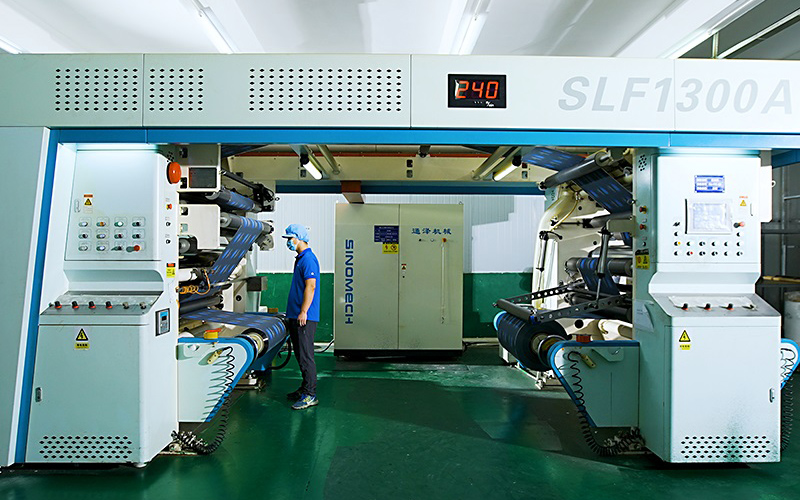
In April 2018, transitioned 100% of laminations to eco-friendly solvent-free composite technology.
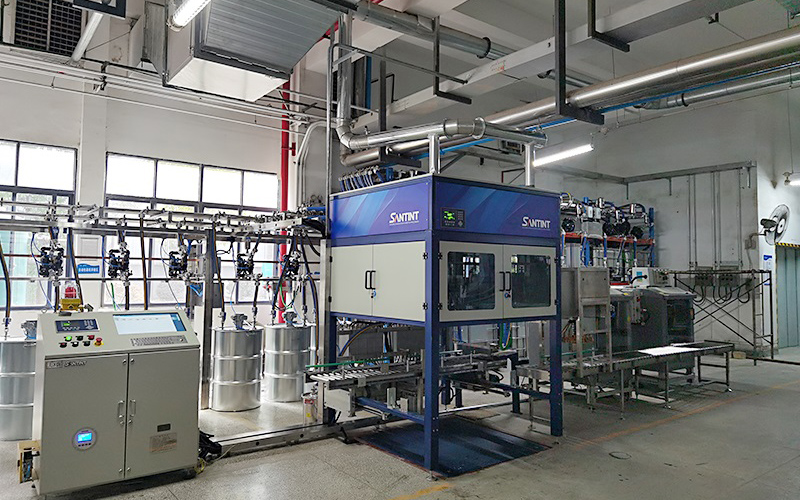
In June 2020, implemented automated ink matching and introduced comprehensive ERP production tracking.
In October 2021, integrated the HP Indigo 25K digital press to service agile enterprise customers.
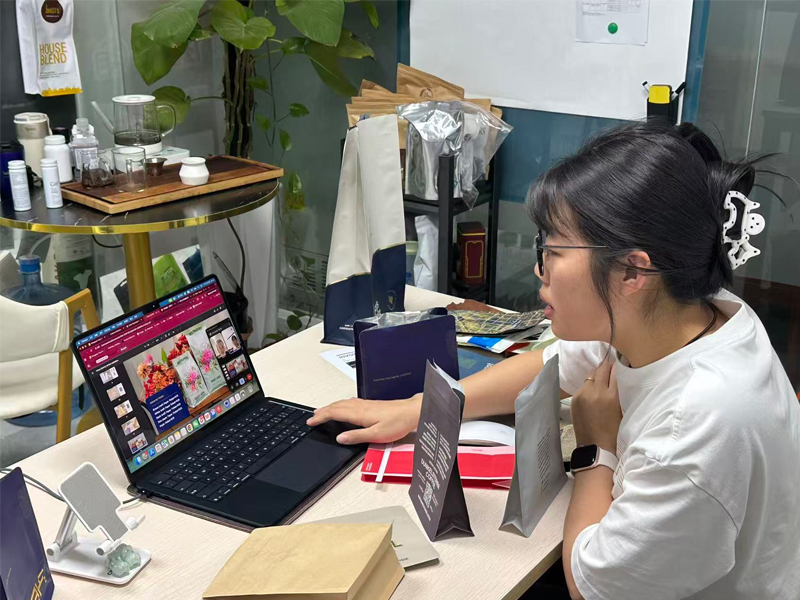
We eliminate guesswork through online video pre-flight checks, material barrier selection guidance, and one-on-one engineering support to ensure precise artwork and structural alignment prior to manufacturing.
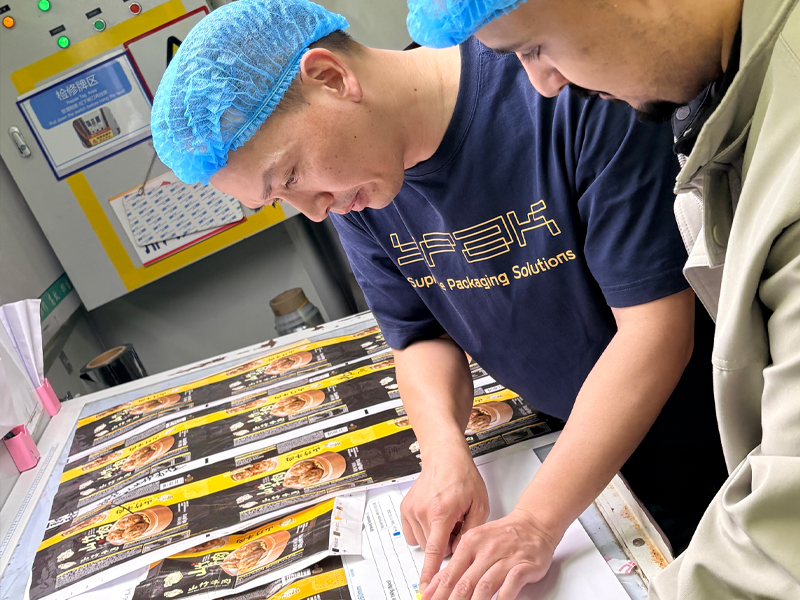
Maintaining full transparency during production. We provide live video and photo updates at each stage—printing, lamination, curing, slitting, and pouch conversion—ensuring total quality verification.
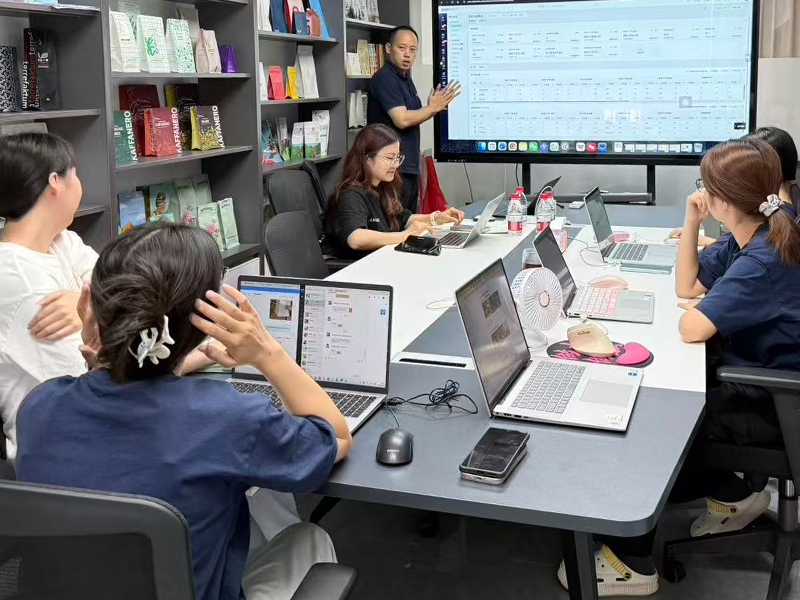
Our commitment extends beyond delivery. Dedicated feedback loops, long-term archiving of production parameters, and rapid resolution guarantees build reliable, multi-year strategic procurement partnerships.
Key parameters international procurement directors must evaluate when auditing custom plastic bag suppliers.
Ensure your supplier utilizes ASTM F1249 (water vapor transmission) and ASTM D3985 (oxygen transmission) testing equipment to certify that multi-layer barrier structures meet shelf-life guarantees under varying temperature and humidity conditions.
Standardized seal integrity tests (ASTM F88) prevent bag bursts during air freight or high-altitude transport. Pouch seals should withstand burst pressures exceeding 0.2 MPa for heavy food products.
Verify that food packaging is certified under FDA 21 CFR 177.1520 and EU 10/2011 for overall migration (OMAT). Solvent-free lamination eliminates volatile organic compound (VOC) residues that could alter food flavor profile.
Direct answers to essential technical, legal, and operational questions for procurement managers.
Explore specialty liquid packaging, kraft coffee pouches, 3D UV labels, and compliant cannabis pouches.
 YPAK PACKAGING