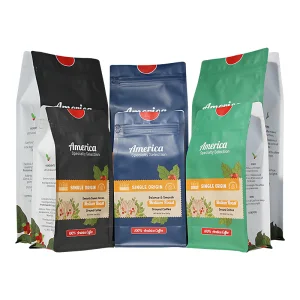
Engineered for Specialty Coffee, Ceremonial Grade Matcha, Botanicals & High-Value Food Products
Understanding why traditional flexible packaging fails Ceremonial Grade Matcha powder and how advanced ultra-high oxygen barrier pouches mitigate molecular oxidation.
Matcha (Camellia sinensis), specifically ceremonial and premium food-grade variants, represents one of the most chemically sensitive botanical products in the global food market. Unlike standard whole-leaf green teas, matcha is micro-milled via granite stones into fine particles ranging from 5 to 15 microns. This drastic increase in specific surface area exponentially escalates its reaction kinetics with ambient environmental factors—specifically molecular oxygen (O₂), relative humidity (H₂O vapor), photo-radiation (UV/Visible light), and thermal stress.
When exposed to oxygen levels exceeding 0.5%, chlorophyll-a and chlorophyll-b molecules undergo rapid photo-oxidation into pheophytin, causing the vibrant electric-green hue to degrade into an unappealing dull yellow-brown. Concurrently, epigallocatechin gallate (EGCG) and polyphenols oxidize into quinones, imparting bitterness and destroying the nuanced umami flavor profile conferred by L-theanine. For global matcha manufacturers and brand owners, implementing a custom oxygen barrier pouch engineered with an Oxygen Transmission Rate (OTR) of less than 0.1 cm³/m²/24h is not merely a packaging preference—it is a critical biological preservation mandate.
Strategic supply chain realignments, eco-compliance mandates, and high-performance material selections for enterprise buyers.
Global demand for premium matcha is expanding beyond traditional Asian export hubs into Western DTC (Direct-to-Consumer) and retail sectors. Modern consumers demand resealable, air-tight, flat-bottom pouches that maintain vacuum integrity post-purchase while standing tall on retail shelves.
With strict single-use plastic directives taking effect across Europe (EU 2019/904) and North America, manufacturers must transition from classic 4-ply non-recyclable foil structures to certified mono-material recyclable (PE/PE) or industrial compostable flexible barrier substrates.
Unprotected matcha requires continuous refrigerated or frozen supply chain logistics ($4.00+ per unit extra). Advanced ultra-high barrier pouches with nitrogen flush capabilities allow ambient room-temperature distribution while keeping shelf-life past 24 months.
Multi-layer composite structures optimized for zero oxygen permeation, mechanical puncture resistance, and hermetic sealability.
Achieving absolute oxygen exclusion requires precision co-extrusion and solvent-free lamination techniques. At YPAK Packaging Group, we utilize state-of-the-art multi-layer structures engineered specifically for light-sensitive, fine botanical powders. Below is a comparative breakdown of our technical packaging routes designed for matcha producers:
| Substrate Architecture | OTR Rating (cm³/m²/24h) | WVTR Rating (g/m²/24h) | Primary Commercial Benefit | Sustainability Profile |
|---|---|---|---|---|
| PET / AL / LLDPE (Aluminum Foil Standard) | < 0.05 (Absolute Zero) | < 0.05 | Maximum photochemical isolation; ideal for 24+ month export shelf-life. | Traditional High-Barrier (Non-Recyclable) |
| PET / VMPET / LLDPE (Metallized High Barrier) | < 0.5 | < 0.5 | Cost-optimized high-barrier solution with robust puncture resistance. | Standard Flexible Packaging |
| HDPE / EVOH-PE / LLDPE (Mono-PE High Barrier) | < 0.8 | < 0.8 | Circular economy compliant; fully recyclable in standard RIC #2 stream. | 100% Recyclable Packaging |
| Kraft / NK / PLA / EVOH (Bio-Compostable) | < 1.0 | < 1.2 | Natural organic tactile feel; disintegrates under industrial compost conditions. | EN 13432 Certified Compostable |
Over a decade of manufacturing precision, international certifications, and technical innovations in flexible packaging.
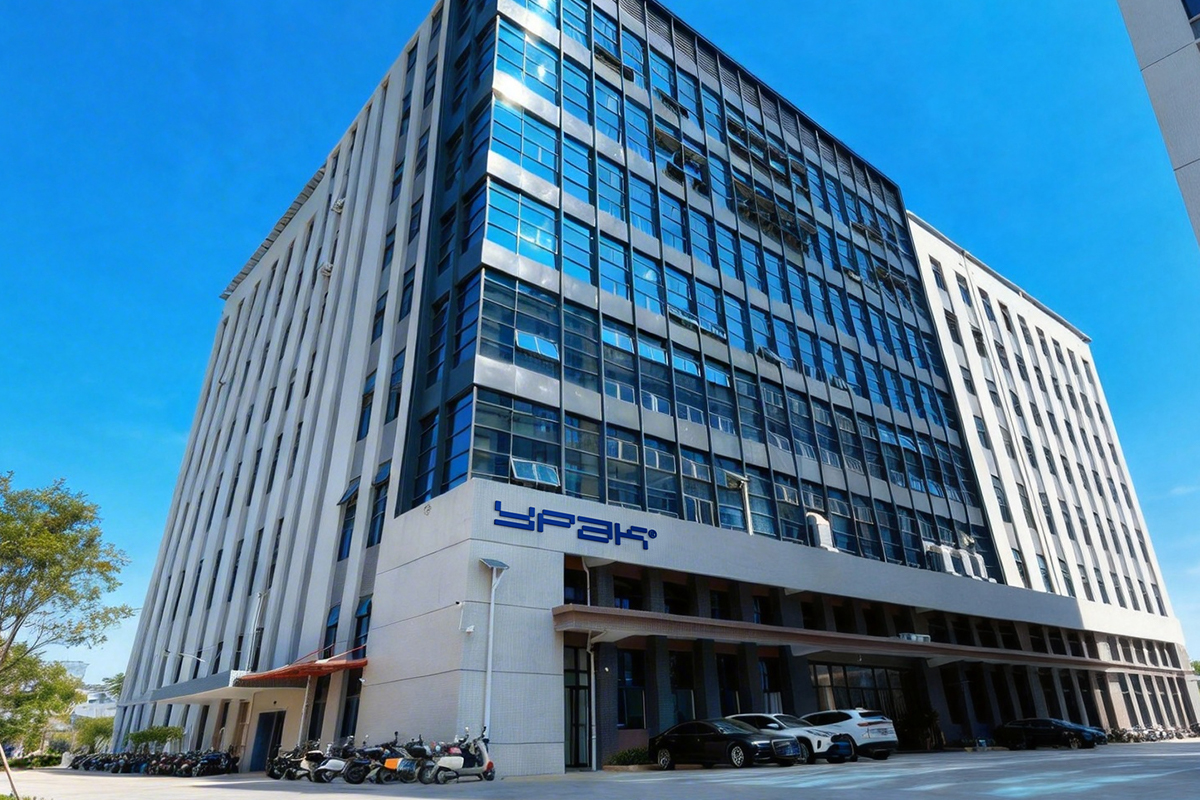
Founded in 2011, YPAK PACKAGING GROUP operates three advanced production facilities across Hong Kong, Dongguan, and Foshan, emerging as one of China’s premier custom bag and pouch manufacturers. Our Foshan and Dongguan plants are certified under BRCGS Food Safety (Grade A) and ISO 22000:2018, guaranteeing that every single batch of custom oxygen barrier pouches adheres to stringent international food contact regulations.
We integrate original Swiss WIPF one-way degassing valves as standard where applicable, bringing world-class degasification and seal-integrity technology to coffee and tea producers worldwide. Our state-of-the-art HP Indigo 25K Digital Press permits plate-free printing, enabling zero MOQ constraints, rapid market testing, and photorealistic variable data printing without upfront cylinder fees. Coupled with an industry-leading 99.5% on-time delivery rate, YPAK protects your production schedules and global distribution timelines.
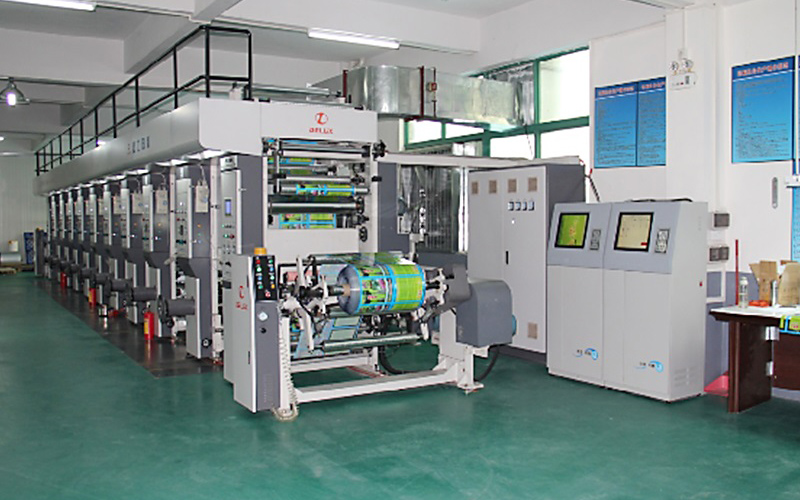
In May 2012, commissioned our first complete high-speed flexible packaging production line.
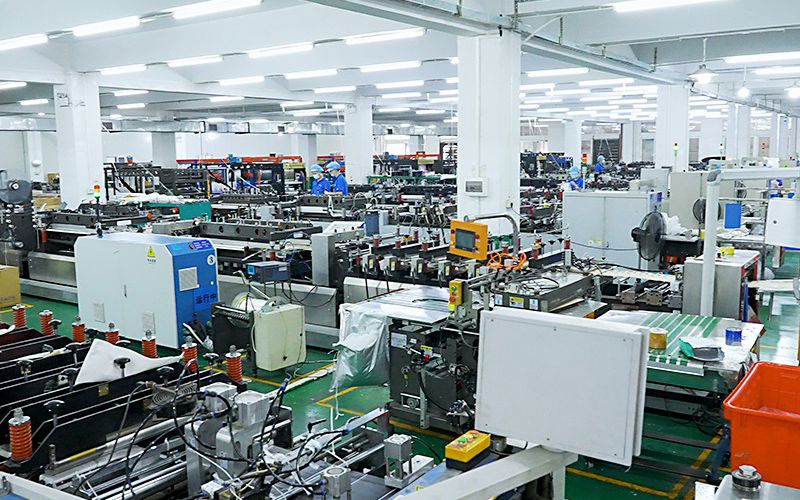
In March 2016, pioneered specialized production lines for premium flat bottom box pouches.
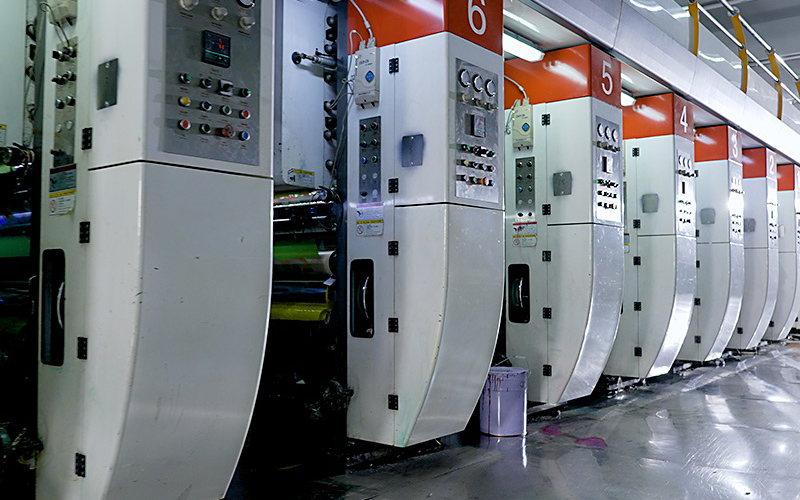
In August 2017, established our second manufacturing plant to expand global export capacity.
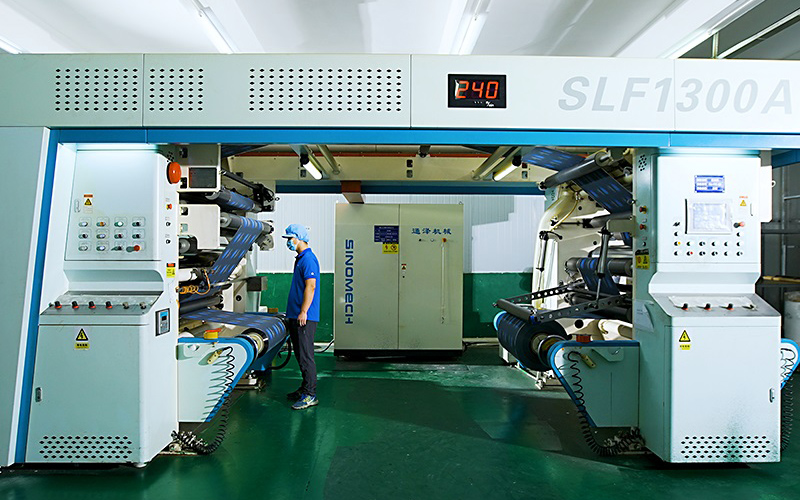
In April 2018, transitioned 100% of laminations to eco-friendly solvent-free composite technology.
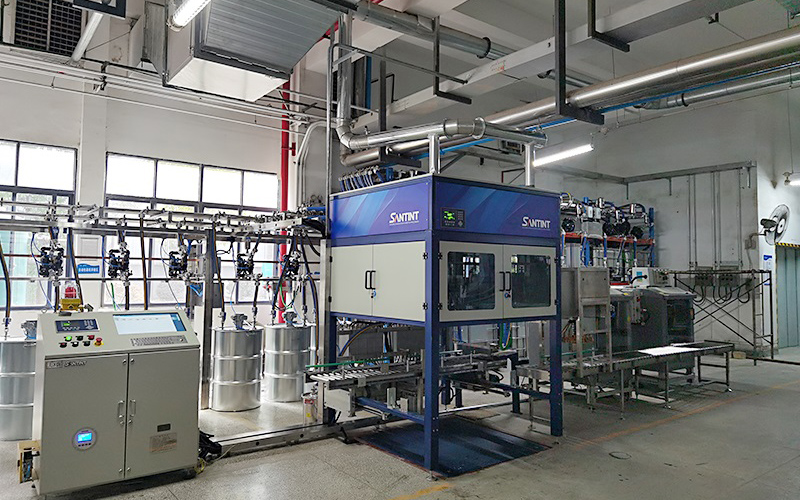
In June 2020, integrated auto-ink adjustment systems ensuring Delta-E < 1 color consistency.
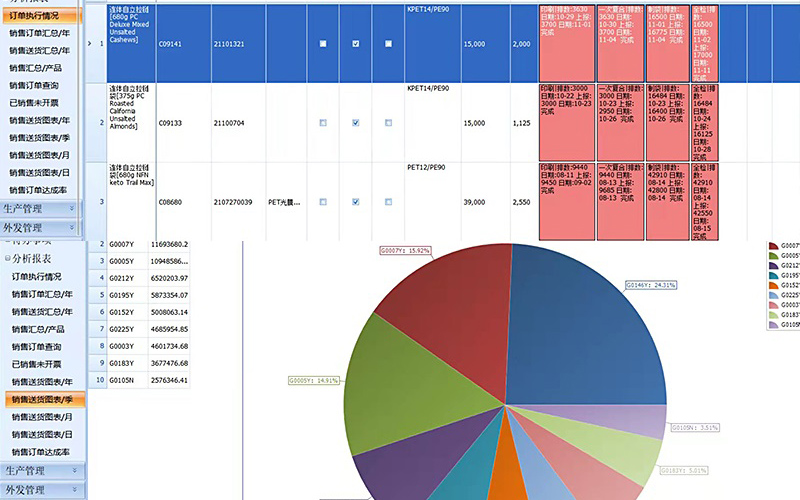
In July 2020, deployed smart ERP enterprise production tracking for 100% batch traceability.
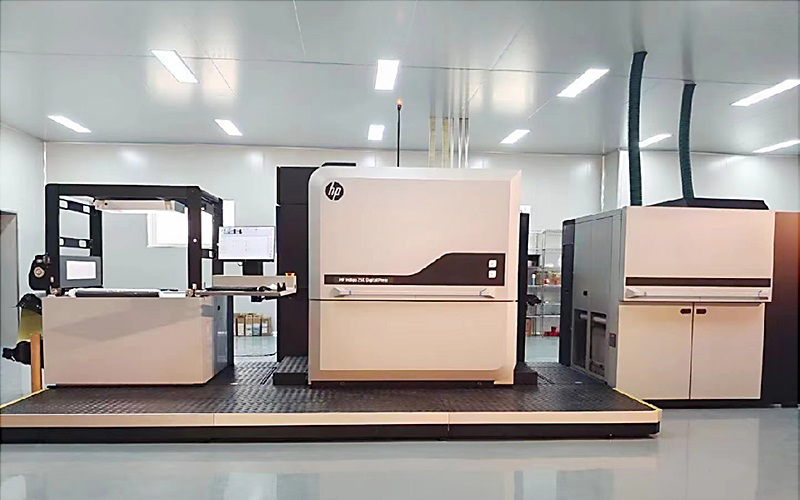
In October 2021, introduced HP INDIGO 25K digital press to serve fast-turnaround agile brands.
Pre-sales technical consultations, real-time mid-sales video verification, and rigorous after-sales quality assurance.
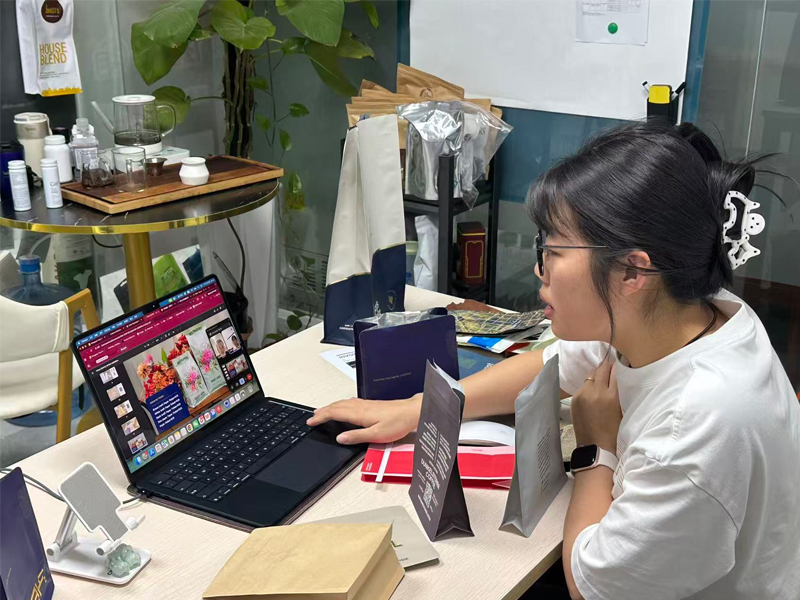
Improve customer experience through online live video confirmation. Pre-sales service assists clients in selecting exact pouch geometry, structural film laminations, and valve options. We offer 1-on-1 technical consultation to take guesswork out of barrier requirements, ensuring your artwork and bag dimensions match your filling lines precisely.
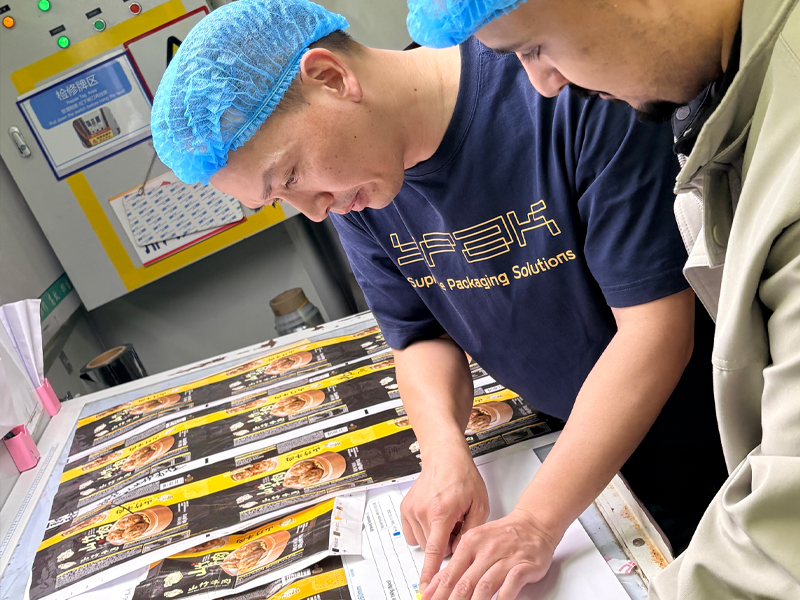
Maintaining complete control over the manufacturing process is critical for quality and delivery precision. During printing, laminating, slitting, and pouch-making, we send real-time video feeds and high-resolution photo documentation so you can monitor your production run live.
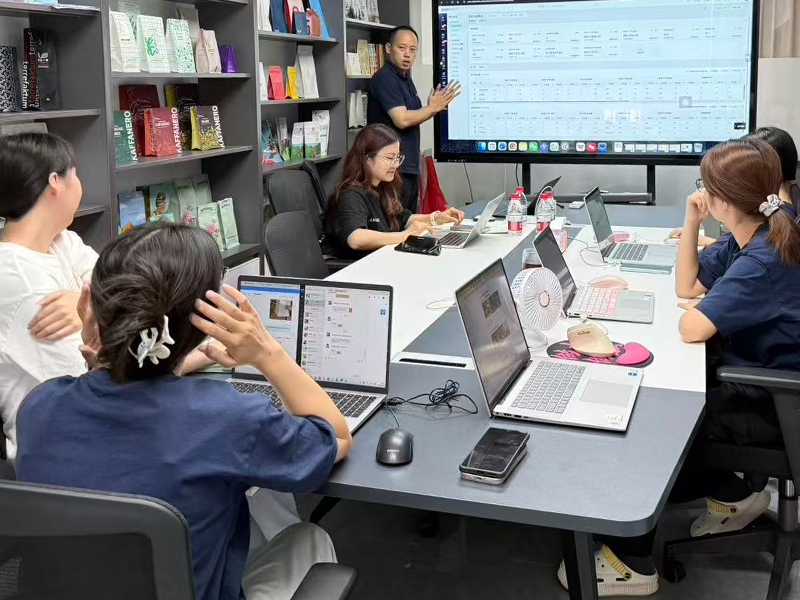
Our commitment extends far beyond final delivery. We establish dedicated customer feedback channels and post-shipment follow-ups. In the rare event of structural or sealing discrepancies, our rapid-response team resolves issues immediately to safeguard your long-term retail success.
Ensuring your custom pouches meet strict regional food contact and environmental packaging directives across key markets.
All virgin polymer resins, solvents, and printing inks utilized in YPAK facilities comply strictly with FDA 21 CFR 177.1520 and EU Regulation No 10/2011. We guarantee zero migration of heavy metals or aromatic amines into fine botanical powders.
For brands importing into the UK, Germany, and the wider EU, we offer certified recycled content pouches containing 30%+ post-consumer recycled (PCR) resin or fully recyclable single-polymer mono-PE structures to exempt your business from financial plastic penalties.
Every lot undergoes standardized ASTM physical testing including ASTM F1927 (Oxygen Transmission Rate via Coulometric Sensors) and ASTM F1249 (Water Vapor Transmission Rate), ensuring zero micro-channel air leakage along side gussets and ziplocks.
Expert insights for procurement directors, packaging engineers, and matcha brand founders.
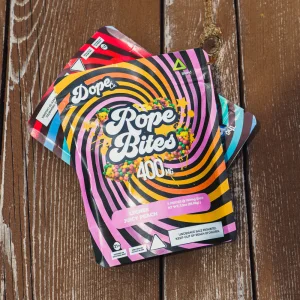
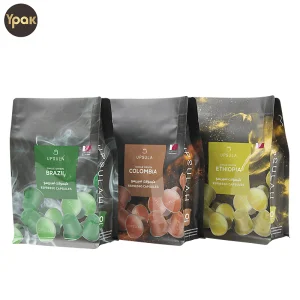
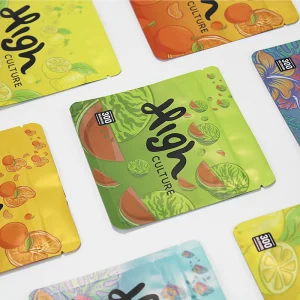
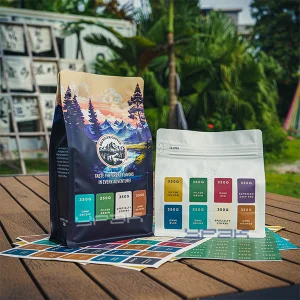
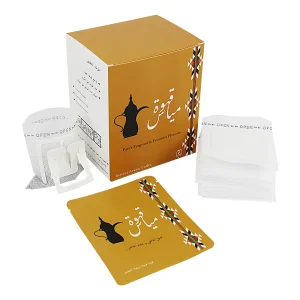
High-performance coffee, tea, botanical, and custom product packaging options.
 YPAK PACKAGING