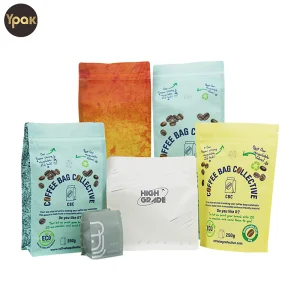
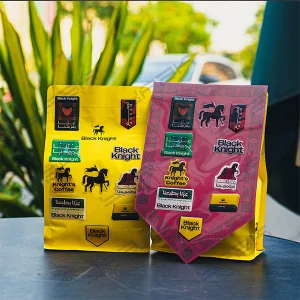
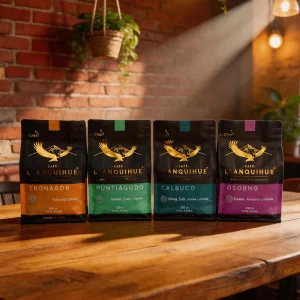
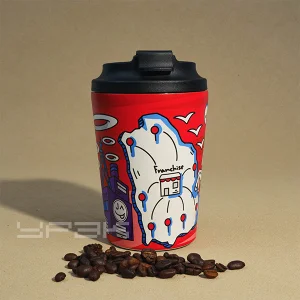
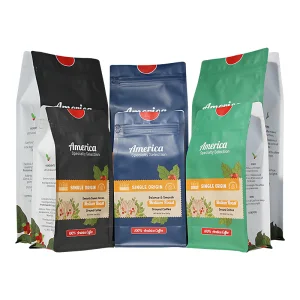
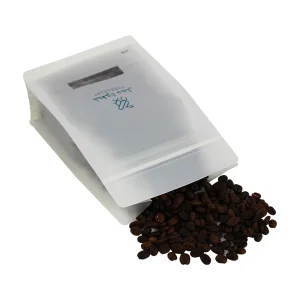
Explore our top-tier flexible pouches, rigid containers, and custom labeling engineered specifically for high-barrier matcha protection.
Understanding physical bulk density shifts, static friction, micro-particle suspension, and oxidative prevention in automated packaging lines.
Matcha green tea powder is ground to ultra-fine mesh sizes (often 800 to 2000 mesh, or 5 to 15 microns). At this scale, powder easily becomes airborne under standard gravity feeding, causing cross-contamination, metric inaccuracies, and seal contamination. Leading custom matcha powder filling machine manufacturers utilize closed-loop, negative-pressure vacuum shrouds combined with dual-stage pneumatic anti-drip cut-off nozzles. This prevents dust plumes during the high-speed auger dosing sequence and guarantees pristine bag seals.
Unlike granular products, matcha powder exhibits variable bulk density due to aeration during transport and ambient humidity fluctuations. Custom filling machines feature independently driven servo augers with real-time feedback loops linked to downstream checkweighers. By adjusting step rotation in increments as micro as 0.01 revolutions, manufacturers maintain target dosing within ±0.1g for 30g tins or 2g single-serve sachet stick packs, drastically reducing costly product giveaway.
Matcha is hyper-sensitive to light, moisture, and oxidation. Exposure to oxygen degrades chlorophyll, converting rich vibrant jade-green tea powder into a dull yellow-brown hue while oxidizing delicate L-theanine and catechins. Advanced factory solutions integrate multi-point nitrogen gas purging systems (MAP) directly into the filling funnel and bag-forming tubes, reducing residual headspace oxygen concentrations to under 0.5% for extended, shelf-stable freshness.
During high-speed auger dispensing, friction between stainless steel surfaces and micron-thin tea particles generates high electrostatic charges. This causes powder to cling to hopper walls, dosing spouts, and inner pouch plastics. Modern industrial matcha packaging lines incorporate inline de-ionizing air bars and conductive ground paths to neutralize static charges, ensuring fluid, uninterrupted powder discharge into flat bottom bags, tins, or stand-up pouches.
Comparative evaluation of packaging machinery configurations engineered by leading factories.
| Machine Type | Target Format | Dosing Range | Speed Capacity | Key Technical Features |
|---|---|---|---|---|
| Rotary Can/Tin Filling System | Aluminum Tins, Glass Jars, Composite Cans | 20g – 250g | 30 – 60 tins/min | Vacuum dust collection hood, double auger dosing (bulk + finish filling), inline nitrogen gassing & seam sealing integration. |
| Vertical Form Fill Seal (VFFS) Sachet Line | 3-Side / 4-Side Seal Stick Packs, Pouches | 1g – 50g | 50 – 120 bags/min | Multi-lane servo control, continuous film tensioner, integrated tear notch cutter, static eliminator bar. |
| Automatic Premade Pouch Dosing Machine | Stand Up Pouches, Flat Bottom Bags | 50g – 1000g | 20 – 45 pouches/min | Zipper opening device, bottom pouch vibration settler, dust-tight funnel seal, integrated thermal transfer printer. |
| Linear Bulk Hopper Auger Filler | B2B Catering Bags, Large Foil Bags | 1kg – 5kg | 10 – 25 bags/min | Heavy-duty load cell platform, pneumatically operated bag clamp, bulk-to-dribble dual speed auger profile. |
Supply chain dominance, technological advancement, and unmatched Total Cost of Ownership (TCO) efficiency.
China's Guangdong packaging hardware hub (Dongguan, Foshan, Guangzhou) offers an end-to-end industrial network. From precision CNC-machined 316L stainless steel hoppers to top-tier pneumatic systems and Siemens PLC microprocessors, Chinese OEMs assemble world-class machinery with drastically reduced lead times compared to European counterparts.
Procuring custom matcha filling lines from certified Chinese manufacturers delivers 35% to 50% savings on capital expenditure (CAPEX) without sacrificing mechanical precision or safety standards. This allows specialty tea brands and co-packers to achieve faster ROI and reinvest capital into sustainable barrier packaging materials.
Leading Chinese machinery factories engineer equipment in full compliance with international safety and hygienic codes, including CE directives, FDA food-contact standards, IP65 washdown protection, and seamless integration with BRCGS-certified flexible packaging substrates.
Combining precision machinery engineering with state-of-the-art barrier film manufacturing for holistic green tea packaging success.
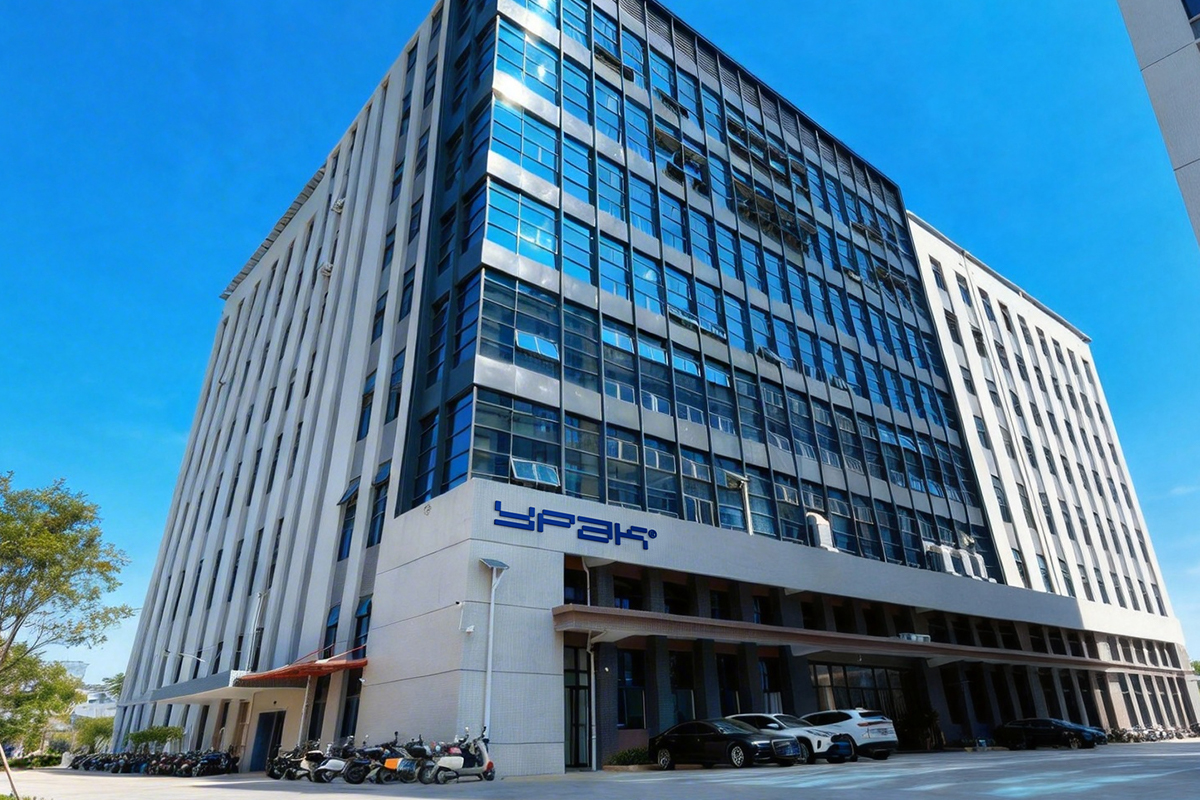
Founded in 2011, YPAK operates three facilities across Hong Kong, Dongguan, and Foshan, emerging as one of China’s leading coffee bag manufacturers.
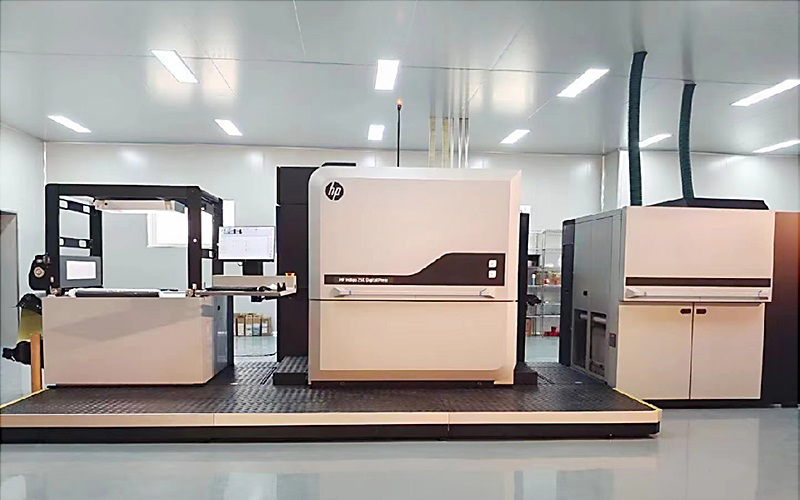
Our Foshan and Dongguan plants are BRCGS Food Safety and ISO 22000:2018 certified—ensuring every pouch meets rigorous global food contact standards with full traceability. We fit Swiss WIPF one-way valves as standard, delivering industry-leading technology of keeping coffee freshness in our packaging. Our HP Indigo 25K digital press enables MOQ-free, plate-free runs with photorealistic print quality—perfect for limited editions and market testing.
With a 99.5% on-time delivery rate, we keep your production lines moving. Our recyclable and compostable pouches help you stay ahead of plastic regulations in the EU, UK, and North America—without compromising performance. You are welcome to visit YPAK.
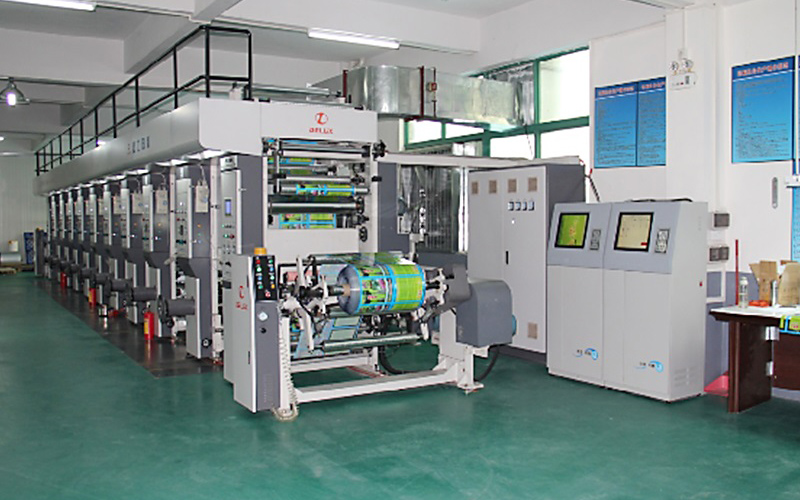 2012
2012
In May 2012, the first complete flexible packaging production line was established.
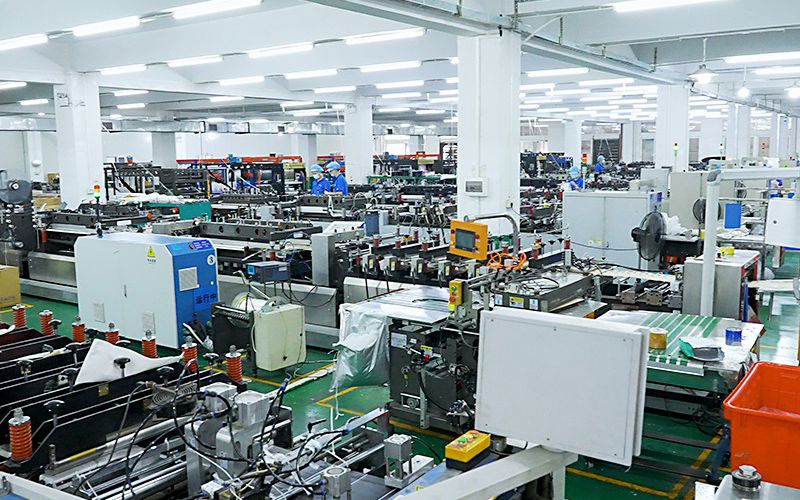 2016
2016
In March 2016, began to produce premium flat bottom bags for specialty powders & coffee.
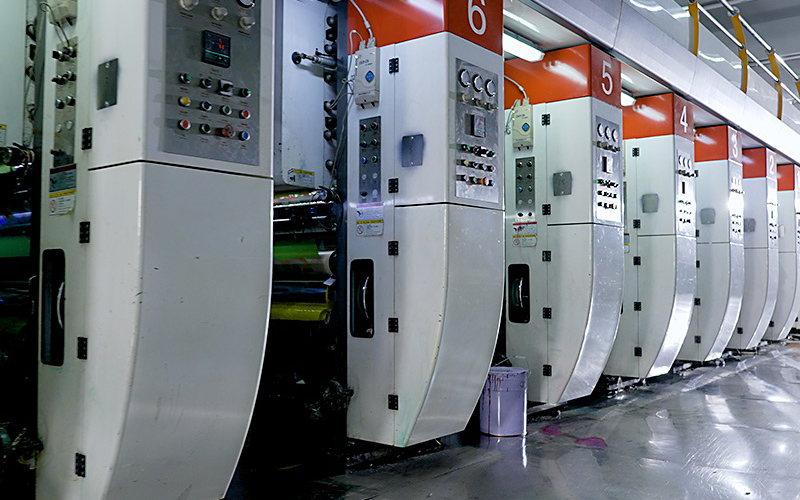 2017
2017
In August 2017, the second high-speed automated production line was established.
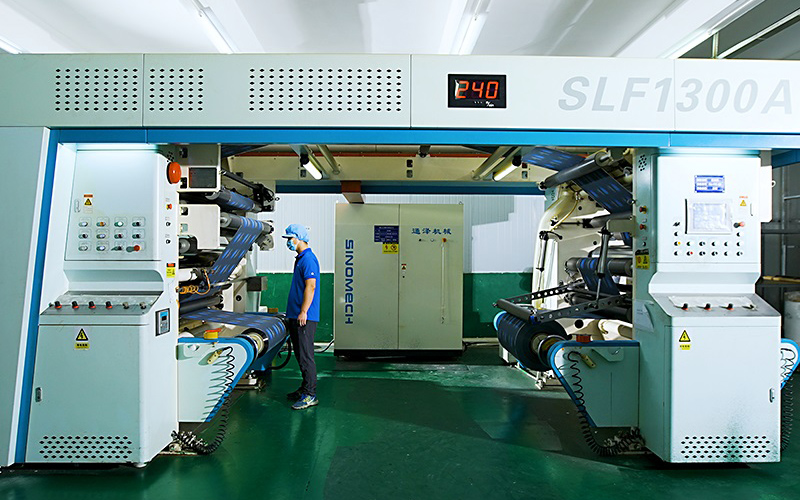 2018
2018
In April 2018, integrated eco-friendly solvent-free composite technology.
 2020
2020
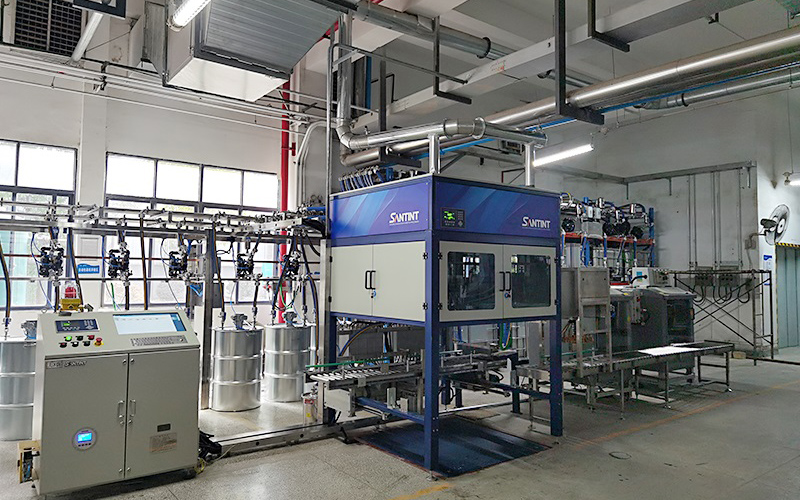
In June 2020, the automated precision ink adjustment system was introduced.
 2020
2020
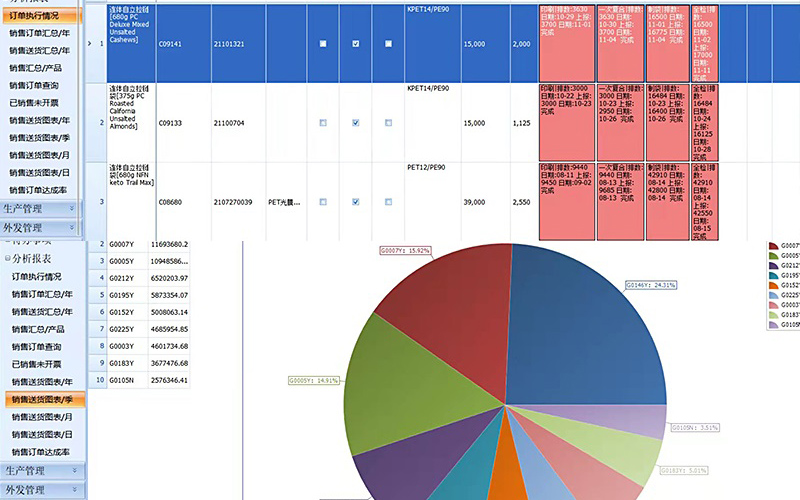
In July 2020, full smart digital ERP production management system was introduced.
 2021
2021
In October 2021, state-of-the-art HP INDIGO 25K digital printing machine was introduced.
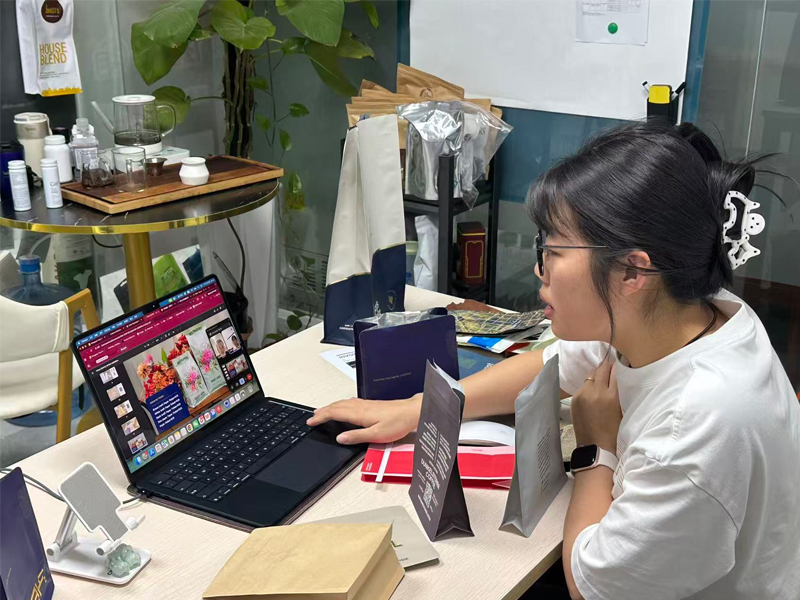
Improve customer experience through online video confirmation. One of the keys to meeting customer needs is to provide excellent pre-sales service, which helps to build a solid foundation for long-term relationships. We provide one-on-one service to ensure accurate and efficient communication.
Traditionally, pre-sales service involves assisting customers in selecting the correct product or service, understanding its features, and resolving any issues. With online video confirmation, businesses can take the guesswork out of it and provide personal attention.
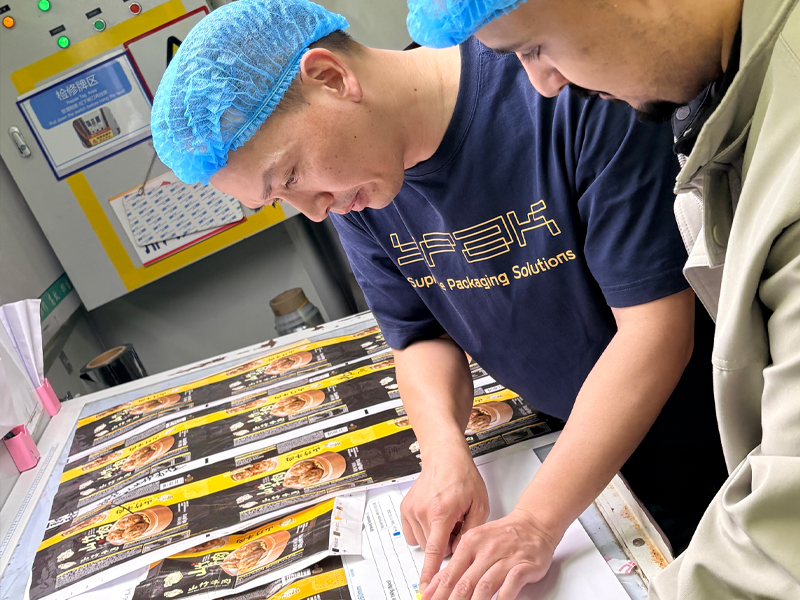
We provide exceptional mid-sale service. It is an essential step that ensures a seamless transition from the initial sale to the final delivery.
Mid-sale service is maintaining control over the production process. This involves closely monitoring and managing each stage of production to ensure quality and timely delivery. We send videos and pictures to help customers visualize product progress.
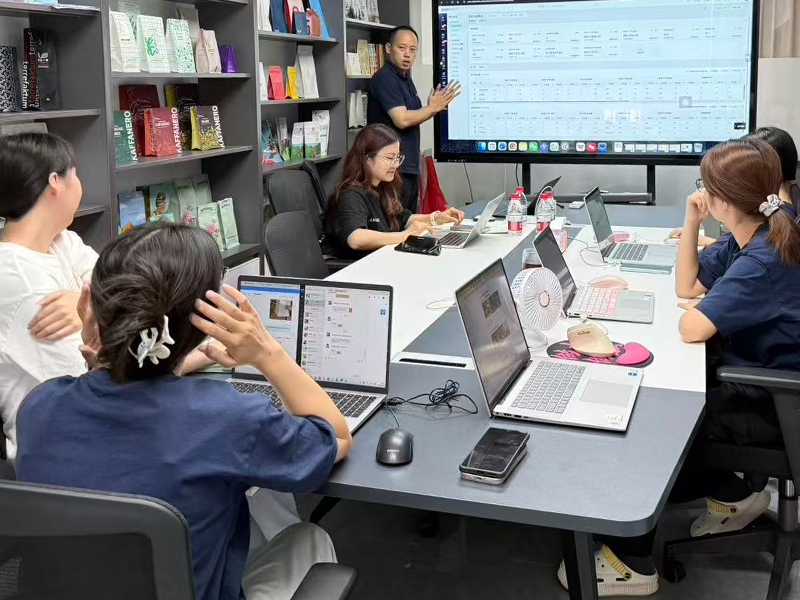
We provide excellent after-sales service not only to ensure customer satisfaction, but also to enhance partnerships with customers, leading to repeat business and positive word-of-mouth marketing.
By investing in training programs and establishing effective feedback channels, businesses continuously improve after-sales support to guarantee long-term operational success.
Tailoring packaging equipment to match regional consumer preferences and regulatory frameworks.
Target Format: 30g to 50g traditional metal tins with inner pop-lids.
Machinery Need: High-precision micro-auger fillers integrated with nitrogen flush chambers. Residual oxygen must remain below 0.3% to prevent degradation of delicate shade-grown Uji or Nishio ceremonial matcha. Automated tin rim cleaning prevents powder from ruining the hermetic lid seal.
Target Format: 2g to 4g single-serve sachet stick packs for functional beverage brands.
Machinery Need: Multi-lane VFFS auger machinery operating at speeds over 100 sticks per minute. High-precision film tracking, optical registration alignment, and anti-static air nozzles ensure fast dissolving powder flows cleanly without static cling in narrow foil channels.
Target Format: 1kg to 5kg flat-bottom foil zipper bags for wholesale supply.
Machinery Need: Semi-automated or fully automated rotary premade pouch dosing platforms equipped with heavy-load cell platforms, bottom vibration agitators to settle fine powders, and heavy-duty thermal impulse seamers capable of sealing through micro-powder contamination.
Detailed technical answers to assist OEM buyers, plant engineers, and CPG purchasing managers.
Standard powder filling machines are designed for coarse powders (like protein powders or flour) with larger particle sizes. Matcha powder is ground down to 800-2000 mesh (5-15 microns), creating high static electricity, low fluid mobility, and extreme micro-dust plumes. Standard machines suffer from massive dust leakage, seal contamination, and dosing inaccuracies. Custom matcha filling machines utilize vacuum extraction hoods, static de-ionizers, and polished anti-friction augers to handle these unique physical properties.
Custom machinery integrates Modified Atmosphere Packaging (MAP) technology. Vacuum gas-flushing systems inject food-grade Nitrogen (N2) gas into the hopper, dosing funnel, and bag opening immediately before sealing. This displaces ambient oxygen, maintaining residual O2 levels under 0.5%, preserving the vivid green color, aroma, and bioactive catechins throughout product shelf life.
All contact parts must be engineered from food-grade 316L Stainless Steel with a mirror-polished finish (Ra < 0.4 µm). Standard 304 stainless steel can experience micro-pitting over prolonged exposure to organic tea acids and fine dust abrasive friction. Mirror polishing minimizes powder adhesion and facilitates seamless Clean-In-Place (CIP) or manual sanitization procedures.
Our servo-driven precision auger fillers achieve a dosing accuracy of ±0.1g to ±0.2g for 30g tins, thanks to high-resolution encoder feedback, dual-stage bulk and dribble filling profiles, and dynamic checkweigher rejection systems.
While specialized rotary tin lines and premade pouch lines yield higher efficiency, hybrid modular filling stations allow quick interchangeability of downstream handling equipment. The core servo auger dosing head can be synchronized with either a tin conveyor turret or a premade pouch clamping unit, optimizing capital investment for versatile production facilities.
Leading factories provide remote Augmented Reality (AR) technical support, step-by-step HD video manuals, real-time PLC remote diagnostics over IP, and dispatch bilingual field service engineers for onsite installation, commissioning, and staff operational training across Europe, North America, and Asia.
Browse our full range of specialty pouches, valves, and customized bags engineered for freshness retention.
 YPAK PACKAGING