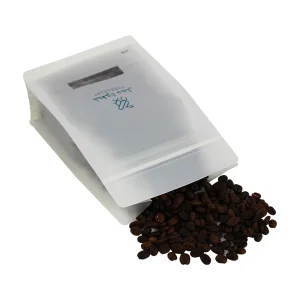
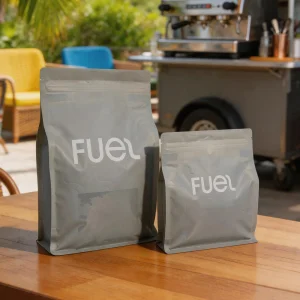
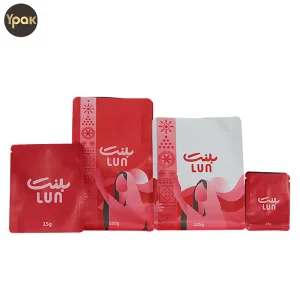
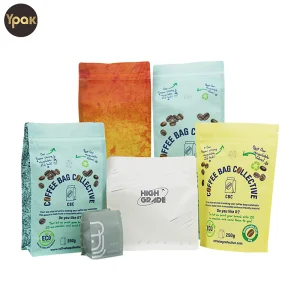
Explore our top-tier certified food-grade packaging materials engineered for ultimate freshness retention, environmental sustainability, and shelf impact.
Understanding the molecular sensitivity of shade-grown green tea powder (Camellia sinensis) and why specialized high-barrier flexible packaging is paramount for market longevity.
The global matcha market has undergone an unprecedented transformation. Moving from traditional Japanese tea ceremonies into worldwide retail, functional beverages, nutraceuticals, and bakery applications, matcha is projected to surpass USD 5.5 Billion by 2030. However, unlike traditional loose-leaf green tea or roasted coffee, matcha is an ultra-fine, unfermented shade-grown green tea powder (*Tencha*) possessing extreme biological and physical vulnerability.
Chlorophyll-a and Chlorophyll-b give matcha its signature vibrant electric-green color. Exposure to UV and visible light wavelengths (400–700 nm) causes rapid photo-degradation, turning bright green matcha into an unappealing yellowish-brown hue within days. Complete light blocking (0% light transmission) is mandatory.
Matcha particles average between 5 to 10 microns in size, resulting in a massive surface area per gram. High hygroscopic activity causes immediate absorption of ambient humidity, leading to irreversible agglomeration (clumping), enzymatic browning, and rapid loss of solubility.
The sought-after *umami* flavor profile of ceremonial matcha stems from high concentrations of L-theanine and epigallocatechin gallate (EGCG). Atmospheric oxygen degrades these delicate amino acids into astringent quinones, destroying the sweet, savory taste note profile.
Engineering customized flexible packaging solutions optimized for precise oxygen, moisture, light, and static electricity barriers.
As a master-level custom matcha packaging manufacturer, YPAK Packaging Group formulates tailored multi-layer substrate laminates that address each physical vulnerability of powdered tea. The selection of inner sealing layers, structural substrates, and high-barrier foil/film cores dictates product shelf-life viability (extending shelf life from 3 months to over 24 months).
| Substrate Structure Category | Material Layer Composition | WVTR (g/m²/24hr) | OTR (cc/m²/24hr) | Best Application & Intent |
|---|---|---|---|---|
| Ultra-Barrier Foil Laminate | PET / AL (Aluminum Foil 7μm) / LLDPE (ESD Anti-static) | < 0.005 | < 0.005 | Ceremonial Grade Matcha, Premium Export Tins & Pouches |
| Recyclable Mono-Material (PE) | MDO-PE / High-Barrier EVOH-PE / LLDPE | < 0.500 | < 0.300 | Sustainable EU/US Retail Brands (Recycle Code 4) |
| Certified Industrial Compostable | Kraft Paper / NKME / PBS or PLA Bio-Film | < 1.200 | < 0.800 | Eco-Conscious Organic Retail Matcha Brands |
| High-Transparency Window Foil | Matte PET / VMPET (Metallized) / Clear PE | < 0.050 | < 0.050 | Culinary Grade, Bakery Matcha Packs & Standard Stand-up Pouches |
Micro-milled matcha powder (5–10μm) generates static electricity during high-speed automated packaging, causing micro-particles to cling to traditional inner poly layers and contaminate seal areas. Contaminated seals result in micro-channel leaks, causing gradual loss of nitrogen gas flushes. YPAK integrates Anti-Static Electrostatic Discharge (ESD) Polyethylene Sealants and powder-proof zippers to ensure 100% airtight heat sealing and effortless consumer resealability.
Aligning your packaging supply chain with EU PPWR rules, US EPR regulations, and eco-friendly consumer demands without compromising gas-barrier performance.
Traditional high-barrier laminates blend PET, Aluminum, and PE, making recycling impossible. YPAK’s modern Mono-PE structure utilizes MDO-PE (Machine Direction Oriented PE) paired with EVOH barrier tech, creating a 100% recyclable single-polymer pouch (RIC #4) accepted in curbside recycling networks globally.
For organic matcha producers, YPAK offers TÜV AUSTRIA certified Home and Industrial compostable laminates. Formulated from sustainably sourced Kraft Paper combined with PLA (Polylactic Acid) and PBAT bio-resins, these materials naturally break down into organic humus without leaving micro-plastic toxicities.
Traditional pouch manufacturing relies on solvent-based adhesives that risk leaving trace Volatile Organic Compounds (VOCs). YPAK pioneered 100% solvent-free composite technology in 2018, guaranteeing zero odor transfer that could ruin the delicate sensory aroma of matcha.
tailored structural configurations engineered for specific retail, food service, and e-commerce supply chains.
Recommended Structure: Matte Soft-Touch PET / Aluminum Foil / Anti-Static PE
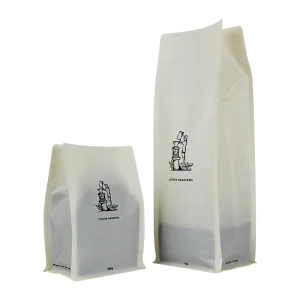
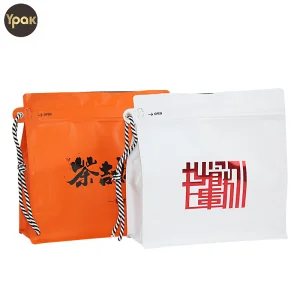
Format: Flat Bottom Box Pouch with Pocket Zipper or Stand-Up Tin-Insert Bag.
Benefit: Provides an ultra-luxurious tactile feel, 100% light block out, and smooth display standing stability for premium boutique store shelves.
Recommended Structure: PET / High-Barrier VMPET / Easy-Tear PE
Format: Narrow Stick Pack with Laser-Scored Tear Notch.
Benefit: Ideal for on-the-go lifestyle hydration, single-use lattes, and gym shakers. Ensures precise dose delivery with zero moisture intrusion prior to opening.
Recommended Structure: Kraft Paper / VMPET / Heavy-Duty LLDPE
Format: 5-Side Sealed Flat Bottom Bag with Heavy Duty Press-to-Close Zipper.
Benefit: Fits commercial bakery and café storage needs. Maximizes shelf space efficiency, lowers freight volume, and supports continuous open/close cycles.
Leveraging state-of-the-art HP Indigo 25K Digital Printing press alongside solvent-free lamination lines to empower micro-customization and zero-plate setup costs.
In 2021, YPAK integrated the flagship HP INDIGO 25K Digital Printing Press into its automated production matrix. This revolutionary technology redefines custom matcha packaging procurement by eliminating traditional gravure plate fees, permitting low minimum order quantities (MOQs), and delivering photographic print fidelity with dynamic variable data printing (VDP).
Traditional copperplate printing requires thousands of dollars in initial tooling fees per SKU. With digital press technology, green tea brands can test seasonal harvests, private labels, and limited-edition flavor blends with zero plate costs and fast turnaround times.
Protect single-origin Ceremonial Matcha authenticity (e.g., Uji or Shizuoka origin) using variable digital QR codes, micro-text, and serialized tracking embedded directly into the pouch film surface during the printing pass.
Supported by automatic inline spectro-photometers, our printing systems achieve a color delta E < 1.5, ensuring every batch matches your corporate brand color palette across multiple global production runs.
YPAK Packaging Group: Over a decade of innovation, certified cleanroom manufacturing facilities, and world-class quality management systems.
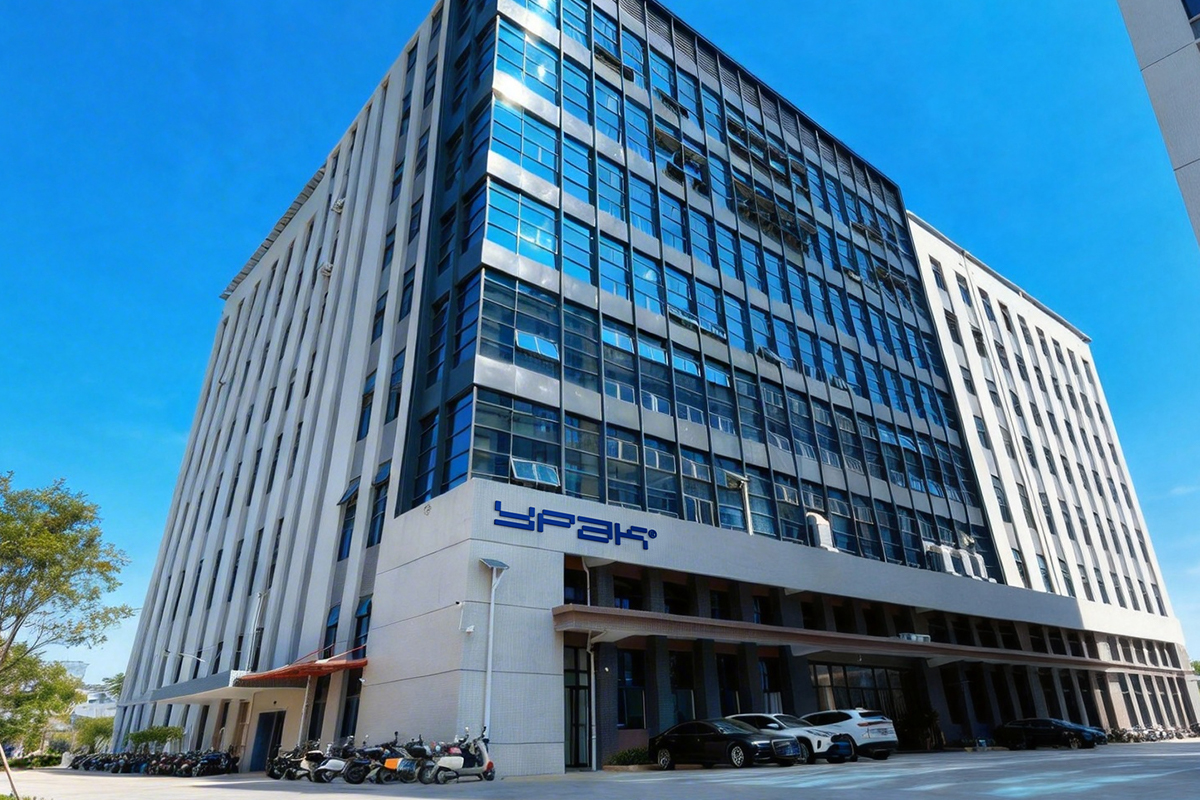
Founded in 2011, YPAK operates three facilities across Hong Kong, Dongguan, and Foshan, emerging as one of China’s leading coffee and tea flexible bag manufacturers.
Our Foshan and Dongguan plants are BRCGS Food Safety and ISO 22000:2018 certified—ensuring every pouch meets rigorous global food contact standards with full batch traceability. We fit Swiss WIPF one-way degassing valves as standard where needed, delivering industry-leading technology to maintain maximum freshness in our custom packaging.
Our HP Indigo 25K digital press enables MOQ-free, plate-free runs with photorealistic print quality—perfect for limited editions, specialty matcha launches, and market testing. With a 99.5% on-time delivery rate, we keep your production lines moving seamlessly. Our recyclable and compostable pouches help your enterprise stay far ahead of plastic regulations in the EU, UK, and North America—without compromising physical barrier performance. You are always welcome to visit YPAK.
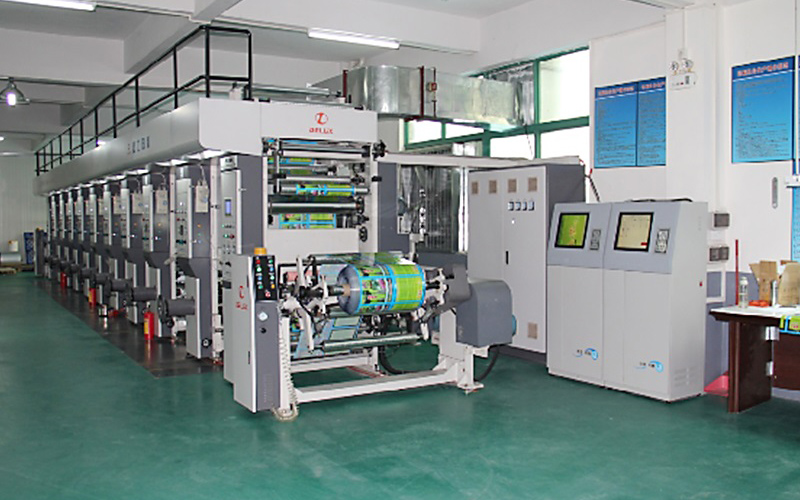 2012
2012
In May 2012, established the first complete flexible packaging production line.
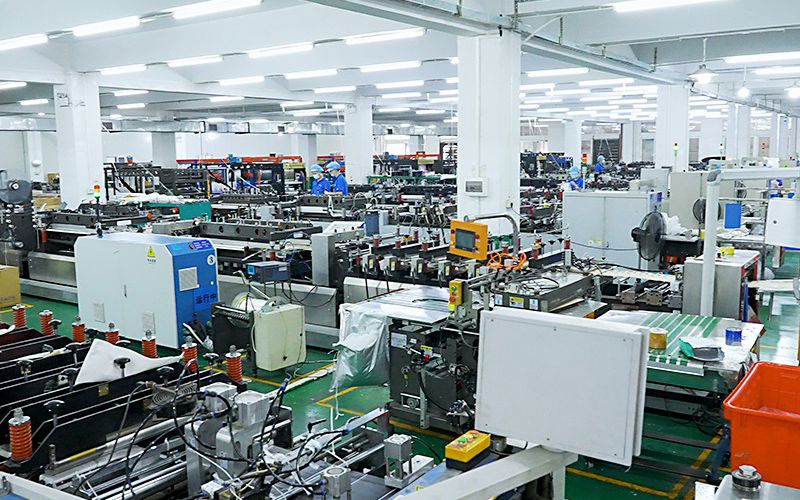 2016
2016
In March 2016, began manufacturing state-of-the-art flat bottom box pouches.
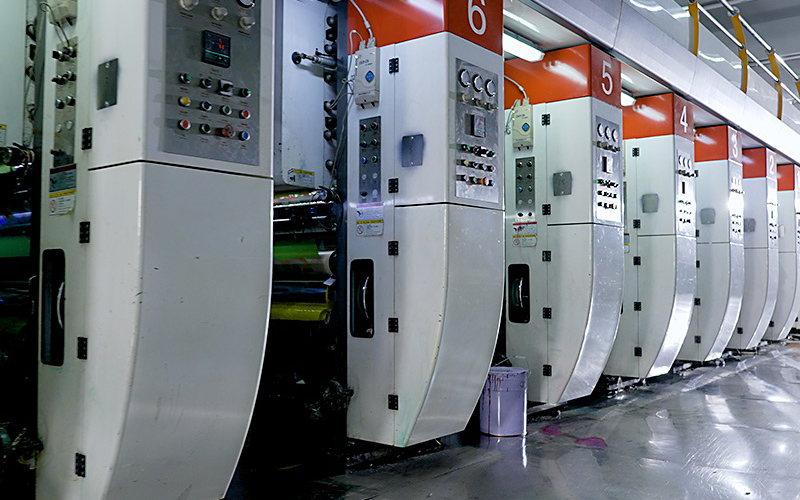 2017
2017
In August 2017, the second expanded automated production line was established.
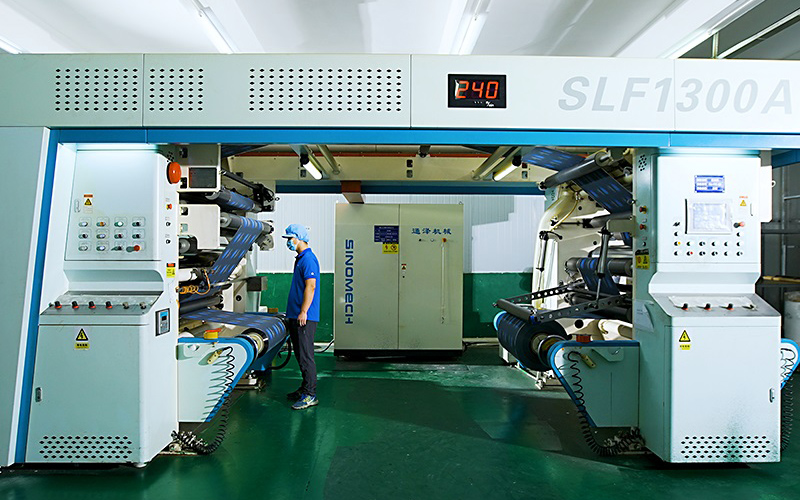 2018
2018
April 2018, adopted 100% solvent-free composite lamination technology.
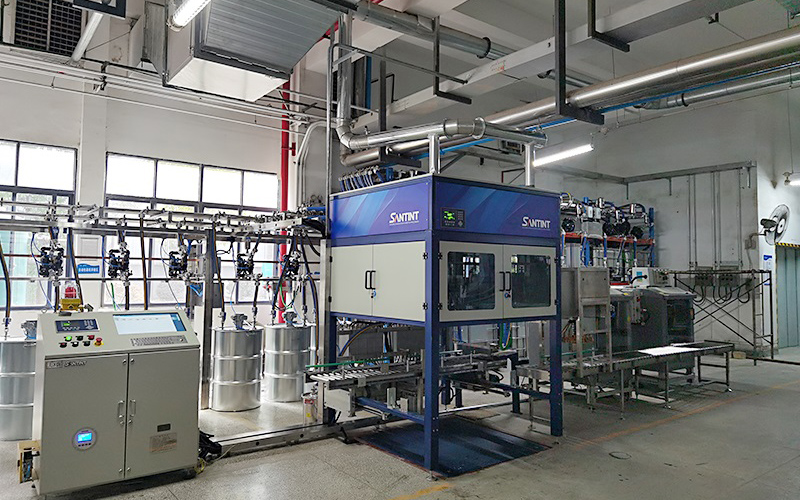 2020
2020
In June 2020, introduced the high-precision automatic ink adjustment system.
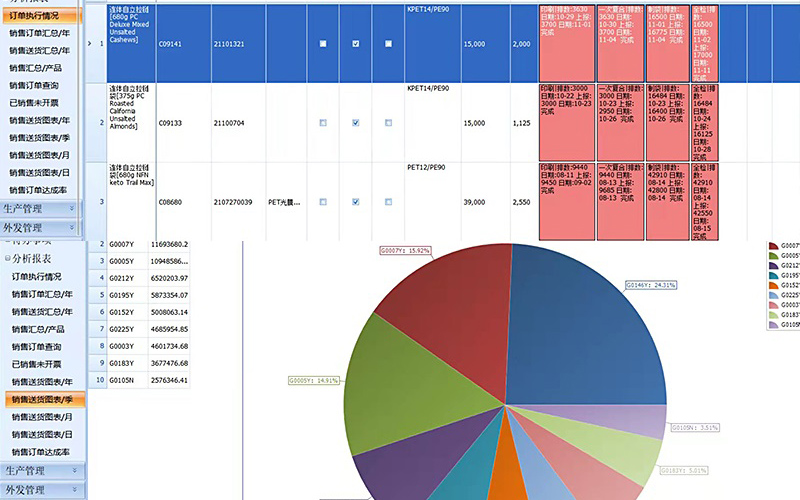 2020
2020
In July 2020, launched the intelligent enterprise ERP production management system.
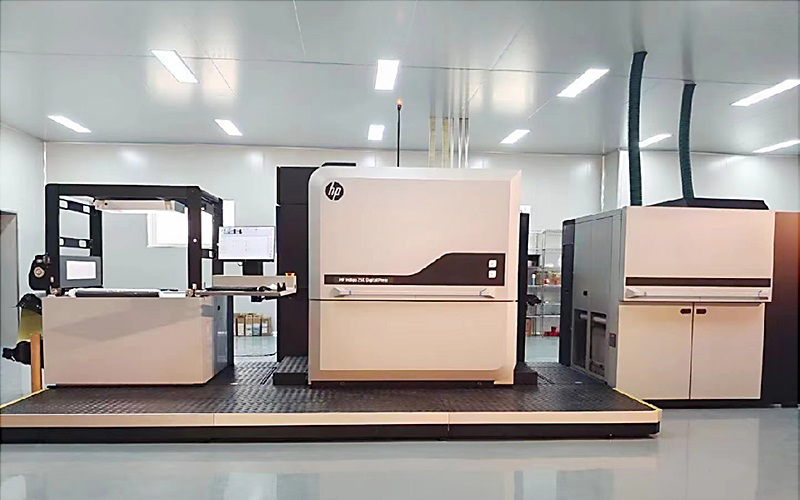 2021
2021
In October 2021, the world-leading HP INDIGO 25K digital printing machine was successfully introduced.
From pre-sales virtual proofing to real-time mid-sale production streaming and lifetime after-sales accountability.
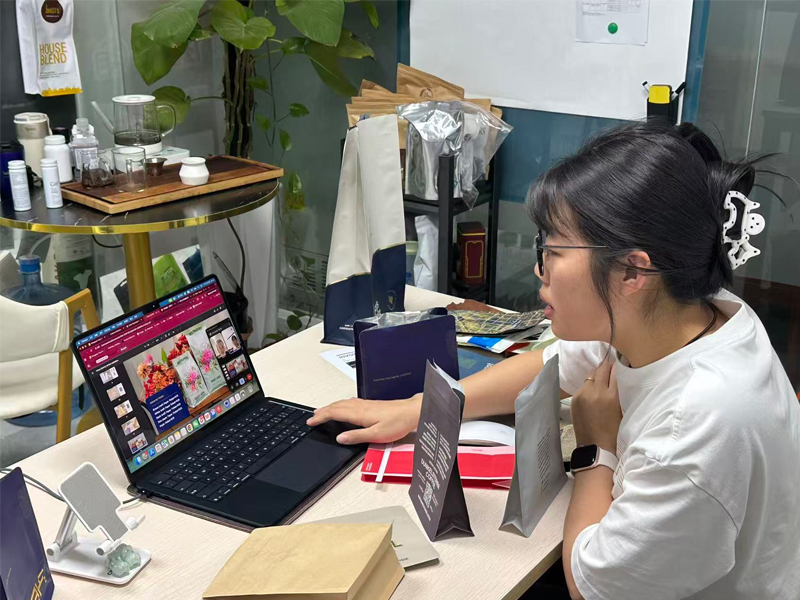
Improve customer experience through online video confirmation. One of the keys to meeting customer needs is to provide excellent pre-sales service, establishing a solid foundation for long-term partnerships. We offer dedicated 1-on-1 technical consultation to ensure precise material selection, dimensions, and barrier specs before order placement.
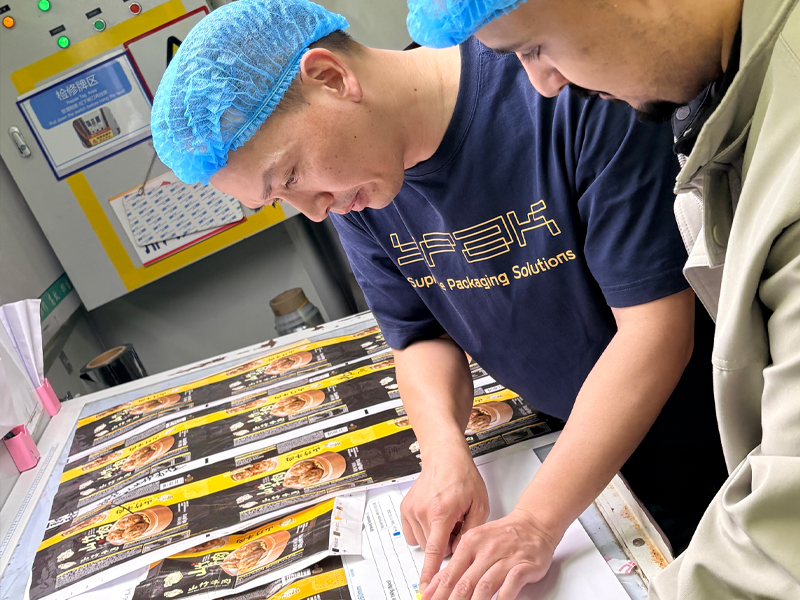
We provide exceptional mid-sale service as an essential step ensuring a seamless transition from initial sale to final delivery. Mid-sale service maintains rigid control over the production line by closely monitoring each converting and lamination stage. We regularly send live video streams and photo updates, giving complete visibility over your batch.
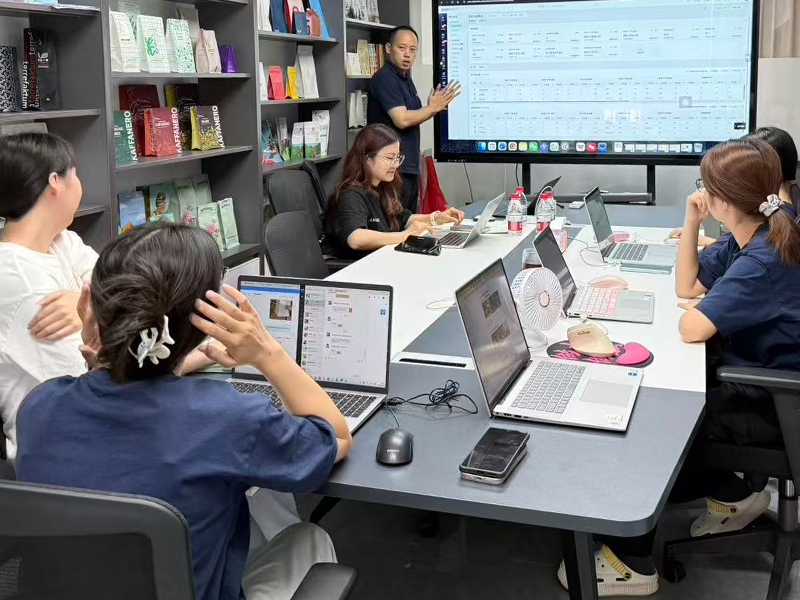
Providing top-tier after-sales support ensures customer satisfaction and solidifies long-term client trust, fostering repeat orders and positive word-of-mouth recommendations. By investing in staff training programs and robust feedback loops, YPAK continuously refines quality standards for long-term global success.
Expert technical responses to common questions regarding matcha packaging barrier selection, static mitigation, shelf life, and customization.
Discover our comprehensive collection of custom pouch formats, custom adhesive labels, and specialty flexible packaging solutions.
 YPAK PACKAGING