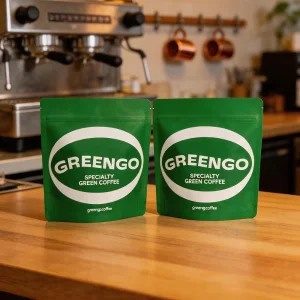
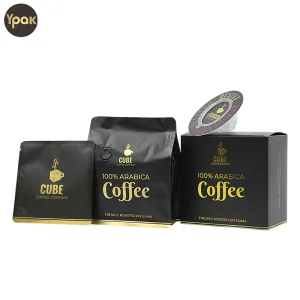
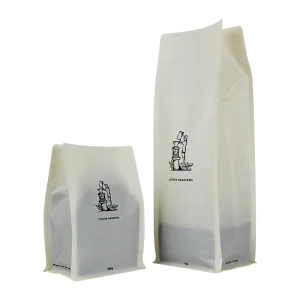
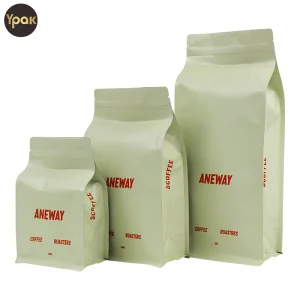
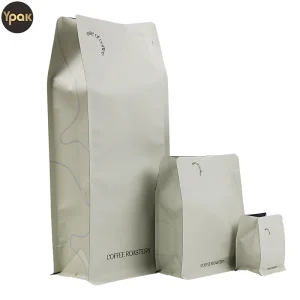
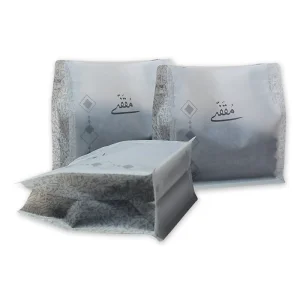
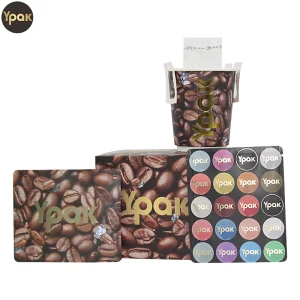
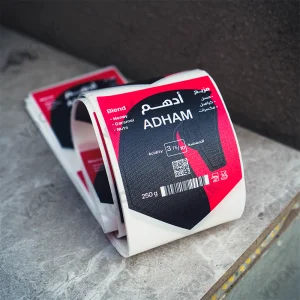
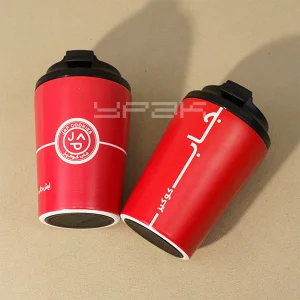
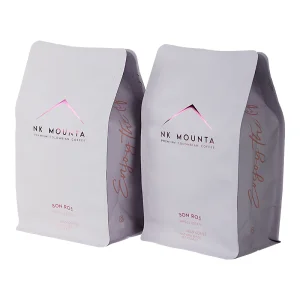
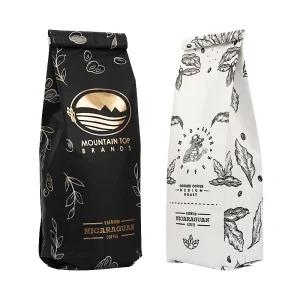
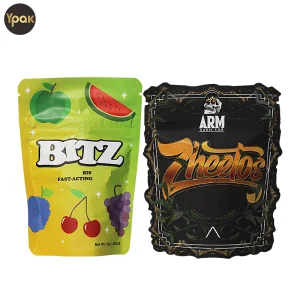
Explore our premium product portfolio engineered for absolute atmospheric barrier control and retail impact.
An authoritative analysis of market growth, degradation chemistry, and high-barrier containment requirements for fine green tea powder.
Matcha (Camellia sinensis) has evolved from a traditional Japanese tea ceremony staple into a multi-billion-dollar global superfood industry. Driven by expanding D2C beverage brands, ready-to-drink formulations, and culinary applications across North America, Europe, and Asia-Pacific, the global demand for premium ceremonial and culinary grade matcha is surging at an unprecedented CAGR of 9.4%. However, unlike roasted coffee beans or whole-leaf green tea, ground matcha powder represents one of the most chemically sensitive organic compounds in the modern food supply chain.
To deliver an uncompromised sensory experience, brands must partner with verified Custom Matcha Packaging Design Suppliers & Factories equipped with advanced multi-layer barrier converting technologies. Matcha powder suffers rapid degradation when exposed to four main environmental vectors:
Ultraviolet and visible light wavelengths destroy vibrant chlorophyll molecules, turning vivid emerald green matcha into a dull, unappealing brown tint while diminishing antioxidant capacity.
Atmospheric oxygen oxidizes catechins (specifically Epigallocatechin Gallate or EGCG) and volatile aromatic terpenes, causing rancidity, sourness, and loss of delicate umami flavor profile.
Micronized matcha powder is highly hygroscopic. High ambient humidity leads to severe clumping, microbiological risks, and accelerated enzymatic breakdown of L-theanine amino acids.
Fluctuating logistics temperatures degrade volatile polyphenols. High-performance reflective barrier structures reflect radiant heat during international freight transit.
From an industrial perspective, packaging is no longer merely a decorative container—it is an active preservation system. B2B buyers and brand owners require custom structural engineering that maintains an Ultra-Low Oxygen Transmission Rate (OTR < 0.5 cc/m²/24hrs) and Water Vapor Transmission Rate (WVTR < 0.5 g/m²/24hrs), backed by full international food contact compliance certifications such as BRCGS Class AA and ISO 22000:2018.
Selecting the optimal laminate matrix to guarantee 18 to 24 months of shelf-life freshness.
Choosing the right structural film combination is critical for customized matcha pouches, stick packs, and composite tin liners. Modern custom packaging factories deploy high-barrier laminates utilizing solvent-free lamination techniques to avoid chemical VOC contamination that could taint the pure aroma of matcha.
| Packaging Structure | Barrier Properties (OTR / WVTR) | Light Protection | Sustainability Profile | Recommended Application |
|---|---|---|---|---|
| PET / AL / LLDPE (Aluminum Foil Triplex) |
Ultra-High (< 0.05 cc / < 0.05 g) | 100% Total Light Block | Traditional / Energy Recovery | Premium Ceremonial Matcha, Export Logistics |
| PET / VMPET / PE (Metallized Foil Laminate) |
High (< 0.5 cc / < 0.5 g) | 98% UV & Light Shielding | Standard Recyclable Stream | Culinary Matcha, Retail Stand-Up Pouches |
| Monomaterial PE/PE (AlOx) (High-Barrier Transparent/Matte) |
Medium-High (< 0.8 cc / < 0.8 g) | Requires UV Block Coating | 100% Recyclable (RIC #4) | Eco-Conscious EU/US D2C Matcha Brands |
| Kraft Paper / VMPET / PE (Natural Tactile Aesthetic) |
High (< 0.4 cc / < 0.4 g) | 100% Opaque Barrier | Bio-Hybrid Outer Layer | Artisanal Organic Matcha Products |
In addition to interior freshness barriers, the exterior visual and tactile presentation determines consumer purchasing behavior on retail shelves. As a factory supplier, YPAK offers industry-leading digital and gravure finishing capabilities:
Preserving verified manufacturing capabilities, history, and certified food-contact safety standards.
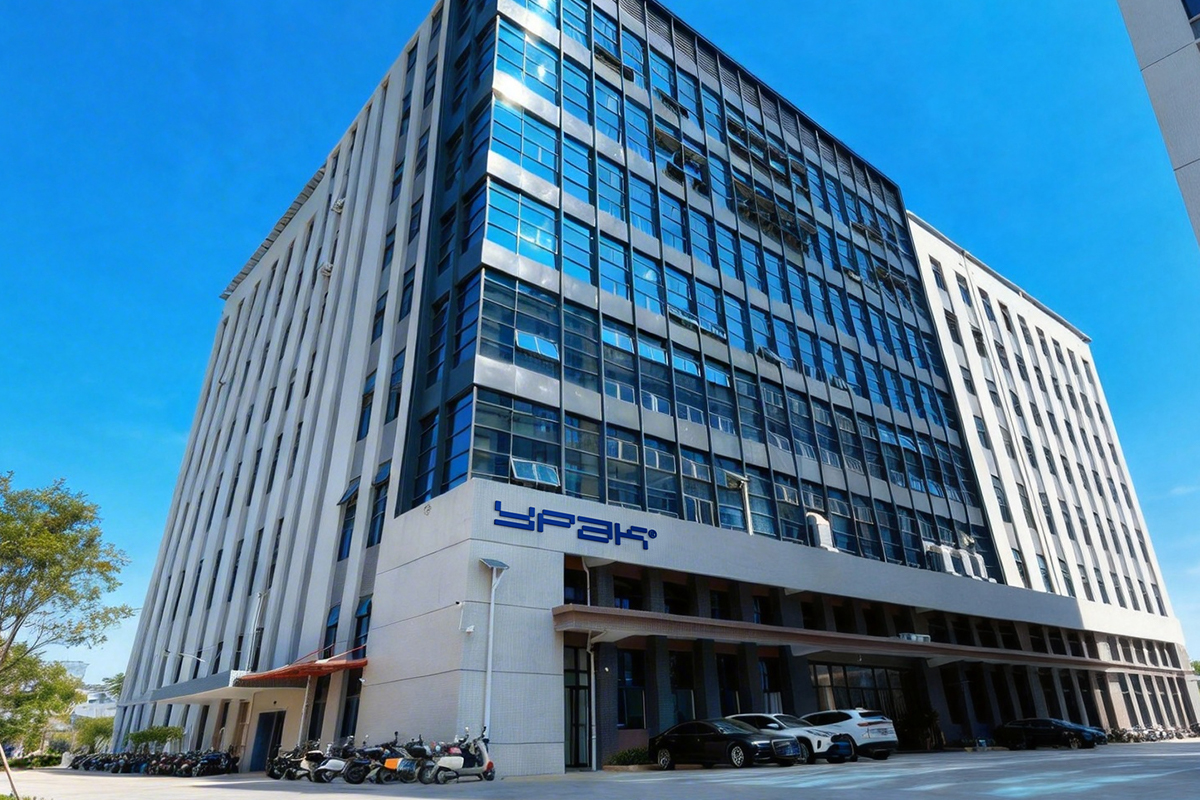
YPAK PACKAGING GROUP
Founded in 2011, YPAK operates three facilities across Hong Kong, Dongguan, and Foshan, emerging as one of China’s leading flexible coffee and tea bag manufacturers. Our Foshan and Dongguan plants are BRCGS Food Safety and ISO 22000:2018 certified—ensuring every pouch meets rigorous global food contact standards with full traceability.
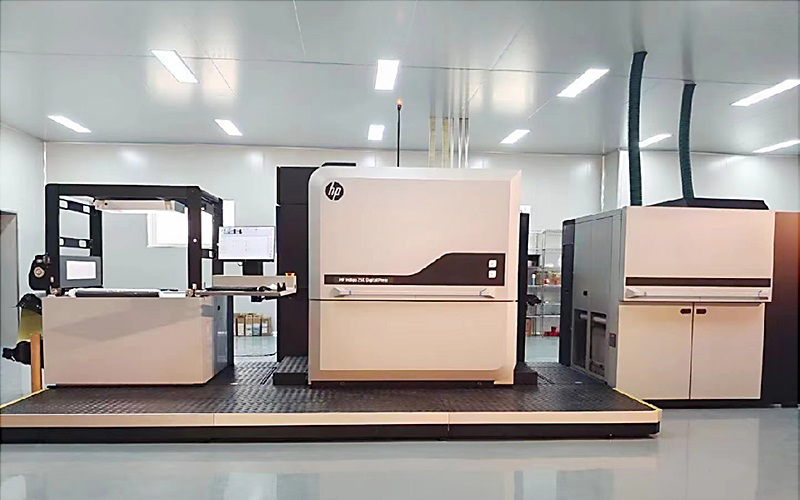
We fit Swiss WIPF one-way valves as standard, delivering industry-leading technology of keeping freshness in our specialized packaging line. Our HP Indigo 25K digital press enables MOQ-free, plate-free runs with photorealistic print quality—perfect for limited editions, seasonal matcha releases, and agile market testing. With a 99.5% on-time delivery rate, we keep your commercial production lines moving efficiently. Our recyclable and compostable pouches help your brand stay ahead of plastic regulations in the EU, UK, and North America—without compromising performance.
In May 2012, YPAK established its first complete flexible packaging production line, initiating high-precision pouch manufacturing.
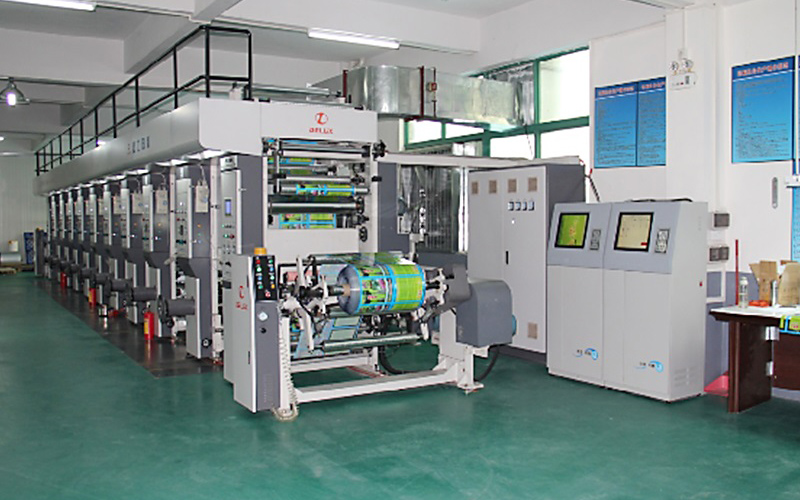
In March 2016, YPAK expanded operational capabilities to begin mass manufacturing premium box-style flat bottom bags for coffee and tea.
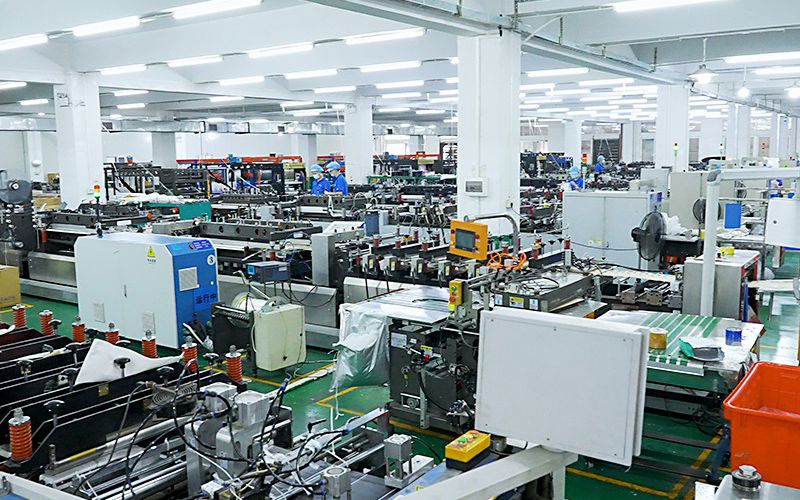
In August 2017, the company established its second complete production facility to meet growing global OEM export demands.
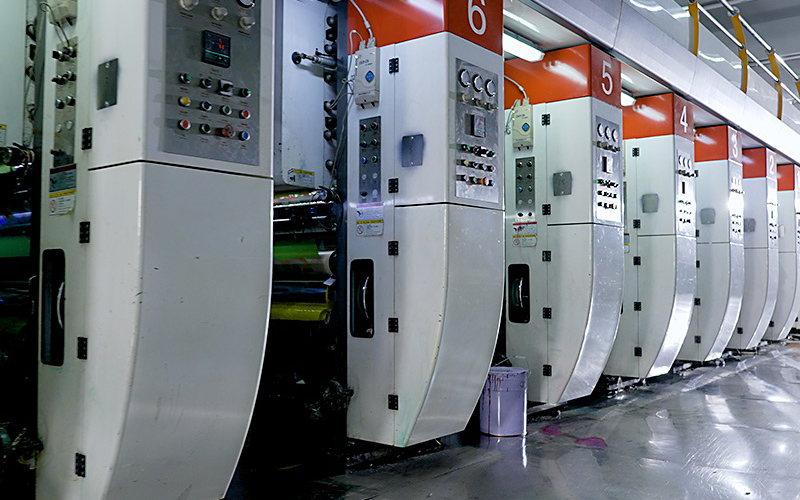
In April 2018, YPAK integrated state-of-the-art solvent-free composite lamination technology, eliminating VOC residues for zero odor contamination.
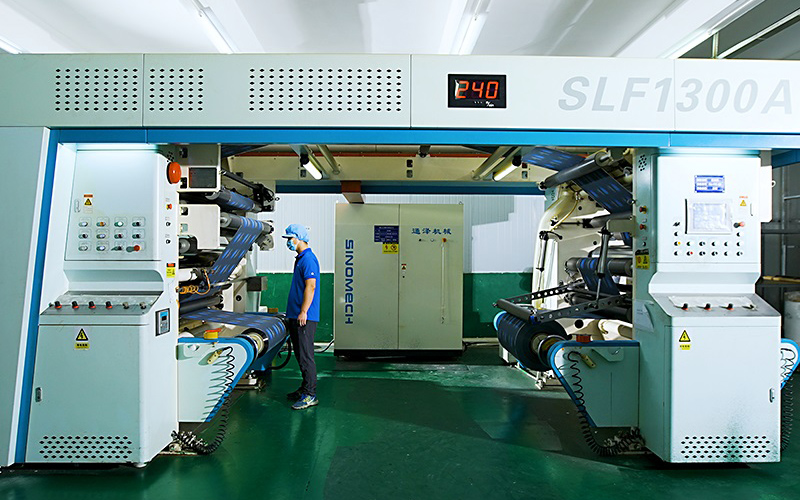
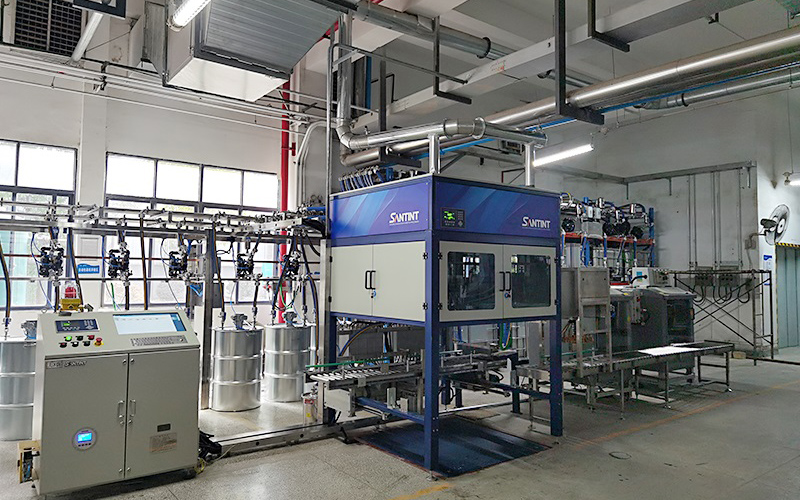
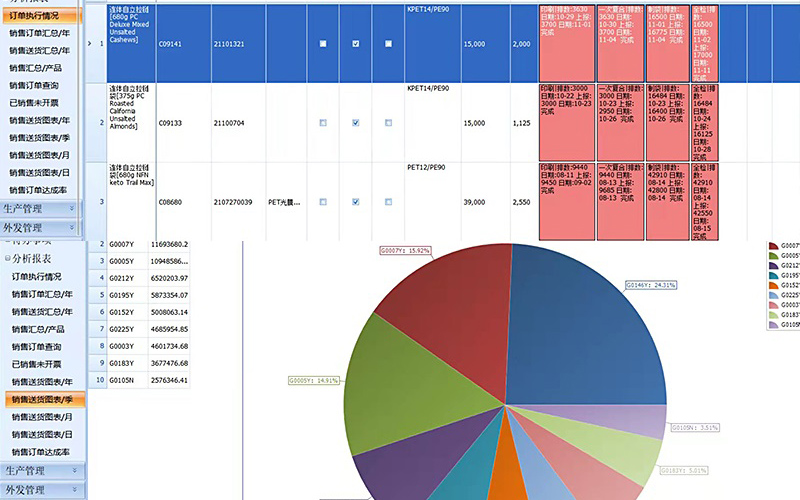
In June 2020, an automatic ink adjustment system was introduced to guarantee exact PMS color matching, followed in July 2020 by full ERP digital production systems.
In October 2021, YPAK commissioned the HP INDIGO 25K digital printing machine, revolutionizing digital short-runs and customer SKU personalization.
Transparent communication, live video monitoring, and stringent quality assurance across every phase of manufacturing.
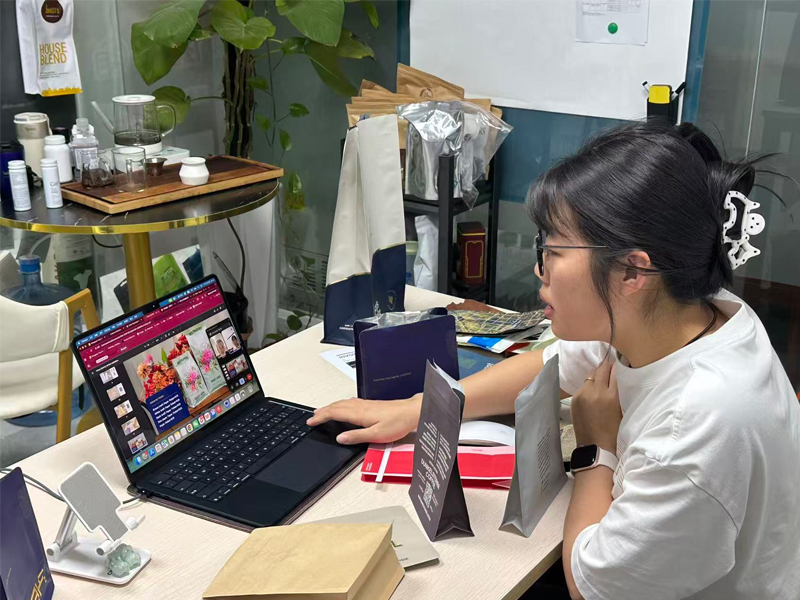
Online Video Confirmation & Engineering Consultation
One of the keys to meeting customer needs is to provide excellent pre-sales service, which helps to build a solid foundation for long-term relationships. We provide one-on-one dedicated service to ensure accurate structural selection and efficient artwork proofing.
Traditionally, pre-sales service involves assisting customers in selecting the correct product or service, understanding its features, and resolving technical queries. However, this process is often time-consuming. With online video confirmation, businesses take the guesswork out and receive immediate proof review.
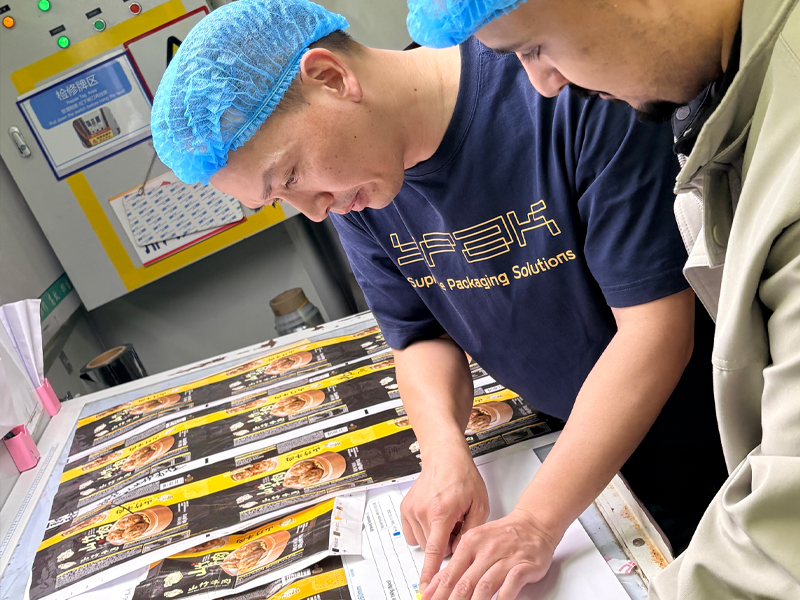
Real-Time Production Tracking & Video Inspection
We provide exceptional mid-sale service as an essential step ensuring a seamless transition from initial order placement to final delivery. Mid-sale service maintains strict control over the production process.
This involves closely monitoring and managing each stage of slitting, printing, and pouch-forming to guarantee quality and timely delivery. We regularly send high-definition production videos and photos, helping clients visualize progress and verify seal dimensions remotely.
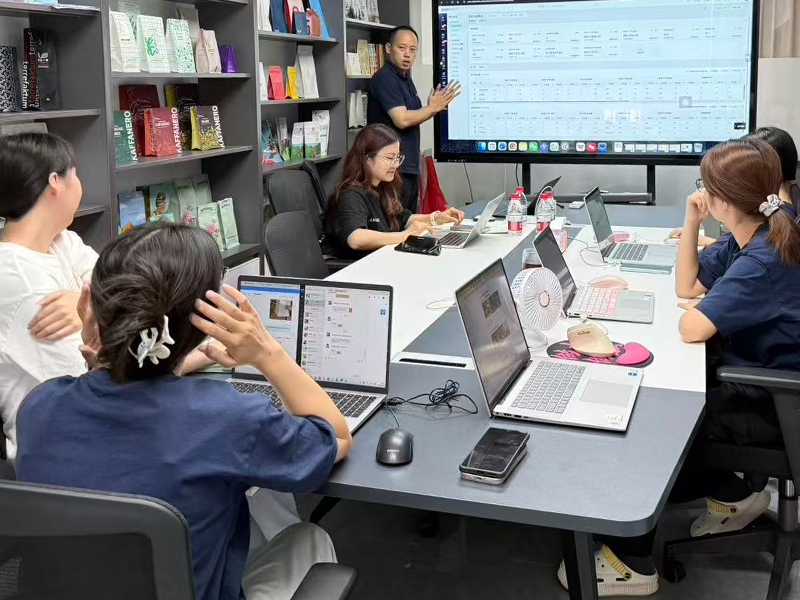
Long-Term Value Creation & Traceability Support
We provide excellent after-sales service not only to ensure immediate customer satisfaction, but also to enhance long-term strategic partnerships. This leads to repeat client trust and positive word-of-mouth recommendations.
By investing in staff training programs, retention of batch retain samples for 24 months, and establishing effective feedback channels, YPAK continuously improves after-sales response times, guaranteeing complete accountability and operational peace of mind.
Adapting custom matcha packaging strategies for target geographic markets and retail environments.
In the United States and Canada, matcha is predominantly marketed as a modern wellness superfood, clean energizer, and latte alternative. Brands prioritize clean minimalist aesthetics, soft-touch matte finishes, single-serve stick packs (1.5g - 3g) for mobility, and resealable stand-up pouches (30g - 100g) for home daily use. High demands are placed on FDA food contact compliance and recyclable mono-materials (RIC 4 PE loops).
Under the EU Packaging and Packaging Waste Regulation (PPWR), European buyers mandate circular economy compatibility. Custom matcha packaging supplied to Germany, France, and Scandinavia focuses heavily on mono-PE high-barrier recyclable structures, industrially compostable bio-laminates (EN 13432 certified), and solvent-free water-based inks that leave minimal environmental footprint.
In Japan, South Korea, and Southeast Asia, matcha packaging retains strong cultural ties to ritual elegance. Packaging formats emphasize rigid composite gift tins, double-sealed inner bag systems, metallic gold hot stamping, and exquisite tactile embossed papers that communicate authentic origin (e.g., Uji or Nishio heritage).
For commercial cafes, bakery suppliers, and wholesale tea merchants, packaging focus shifts to 1kg to 5kg heavy-duty aluminum foil flat bottom pouches equipped with reinforced tear notches and high-strength side gussets capable of withstanding long-distance sea freight and extreme desert climate heat.
Pioneering smart packaging, active oxygen scavengers, and next-generation biopolymers for green tea preservation.
Future matcha bags will incorporate non-migratory active oxygen scavengers integrated into the inner sealant layer. This technology actively absorbs residual oxygen left in the headspace after sealing, reducing oxygen levels to under 0.01% without requiring chemical sachet inserts.
With high-value ceremonial matcha susceptible to market counterfeiting, smart packaging featuring embedded digital NFC chips and unique QR codes verified by blockchain enables end-consumers to trace authentic farm origins, harvest dates, and organic testing certificates with a smartphone tap.
Transitioning from fossil-based plastics to Polyhydroxyalkanoates (PHA) biopolymers derived from microbial fermentation. These materials offer marine-biodegradability while providing gas barrier performance comparable to traditional PET/AL laminates.
Expert answers addressing technical procurement, barrier specifications, MOQ, and customization options.
Complete product portfolio catering to global beverage, specialty coffee, tea, and food brands.
 YPAK PACKAGING