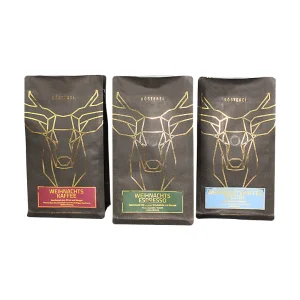
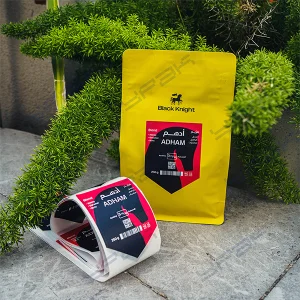
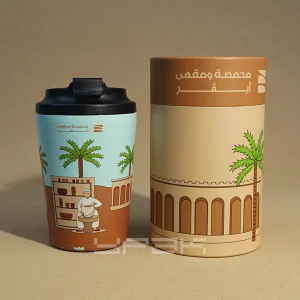
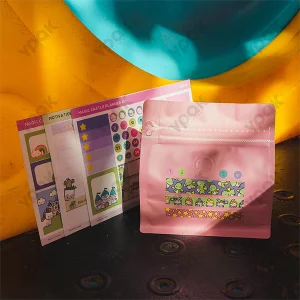
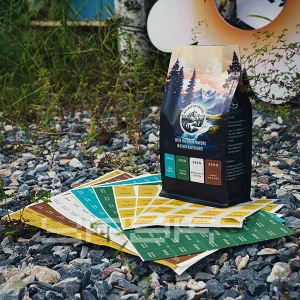
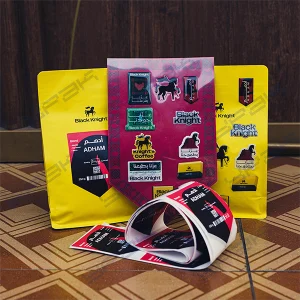
Engineered high-barrier flexible packaging, custom sticker systems, and eco-friendly solutions certified to global food contact standards.
Why matcha labeling and packaging require ultra-precise material engineering compared to conventional dry food items.
Matcha contains high concentrations of Chlorophyll-a and Catechins (EGCG), which rapidly degrade when exposed to ultraviolet light wavelengths (400-700 nm). Custom labels must utilize zero-UV-transmittance laminates or opaque pressure-sensitive facestocks to prevent yellowing and loss of L-theanine aroma.
Fine matcha powder possesses extreme hygroscopicity. Moisture adsorption leads to immediate clumping, enzymatic degradation, and bacterial growth. Label adhesives and packaging structures must maintain a Moisture Vapor Transmission Rate (MVTR) of < 0.1 g/m²/24h.
Oxidation turns vibrant emerald green ceremonial matcha into an earthy brown culinary powder within weeks. Custom labels applied over flexible aluminum foil pouches or tinplate cans ensure an Oxygen Transmission Rate (OTR) near 0.01 cc/m²/24h under ambient storage conditions.
Because labels are applied directly to secondary packaging or ultra-thin primary single-layer films, ink volatile organic compounds (VOCs) can migrate. We mandate low-migration UV inks certified under EU No 10/2011 and FDA 21 CFR standards to prevent taste distortion.
Research indicates that unshielded matcha stored at room temperature loses up to 45% of its total chlorophyll content within 30 days of ambient light exposure. Implementing multi-layer foil laminates combined with metallic-embossed, UV-curable custom labels preserves over 98% of active antioxidants across an 18-month shelf life.
A detailed breakdown of legal labelling requirements across target retail destinations including North America, the European Union, and Asia-Pacific.
| Regulatory Body | Target Region | Mandatory Label Requirements | Material & Adhesive Standards |
|---|---|---|---|
| FDA 21 CFR Part 101 | United States / North America | Statement of Identity (Grade: Ceremonial vs Culinary), Net Quantity of Contents, Ingredient Declaration (100% Pure Green Tea Powder), Nutrition Facts Panel (Dual Column if blended), Distributor Name/Address. | Pressure-sensitive adhesives compliant with FDA 21 CFR 175.105 (direct/indirect food contact safety). |
| EU Regulation (FSG 1169/2011) | European Union / UK | Clear indication of origins (e.g., Uji, Nishio, Shizuoka), Organic Certification leaf logo (if applicable) with inspection code, Batch/Lot tracking, Best Before Date, Allergen cross-contamination warnings. | Low-migration ink systems complying with EuPIA directives; zero phthalates or heavy metal residue. |
| JAS (Japanese Agricultural Standard) | Japan / International Export | Strict verification of "Organic JAS" mark. Blends containing non-Japanese green tea must state exact country percentage ratios. Harvest flush metadata (First Harvest / Shincha). | High-tack peelable or permanent acrylic adhesives resistant to refrigeration moisture condensation. |
| GB 7718 / GB 28050 | China / Asia-Pacific | Standardized Chinese back label containing product standard code, storage instructions (<5°C recommended), caffeine content disclaimers where required by local province customs. | Food contact safe synthetic papers (BOPP/PET facestocks) avoiding formaldehyde and halogenated solvents. |
Modern enterprise matcha buyers demand full supply chain transparency. Incorporating variable dynamic QR codes directly into custom printed labels allows end consumers to scan and view batch-specific Certificate of Analysis (CoA), pesticide residue screens, heavy metal tests, and plantation harvest dates.
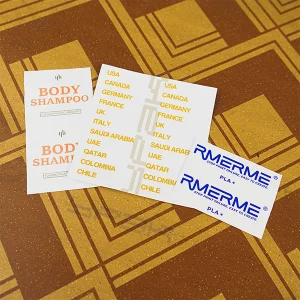
To safeguard premium ceremonial grade matcha from adulteration or unauthorized opening, security label seals (void labels or ultra-destructible vinyl stickers) are applied across tin lid seam joints, ensuring immediate visual indication of product tampering.
As global packaging waste legislation tightens (such as the EU Packaging and Packaging Waste Regulation), custom matcha labels must display precise material recycling codes (e.g., RIC #5 PP, #2 HDPE, or PAP 22) alongside wash-off adhesive flags to assist municipal sorting facilities.
Discover how leading OEM suppliers are revolutionizing matcha label aesthetics, tactile touchpoints, and sustainable material science.
Consumers associate tactile weight with luxury. Super-matte textured kraft paper, combined with localized high-build spot UV varnishes, creates an earthy organic feel while maintaining high structural resistance to scuffing during transit.
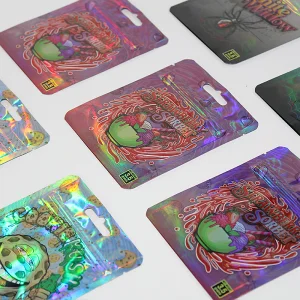
Selective gold, rose gold, and holographic metallic foil accents elevate brand recognition on retail shelves. Utilizing advanced rotary stamping dies, high-density line art retains crisp edges down to 0.25 pt precision.
Driven by corporate ESG commitments, bio-based PLA films, FSC-certified unbleached kraft papers, and wash-away adhesive technologies enable 100% home-compostable pouch structures that do not contaminate circular waste streams.
Embedding ultra-thin NFC microchips underneath the label facestock allows smartphones to read farm origin stories, brewing temperature guidelines, and subscription reordering portals with a simple tap.
A world-class manufacturing partner providing full-service custom packaging, high-barrier pouches, and industrial labeling infrastructure.
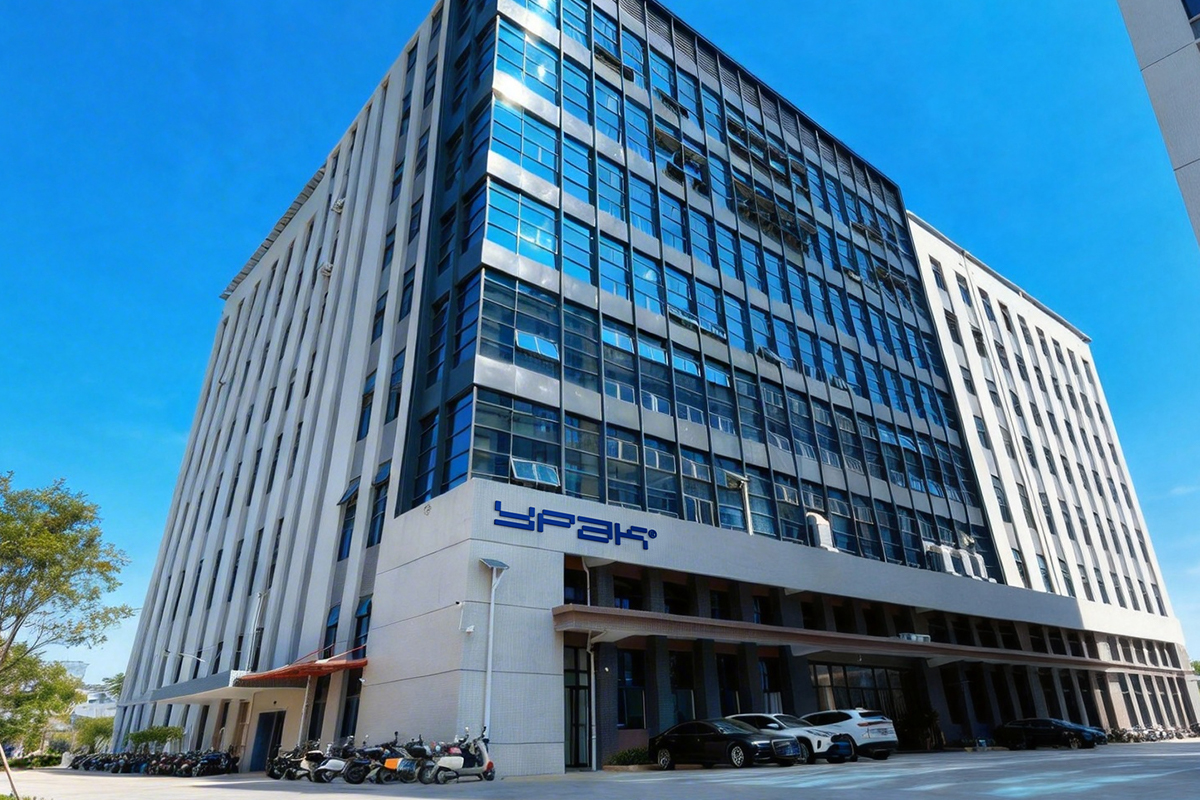
Founded in 2011, YPAK operates three state-of-the-art production facilities across Hong Kong, Dongguan, and Foshan, emerging as one of China’s leading coffee and tea packaging manufacturers.
Our Foshan and Dongguan plants are BRCGS Food Safety Grade A and ISO 22000:2018 certified—ensuring every custom label and pouch meets rigorous global food contact standards with 100% full batch traceability.
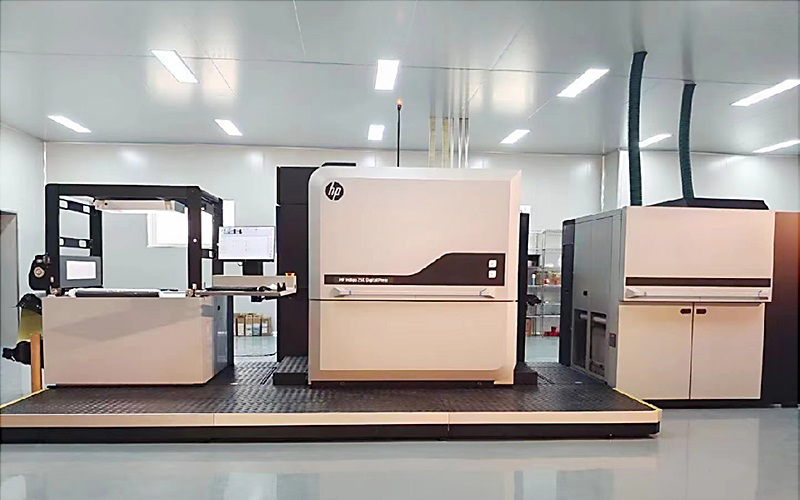
We fit Swiss WIPF one-way valves as standard, delivering industry-leading technology for keeping food freshness. Our flagship HP Indigo 25K Digital Press enables low MOQ, plate-free production runs with photorealistic printing quality—perfect for limited edition matcha flushes and agile market testing.
In May 2012, established our first complete flexible packaging and converter line equipped with high-speed slitters.
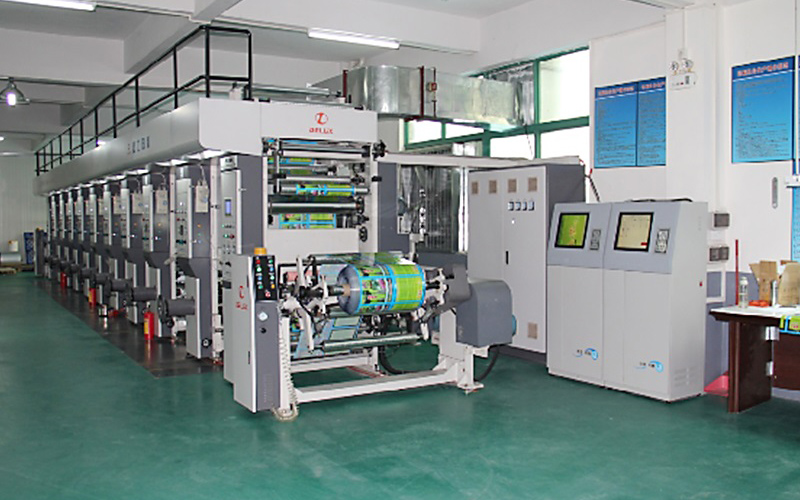
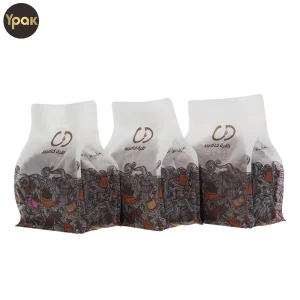
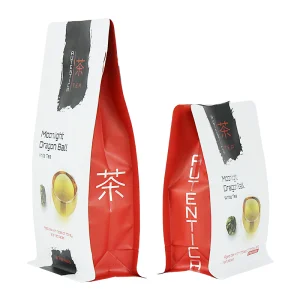
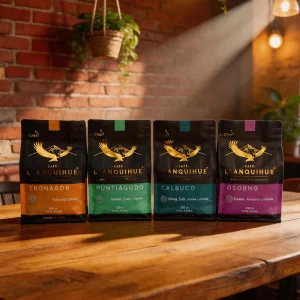
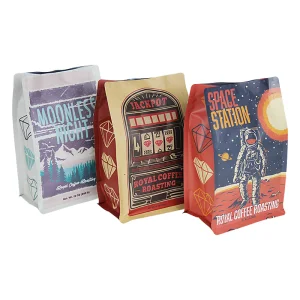
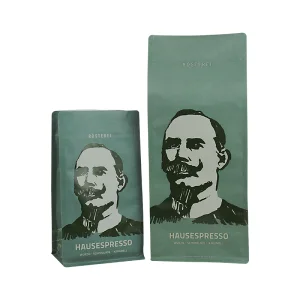
In March 2016, pioneered the commercial production of flat bottom box pouches for specialty tea and coffee brands.
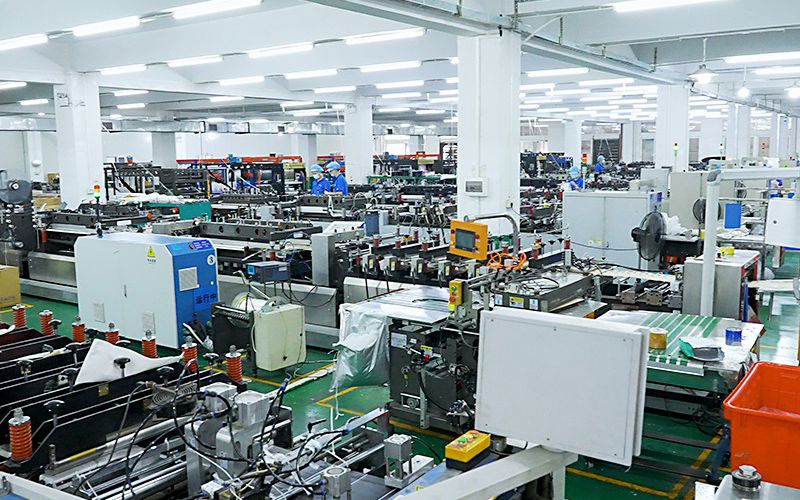
In August 2017, expanded facility capacity with the installation of a second fully automated gravure production line.
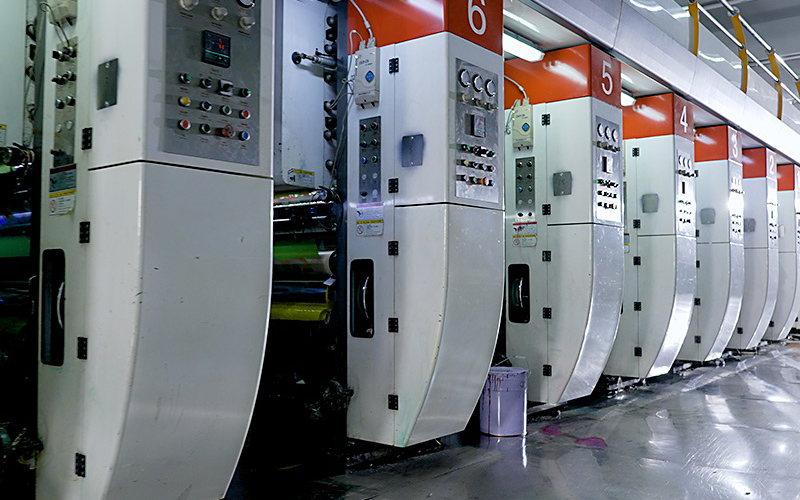
In April 2018, transitioned to 100% solvent-free composite lamination technology, eliminating VOC emissions.
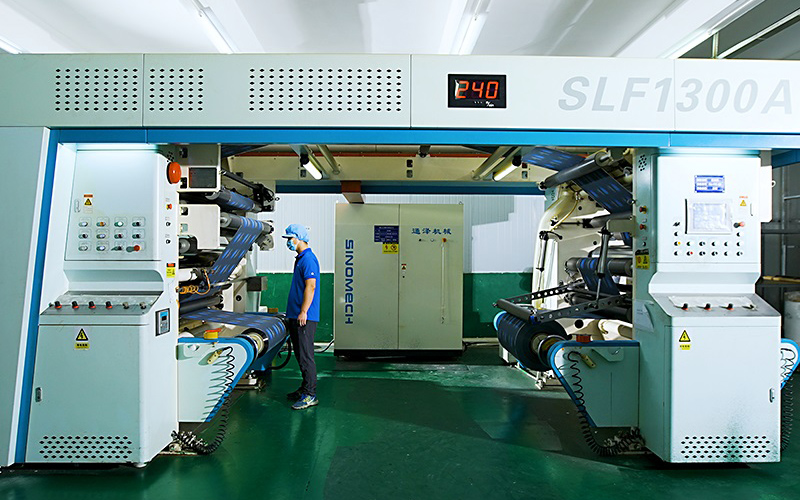
Introduced automated ink adjustment and spectral matching systems to ensure Delta-E color consistency < 1.5.
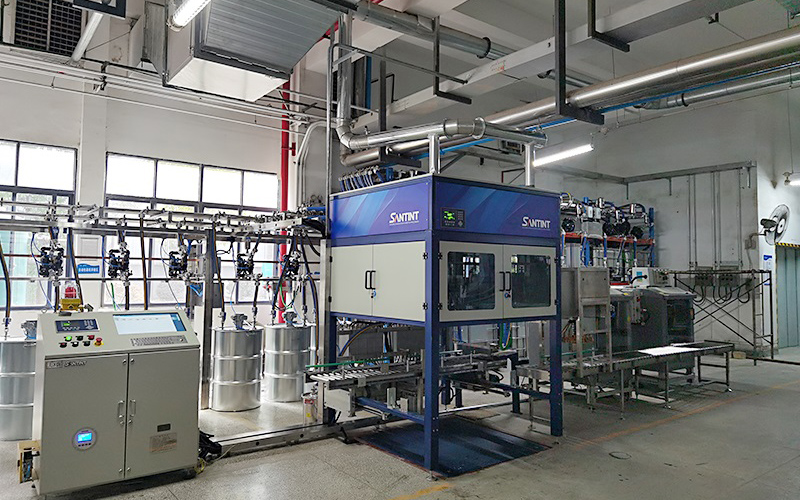
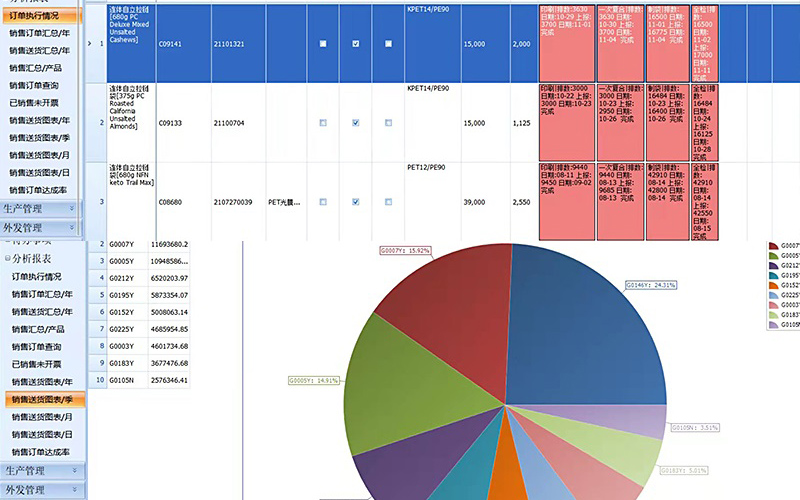
Deployed enterprise-grade ERP production tracking, enabling real-time order monitoring and 99.5% on-time delivery.
In October 2021, integrated the HP INDIGO 25K digital press, opening instant low-MOQ print runs for global tea partners.
Transparent, client-centric service delivery guaranteeing zero defect rates from initial concept to global port delivery.
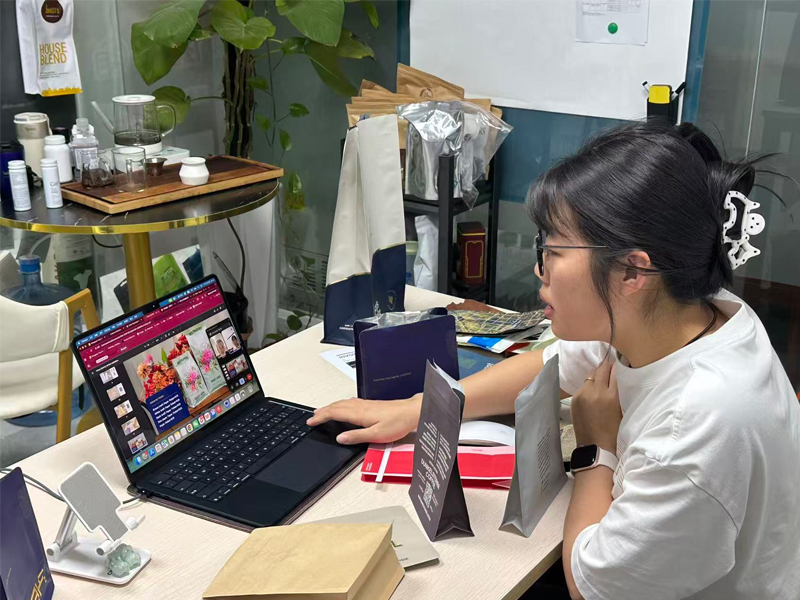
We eliminate guesswork through online video proofing and digital 3D mockup confirmations. One-on-one engineering consultation ensures material compatibility, precise die-line alignment, and accurate regulatory compliance reviews prior to mass printing.
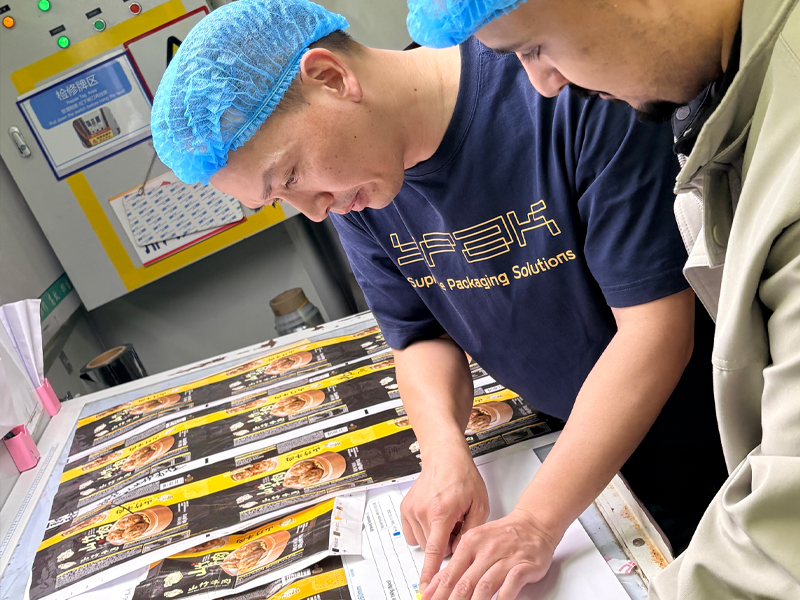
Maintaining total control over production. We closely manage every stage—from automated spectrophotometer color checks to inline tension monitoring. Clients receive real-time video clips and high-resolution photo progress reports at every milestone.
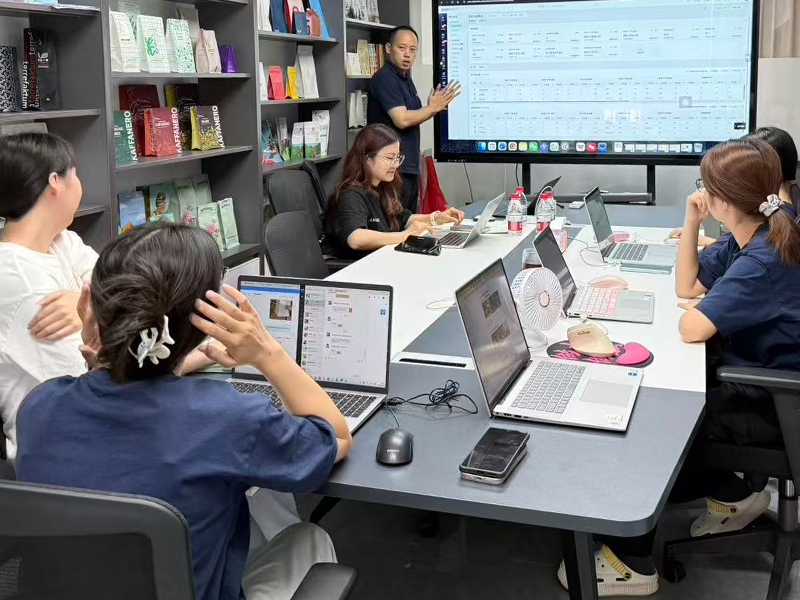
Our partnership extends beyond final shipment delivery. We establish rapid feedback channels, track long-term adhesive performance under destination warehouse climate conditions, and back all delivered goods with comprehensive replacement guarantees.
Strategic insights for enterprise procurement managers optimizing Total Cost of Ownership (TCO) and sustainable compliance.
Traditional gravure printing requires massive plate setup costs and minimum orders of 30,000+ units per SKU. By leveraging our HP Indigo 25K digital platform, brands can execute multi-SKU product runs (e.g., Seasonal Harvest, Culinary Grade, Latte Blend) with zero plate costs and minimum quantities starting as low as 500 units.
The global packaging sector is shifting toward monomaterial structures (such as Recyclable PE/PE or PP/PP) that can be easily re-processed in standard recycling streams. YPAK’s R&D department is pioneering ultra-high-barrier monomaterial label/pouch pairings that achieve < 0.5 g/m²/24h MVTR without metallic foil content.
For large-scale contract packers, label roll specifications (core size, unwind direction, machine tension, release liner silicone weight) must perfectly match high-speed labeling machinery. YPAK provides custom label rolls engineered specifically for automatic wrap-around labeling on cylindrical tins or pouch front-panel applicators.
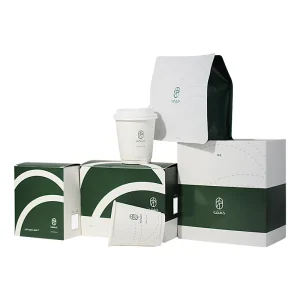
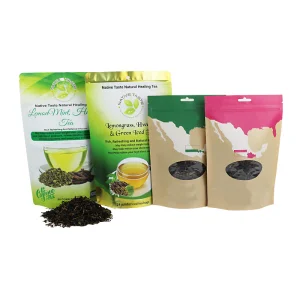
Explore our full line of specialized tea pouches, coffee packaging bags, waterproof vinyl rolls, and promotional domed stickers.
Technical responses from YPAK’s chief packaging engineers regarding matcha label compliance, adhesive performance, and printing choices.
 YPAK PACKAGING