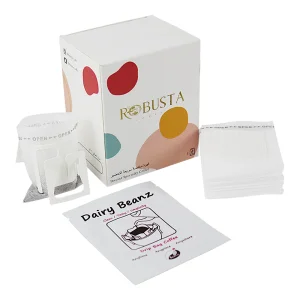
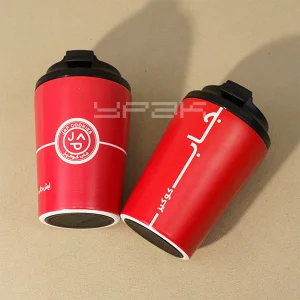
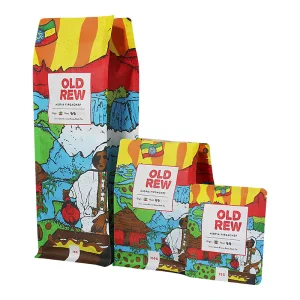
Precision Non-Woven Membrane Engineering, High-Barrier Foil Laminates, Automated Nitrogen-Flushed Packaging Lines, and Global Regulatory Compliance for Specialty Coffee Brands.
Analyzing the convergence of barista-level pour-over geometry, single-serve convenience, and high-barrier industrial material science.
The global single-serve coffee sector has undergone a massive structural shift away from rigid plastic capsules (such as standard Keurig K-Cups and Nespresso-compatible pods) toward Japanese-style pour-over drip coffee bags. Originating in Japan during the 1990s and perfected over three decades of micro-engineering, the hanging-ear drip pouch enables consumers to execute a genuine pour-over extraction without requiring specialized pour-over kettles, paper cone filters, or electronic brewers.
For specialty roasters and retail coffee brands, custom Japanese drip coffee bags present an unprecedented opportunity to package single-origin, micro-lot specialty coffees while preserving volatile aromatic compounds. Unlike standard tea-bag style coffee sachets—which suffer from over-extraction, muddy sediment, and lack of flow velocity control—Japanese drip bags suspend the coffee bed directly over the cup, allowing a true bloom phase and gravity-fed percolation.
Modern international buyers require OEM/ODM suppliers capable of delivering strict dimensional stability, zero flavor migration, and high-speed automated machine compatibility. Key performance metrics demanded by tier-1 coffee roasters include:
Operating across Hong Kong, Dongguan, and Foshan, YPAK sets the benchmark for coffee flexible packaging and custom drip bag manufacturing.
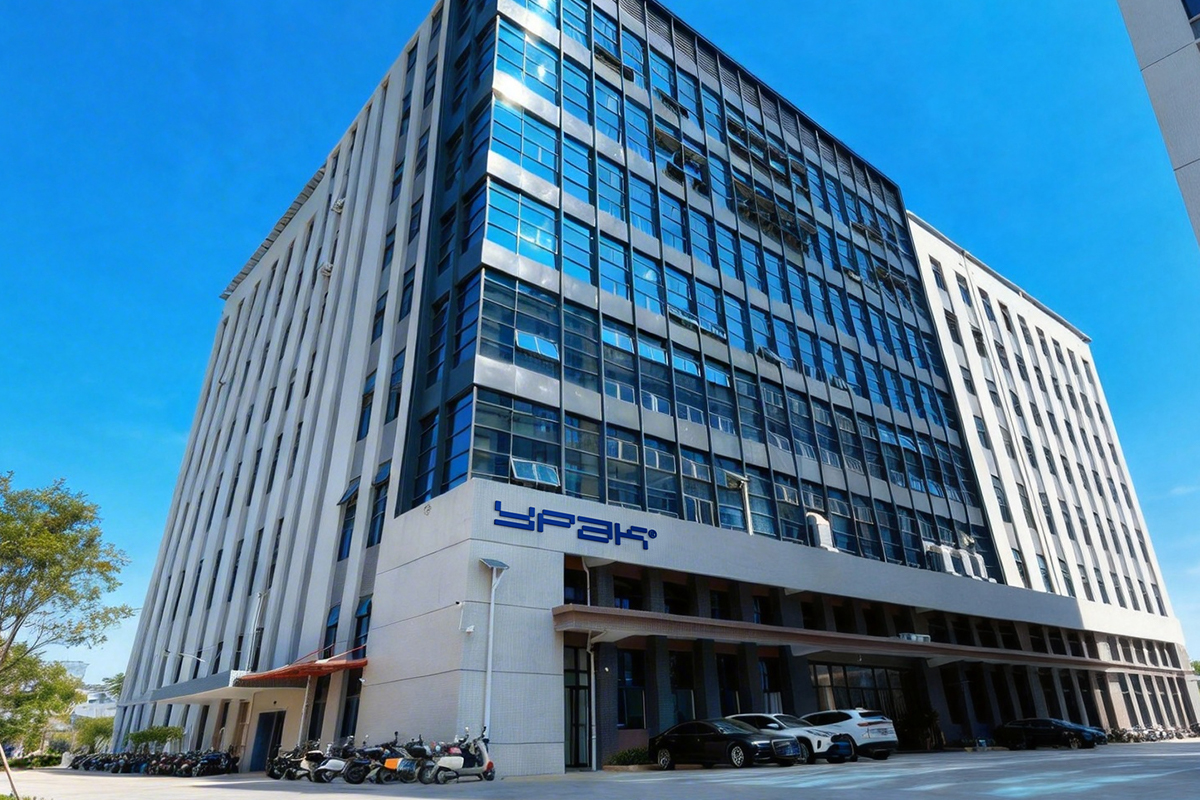
Founded in 2011, YPAK Packaging Group operates three advanced production facilities located across Hong Kong, Dongguan, and Foshan, establishing itself as one of China's primary pioneers in specialty coffee packaging. Our state-of-the-art Foshan and Dongguan manufacturing plants operate under strict BRCGS Food Safety Grade A standards and hold ISO 22000:2018 certification—guaranteeing that every drip bag and outer foil envelope meets demanding international food-contact hygiene criteria with full lot-number traceability.
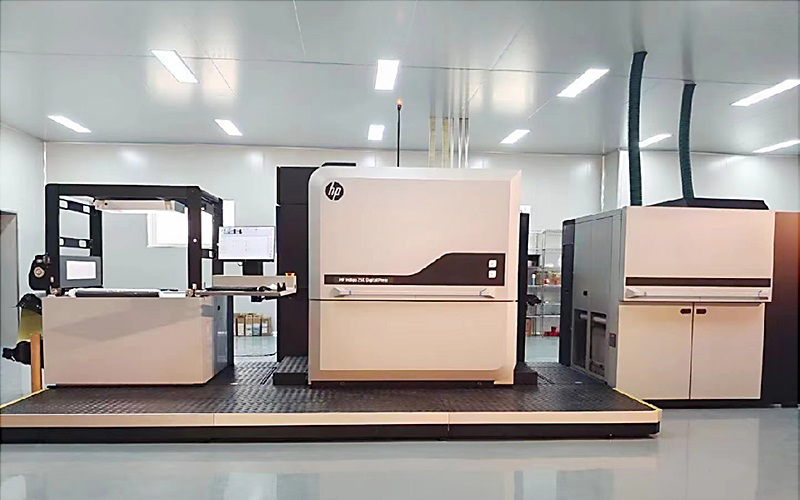
To maintain peak fresh roast integrity, we integrate premium Swiss WIPF one-way degassing valves as a standard configuration across our high-barrier coffee bean packaging lines. Furthermore, our deployment of the flagship HP Indigo 25K Digital Press enables zero-MOQ, plate-free custom short runs with photorealistic color accuracy—giving craft roasters and corporate clients the agility to launch limited-edition single-origin drip bags without capital-intensive cylinder costs.
In May 2012, YPAK successfully installed its first complete high-speed flexible packaging production line.
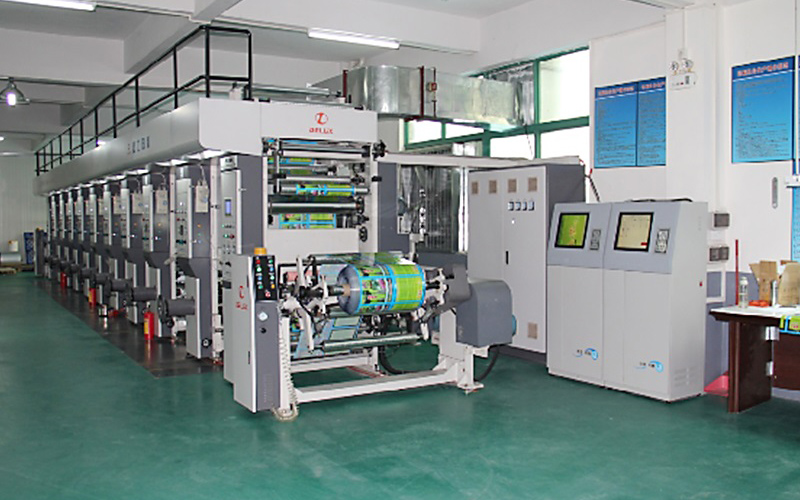
In March 2016, initiated dedicated production of premium 5-panel flat bottom coffee pouches.
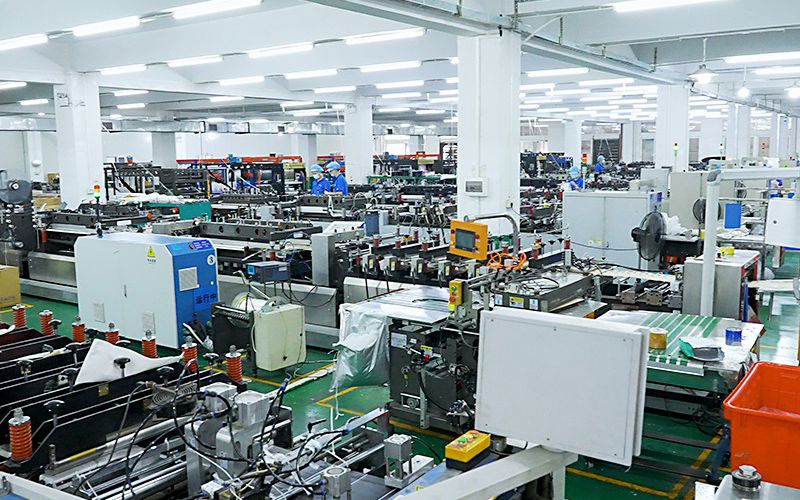
In August 2017, established the second facility to double annual output for export markets.
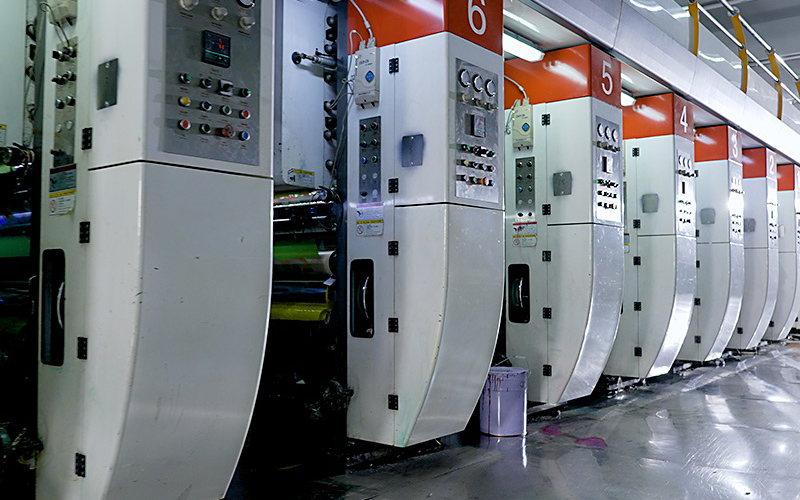
In April 2018, transitioned 100% of composite film lamination to eco-friendly solvent-free technology.
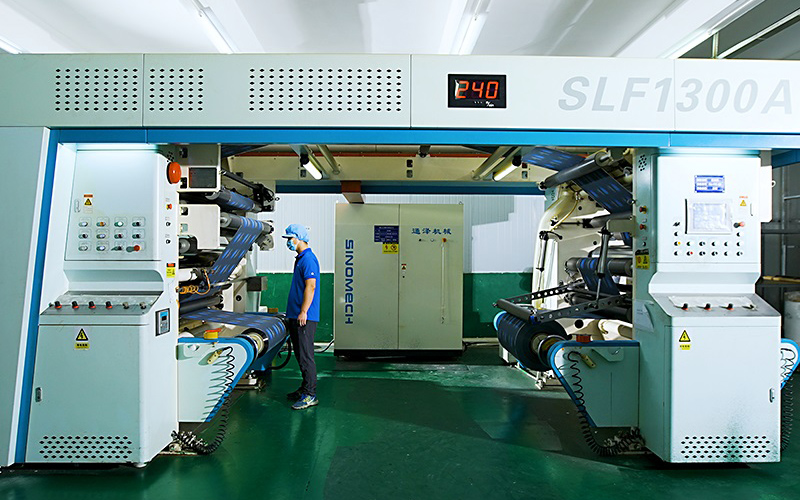
In June 2020, integrated computerized spectrophotometric ink mixing for ultra-precise Delta-E color matching.
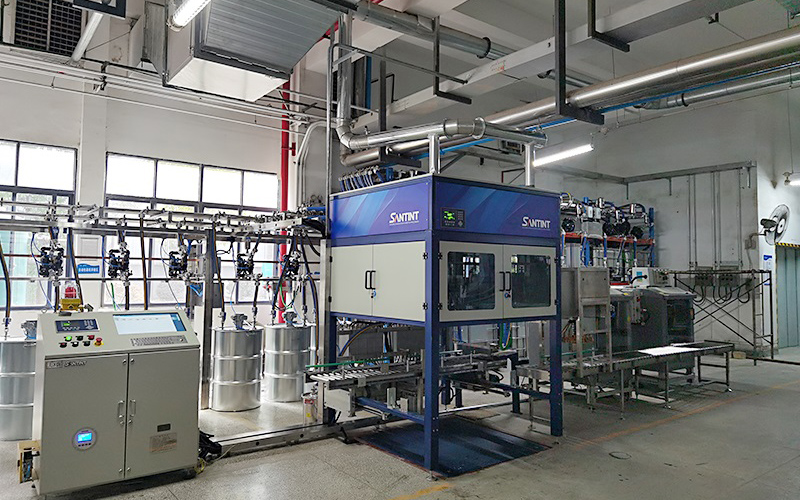
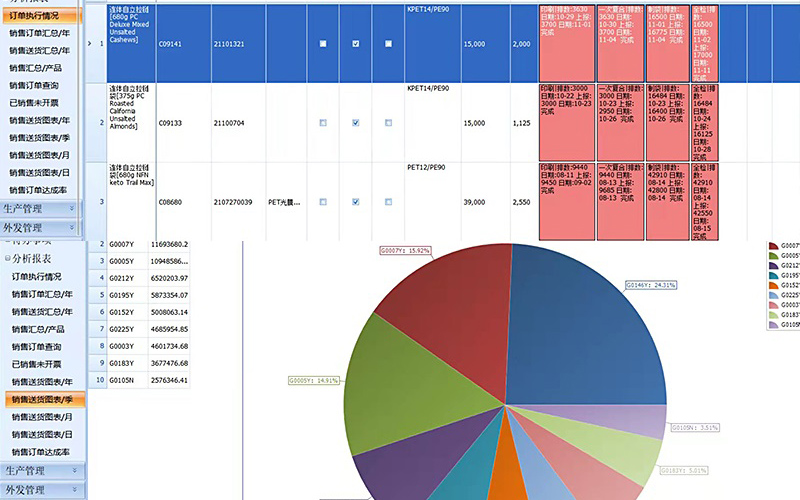
In July 2020, implemented SAP-integrated ERP production system for real-time order tracking.
In October 2021, introduced the world's leading HP INDIGO 25K digital printer to serve rapid-turnaround, variable-data specialty coffee drip bag orders globally.
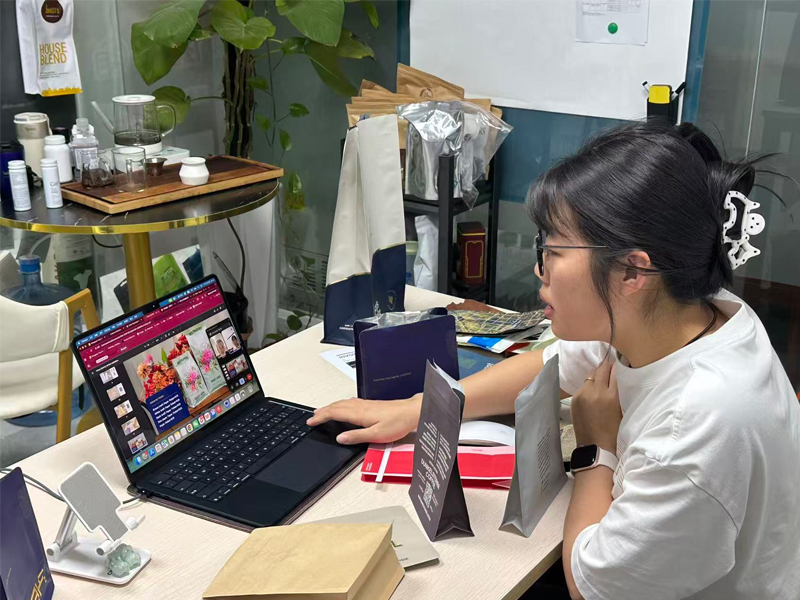
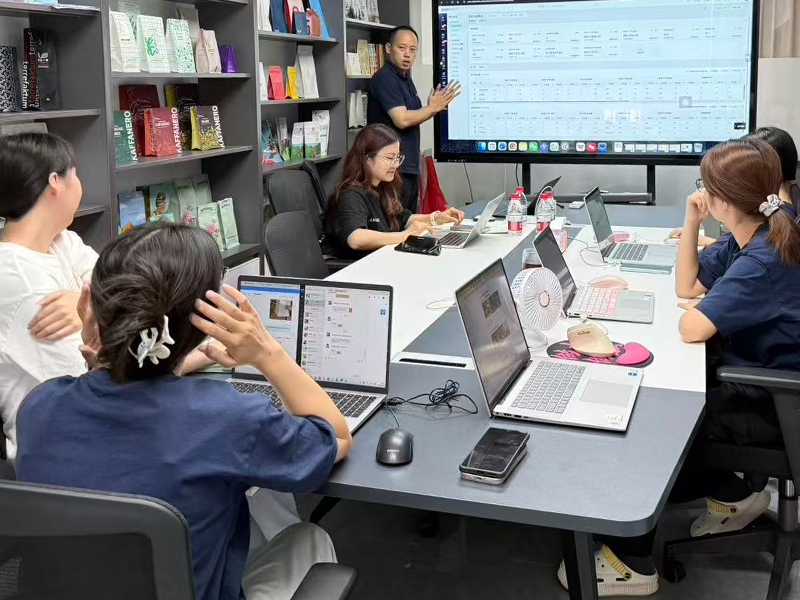
Improve customer experience through online live video confirmation. Pre-sales service involves assisting clients in selecting exact non-woven density, pouch dimensions, and barrier properties. With online video proofing, we eliminate guesswork and offer personalized technical consultation before tooling starts.
Maintaining full operational control over the manufacturing lifecycle. We closely monitor extrusion, digital printing, lamination, and pouch converting. Clients receive live status video clips and inspection photo dossiers, guaranteeing zero surprises upon final delivery.
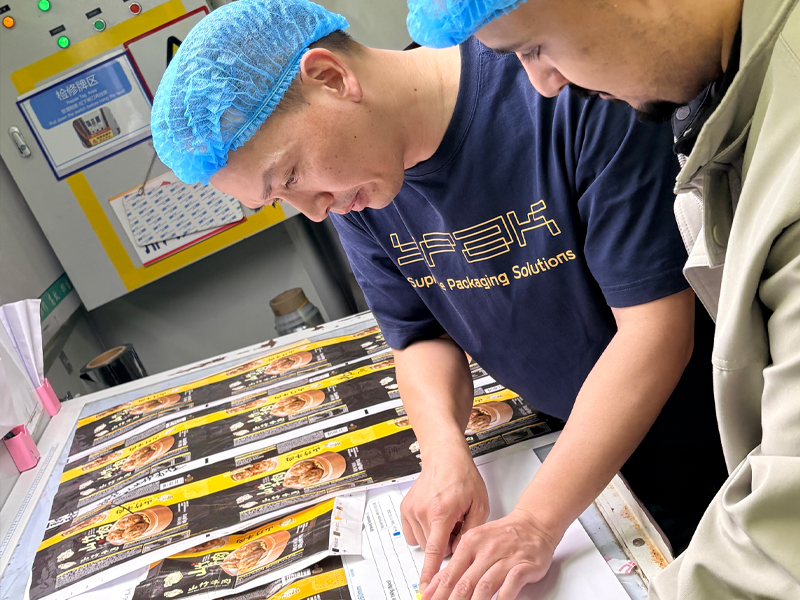
Our commitment extends beyond port delivery. We offer structured technical feedback channels, seal integrity warranty support, and long-term supply chain planning to ensure repeat customer growth and seamless scaling for global brands.
Engineering the exact pore geometry, hydraulic flow rate, and ultrasonic seam strength for premium pour-over extraction.
The heart of a Japanese drip bag is its specialized non-woven filter membrane. Standard cellulose filter paper often imparts a woody, papery taste to fine light-roast specialty coffee. YPAK utilizes food-grade Polyethylene Terephthalate (PET) / Polyethylene (PE) bi-component non-woven fabrics or 100% plant-based Polylactic Acid (PLA) cornstarch fibers.
These fibers are spun-bonded to form a micro-porous structure with controlled pore sizes between 30 to 50 microns. This precise density ensures that fine coffee grounds are completely retained while allowing natural coffee oils (diterpenes like cafestol and kahweol) and soluble solids to pass cleanly into the cup, yielding a crystal-clear brew with high aromatic clarity.
Conventional heat sealing relies on thermal conduction, which can melt plastic fibers excessively, create thermal deformation, and release micro-odors that contaminate sensitive delicate floral coffee notes. YPAK utilizes high-frequency ultrasonic welding (35 kHz) for fixing the hanging paperboard ears to the non-woven filter body.
Ultrasonic bonding creates atomic-level fusion at the contact points within milliseconds without thermal radiation. This guarantees a tensile pull-strength exceeding 15 Newtons—preventing the drip bag hooks from tearing off during hot water agitation.
| Filter Material Grade | Composition | Basis Weight (g/m²) | Flow Permeability | Extraction Target (TDS) | Eco-Compliance |
|---|---|---|---|---|---|
| Standard Non-Woven (JP Grade) | PET / PE Food Grade Polymer | 28 - 32 g/m² | 120 - 150 ml/min | 1.25% - 1.45% TDS | FDA 21 CFR 177.1630 / EU 10/2011 |
| Bio-PLA Eco Filter | 100% Bio-based Polylactic Acid | 30 - 35 g/m² | 110 - 140 ml/min | 1.30% - 1.50% TDS | EN 13432 / TÜV OK Compost Industrial |
| Micro-Perforated Kraft Hybrid | Wood Pulp + Food-Polymer Grid | 35 - 40 g/m² | 90 - 120 ml/min | 1.35% - 1.55% TDS | Recyclable Fiber Stream |
| UFO Large Dose Non-Woven | High-Strength Spunbond PET | 32 - 38 g/m² | 160 - 200 ml/min | 1.15% - 1.35% (Immersion/Brew) | FDA Compliant Food Contact |
Tailoring single-serve filter structures to match specific dose weights, cup diameters, and target customer pour patterns.
The iconic Japanese design featuring rigid paperboard arms that flex open to clamp securely over standard mug rims (65mm–85mm diameter). Ideal for single-cup 150ml to 180ml extractions.
Designed for large-dose coffee extractions, cold brew steep bags, or wide-mouthed travel tumblers. The circular disc rests horizontally over the cup, allowing a wider brew bed.
Emulates the geometry of professional barista V60 cones. Features a V-shaped bottom that concentrates water flow through a deeper coffee bed for heightened sweetness and body.
Leveraging YPAK's integrated supply chain to maximize cost efficiency, ensure raw material availability, and streamline international procurement.
Manufacturing custom Japanese drip bags in China offers immense strategic advantages in raw material access and industrial scaling. By maintaining localized supply loops for high-barrier foil laminates (PET/AL/PE, Kraft/AL/PE, and Mono-PE recyclable structures), YPAK secures volume pricing and buffer stock stability that overseas converter facilities cannot match.
Our facilities in Dongguan and Foshan are situated at the epicenter of world-class flexible packaging equipment manufacturing, granting immediate access to spare tooling, custom die-cut blades, and automated packaging spare parts—reducing plant downtime to virtually zero.
When procuring custom drip bags globally, shipping volume density plays a critical role in final landed unit costs. Flat-packed inner drip filter rolls and pre-formed outer foil envelopes yield exceptionally high volumetric efficiency in sea containers (20GP / 40HQ).
YPAK provides optimized ocean freight packaging options, palletizing cases under strict ISPM 15 heat-treatment standards. By engineering thin-gauge high-barrier laminates that do not compromise puncture resistance, we reduce total shipment gross weight—lowering air freight and sea freight duty tariffs under HS Code 4823.20 (Filter Paper) and 3923.21 (Ethylene Polymer Bags).
Navigating complex food contact safety laws, plastic directives, and environmental labeling requirements across major export markets.
All YPAK materials destined for the US and Canadian markets undergo rigorous overall migration testing according to FDA 21 CFR 177.1630. We guarantee phthalate-free, BPA-free, and heavy metal-free construction complying with California Proposition 65 regulations.
European compliance demands strict adherence to Regulation (EC) No 1935/2004 and plastic measure EU No 10/2011. To navigate the EU Single-Use Plastics Directive (SUPD), YPAK offers certified 100% bio-based PLA filters and mono-material PE outer pouches certified for standard circular recycling streams.
Serving the Japanese domestic and Asian-Pacific specialty markets requires compliance with the Japan Food Sanitation Law (JFSL Specifications and Standards for Foods, Food Additives, etc.). Our drip bags meet stringent sensory odor migration tests, preserving delicate origin flavor profiles.
How distinct industry sectors deploy custom Japanese drip bags to capture high-margin retail revenue.
Enables micro-roasters to sell single-serve sample packs of rare Geisha or anaerobic lot beans directly to e-commerce subscribers without requiring expensive brewing gear.
5-star hotel suites and first-class airline cabins replace low-grade instant coffee sticks with branded, freshly nitrogen-flushed drip pour-over pouches.
High-resolution HP Indigo digital printing allows corporate clients and cultural brands to produce custom-branded drip box packaging sets for seasonal events.
Campers, hikers, and frequent travelers demand lightweight, mess-free brew options. Japanese drip bags provide fresh brewed coffee anywhere with just hot water.
From initial bean grind extraction analysis to finished custom outer packaging and global freight forwarding.
Selecting non-woven pore specs, dose weight (8g-15g), and pouch size.
Pre-press artwork calibration via HP Indigo digital press or gravure proofing.
Solvent-free high-barrier foil or mono-PE recyclable structure curing.
Ultrasonic hook attachment, drip bag forming, and outer pouch sealing.
Residual oxygen testing ($O_2 < 0.5\%$), seal tensile audit, and export shipping.
Detailed answers to critical engineering, manufacturing, minimum order quantity (MOQ), and material questions.
Thanks to our flagship HP Indigo 25K digital press, YPAK offers plate-free, zero-MOQ digital runs for outer foil sachets, ideal for limited-edition launches or small micro-roaster batches. For traditional copper gravure cylinder printing, the standard MOQ starts at 20,000 to 30,000 units per artwork SKU to achieve maximum unit cost optimization.
When packaged on high-speed automated Form-Fill-Seal (FFS) lines integrated with continuous nitrogen injection ($O_2 < 0.5\%$), and utilizing YPAK’s aluminum foil or ultra-high barrier metallized PET laminates, fresh roasted ground coffee retains peak aroma and flavor clarity for 12 to 18 months at ambient storage temperatures.
Yes. We supply 100% bio-based Polylactic Acid (PLA) non-woven filter fabrics made from renewable plant starches, certified to EN 13432 and TÜV OK Compost standards. For the outer protective sachet, we manufacture fully recyclable Mono-PE high-barrier pouches compatible with standard Code 4 recycling loops.
We recommend a medium-fine to medium grind size (500 to 700 microns), slightly finer than standard batch brew paper filter grinds. This grain profile prevents premature water bypass while ensuring the extraction rate reaches the ideal 18–22% solubles yield within a 2 to 3-minute pour cycle.
Ultrasonic sealing uses high-frequency mechanical vibrations to join the non-woven filter to the paperboard hooks without thermal melting. This preserves the structural tension of the paperboard, eliminates plastic odor emission, and yields a substantially cleaner aesthetic without scorched edges.
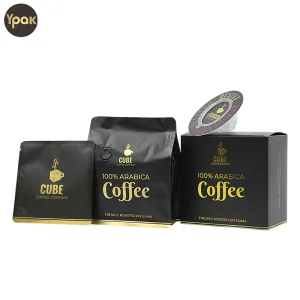
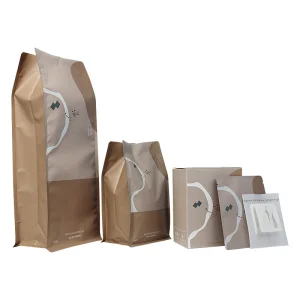
Absolutely. YPAK manufactures complete retail packaging suites, including custom printed 5-pack, 10-pack, and 20-pack corrugated or folding paperboard display boxes (Kraft, matte art card stock, UV spot varnish, foil stamping) pre-sized for efficient shelf display and shipping density.
Standard inner hanging drip bags measure 74mm x 90mm (holding 8g to 12g of ground coffee). Outer protective foil sachets typically measure 100mm x 125mm or 110mm x 130mm, providing optimal headspace for nitrogen flushing and tear-notch opening.
In 2020, YPAK introduced an automated spectrophotometric ink adjustment system. We archive digital color profiles (Pantone and CMYK Delta-E values < 1.5), ensuring that re-order print runs perfectly match original master proofs across years of manufacturing.
YPAK’s Dongguan and Foshan production plants are certified under BRCGS (Global Standard for Packaging Materials - Grade A) and ISO 22000:2018 Food Safety Management Systems, adhering to cleanroom production protocols for direct food contact packaging.
Digital short-run orders via our HP Indigo press ship within 7 to 10 working days following artwork sign-off. High-volume gravure cylinder production orders take approximately 18 to 22 working days, supported by a 99.5% historical on-time delivery metric.
 YPAK PACKAGING