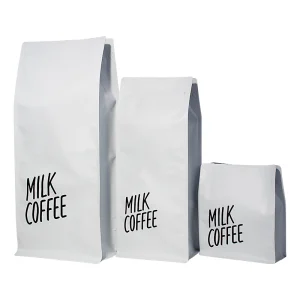
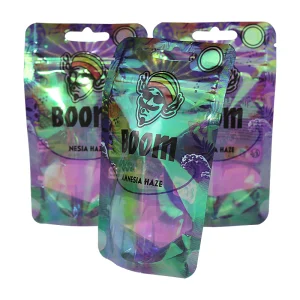
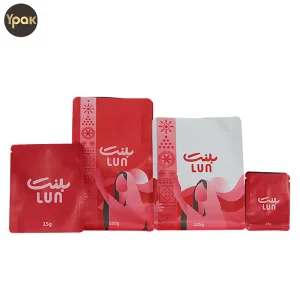
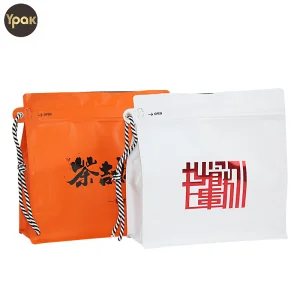
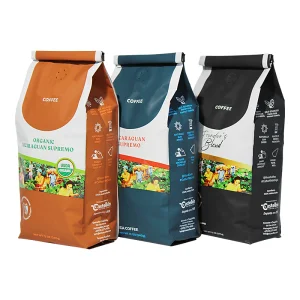
Engineered high-barrier flexible packaging solutions designed for matcha powders, specialty roasted coffee beans, and sensitive botanical extracts.
Empirical data demonstrating our barrier packaging capabilities for volatile botanical products.
Understanding the biochemical instability of ceremonial grade shade-grown green tea powder (Camellia sinensis) under environmental stress.
Matcha’s vibrant electric-green hue stems from high concentrations of Chlorophyll-a and Chlorophyll-b, accumulated during mandatory 20-30 day pre-harvest shading. Exposure to ultraviolet (UV) and visible light energy causes rapid photo-degradation, converting chlorophyll into pheophytin. This biochemical transformation turns brilliant green powder into a dull, muddy brown tone and introduces undesirable bitter, straw-like off-flavors within days if unshielded.
The antioxidant profile of ceremonial matcha relies heavily on sensitive catechins, primarily Epigallocatechin Gallate (EGCG). In the presence of ambient molecular oxygen, EGCG undergoes enzymatic and non-enzymatic auto-oxidation. This process forms quinones and complex polymers (thearubigins), causing severe loss of radical-scavenging bioactivity, astringency imbalance, and accelerated staling of the sensory profile.
Milled to an ultrafine particle size of 5 to 10 microns, matcha possesses an immense specific surface area. It exhibits strong hygroscopic properties, rapidly drawing ambient moisture from air. When internal moisture content rises above 5%, enzymatic hydrolysis speeds up, promoting clump formation, accelerating lipid peroxidation of internal leaf fatty acids, and ruining foam stability during traditional whisking (chasen preparation).
Industrial Information Gain Note: Unlike whole-leaf green tea or roasted coffee beans which have a lower relative reactivity rate, ground ceremonial matcha requires an absolute zero-tolerance barrier system. A minute OTR leak rate of 0.5 cc/m²/day can degrade high-grade matcha quality below commercial specs within 45 days of packaging.
Custom flexible film laminate architecture tailored specifically for long shelf-life matcha preservation.
| Film Layer Architecture | Material Composition | Functional Barrier Contribution | Target Shelf-Life Extension |
|---|---|---|---|
| Ultra-High Barrier Metalized (VMPET/AL) | PET / Pure AL Foil (7μm) / LLDPE | Absolute zero light transmission, OTR <0.05, MVTR <0.01. Impermeable barrier shield. | 24 - 36 Months (Industrial Grade) |
| Sustainable Recyclable Mono-PE | MDO-PE / High-Barrier EVOH-PE / LLDPE | Fully recyclable (Code 4 PE stream). OTR <0.5, MVTR <0.5. Superior eco-compliance. | 12 - 18 Months (EU PPWR Ready) |
| Industrially Compostable Film | NK Paper / Metallized PLA / PBAT Film | 100% biodegradable within 180 days in commercial facilities. Good oxygen protection. | 9 - 12 Months (Eco Line) |
| Tactile Natural Kraft Composite | Kraft Paper / VMPET / PE | Premium natural organic aesthetic combined with rigid internal foil moisture shield. | 18 - 24 Months (Artisanal Retail) |
To achieve maximum anti-oxidation performance, packaging machinery must integrate modified atmosphere technology. During high-speed pouch filling, residual oxygen levels inside the pouch must be purged using ultra-pure Nitrogen (N₂) gas, reducing headspace O₂ concentrations to under 0.5% - 1.0%. This inhibits aerobic degradation pathways without stressing delicate volatile aromatic esters.
Freshness preservation does not end at initial seal opening. Custom matcha packaging requires specialized high-density tactile zipper profiles (such as pocket zippers or press-to-close micro-track locks) paired with precise heat-sealable sealants. This guarantees that consumers can purge internal atmospheric air and securely lock out kitchen humidity between daily tea servings.
Why leading global tea brands partner with specialized Chinese packaging engineering factories for high-performance barrier solutions.
Operating across Dongguan and Foshan—the heart of China's advanced flexible packaging industrial clusters—gives manufacturers immediate access to specialized raw polymer films, custom functional additives, high-purity aluminum foils, and precision valve/zipper hardware at optimal economy of scale.
YPAK leverages state-of-the-art HP Indigo 25K digital presses. This permits plate-free, zero-MOQ production runs with photorealistic color accuracy. Brands can easily deploy seasonal micro-customization, limited-edition ceremonial harvests, and dynamic QR code traceability without heavy cylinder setup costs.
YPAK manufacturing facilities hold international BRCGS Food Safety certification and ISO 22000:2018 food safety management standards. Our solvent-free lamination technology guarantees zero volatile organic compound (VOC) migration into sensitive matcha powders, protecting pure aroma integrity.
Navigating regulatory compliance, sustainable film technology, and global supply chain optimization.
Global tea brands face tightening legislative bans on non-recyclable multi-material plastic laminates, particularly across the European Union and North America. Procurement directives now prioritize Mono-PE structures and certified home/industrial compostable films. YPAK’s R&D department has engineered high-barrier mono-material PE films that maintain low OTR rates while complying with circular economy recycling streams.
While traditional tin cans lined with inner foil bags remain popular for premium ritualistic consumption, modern fast-paced consumers favor pre-portioned 1g-2g single-serve stick packs. These nitrogen-flushed stick packs prevent repeated air exposure upon opening. Manufacturers must offer automated roll-stock films engineered for high-speed vertical form-fill-seal (VFFS) packing lines.
Founded in 2011, YPAK operates three facilities across Hong Kong, Dongguan, and Foshan, emerging as one of China’s leading flexible packaging manufacturers.
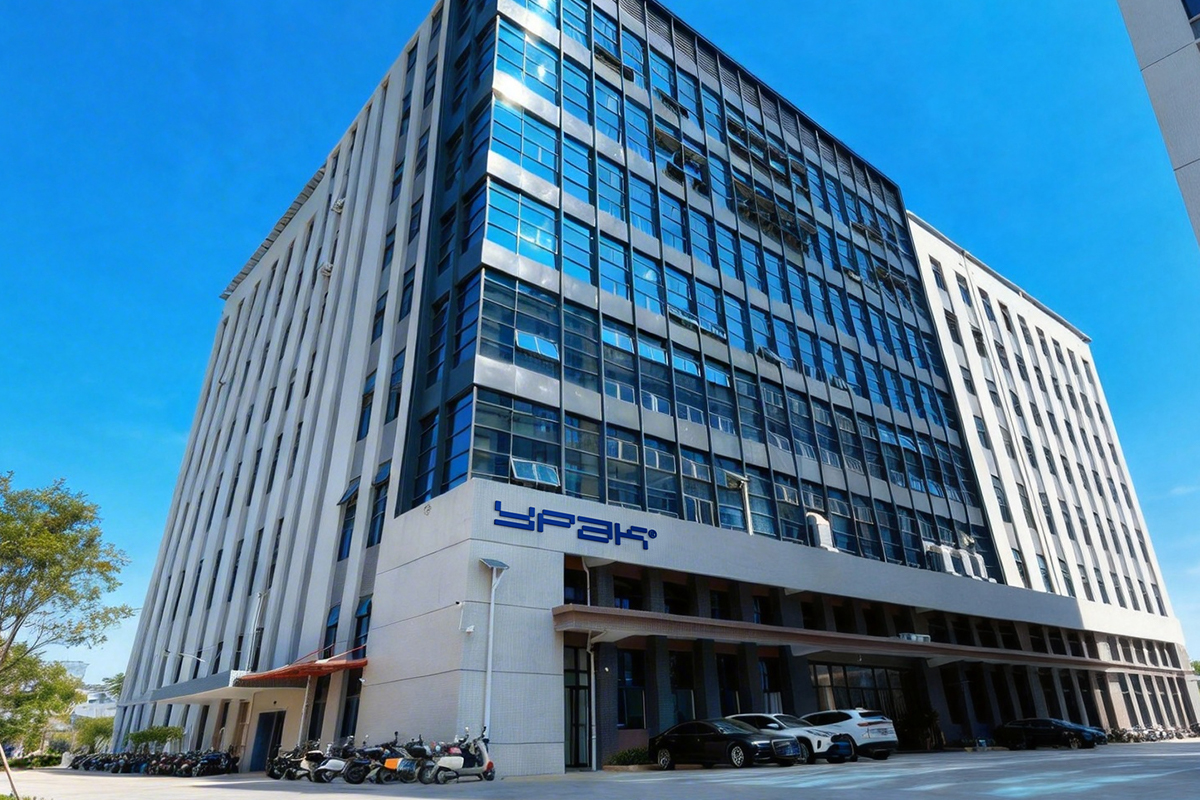
Our Foshan and Dongguan plants are BRCGS Food Safety and ISO 22000:2018 certified—ensuring every pouch meets rigorous global food contact standards with full traceability. We fit Swiss WIPF one-way valves as standard, delivering industry-leading technology of keeping freshness in our packaging. Our HP Indigo 25K digital press enables MOQ-free, plate-free runs with photorealistic print quality—perfect for limited editions and market testing. With a 99.5% on-time delivery rate, we keep your production lines moving seamlessly.
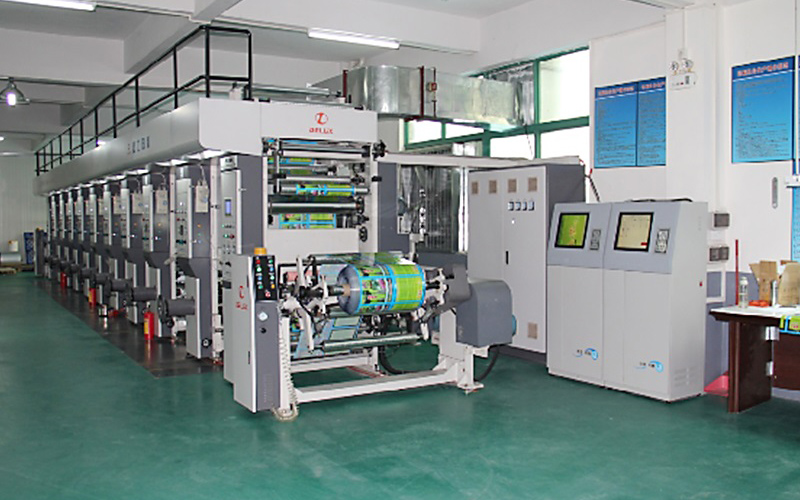
In May 2012, established the first complete flexible packaging production line to serve local markets.
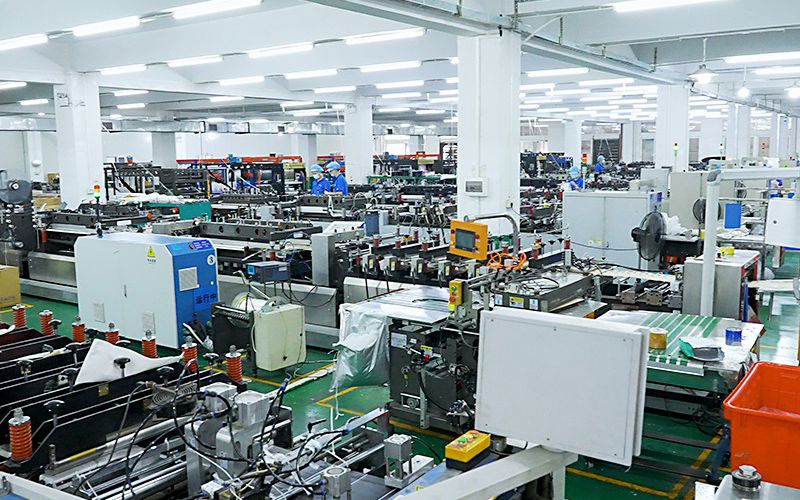
In March 2016, began manufacturing high-end box pouches / flat bottom bags for coffee and premium teas.
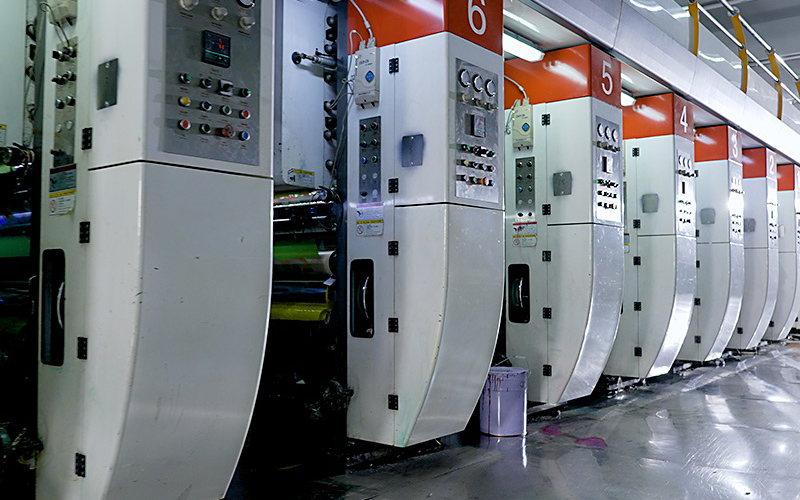
In August 2017, the second state-of-the-art production line was established to meet growing international demand.
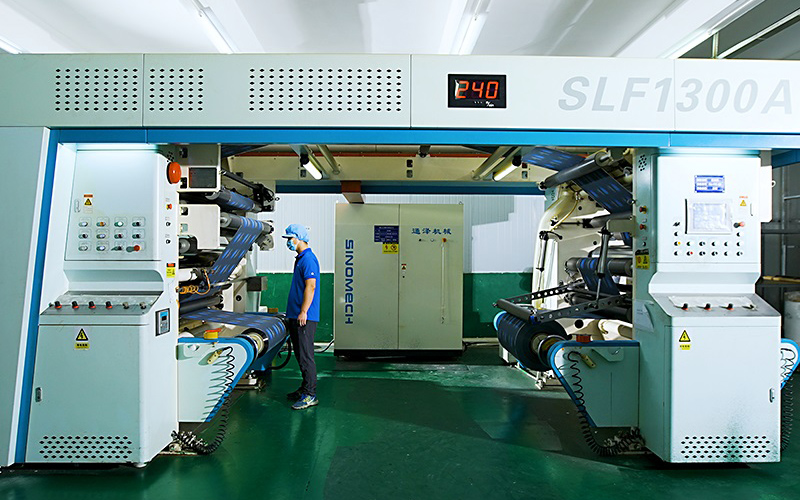
In April 2018, transitioned completely to solvent-free composite technology to eliminate organic residues in food packaging.
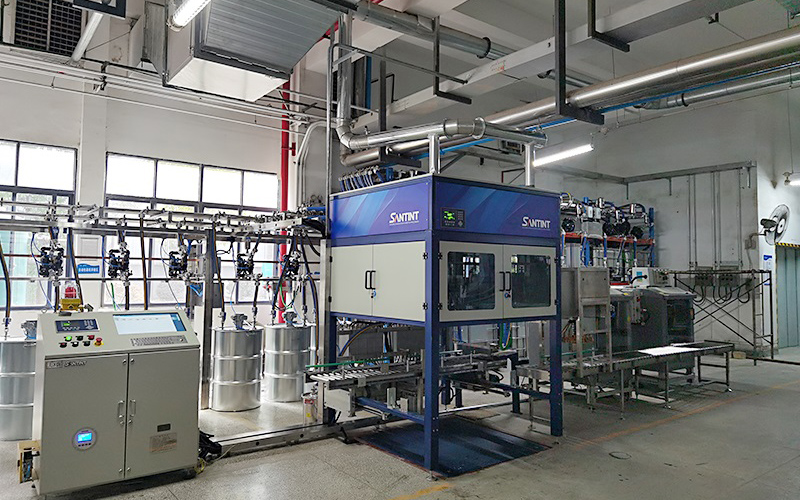
In June 2020, introduced automatic ink adjustment systems, followed by full ERP production management in July 2020.
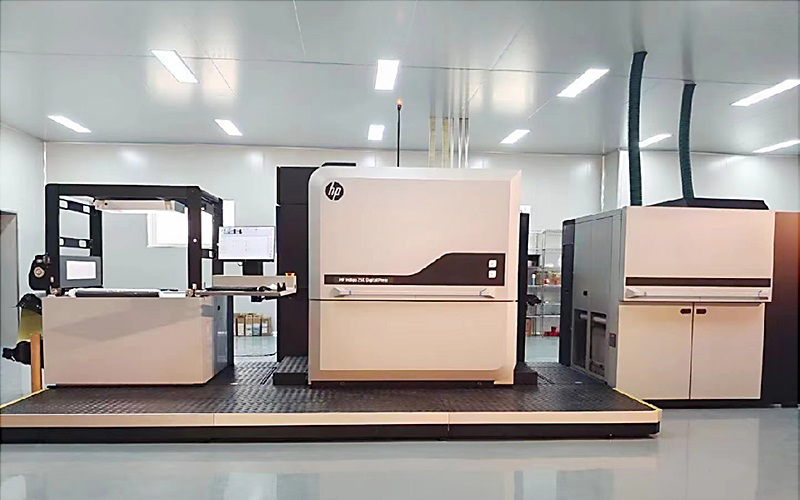
In October 2021, integrated the HP INDIGO 25K digital printing machine, pioneering custom short-run packaging flexibility.
Transparent, video-verified production workflows guaranteeing strict conformance to international brand standards.
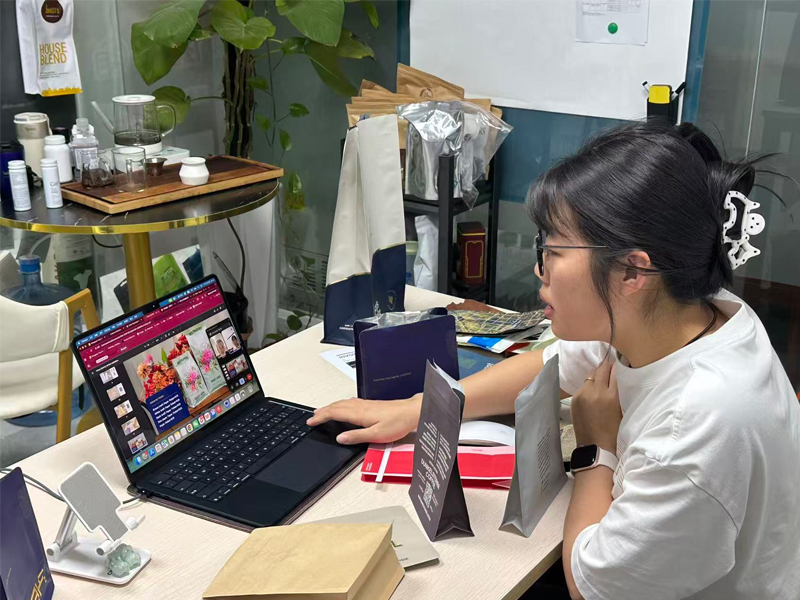
Improve customer experience through online video confirmation. One of the keys to meeting customer needs is providing excellent pre-sales service to build a solid foundation for long-term relationships. We provide one-on-one service to ensure accurate, efficient communication and take the guesswork out of product selection.
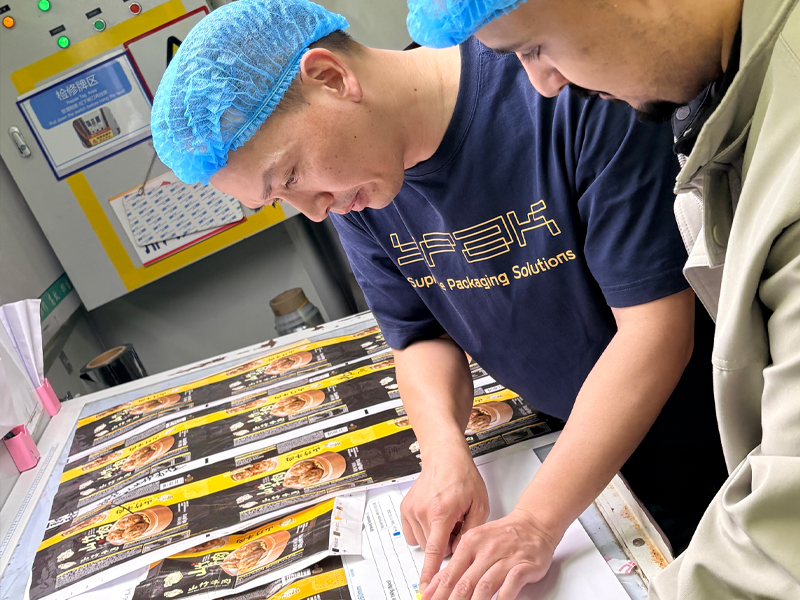
We provide exceptional mid-sale service to ensure a seamless transition from initial sale to final delivery. This involves closely monitoring and managing each stage of production to ensure strict quality and timely delivery. We regularly send production video updates and photos, letting clients visualize progress.
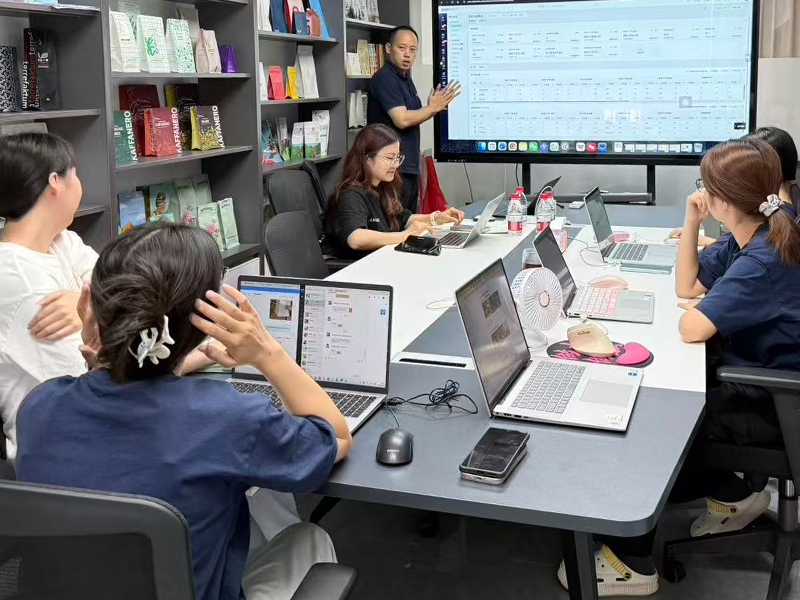
Our comprehensive after-sales support ensures client satisfaction and reinforces long-term partnership success. By investing in staff training and maintaining active feedback channels, YPAK continuously improves service quality, handling logistical tracking, technical support, and warranty guarantees.
Technical answers to common questions asked by B2B procurement managers, packaging engineers, and tea brand founders.
Discover our full lineup of custom flexible packaging pouches, specialized rolls, stickers, and eco-friendly accessories.
 YPAK PACKAGING