Explore our top-tier flexible pouching, specialized structural barriers, and industrial brand embellishments engineered for maximum freshness and compliance.
The global packaging sector is undergoing a monumental paradigm shift driven by extended producer responsibility (EPR) legislation, strict microplastic bans, and consumer demand for circular chemistry. Modern consumer packaged goods (CPG) brands are transitioning beyond conventional petroleum-derived polymers (such as PE, PET, and PP) toward edible, bio-macromolecular, and water-soluble packaging systems.
Utilizing high-purity sodium alginate, pullulan, and chitosan matrix chemistry to form crystal-clear flexible pouches. These materials provide exceptional tensile strength and superior gas barriers against oxygen ($O_2$) and lipid oxidation, making them ideal for single-serve food items, dry seasonings, and oil sachets.
Engineered cold-water and hot-water soluble edible substrates designed for instant dissolution upon contact with aqueous liquids. Perfect for ready-to-brew coffee doses, instant tea concentrates, pre-measured protein powders, and bakery ingredients.
Integrating natural antioxidants (such as green tea polyphenols and essential oils) directly into the edible matrix. This micro-encapsulation technology active prevents bacterial growth, extending the shelf-life of primary produce, meats, and confectioneries without artificial preservatives.
Achieving commercial success with custom edible and sustainable packaging requires rigorous physical properties balancing water vapor transmission rate (WVTR), oxygen transmission rate (OTR), heat sealing integrity, and tensile durability. Below is an engineering baseline comparison across key sustainable substrates manufactured and converted within our industrial ecosystem:
| Substrate Material Class | OTR (cc/m²/24hr at 23°C, 0% RH) | WVTR (g/m²/24hr at 38°C, 90% RH) | Tensile Strength (MPa) | Primary Application Spectrum | End-of-Life / Digestibility Profile |
|---|---|---|---|---|---|
| Sodium Alginate / Seaweed Matrix | < 0.8 - 1.5 | 120 - 180 (Needs lipid coating) | 25 - 45 | Flavor sachets, edible fruit wraps, liquid pods | 100% Edible & Marine Degradable (<7 days) |
| Pullulan & Starch Formulations | < 0.2 - 0.5 | 150 - 220 | 35 - 60 | Nutraceutical capsules, soluble dry mix sachets | Instant Dissolution in Warm Water / Edible |
| High-Barrier Recyclable Mono-PE | < 1.0 - 2.0 (EVOH layered) | < 1.0 - 1.5 | 40 - 70 | Specialty coffee bags, high-barrier pouching | RIC 4 Circular Stream Recyclable |
| Industrial Compostable PLA/PBAT | < 15 - 30 | < 15 - 25 | 20 - 40 | Cannabis packaging, snack food bags | EN 13432 / ASTM D6400 Certified |
Founded in 2011, YPAK PACKAGING GROUP operates three state-of-the-art facilities across Hong Kong, Dongguan, and Foshan, positioning our enterprise as a premier manufacturer of high-barrier coffee pouches, custom flexible films, and bio-based packaging innovations in Asia.
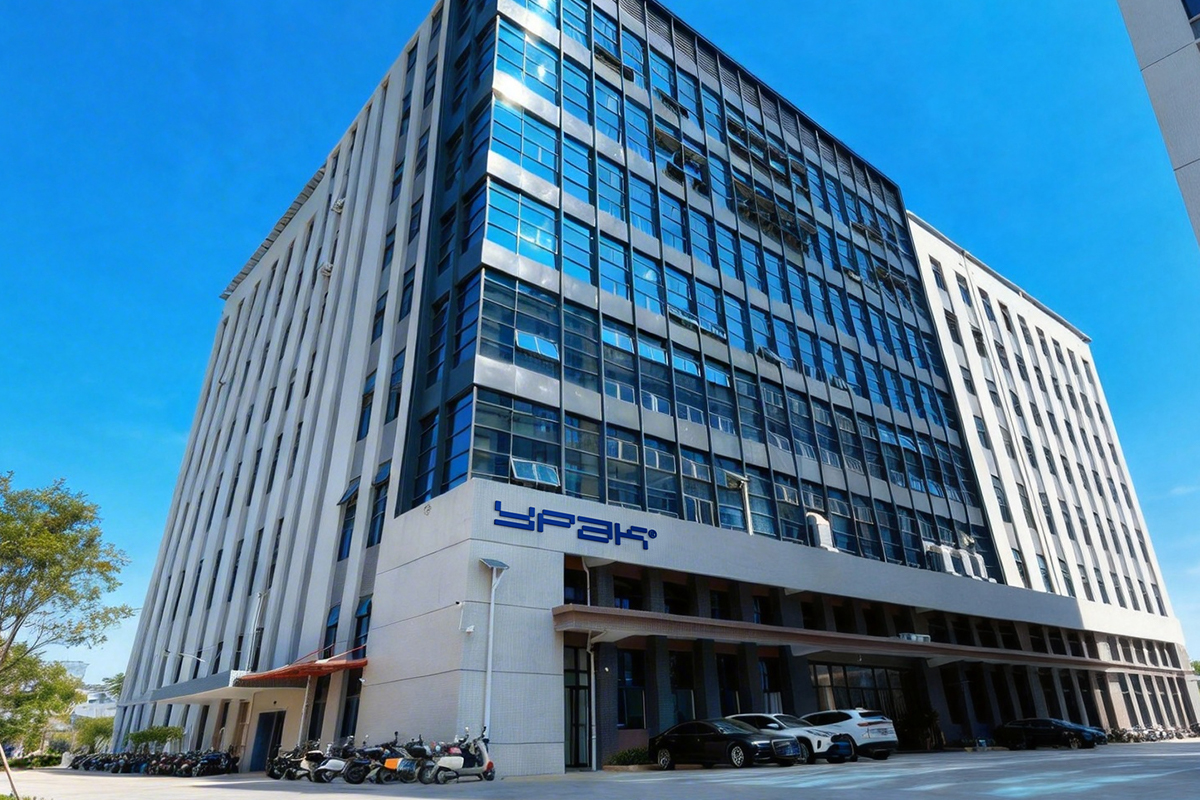
Our Foshan and Dongguan production facilities hold BRCGS Food Safety Grade A and ISO 22000:2018 certifications. Every pouch batch is subjected to gas chromatography, seal burst testing, and automated optical inspections to ensure complete traceability and compliance with US FDA 21 CFR and EU 10/2011 food contact standards.
As standard engineering practice for our coffee and high-gassing food packaging lines, we integrate authentic Swiss WIPF one-way degassing valves. This protects delicate aromatics, prevents package bloating, and maintains internal low-oxygen equilibrium for maximum shelf life.
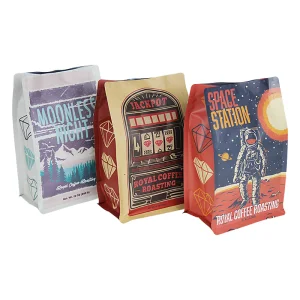
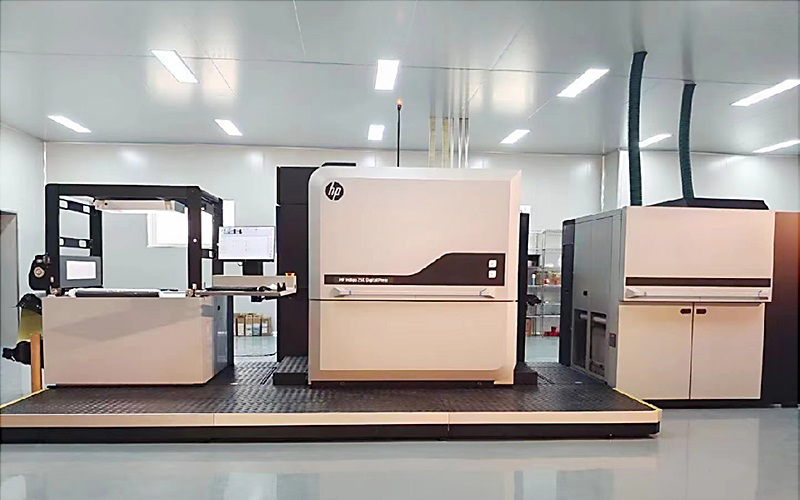
Equipped with the advanced HP Indigo 25K Digital Press, YPAK provides brand owners with plate-free print runs, zero minimum order quantities (MOQ), photo-realistic 7-color spot matching, and rapid market-testing flexibility for limited-edition eco-packaging rollouts.
Established our first automated flexible packaging production line, initiating high-barrier foil lamination operations.
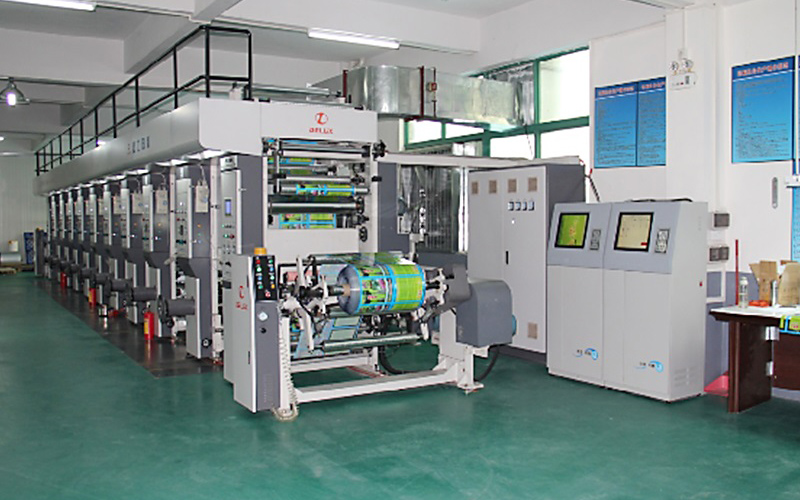
Pioneered high-speed flat-bottom pouch conversion, setting standard benchmarks for premium coffee roaster packaging.
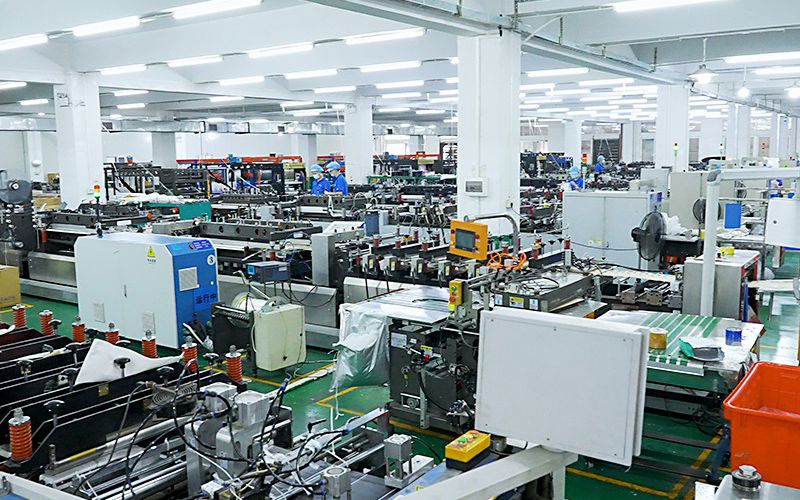
Expanded manufacturing footprint with a second 10,000 sqm cleanroom facility to meet growing global OEM export demands.
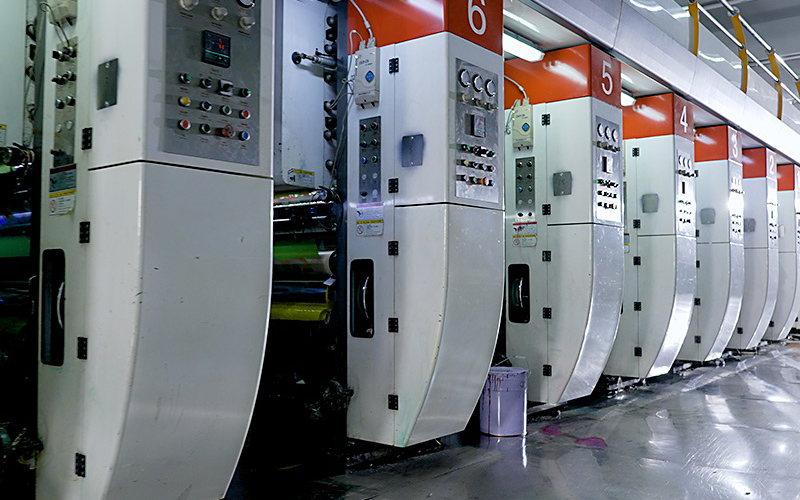
Implemented 100% solvent-free composite lamination technology, eliminating VOC emissions and residual solvent migration risks.
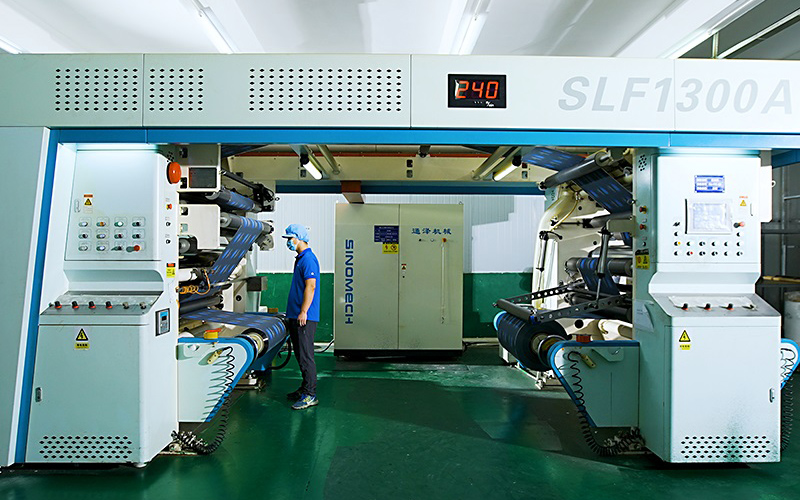
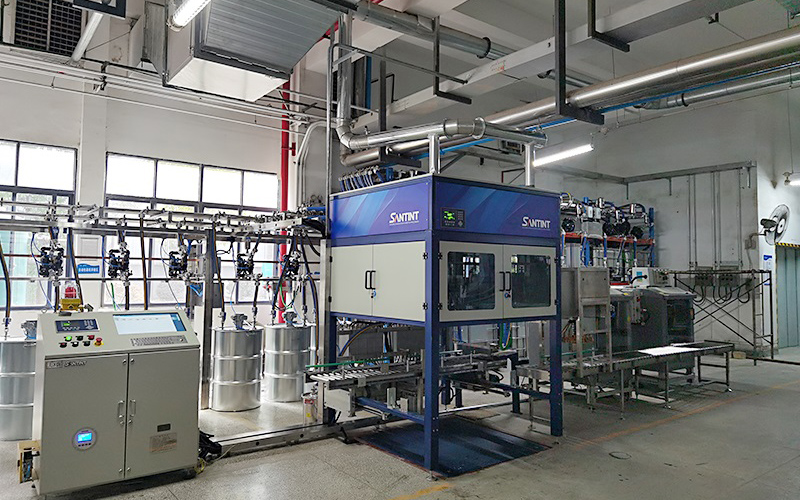
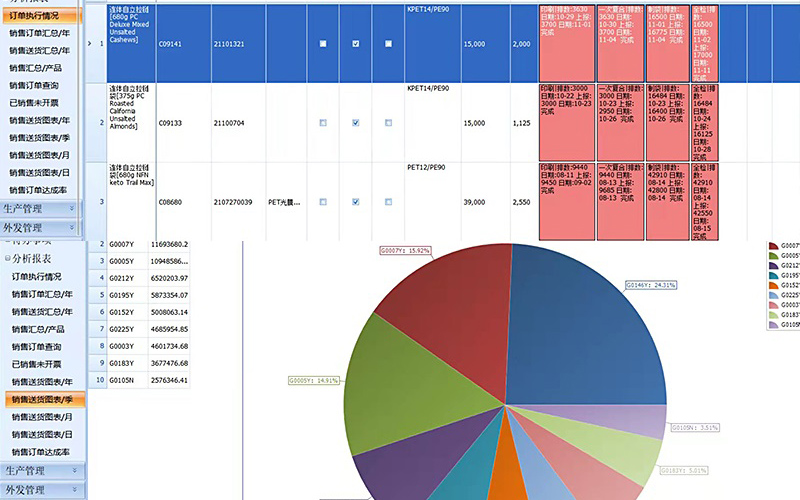
Commissioned automated robotic ink dispensing systems and enterprise ERP production tracking for 99.5% on-time fulfillment.
Acquired the HP INDIGO 25K Digital Press, launching scalable custom short-run recyclable & compostable packaging offerings.
Edible materials and advanced flexible barrier structures must align perfectly with specific regional compliance standards and commercial distribution environments. Below is our engineered deployment matrix for international markets:
Application: Pre-measured coffee grounds, soluble beverage powders, and tea pod wraps.
Technical Edge: Water-dissolvable primary film envelopes eliminate single-use plastic capsule waste. Combined with YPAK's high-barrier outer secondary coffee bags with Swiss WIPF valves for maximum ambient storage stability.
Application: Edible micro-sachets for gummy doses, protein isolates, and botanical extracts.
Technical Edge: Precise volumetric dosing protected by edible pullulan or starch coatings. Secondary packaging integrates child-resistant (CR) certified zippers complying with US 16 CFR 1700.20 standards.
Application: Dehydrated soup seasonings, edible oil pods for instant noodles, and spice blends.
Technical Edge: High oil-resistance and zero flavor loss. The packaging melts directly into boiling broth without altering taste profiles, eliminating oil residue in kitchen waste streams.
YPAK provides an integrated, end-to-end service experience designed to remove friction, eliminate guesswork, and guarantee total batch consistency for global enterprise customers.
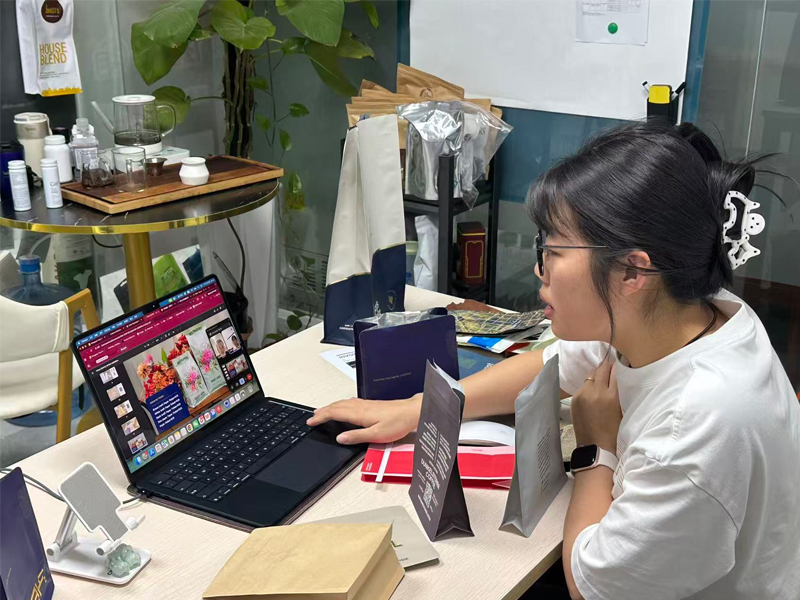
We eliminate spatial barriers through dedicated 1-on-1 online video session confirmations. Customers inspect 3D digital artwork renders, texture proofs, structural pouch samples, and real-time color calibration before mass production starts.
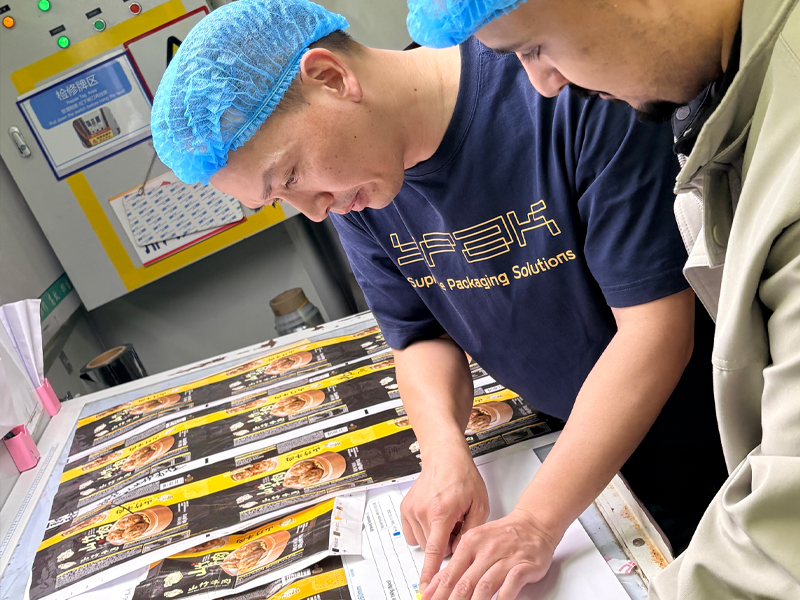
During extrusion, printing, lamination, and pouch-making, we provide active production monitoring. High-definition progress video clips and laboratory inspection logs are sent directly to your procurement team to verify lead-time timelines.
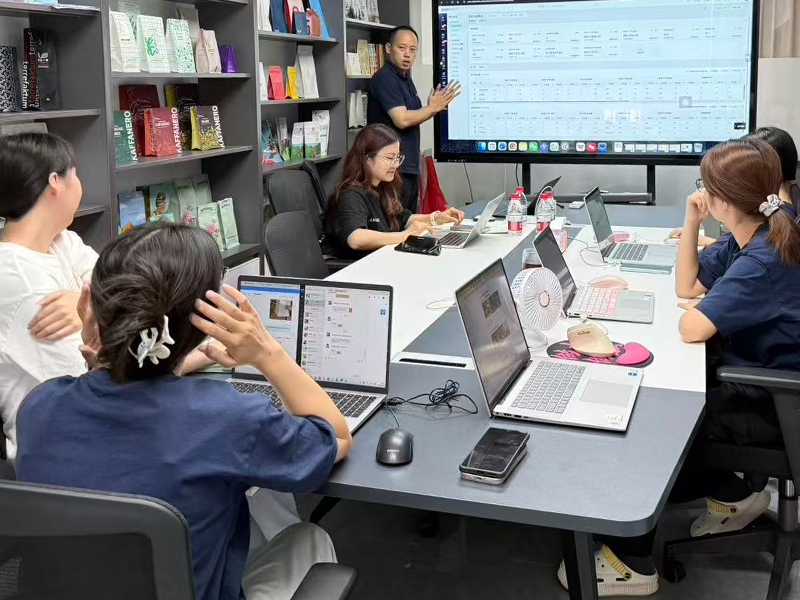
Our commitment extends long past delivery. We maintain retained archive samples from every lot for 24 months, offering comprehensive batch tracking, supply chain logistics support, and immediate customer response guarantee.
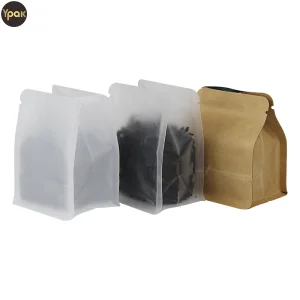
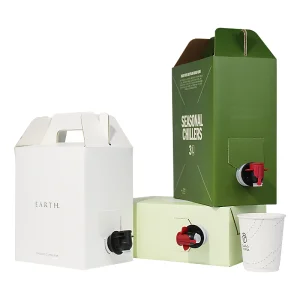
Discover our complete industrial catalog featuring trial packaging, eco-friendly liquid bag-in-box systems, custom cannabis barriers, and compostable coffee packaging.
Direct technical insights from our lead polymer scientists and packaging engineers regarding customized edible films, sustainability, and manufacturing capabilities.
 YPAK PACKAGING