Explore our top-tier certified recyclable and compostable flexible packaging models tailored for specialty coffee roasters and global brands.
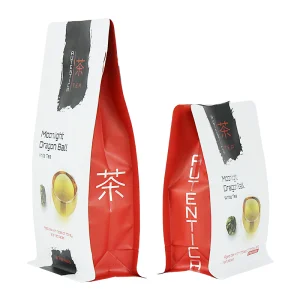
An executive whitepaper on how regulatory shifts, material science, and carbon-footprint metrics are redefining custom eco-friendly coffee packaging for commercial roasters and multinational supply chains.
Global roasters face unprecedented regulatory mandates. The European Union's Packaging and Packaging Waste Regulation (PPWR) demands that 100% of packaging be reusable or economically recyclable by 2030. Concurrently, North American jurisdictions are accelerating EPR legislation, holding brands financially accountable for post-consumer waste management. Legacy multi-layer laminates comprising aluminum foil bonded to non-recyclable PET and PE layers are rapidly becoming commercially liability risks due to steep landfill surcharges and municipal bans.
Freshly roasted coffee beans emit up to 10 liters of carbon dioxide gas per kilogram over the first 14 days post-roast. Without high-integrity degassing valves, sealed packaging inflates, leading to catastrophic seam failure. However, traditional valves introduce non-recyclable rigid polymers into flexible streams. Modern eco-packaging demands engineered single-polymer (Mono-PE) valves or bio-based PLA valves that integrate seamlessly into mono-material recycling loops without compromising Oxygen Transmission Rates (OTR) or Water Vapor Transmission Rates (WVTR).
Selecting the appropriate barrier technology requires balancing shelf-life expectancy, regional municipal waste infrastructure, and brand sustainability claims.
| Performance Metric | High-Barrier Mono-Material PE (Recyclable) | Industrial Compostable (PLA + Kraft Paper) | Home Compostable (NK + PBAT + Bio-Valve) | Traditional Foil Laminate (Legacy) |
|---|---|---|---|---|
| Recycling / Composting Stream | RIC #4 PE Circular Loop / Store Drop-Off | EN 13432 Certified Industrial Facility | OK Compost Home / Backyard Composting | Landfill / Non-recyclable Incineration |
| OTR (cc/m²/24hrs) | < 0.5 (EVOH High Barrier Layer) | < 1.5 (High Barrier PLA) | < 2.0 (Metallized Bio-Film) | < 0.1 (Aluminum Foil) |
| WVTR (g/m²/24hrs) | < 0.8 (Superior Moisture Resistance) | < 2.5 (Moderate Moisture Barrier) | < 3.0 (Requires Moisture-Controlled Storage) | < 0.1 (Zero Moisture Permeability) |
| Puncture & Tensile Strength | Exceptionally High (Flex-crack Resistant) | Moderate (Rigid structure, vulnerable to pinholes) | Flexible (Soft touch, moderate puncture threshold) | High (Susceptible to foil cracking during flex) |
| Estimated Roast Freshness Life | 12 – 18 Months | 6 – 9 Months | 3 – 6 Months | 18 – 24 Months |
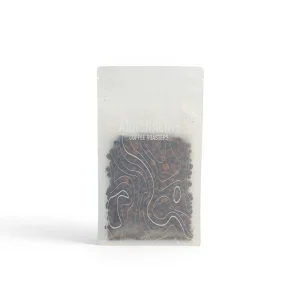
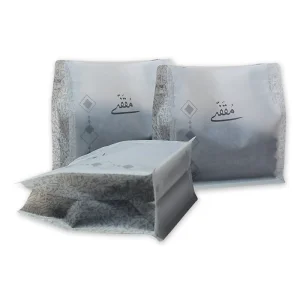
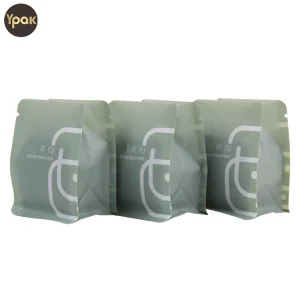
By utilizing oriented polyethylene (BOPE or MDO-PE) co-extruded with low-density PE and ultra-thin EVOH barrier layers (<5% total weight), we produce flexible pouches that carry the official plastic resin code #4. These bags pass standard European and North American circular economy optical sorting systems effortlessly.
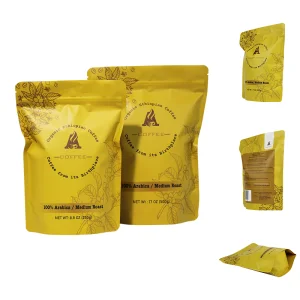
Our compostable coffee bags utilize sustainably harvested FSC-certified Kraft paper combined with Poly Lactic Acid (PLA) and PBAT films derived from cornstarch and sugarcane. They breakdown into water, carbon dioxide, and organic biomass without generating microplastic residues.
Every technical coffee pouch is integrated with original Swiss WIPF one-way degassing valves as standard. These valves open precisely at defined internal pressures to exhaust CO2 while blocking ambient oxygen ingress, preserving volatile aromatics like aldehydes and pyrazines.
Founded in 2011, YPAK Packaging Group operates state-of-the-art production hubs across Hong Kong, Dongguan, and Foshan, delivering robust flexible packaging solutions to roasters in over 60 countries.
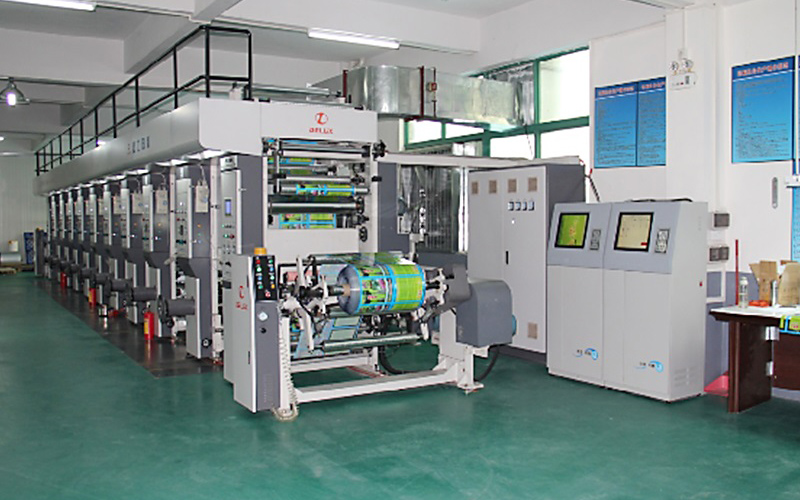
Commissioned our first complete high-speed flexible packaging production line with zero-emission ink handling.
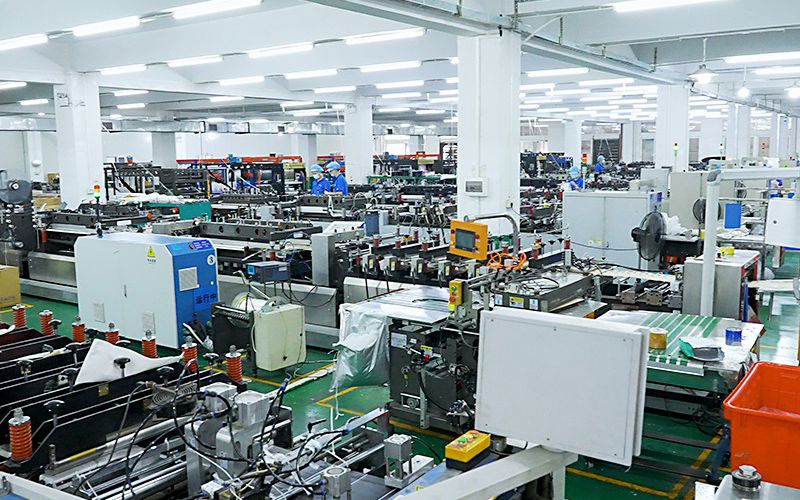
Pioneered automated flat bottom (box pouch) converting machinery with pocket zipper application capabilities.
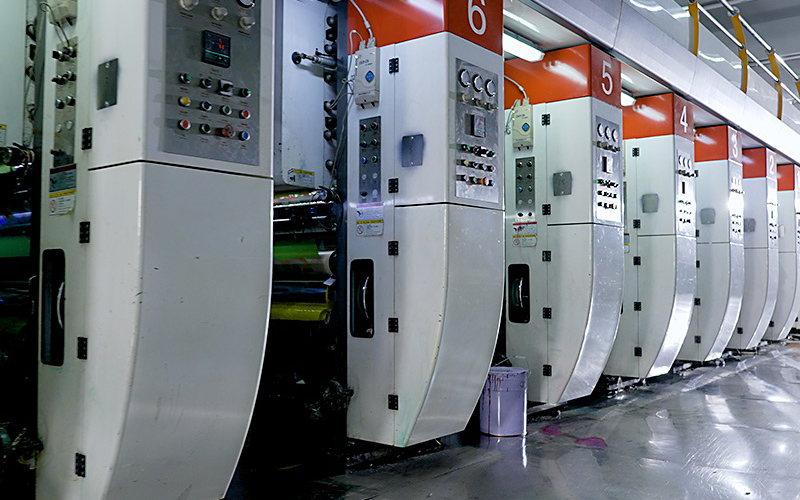
Established our second modern manufacturing facility in Dongguan, scaling production capacity by 150%.
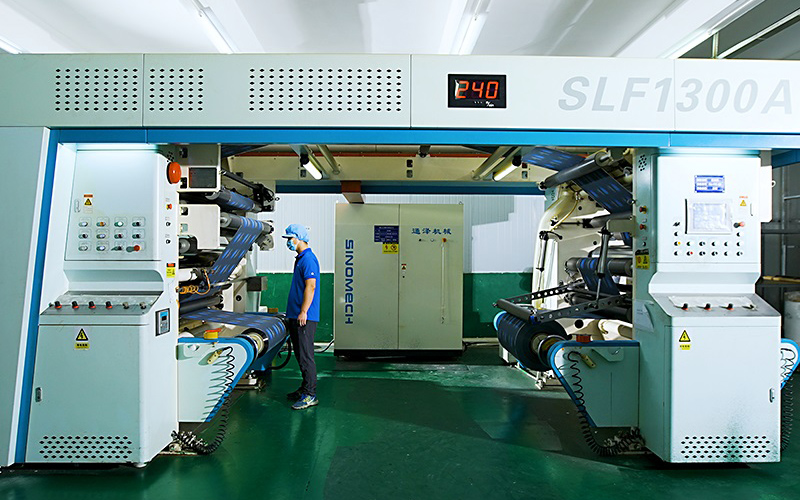
Transitioned 100% of standard laminations to solvent-free eco-composites, eliminating volatile organic compounds (VOCs).
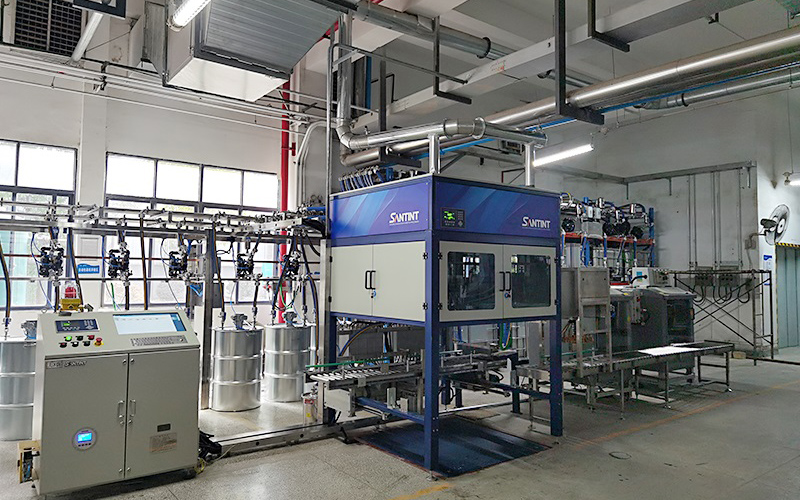
Implemented closed-loop spectroscopic automatic ink adjustment systems and full-chain ERP production management.
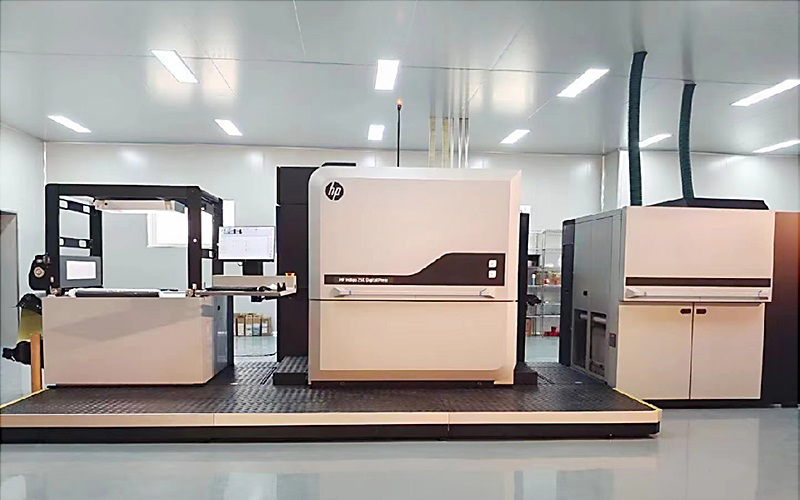
Acquired the HP Indigo 25K Digital Press, enabling plate-free, MOQ-free custom printing with zero web waste during set-up.
From digital pre-press proofing to post-delivery operational support, YPAK enforces rigorous standard operating procedures to eliminate errors and safeguard brand value.
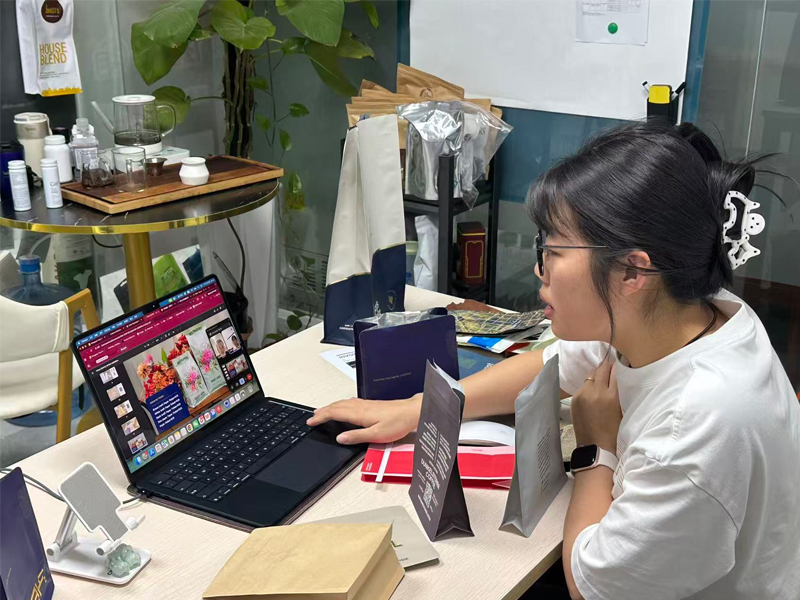
We eliminate technical ambiguity through one-on-one video consultations, high-resolution structural mockups, and real-time press check simulations. Our packaging engineers audit your filling machine specs (form-fill-seal vs. manual pouch filling) to verify seal temperatures, gusset depths, and slip factor compatibility before tool manufacturing.
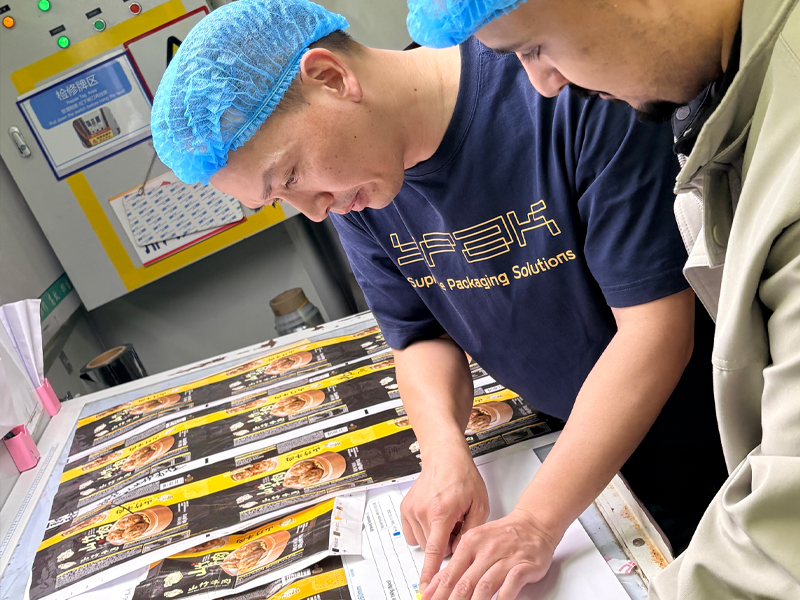
Transparency is embedded in our ERP ecosystem. Clients receive automated photographic and video reporting across key milestones: substrate corona treatment, solvent-free lamination curing, slitting, and pouch conversion. Automated inline vision control cameras scan 100% of printed webs for print defects and register alignment.
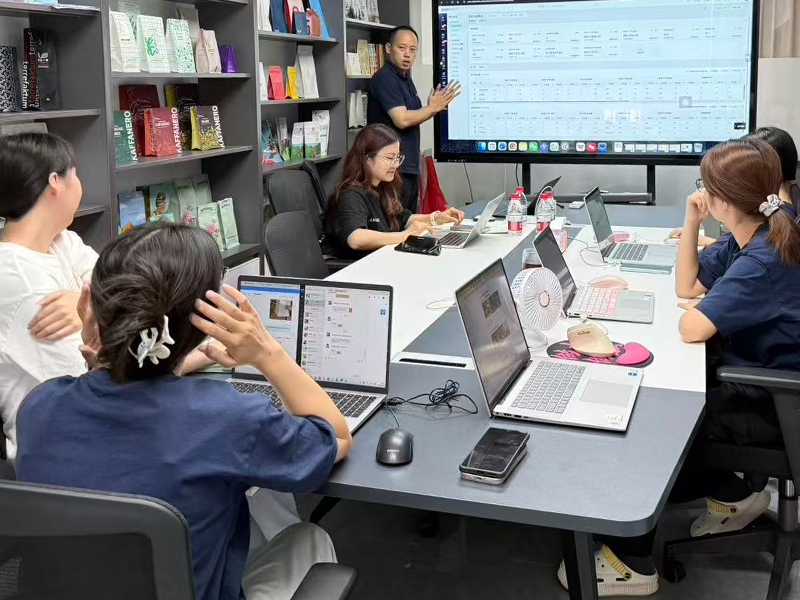
Every production lot carries a unique laser-etched tracking ID linking back to raw material masterbatches, machine operator logs, and lab test certificates (burst strength, seal integrity, and gas valve pressure response). We back every shipment with a rapid resolution policy to guarantee continuous operation of your roastery lines.
Differentiate your specialty coffee on retail shelves with high-precision tactile embellishments and structurally superior pouch designs.
Elevate sensory engagement by combining rough matte background varnishes with localized 3D high-gloss UV accents. Our digital UV application unit creates raised textures, metallic cold-foil highlights, and tactile typography without needing expensive physical embossing dies. This technique creates a striking contrast that catches consumer attention under retail lighting.
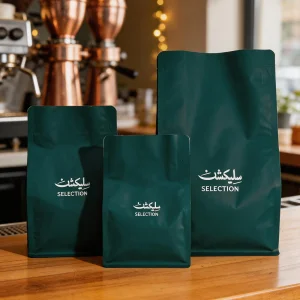
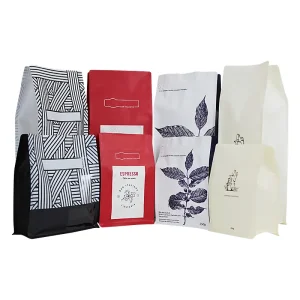
The flat bottom box pouch offers 5 distinct printable panels, providing maximum shelf presence and brand storytelling room. Combined with a tear-open front pocket zipper, it allows consumers to open and reseal the bag cleanly while maintaining structural integrity on store shelves without tipping over.
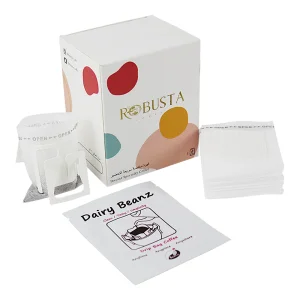
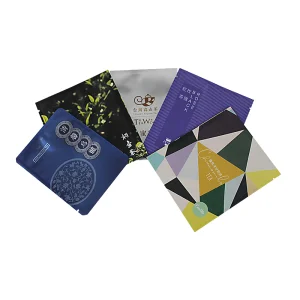
Target the booming single-serve specialty sector with our non-woven, ultra-fine ultrasonic-sealed portable drip coffee filter bags. Manufactured from food-grade compostable fibers, these filters deliver optimal extraction parameters for single-cup pour-over brewing outdoors, in hotels, or at the office.
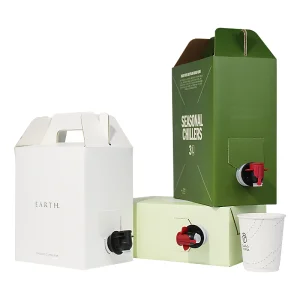
For commercial wholesale roasters, cold brew suppliers, and liquid beverage distributors, we offer 3L to 20L heavy-duty Bag-in-Box liquid solutions and Kraft outer packaging with high-flow dispense taps. These systems reduce bulk transport weight by 70% compared to rigid plastic carboys or glass containers.
Ensuring full operational compliance with international food contact standards while outlining our commitment to next-generation bio-polymer innovation.
All materials used by YPAK—including inks, adhesives, barrier films, and valves—fully comply with US FDA 21 CFR 177.1520, EU Regulation (EC) No 1935/2004, and China GB 4806 standards. Detailed Overall Migration Limit (OML) and Specific Migration Limit (SML) testing reports are supplied with every batch.
Our Mono-PE structures meet CEFLEX (Circular Economy for Flexible Packaging) design guidelines. They are fully compatible with existing European mechanical recycling streams (NIR sorters) and North American Store Drop-off programs under the How2Recycle standard.
YPAK R&D is currently testing next-generation ultra-high barrier bio-based aluminum replacement coatings (SiOx and AlOx vacuum deposits on PLA) and 100% ocean-degradability polymers (PHA). We aim to achieve net-zero manufacturing footprint across all flexible bag converting lines by 2028.
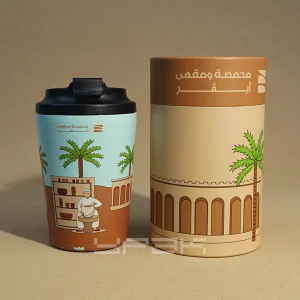
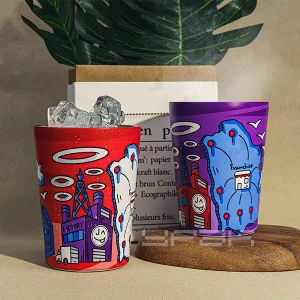
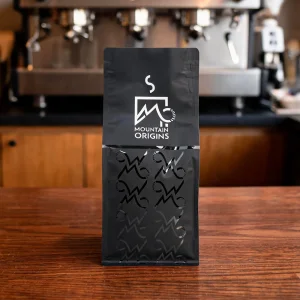
Explore our full line of specialized tea packaging, coffee cups, vacuum bags, and multi-purpose eco-friendly liquid pouches.
Get authoritative answers to high-intent questions regarding eco-friendly packaging procurement, minimum orders, barrier testing, and compliance.
Our Mono-Material PE pouches utilize high-density MDO-PE substrate co-extruded with an ultra-thin EVOH layer (less than 5% of the total composition). This achieves an Oxygen Transmission Rate (OTR) of < 0.5 cc/m²/24hrs and Water Vapor Transmission Rate (WVTR) of < 0.8 g/m²/24hrs—effectively protecting coffee oils from oxidation while fully complying with international plastic recycling stream guidelines (RIC #4).
Thanks to our HP Indigo 25K Digital Press, we offer zero-MOQ, plate-free printing runs for short batches, limited-edition roasts, and market trials. For large-scale gravure production runs, MOQ starts at 5,000 to 10,000 units depending on pouch format and material spec, delivering optimized unit economics for high-volume roasters.
Yes. We integrate bio-based WIPF degassing valves manufactured from PLA/cellulose derivatives. When installed on our industrial compostable Kraft/PLA bags, the entire packaging assembly—including zipper, valve, and ink layers—breaks down into natural compost under EN 13432 or ASTM D6400 industrial composting conditions.
We utilize an automated closed-loop ink matching system integrated into our ERP software. Spectrophotometric measurements are recorded for every print run to ensure Delta-E values remain under 1.5. This guarantees that your brand colors remain consistent across digital short runs and high-volume rotogravure press runs.
Our Dongguan and Foshan production hubs hold BRCGS Food Safety Grade A certification and ISO 22000:2018 certification. All flexible pouches are manufactured in cleanroom environments with full batch traceability and compliance with US FDA, EU EC 1935/2004, and international food contact standards.
Digital printing runs are typically produced in 7 to 10 working days post proof approval. Standard custom rotogravure orders require 15 to 20 working days. With a historical 99.5% on-time delivery record, we coordinate air freight, sea freight, or rail shipment to keep your coffee filling lines running seamlessly.
 YPAK PACKAGING