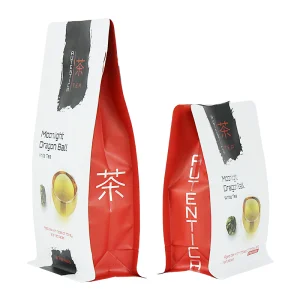
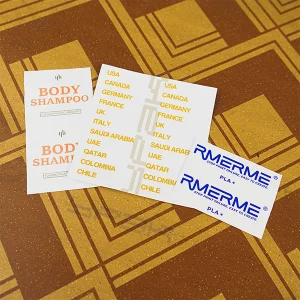
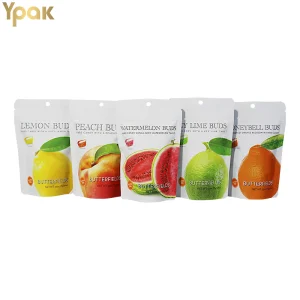
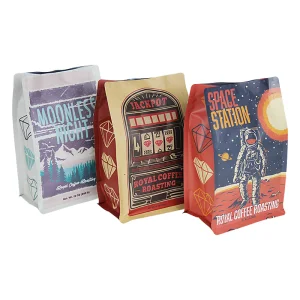
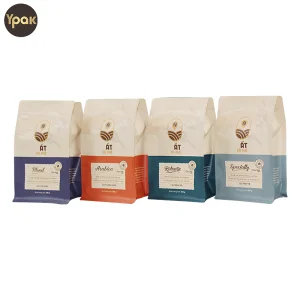
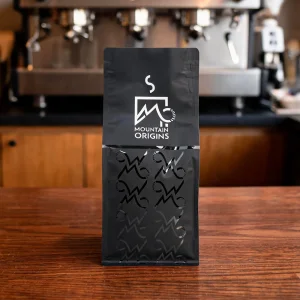
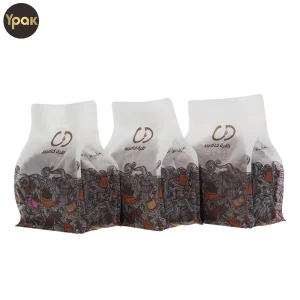
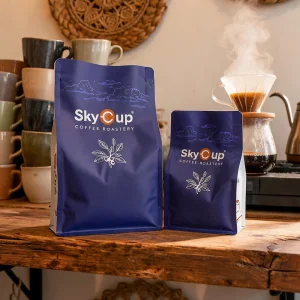
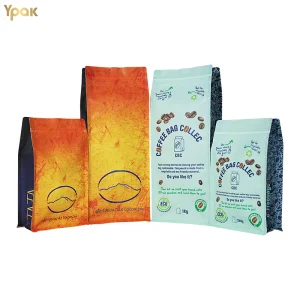
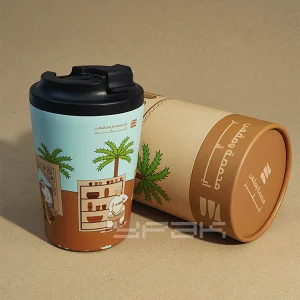
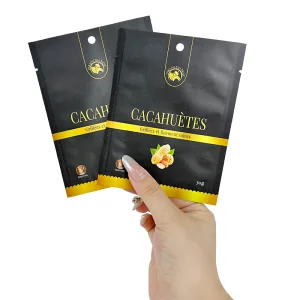
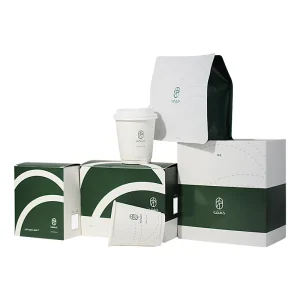
Explore our standard and custom-manufactured compostable, recyclable, and specialty barrier bags tailored for global food brands.
The global flexible packaging market is undergoing a paradigm shift driven by stringent environmental legislation, corporate Net-Zero commitments, and rapidly evolving consumer demand for zero-waste packaging.
As single-use plastics face increasing regulatory bans across Europe (EU Single-Use Plastics Directive 2019/904), North America (California SB 54), and the Asia-Pacific region, enterprise food manufacturers are urgently seeking custom compostable food bags suppliers and factories capable of replicating the barrier performance of traditional multi-layer petroleum substrates without compromising shelf life or structural integrity.
Compostable packaging represents a sophisticated synthesis of polymer chemistry, surface science, and high-precision conversion technology. Unlike traditional plastics derived from fossil fuels that persist in ecosystems for centuries, certified fully compostable flexible packaging decomposes into non-toxic organic biomass, carbon dioxide, and water vapor under controlled composting conditions. Achieving this standard requires meticulous material selection, precise layer lamination, and rigorous compliance with international standards such as EN 13432, ASTM D6400, and OK Compost HOME.
Engineering a high-performance compostable food pouch demands replacing traditional foil (ALU), polyethylene (PE), and polypropylene (PP) layers with advanced bio-based polymers. At YPAK, our material science engineers utilize proprietary multi-layer co-extrusion and solvent-free lamination techniques to achieve optimal oxygen transmission rates (OTR) and water vapor transmission rates (WVTR).
Synthesized from fermented plant starch (corn or sugarcane), PLA provides exceptional clarity, high tensile strength, and excellent stiffness. Serves as an ideal printable outer web replacing traditional PET films.
A bio-degradable random copolymer that provides ultra-high flexibility, tear resistance, and sealing performance. PBAT acts as the foundational sealing layer, preventing punctures and seam failures.
Polybutylene Succinate (PBS) enhances thermal resistance (up to 100°C), while natural unbleached FSC-certified Kraft Paper delivers superior tactile aesthetics and structural rigidity for premium specialty food pouches.
| Substrate Laminate Structure | Typical Thickness | OTR (cc/m²/24hr) | WVTR (g/m²/24hr) | Composting Classification | Primary Food Applications |
|---|---|---|---|---|---|
| NK Paper / PLA / PBAT | 120 - 140 µm | < 2.5 | < 5.0 | EN 13432 Industrial | Specialty Coffee, Dry Nuts, Organic Snacks |
| High-Barrier Bio-PLA / High-Barrier EVOH Coating / PBAT | 80 - 110 µm | < 0.8 | < 1.5 | TÜV OK Compost Home / Industrial | Roasted Coffee Beans, Freeze-Dried Fruits, Powders |
| Cellophane / PBS / PBAT | 70 - 90 µm | < 4.0 | < 6.5 | ASTM D6400 Industrial | Confectionery, Tea Bags, Bakery Products |
| Traditional PET / ALU / PE (Legacy Standard) | 110 µm | < 0.1 | < 0.1 | Non-Biodegradable (Landfill) | Legacy Commercial Foods |
China has established itself as the global epicenter for advanced biopolymer synthesis and high-precision flexible packaging manufacturing. Sourcing directly from China-based certified factories offers distinct strategic advantages for enterprise buyers:
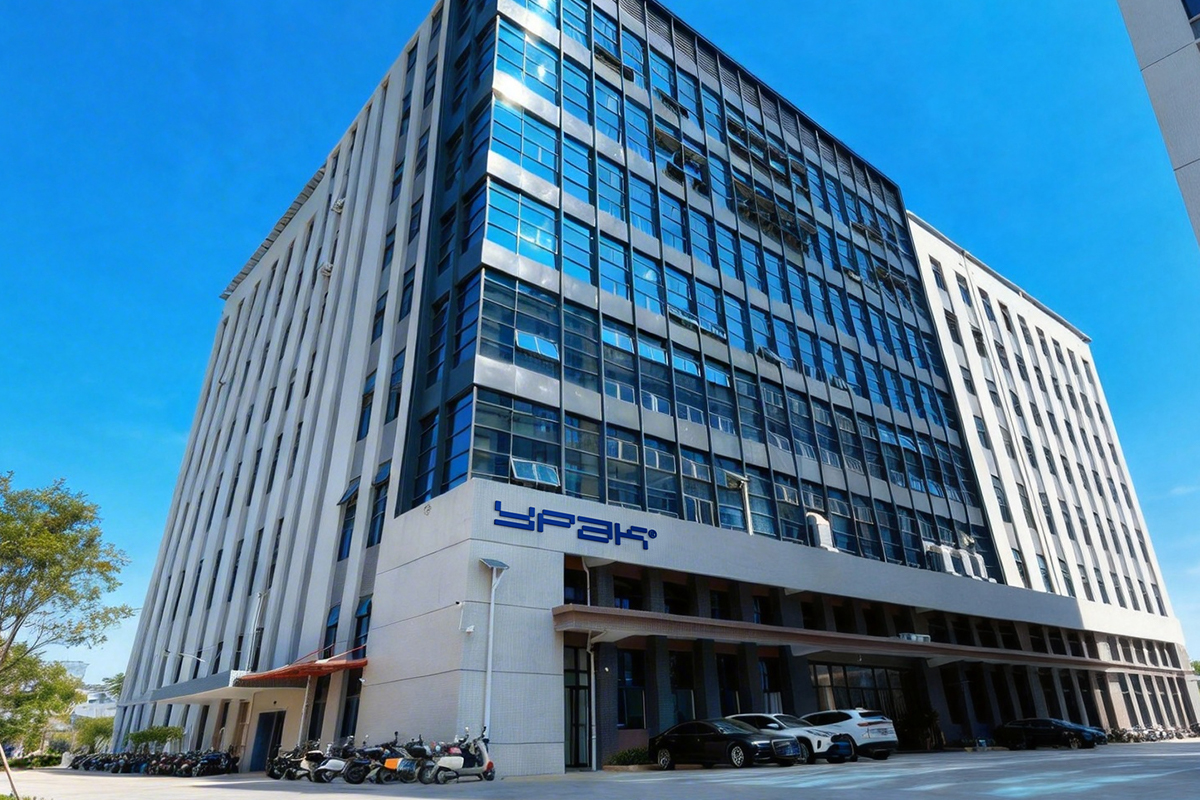
Founded in 2011, YPAK operates three state-of-the-art facilities across Hong Kong, Dongguan, and Foshan. Our Foshan and Dongguan plants are BRCGS Food Safety and ISO 22000:2018 certified—ensuring every pouch meets rigorous global food contact standards with full end-to-end traceability.
YPAK's path to becoming one of China's leading eco-friendly coffee and food pouch manufacturers is backed by over a decade of technological investment and process refinement.
In May 2012, YPAK commissioned its first complete flexible packaging production line, establishing robust quality control fundamentals for food-grade pouch fabrication.
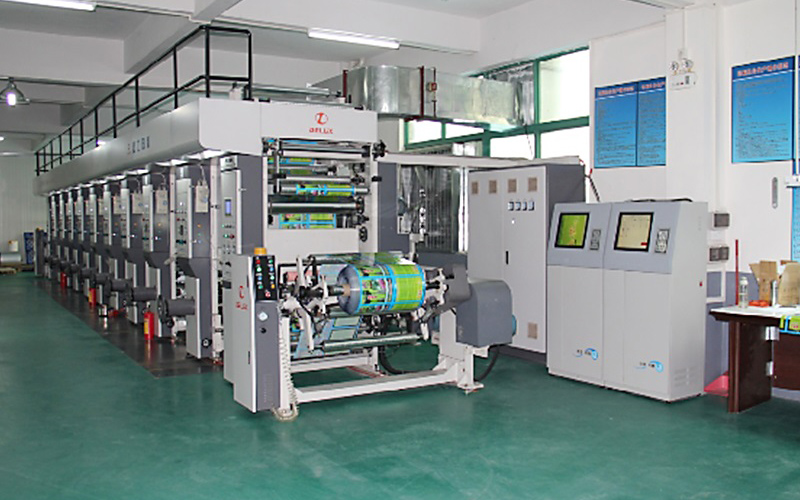
In March 2016, expanded production capacity to specialize in high-demand flat bottom pouches, providing superior shelf stability for premium retail brands.
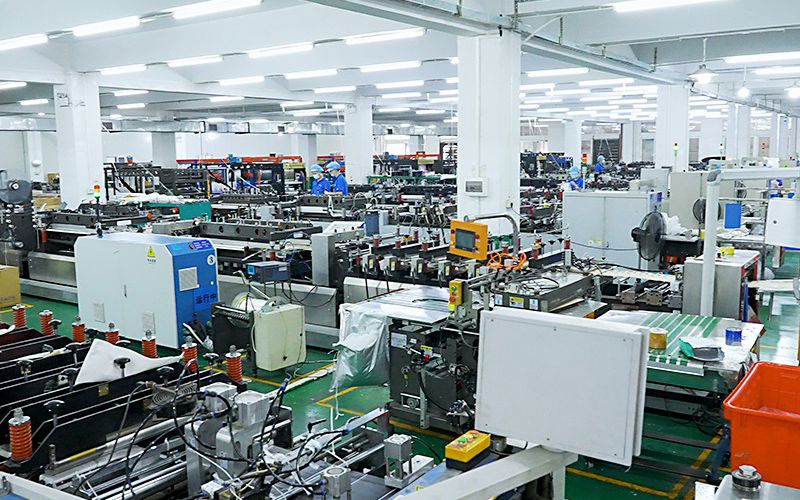
In August 2017, established our second state-of-the-art production facility, significantly increasing output capacity for export markets across North America and Europe.
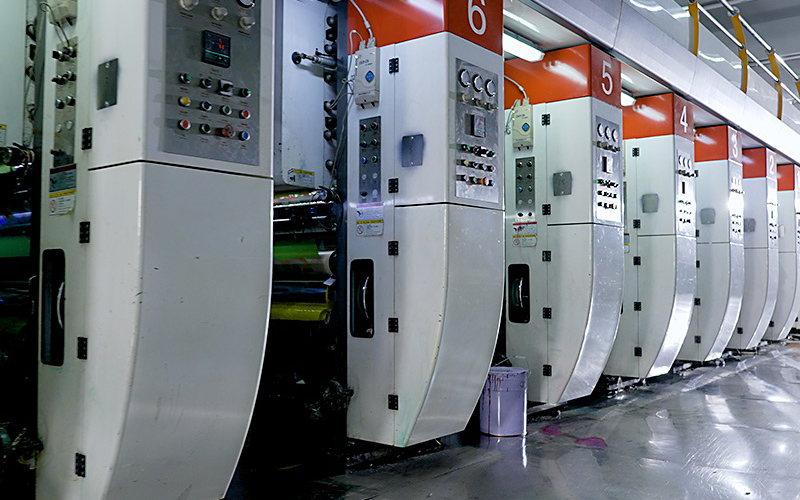
In April 2018, transitioned fully to solvent-free composite lamination technology, eliminating VOC emissions and ensuring 100% odor-free food packaging.
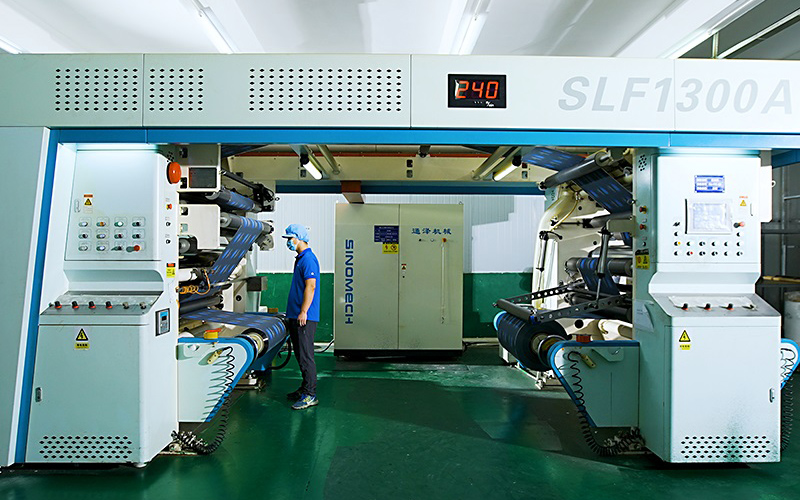
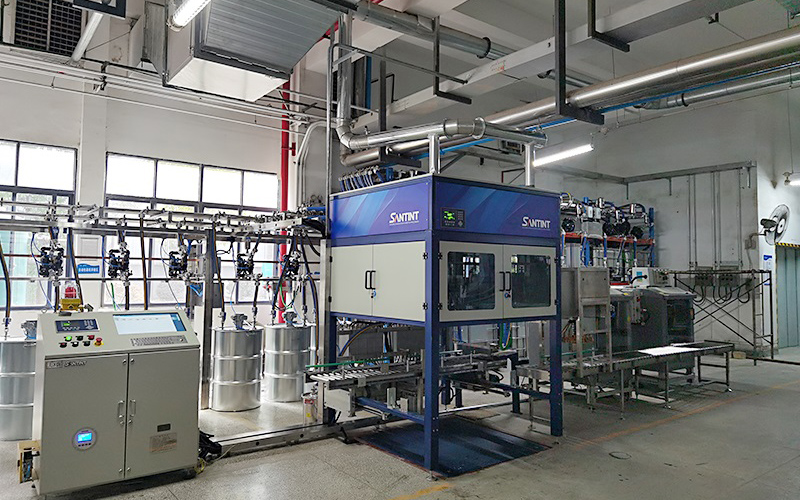
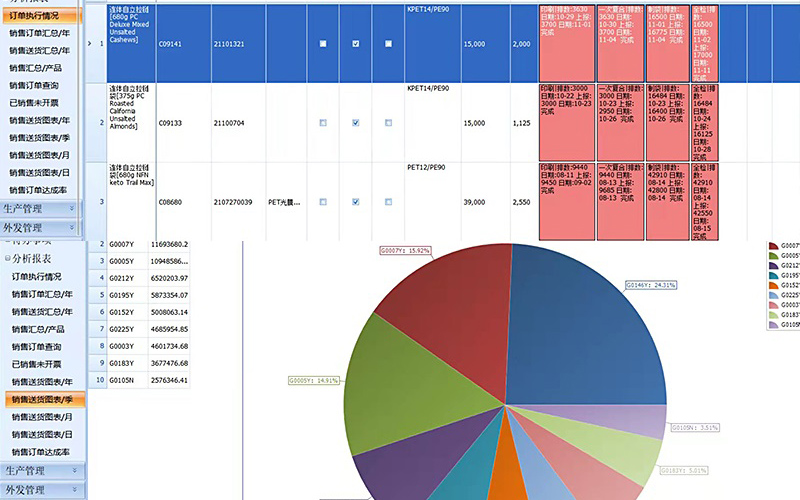
In June 2020, introduced an automated ink adjustment system, followed in July 2020 by full enterprise ERP integration for precise real-time production tracking.
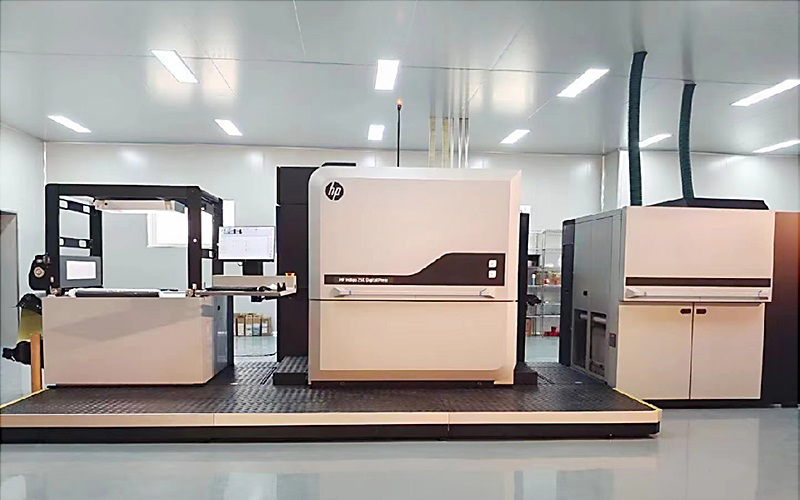
In October 2021, integrated the HP INDIGO 25K digital press, enabling plate-free, MOQ-free custom runs with photorealistic quality and rapid market-entry testing.
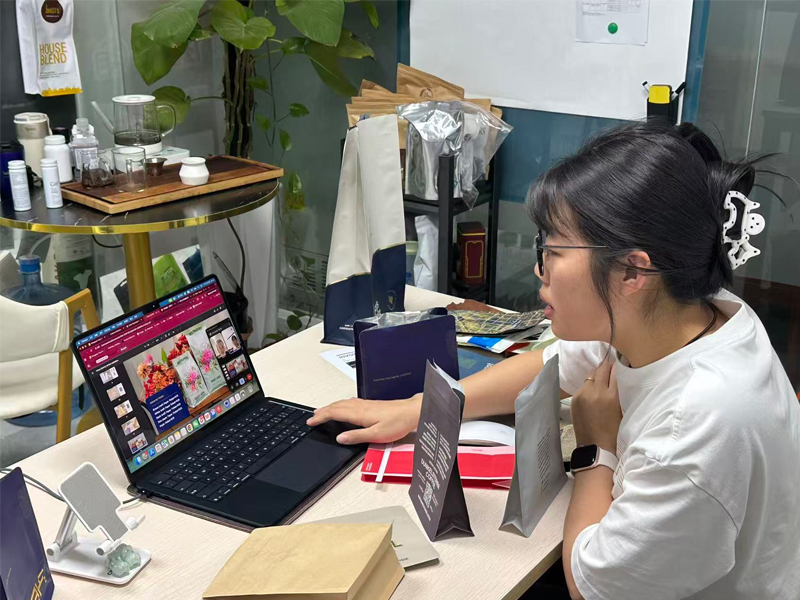
Improving customer experience through one-on-one video confirmation. We eliminate guesswork by reviewing artwork dielines, barrier requirements, material layer selection, and structural options before full production.
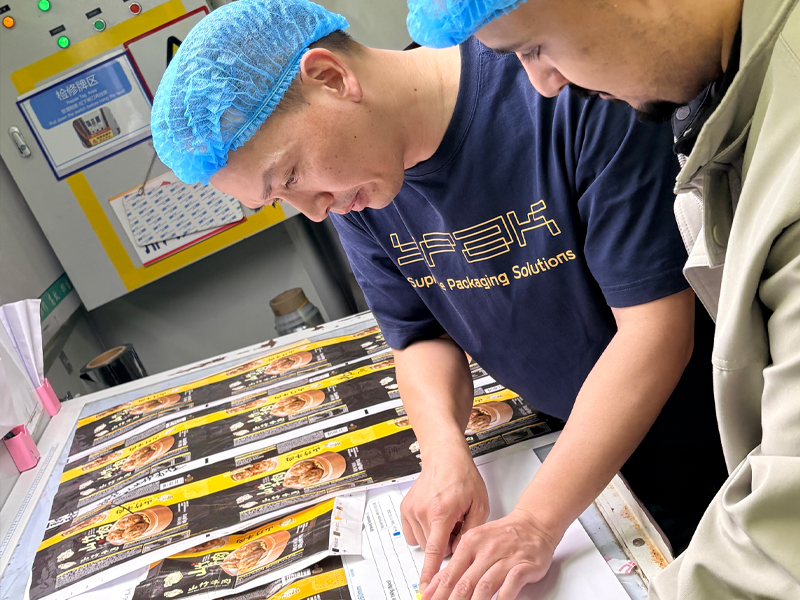
Maintaining strict control over the manufacturing process. We closely monitor and manage each stage of extrusion, printing, lamination, and pouch converting, providing customers real-time photo and video updates.

Delivering robust post-sale support to enhance long-term partnerships. We maintain rigorous feedback channels, offering batch traceability, performance guarantees, and continuous packaging optimization.
Different food products demand specific micro-environments to prevent oxidation, moisture absorption, and volatile aroma loss. Custom compostable bags must be engineered to match these precise biological and physical requirements.
Integrating Swiss WIPF bio-degassing valves and compostable press-to-close zippers. Allows CO2 release without allowing O2 ingress, preserving delicate roast aromatics.
High-clarity window view bio-films combined with light-blocking paper backings. Protects delicate fats from rancidity while providing appealing shelf presentation.
Static-dissipative bio-liner films prevent fine protein and supplement powders from sticking to seals, guaranteeing flawless heat sealing on automated line fillers.
Puncture-resistant multi-layer PBAT/PBS blends capable of withstanding deep freeze conditions (-20°C) without brittle film fracturing or seal bursting.
Claiming compostability requires rigorous empirical verification in accredited third-party laboratories. True eco-friendly packaging must disintegrate without releasing eco-toxic heavy metals or microplastics into the surrounding soil matrix.
Requires minimum 90% disintegration within 12 weeks in industrial composting conditions (58°C) and complete biodegradation to CO2 and water within 6 months. Guarantees zero heavy metal toxicity in compost residue.
The standard specification for labeling plastics designed to be aerobically composted in municipal or industrial facilities. Standardizes disintegration testing across U.S. commercial composting infrastructures.
The most demanding standard requiring complete biodegradation at ambient garden temperatures (20°C to 30°C) within 12 months, enabling consumers to safely compost food pouches directly in home garden bins.
Addressing core questions regarding shelf life, micro-environment stability, MOQ flexibility, and cost optimization when transitioning to custom compostable packaging.
Retaining high quality, custom branding, and eco-friendly standards across all factory product lines.
 YPAK PACKAGING