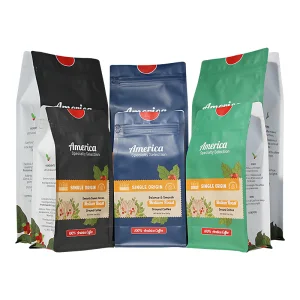
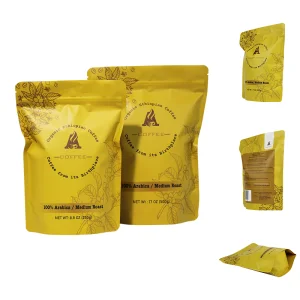
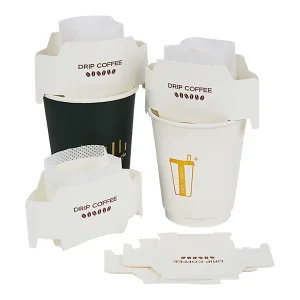
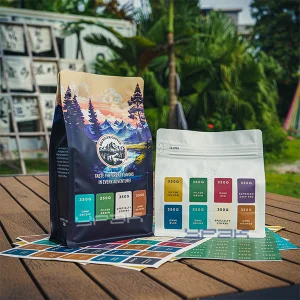
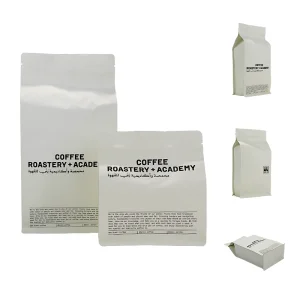
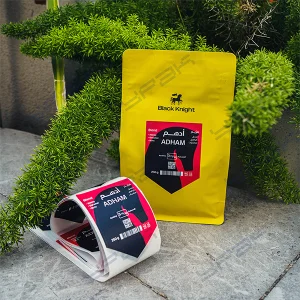
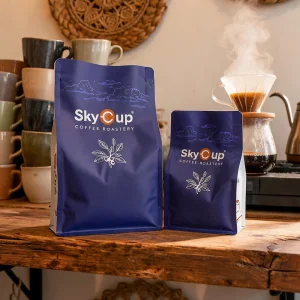
Explore our certified compostable, recyclable, and specialty coffee packaging solutions engineered for global roasters and brands.
Architecting Sustainable High-Barrier Flexible Laminates for Specialty Coffee Preservation
The global specialty coffee landscape is undergoing a critical paradigm shift. As consumer awareness surrounding environmental responsibility intensifies alongside stringent international packaging directives—such as the European Union’s Packaging and Packaging Waste Regulation (PPWR)—roasters and enterprise brand owners face a complex engineering challenge: transitioning away from legacy fossil-fuel-based multi-layer laminates (such as PET/AL/PE) without sacrificing aromatic integrity, shelf-life longevity, or packaging line speed performance.
Freshly roasted specialty coffee is a bio-chemically dynamic product. Post-roasting, coffee beans undergo continuous off-gassing, discharging high volumes of carbon dioxide ($CO_2$) alongside delicate volatile aromatic compounds. If left unvented in hermetically sealed packaging, internal pressure spikes cause package bursting or severe deformation. Conversely, exposure to atmospheric oxygen ($O_2$) and ambient moisture ($H_2O$) triggers rapid lipid oxidation, degradation of aromatic esters, and premature staling. The incorporation of a One-Way Degassing Valve inside a fully Compostable Packaging Structure represents the pinnacle of contemporary flexible packaging engineering.
Utilizing high-purity Polylactic Acid (PLA), Polybutylene Adipate Terephthalate (PBAT), and certified Kraft substrates to form robust, heat-sealable matrices that degrade fully into non-toxic biomass, water, and $CO_2$.
Equipped with micro-injection molded bio-resins and specialized filter membranes, allowing internal $CO_2$ pressure to vent at precise thresholds (approx. 3-5 mbar) while blocking external oxygen ingress.
Integrating metallized paper (NKME) and high-barrier clear bio-films to maintain Oxygen Transmission Rates (OTR) under 0.5 $cc/m^2/24h$, protecting roast profiles for 12+ months.
A comparative engineering evaluation of conventional laminates versus next-generation bio-based compostable film structures.
| Performance Metric | Legacy PET/AL/PE Substrate | Standard Industrial Compostable (PLA/Kraft) | YPAK Premium High-Barrier Bio-Laminate |
|---|---|---|---|
| OTR (cc/m²/24hrs @ 23°C, 0% RH) | < 0.1 | 1.5 - 5.0 | < 0.5 (Ultra-High Barrier Bio-Film) |
| WVTR (g/m²/24hrs @ 38°C, 90% RH) | < 0.1 | 3.0 - 8.0 | < 1.2 (Metallized Bio-Layer) |
| Degassing Valve Compatibility | Standard PE/PP Valve | Non-Compostable Valve (Requires Removal) | 100% Certified Bio-Valve (WIPF Bio / Bio-PLA) |
| End-of-Life Compliance | Landfill / Incineration Only | EN 13432 / ASTM D6400 Industrial | OK Compost HOME & INDUSTRIAL Certified |
| Tensile Seal Strength (N/15mm) | > 35 N | 18 - 25 N | > 30 N (Proprietary Thermal Seal Formulation) |
Pioneering the Next Decades of Decarbonized Flexible Packaging Technology
While industrial composting (requiring 58°C–60°C elevated thermal conditions) has achieved widespread commercialization, true ambient Home Composting (OK Compost HOME) poses substantial chemical hurdles. YPAK's R&D division is deploying modified Polyhydroxyalkanoates (PHA)—synthesized via bacterial fermentation of organic waste—to create ultra-thin barrier coatings. These coatings degrade completely in backyard soil conditions within 26 weeks without leaving microplastic residues or heavy metal contamination.
Traditional valves rely on synthetic silicone oils and rubber elastomers for seal elasticity. The technical roadmap introduces 100% plant-derived dynamic membranes utilizing natural ester lubricants. These engineered bio-valves maintain precise opening pressures under fluctuating transport temperatures (-20°C to +45°C), ensuring zero oxygen back-siphonage even during cross-continental sea freight transit.
Combining Advanced Automation, Digital Precision Printing, and Rigorous Food Safety Governance.
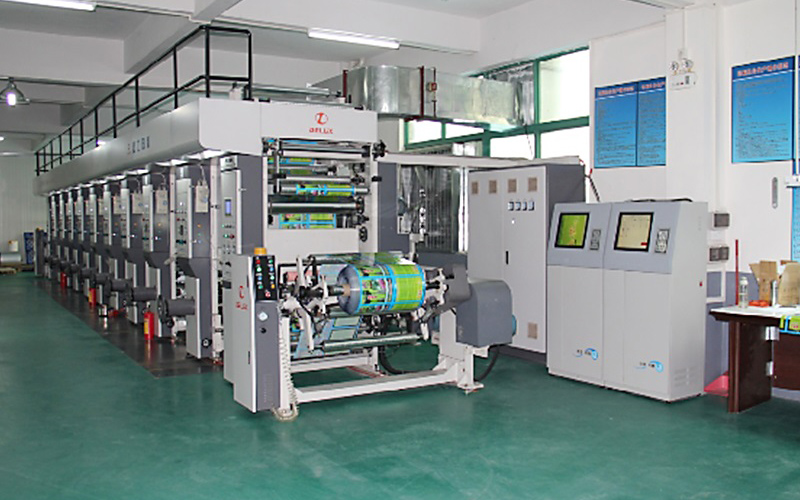
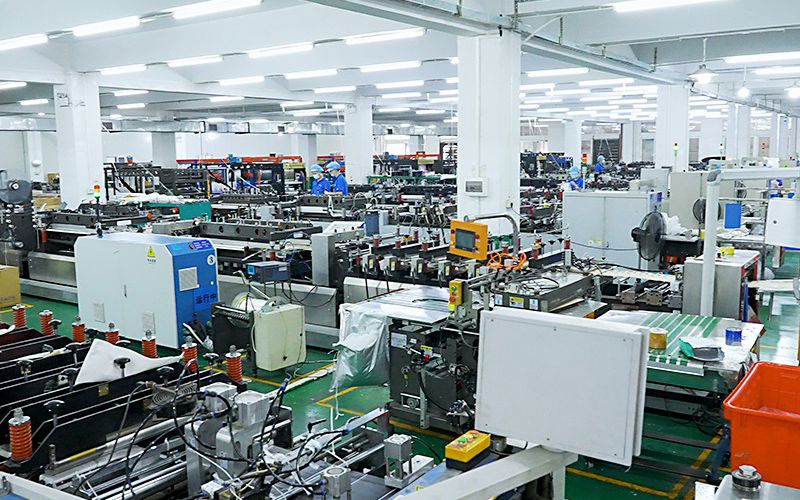
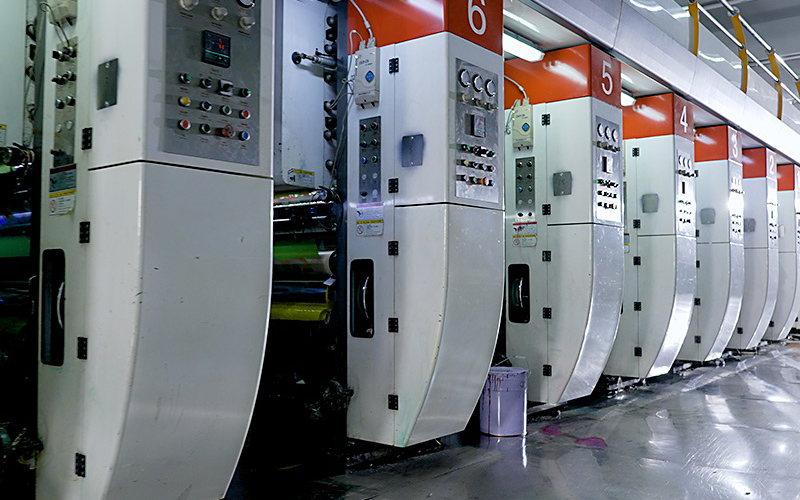
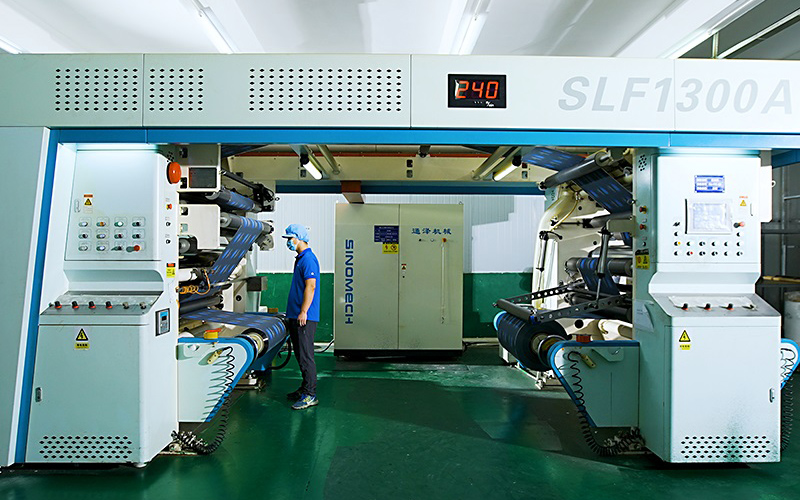
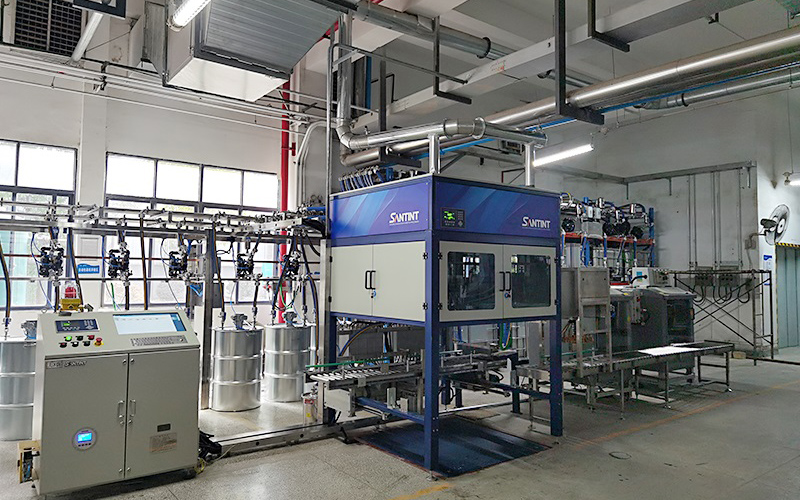
Founded in 2011, YPAK operates three state-of-the-art facilities across Hong Kong, Dongguan, and Foshan, emerging as one of China’s leading coffee bag manufacturers. Our Foshan and Dongguan plants are BRCGS Food Safety and ISO 22000:2018 certified—ensuring every pouch meets rigorous global food contact standards with full end-to-end batch traceability.
We fit premium Swiss WIPF one-way valves as standard, delivering industry-leading freshness preservation technology. Our investment in the HP Indigo 25K digital press enables low-MOQ, plate-free production runs with photorealistic print quality—perfect for limited roast editions, micro-lots, and agile market testing. Operating with a 99.5% on-time delivery rate, our compostable and recyclable pouch architectures empower global brands to maintain complete compliance with European, UK, and North American plastic reduction mandates.
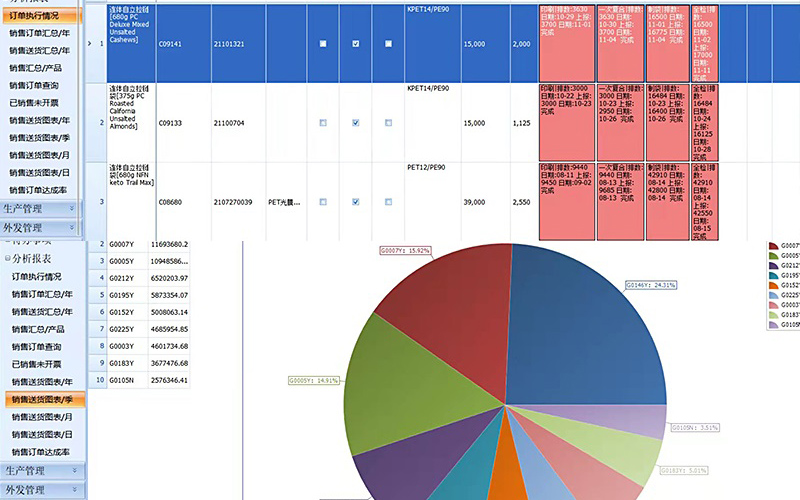
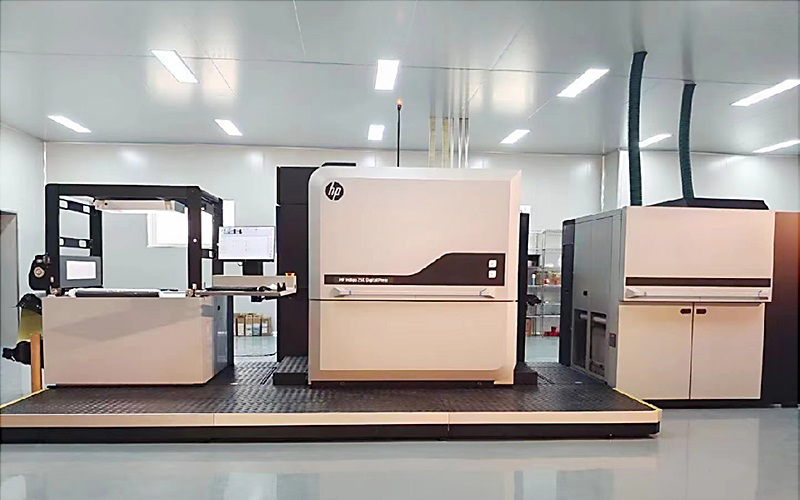
Seamless One-on-One Technical Support Ensuring Precision Execution from Proofing to Delivery.
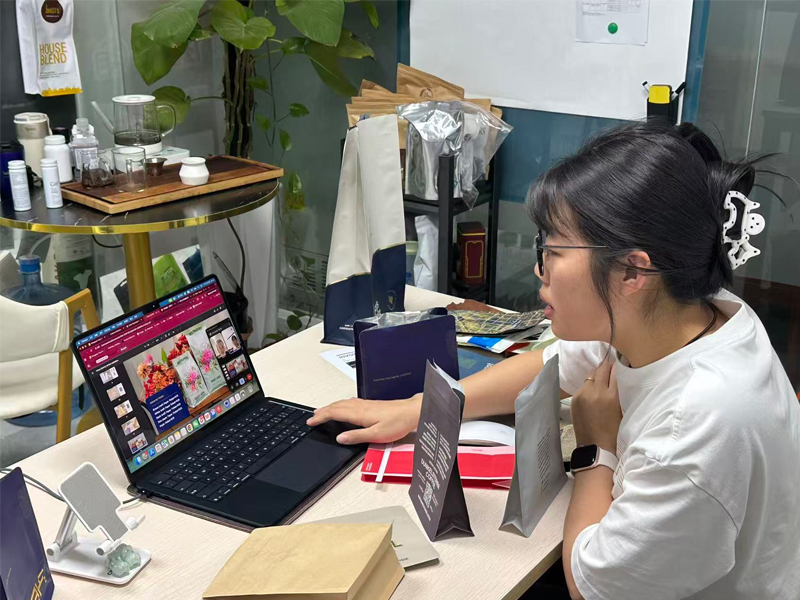
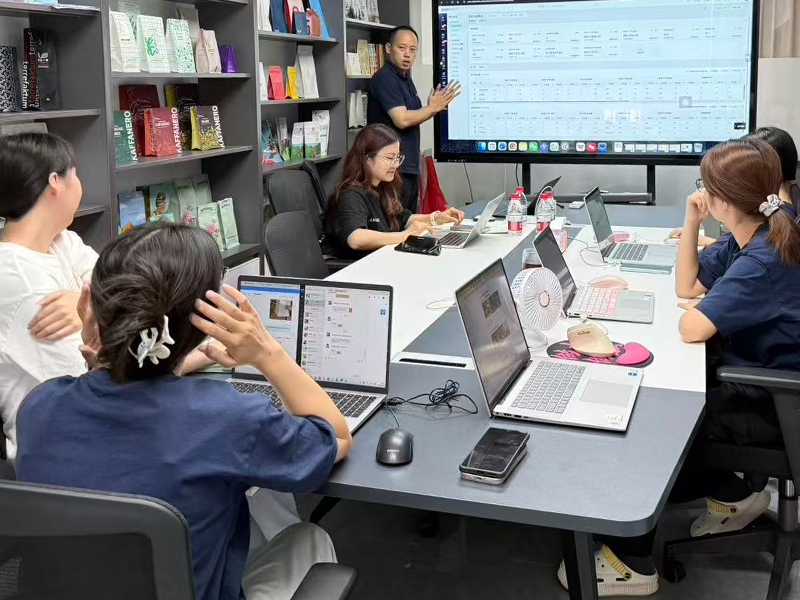
Improve customer experience through online video confirmation. One of the keys to meeting customer needs is providing excellent pre-sales service, establishing a solid foundation for long-term partnerships. We provide one-on-one consultation to confirm accurate dimensions, barrier specs, and valve selection.
We provide exceptional mid-sale service to ensure a seamless transition from order placement to final dispatch. Maintaining control over the production process involves closely monitoring each stage to ensure quality compliance. We share production videos and high-res imagery so clients visualize their products live.
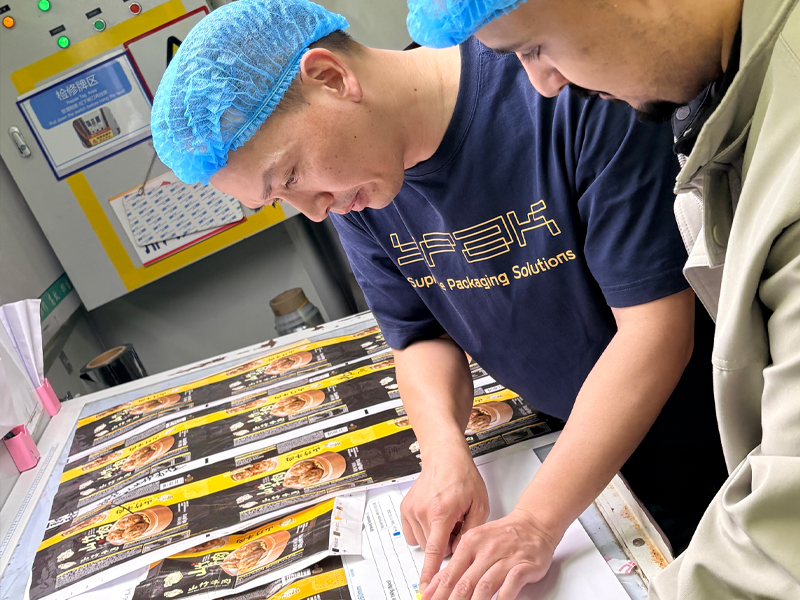
Excellent after-sales service ensures customer satisfaction and solidifies long-term supply relationships. By investing in training programs and feedback loops, we continuously refine pouch performance, offering robust quality guarantees and continuous technical support post-delivery.
Guaranteeing Seamless Importation Across European Union, North American, and Asia-Pacific Jurisdictions.
Our compostable coffee bag materials comply fully with EN 13432 guidelines. Under industrial composting conditions (58°C), over 90% of organic carbon converts into $CO_2$ within 180 days. Heavy metal assays guarantee micro-gram thresholds for Zinc, Copper, Nickel, and Cadmium are rigorously met.
For North American distribution, our laminates adhere to ASTM D6400 specifications. They demonstrate complete disintegration in municipal composting facilities within 84 days, leaving no toxic residue to hinder plant germination or microbial activity.
Expert Engineering Insights Addressing Real-World Roaster Intent and Packaging Dynamics.
The compostable one-way valve features a micro-engineered disc held in place by precise surface tension and a non-toxic bio-based lubricant seal. When roasted coffee releases $CO_2$, internal pressure rises above atmospheric levels (approx. 3-5 mbar). The disc flexes open to vent gas. Once pressure equalizes, the disc snaps tight, preventing atmospheric oxygen ($O_2$) from entering the bag.
Due to our proprietary high-barrier bio-laminates (utilizing bio-metallized layers), oxygen transmission is kept under 0.5 $cc/m^2/24h$. This delivers a stable shelf life of 12 to 18 months under standard ambient storage, matching traditional foil-lined plastic bags while offering 100% eco-friendly end-of-life options.
Yes. YPAK engineer-formulated bio-films match the slip factors (CoF), tensile strength, and heat-sealing window of conventional PE laminates. This guarantees drop-in compatibility with high-speed automated packaging machinery without risk of thermal jaw burn-through or film dragging.
Industrial Composting (EN 13432 / ASTM D6400) requires controlled industrial facilities where temperatures reach 58°C to break down polymer chains within 180 days. Home Composting (TÜV OK Compost HOME) certifies that the material completely disintegrates in lower-temperature garden compost bins (20°C–30°C) within 12 months without leaving synthetic chemical traces.
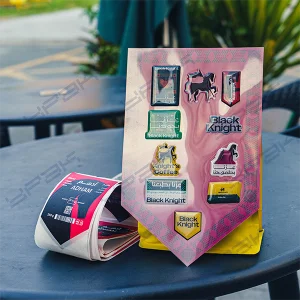
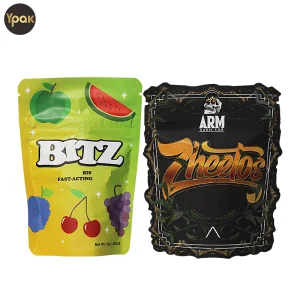
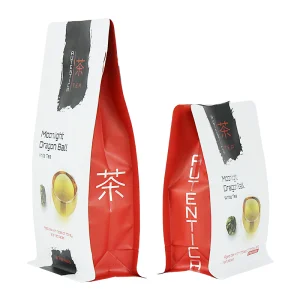
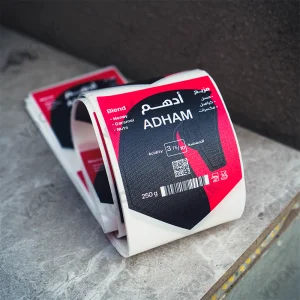
Discover our specialized custom-printed bags, labels, and tea/cannabis packaging options.
 YPAK PACKAGING