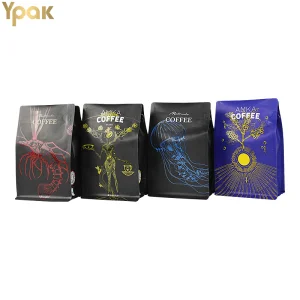
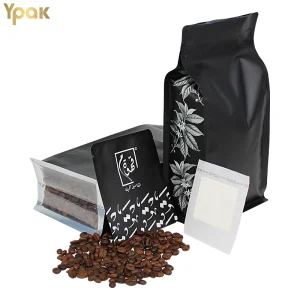
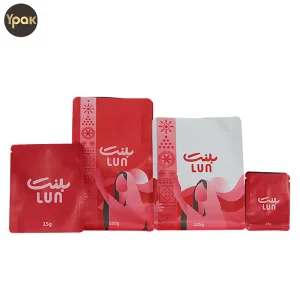
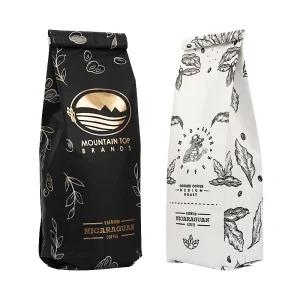
Explore our certified high-barrier coffee pouches, drip bags, and custom flexible structures built for global export.
Analyzing structural shifts in commercial roasting, global trade regulations, and volatile consumer preferences.
The global specialty coffee sector is undergoing a massive transformation. Roasters no longer sell merely beans; they export micro-lots, single-origin terroir stories, and artisanal flavor profiles. Standard commodity packaging is insufficient to protect sensitive aromatics against oxidation, moisture ingress, and UV degradation.
With the rise of subscription models and international cross-border coffee retailing, packaging must endure harsh logistics chains while serving as an unboxing canvas. Flexible pouches must withstand puncture stresses during transit without compromising vacuum integrity or one-way degassing valves.
Legislative movements such as the EU Packaging and Packaging Waste Regulation (PPWR) and North American state-level plastic bans are forcing roasters to transition from traditional tri-laminate foils to fully mono-material recyclable (MDO-PE) or industrial compostable (PLA/Kraft) structures.
Deep-dive into structural laminations, degassing mechanisms, and eco-conscious polymer innovations.
Freshly roasted coffee beans release up to 10 liters of carbon dioxide ($CO_2$) per kilogram over several weeks. Without proper venting, sealed pouches swell and rupture. Conversely, ambient oxygen ($O_2$) entering the pouch induces rancidity in essential coffee oils.
Leading manufacturers integrate Swiss WIPF one-way degassing valves (e.g., WIPF W616/W016 models). These valves utilize a precision rubber membrane and silicone fluid buffer that actuates at micro-pressures (3–5 mbar), allowing $CO_2$ escape while maintaining absolute environmental seals against exterior $O_2$ and humidity.
The flexible packaging industry is shifting away from traditional PET/AL/PE multilayer films due to recycling challenges. Advanced flexible packaging engineers now deploy two main eco-friendly paths:
How automated infrastructure and advanced digital printing re-engineer cost, quality, and speed for global buyers.
Traditional rotogravure printing requires expensive copper cylinder plates, creating massive financial barriers for short-run product launches. The deployment of the HP Indigo 25K digital press eliminates plate fees entirely, allowing zero-MOQ production with photo-realistic 7-color Pantone matching and variable data printing for limited-edition roasts.
Modern Chinese manufacturing facilities leverage fully integrated ERP production tracking systems. Coupled with solvent-free adhesive lamination, factories prevent volatile organic compound (VOC) residual contamination in food-contact packaging while cutting energy consumption by over 45%.
China's Tier-1 packaging factories operate cleanroom workshops compliant with BRCGS Food Safety Global Standards and ISO 22000:2018. Comprehensive quality inspection systems utilize inline vision analytics to detect seal defects, valve misalignments, or pinhole voids at speeds exceeding 200 units per minute.
Over a decade of manufacturing leadership, serving premier global coffee brands with uncompromised quality.
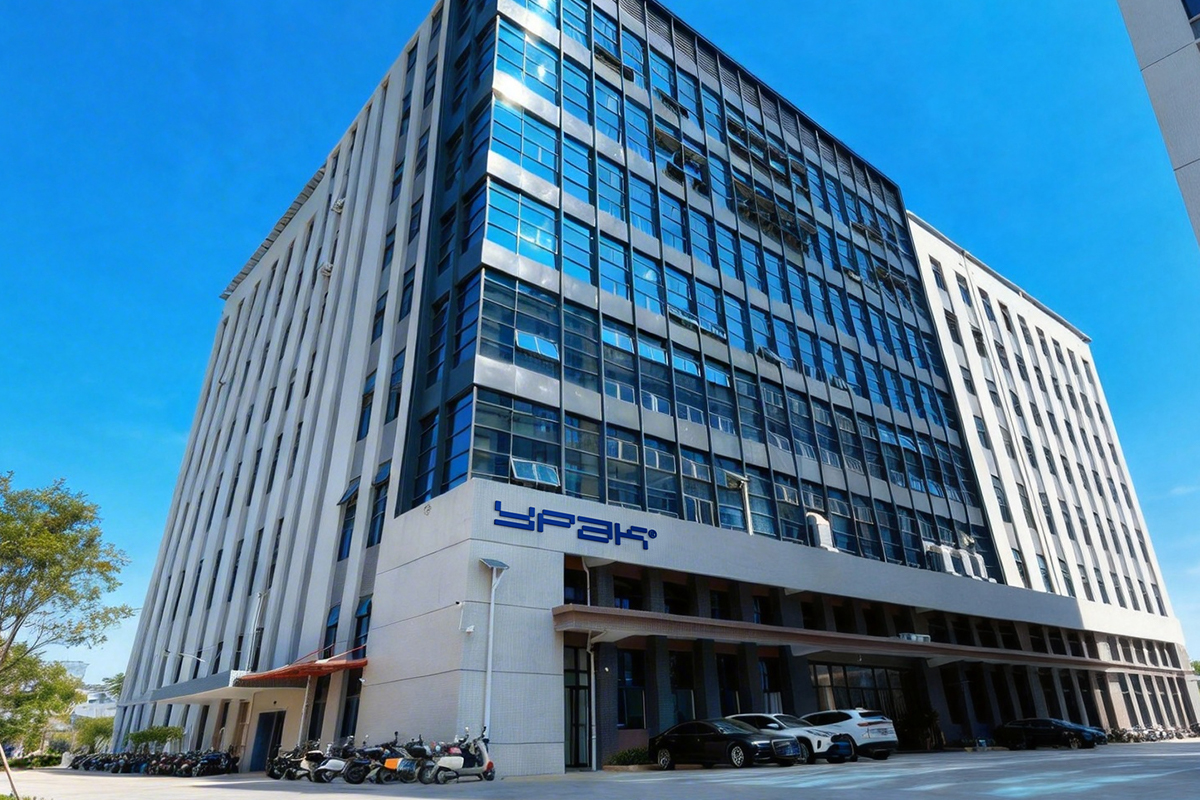
YPAK PACKAGING GROUP
Founded in 2011, YPAK operates three facilities across Hong Kong, Dongguan, and Foshan, emerging as one of China’s leading coffee bag manufacturers.
Our Foshan and Dongguan plants are BRCGS Food Safety and ISO 22000:2018 certified—ensuring every pouch meets rigorous global food contact standards with full traceability. We fit Swiss WIPF one-way valves as standard, delivering industry-leading technology of keeping coffee freshness in our packaging. Our HP Indigo 25K digital press enables MOQ-free, plate-free runs with photorealistic print quality—perfect for limited editions and market testing.
With a 99.5% on-time delivery rate, we keep your production lines moving. Our recyclable and compostable pouches help you stay ahead of plastic regulations in the EU, UK, and North America—without compromising performance. You are welcome to visit YPAK.
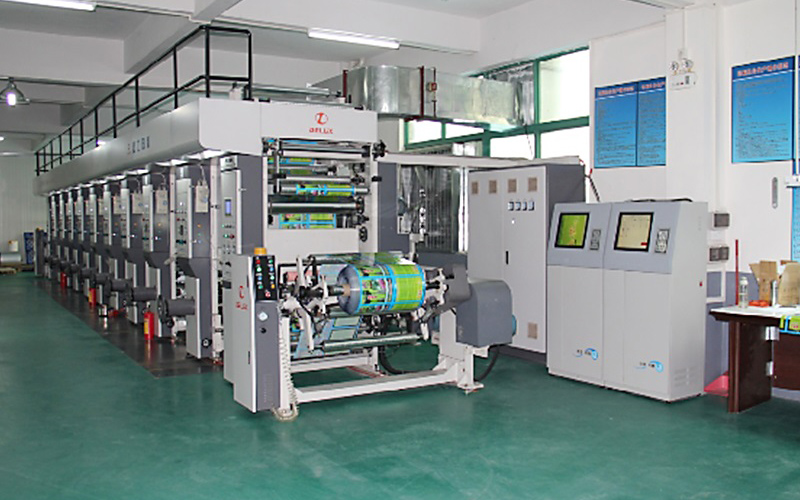
In May 2012, the first complete flexible packaging production line was established.
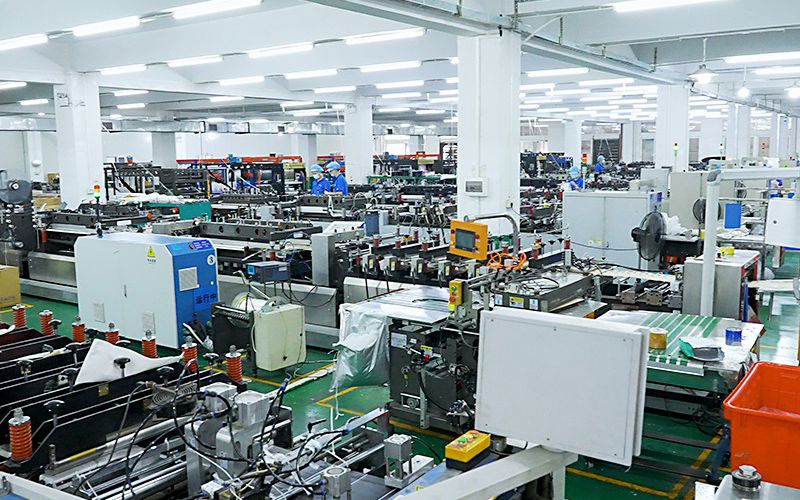
In March 2016, began dedicated industrial production of flat bottom box pouches.
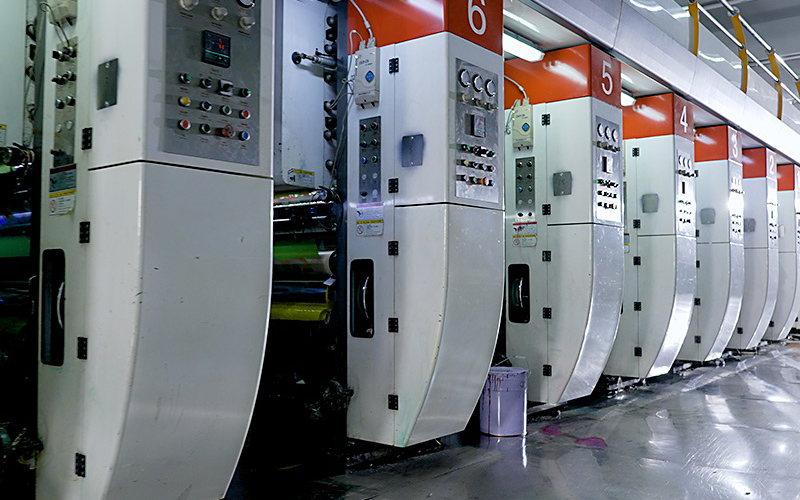
In August 2017, the second expanded automated production facility was commissioned.
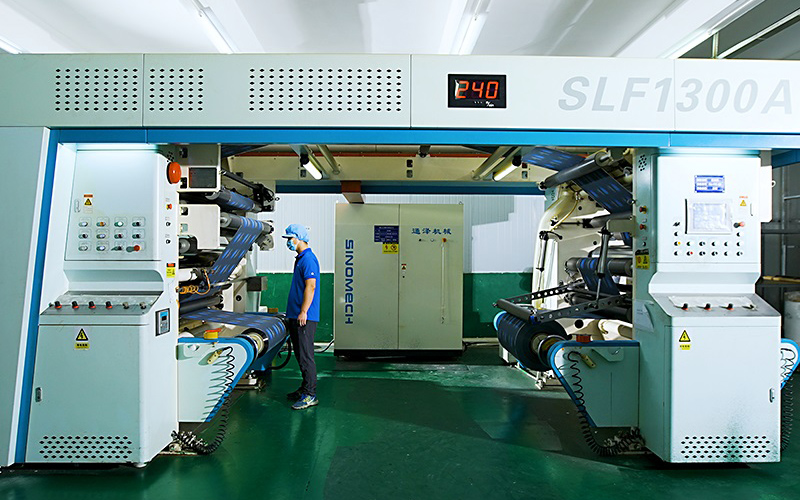
April 2018, adopted high-efficiency solvent-free composite lamination technology.
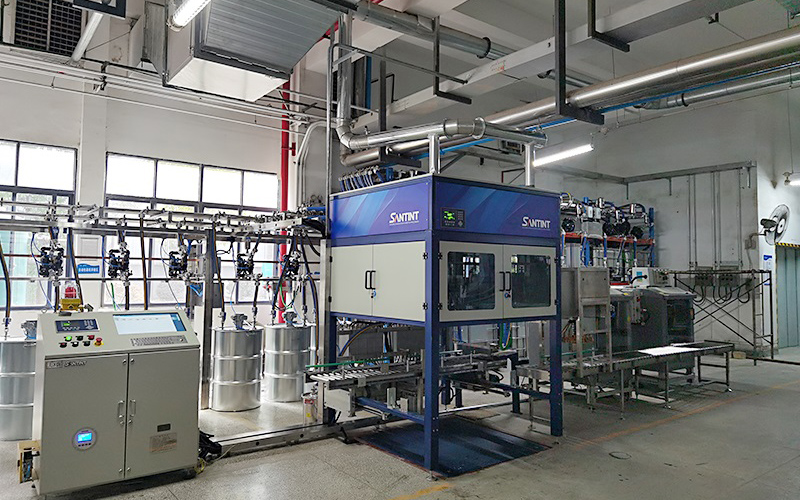
In June 2020, introduced the automatic ink adjustment system for precise color matching.
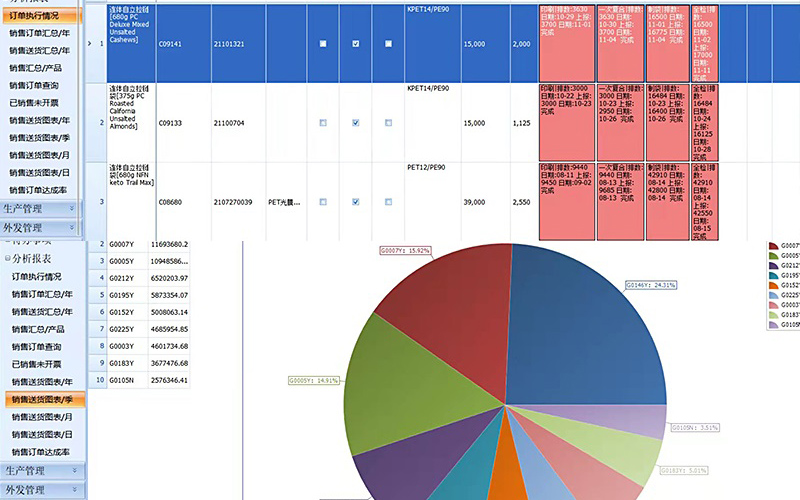
In July 2020, integrated an enterprise-wide ERP smart production execution system.
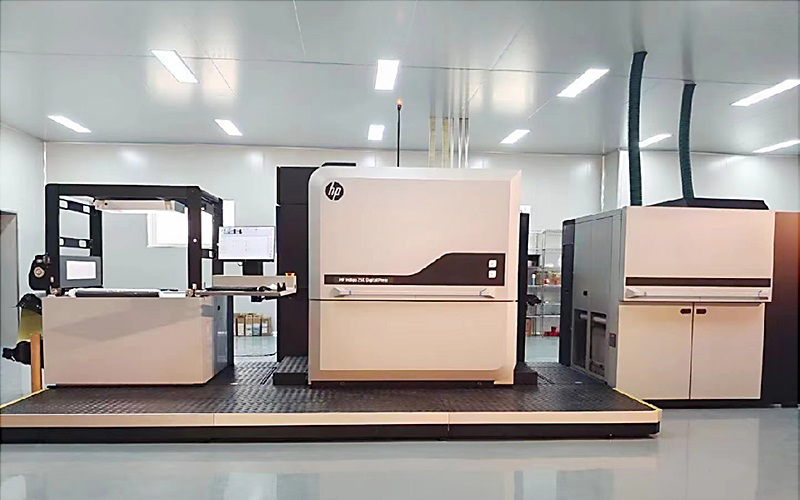
In October 2021, introduced the world-class HP INDIGO 25K digital printing machine.
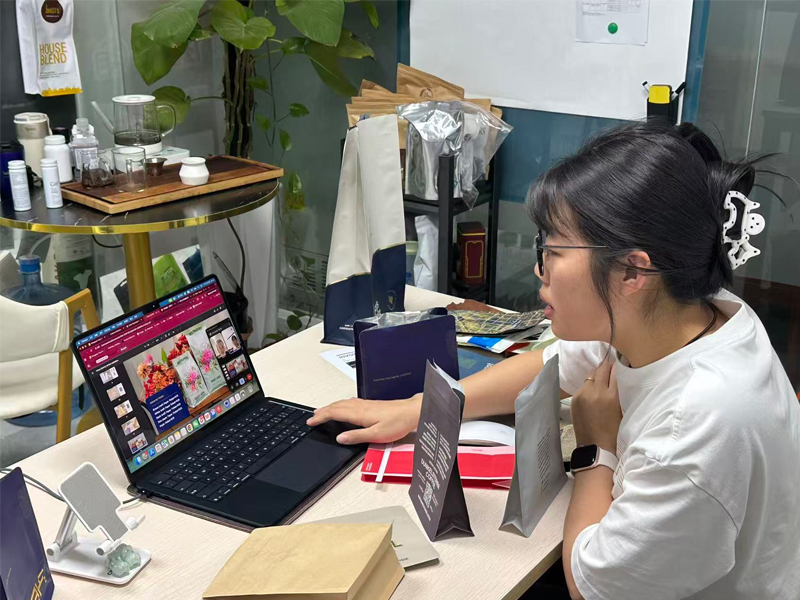
Improve customer experience through online video confirmation. One of the keys to meeting customer needs is to provide excellent pre-sales service, building a solid foundation for long-term relationships with dedicated one-on-one communication.
Traditionally, pre-sales service involves assisting customers in selecting product features and resolving queries. With online video confirmation, we eliminate guesswork and offer interactive personal attention during artwork setup and material selection.
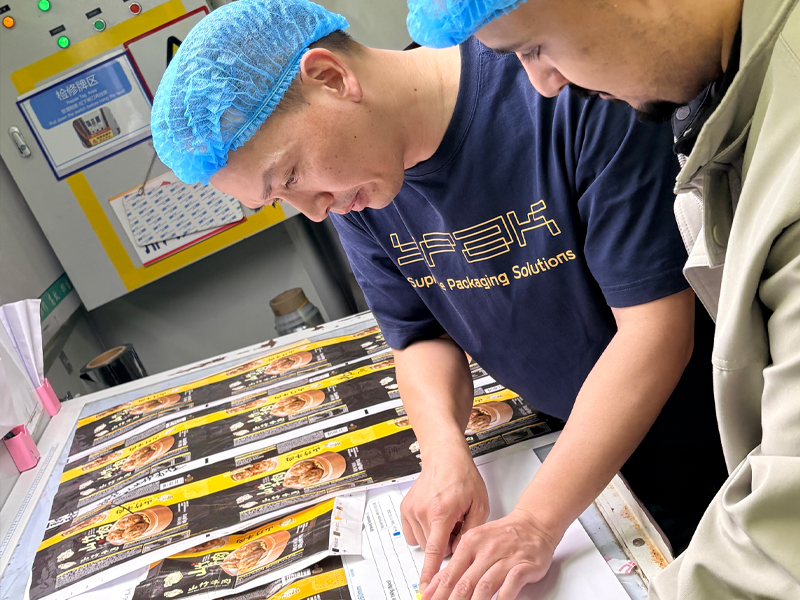
We provide exceptional mid-sale service ensuring a seamless transition from initial purchase order to final container dispatch.
Mid-sale service focuses on maintaining total control over the manufacturing process. We closely monitor and manage each stage of printing, lamination, and pouch converting. Real-time production video and photo updates keep clients fully visual on progress.
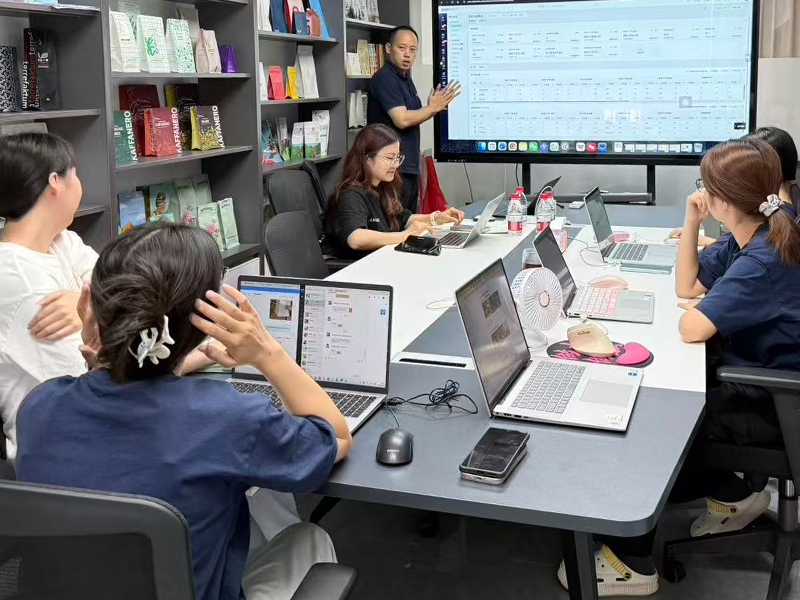
Our after-sales service ensures complete long-term satisfaction and reinforces strategic business partnerships.
By establishing rigorous feedback channels, continuous training programs, and swift quality guarantee protocols, we ensure your supply chain operates smoothly, supporting repeat commercial success in competitive global markets.
Key procurement criteria for commercial buyers, coffee enterprise importers, and private-label brands.
When selecting a custom coffee bean packaging manufacturer, global procurement teams must audit crucial regulatory compliance standards across target export markets:
Evaluating packaging unit costs requires examining total supply chain efficiency rather than per-pouch purchase price alone:
Tailored pouch structures customized for distinct retail, hospitality, and e-commerce distribution channels.
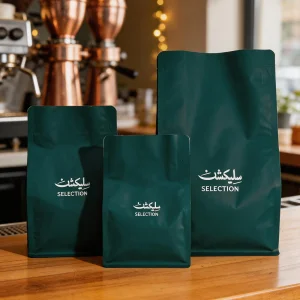
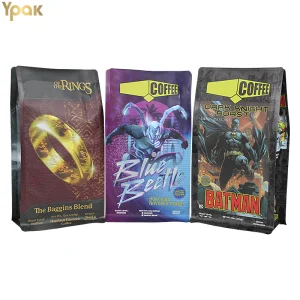
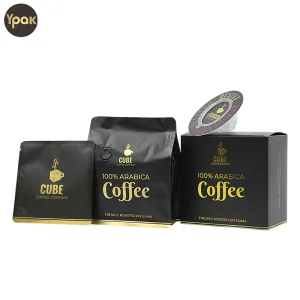
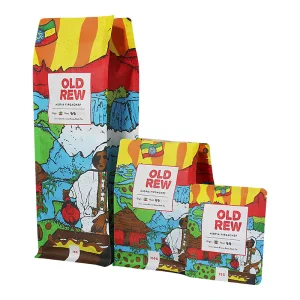
The staple of specialty roasters. Features flat-bottom quad-seal geometry for maximum shelf stability, fitted with Swiss degassing valves and pocket zippers for repeated consumer opening.
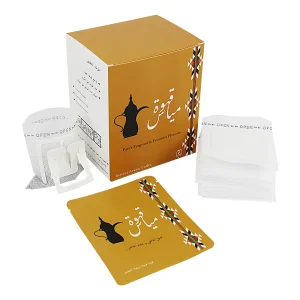
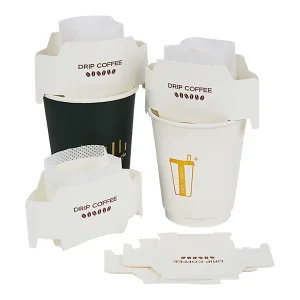
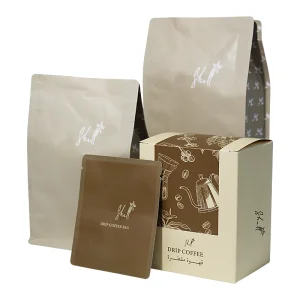
Single-serve drip coffee pouch formats popularized across Asia and Europe. Utilizes specialized Japanese non-woven filter material housed within high-barrier outer film envelopes.
Innovative circular filter disc packaging designed for rapid immersion brewing. Includes customized outer gift boxes and nitrogen-flushed protective flat pouches for extended shelf life.
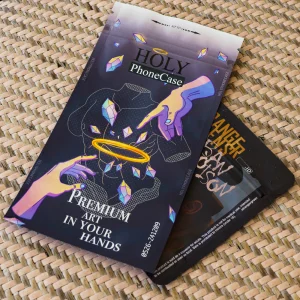
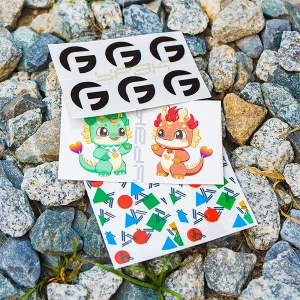
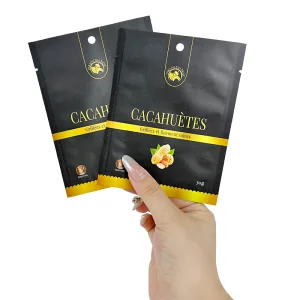
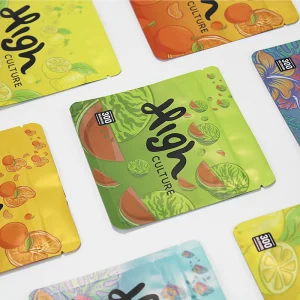
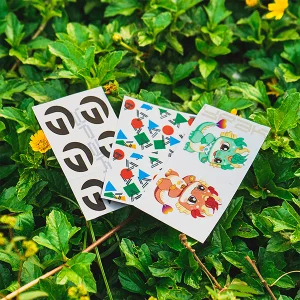
Versatile high-barrier packaging engineering applied across specialty sectors, including child-resistant cannabis bags, confectionery packaging, and custom foil stickers.
Expert answers to high-intent procurement and technical packaging engineering queries.
Freshly roasted coffee beans degas significant amounts of $CO_2$. A Swiss WIPF valve allows carbon dioxide gas to escape without allowing external oxygen ($O_2$) or moisture into the bag. This prevents pouch swelling or bursting while protecting volatile aromatic oils from oxidation, preserving optimal flavor for up to 12 months.
HP Indigo 25K digital printing requires zero metal cylinder plates, drastically reducing upfront setup costs and turnaround time. It enables short run production, MOQ-free custom graphics, photo-realistic color consistency, and rapid market testing for seasonal or single-origin coffee offerings.
Modern MDO-PE/PE mono-material laminates integrated with specialized barrier layers achieve high Oxygen Transmission Rates (OTR < 0.5 cc/m²/day) comparable to aluminum foil. They provide 100% recyclability under RIC 4 guidelines without compromising shelf-life freshness.
Leading factories should possess BRCGS Food Safety certification (Grade A or above) and ISO 22000:2018 accreditation. These standards ensure full food-grade compliance, raw material traceability, non-toxic solvent-free adhesive processing, and cleanroom manufacturing controls.
Yes. Certified compostable coffee pouches utilizing high-barrier bio-films (such as PLA and PBS combinations) provide up to 6–12 months of oxygen and moisture barrier protection under recommended ambient storage conditions, breaking down naturally when discarded in industrial composting facilities.
Options include press-to-close zippers, side pocket tear zippers, tin ties, 3D tactile UV spot varnishes, metallic foil hot stamping, matte/gloss contrast effects, and custom transparent window cutouts.
Browse our complete line of digital, eco-friendly, and specialty coffee pouch formats.
 YPAK PACKAGING