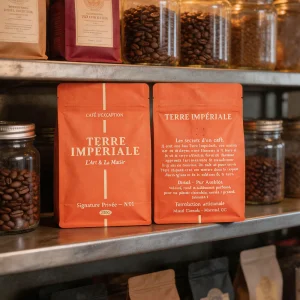
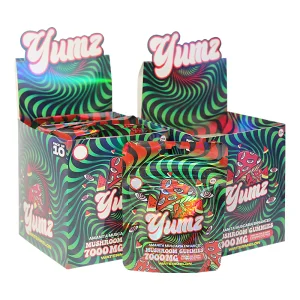
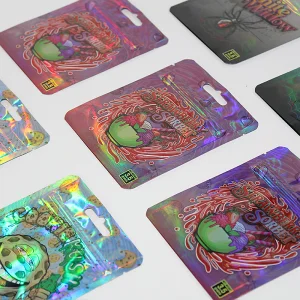
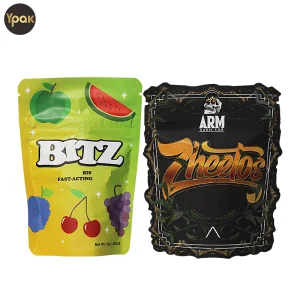
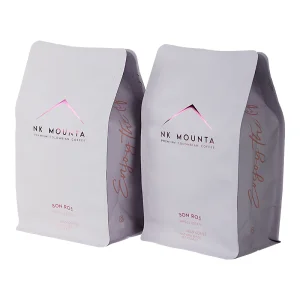
Explore our industrial-grade flexible packaging collection, featuring high-barrier coffee pouches, specialized valves, holographic films, and eco-friendly packaging systems.
A technical evaluation of volatile aromatic protection, gas exchange barrier design, and polymer structure optimization in modern roasted coffee packaging.
Freshly roasted specialty coffee undergoes complex biochemical shifts, emitting high volumes of carbon dioxide ($CO_2$) while remaining highly vulnerable to atmospheric oxygen ($O_2$), moisture ($H_2O$), and light. Oxygen transmission rates (OTR) exceeding $1.0\ \mathrm{cc/m^2/day}$ can degrade delicate lipids and volatile aromatics within weeks. Industrial coffee pouches engineered by elite manufacturers utilize ultra-high-barrier films—such as metallized PET, EVOH co-extrusions, and aluminum foils—delivering OTR metrics as low as $<0.1\ \mathrm{cc/m^2/day}$ and Water Vapor Transmission Rates (WVTR) $<0.1\ \mathrm{g/m^2/day}$.
During the initial 14 days post-roasting, a $250\mathrm{g}$ batch of specialty coffee releases up to 2 liters of trapped $CO_2$. Without adequate degassing mechanisms, rigid or sealed packaging experiences destructive inflation or structural bursting. Integrating precision internal one-way degassing valves—such as Swiss-engineered WIPF valves—allows interior gas pressure to vent smoothly at $3-5\ \mathrm{mbar}$ while preventing ambient oxygen backflow. This maintains inner pouch equilibrium and locks in delicate floral and fruity flavor profiles.
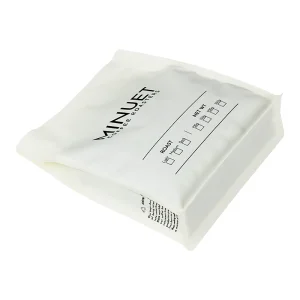
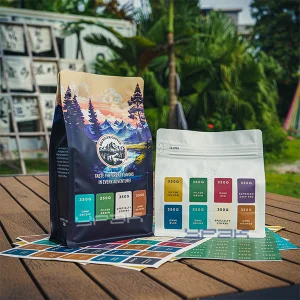
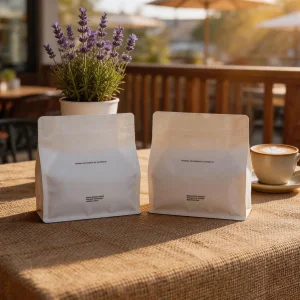
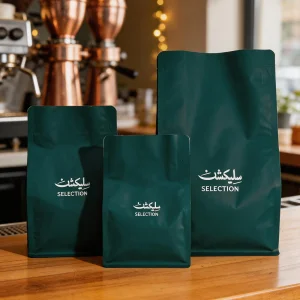
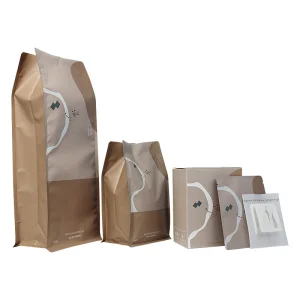
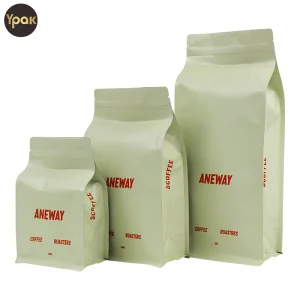
Modern coffee retail environments demand stand-up stability, visual shelf impact, and robust drop-resistance. Flat bottom quad-seal bags, box pouches, and side-gusseted pouches provide multi-dimensional display surfaces while utilizing reinforced seal layers (such as modified LLDPE). Seal strengths exceeding $35\ \mathrm{N/15mm}$ prevent side-seal bursting during transcontinental freight, ambient thermal expansion, or high-altitude transport across global distribution logistics networks.
| Film Laminate Structure | Target OTR (cc/m²/24hr) | Target WVTR (g/m²/24hr) | Environmental Profile | Primary Commercial Application |
|---|---|---|---|---|
| PET / AL / LLDPE | < 0.05 | < 0.05 | Standard High-Barrier (Non-Recyclable) | Long Shelf-Life Bulk Beans (1kg–5kg) |
| Monomaterial PE / EVOH-PE | < 0.5 | < 0.8 | 100% Recyclable (RIC #4 Stream) | Eco-Conscious Specialty Coffee Retail |
| Kraft Paper / NK / PLA | < 1.2 | < 2.0 | Industrial Compostable (EN 13432) | Organic & Short-Run Local Roasters |
| Matt-PET / VMPET / PE | < 0.2 | < 0.3 | Standard Barrier with Metallic Aesthetics | Supermarket Retail & Premium Blends |
Combining world-class quality certifications, advanced digital printing technologies, and a decade of specialized flexible packaging innovation.
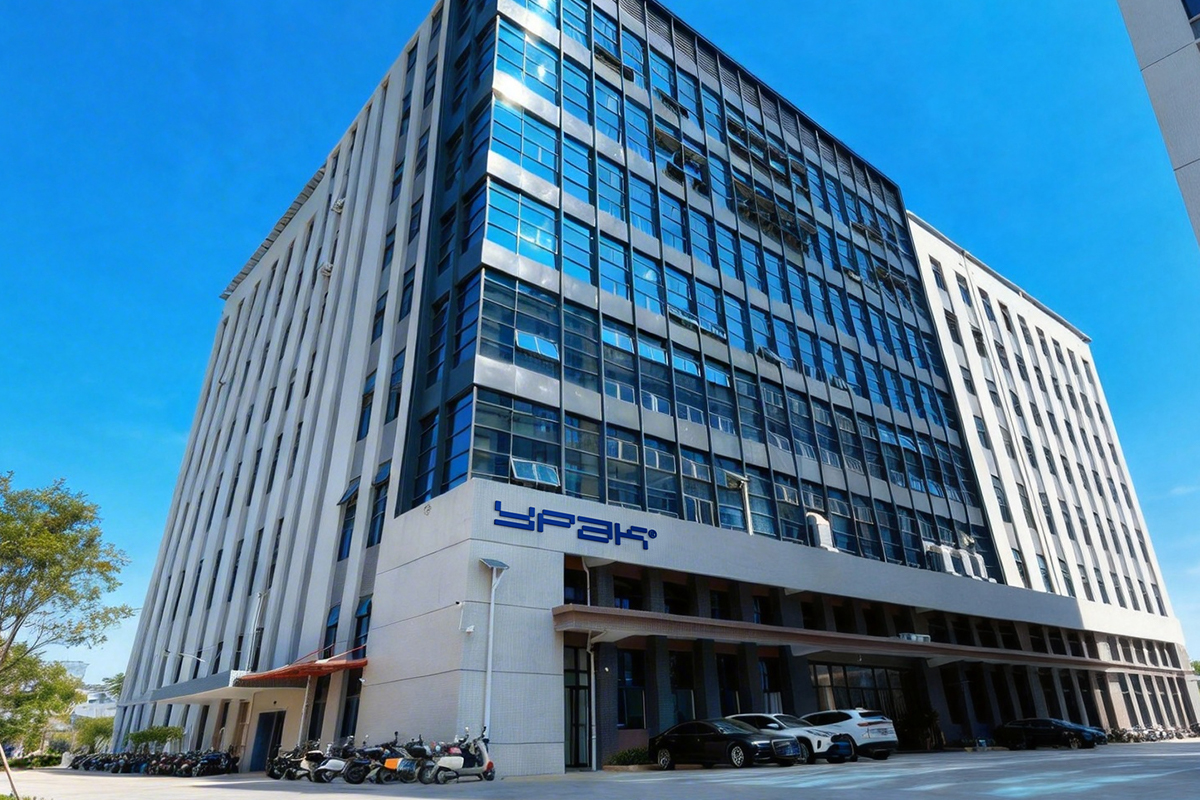
Founded in 2011, YPAK PACKAGING GROUP operates three state-of-the-art facilities located across Hong Kong, Dongguan, and Foshan. As one of Asia's premier coffee bag manufacturers, our Foshan and Dongguan production centers operate under stringent cleanroom parameters and maintain dual accreditation in BRCGS Food Safety (Grade AA) and ISO 22000:2018 management systems.
Every pouch crafted in our facilities undergoes rigorous batch testing to verify film lamination bonding, drop impact resilience, and food-contact compliance. By integrating genuine Swiss WIPF degassing valves as standard options, we empower international coffee roasters to protect roast integrity across global retail supply chains with an industry-leading 99.5% on-time delivery rate.
traditional gravure printing requires expensive copper cylinder setups and large minimum order quantities (MOQs), modern specialty coffee brands thrive on limited-edition micro-lots, seasonal roasts, and frequent artwork updates. YPAK addresses this operational bottleneck by deploying the state-of-the-art HP Indigo 25K Digital Press.
A decade-plus track record of continuous technical investment and operational scaling.
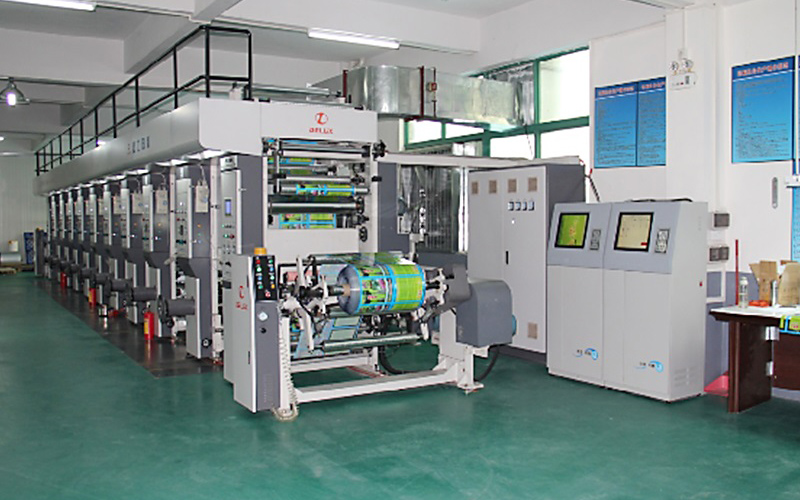
In May 2012, our first complete flexible packaging production line was commissioned into service.
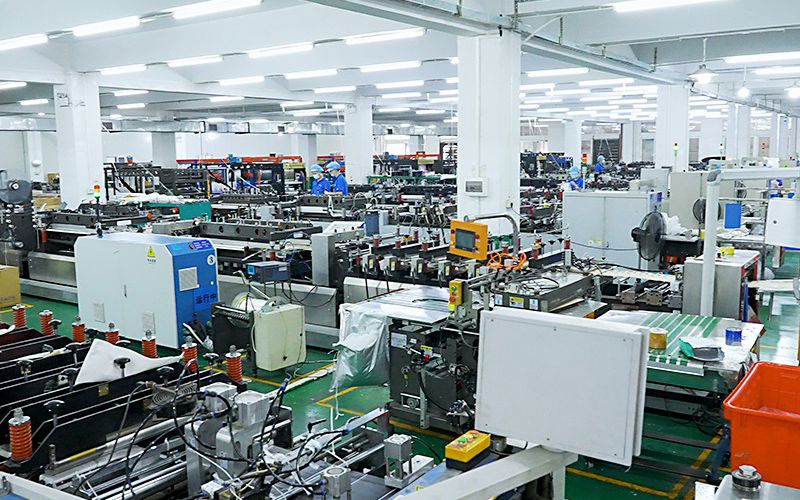
In March 2016, dedicated high-speed lines began producing flat bottom box pouches for specialty coffee.
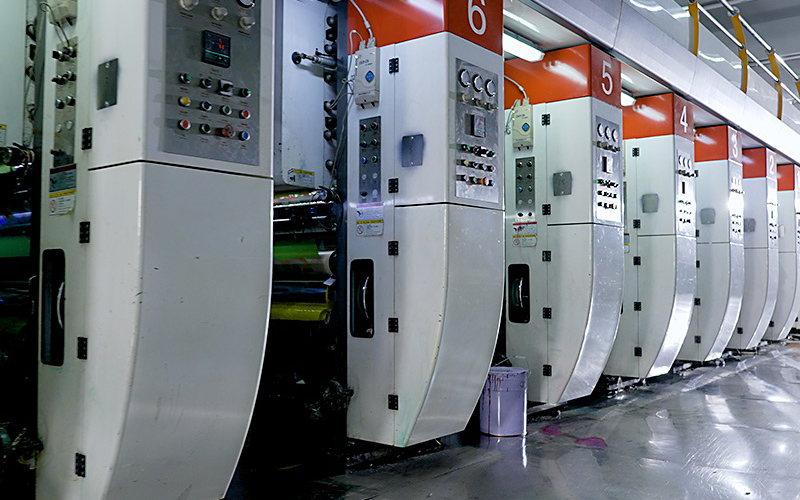
In August 2017, established our secondary automated production line to double pouch conversion capacity.
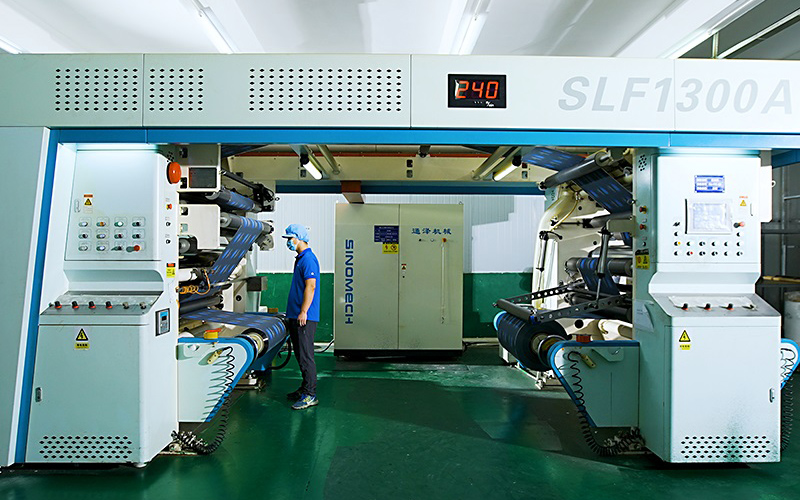
In April 2018, integrated advanced solvent-free green lamination technology to eliminate VOC emissions.
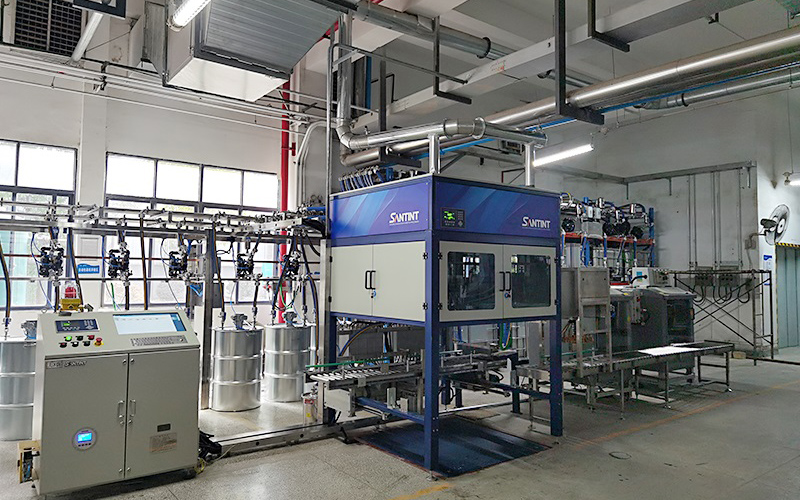
In June 2020, introduced an automated computerized ink adjustment system for zero color variance.
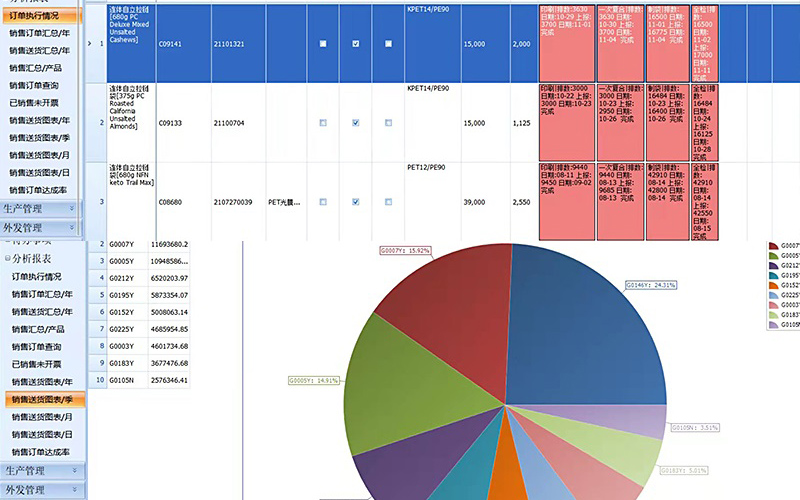
In July 2020, deployed end-to-end ERP cloud management for total raw material batch traceability.
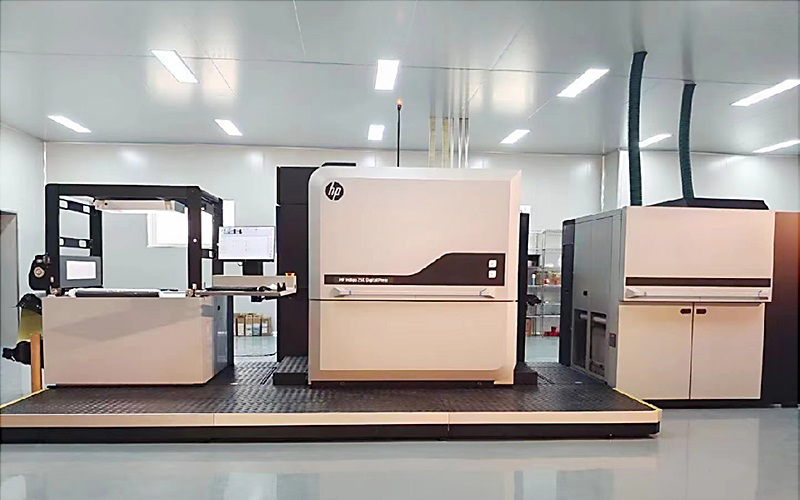
In October 2021, introduced the groundbreaking HP INDIGO 25K digital printing press system.
Why sourcing custom coffee packaging directly from top-tier Chinese manufacturing clusters provides unmatched cost, speed, and scaling efficiency.
Located in Guangdong's primary manufacturing hub, YPAK leverages direct access to world-class polymer suppliers, barrier film converters, and sustainable resin innovators. This localized ecosystem eliminates raw material lead-time latency, ensuring raw substrate availability for high-barrier aluminum films, high-density bio-PE, and specialty matte lacquers at competitive bulk pricing.
By housing cylinder engraving, digital prepress, solvent-free lamination, precision slitting, and pouch conversion under unified QA oversight, Chinese packaging factories deliver shortened lead times. Standard custom production cycles are executed within 10 to 15 business days, accommodating rapid market shifts and aggressive roast launch deadlines for international distributors.
Global procurement demands zero failure rates. YPAK implements multi-stage optical inspection for surface print defects, automated heat-seal burst strength testing, sensory taint testing (to guarantee zero organoleptic transfer to coffee beans), and continuous solvent residue monitoring via gas chromatography to maintain absolute food safety compliance.
Eliminating geographic distance and communication friction through digital transparency, live video verification, and dedicated technical account management.
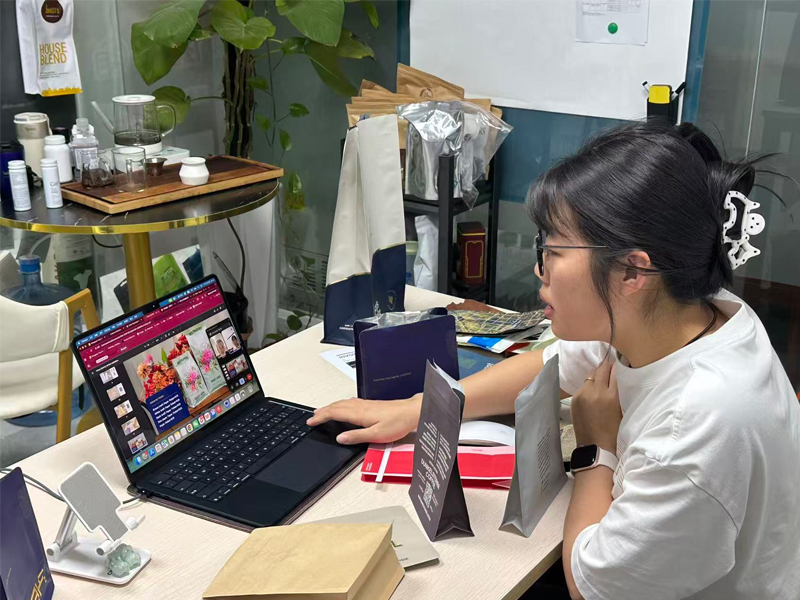
Improving customer experience through real-time online video confirmation. Traditionally, pre-sales flexible packaging procurement involves time-consuming physical sampling cycles. We eliminate guesswork by scheduling 1-on-1 virtual sessions where technical consultants demonstrate film finishes (rough matte, soft-touch, 3D UV spot varnish, hot foil stamping), test bag dimensions against client bean volumes, and verify dieline structures before full production approval.
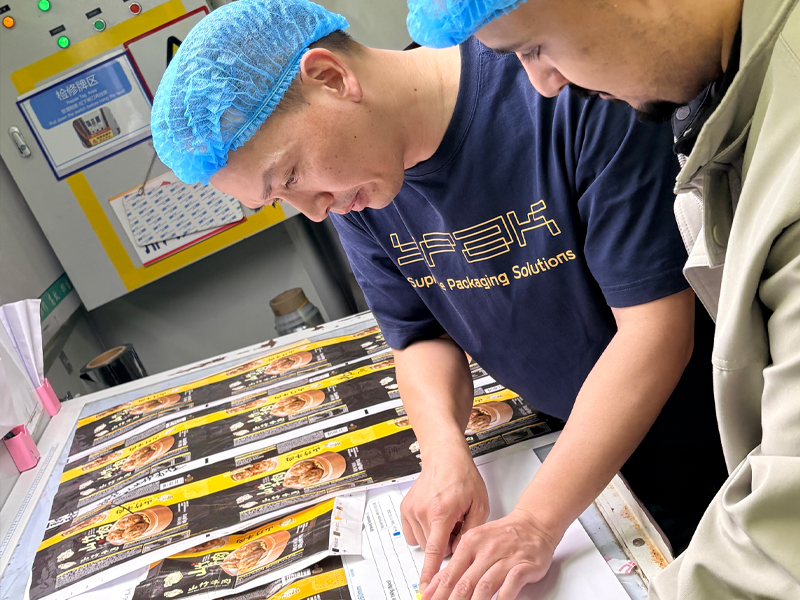
We deliver exceptional mid-sale service as an essential step ensuring a seamless transition from order placement to port dispatch. Mid-sale service means maintaining absolute visual control over production. We capture and transmit high-definition progress video clips and multi-angle photos across printing, lamination, and pouch converting stages, letting brands inspect color accuracy, registration, and zipper installation remotely.
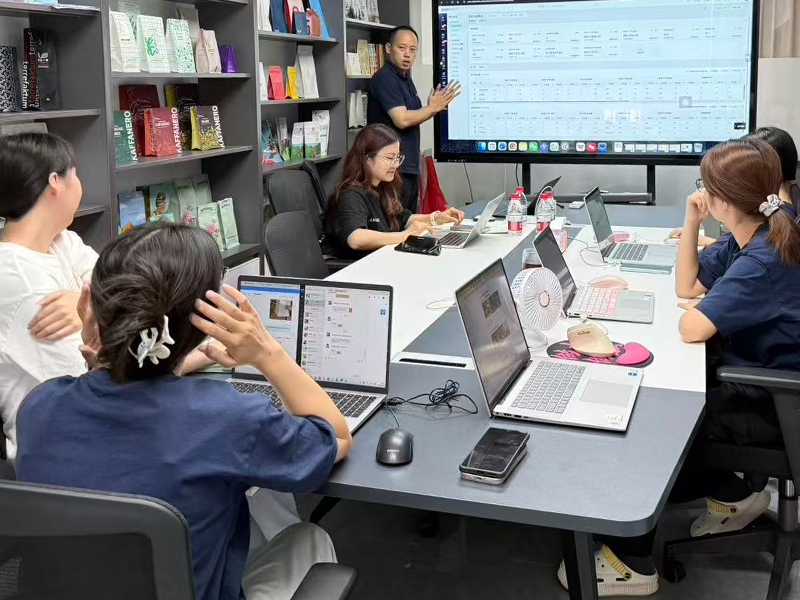
Providing robust after-sales support ensures customer satisfaction while building long-term commercial partnerships. We maintain archived retain samples and batch log data for every production run for 24 months. Should any sealing or material anomaly occur on automated filling lines, our engineering team provides rapid diagnostic resolution, structural adjustment recommendations, and immediate batch replacement backing.
Future-proofing coffee packaging against stringent EU, UK, and North American environmental plastic mandates without compromising shelf barrier longevity.
The European Union's Packaging and Packaging Waste Regulation (PPWR) requires all commercial packaging to be fully recyclable by 2030. YPAK's monomaterial Polyethylene (PE/EVOH-PE) pouches qualify for RIC #4 recycling streams, enabling European specialty roasters to comply with eco-tax reductions while maintaining oxygen barrier performance equivalent to conventional foil bags.
Under US FDA 21 CFR standards, materials intended for direct food contact must demonstrate zero toxic leaching or chemical migration under elevated ambient storage. YPAK utilizes 100% virgin food-grade resins, solvent-free adhesive matrices, and low-migration ink systems, fully documented with technical Declarations of Compliance (DoC) for US customs clearing.
To avoid UK Plastic Packaging Taxes on non-recycled plastic components, roasters must adopt pouches incorporating high Post-Consumer Recyclate (PCR) content or certified mono-material recyclable structures. YPAK delivers custom engineered PCR-PE laminate solutions that maintain high tear resistance while minimizing carbon tax liabilities for UK specialty brands.
From artisanal micro-roaster subscriptions to specialty botanical infusions and retail supermarket lines.
Short-run digital printing via HP Indigo 25K allows small-batch roasters to order seasonal 250g pouches with unique tactile finishes (rough matte, soft touch) without tying up working capital in gravure plate inventory.
High-volume 1kg and 2.5kg flat-bottom gusseted pouches built with thick aluminum foil layers ensure maximum drop strength, high stackability on retail pallets, and multi-year shelf-life stability.
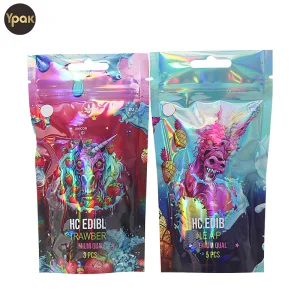
Child-resistant certified zipper closures integrated into light-proof holographic Mylar pouches protect active cannabinoid potency and delicate herbal terpenes against degradation caused by ambient moisture and UV exposure.
High-barrier liquid spouted pouches engineered to withstand hot-fill processing and high pressure processing (HPP) deliver convenient eco-friendly packaging for liquid beverage brand extensions.
How smart packaging, active gas scavenging, and bio-based polymer chemistry are reshaping the global packaging landscape.
Integrating high-density serialized dynamic QR codes directly into digitally printed pouch artwork allows consumers to scan the bag and trace roast date, bean origin elevation, cupping score profiles, and direct-trade farmer compensation metrics in real time.
Next-generation flexible laminates incorporate non-migratory chemical oxygen scavengers within the internal PE sealant layer. This technology actively binds residual headspace oxygen trapped after heat sealing, driving interior oxygen concentrations down to under 0.01%.
Pioneering multi-layer paper structures bonded with plant-derived PLA and PBS (polybutylene succinate) bio-resins enable coffee pouches to achieve full decomposition in home garden compost environments within 180 days under TÜV Austria certifications.
Detailed technical responses to common inquiries submitted by commercial coffee roasters, packaging engineers, and procurement managers.
Explore custom flat bottom bags, UV finish pouches, child-resistant Mylar packaging, and promotional branding assets.
 YPAK PACKAGING