Explore our top-tier barrier flexible pouches, digital custom printing series, and eco-certified packaging solutions manufactured in our BRCGS-certified facilities.
In the global specialty beverage sector, tea leaves—ranging from delicate green teas (such as Longjing and Sencha) to oxidized black teas, highly aromatic Oolongs, and aged Pu-erh—are extraordinarily sensitive to environmental degradation. Preserving the delicate organoleptic profiles, volatile terpene fractions, and polyphenols requires an advanced approach to material science. As a premier China tea pouch packaging manufacturer, our engineering focuses on eliminating the primary catalysts of tea degradation: moisture gain, oxygen-induced oxidation, photo-degradation, and external odor absorption.
Tea leaves are hygroscopic substances. When exposed to ambient relative humidity exceeding 60%, moisture activity within loose-leaf tea rises rapidly above the critical 5% threshold. This elevated moisture level triggers enzyme reactivation, loss of catechin stability, and accelerated staling. To combat this, modern high-barrier tea packaging utilizes multi-layer laminate structures that deliver near-zero Water Vapor Transmission Rates (WVTR) and Oxygen Transmission Rates (OTR).
Standard retail packaging often permits OTR levels of > 2.0 cc/m²/24hrs. For premium specialty tea export, our engineered barrier laminates achieve OTR < 0.5 cc/m²/24hrs and WVTR < 0.3 g/m²/24hrs through vacuum-metallized PET (VMPET), ultra-clear EVOH co-extrusions, or high-purity aluminum foil (AL) core layers.
| Laminate Film Structure | OTR (cc/m²/24h) | WVTR (g/m²/24h) | UV / Light Barrier | Primary Application |
|---|---|---|---|---|
| PET / AL / PE (Traditional Aluminum Core) | < 0.05 | < 0.05 | 100% Opaque | Ultra-long shelf life, aged Pu-erh, bulk export shipping |
| Matte OPP / VMPET / PE (High-Barrier Metallic) | < 0.5 | < 0.5 | 99.9% Light Block | Retail loose-leaf tea pouches, specialty blends |
| Monomaterial Recyclable PE / EVOH-PE | < 0.8 | < 0.9 | Translucent / Opaque Options | EU/UK PPWR Compliant eco-friendly retail pouches |
| Kraft Paper / PLA / High-Barrier Bio-Film | < 1.2 | < 1.5 | Natural Paper Barrier | 100% Industrial Compostable organic tea packaging |
Beyond simple gas barrier performance, mechanical resilience against puncture during vacuum packaging or gas flushing (nitrogen purging) is vital. Loose tea stems and needle-like leaves can easily micro-puncture low-grade inner liners. Our engineered polyethylene (PE) matrix formulations incorporate metallocene additives to enhance seal integrity, hot-tack strength, and flex-crack resistance during global transit.
Why leading international tea packaging distributors and global brands source their packaging directly from China's vertically integrated production hubs.
China’s packaging industrial clusters maintain instant localized access to film extrusion resins, food-grade inks, degassing valves, and specialized zip-locks, reducing raw material procurement lead times by over 60% compared to Western converters.
By adopting state-of-the-art HP Indigo 25K digital printing presses, Chinese manufacturers allow tea brands to test micro-batches, seasonal harvests, and limited-edition SKU variations without incurring massive cylinder/plate tooling investments.
Top tier Chinese facilities hold BRCGS Grade A, ISO 22000:2018, FDA 21 CFR 177, and EU 10/2011 certifications, providing full lot traceability, migration test reports, and heavy metal compliance verification for global Customs clearance.
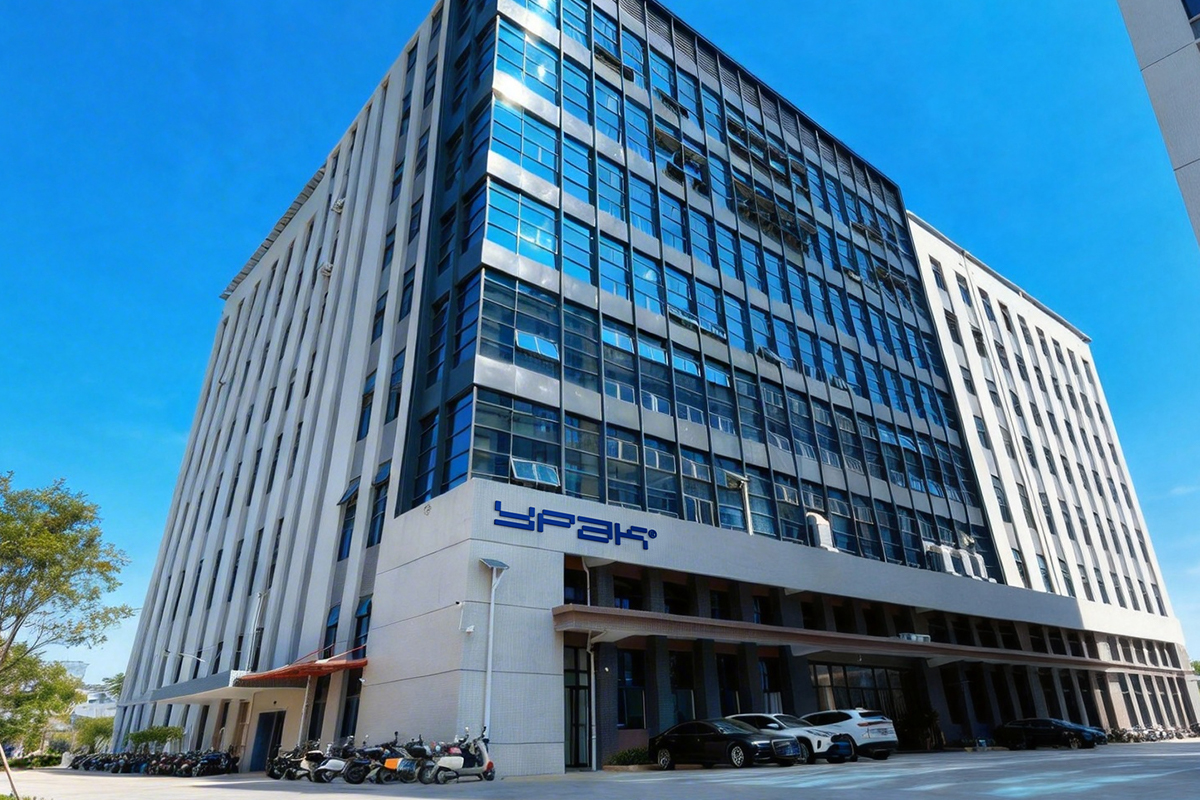
Founded in 2011, YPAK operates three high-tech manufacturing facilities across Hong Kong, Dongguan, and Foshan. As a leading manufacturer in China, we combine Swiss precision components, digital printing flexibility, and stringent food safety controls.
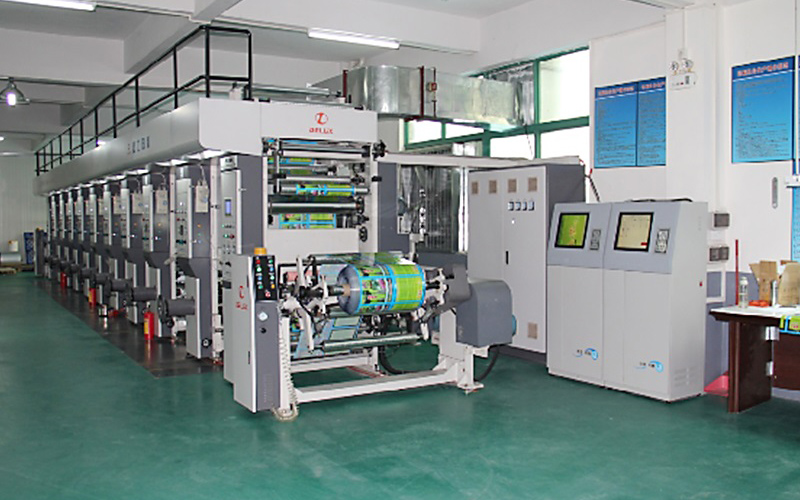
Established our first complete high-speed flexible packaging production line, specializing in multi-layer barrier lamination for food-grade pouches.
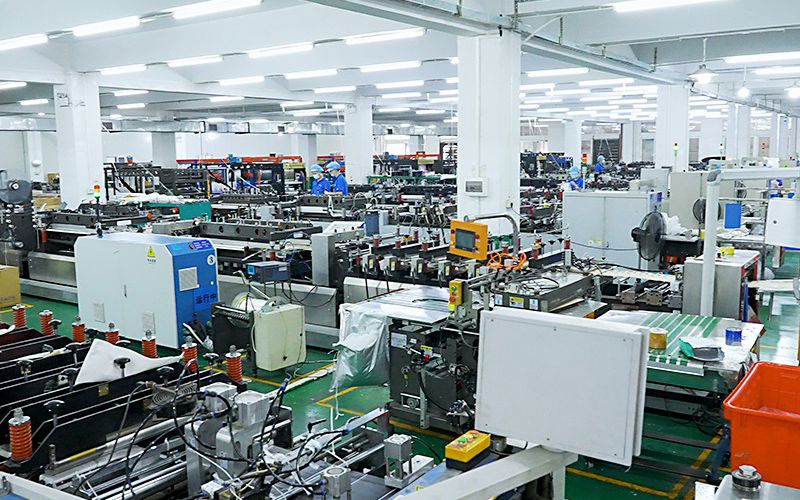
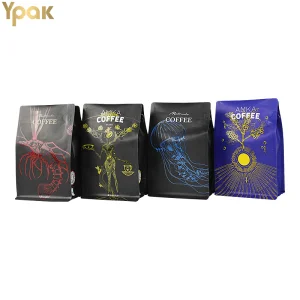
Expanded capability to manufacture box-pouch / flat-bottom pouches, offering 5-panel branding surfaces for premium coffee and tea packaging.
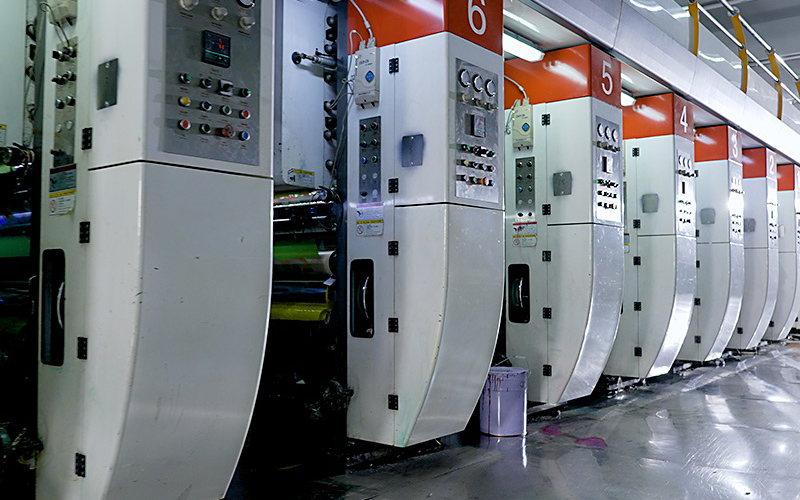
Constructed and launched our second automated production facility to meet growing export demand across North America and Europe.
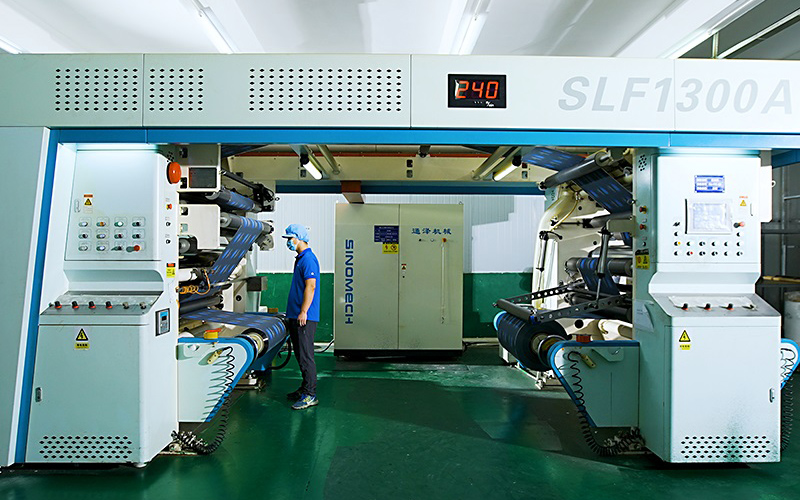
Pioneered solvent-free composite technology across all lines, guaranteeing zero solvent residue and enhanced environmental safety for tea packaging.
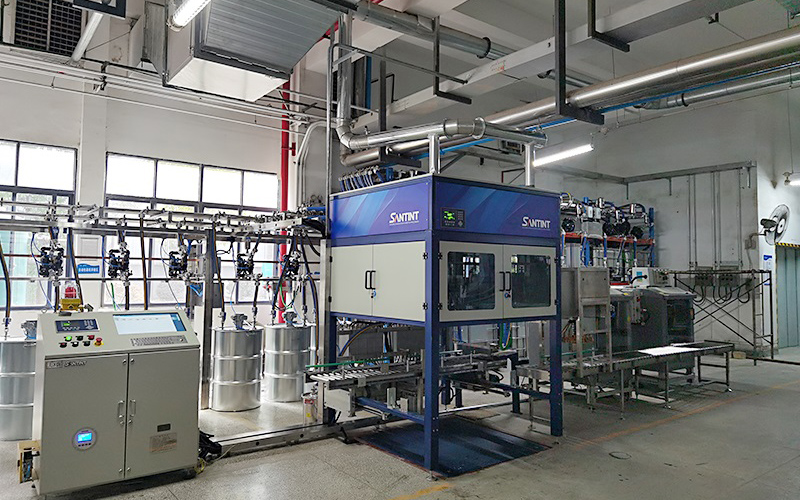
Integrated automated ink matching systems and advanced ERP production tracking systems for complete digital control over color consistency and batch traceability.
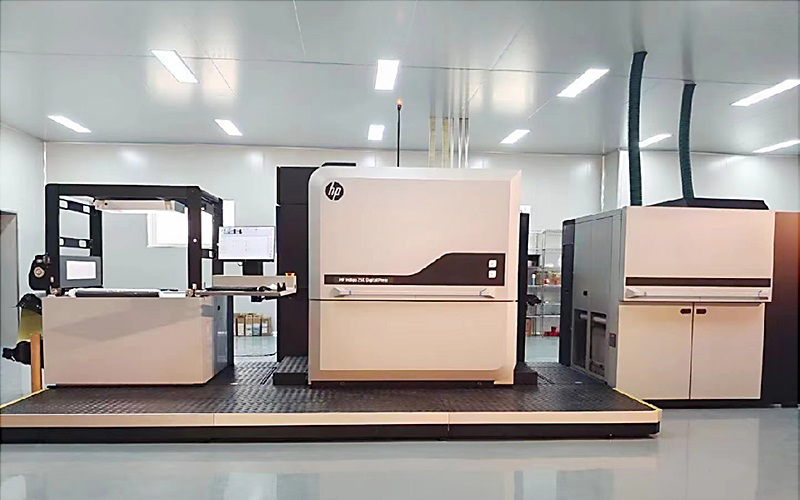
Commissioned the HP INDIGO 25K digital printing machine, opening unprecedented capabilities for low-MOQ, high-definition variable data printing.
From initial structural proofing to mid-production video monitoring and post-delivery guarantees, YPAK eliminates distance barriers for overseas buyers.
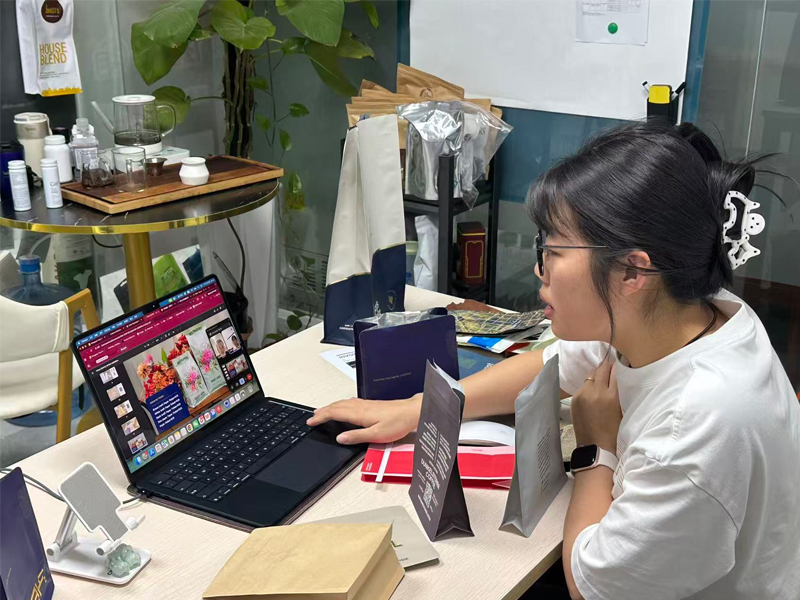 Pre-Sales Consultation
We utilize online video confirmation and rapid 3D physical mockups to resolve structural, dimensional, and material selections before mass production begins, ensuring zero guesswork for your team.
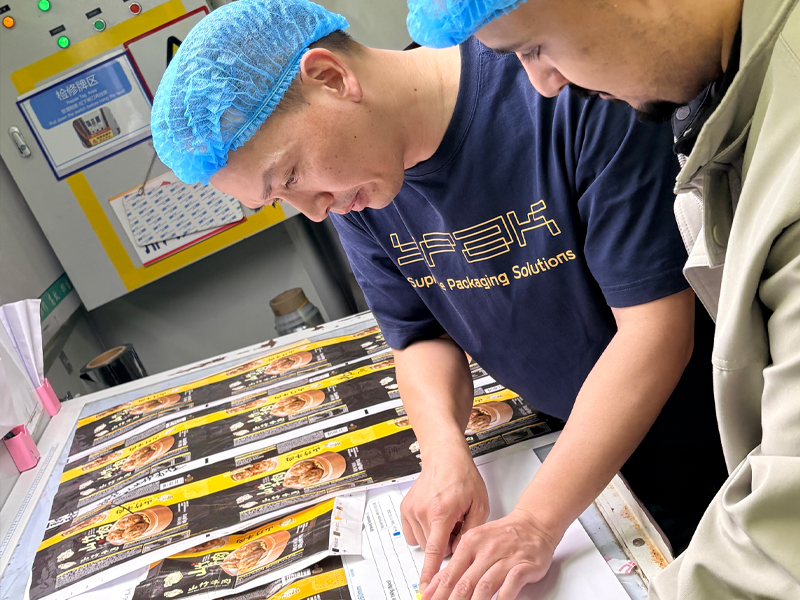 Mid-Sales Execution
Maintain total oversight over each manufacturing milestone. We provide live video feeds, high-res photos of color drawdowns, and automated ERP status reports from lamination to pouch converting.
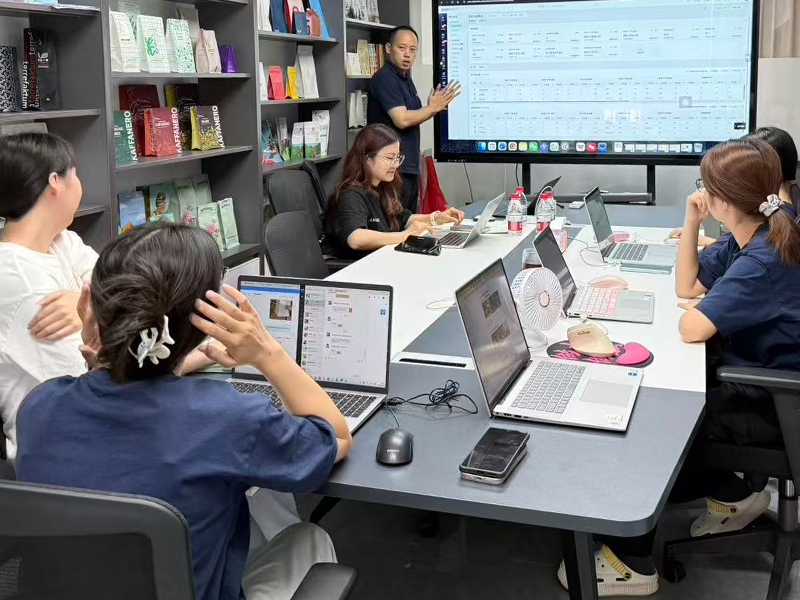 After-Sales Guarantee
Every pouch shipment is assigned a unique batch tracking ID. In the rare event of quality discrepancies, our dedicated engineering taskforce provides root-cause analysis and immediate replacements.
Selecting the ideal tea pouch construction directly influences retail shelf presence, consumer usability, and automated filling line compatibility. Below is an analytical breakdown of structural formats optimized for global tea brands:
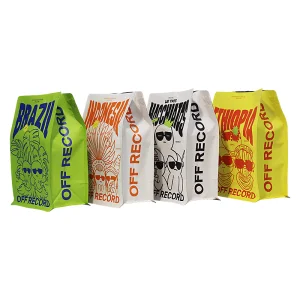
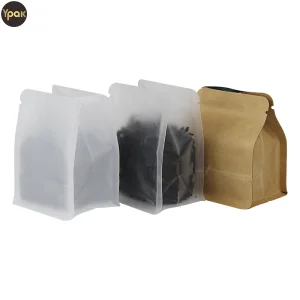
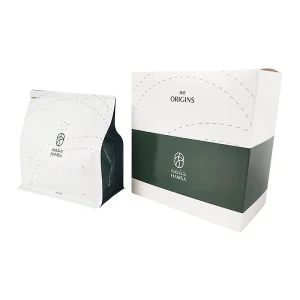
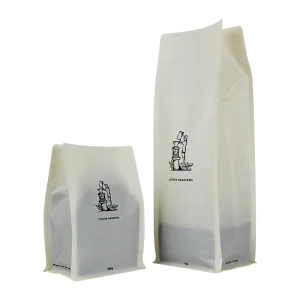
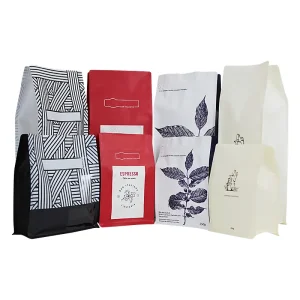
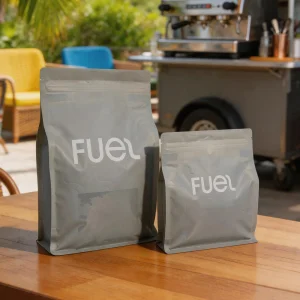
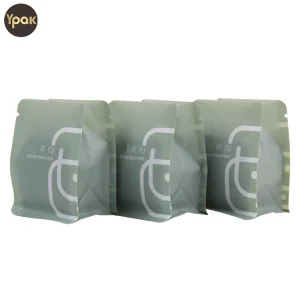
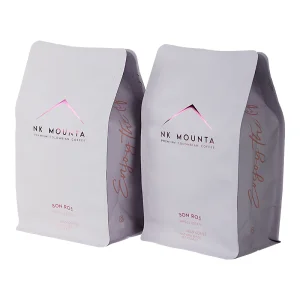
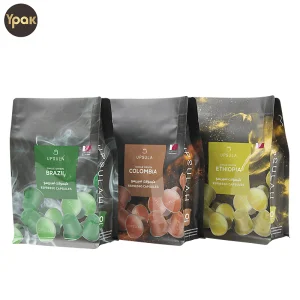
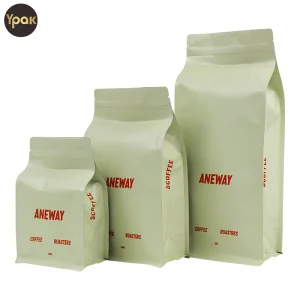
The flat bottom pouch (also known as a box pouch or block bottom pouch) represents the premium standard for retail loose-leaf tea and tea bags. Featuring five distinct printable surfaces (front, back, left gusset, right gusset, and bottom), it offers unmatched vertical stability on retail shelves. The flat base prevents tipping over during high-speed automated filling, while providing 30% more interior volume compared to standard stand-up pouches of similar footprint.
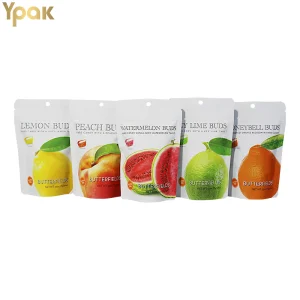
The classic Doypack featuring a bottom gusset remains the most cost-effective solution for mass-market teas and sample packs. Equipped with press-to-close (PTC) zippers or pocket zippers (tear-ribbon style), Doypacks provide convenient resealability, protecting tea leaves from ambient air after opening.
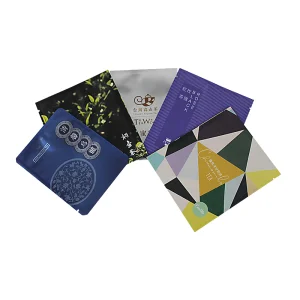
With the rise of direct-to-consumer (D2C) tea subscription boxes and ecommerce tasting kits, custom 20g plastic trial pack bags have surged in demand. These compact micro-pouches require ultra-precise heat sealing, tear notches for clean opening without scissors, and specialized light-blocking barriers to preserve single-serve botanical freshness.
While degassing valves are traditionally associated with coffee packaging (releasing CO2 without allowing atmospheric air entry), specialized roasted teas (such as Japanese Houjicha or dark roasted Oolongs) can also benefit from engineered one-way degassing valves. YPAK installs authentic Swiss WIPF valves as standard to safeguard roasted tea leaves against internal pressure buildup and oxidative stress.
Global regulatory landscapes—such as the European Union’s Packaging and Packaging Waste Regulation (PPWR), extended producer responsibility (EPR) schemes, and plastic taxes in North America—demand a swift transition away from non-recyclable multi-material laminates (e.g., PET/AL/PE).
As a proactive China tea pouch packaging manufacturer, YPAK has engineered two primary sustainable packaging pathways that maintain uncompromising barrier performance:
Constructed entirely from polyethylene (PE) matrix resin with an ultra-thin co-extruded EVOH gas barrier layer (< 5% total mass), allowing the pouch to be categorized under SPI Code 4 (LDPE) recycling streams across Europe and North America.
Combines FSC-certified unbleached white or natural brown Kraft paper with biodegradable Polylactic Acid (PLA) or PBS inner seals. Certified under EN 13432 and ASTM D6400 for industrial composting environments.
Incorporates up to 50% Post-Consumer Recycled (PCR) resin into the non-food contact outer substrate layers, significantly lowering carbon footprints while meeting strict EU plastic tax thresholds.
Expert answers regarding custom manufacturing, material selection, barrier requirements, and international logistics from our engineering team.
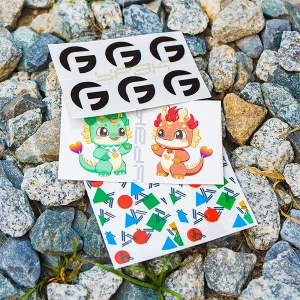
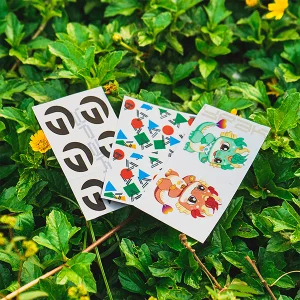
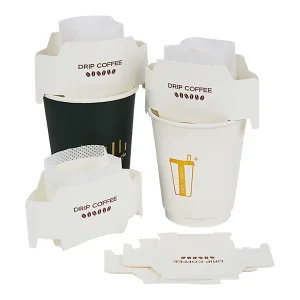
Complete your product lineup with our specialized degassing valve coffee/tea bags, drip filter packaging, and custom UV sticker solutions.
 YPAK PACKAGING