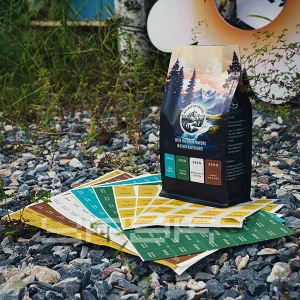
 Custom Plastic Waterproof Paper Adhesive Labels Vinyl PVC Circle Sticker Roll Manufacturers, Suppliers
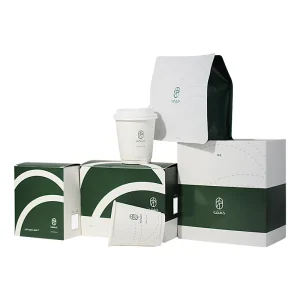 Custom Wholesale Kraft Paper Mylar Plastic Flat Bottom Bags Coffee Set Packaging With Bags Box Cups Manufacturer, Suppliers
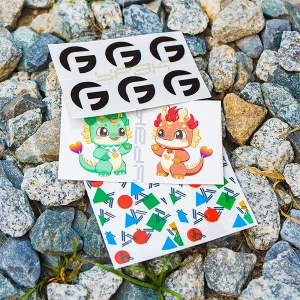 Wholesale Hot Stamping Transparent UV Transfer Stickers Manufacturers, Supplier
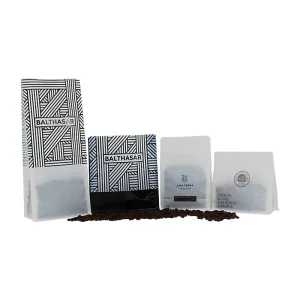 China Eco-Friendly Embossing Flat Bottom Coffee Bag Packaging With Valve For Coffee/Tea Manufacturer, Factories
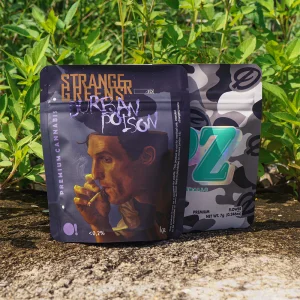 Custom Premium Cannabis Bags Suppliers, Factories
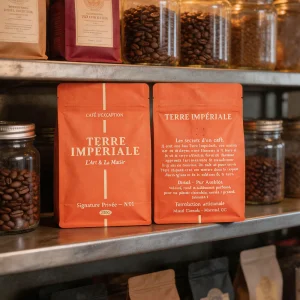 Wholesale Custom Soft Touch Film Finished Flat Bottom Coffee Bag with Valve Manufacturers, Suppliers
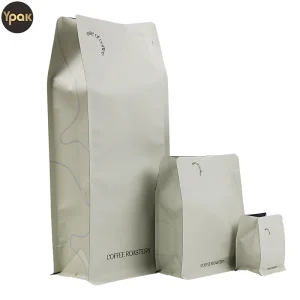 Custom Custom Mylar Plastic Aluminum 20G 100G 250G 1KG Flat Bottom Coffee Bag For Food Packaging Factory, Factories
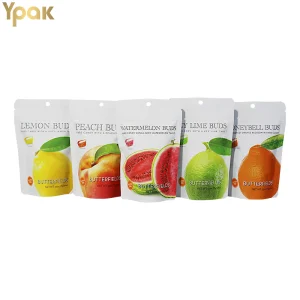 Custom Resealable Soft Touch Edibles Candy Gummy Gift Mylar Pouch Bags Packaging Manufacturers, Factory
Modern smell-proof Mylar (BOPET) bags utilize multi-layer co-extrusion and lamination technologies. By integrating aluminum foil (AL) or metallized polyester (VMPET), we achieve near-zero Oxygen Transmission Rates (OTR) and Moisture Vapor Transmission Rates (MVTR), ensuring volatile organic compounds (VOCs) remain trapped within the packaging.
High-end Mylar packaging must be chemically inert. Our factories utilize solvent-free lamination to eliminate the risk of residual solvent migration, which is critical for food-grade and cannabis-related products where terpene preservation and aroma integrity are paramount.
The industry is shifting toward Mono-PE recyclable structures and PLA-based compostable films. These materials provide equivalent barrier properties to traditional laminates while meeting the stringent environmental regulations of the EU and North American markets.
In the global market for flexible packaging, China stands as the epicenter of manufacturing innovation. For global enterprises, the decision to partner with Chinese smell proof mylar bags factories is no longer just about cost-cutting; it’s about accessing a highly integrated ecosystem of material science, digital printing efficiency, and rapid prototyping.
On-Time Delivery: Leveraging ERP-driven production scheduling to ensure your retail supply chain never faces a stock-out.
Digital Precision: Our HP Indigo 25K digital press enables MOQ-free runs, allowing brands to test new markets without heavy inventory risk.
Certified Quality: ISO 22000:2018 and BRCGS certifications guarantee every pouch meets rigorous global food contact standards.
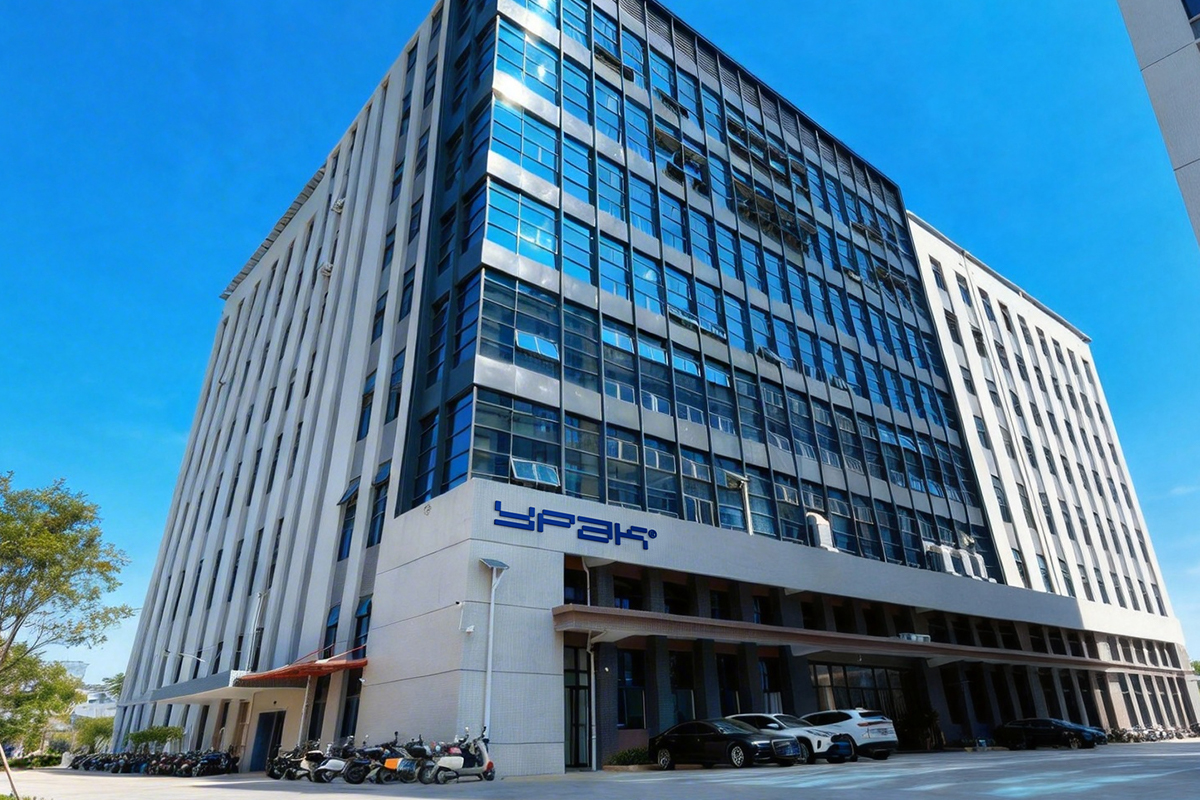
Founded in 2011, YPAK operates three facilities across Hong Kong, Dongguan, and Foshan, emerging as one of China’s leading coffee and smell-proof bag manufacturers. Our Foshan and Dongguan plants are BRCGS Food Safety and ISO 22000:2018 certified—ensuring every pouch meets rigorous global food contact standards with full traceability.
We fit Swiss WIPF one-way valves as standard, delivering industry-leading technology for keeping coffee and dry goods fresh. Our HP Indigo 25K digital press enables MOQ-free, plate-free runs with photorealistic print quality—perfect for limited editions and market testing.
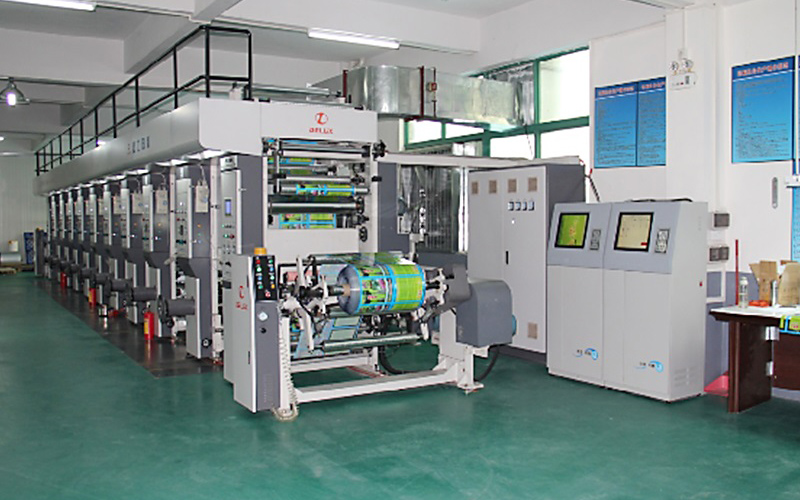
2012
Establishment of the first complete flexible packaging production line.
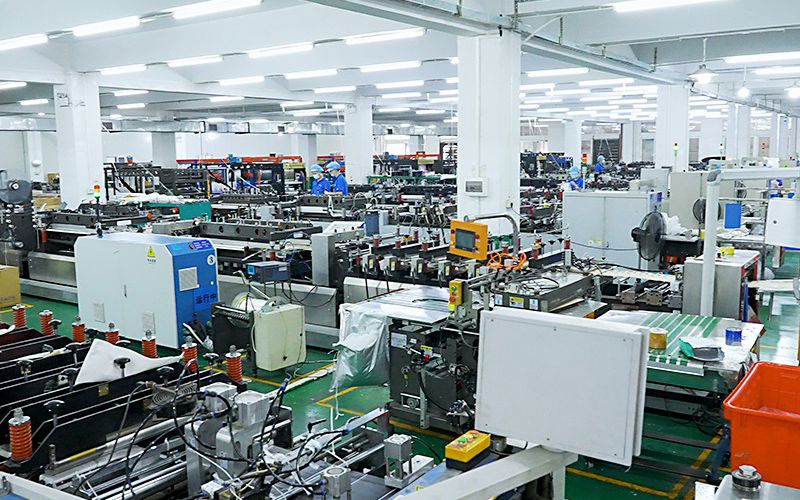
2016
Strategic shift to high-barrier flat bottom bag production.
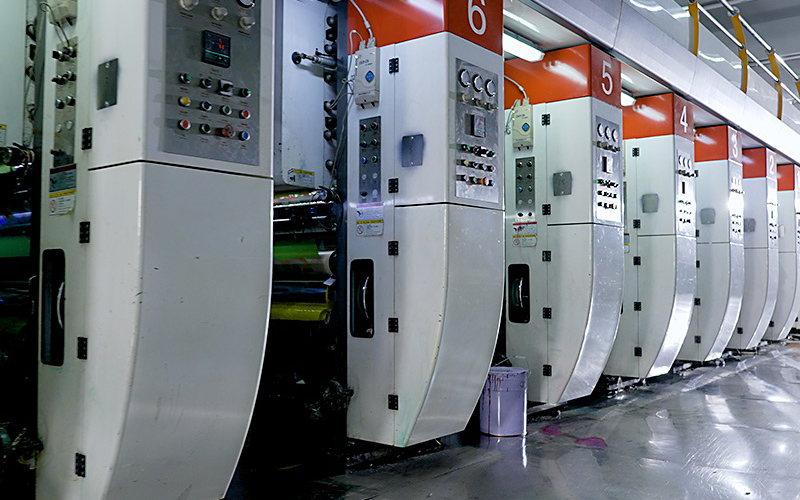
2017
Opening of the second production line to meet global demand.
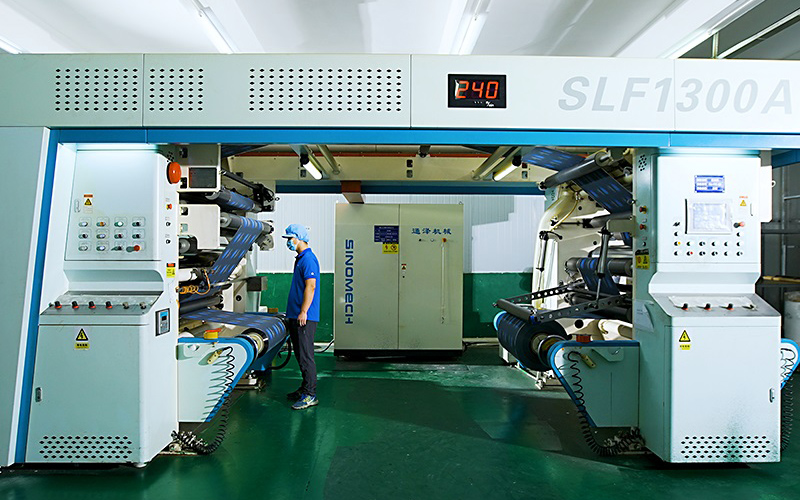
2018
Transition to eco-friendly solvent-free composite technology.
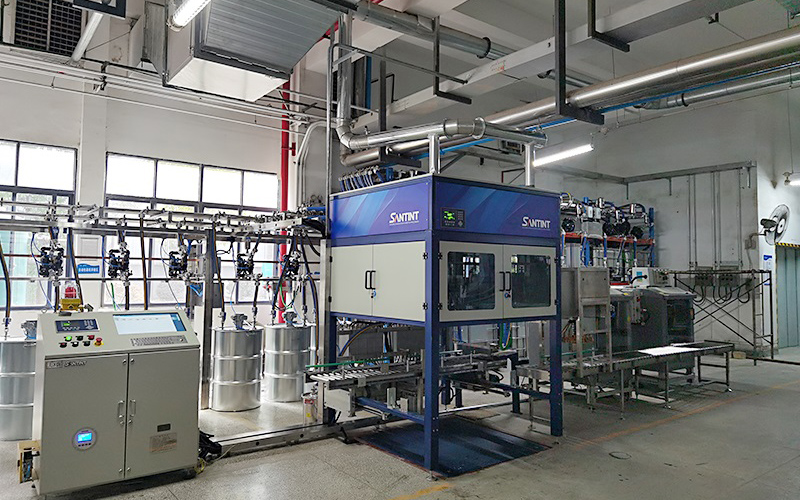
2020
Introduction of automatic ink adjustment and ERP systems.
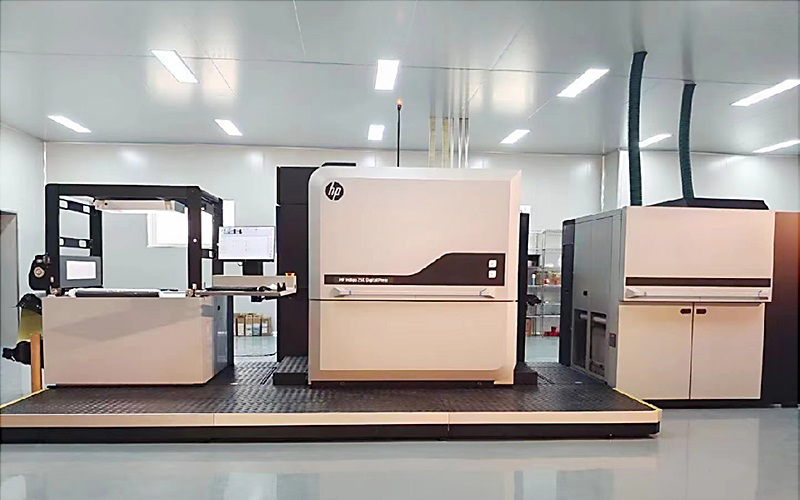
2021
Acquisition of HP INDIGO 25K digital printing machine.
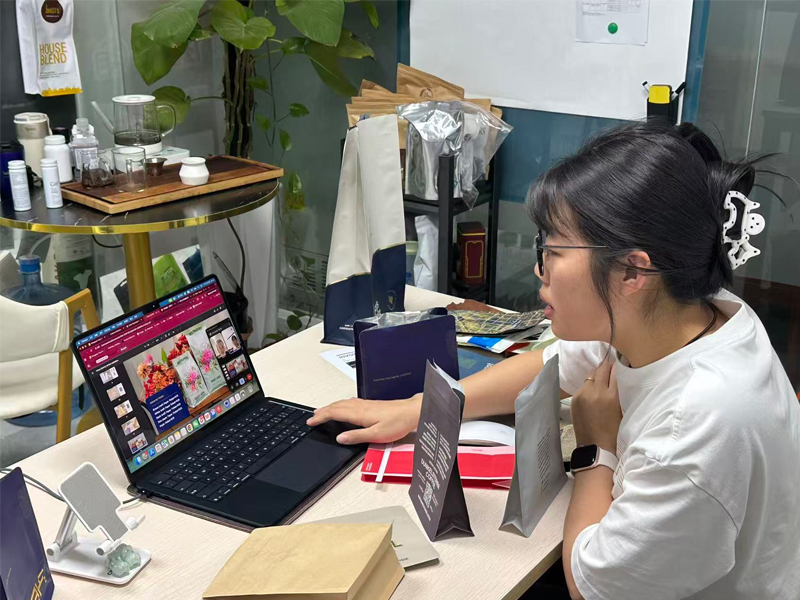
Improve customer experience through online video confirmation. We provide one-on-one service to ensure accurate and efficient communication, assisting customers in selecting the correct material structure.
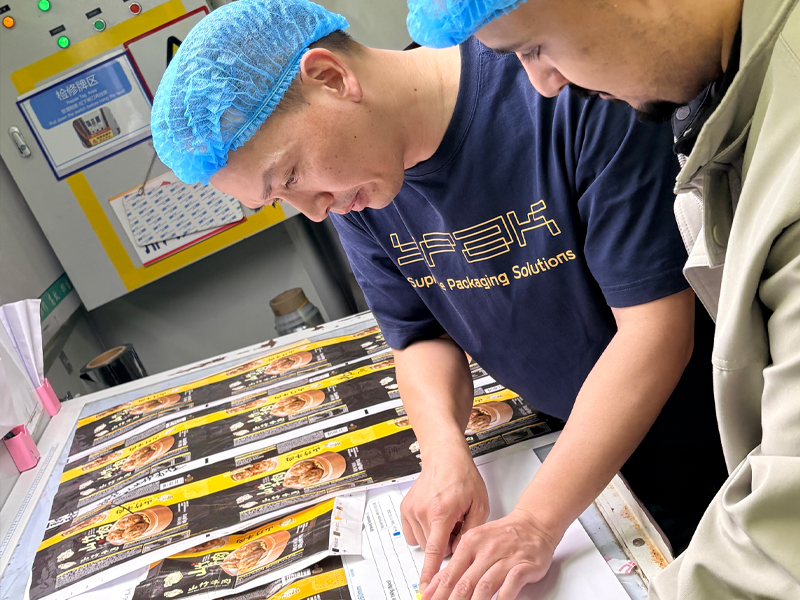
We maintain strict control over the production process. We provide real-time updates via videos and pictures, allowing customers to visualize their order progress from printing to lamination.
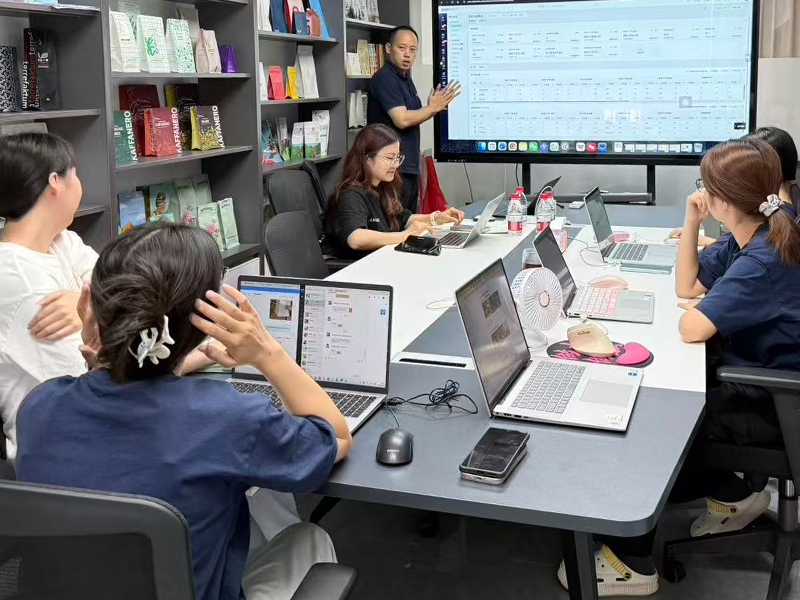
Our partnership doesn't end at delivery. We invest in feedback channels to continuously improve our product quality and ensure long-term success in competitive global markets.
Implementation of oxygen-scavenging films and moisture-regulating inserts directly into the Mylar structure to extend shelf life for sensitive botanical products.
Development of NFC-enabled Mylar bags for anti-counterfeiting and farm-to-shelf traceability, allowing consumers to verify product authenticity with a smartphone tap.
Transitioning 100% of production to mono-material laminates that are fully compatible with existing curbside recycling infrastructure worldwide.
Navigating international regulations is complex. As a leading manufacturer, YPAK provides comprehensive compliance documentation for various jurisdictions:
Compliance with FDA food contact regulations and ASTM child-resistant standards (CR packaging) for the cannabis and pharmaceutical industries.
Adherence to EU plastic tax regulations and EPR (Extended Producer Responsibility) requirements for packaging waste reduction.
Full support for UK Plastic Packaging Tax (PPT) compliance, ensuring materials contain at least 30% recycled content where applicable.
Custom Resealable Soft Touch Edibles Candy Gummy Gift Mylar Pouch Bags Packaging Manufacturers, Factory
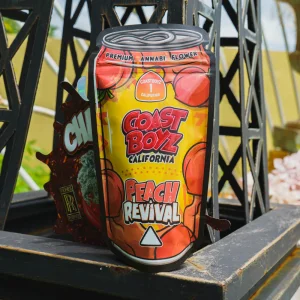 China Cannabis Bag Designs Manufacturers, Factories
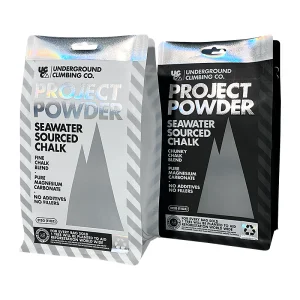 Custom Custom Rough Matte Finish Hot Stamping Flat Bottom Coffee Bags With Window Manufacturer, Factories
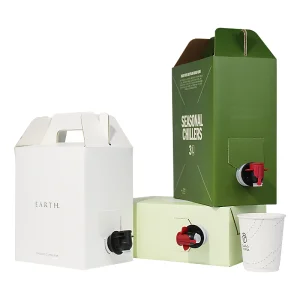 China High quality wholesale water wine dispenser 3l kraft eco friendly bag in box liquid plastic packaging Manufacturer, Suppliers
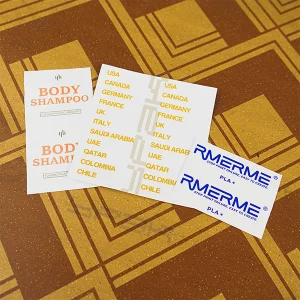 Wholesale Brand Logo 3D UV Transparent Transfer Sticker Factory, Factories
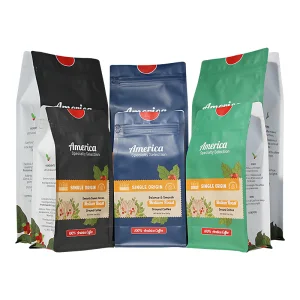 China Eco-Friendly Compostable Matte Mylar Kraft Paper Flat Bottom Coffee Bag Packaging With Zipper Manufacturer, Factories
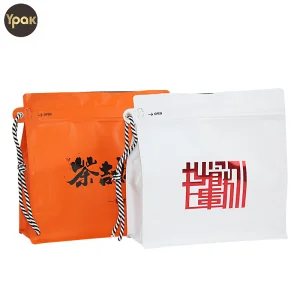 Wholesale Stock Micro-customization Hot Stamping Mylar Plastic 250g 500g Flat Bottom Coffee Bag With Lanyard Factory, Factories
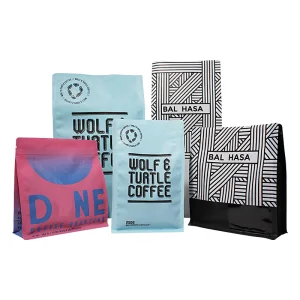 Custom Printed Recyclable/compostable flat bottom coffee bags with valve and zipper for coffee bean/tea/food. Manufacturers, Factories
 YPAK PACKAGING