ISO 22000 & BRCGS Certified Global Manufacturer

China Recyclable Coffee Bags Manufacturer & Suppliers

Engineering Next-Generation High-Barrier Mono-Material Packaging & Circular Solutions for Global Specialty Roasters

Whitepaper: Sustainable Flexible Packaging Transformations in Global Coffee Supply Chains

An Industry Benchmark on High-Barrier Mono-Material Science, Regulatory Dynamics, and Zero-Waste Circular Economy Integration

99.5%
On-Time Delivery Rate
<0.1
OTR (cc/m²/24h)
100%
Recyclable PE Stream
0
Plate Costs via HP Indigo 25K
The global specialty coffee ecosystem is undergoing a seismic structural paradigm shift. As corporate sustainability mandates intersect with aggressive environmental legislation—such as the European Union’s Packaging and Packaging Waste Regulation (PPWR) and extended producer responsibility (EPR) frameworks across North America—traditional multi-material packaging constructions (e.g., PET/AL/PE laminates) face phased obsolescence. Specialty coffee roasters and enterprise distributors can no longer rely on unrecyclable aluminum foil layers to deliver long-term gas barrier performance.
As a premier China Recyclable Coffee Bags Manufacturer, YPAK PACKAGING GROUP is at the forefront of polymer innovation. By combining high-barrier polyolefin chemistry with precision mechanical engineering, YPAK delivers fully mono-material recyclable coffee packaging solutions that meet ultra-strict Oxygen Transmission Rates (OTR) and Water Vapor Transmission Rates (WVTR) standards without compromising shelf stability, aromatic preservation, or cup quality.
1. Macro Industry Solutions & Polymer Material Architecture
Preserving freshly roasted specialty coffee requires mitigating four primary degradation vectors: oxidation, moisture ingress, ultraviolet (UV) degradation, and degassing volatility. Freshly roasted coffee beans emit significant volumes of carbon dioxide ($CO_2$) for 14 to 21 days post-roast. Trapping this gas leads to pouch ballooning and burst failures, while allowing ambient oxygen to enter triggers rapid oxidation of delicate coffee lipids, destroying volatile aromatic compounds like furans, pyrazines, and aldehydes.
Historically, packaging converters solved this dilemma through three-ply metallized laminates combining Polyethylene Terephthalate (PET), Aluminum Foil (AL), and Low-Density Polyethylene (LDPE). While chemically effective, these composite structures are non-recyclable because the individual polymer and metallic layers cannot be economically separated in municipal waste sorting streams.
Packaging Architecture Polymer Composition OTR (cc/m²/24h) WVTR (g/m²/24h) Recyclability & Compliance Status
Legacy Metallized Laminate PET / AL / LDPE < 0.05 < 0.05 Non-recyclable (Destined for landfill/incineration)
YPAK Mono-PE High Barrier MDO-PE / EVOH-PE / PE < 0.10 < 0.15 100% Recyclable (RIC #4 PE Stream)
YPAK Mono-PP Structure BOPP / Cast PP (CPP) < 0.50 < 0.30 100% Recyclable (RIC #5 PP Stream)
YPAK Industrial Compostable Kraft Paper / PLA / NKME < 1.20 < 1.00 EN 13432 & ASTM D6400 Certified Compostable
YPAK’s engineered Mono-Material Polyethylene (Mono-PE) construction represents a breakthroughs in green material science. By utilizing Machine Direction Oriented Polyethylene (MDO-PE) as the outer printing substrate laminated to ultra-low density sealing PE layers modified with micro-thin Ethylene Vinyl Alcohol (EVOH) co-extrusions (<5% total weight to maintain mono-stream purity), YPAK produces pouches that can be processed directly in standard RIC #4 plastic recycling infrastructure without thermal degradation during re-pelletization.
2. Global Commercial Realities, Compliance, & Circularity Enforcement
Commercial roasters operating globally face fragmented regional regulatory frameworks that actively penalize legacy multi-material packaging through eco-modulated plastic taxes and mandatory extended producer responsibility (EPR) reporting.
European Union (PPWR)
Under the EU’s Packaging and Packaging Waste Regulation, 100% of packaging placed on the market must be designed for recycling (DfR) by 2030, transitioning to full recyclability at scale by 2035. Non-compliant packaging faces severe punitive taxation per kilogram.
North American EPR Laws
State-level legislation across California (SB 54), Oregon, and Washington enforces aggressive virgin plastic reduction targets and mandates standardized labeling (How2Recycle certified) for mono-material film recovery.
UK Plastic Packaging Tax
The UK enforces heavy fines on plastic packaging containing less than 30% recycled content or non-recyclable multi-material combinations, driving roasters toward verified circular PE/PP flexible formats.

Enterprise Expertise: YPAK PACKAGING GROUP

Industrial Excellence, BRCGS Grade A Certification, and Advanced Digital Printing Systems
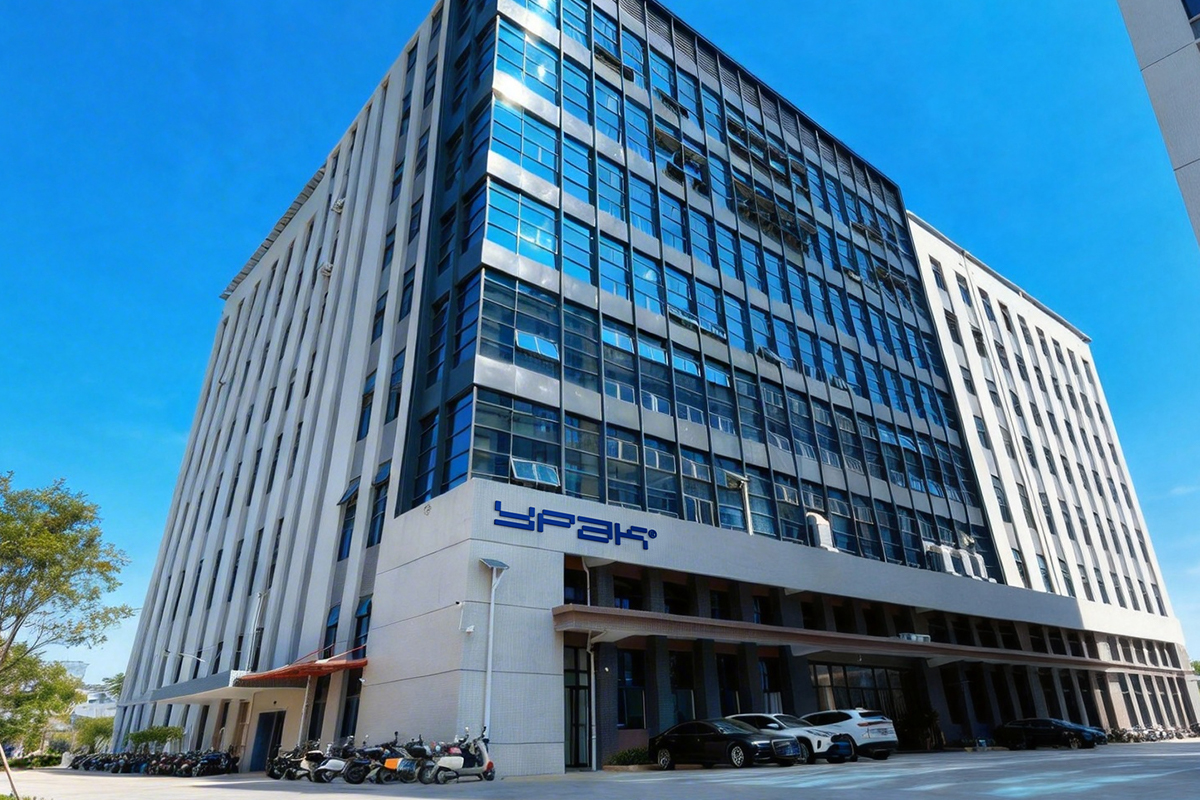
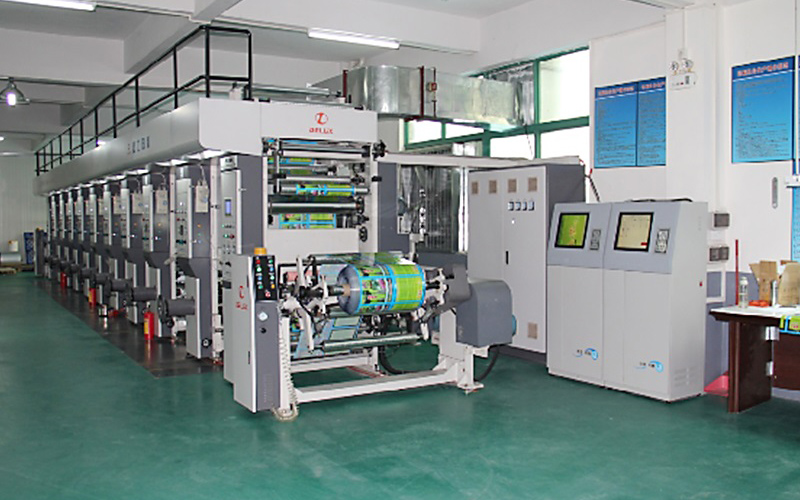
YPAK Manufacturing Plant
Founded in 2011, YPAK PACKAGING GROUP operates three state-of-the-art facilities located strategically across Hong Kong, Dongguan, and Foshan. Recognized globally as one of China’s leading high-precision coffee bag manufacturers, YPAK’s modern Foshan and Dongguan production centers are strictly certified under BRCGS Food Safety Grade A and ISO 22000:2018 management protocols. This ensures every flexible pouch manufactured meets stringent international food-contact hygiene criteria with full raw-material batch traceability.
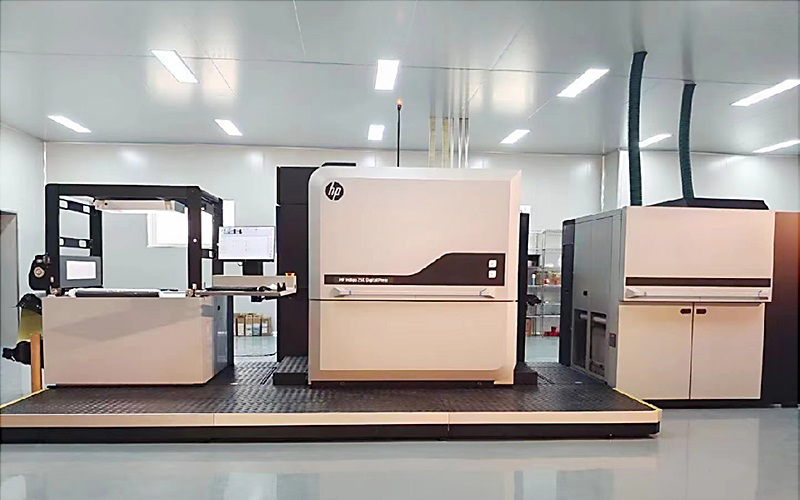
To guarantee maximum flavor retention for specialty origins, YPAK integrates world-standard Swiss WIPF one-way degassing valves directly during high-speed pouch converting. Furthermore, our investment in the industrial HP Indigo 25K Digital Press enables zero-plate setups, allowing specialty roasters to execute low Minimum Order Quantities (MOQs), rapid SKU proliferation, localized seasonal releases, and photorealistic design execution without traditional cylinder costs.
Decade of Engineering Evolution (Our History)
2012 YPAK History 2012

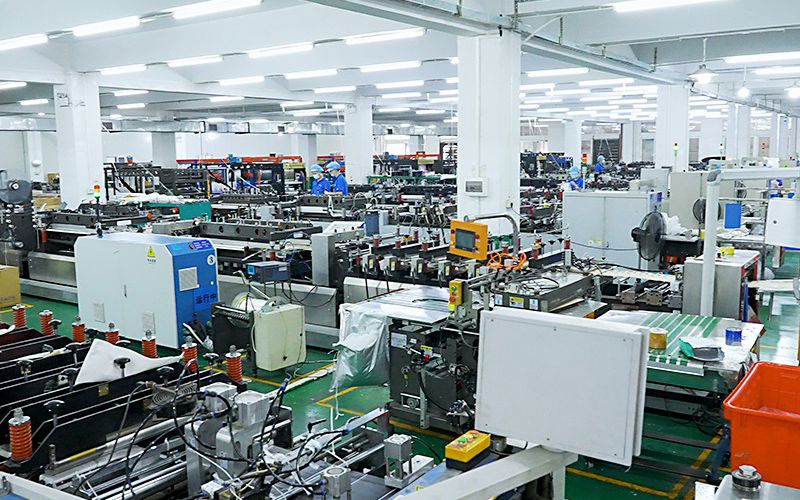
In May 2012, YPAK commissioned its first complete flexible packaging automated production line, marking our entrance into high-precision technical film converting.
2016 YPAK History 2016

In March 2016, launched dedicated box-pouch production lines to manufacture high-stability flat bottom bags for premium coffee roasters.
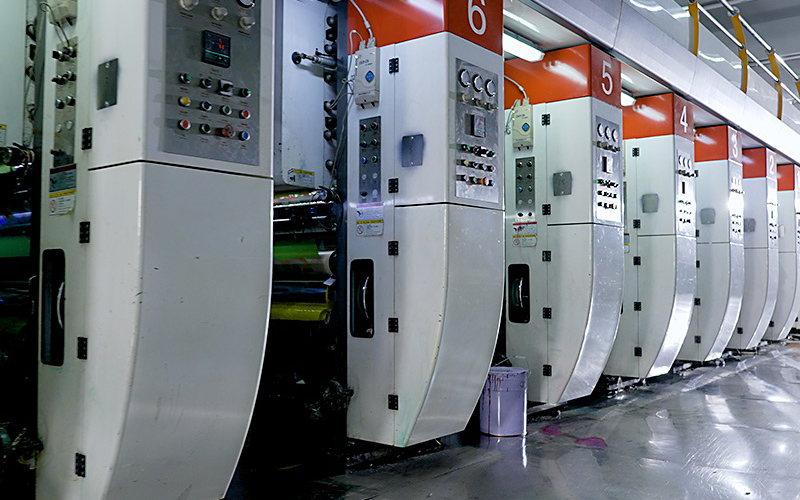
2017 YPAK History 2017

In August 2017, established our second production plant in Foshan, doubling throughput capacity to serve expanding export markets across North America and Europe.
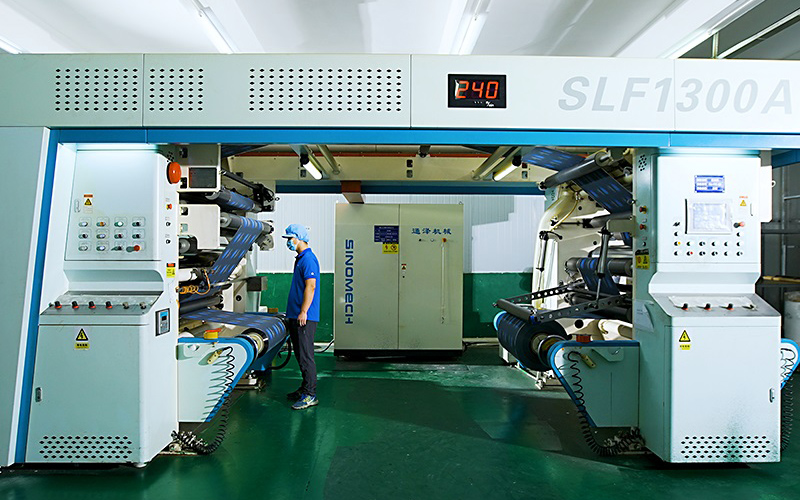
2018 YPAK History 2018

In April 2018, transitioned entirely to solvent-free composite lamination technology, eliminating Volatile Organic Compound (VOC) emissions and solvent residues.
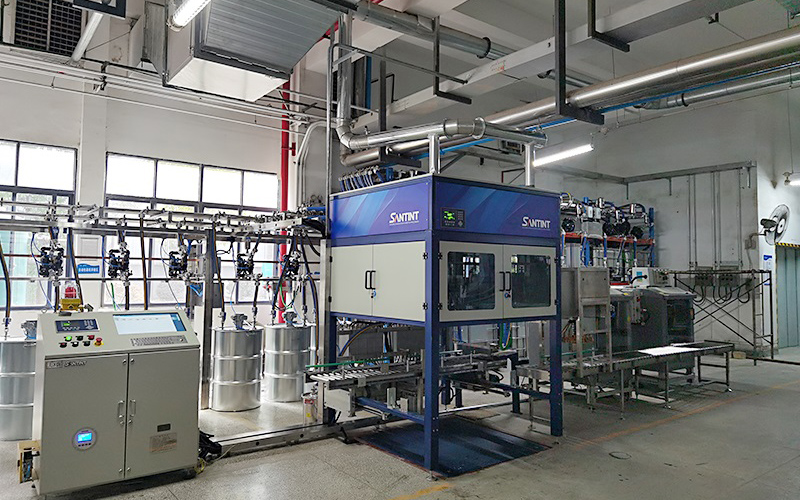
2020 YPAK History 2020 Ink

In June 2020, deployed computer-controlled automatic ink dispersion and color matching systems to achieve Delta-E color accuracy under < 1.5.
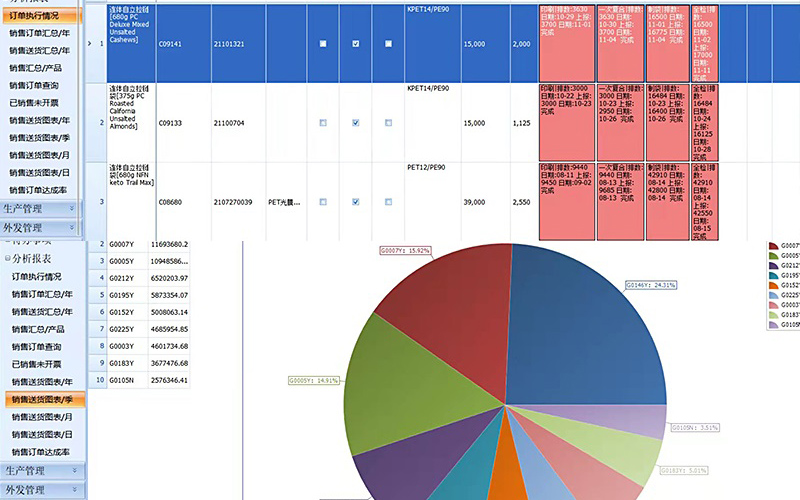
2020 YPAK History 2020 ERP

In July 2020, implemented integrated ERP production monitoring across all facilities, linking raw material tracking with quality testing.
2021 YPAK History 2021 HP Indigo

In October 2021, integrated the HP INDIGO 25K digital printing press, offering high-definition digital printing on mono-PE and compostable substrates.

Three-Stage Total Quality Assurance Ecosystem

Ensuring absolute perfection from initial structural prototyping to global post-delivery technical support.
Pre-sales Service YPAK
Pre-Sales Engineering
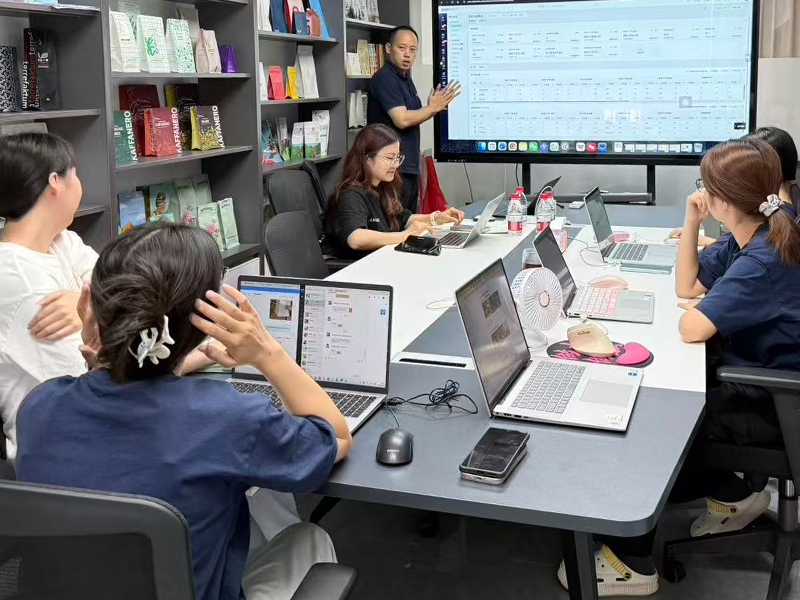
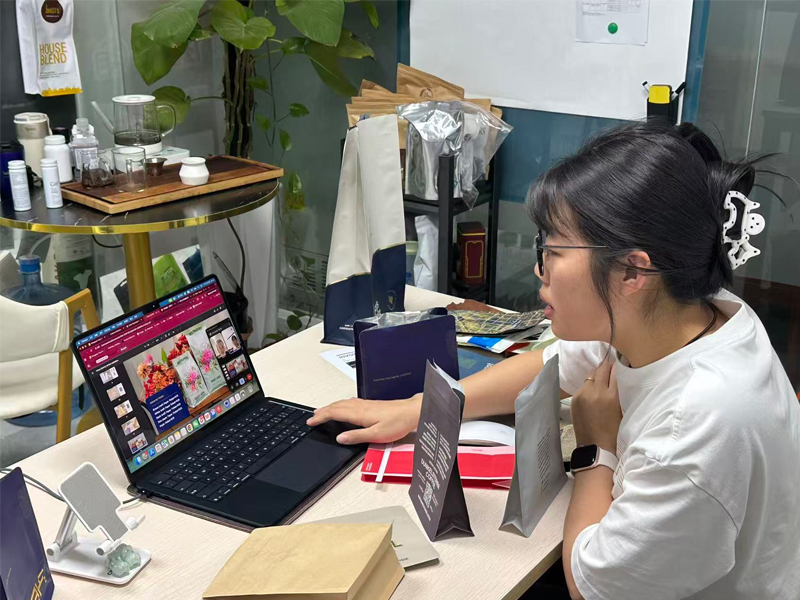
Improve customer experience through real-time online video confirmation and technical sample evaluations. One of the key factors in fulfilling boutique roaster requirements is establishing transparent pre-sales consulting. We provide 1-on-1 engineering support to guide material selection, structural die-line alignment, and gas-barrier matching.
Mid-sales Service YPAK
Mid-Sales QC Control
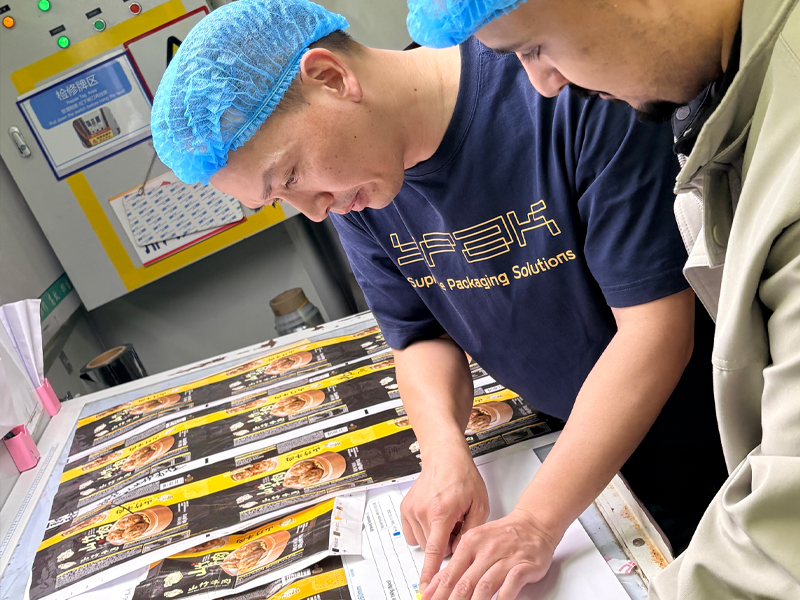
We deliver exceptional mid-sale transparency by maintaining complete control over production. Managing each production stage ensures defect-free hermetic seals and accurate degassing valve insertion. High-definition inline video and photos are provided throughout extrusion, printing, and converting so clients track batch progress live.
After-sale Service YPAK
After-Sales Reliability
Providing robust post-delivery support enhances long-term B2B partnerships. By investing in dedicated technician feedback channels, packaging performance tracking, and rapid claim resolution, YPAK continuously refines its production standards, ensuring your roastery never suffers from line downtime or pouch failure.

Technical Roadmap & Future Outlook (2025–2030)

Pioneering Sustainable Polymer Engineering for Next-Generation Flexible Packaging

Ultra-High Barrier Mono-PE
Integrating advanced nanocellulose micro-coatings onto MDO-PE films. This eliminates the need for synthetic EVOH layers entirely while pushing Oxygen Transmission Rates below 0.05 cc/m²/24h—matching the performance of pure aluminum foil in a 100% single-stream PE polymer.
Bio-Based Polyurethane Adhesives
Transitioning solvent-free lamination systems from petrochemical polyurethanes to 100% bio-derived plant-based aliphatic adhesives. This ensures complete circularity without hazardous chemical residues during industrial pyrolysis and mechanical recycling.
Smart Connected Packaging
Incorporating serialized digital watermark markers and dynamic QR codes printed via HP Indigo 25K. Enables end-consumers to trace bean harvest origins, roast dates, and verify localized kerbside recycling instructions via mobile scanning.

Tailored Application Scenarios Across Commercial Coffee Sectors

Customized Engineering for Unique Market Requirements and Roaster Scale

Boutique & Micro Roasters
Challenge: Managing high packaging setup costs, plate fees, and inventory holding risks across limited micro-lot releases.
YPAK Solution: HP Indigo 25K digital press customization allows zero plate costs, low minimum order runs (from 500 units), and multiple SKU batching in a single production run—perfect for micro-lot single origins.
Commercial Coffee Chains & Distributors
Challenge: Maintaining ultra-fast packing line speeds, thermal seal integrity, and puncture resistance during automated form-fill-seal (FFS).
YPAK Solution: High-tensile Mono-PE and Kraft/Mylar laminates engineered with wide thermal sealing windows (120°C–160°C) and hot-tack strength to eliminate machine jam downtime.
Cold Brew & Nitrogen-Flushed Wholesale
Challenge: Preventing packaging flex-cracking and burst failures under elevated internal pressure caused by continuous nitrogen flushing.
YPAK Solution: Structural quad-seal and flat-bottom pouches reinforced with Swiss WIPF degassing valves calibrated specifically for high-volume degassing profiles.
Private-Label Supermarket Retail
Challenge: Meeting mandatory retail shelf-life metrics (> 12 months) and strict eco-labeling standards enforced by major grocery chains.
YPAK Solution: Certified mono-material barrier pouches integrated with tactile spot-matte varnishes, pocket zippers, and verified ISO 22000 migration safety certificates.

Frequently Asked Questions (FAQ)

Technical & Commercial Insights from OEM/ODM Coffee Packaging Experts

What makes YPAK’s recyclable coffee bags fully circular compared to standard packaging?
Unlike traditional packaging that uses unseparable layers of PET, Aluminum, and PE, YPAK manufactures pouches using Mono-Material Polyethylene (Mono-PE) or Mono-PP structures. All layers (outer film, barrier core, inner seal, zipper, and even degassing valves) belong to the same polymer family. This means the entire bag can be dropped directly into existing RIC #4 or RIC #5 recycling streams without requiring manual separation.
How do mono-material coffee bags protect coffee freshness without aluminum foil?
We utilize advanced Machine Direction Oriented PE (MDO-PE) combined with ultra-thin EVOH micro-barrier co-extrusion technology. This creates an impermeable shield against oxygen and moisture, keeping Oxygen Transmission Rates (OTR) under 0.1 cc/m²/24h—matching the flavor protection capability of traditional metal foils for up to 12-18 months.
Are degassing valves recyclable alongside the coffee bag?
Yes. We fit authentic Swiss WIPF one-way degassing valves engineered from pure polyethylene compounds. When welded to our Mono-PE pouches, the entire packaging assembly remains 100% recyclable within the same recovery stream.
What food safety certifications do YPAK production facilities hold?
YPAK facilities in Foshan and Dongguan hold BRCGS Food Safety Grade A certification as well as ISO 22000:2018 certification. All materials used satisfy US FDA 21 CFR and EU No 10/2011 food-contact safety compliance standards.
Can I order low MOQ custom-printed bags for seasonal roasts?
Absolutely. Thanks to our HP Indigo 25K digital press, we offer plate-free printing with no plate setup charges. This enables boutique roasters to run small batches (as low as 500-1,000 bags) across multiple design SKUs simultaneously with photorealistic printing quality.