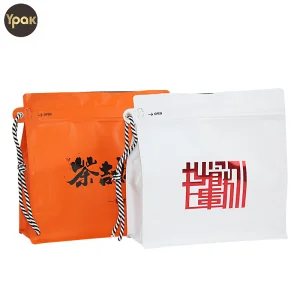
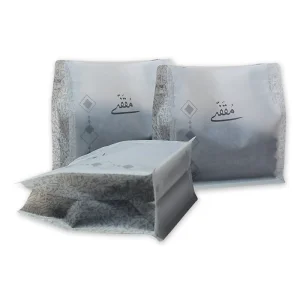
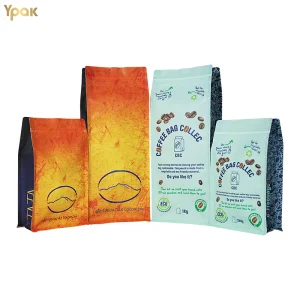
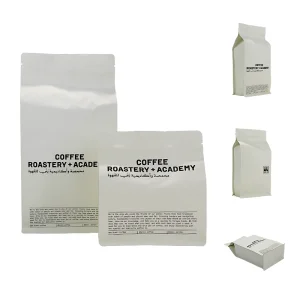
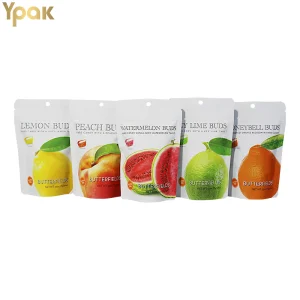
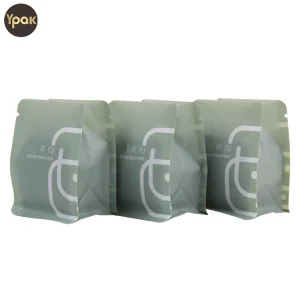
Engineered for maximum oxygen and moisture barrier integrity, visual shelf dominance, and sustainable compliance across international retail markets.
Empirical performance indicators validating our authority across Chinese flexible packaging manufacturing.
The global market for custom printed plastic bags and flexible packaging is undergoing a profound paradigm shift. Modern enterprise procurement teams—ranging from multinational specialty coffee roasters to pharmaceutical and FMCG conglomerates—no longer evaluate packaging suppliers purely on baseline unit cost. The current competitive landscape demands a complex convergence of high-barrier polymer physics, strict regulatory compliance (such as the EU Packaging and Packaging Waste Regulation - PPWR), low-carbon circular economics, and extreme supply chain agility.
The core structural engineering of custom printed plastic bags relies on continuous multi-layer co-extrusion and adhesive lamination techniques. Designing a robust barrier pouch requires balancing specific gas permeabilities to shield organic lipids, volatile aromatic compounds, and active ingredients from environmental degradation.
| Substrate Layer Structure | Primary Functional Purpose | OTR (cc/m²/24h) | WVTR (g/m²/24h) | End-of-Life / Circularity |
|---|---|---|---|---|
| PET / AL / PE | Ultra-high barrier against light, oxygen, moisture. Standard for long shelf-life mylar. | < 0.05 | < 0.05 | Landfill / Thermal Recovery |
| Mono-PE (BOPE / High-Barrier PE) | 100% Recyclable single-polymer matrix matching EU Class A recycling standards. | < 1.5 | < 1.0 | 100% Recyclable (RIC #4) |
| Kraft / PLA / PBAT | Bio-based fully industrial compostable barrier structure for organic retail food. | < 5.0 | < 8.0 | EN 13432 / ASTM D6400 Compostable |
| Matt PET / VMPET / PE | Tactile visual appeal, medium-high barrier for premium roasts and gummies. | < 0.5 | < 0.5 | Standard Flexible Stream |
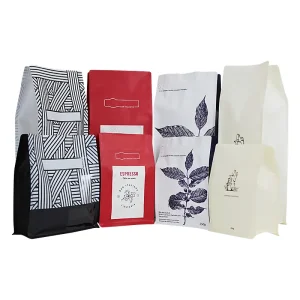
For roasted coffee beans, outgassing of carbon dioxide (CO2) continues for several weeks post-roasting. Without appropriate degassing mechanisms, sealed bags suffer from severe structural ballooning or catastrophic seam failure. As a standard engineering feature, YPAK embeds genuine Swiss WIPF one-way degassing valves. These precision-engineered micro-valves allow internal gas pressures exceeding 3 mbar to vent safely without permitting ambient oxygen or humidity back into the internal atmosphere, preserving delicate roasted coffee terpene profiles over extended logistics cycles.
How China's leading flexographic and digital printing plants are reshaping global enterprise packaging execution.
Eliminate expensive gravure plate costs completely. Enables high-definition, photo-realistic 7-color printing with zero MOQs—ideal for limited batch runs, regional flavor variations, and rapid market validation tests.
Utilizing zero-VOC solvent-free adhesives to guarantee zero chemical migration into food contact contents, ensuring compliance with strict European REACH and FDA regulations while enhancing seam peel strength.
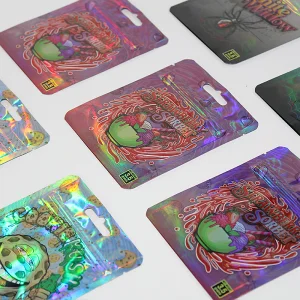
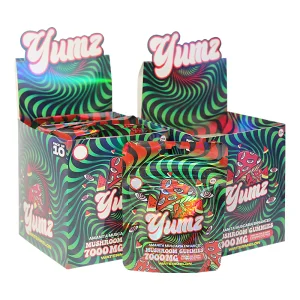
US ASTM D3475 tested certified push-and-turn zipper closures and multi-layer holographic aluminum barrier materials specially customized for medicinal products, CBD gummies, and botanical extracts.
Founded in 2011, YPAK operates three specialized facilities across Hong Kong, Dongguan, and Foshan, establishing itself as a premier Chinese manufacturer of custom coffee bags and industrial printed plastic pouches.
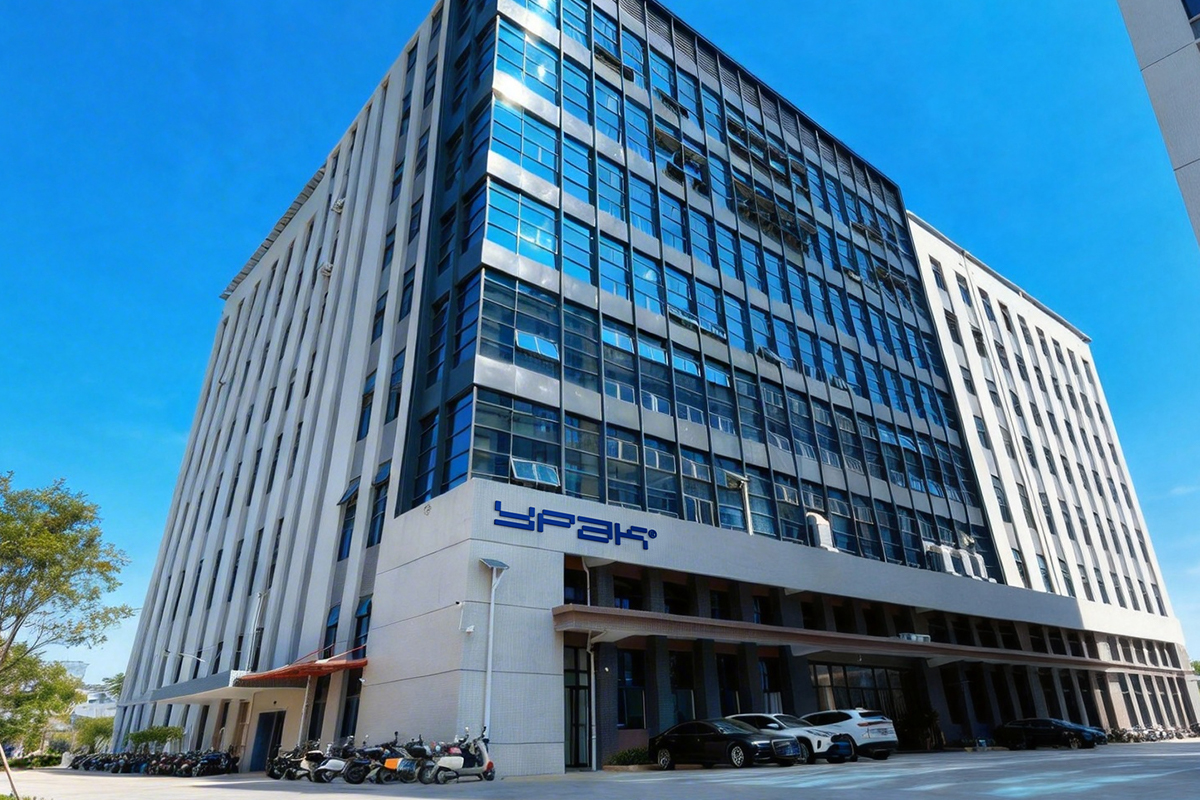
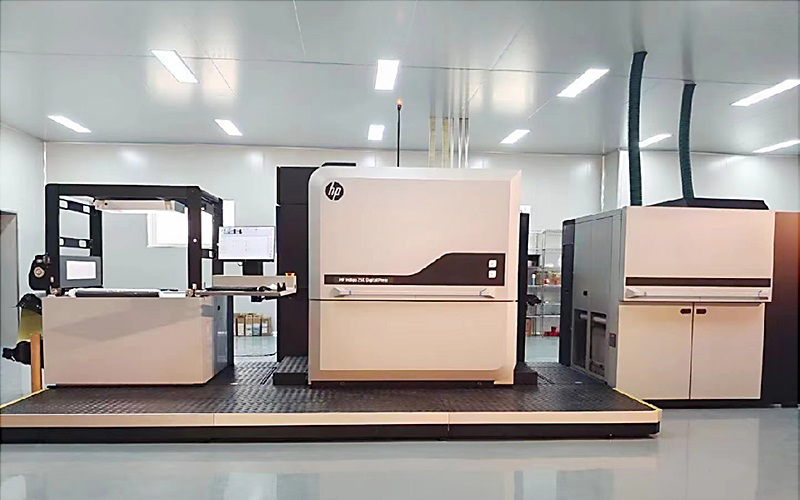
Our state-of-the-art Foshan and Dongguan production facilities hold dual BRCGS Food Safety Grade A and ISO 22000:2018 certifications, ensuring that every batch of pouches produced adheres to strict global food contact safety guidelines with complete raw-material traceability. Equipped with Swiss WIPF one-way degassing valves as standard tech, our coffee packaging delivers uncompromised freshness retention. By integrating the advanced HP Indigo 25K digital press, we empower global brands with plate-free, low-MOQ print runs that achieve vibrant photorealistic image fidelity.
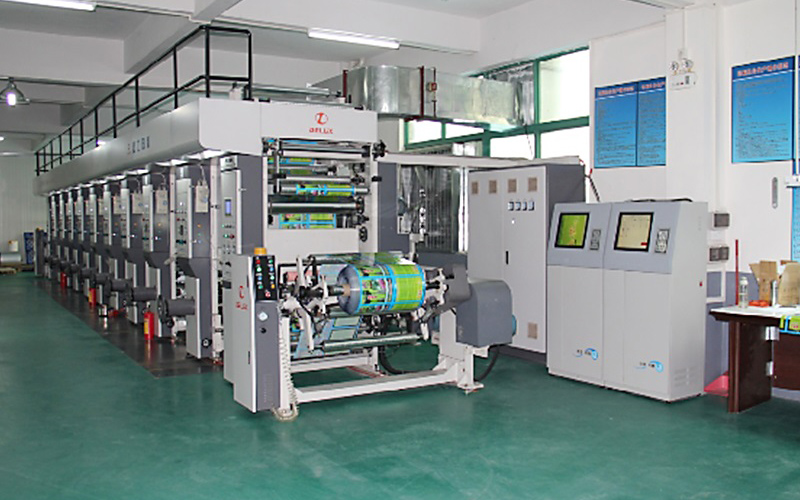
In May 2012, commissioned our first complete automated flexible packaging production line.
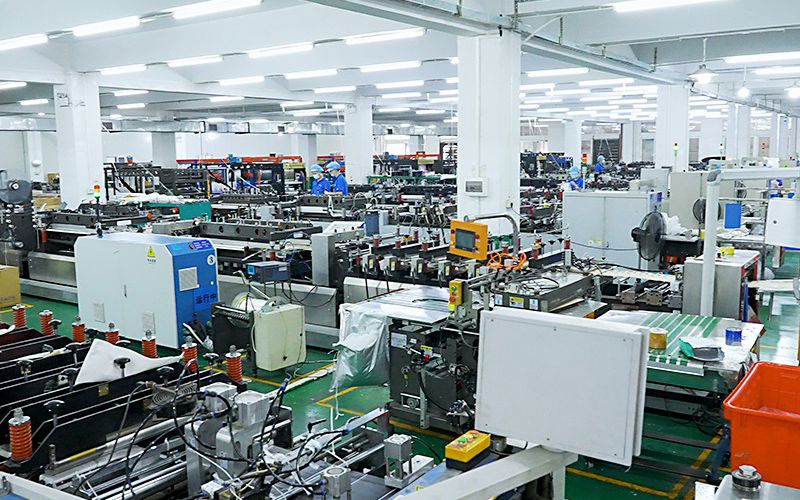
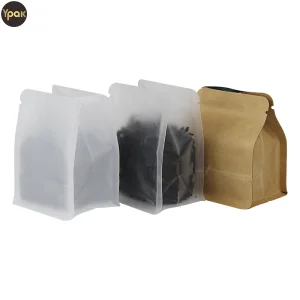
In March 2016, expanded technological capability to manufacture premium flat bottom pouches.
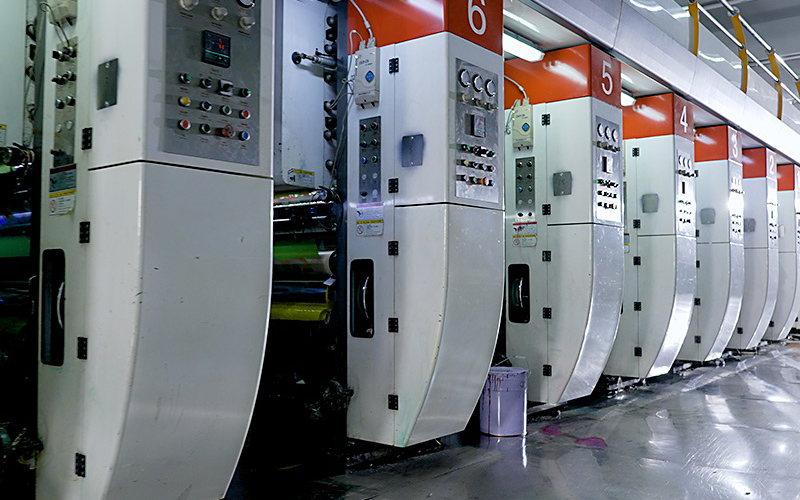
In August 2017, established our second high-speed converting line to double total output capacity.
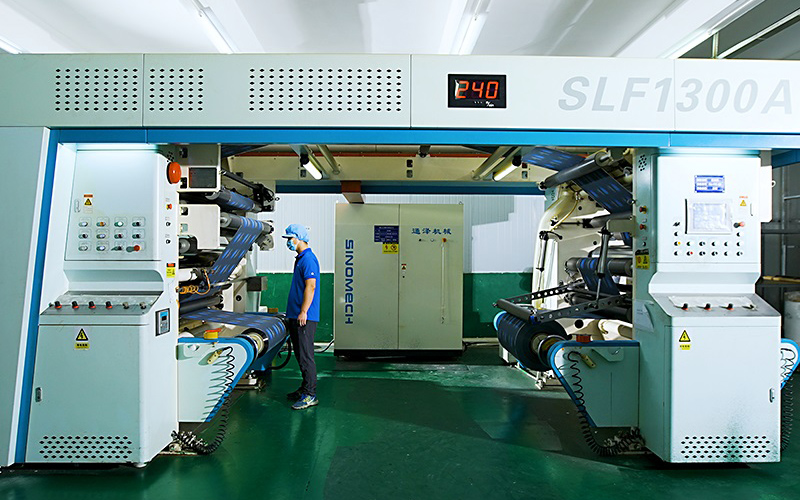
In April 2018, fully transitioned to eco-friendly solvent-free composite lamination technology.
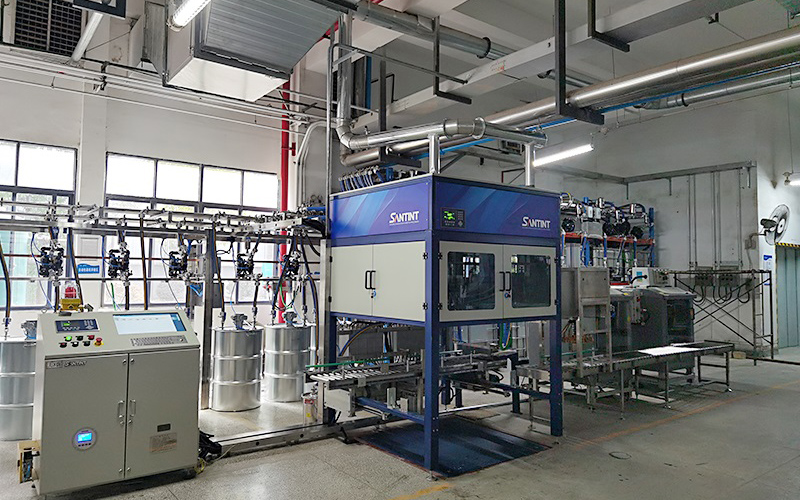
In June 2020, introduced an automated ink adjustment system to ensure perfect Delta-E color consistency.
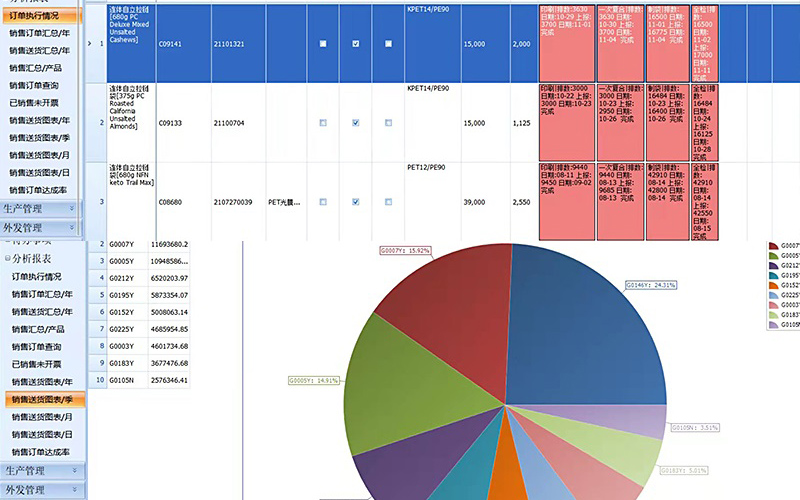
Introduced integrated ERP manufacturing tracking systems (July 2020) followed by the installation of the HP INDIGO 25K digital press (October 2021).
From conceptual design validation to mass production monitoring and post-delivery compliance, YPAK ensures a seamless buyer experience.
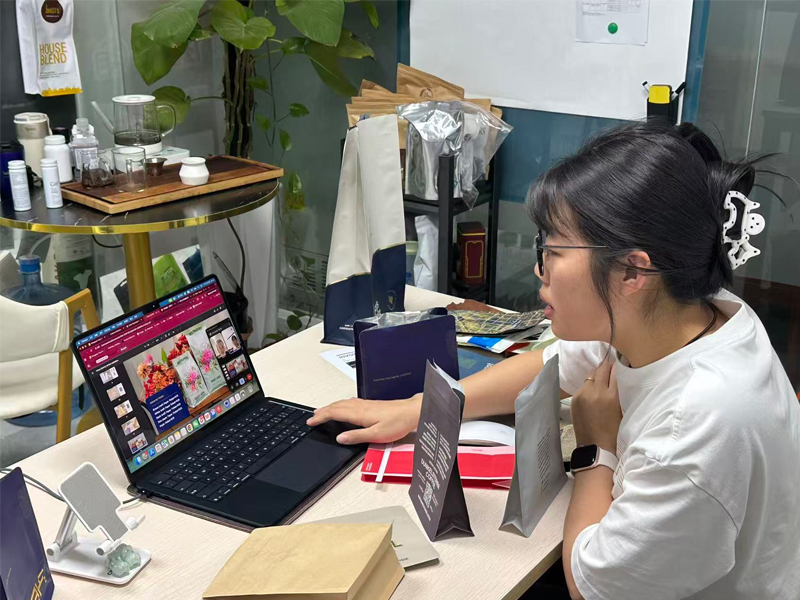
We eliminate guesswork through direct one-on-one technical consultation and online live video sample confirmation. Traditional sales processes often create delays; our transparent live video inspection ensures that material thickness, surface finishes (such as rough matte, soft-touch, or tactile UV), and gusset dimensions are verified before production starts.
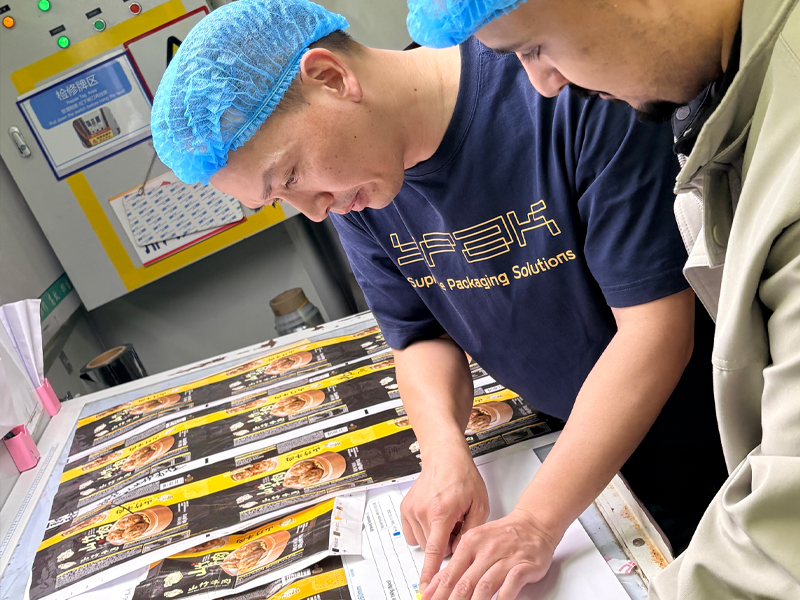
Maintaining full transparency during execution is crucial for scheduling confidence. Our mid-sales workflow delivers live telemetry, real-time photographic updates, and video inspection clips across every milestone: printing press setup, solvent-free composite lamination, slit-curing, and final pouch converting.
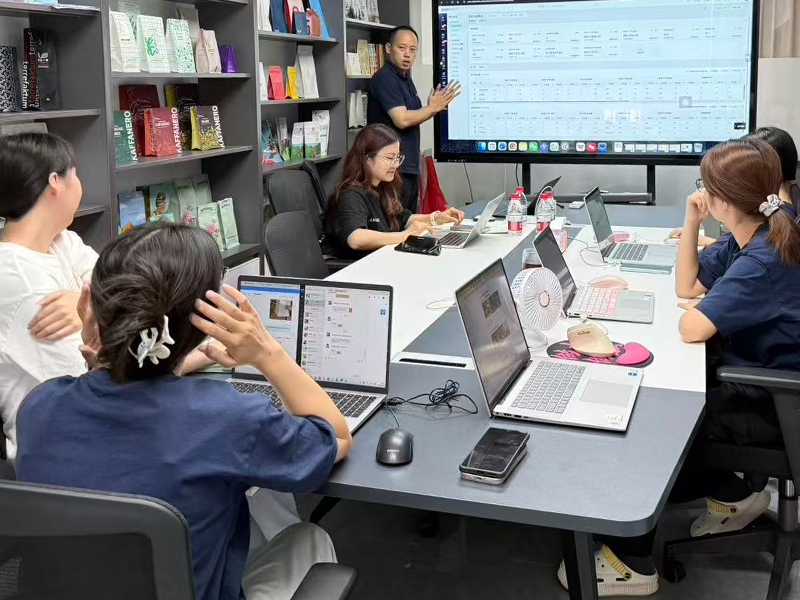
Our commitment extends long past port departure. YPAK provides full batch-traceability records for all shipped flexible packaging orders. By operating structured customer feedback channels and dedicated quality resolution protocols, we support our partner brands in maintaining regulatory compliance and supply chain security globally.
Navigating cross-border environmental regulations requires proactive compliance protocols. YPAK assists international clients in ensuring all packaging materials comply with regional packaging waste directives and food contact guidelines:
Provision of certified fully recyclable Mono-PE and Mono-PP structures engineered to comply with upcoming EU Packaging and Packaging Waste Regulations, avoiding punitive plastic taxes across EU member states.
All resin formulations and inner sealing layers strictly follow FDA food-contact standards. Bio-degradable options comply fully with ASTM D6400 industrial composting requirements.
Offering post-consumer recycled (PCR) resin blends that contain >30% certified recycled material, ensuring full exemption from UK PPT levies while preserving structural integrity.
Expert responses regarding custom printed plastic bag manufacturing, barrier capabilities, and minimum order quantities.
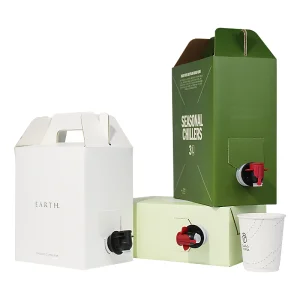
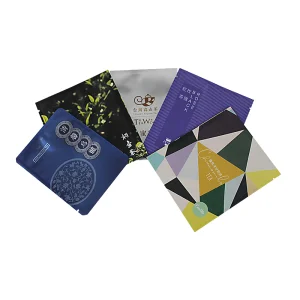
Explore our full operational catalog including eco-friendly dispenser bags, trial sampler pouches, and custom waterproof labeling systems.
 YPAK PACKAGING