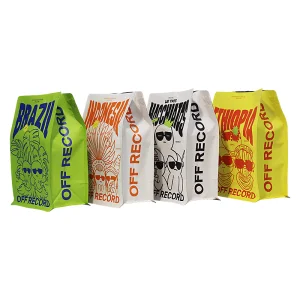
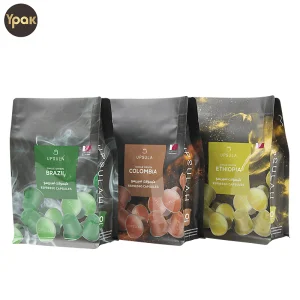
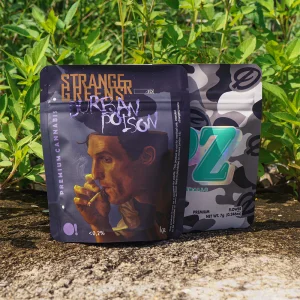
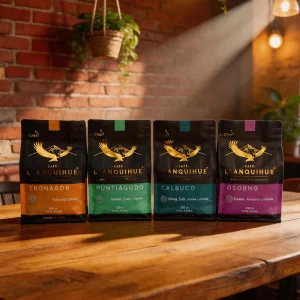
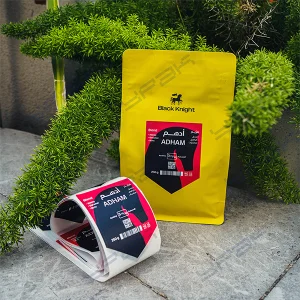
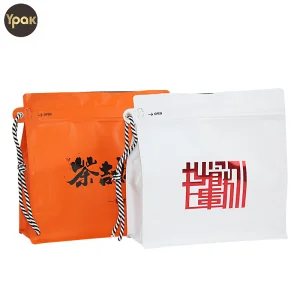
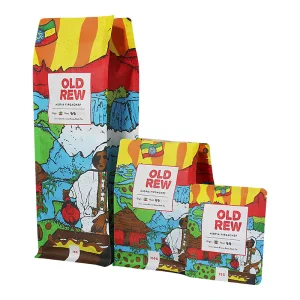
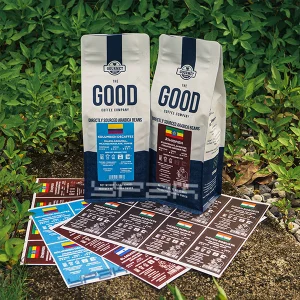
Explore high-barrier Mylar pouches, sustainable flat-bottom bags, and high-precision custom transfer label systems produced under ISO 22000 & BRCGS standards.
The global market for flexible food packaging and high-barrier plastic food storage bags is undergoing a monumental paradigm shift. Driven by tightening international environmental regulations, evolving consumer expectations regarding shelf-life preservation, and fast-paced retail dynamics, procurement officers and global brand directors are re-evaluating their supply chains. The market size, currently valued well over USD 35 Billion, is expanding at a Compound Annual Growth Rate (CAGR) exceeding 5.8% through 2030.
Modern food safety standards dictate that storage bags must do far more than merely hold a product. They serve as active oxygen and moisture barrier units, defense mechanisms against microbial proliferation, and key drivers of brand differentiation on retail shelves. From specialty coffee micro-roasters in Europe to industrial food processors in North America, the requirement for precision-engineered, multi-layer polymer structures is higher than ever.
Information Gain Insight: Modern semantic search intent analysis reveals that international procurement managers no longer search merely for "cheap food storage bags." Instead, intent focuses on "EVOH high-barrier recyclable mono-material PE bags," "BRCGS certified Chinese pouch factories," and "Zero-MOQ digital printing flexible packaging." Winning in this market requires deep material transparency, verified factory credentials, and complete compliance documentation.
Strict controls over Water Vapor Transmission Rate (WVTR < 0.5 g/m²/24h) and Oxygen Transmission Rate (OTR < 0.5 cc/m²/24h) prolong product freshness and maintain aroma integrity without chemical preservatives.
Transition from non-recyclable PET/AL/PE tri-laminates to fully recyclable Mono-PE structures and certified home-compostable PLA/PBAT bio-substrates designed to comply with EU PPWR laws.
Elimination of traditional rotogravure cylinder setup fees via state-of-the-art HP Indigo 25K digital presses, empowering brands to run short-run micro-customization and rapid market testing.
Achieving absolute fresh preservation for roasted coffee beans, dried fruits, cannabis products, and delicate snack foods requires a meticulously configured multi-layer polymer film architecture. Chinese factories have pioneered high-precision co-extrusion and solvent-free composite technologies that optimize tensile strength, heat seal integrity, and barrier efficacy.
| Material Structure Standard | WVTR (g/m²/24h) | OTR (cc/m²/24h) | Recyclability Rating | Primary Industrial Application |
|---|---|---|---|---|
| PET / AL / LLDPE (Classic Foil Laminate) | < 0.05 | < 0.05 | Non-Recyclable (Landfill) | Long Shelf-life Dry Food, Milk Powder, Industrial Coffee |
| MDO-PE / EVOH-PE (Mono-Material) | < 0.8 | < 0.5 | 100% Recyclable (RIC #4) | Specialty Coffee Beans, Organic Snacks, Sustainable Brands |
| Kraft Paper / NK / PLA (Compostable Bio) | < 2.5 | < 3.0 | EN 13432 / Industrial Compost | Eco-Bakery, Short-run Artisanal Tea, Fast-Turnover Goods |
| BOPP / VM-PET / PE (High Shine Metallic) | < 0.3 | < 0.8 | Standard Plastic Stream | Confectionery, Holographic Retail Snacks, Creative Goods |
To eliminate product degradation caused by outgassing (such as CO2 release from freshly roasted specialty coffee beans), advanced packaging structures integrate high-precision Swiss WIPF One-Way Degassing Valves. These valves release trapped internal gas while strictly preventing atmospheric oxygen from entering the sealed storage pouch.
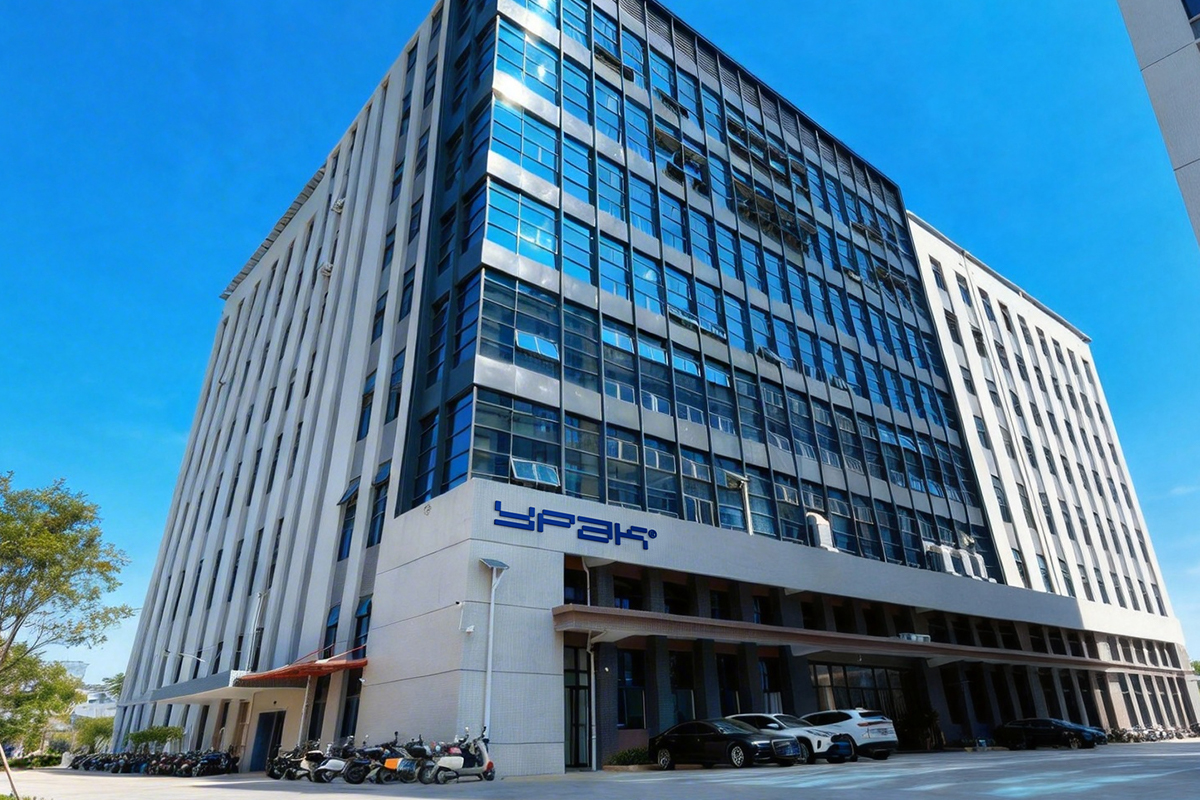
Founded in 2011, YPAK Packaging Group operates three world-class manufacturing facilities spanning strategic industrial nodes across Hong Kong, Dongguan, and Foshan, establishing itself as one of China’s preeminent flexible packaging and plastic food storage bag manufacturers.
Our state-of-the-art Foshan and Dongguan production facilities hold full BRCGS Food Safety Grade A and ISO 22000:2018 certifications—guaranteeing that every storage bag, Mylar pouch, and barrier film satisfies stringent global food contact standards with 100% material traceability. By integrating genuine Swiss WIPF one-way degassing valves as standard configuration, YPAK delivers industry-leading technology to lock in roast freshness and extend food product stability.
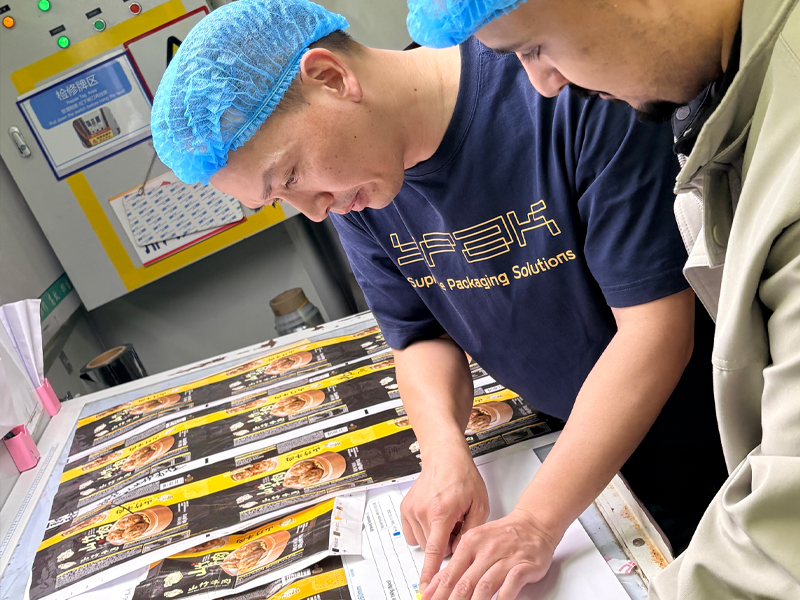
Driven by smart manufacturing, our HP Indigo 25K Digital Press enables zero-MOQ, plate-free production runs with photo-realistic print quality. This equips global B2B clients to launch limited editions, conduct localized market testing, and maintain lean inventory models with a reliable 99.5% on-time delivery rate.
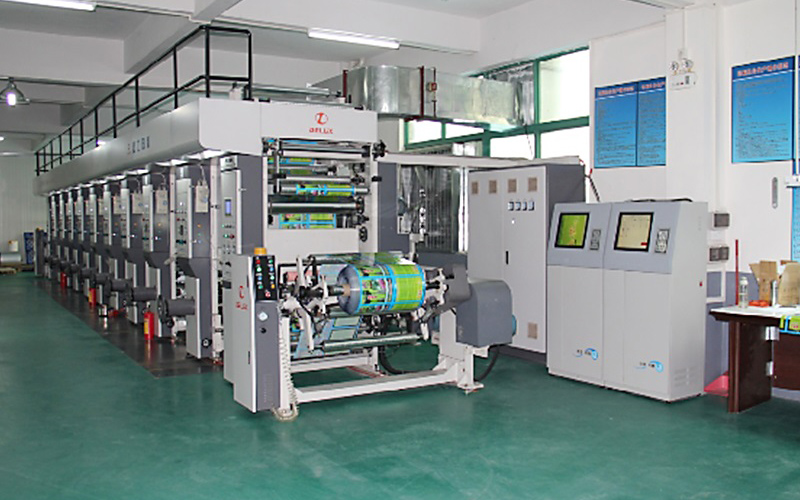
Commissioned the first complete high-speed flexible packaging production line.
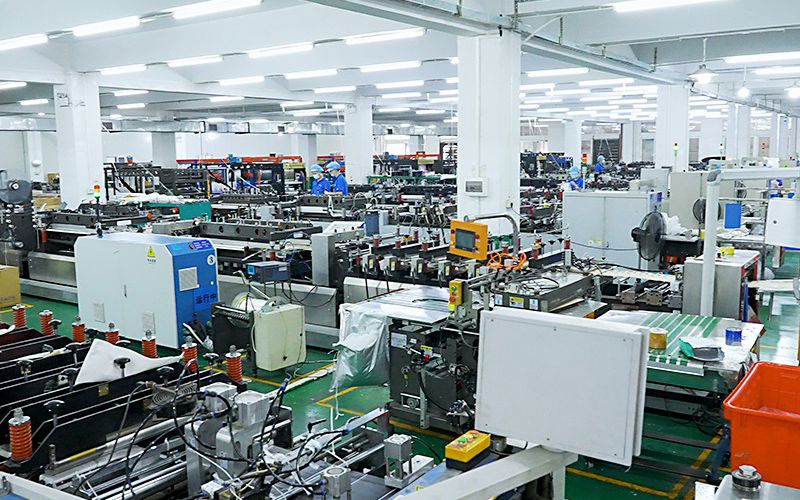
Initiated specialized mass production lines for box pouches and flat-bottom bags.
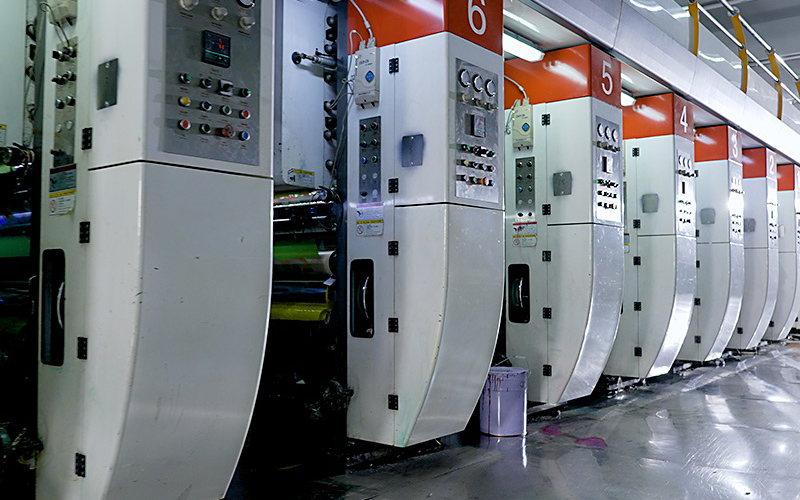
Expanded operational capacity with the construction of our second modern facility line.
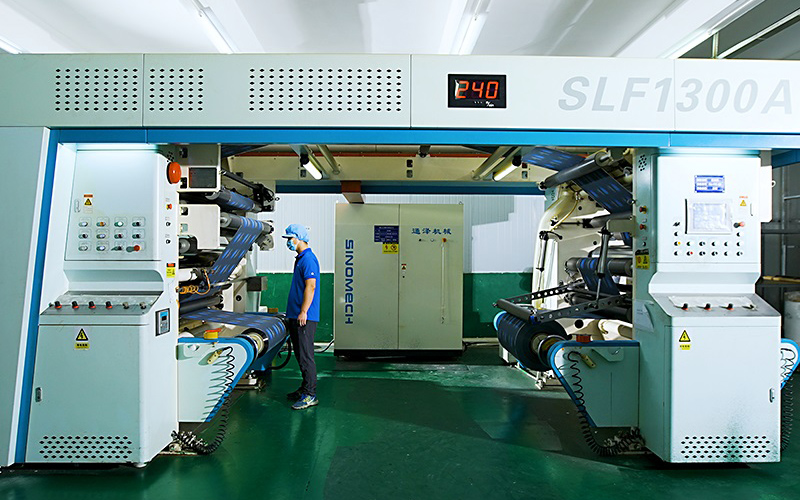
Transitioned fully to green, zero-VOC solvent-free composite lamination technology.
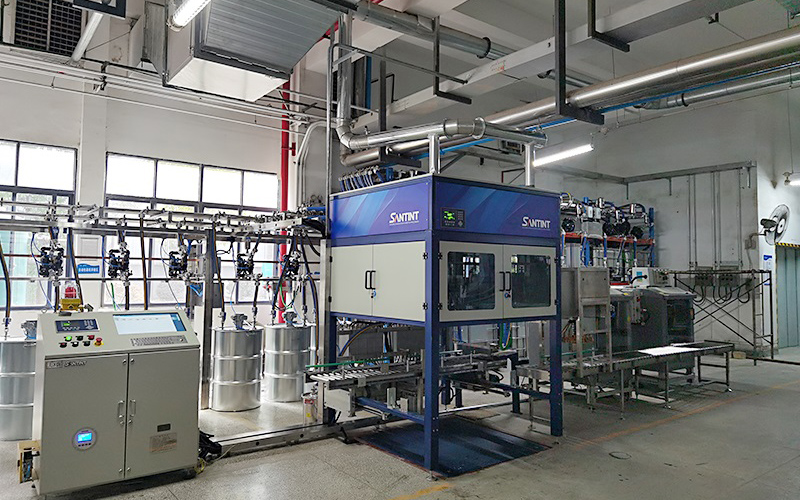
Deployed automated ink adjustment and spectral color management system.
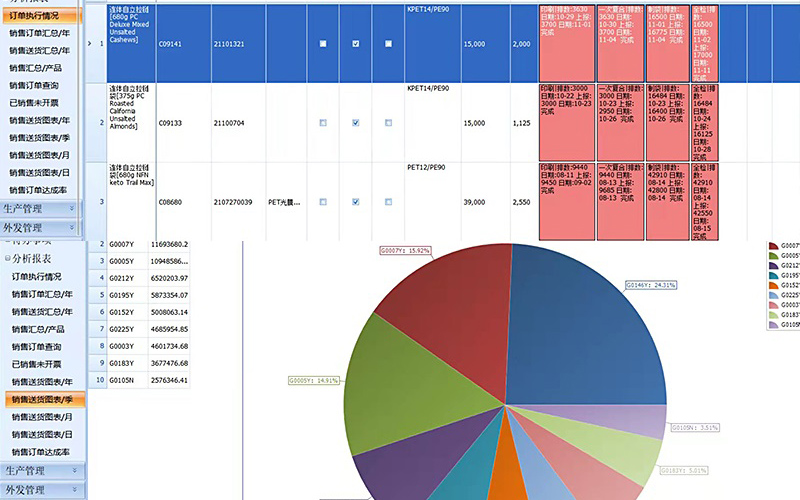
Implemented smart ERP production tracking system across all factory operations.
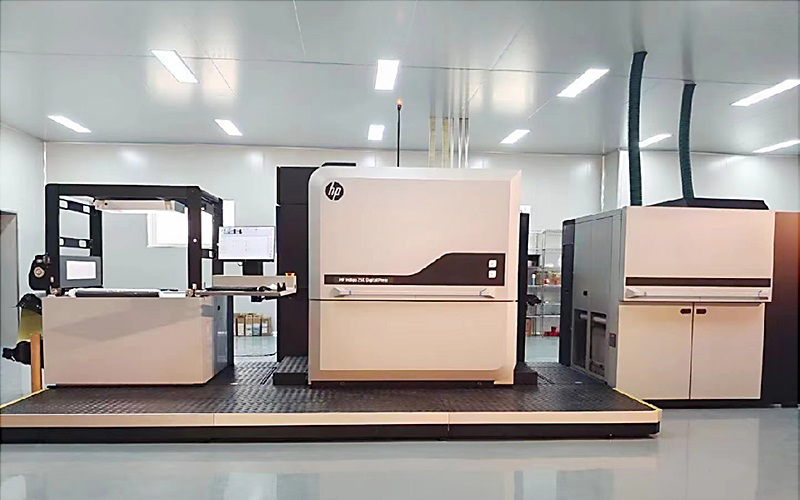
Acquired the advanced HP INDIGO 25K digital printing press to pioneer plate-free short runs.
To eliminate cross-border sourcing risks and streamline communication between enterprise buyers and our manufacturing units, YPAK provides a transparent, full-cycle customer assurance model spanning three operational phases:
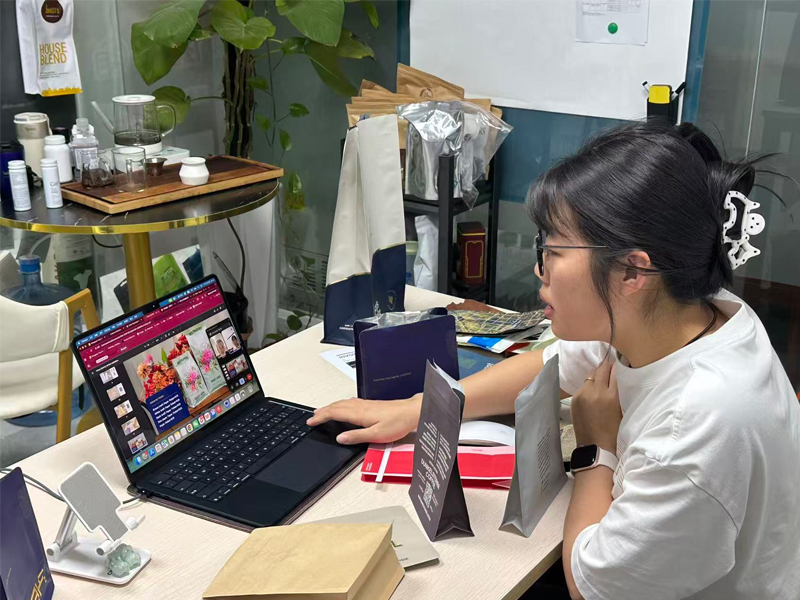
Building a foundation for long-term strategic partnership requires crystal-clear alignment. Traditionally, pre-sales product selection was time-consuming and prone to miscommunication. YPAK provides 1-on-1 online video confirmations, enabling international clients to inspect physical material samples, review artwork proofs, verify valve mechanics, and eliminate guesswork prior to production.
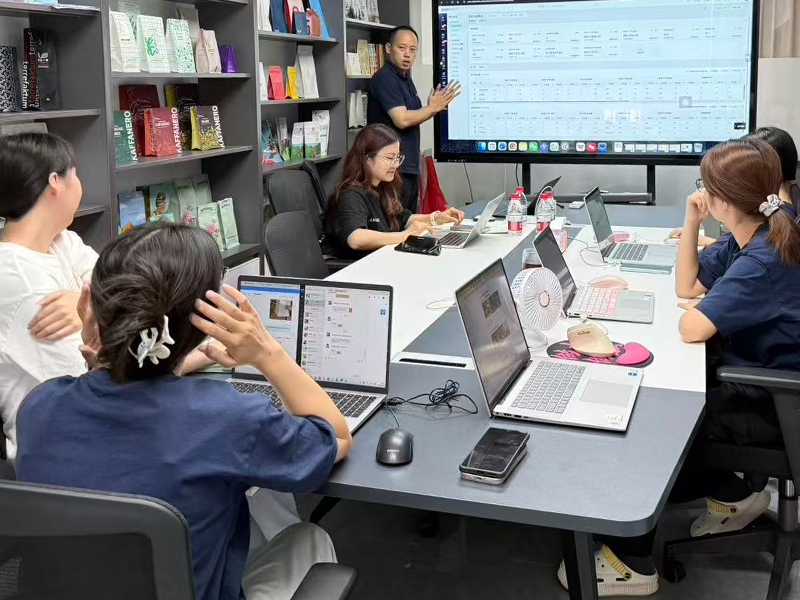
We maintain strict operational control across every manufacturing stage. From extrusion and lamination to curing, slitting, and pouch conversion, our dedicated project coordinators provide mid-sale video logs, photo updates, and ERP status reports. This ensures complete process transparency and on-schedule shipment execution.
Delivering outstanding after-sales service reinforces mutual trust and repeat enterprise partnerships. We maintain rigorous feedback channels, offer comprehensive product warranties, and store custom digital print profiles to guarantee identical color consistency for reorders and line expansions.
Why do leading global food brands, specialty coffee chains, and retail distributors consistently choose Chinese flexible packaging manufacturers? The answer lies in the unmatched industrial cluster efficiency, raw material integration, and technological agility found within China's Pearl River Delta packaging hubs (Foshan, Dongguan, Hong Kong).
Direct proximity to world-class polymer resin suppliers, food-grade foil rollers, and specialty chemical manufacturers guarantees raw material price stability, immediate stock availability, and continuous material innovation (e.g., high-clarity barrier resins, biodegradable additives).
By deploying automatic ink-dispensing machinery, solvent-free laminators, and high-speed multi-lane pouch converting lines, Chinese factories maintain zero-defect precision while minimizing energy consumption and operational overhead.
Direct access to container shipping ports in Shenzhen, Guangzhou, and Hong Kong allows seamless export shipping logistics. Automated ERP integration enables tracking from real-time production lines directly to ocean freight bill of lading generation.
Different commercial sectors demand distinct performance characteristics for plastic food storage bags and custom packaging solutions. Compliance with localized regulatory directives is mandatory for international commerce.
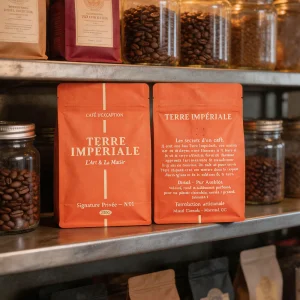
Requires low-OTR/WVTR barrier pouches equipped with WIPF one-way valves, press-to-close pocket zippers, and soft-touch tactile films to preserve volatile aromatics and defend against oxidation.
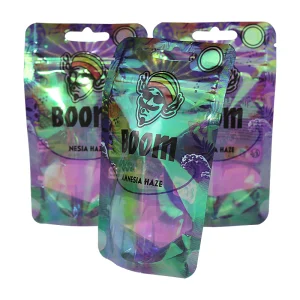
Requires certified Child-Resistant (CR) push-and-slide zippers, opaque high-barrier Mylar film, and tamper-evident heat-seal tops compliant with US state regulations and ASTM D3475 standards.
Utilizes puncture-resistant LLDPE co-extruded freeze-grade storage bags capable of withstanding sub-zero temperatures (-30°C) without brittle film fracturing.
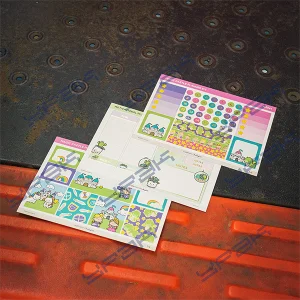
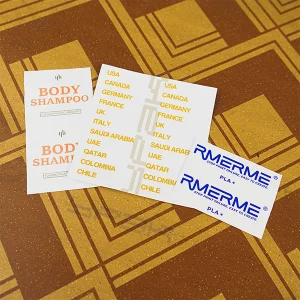
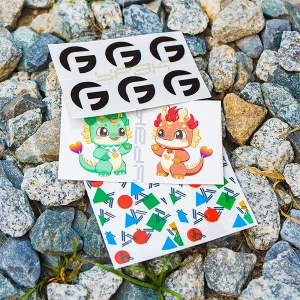
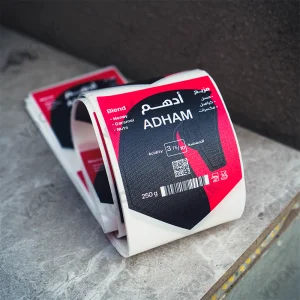
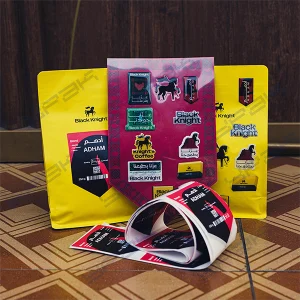
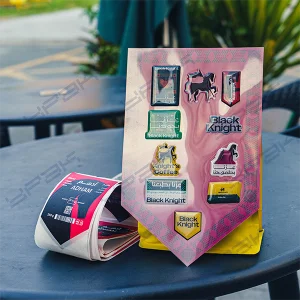
Employs 3D UV transfer stickers, raised epoxy stickers, and metallic foil labels using non-toxic UV inks compliant with REACH, RoHS, and California Proposition 65 safety limits.
Regulatory Compliance Assurance: YPAK products undergo continuous third-party laboratory verification for heavy metal content, overall migration limits (OML), and specific migration limits (SML) pursuant to EU Directive 10/2011, US FDA 21 CFR 177.1520, and GB 4806 food contact standards.
Addressing core technical, economic, and logistical questions regarding flexible packaging manufacturing in China.
Discover customizable short-run coffee packaging solutions, micro-customization hot stamping options, and premium 3D raised epoxy branding labels.
 YPAK PACKAGING