Precision-engineered high-barrier pouches, customized Mylar bags, and food-grade packaging compliant with EU & FDA standards.
An authoritative analysis of flexible barrier packaging, material shifts, and global supply chain dynamics.
The global food packaging ecosystem is undergoing a seismic paradigm shift. Fast-moving consumer goods (FMCG) enterprises, commercial coffee roasters, specialty food brands, and industrial food distributors are aggressively transitioning away from traditional rigid packaging (metal cans, glass jars, rigid plastic tubs) toward advanced flexible barrier plastic food bags. Driven by the imperative to reduce Scope 3 carbon emissions, optimize logistical volume efficiency, and drastically extend product shelf life, high-performance polymer packaging has become the primary battleground for product preservation and market differentiation.
As international consumer safety regulations tighten under FDA 21 CFR 177, EU Regulation 10/2011, and the UK Plastic Packaging Tax (PPT), brand owners can no longer source off-the-shelf packaging without verifying chemical migration profiles, heavy metal limits, and seal integrity performance. Sourcing directly from certified Chinese manufacturers who possess integrated polymer research and digital production control has become the standard procurement strategy for mid-to-large-scale global operations.
Decoupling barrier science: Technical comparison of polymer laminates, foil barriers, and compostable alternatives.
| Structure Code | Material Laminate Composition | OTR (cc/m²/24h) | WVTR (g/m²/24h) | Primary Commercial Application |
|---|---|---|---|---|
| PET/ALU/PE | Polyethylene Terephthalate / Pure Aluminum Foil / LDPE Sealant | < 0.05 | < 0.05 | Roasted Coffee Beans, Dried Milk, Vacuum Beef Jerky, Long-life Powder |
| PET/VMPET/PE | PET / Metallized Polyester / Linear LDPE | < 0.5 | < 0.5 | Snacks, Cannabis/THC Gummies, Confectionery, Seasoning Packets |
| Kraft/EVOH/PE | Natural Unbleached Kraft Paper / EVOH High-Barrier / PE | < 0.8 | < 1.2 | Artisanal Organic Coffee, Botanical Teas, Specialty Nuts |
| Mono-PE (Recyclable) | MDO-PE (Machine Direction Oriented PE) / Barrier PE | < 1.5 | < 1.5 | Circular Economy EU Packaging, Dry Pet Food, Frozen Vegetables |
| PLA/PBAT (Compostable) | Polylactic Acid / Polybutyrate Adipate Terephthalate + Bio-Barrier | < 5.0 | < 8.0 | Short-shelf Life Organic Snacks, Zero-Waste Retail Packaging |
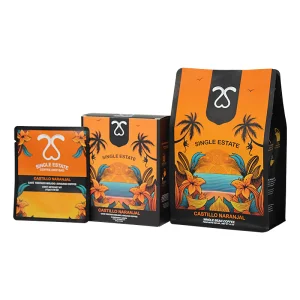
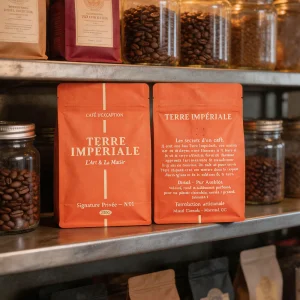
Freshly roasted coffee continuously emits carbon dioxide (CO₂) gas for up to 14 days after roasting. Without degassing mechanisms, sealed pouches will expand and burst. YPAK integrates precision Swiss WIPF valves that allow CO₂ to escape at 3–5 mbar internal pressure while blocking exterior oxygen and moisture ingress completely.
Traditional solvent-based lamination leaves residual volatile organic compounds (VOCs) that can taint food aroma and alter chemical purity. Utilizing advanced solvent-free adhesive technology operating at 80°C–100°C, our pouches eliminate odor migration and ensure 100% compliance with stringent food-contact toxicity thresholds.
Eliminating expensive cylinder/plate costs, our HP Indigo 25K digital press delivers photorealistic 2438 DPI print resolution across variable data runs. Perfect for SKU proliferation, micro-batches, limited-edition promotional runs, and rapid market validation without heavy up-front capital outlay.
Why leading global FMCG brands partner with high-precision Chinese packaging factories for total supply chain agility.
Global procurement executives evaluating flexible plastic bag suppliers must balance unit costs against quality, compliance, and supply chain speed. China’s flexible packaging ecosystem—centered in industrial hubs such as Dongguan, Foshan, and Hong Kong—provides distinct systemic advantages over Western and regional competitors:
From polymer resin blowing, film biaxial orientation, rotogravure and digital printing, to multi-layer lamination, slit-cutting, and pouch forming—every step is housed within automated mega-facilities. This eliminates inter-factory freight delays and ensures tight quality control.
High-speed 10-color rotogravure presses operating at 350 meters per minute combined with automated pouch-making lines allow Chinese factories to produce millions of barrier units daily at up to 40% lower TCO (Total Cost of Ownership) compared to domestic European or North American converters.
Advanced spectro-photometric inline ink control systems continuously check color integrity against Pantone tolerances (Delta E < 1.5). Coupled with enterprise ERP tracking, every batch offers 100% material lot traceability from raw polymer to shipped container.
With digital printing tech like the HP Indigo 25K, physical samples, digital 3D renders, and pre-production proofs can be generated and air-shipped within 48 to 72 hours, drastically reducing product launch cycle times from months to weeks.
Engineered pouch styles tailored to precise commercial storage requirements across global markets.
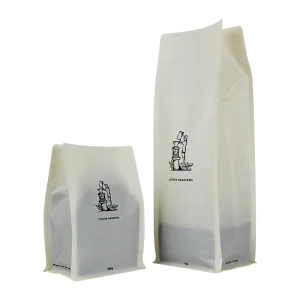
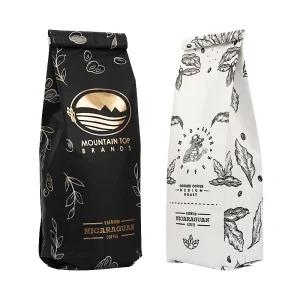
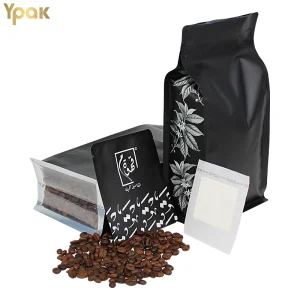
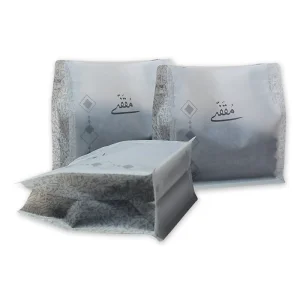
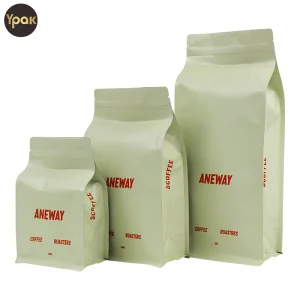
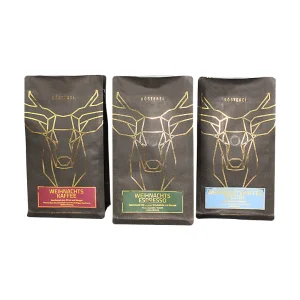
Pouches: Flat Bottom Bags, Box Pouches, Side Gusset Bags.
Key Features: Swiss WIPF One-way Valves, Press-to-Close Pocket Zippers, Tin Ties, Matte UV Finishes.
Benefit: Preserves volatile aromatic compounds and prevents oxidative staling for up to 18 months.
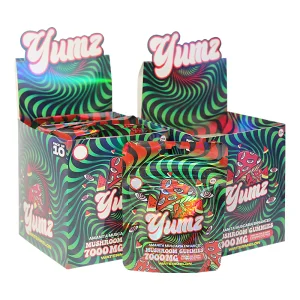
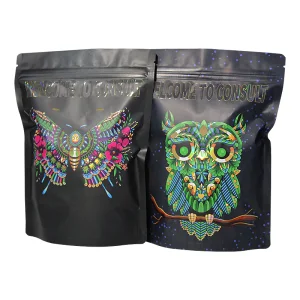
Pouches: Holographic Stand-Up Pouches, Child-Resistant Zipper Bags.
Key Features: ASTM D3475 Certified Child-Resistant Locks, Metallic Holographic Coatings, Opaque Light-Proof Layers.
Benefit: Ensures regulatory compliance for active compounds while providing anti-counterfeit shelf visibility.
Pouches: Doypack Stand-Up Pouches, Clear Window Quad-Seal Bags.
Key Features: High-clarity K-Seal bottoms, tear notches, reclosable ziplocks, anti-static inner liners.
Benefit: Prevents fat oxidation, maintains crispness, and displays product visual appeal through barrier windows.
A decade of engineering excellence in flexible coffee and food pouch manufacturing.
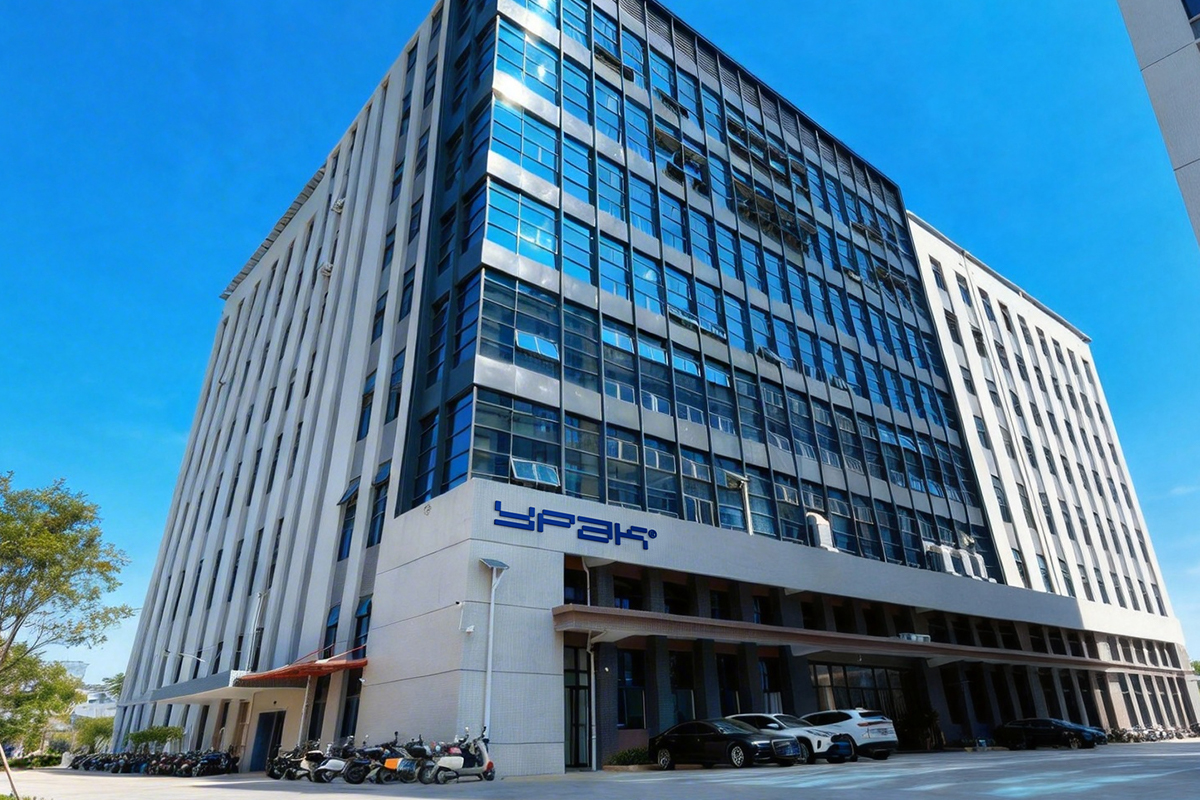
Founded in 2011, YPAK PACKAGING GROUP operates three state-of-the-art production facilities spanning Hong Kong, Dongguan, and Foshan, emerging as one of China’s premier flexible food packaging and coffee bag manufacturers.
Our Foshan and Dongguan plants are fully certified under BRCGS Food Safety (Grade A) and ISO 22000:2018 standards—guaranteeing that every pouch produced satisfies rigorous global food contact standards with 100% supply chain traceability. We fit Swiss WIPF one-way degassing valves as standard equipment, bringing industry-leading freshness preservation to global markets. Our HP Indigo 25K digital press platform enables zero-MOQ, plate-free production runs with ultra-high resolution printing—ideal for boutique micro-roasters, private labels, and corporate market testing.
Maintaining an industry-leading 99.5% on-time delivery rate, YPAK keeps your automated filling and packing lines running continuously. Furthermore, our eco-friendly recyclable Mono-PE and certified compostable pouches empower brands to navigate shifting plastic packaging directives across the European Union, United Kingdom, and North America without sacrificing barrier performance.
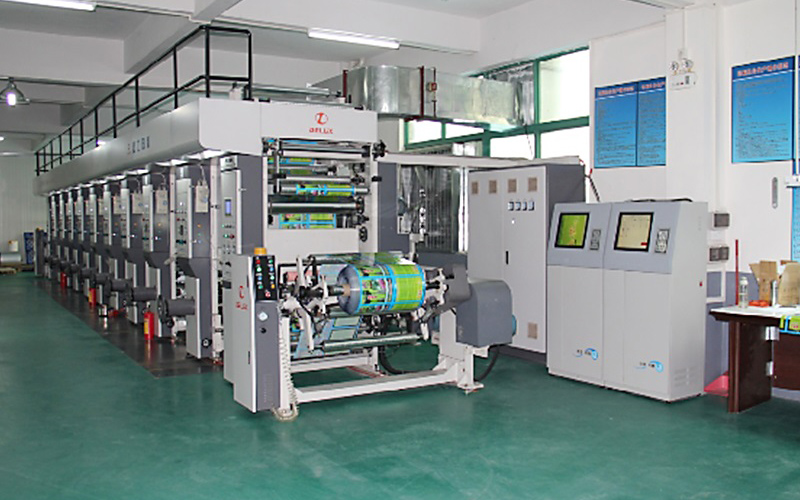
In May 2012, commissioned our first complete automated flexible packaging production line.
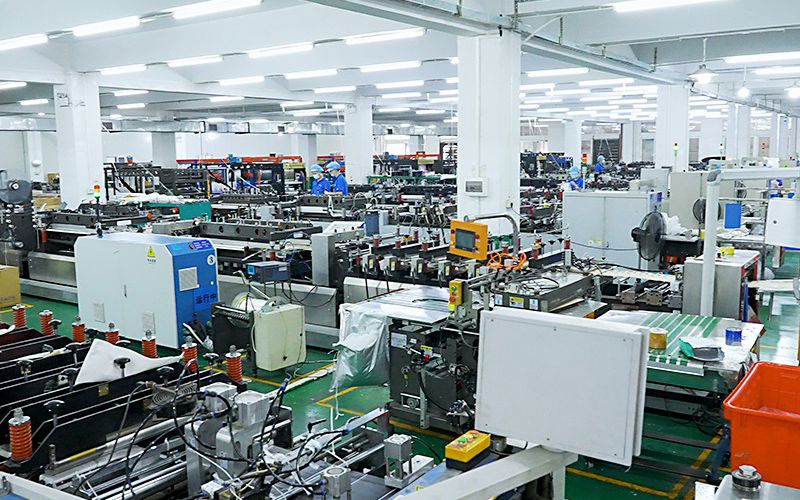
In March 2016, expanded operations to produce high-precision flat bottom box pouches.
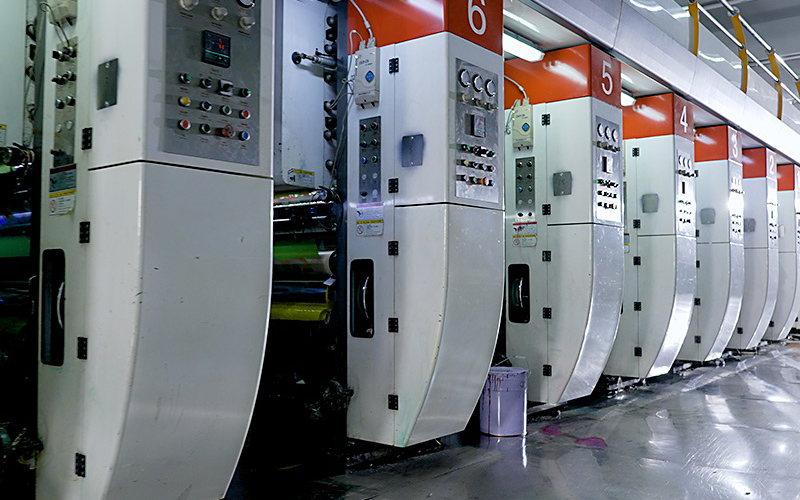
In August 2017, established our second high-speed multi-layer lamination production line.
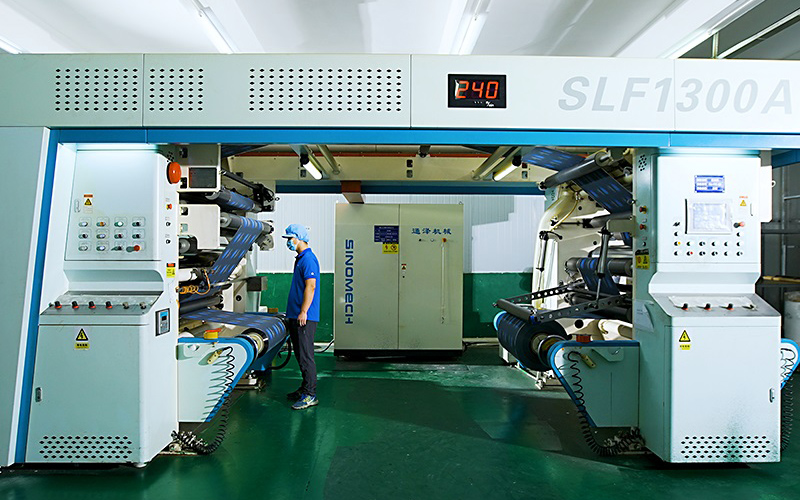
In April 2018, transitioned factory capabilities to 100% solvent-free composite technology.
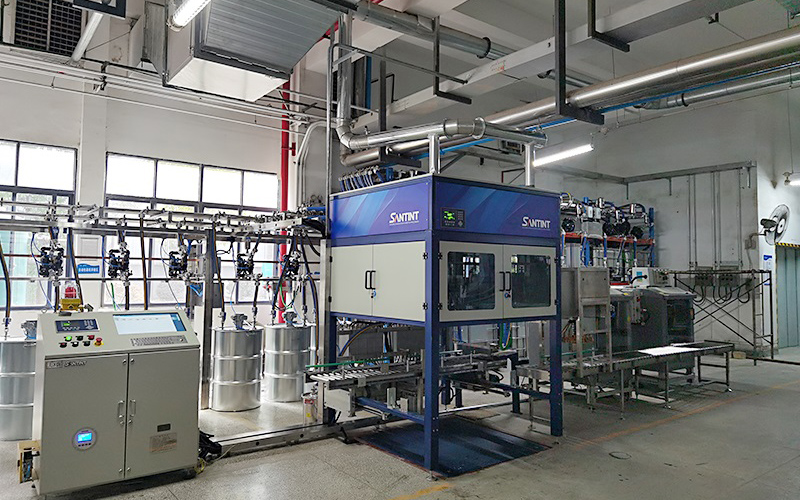
Introduced the automated ink adjustment system for micro-color variance control.
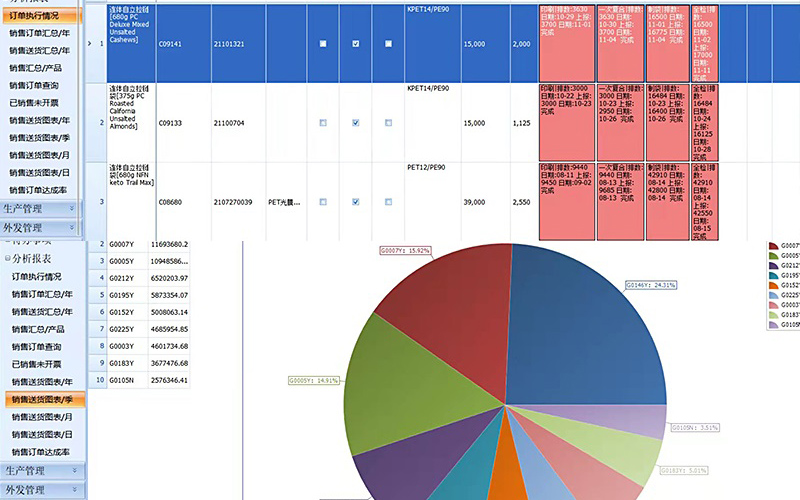
Deployed real-time enterprise ERP production tracking across all plant operations.
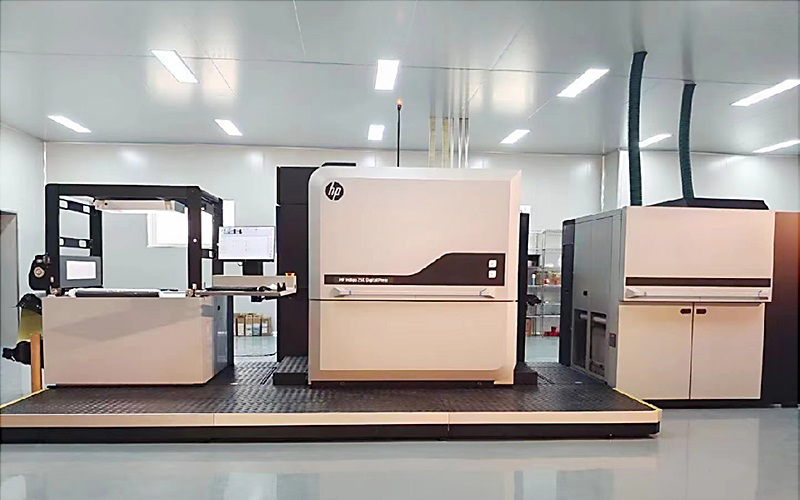
Commissioned the HP INDIGO 25K Digital Press, enabling plate-free printing, custom security labeling, and rapid short-run customization.
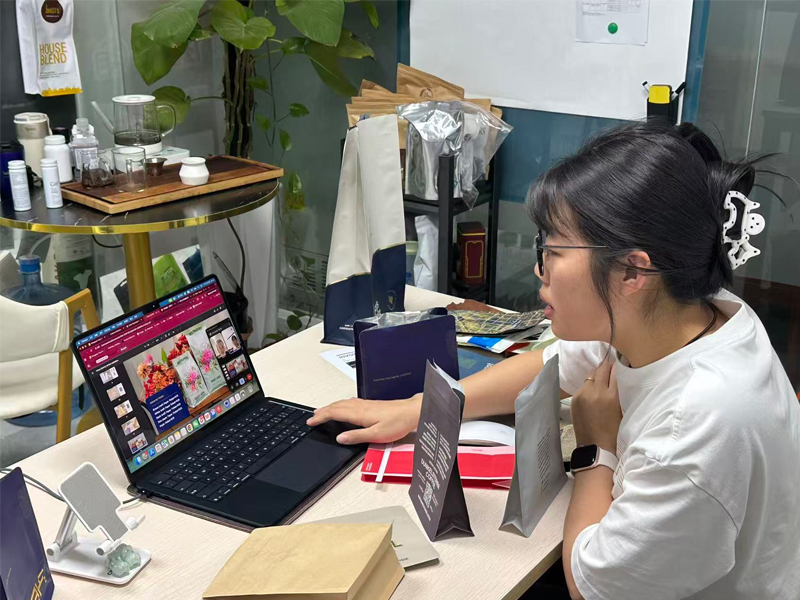
Improving customer experience through 1-on-1 online video confirmation. Traditionally, pre-sales involves assisting clients in selecting product specifications and technical features, which can be time-consuming. With real-time video verification, we eliminate guesswork and provide personal engineering consultation.
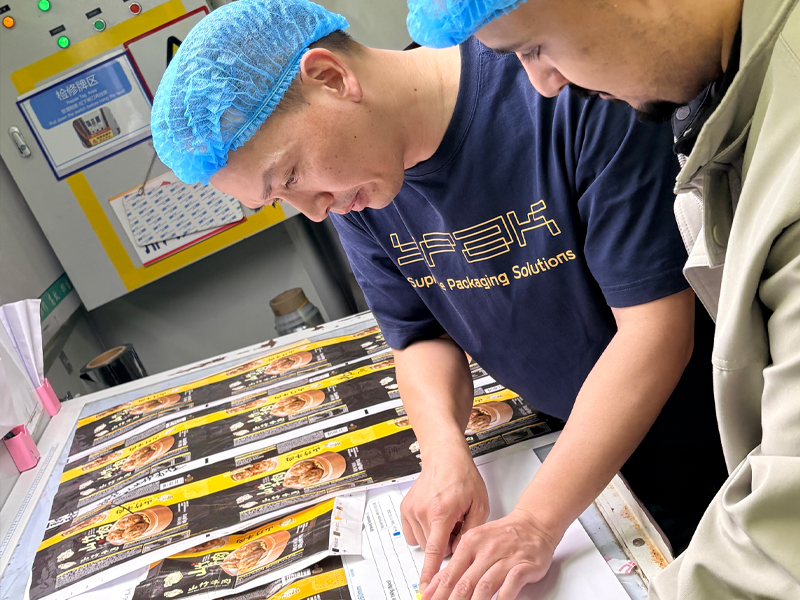
Ensuring a seamless transition from initial artwork approval to final shipping. We maintain rigorous control over each production stage, routinely sending live photos and video feeds so enterprise buyers can visualize progress and verify quality specs prior to dispatch.
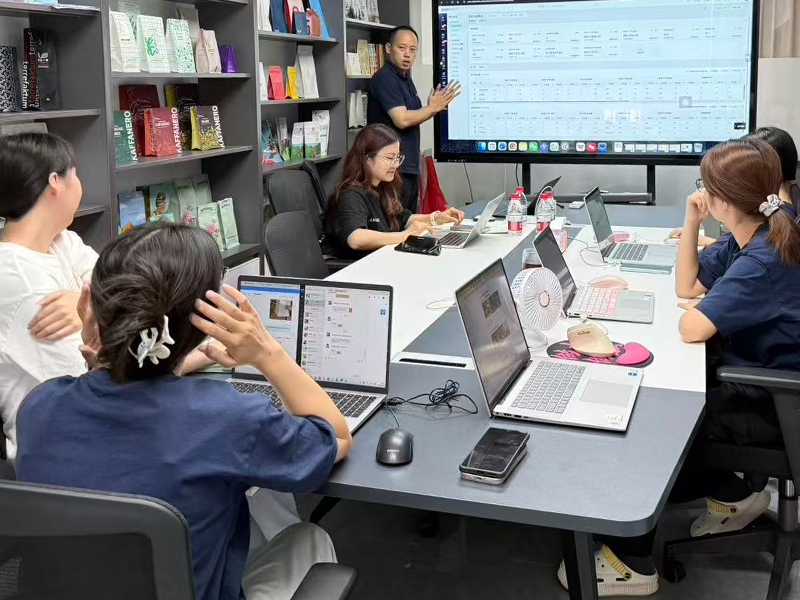
Providing dedicated post-delivery support to solidify long-term commercial partnerships. Through feedback loops, continuous quality assessments, and robust warranties, we guarantee complete satisfaction and hassle-free repeat orders.
Navigating global plastic bans with recyclable Mono-PE and certified bio-compostable substrates.
As legislation such as the EU Packaging and Packaging Waste Regulation (PPWR) mandates that all commercial packaging be 100% recyclable or reusable by 2030, global importers face immense compliance pressure. YPAK provides two primary eco-engineered solutions that maintain essential barrier performance while ensuring zero legal liability:
Traditional multi-layer pouches (combining PET + Foil + PE) cannot be recycled because mechanical separation of laminated layers is economically unviable. YPAK’s Mono-PE pouches utilize specialized MDO-PE (Machine Direction Oriented PE) films paired with low-melt PE sealants. The entire pouch belongs to SPI Resin Code 4 (LDPE), allowing 100% recycling in standard municipal plastics streams without sacrificing moisture or oxygen protection.
Constructed from renewable plant starches (corn sugar, sugarcane), our certified compostable pouches breakdown naturally into organic water, CO₂, and biomass within 180 days under industrial composting conditions (EN 13432 & ASTM D6400 certified). Featuring clear compostable windows and bio-zippers, these pouches cater directly to eco-conscious consumers.
Expert answers to common engineering, regulatory, and supply chain questions from B2B buyers.
For traditional rotogravure cylinder printing, our MOQ typically starts at 5,000 to 10,000 units per SKU depending on pouch dimensions. However, utilizing our HP Indigo 25K digital press, we offer zero-MOQ / short-run printing (starting from 500 pcs), eliminating expensive plate costs and catering to market testing.
All YPAK packaging facilities are BRCGS Grade A and ISO 22000:2018 certified. We use 100% virgin, food-grade polymer resins free of BPA, phthalates, and heavy metals. Migration test reports (under FDA 21 CFR 177.1520 and EU Regulation No 10/2011) are supplied with every production batch upon request.
Freshly roasted coffee continuously releases carbon dioxide gas (off-gassing). Without a valve, sealed pouches will balloon and burst. The Swiss WIPF one-way degassing valve opens automatically under minute pressure to release internal CO₂ while remaining completely airtight against external oxygen, water vapor, and contaminants, extending coffee shelf life up to 18 months.
We offer a full suite of custom finishing options including Soft-Touch Velvet Matte, High-Gloss, Combination Spot UV, Metallic Foil Hot Stamping, Rough Matte Texture, Holographic Sheens, and Transparent/Translucent Window cutouts.
Digital printing orders take 7 to 10 working days. Rotogravure cylinder production takes 15 to 20 working days depending on order quantity. Express air freight delivers within 5 to 7 days, while ocean freight to North American or European ports takes 20 to 35 days.
Explore specialized packaging formats, recyclable pouches, custom labels, and promotional accessories.
 YPAK PACKAGING