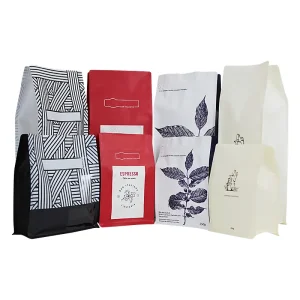
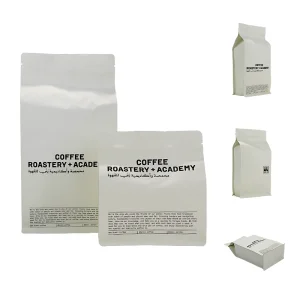
Explore our BRCGS-certified primary flexible packaging lineup manufactured for optimal freshness, aroma preservation, and extended shelf life.
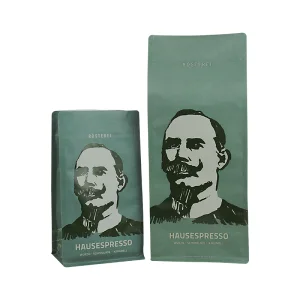
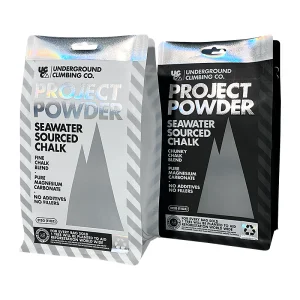
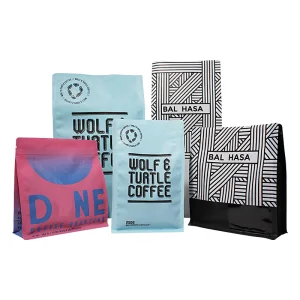
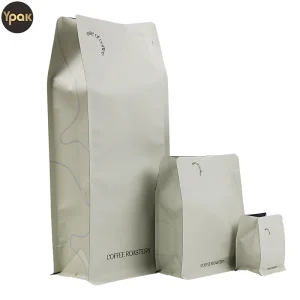
The global market for food-grade flexible plastic packaging is undergoing a profound structural evolution. Valued at over $100 billion USD, the sector is driven by rising consumer demand for extended shelf life, convenience, minimal food waste, and compliance with tightening international sustainability mandates. Choosing the optimal China plastic bag for food supplier requires a technical understanding of high-barrier polymer science, multi-layer extrusion, and international regulatory compliance.
Food degradation is primarily caused by oxidative rancidity, moisture ingress, microbial growth, and volatile flavor loss. Premium flexible food bags combat these factors through engineered multi-layer laminate structures that precisely balance Oxygen Transmission Rates (OTR) and Water Vapor Transmission Rates (WVTR).
| Material Substrate Structure | OTR (cc/m²/24h) | WVTR (g/m²/24h) | Key Performance Attributes | Primary Industrial Food Applications |
|---|---|---|---|---|
| PET / AL / PE (Aluminum Foil Laminate) | < 0.05 | < 0.05 | Absolute light, moisture, and oxygen barrier; maximum flavor preservation. | Specialty Roasted Coffee Beans, Infant Formula, Retort Meals. |
| PET / VMPET / PE (Metallized Polyester) | < 0.5 | < 0.5 | High barrier, cost-effective metallic gloss aesthetic, puncture resistant. | Snack Foods, Dry Nuts, Confectionery, Pet Treats. |
| Monomaterial PE / EVOH-PE (Recyclable) | < 1.5 | < 1.2 | Fully recyclable (RIC 4), high clarity option, optimized for circular economy. | Organic Foods, Frozen Produce, Dry Grains, EU-bound Coffee. |
| Kraft Paper / PLA / PBAT (Compostable) | < 5.0 | < 8.0 | 100% Industrial/Home compostable, natural tactile feel, eco-certified. | Artisanal Tea, Short Shelf-Life Bakery, Gourmet Spices. |
Integrating EVOH (Ethylene Vinyl Alcohol) co-extrusions and Swiss WIPF one-way degassing valves prevents gas buildup while blocking ambient oxygen ingress, maintaining peak roast aromatics and fresh taste profile.
Aligning with the EU Packaging and Packaging Waste Regulation (PPWR) and US FDA 21 CFR 177.1520, our monomaterial structures ensure hassle-free customs clearance and reduced plastic packaging tax liability.
Engineered seal strength exceeding 35 N/15mm ensures leak-proof transport across fluctuating high-altitude air freight and oceanic container conditions without seam rupture.
Through digital supply chain control, solvent-free lamination technology, and automated inspection, China's packaging infrastructure sets global benchmarks for quality and cost efficiency.
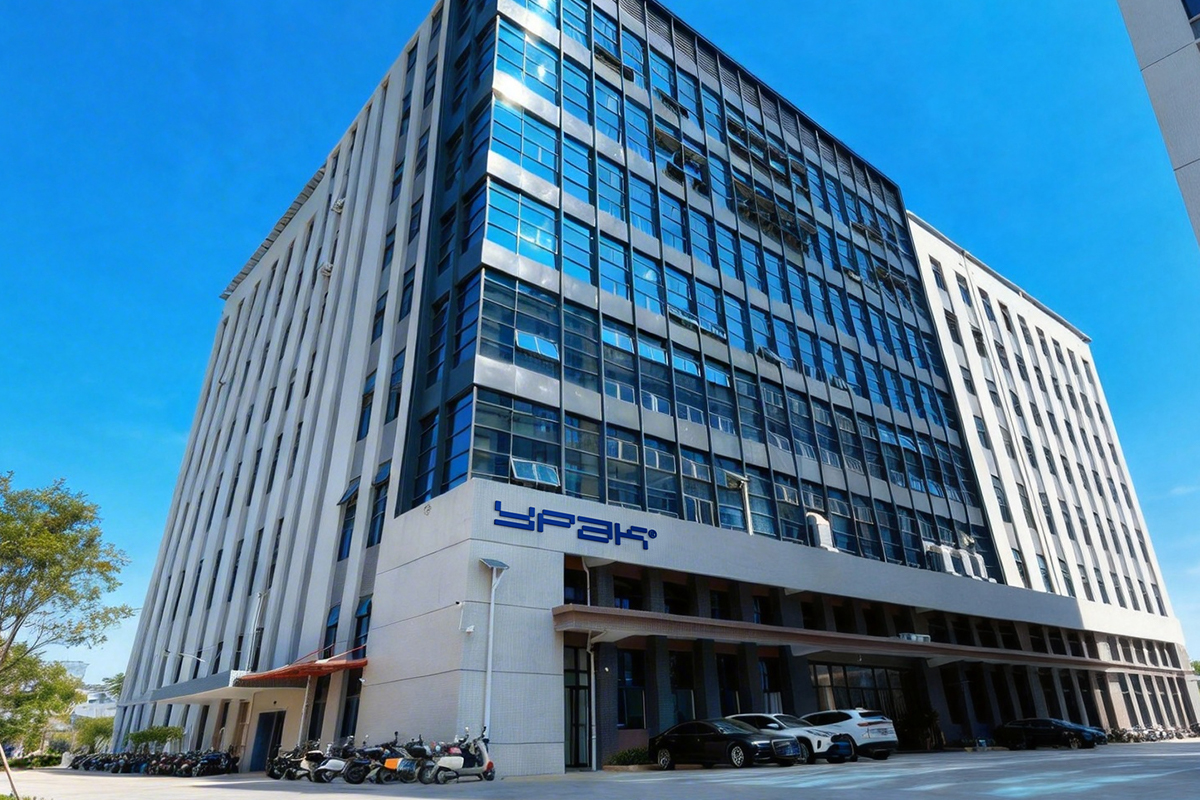
Founded in 2011, YPAK operates three facilities across Hong Kong, Dongguan, and Foshan, emerging as one of China’s leading coffee bag manufacturers and food packaging innovators.
Our Foshan and Dongguan plants are BRCGS Food Safety and ISO 22000:2018 certified—ensuring every pouch meets rigorous global food contact standards with full batch traceability. We fit Swiss WIPF one-way valves as standard, delivering industry-leading technology for keeping coffee freshness in our packaging.
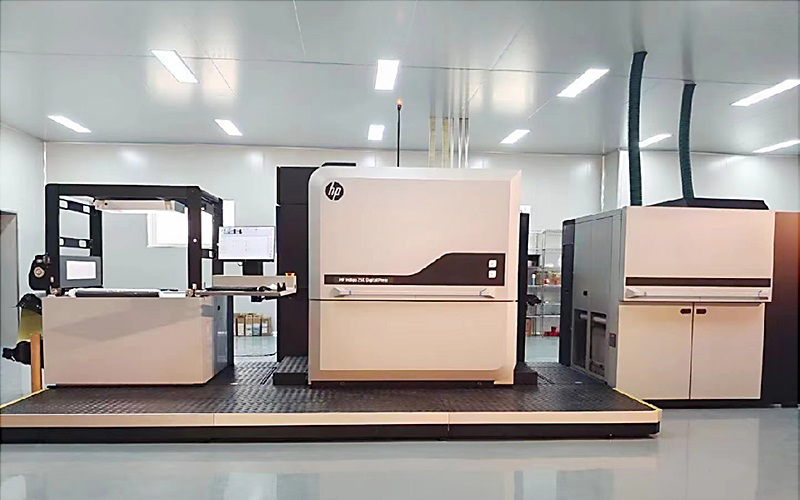
Our state-of-the-art HP Indigo 25K digital press enables MOQ-free, plate-free runs with photorealistic print quality—perfect for limited editions, brand market testing, and SKU expansions. With a verified 99.5% on-time delivery rate, we keep global production lines moving seamlessly. Our recyclable and compostable pouches help your enterprise stay ahead of plastic regulations across the EU, UK, and North America without compromising barrier performance.
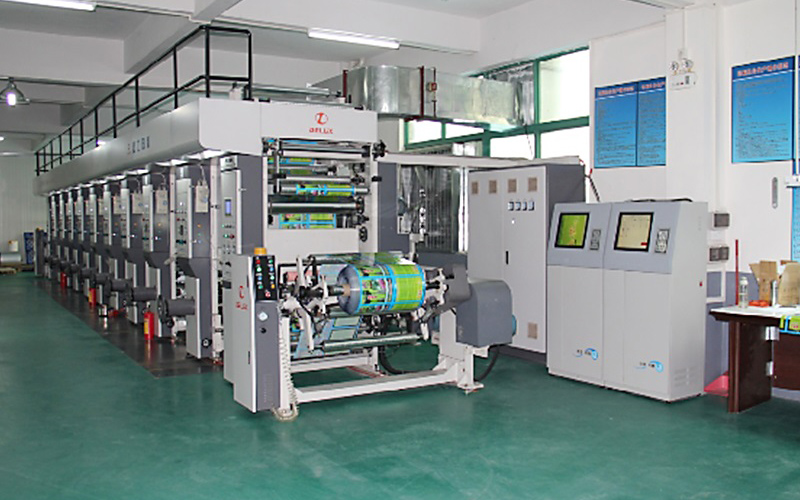
In May 2012, commissioned the first complete flexible packaging production line.
In March 2016, pioneered production of high-stability flat bottom box pouches.
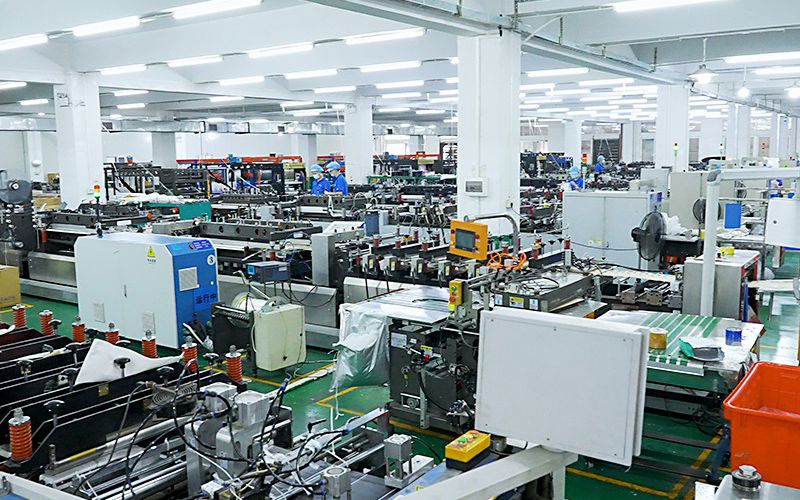
In August 2017, expanded manufacturing capacity with a second production line.
April 2018, adopted eco-friendly solvent-free composite lamination technology.
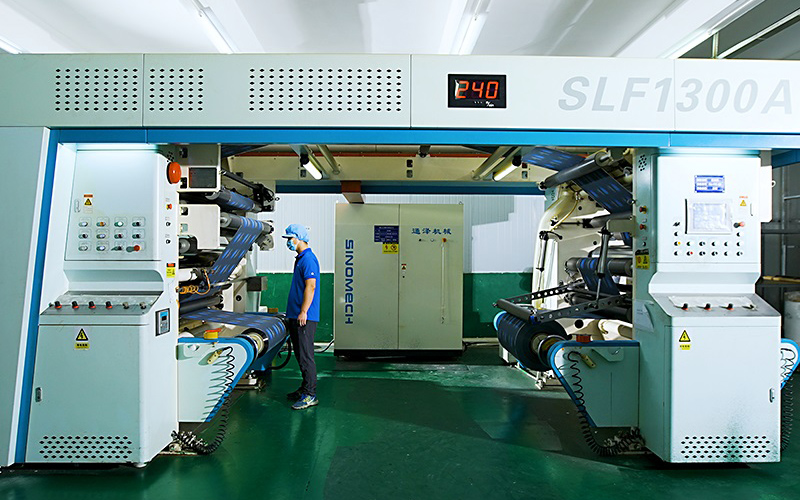
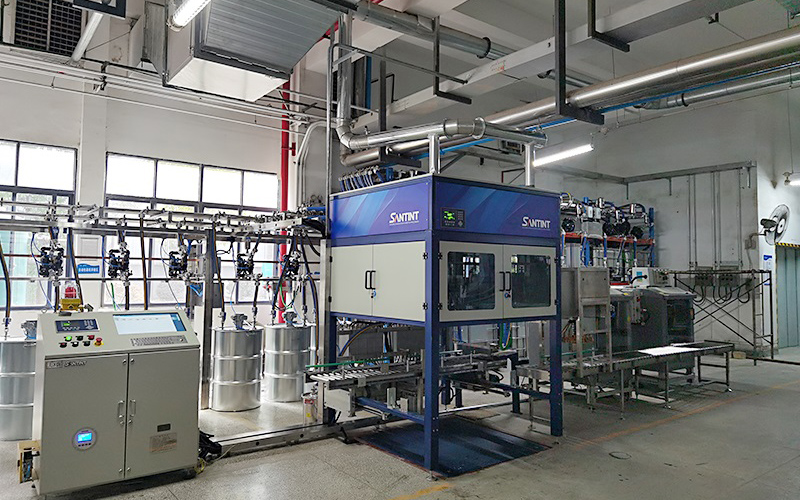
June 2020: Deployed automatic ink adjustment system; July 2020: Full ERP system rollout.
October 2021, introduced HP INDIGO 25K digital press for plate-free printing.
To bridge the gap in international procurement, YPAK provides a transparent, digitized three-tier service blueprint that minimizes risk and accelerates product time-to-market.
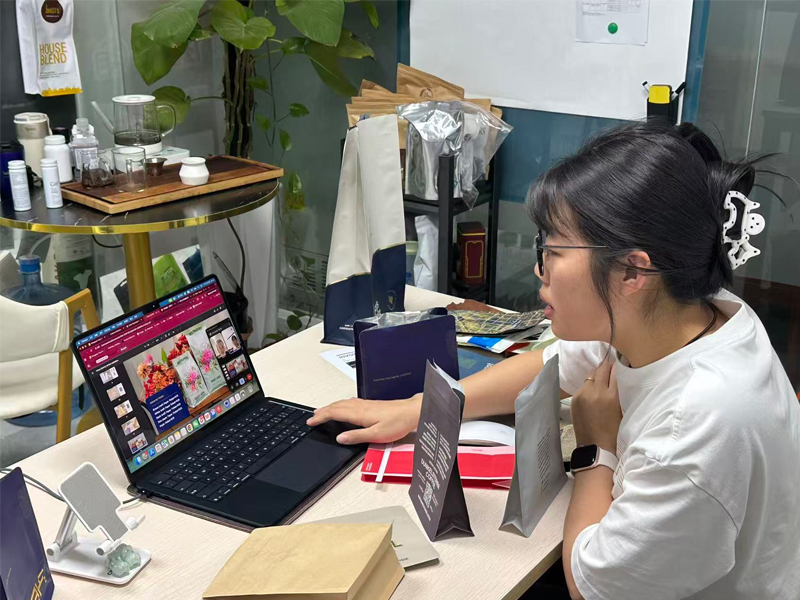
Improving customer experience through online live video confirmation. One of the keys to meeting complex packaging specifications is dedicated one-on-one technical consultation. Traditionally, pre-sales involved tedious back-and-forth emails. We remove the guesswork by offering immediate online video proofing, material structural analysis, color matching, and structural feasibility studies.
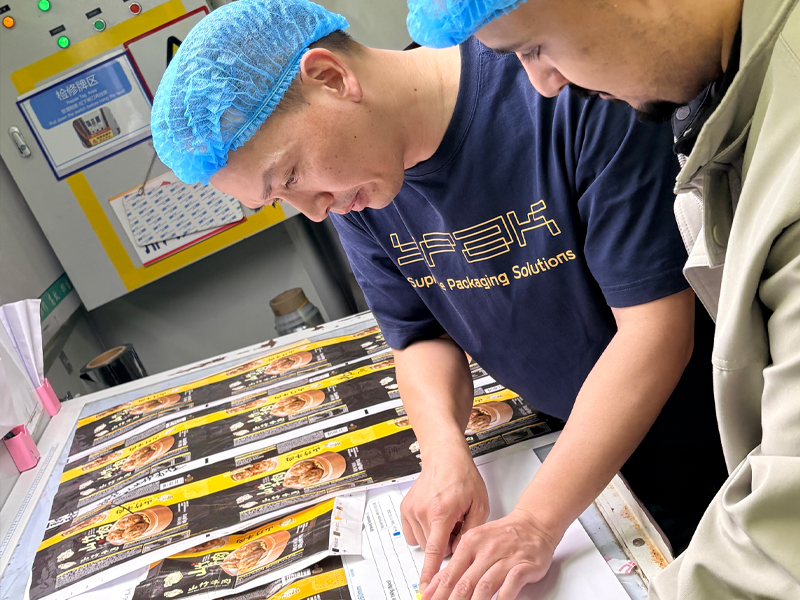
Exceptional mid-sales service guarantees a seamless transition from art approval to final batch shipment. We maintain strict oversight of each manufacturing milestone via automated ERP tracking. Clients receive real-time production photos, video updates of web-inspection systems, and batch test logs for seal strength and barrier integrity.
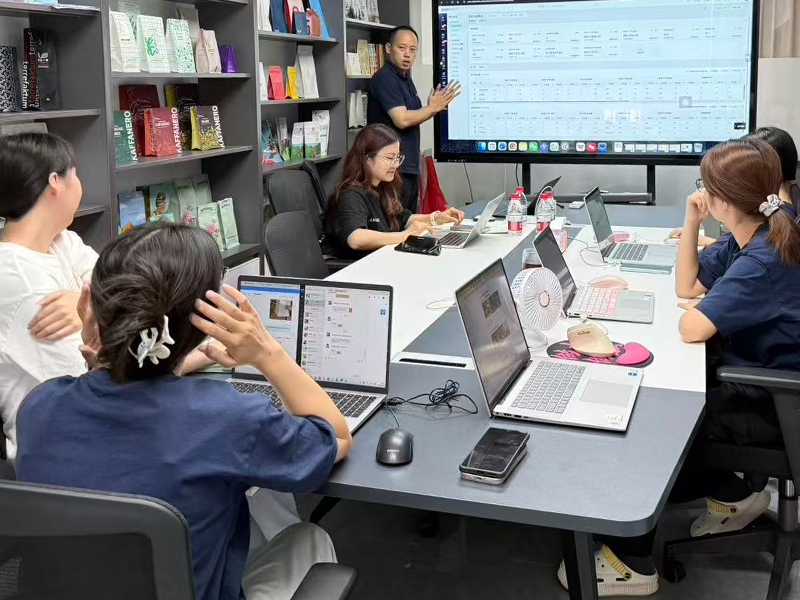
Our commitment extends far past port arrival. Robust after-sales service builds long-term institutional trust. By maintaining continuous client feedback loops, standardized replacement protocols for freight anomalies, and inventory call-off programs, we support global brands with continuous packaging efficiency.
China's manufacturing ecosystem provides custom packaging tailored to strict industry specifications—from specialty coffee roasting to secondary marketing display accessories.
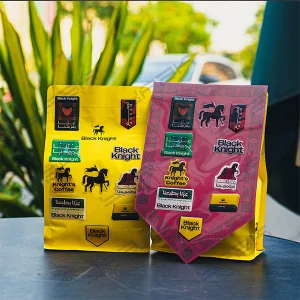
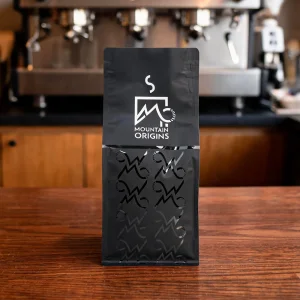
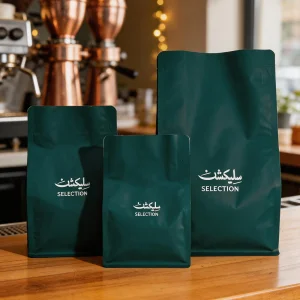
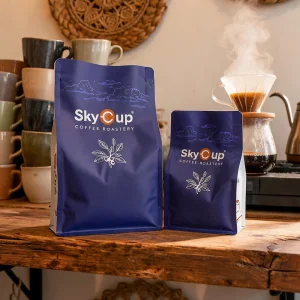
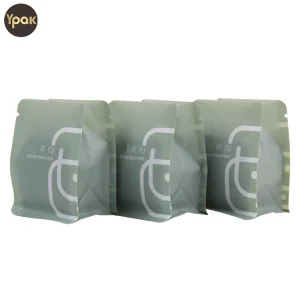
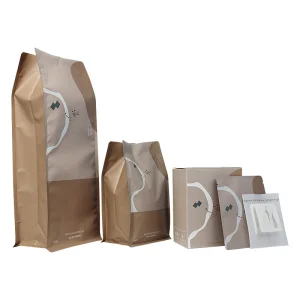
Flat-bottom box pouches with Swiss WIPF valves and pocket zippers offer maximum shelf presence and gas management. Premium matte finishes paired with localized 3D UV spot varnishing deliver high shelf appeal for specialty specialty roasters.
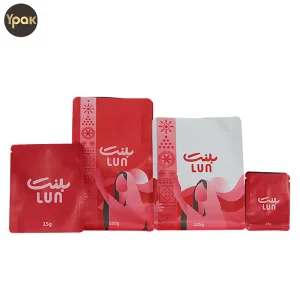
Stand-up pouches (Doypack) featuring high-clarity windows and press-to-close tear zippers. Optimized with metallized PET layers to maintain crispness and prevent oil oxidation in nuts and dried fruits.
Heavy-duty side gusset bags engineered with puncture-resistant nylon (PA) blends. Designed to withstand rough logistics and internal pressure during drop tests from up to 2.5 meters.
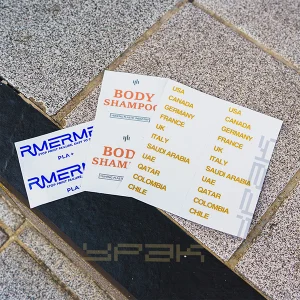
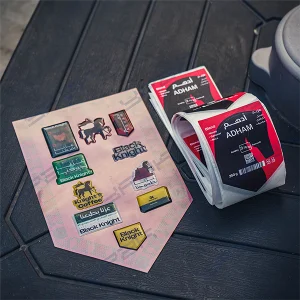
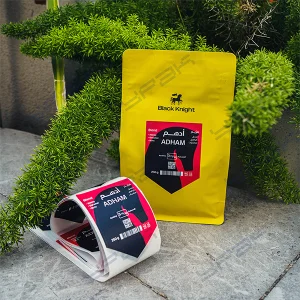
Complete brand ecosystems require cohesive marketing accessories. We offer custom 3D epoxy resin stickers, UV transfer labels, and die-cut vinyl stickers designed for dynamic brand callouts on outer cartons and gift sets.
As global food manufacturers move toward carbon neutrality, China plastic bag for food suppliers are leading the transition toward bio-based polymers (PLA/PBAT) and fully recyclable monomaterial Polyethylene (PE) laminates. Procurement directors evaluating Chinese packaging partners should utilize the following technical assessment framework:
Ensure supplier facilities possess valid GFSI-recognized certifications such as BRCGS Grade A/AA, ISO 22000, and FDA compliance letters for food contact safety.
Prioritize factories utilizing solvent-free lamination machines to prevent residual solvent migration (ODR), ensuring zero chemical taint in sensitive food products.
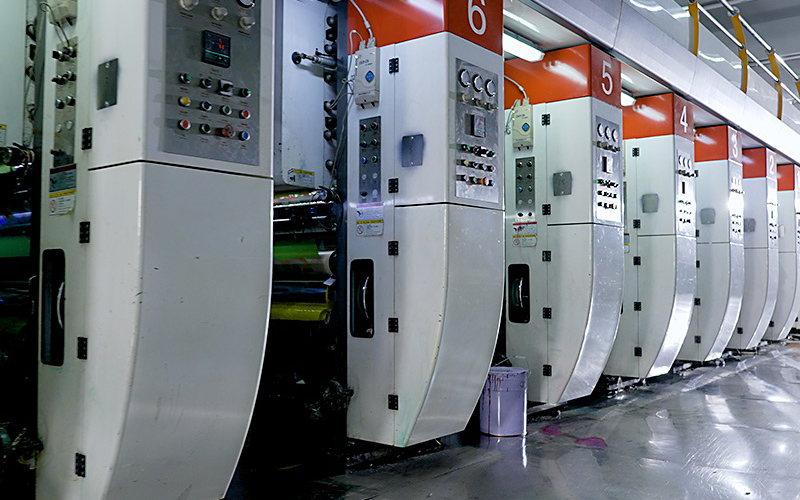
Look for hybrid capabilities—high-speed rotogravure for large production runs combined with HP Indigo digital printing for fast-turnaround, short-run SKUs.
Technical and commercial clarity for global purchasing managers and packaging engineers.
Browse our complete selection of coffee bags, compostable pouches, and custom 3D brand logo transfer stickers.
 YPAK PACKAGING