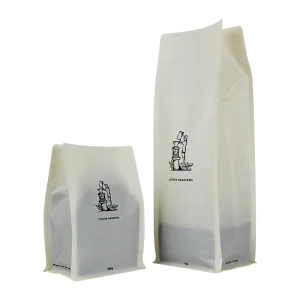
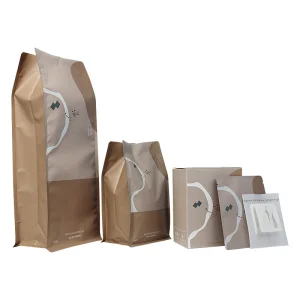
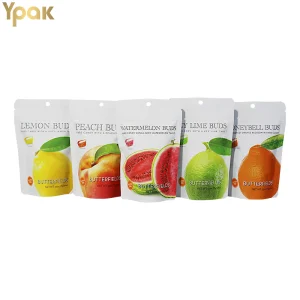
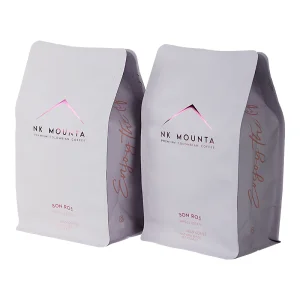
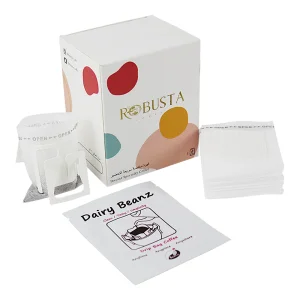
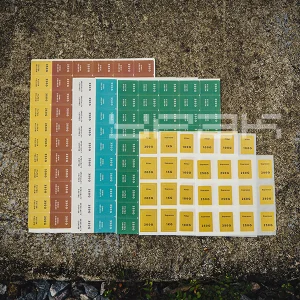
Matcha (Camellia sinensis ground into micro-fine powder) is one of the most sensitive specialty tea products in the global beverage ecosystem. Unlike whole-leaf green teas, matcha possesses an extremely large surface area per unit mass. This physical property renders it highly vulnerable to environmental degradation caused by four main culprits: photo-oxidation (ultraviolet and visible light exposure), moisture sorption, ambient oxygen exposure, and thermal volatility.
Chlorophyll-a and Chlorophyll-b give ceremonial matcha its signature vibrant green color. Exposure to photons degrades chlorophyll into pheophytin, turning the powder yellowish-brown and impairing its market value.
Matcha powder is extremely hygroscopic. Water activity levels exceeding 0.35 aw lead to clumping, enzymatic browning, and rapid loss of L-theanine amino acids responsible for umami flavor notes.
Atmospheric oxygen oxidizes epigallocatechin gallate (EGCG) catechins, converting pleasant astringency into harsh bitterness. High-barrier aluminum foil (AL) or EVOH lamination prevents O2 permeation.
Selecting a qualified China matcha tea packaging supplier requires evaluating film laminates not merely as aesthetic containers, but as technical engineered barriers. Standard polyethylene (PE) or single-layer PET materials allow up to 100 cc/m²/day of oxygen permeation—causing premium ceremonial matcha to turn stale within weeks. High-performance multi-layer barrier structures incorporating AL (Aluminum Foil), VMPET (Metallized PET), or EVOH (Ethylene Vinyl Alcohol) maintain strict gas tightness, guaranteeing organoleptic freshness across global retail supply chains.
The global matcha market is projected to expand at a CAGR of over 8.5% through 2030, driven by rising consumer preference for functional health beverages, plant-based antioxidants, and ready-to-drink (RTD) lattes. As matcha expands beyond traditional Japanese tea ceremonies into Western retail, supermarket chains, and food-service (HORECA) bulk usage, packaging formats have undergone a monumental shift.
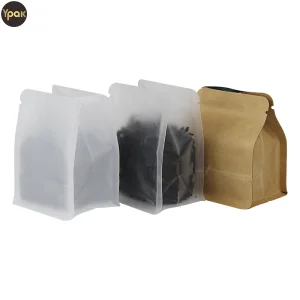
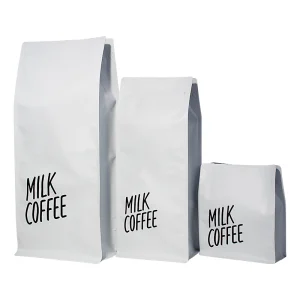
While ceremonial matcha was historically sealed in traditional 30g metal tins, modern international brands are rapidly transitioning to flexible barrier pouches (such as flat bottom box pouches and stand-up Mylar bags). Flexible pouches dramatically reduce shipping weights by up to 70% and lower volumetric freight costs by up to 60%, delivering substantial scope 3 carbon emission reductions for international procurement teams.
With the European Union’s Packaging and Packaging Waste Regulation (PPWR) imposing strict design-for-recyclability mandates by 2030, matcha importers require high-barrier mono-material PE pouches or EN 13432 certified industrially compostable laminates. Top-tier China manufacturers have engineered specialized high-barrier mono-PE structures that deliver ultra-low OTR without sacrificing recyclability.
| Packaging Material Structure | Barrier Class (OTR & WVTR) | Light Opacity | Sustainability Profile | Best Target Application |
|---|---|---|---|---|
| PET / AL / PE | Ultra-High (<0.05) | 100% Light Proof | Standard Multi-Material | Ceremonial & Ultra-Premium Matcha |
| Matte PET / VMPET / PE | High (<0.5) | 99.5% Light Block | Energy Efficient Production | Retail Stand-Up Pouches (100g - 250g) |
| Mono-Material PE (High-Barrier PE/EVOH-PE) | High (<0.8) | Translucent / Opaque White | 100% Recyclable (Code 4 PE) | EU PPWR Eco-Compliant Brands |
| Kraft Paper / VMPET / PLA | Medium to High (<1.0) | 100% Light Block | Bio-Based / Compostable | Organic & Specialty Health Tea Outlets |
First impressions drive retail conversions. Modern matcha packaging utilizes soft-touch tactile films, rough-texture matte varnishes, and localized spot UV accents to convey luxury craftsmanship. Tactile contrast elevates brand equity on retail shelves against mass-market competitors.
Because consumers scoop single servings daily, the pouch zipper must withstand hundreds of open-close cycles without failing or letting moisture in. Pocket zippers, press-to-close tactile zippers, and child-resistant safety closures guarantee air-tight sealing after every use.
To achieve zero residual oxygen during high-speed automated packing, packaging pouch materials must feature high seam strength and heat-seal integrity. Qualified pouches accommodate modified atmosphere packaging (MAP) with nitrogen flushing, ensuring oxygen levels below 0.5%.
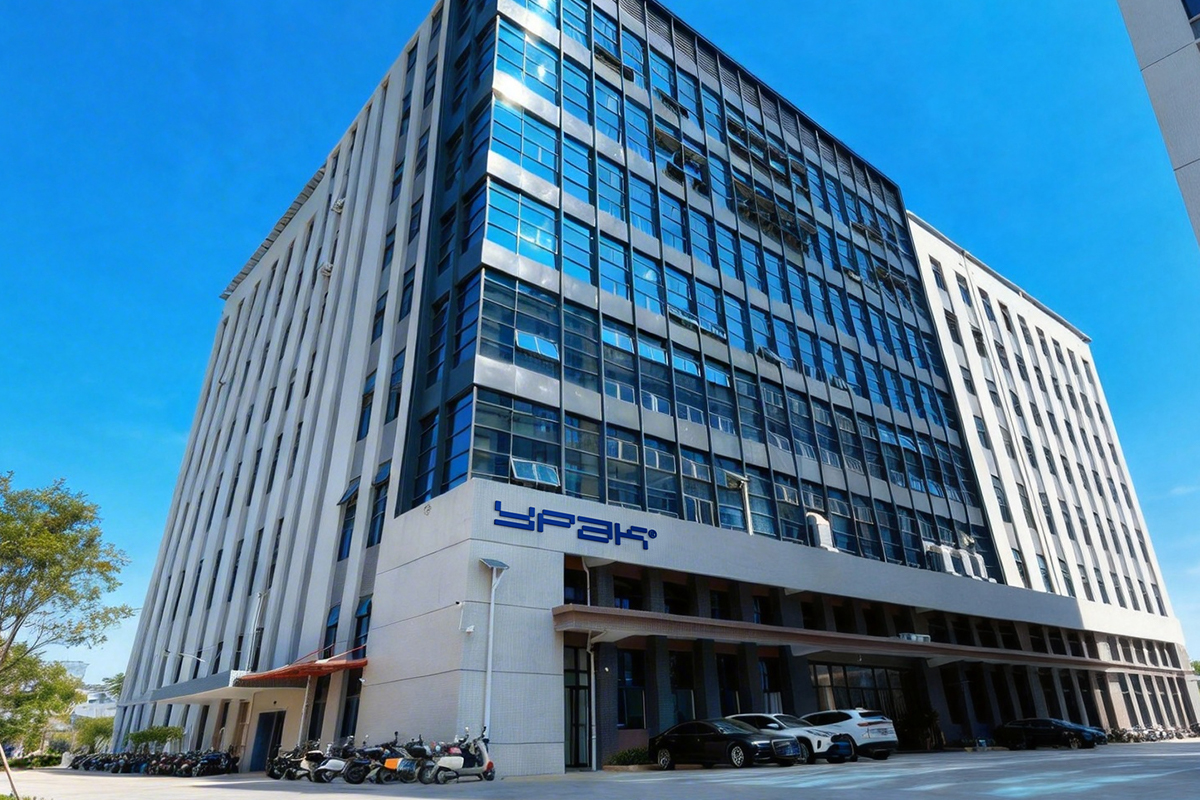
Founded in 2011, YPAK PACKAGING GROUP operates three state-of-the-art facilities located across Hong Kong, Dongguan, and Foshan, establishing itself as one of China’s premier high-barrier coffee and tea bag manufacturers.
Our Foshan and Dongguan production facilities hold full BRCGS Food Safety Grade A and ISO 22000:2018 certifications—ensuring every customized pouch meets the most stringent global food contact standards with 100% full raw material batch traceability.
We integrate genuine Swiss WIPF one-way degassing valves as standard options, alongside advanced HP Indigo 25K digital press technology that enables plate-free, low-MOQ print runs with photorealistic color fidelity—ideal for boutique limited editions and rapid market testing. With an industry-leading 99.5% on-time delivery rate, YPAK keeps global packaging production lines running seamlessly.
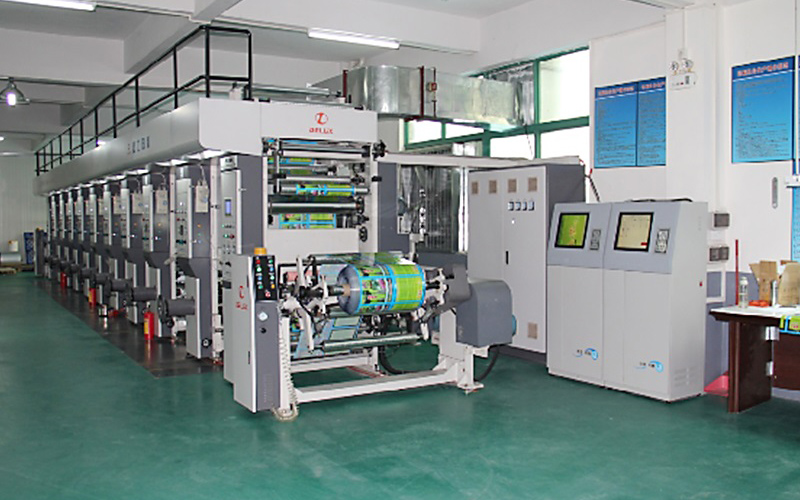
In May 2012, the first complete flexible packaging production line was established.
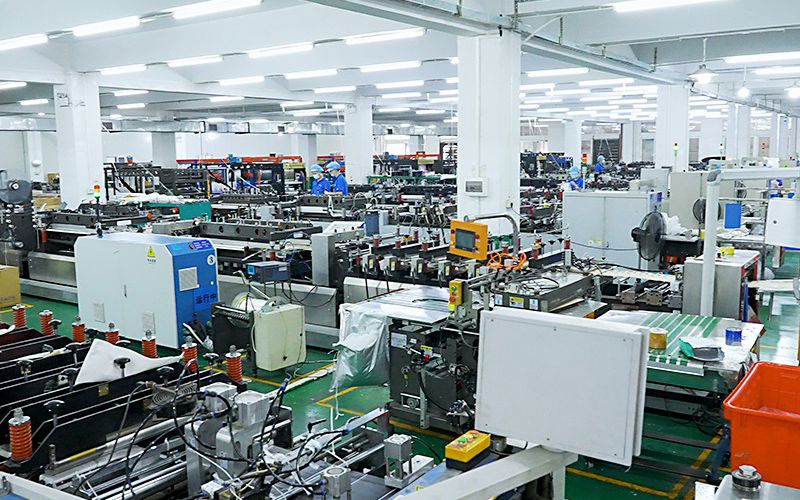
In March 2016, began to produce flat bottom bags.
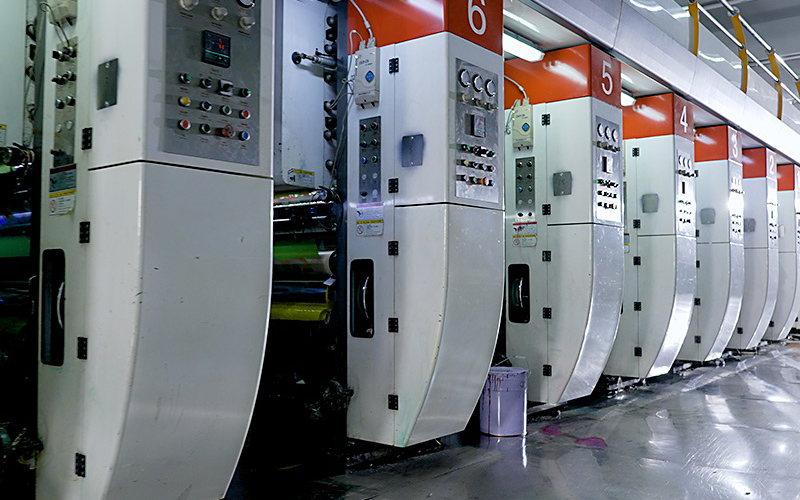
In August 2017, the second production line was established.
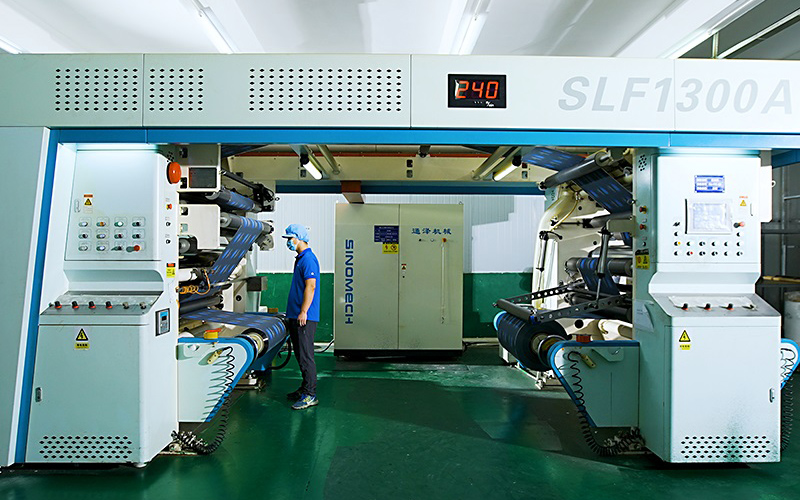
April 2018, using solvent-free composite technology.
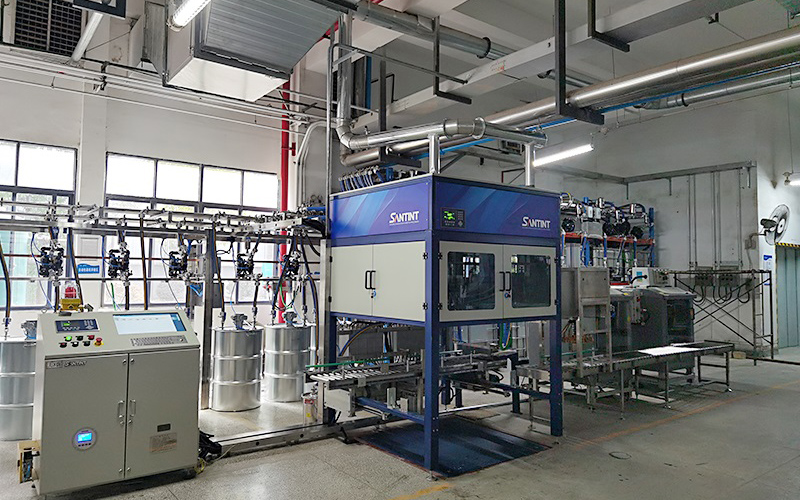
In June 2020, the automatic ink adjustment system was introduced.
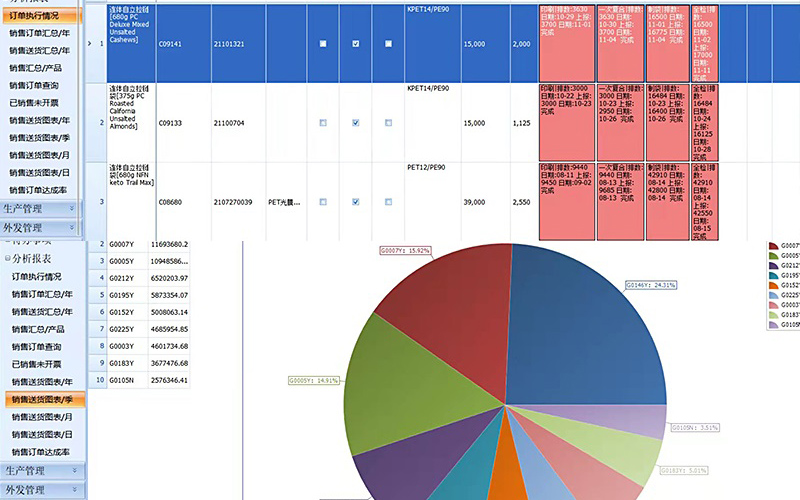
In July 2020, the ERP production system was introduced.
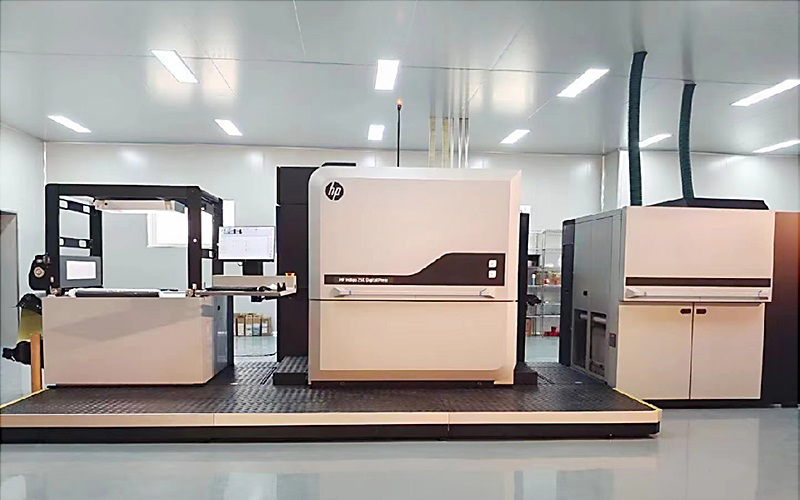
In October 2021, HP INDIGO 25K digital printing machine was introduced.
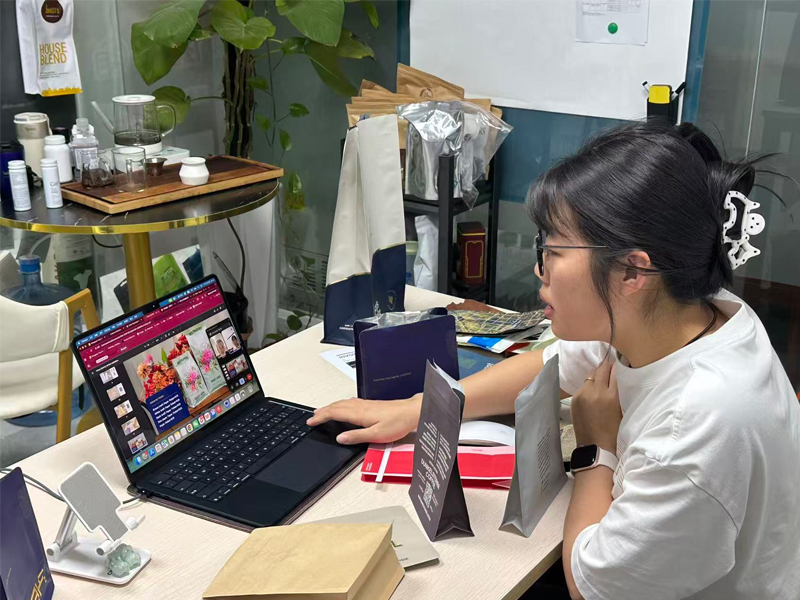
Improve customer experience through online video confirmation: One of the keys to meeting customer needs is to provide excellent pre-sales service, which helps to build a solid foundation for long-term relationships. We provide one-on-one service to ensure accurate and efficient communication. Traditionally, pre-sales service involves assisting customers in selecting the correct product or service, understanding its features, and resolving any issues. However, this process is often time-consuming and presents challenges in confirming details. With online video confirmation, businesses can now take the guesswork out of it and provide customers with personal attention.
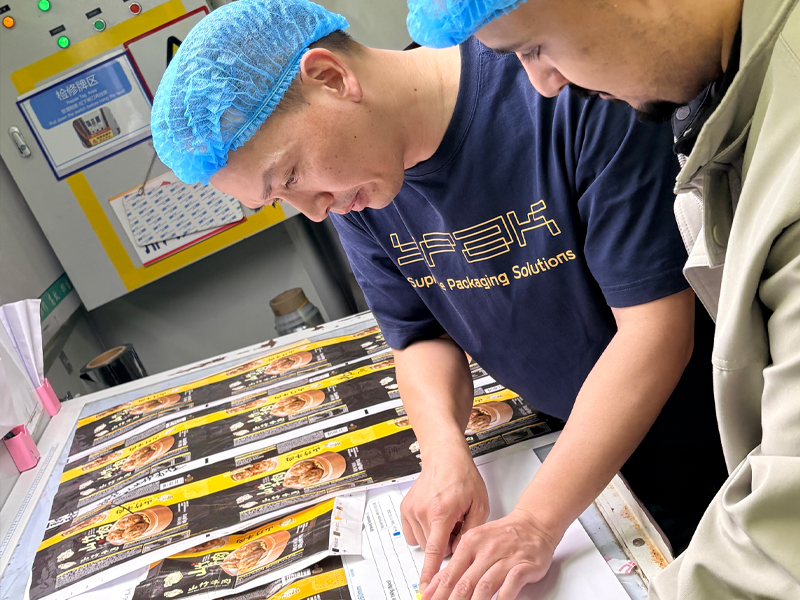
We provide exceptional mid-sale service. It is an essential step that ensures a seamless transition from the initial sale to the final delivery. Mid-sale service is maintaining control over the production process. This involves closely monitoring and managing each stage of production to ensure quality and timely delivery. We send videos and pictures, which help customers visualize the product they have purchased in real-time.
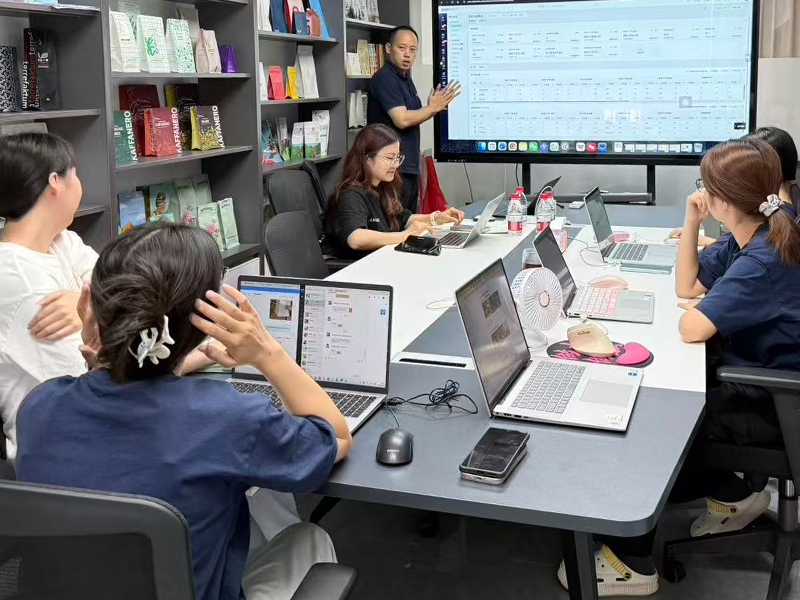
We provide excellent after-sales service not only to ensure customer satisfaction, but also to enhance long-term partnerships, leading to repeat customers and positive word-of-mouth marketing. By investing in continuous training programs and establishing effective feedback channels, businesses can continuously improve after-sales service and ensure sustained success in a competitive global market.
Importing flexible matcha packaging from China requires absolute certainty regarding food safety compliance, heavy metal migration, and solvent residue limits. Professional B2B packaging suppliers implement strict continuous testing regimes at every production stage.
Integration of encrypted NFC tags and dynamic QR codes under film layers allows end consumers to instantly verify organic farm origins, harvest batch dates, and authenticity—protecting brand reputation from grey-market knockoffs.
Next-generation SiOx and AlOx vapor deposition coatings enable fully transparent windows while maintaining extreme oxygen and moisture barriers comparable to traditional aluminum foil laminates.
Automated closed-loop ink dispensing combined with AI spectral analysis guarantees Delta-E color variance under 1.0 across different print batches—delivering perfect brand consistency globally.
 YPAK PACKAGING