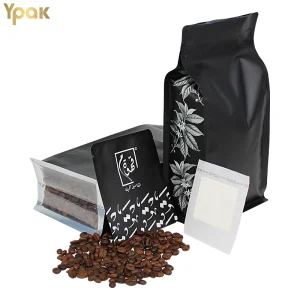
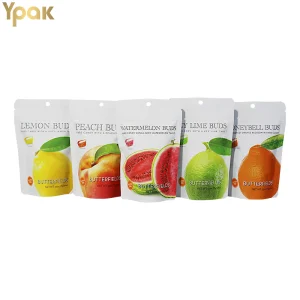
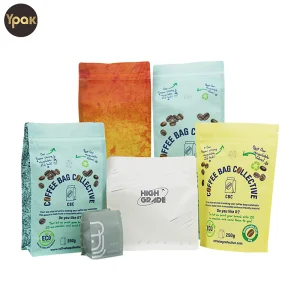
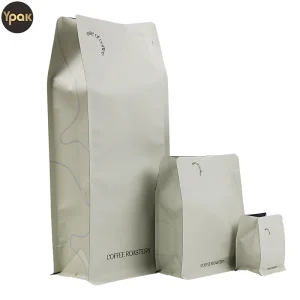
Explore our precision-engineered, gas-flush compatible flexible packaging products built to stop matcha chlorophyll photolysis and organoleptic oxidation across global supply chains.
Matcha (Camellia sinensis finely pulverized shade-grown green tea) represents one of the most chemically sensitive botanical substrates in the functional food and beverage sector. Unlike standard loose-leaf teas, matcha's micro-particulate surface area (typically 5 to 10 microns) exposes its core biochemical matrix—specifically Chlorophyll A and B, Epigallocatechin Gallate (EGCG), and L-theanine—to rapid oxidative degradation when exposed to oxygen, ambient humidity, ultraviolet radiation, and thermal variance.
As global market demand for ceremonial and culinary grade matcha skyrockets, international brand owners face an existential technical challenge: Matcha Oxidation. Oxygen exposure causes the enzymatic breakdown of chlorophyll into pheophytin, turning vibrant jade-green powder into a dull brown-yellow hue. Simultaneously, catechins oxidize into thearubigins, causing loss of umami flavor and creating harsh, astringent off-notes.
To maintain fresh-ground organoleptic properties across transoceanic shipping routes, specialized packaging engineering is non-negotiable. Modern China Matcha Oxidation Factories have shifted from basic aluminum foil wraps to ultra-high-barrier bio-laminates, EVOH co-extrusions, modified atmosphere packaging (MAP) integration, and precision degassing valves engineered for ultra-fine powders.
Preventing matcha degradation requires a multi-faceted polymer architecture that stops molecular oxygen permeation, reflects 100% of visible light wavelength (400–700 nm), and halts moisture absorption. The table below highlights the performance metrics of high-barrier laminates manufactured in advanced Chinese oxidation packaging facilities.
| Substrate Composite Structure | Oxygen Transmission (OTR) | Water Vapor Transmission (WVTR) | Light Barrier Capacity | Eco-Compliance Target |
|---|---|---|---|---|
| PET / AL / High-Density PE | < 0.05 cc/m²/24h | < 0.05 g/m²/24h | 100% Total Opaque (0% UV) | Traditional Standard Foil |
| Recyclable Mono-PE (EVOH Co-ex) | < 0.5 cc/m²/24h | < 0.8 g/m²/24h | 99.2% (White Tinted High Barrier) | EU PPWR Fully Recyclable |
| Kraft Paper / AlOx / Bio-PE | < 0.1 cc/m²/24h | < 0.3 g/m²/24h | 99.9% Barrier Protection | Sustainable Hybrid Structure |
| Compostable PLA / NK Paper / PVOH | < 0.8 cc/m²/24h | < 1.2 g/m²/24h | 98.5% Photolysis Shield | EN 13432 & ASTM D6400 |
Embedding active iron-free micro-scavengers into the inner seal layer to absorb residual headroom oxygen (< 0.1% O2 residual) after nitrogen flushing.
Clear, ultra-thin vacuum deposition technology providing glass-like transparency with metal-level oxygen and water vapor barrier performance.
Eliminating volatile organic compounds (VOCs) and chemical migration that could alter the delicate botanical aromatic profile of premium matcha.
Founded in 2011, YPAK Packaging Group operates three world-class manufacturing facilities across Hong Kong, Dongguan, and Foshan, emerging as one of China’s leading high-barrier food packaging and coffee/tea bag factories.
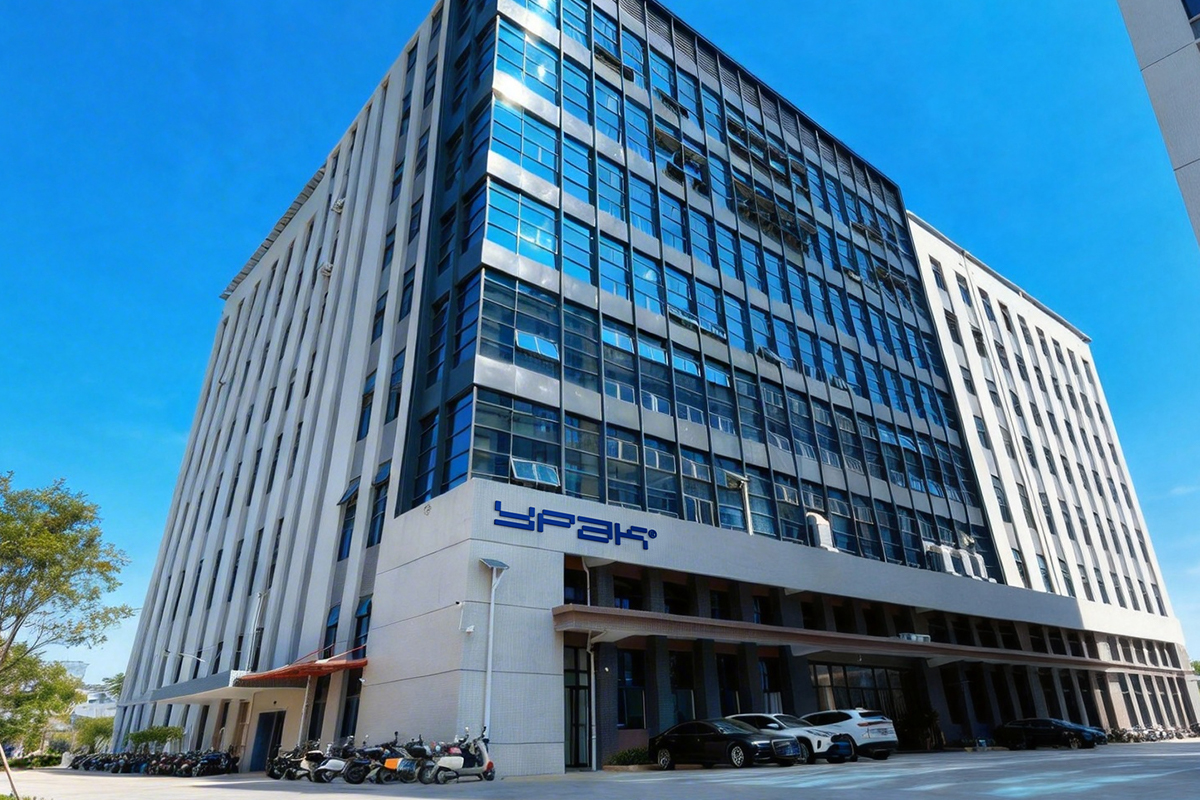
Our Foshan and Dongguan plants hold rigorous BRCGS Food Safety Grade A and ISO 22000:2018 certifications—ensuring every pouch meets strict global food-contact safety standards with full batch traceability. We fit Swiss WIPF one-way degassing valves as standard, delivering industry-leading freshness retention technology for oxygen-sensitive and gas-emitting specialty powders.
Plate-free, zero-MOQ digital execution allowing rapid market entry, short-run limited editions, and photorealistic print quality without chemical contamination.
Powered by fully integrated enterprise ERP systems, we maintain lean automated production lines to keep international supply lines operational.
Recyclable and home/industrial compostable solutions engineered to comply with EU PPWR, UK Plastic Packaging Tax, and US FDA standards.
China’s packaging manufacturing ecosystem has evolved from high-volume assembly to smart, automated Industry 4.0 hubs specializing in anti-oxidation pouch production. By leveraging synchronized raw material sourcing (high-density PE resins, aluminum foils, bio-polymers), real-time spectro-photometric inline ink control, and high-speed solvent-free laminators, YPAK ensures cost efficiency without compromising barrier performance.
Eliminates residual chemical odors, reduces solvent bubble defects, and achieves maximum interlaminar bond strength under variable thermal conditions.
Closed-loop spectral measurement ensures strict adherence to Delta E < 1.5, matching exact brand identity colors across multi-million pouch orders.
Quality assurance testing verifying pouch seam integrity, oxygen barrier retention, and puncture resistance for modified atmosphere packaging.
Our journey over the past decade reflects a relentless commitment to expanding technical flexible packaging capabilities for international partners.
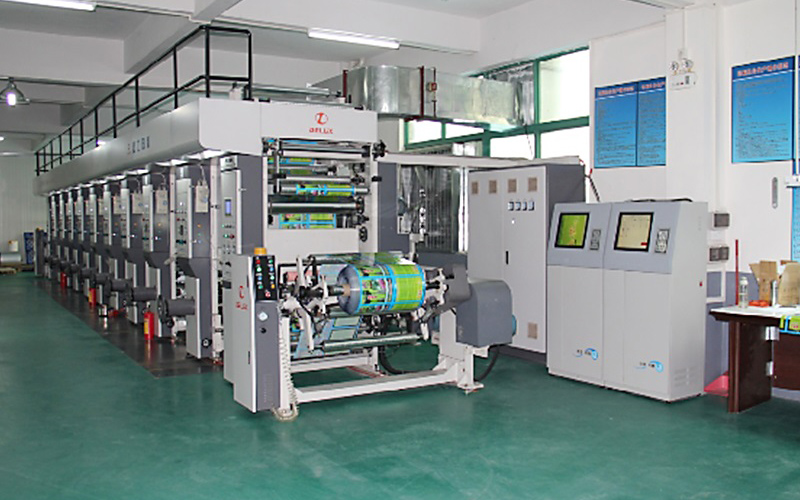
Commissioned our first complete flexible packaging production line, initiating specialized pouch fabrication.
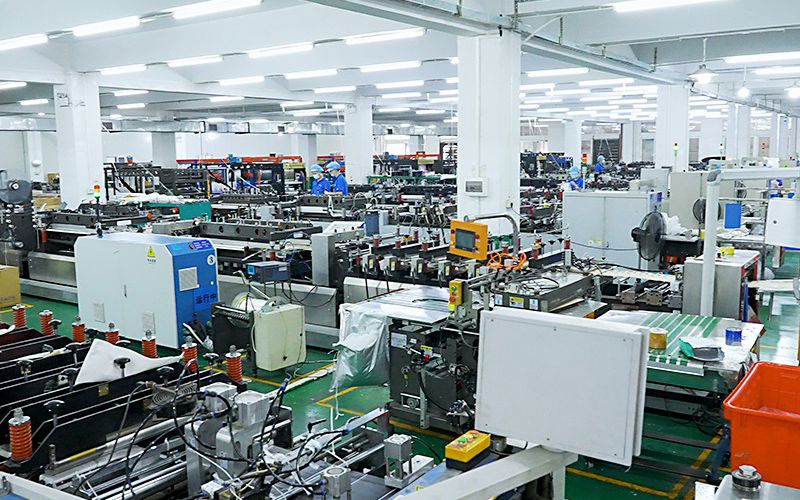
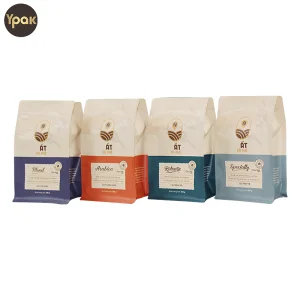
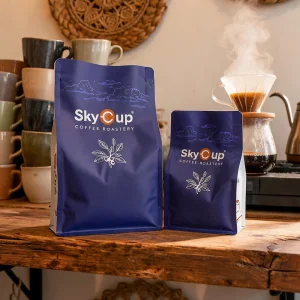
Pioneered advanced flat-bottom pouch (box pouch) production lines for premium global coffee and matcha brands.
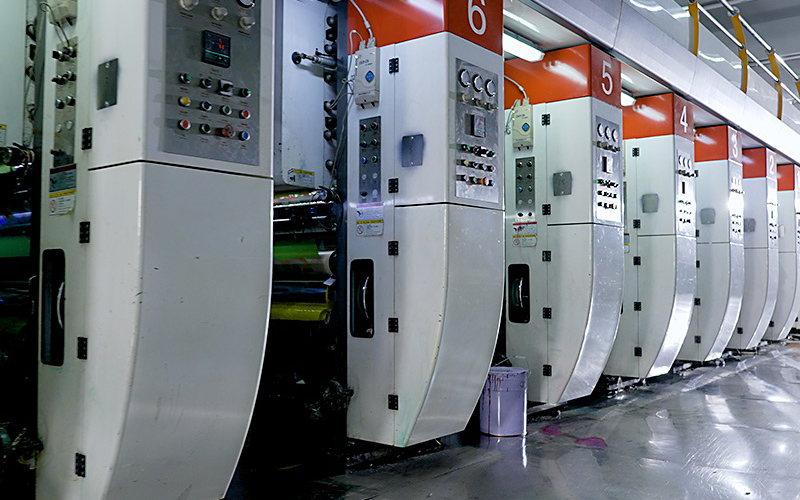
Established our second high-speed facility, expanding daily pouch output to support international market growth.
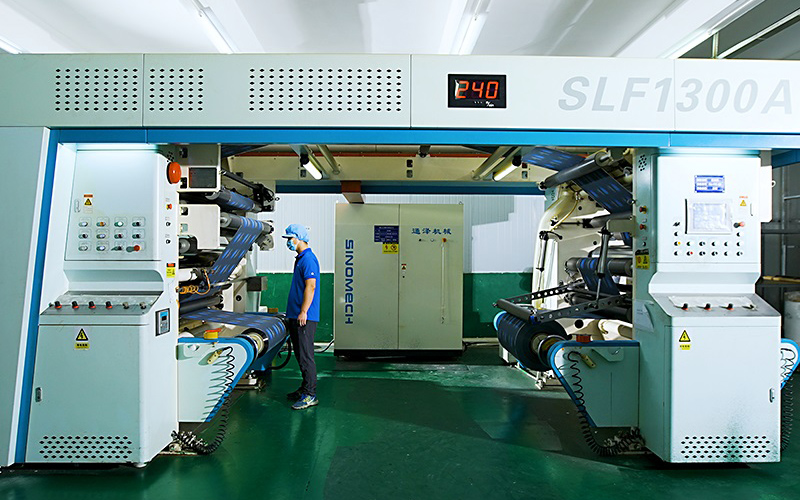
Integrated eco-friendly solvent-free composite lamination technology across all food packaging lines.
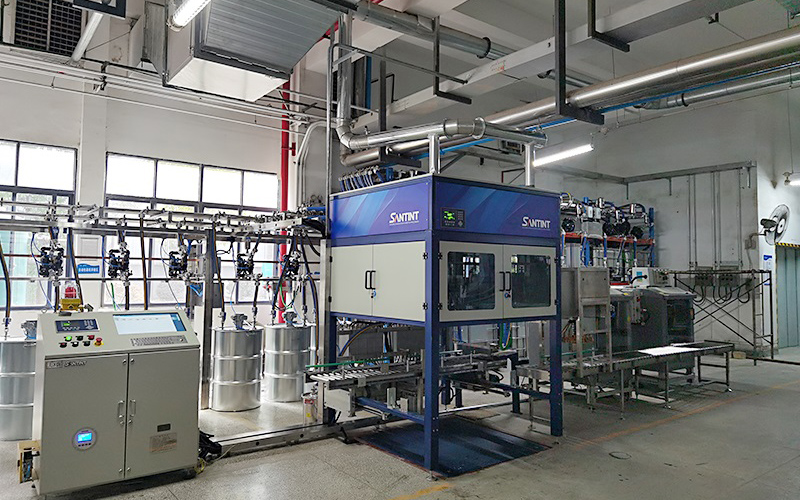
Introduced the automated spectro-photometric ink adjustment system for micro-precise color matching.
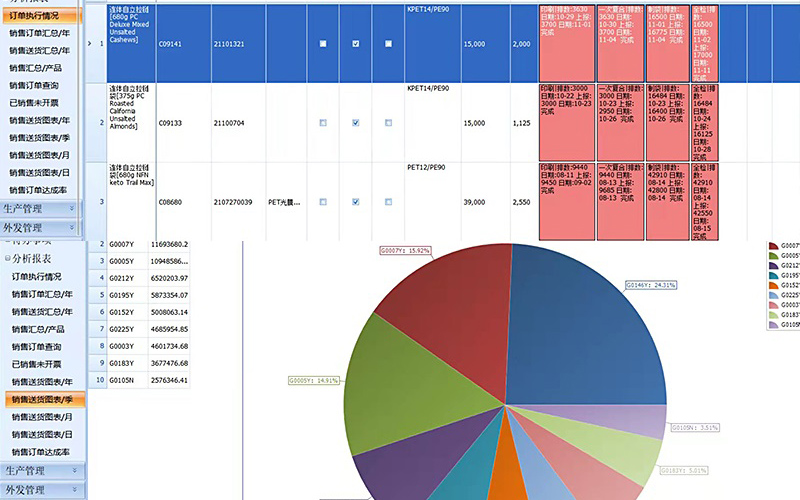
Deployed smart enterprise ERP production management systems for end-to-end material and batch traceability.
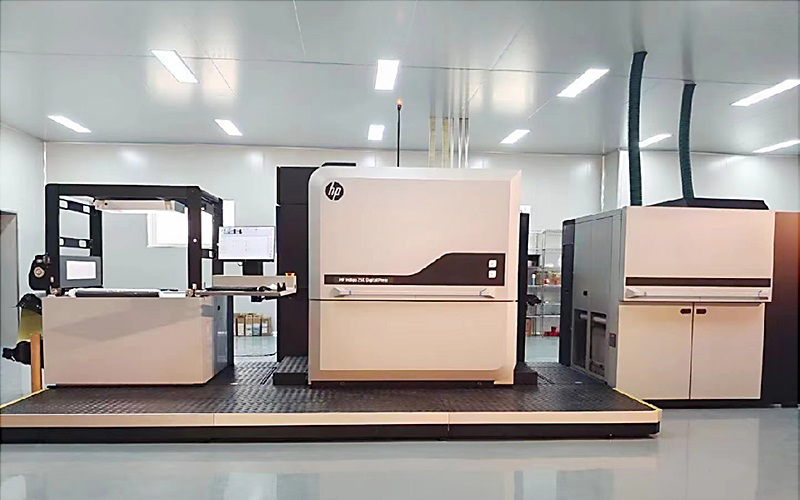
Installed the state-of-the-art HP INDIGO 25K Digital Press, enabling plate-free digital print runs with zero MOQs.
We provide full lifecycle technical support to streamline pouch engineering, barrier selection, artwork design, and logistics execution.
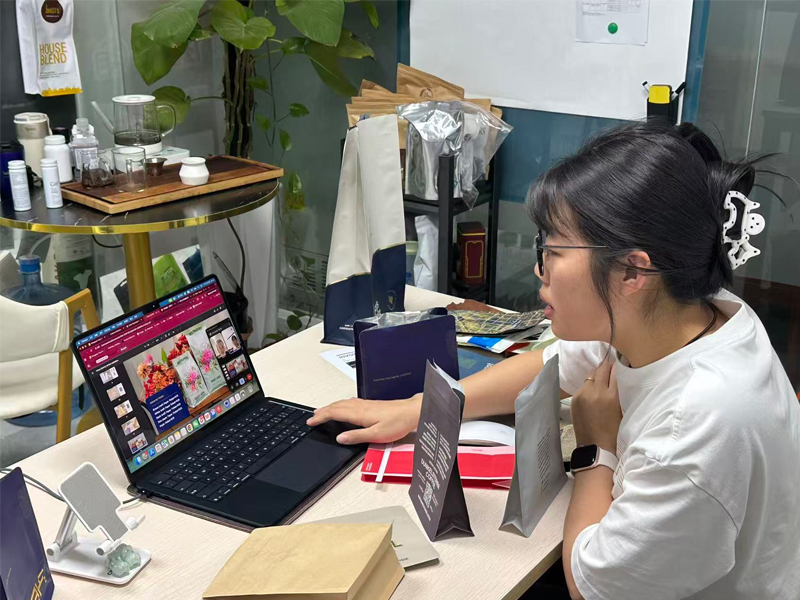
Online Video Confirmation: We improve customer experience through live video proofing and structure verification. We provide one-on-one engineering consultation to select the exact OTR/WVTR film structure for your matcha or coffee product.
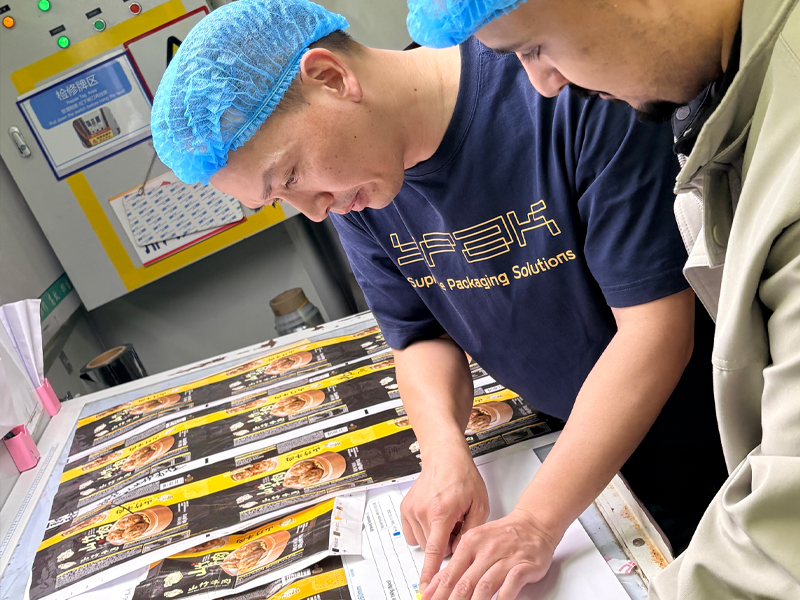
Production Telemetry: We maintain strict oversight of every production stage. Customers receive live video updates, color spectral test reports, and physical sample photos ensuring timely execution and flawless pouch construction.
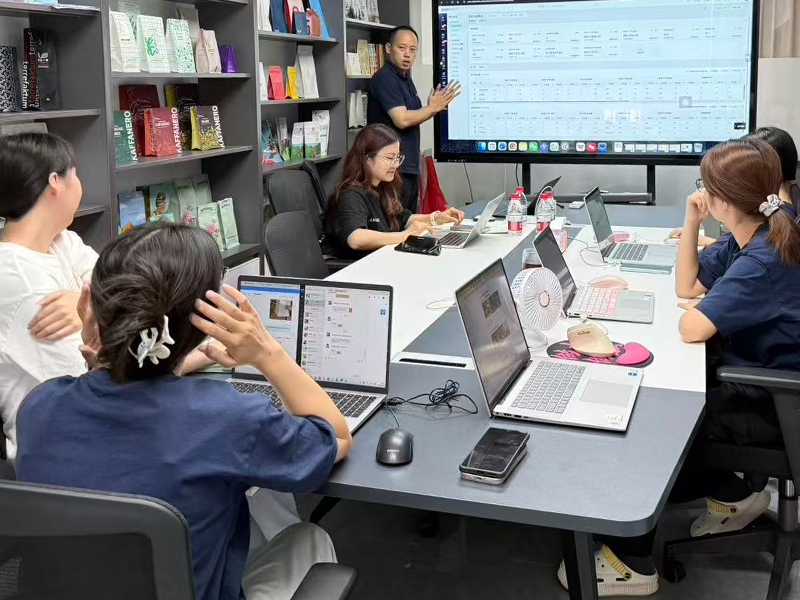
Quality Guarantee: Exceptional after-sales support builds lasting partnerships. We back all shipments with batch certificates of analysis (COA) and dedicated feedback channels to ensure complete product performance satisfaction.
Navigating international food packaging regulations requires strict adherence to regional legislative benchmarks. Chinese OEM oxidation factories must provide full regulatory documentation for export markets.
Designing mono-material PE and PP structures that support closed-loop recycling streams in accordance with European packaging waste directives.
All resins, adhesives, and printing inks meet United States FDA direct and indirect food contact safety specifications.
Certified child-resistant zipper closures designed for specialty botanical extracts and nutritional superfood powders.
Browse our extended product portfolio featuring high-barrier coffee pouches, tea bags, child-resistant packaging, and custom labels.
 YPAK PACKAGING