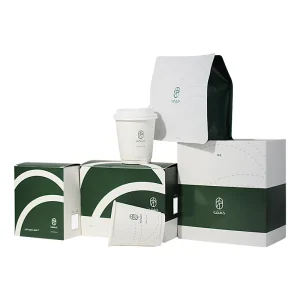
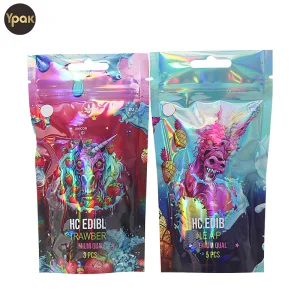
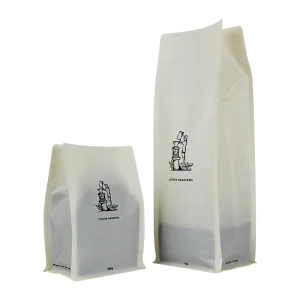
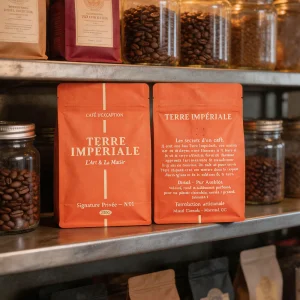
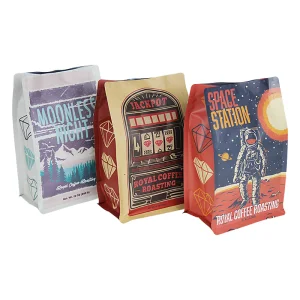
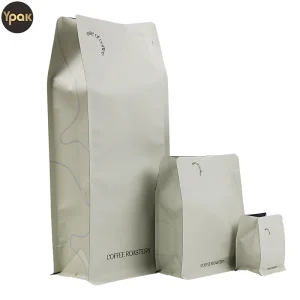
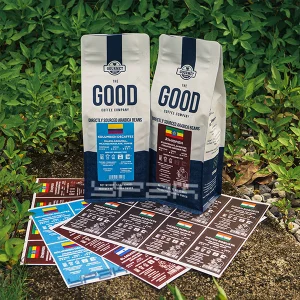
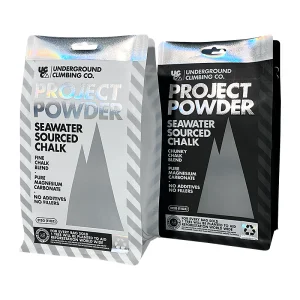
Explore our top-tier light-proof, high-barrier flexible packaging designs specifically engineered for delicate powders, specialty coffees, fine teas, and premium consumer goods.
Matcha (Camellia sinensis) represents one of the most chemically sensitive botanical products in the global food and beverage market. Unlike traditional loose-leaf teas, ceremonial grade matcha is ground into ultra-fine particles ranging from 5 to 15 microns. This massive surface-area-to-volume ratio exponentially accelerates its vulnerability to environmental degradation—most notably photo-oxidation, thermal degradation, ambient moisture ingress, and oxygen exposure.
For international brand owners, distributors, and private-label matcha enterprises, procuring specialized light proof matcha packaging from qualified Chinese manufacturers is not merely a branding decision—it is an essential quality preservation strategy. Light exposure, particularly within the ultraviolet (UV) spectrum (200nm–400nm) and visible light wavelengths (400nm–700nm), triggers rapid destruction of chlorophyll $a$ and $b$. This photo-degradation converts vibrant green chlorophyll into dull, brownish pheophytin, destroying the consumer's visual perception of freshness and quality.
Standard flexible packaging pouches often feature minor microscopic pinholes, subpar seal integrity, or thin metalized film layers (VMPET) with insufficient optical density (OD < 2.0). Genuine light-proof matcha packaging requires an engineered zero-transmittance barrier layer (OD ≥ 4.0), ultra-low oxygen transmission rates (OTR < 0.05 cc/m²/24h), and hermetic thermal seals to prevent the degradation of delicate L-theanine amino acids and volatile aromatic compounds.
To engineer an uncompromising light-proof container, Chinese packaging manufacturers utilize precise multi-layer laminate structures tailored to arrest specific degradation vectors:
Exposure to light initiates photo-sensitized oxidation. Chlorophyll acts as a photosensitizer, producing singlet oxygen ($^1O_2$) which rapidly oxidizes unsaturated lipids and delicate flavor compounds, causing stale, rancid off-flavors.
L-theanine gives high-grade ceremonial matcha its rich umami taste. Heat, oxygen, and UV radiation accelerate the conversion of L-theanine into polyphenolic astringent compounds, ruining the smooth mouthfeel.
Matcha powder has an exceptionally low water activity ($a_w < 0.2$). Moisture absorption (WVTR) causes instant micro-clumping, color darkening, and localized enzymatic deterioration.
Aromatic terpenes and aldehydes evaporate through low-barrier polymers. Multi-layer foil-laminated structures seal aromatic volatile organic compounds (VOCs) inside the pouch.
| Packaging Laminate Structure | Light Transmission (200-700nm) | OTR (cc/m²/24h @ 23°C, 0% RH) | WVTR (g/m²/24h @ 38°C, 90% RH) | Ceremonial Matcha Shelf Life |
|---|---|---|---|---|
| PET / AL / LLDPE (Pure Foil) | 0.00% (Absolute Zero) | < 0.05 | < 0.05 | 18 – 24 Months |
| Kraft / AL / LLDPE | 0.00% (Absolute Zero) | < 0.05 | < 0.05 | 18 – 24 Months |
| PET / VMPET / LLDPE (Metalized) | < 0.50% (Slight Leakage) | < 0.50 | < 0.50 | 6 – 12 Months |
| Recyclable Mono-PE High Barrier (EVOH) | < 0.10% (With Opaque Inks) | < 0.80 | < 0.80 | 12 Months |
When procuring light-proof matcha packaging from China, supply chain reliability, food-contact compliance, and advanced equipment are non-negotiable. YPAK Packaging Group stands at the forefront of high-barrier flexible packaging innovation, bridging world-class technology with cost-effective Chinese manufacturing operations.
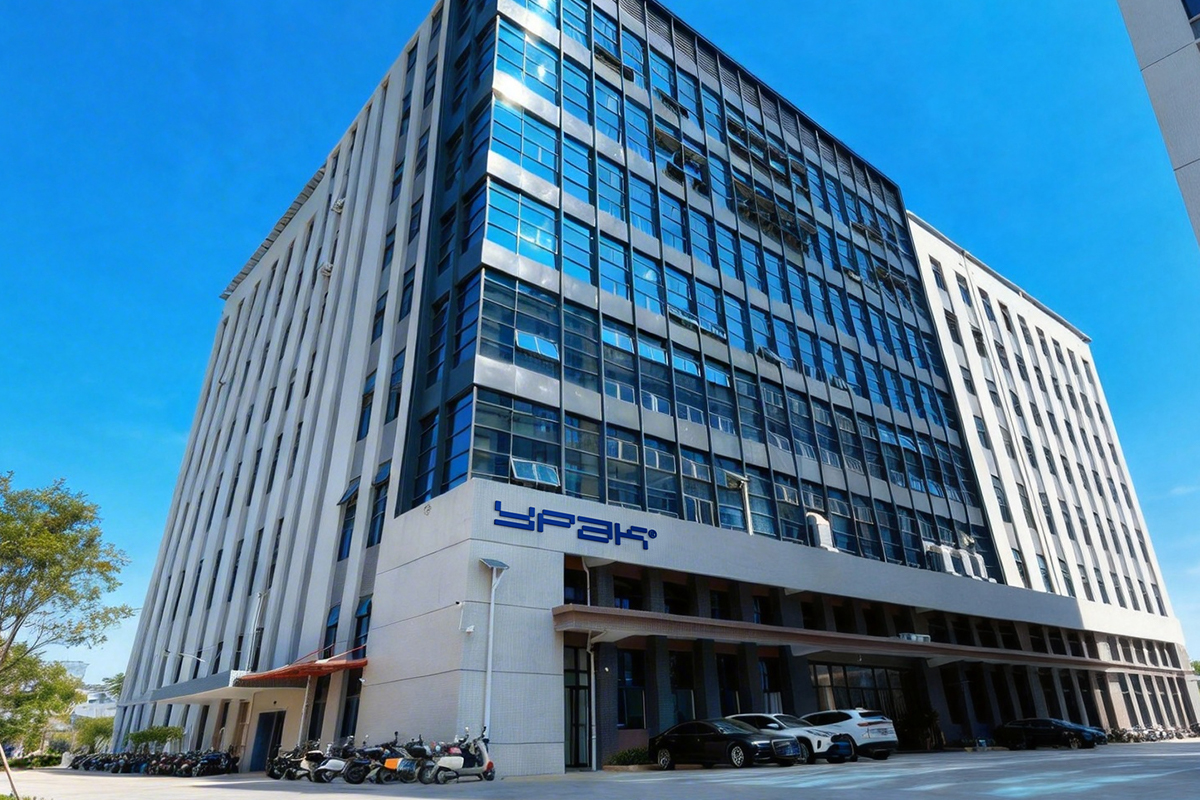
Founded in 2011, YPAK operates three state-of-the-art facilities across Hong Kong, Dongguan, and Foshan, emerging as one of China’s leading coffee, tea, and food packaging manufacturers.
Our Foshan and Dongguan plants are BRCGS Food Safety and ISO 22000:2018 certified—ensuring every pouch meets rigorous global food contact standards with full batch traceability. We fit Swiss WIPF one-way valves as standard for coffee lines and utilize advanced high-density foil sealing systems for matcha powders, delivering industry-leading technology to maintain product freshness.
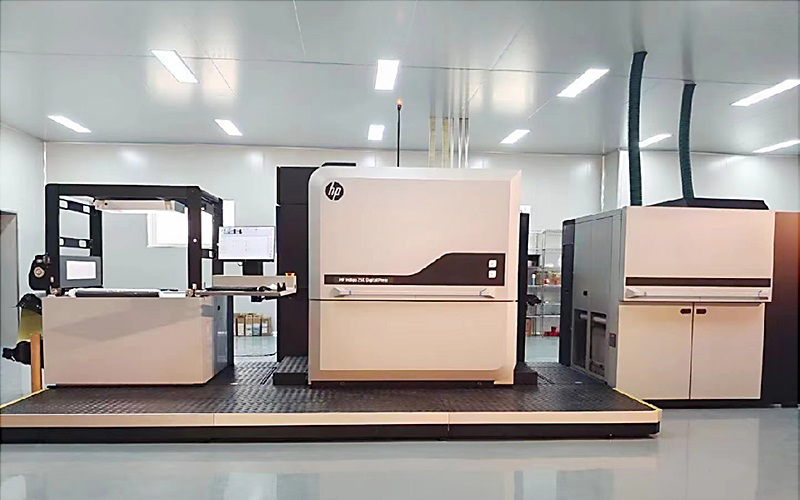
Our flagship HP Indigo 25K Digital Press enables custom print runs with zero plate fees and zero minimum order quantity (MOQ) barriers—perfect for limited ceremonial releases, private labels, and rapid market testing. With a proven 99.5% on-time delivery rate, YPAK keeps global packaging production lines seamless and scalable.
In May 2012, commissioned the first complete automated flexible packaging production line.
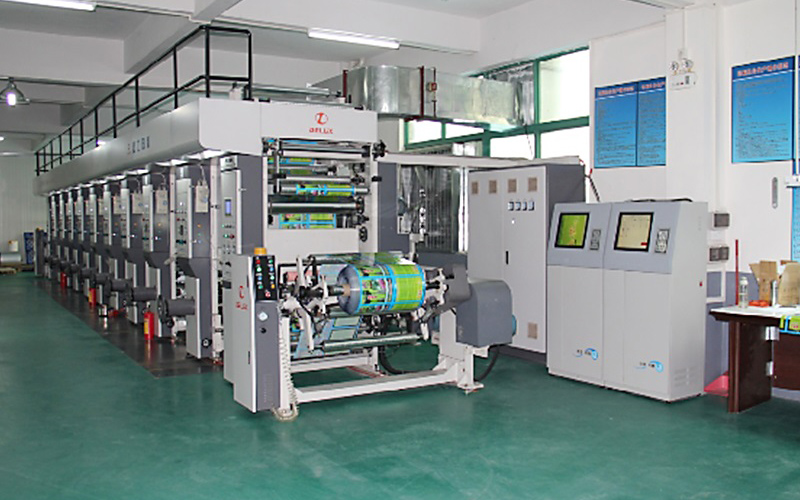
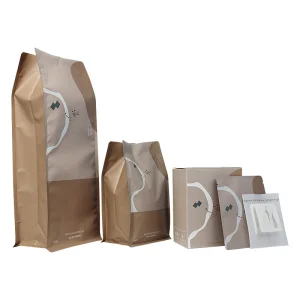
In March 2016, pioneered advanced flat-bottom pouch manufacturing lines for premium stand-up stability.
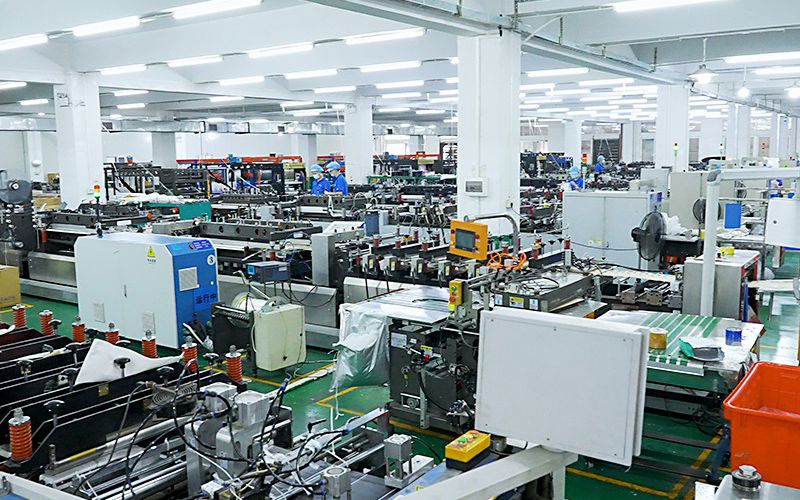
In August 2017, established the second high-speed converting production facility to scale capacity.
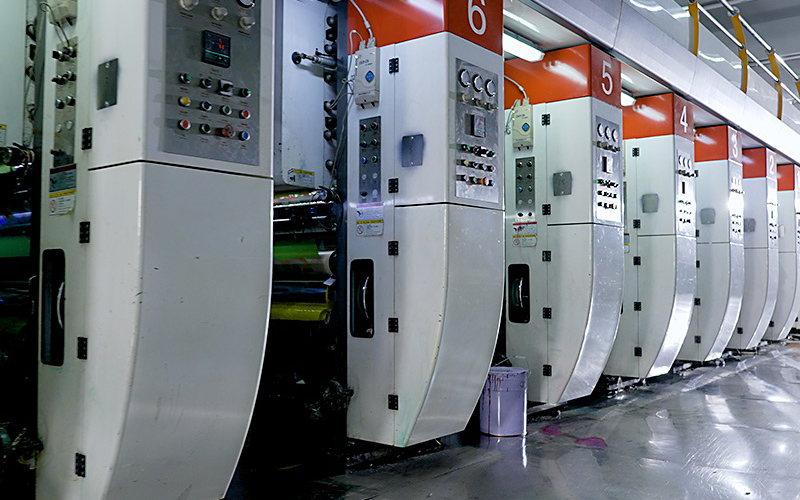
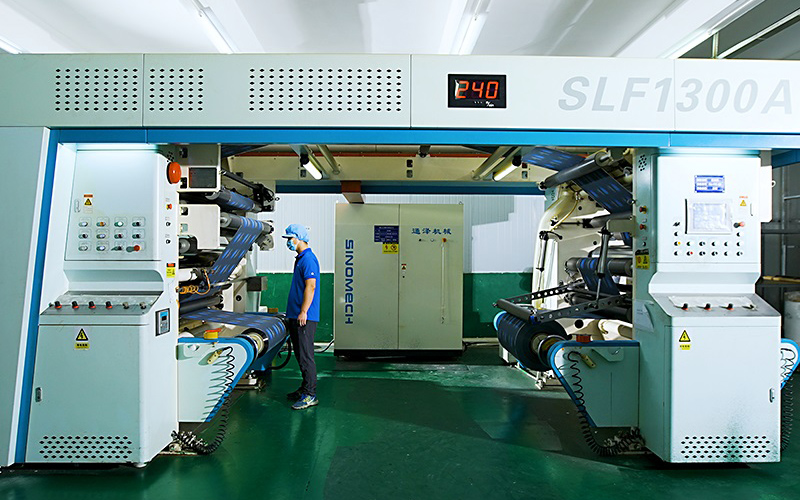
In April 2018, integrated 100% solvent-free composite lamination technology to eliminate chemical odors and VOC emissions.
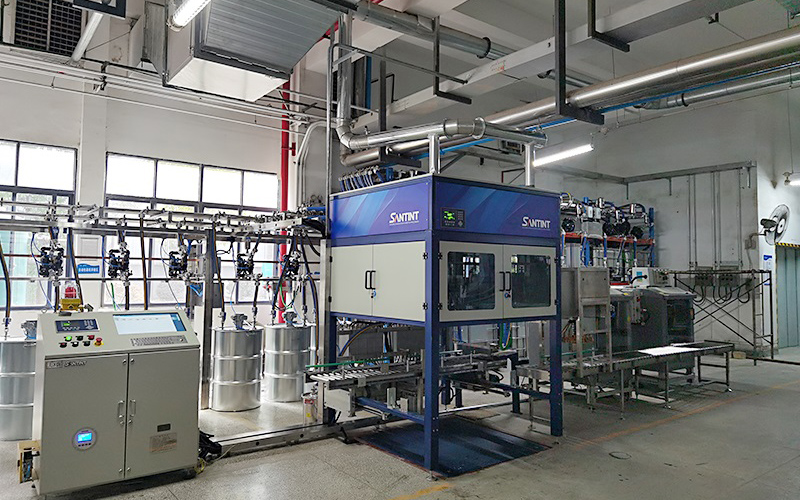
In June 2020, introduced an automatic ink adjustment system for precise Delta-E color consistency across mass runs.
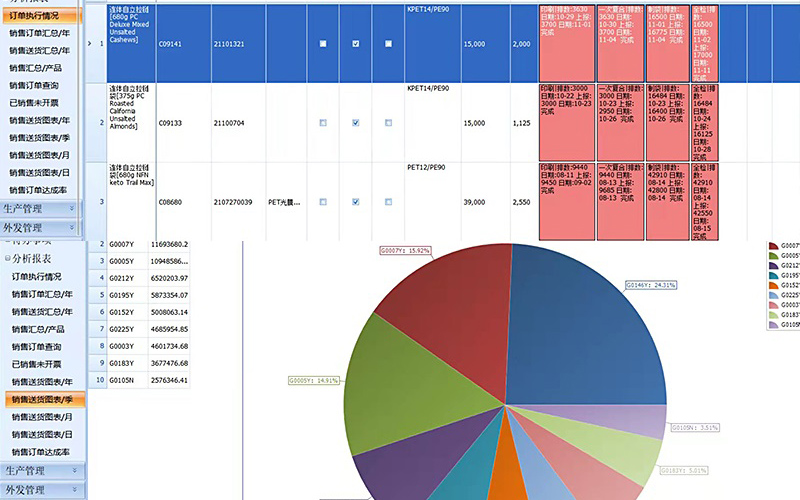
Deployed integrated ERP production management software for real-time order tracking and materials traceability.
In October 2021, acquired the state-of-the-art HP INDIGO 25K digital printing press, revolutionizing short-run customized packaging for international tea and coffee brands.
Seamless communication and rigorous quality control are the backbones of YPAK’s global export operations. We eliminate distance barriers through interactive digital workflows:
One-on-one engineering consultations clarify barrier requirements, dimensions, and artwork parameters. We eliminate guesswork by offering real-time online video confirmations to verify physical proofs, texture samples, and structural mockups before mass manufacturing starts.
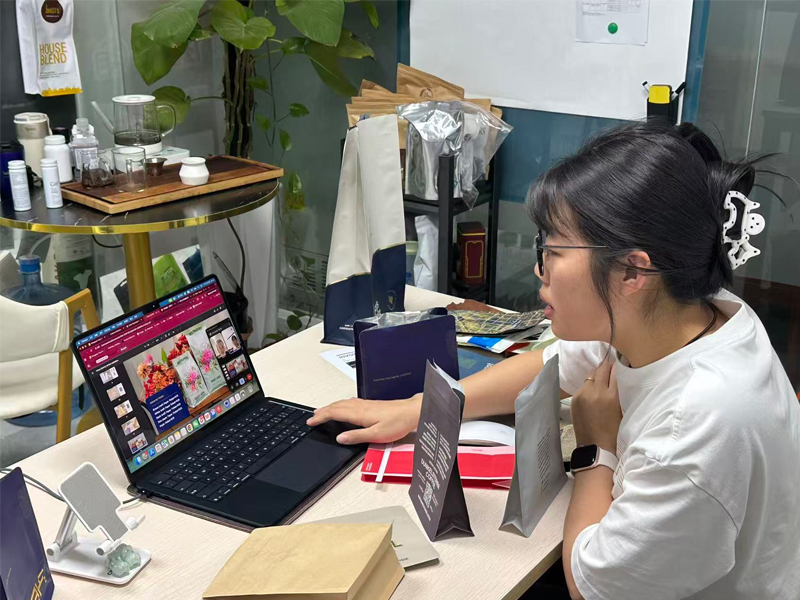
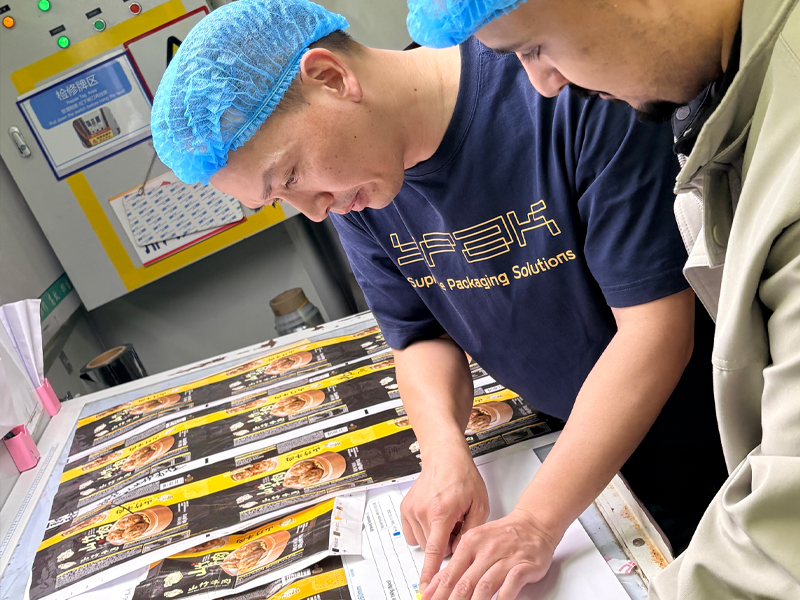
We maintain full control over each production phase—slitting, printing, lamination, and pouch making. Clients receive live video updates and high-resolution photo logs, allowing complete visibility into batch execution and quality audits.
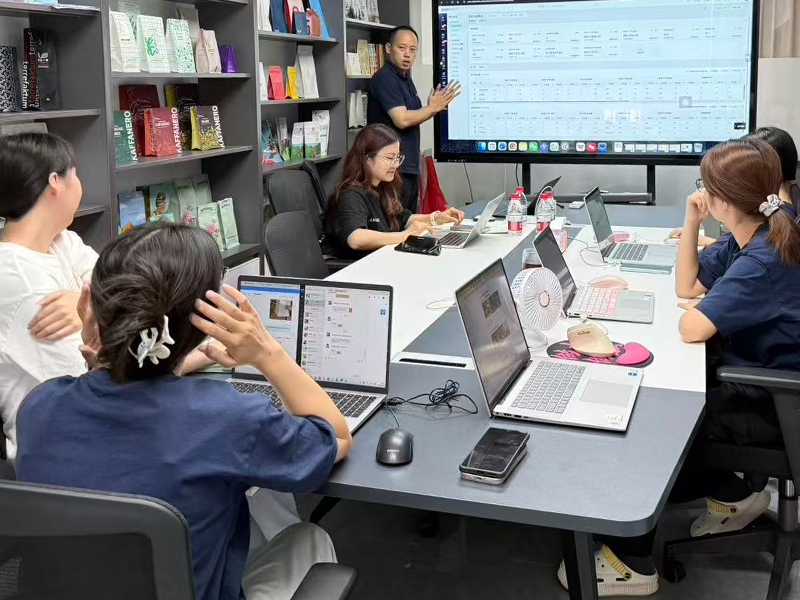
Our relationship extends long after shipment delivery. We gather post-market performance feedback, provide sealing machine parameter calibration for your filling lines, and back every product with a full satisfaction guarantee.
As global environmental directives tighten—including the European Union’s Packaging and Packaging Waste Regulation (PPWR) and the UK Plastic Packaging Tax—tea brands must balance oxygen/light barrier performance with eco-sustainability.
By utilizing advanced High-Density PE combined with EVOH ultra-thin barrier coatings, YPAK manufactures 100% Mono-PE stand-up pouches that fit cleanly into RIC 2 plastic recycling streams without sacrificing oxygen resistance.
Formulated from plant-based Polylactic Acid (PLA), PBAT, and kraft paper, our certified compostable pouches disintegrate into non-toxic organic biomass within 180 days under composting conditions (EN 13432 compliant).
Our solvent-free composite processes eliminate hazardous organic solvents completely, guaranteeing zero chemical migration into sensitive organic matcha powders while maintaining robust dynamic bond strength.
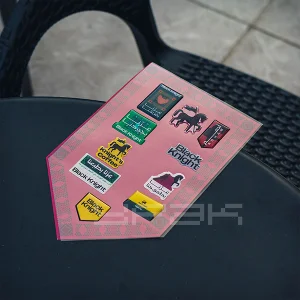
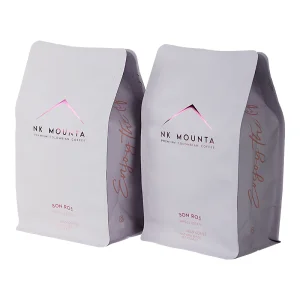
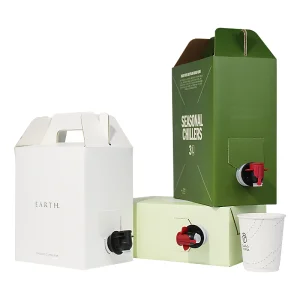
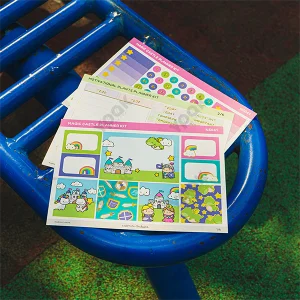
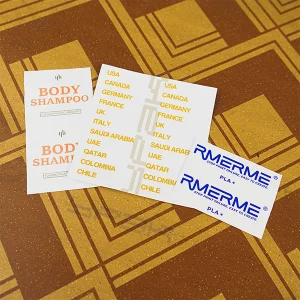
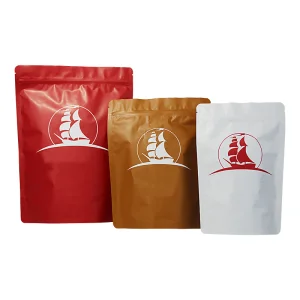
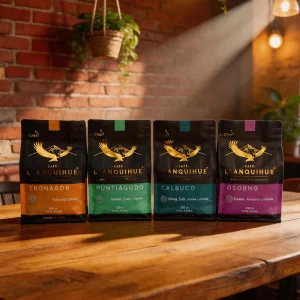
Discover our expanded product line including custom embossed holographic stickers, eco-friendly bag-in-box dispensers, matte-finished coffee pouches, and brand transfer labels.
 YPAK PACKAGING