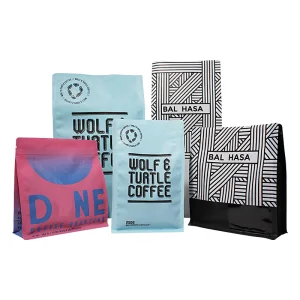
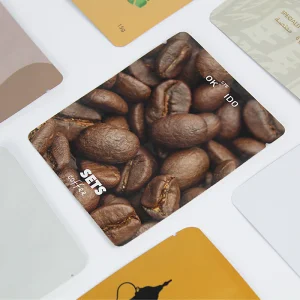
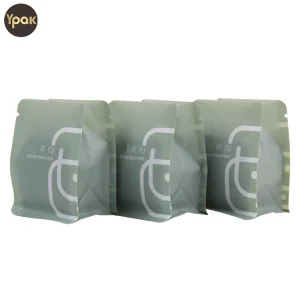
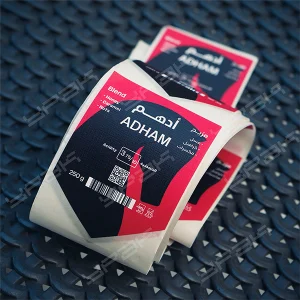
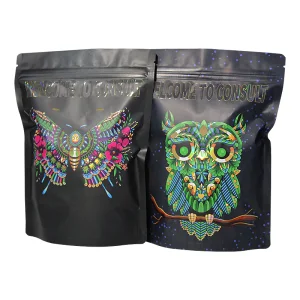
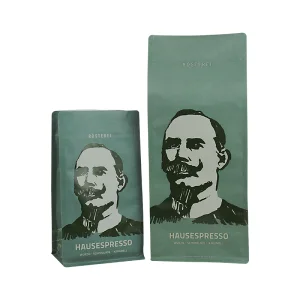
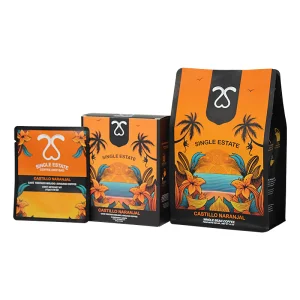
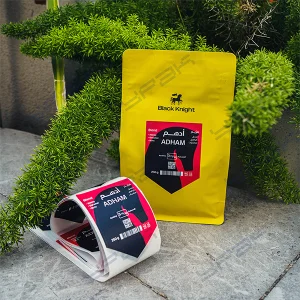
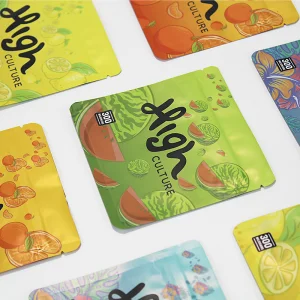
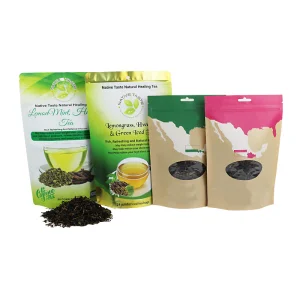
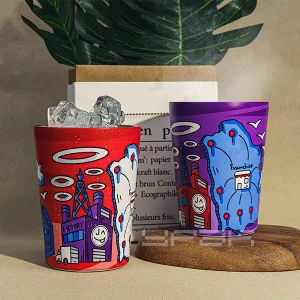
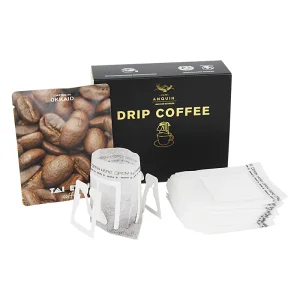
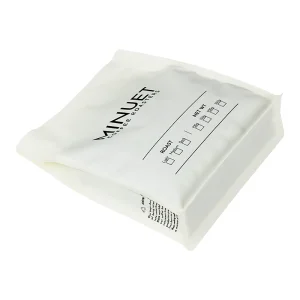
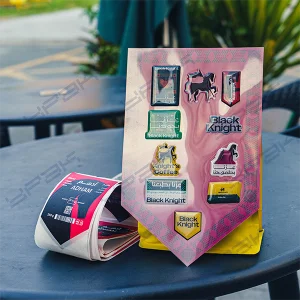
Explore our premium product catalog tailored for coffee roasters, food packaging brands, and wholesale distributors worldwide.
How Modern Barrier Engineering and Chinese OEM Ecosystems Are Reshaping Specialty Coffee Logistics.
Specialty coffee beans post-roasting emit substantial volumes of carbon dioxide (CO2)—up to 10 liters of gas per kilogram of coffee over a 14-day degassing phase. If packaged in an airtight container without degassing mechanisms, pouches swell, rupture, or compromise seal integrity. Conversely, exposure to atmospheric oxygen rapidly oxidizes delicate coffee lipids, destroying volatile aromatic compounds like aldehydes, pyrazines, and esters.
As leading China Kraft Paper Coffee Bag Suppliers & Factories, advanced packaging engineers combine natural tactile craft aesthetics with multi-layer high-barrier foil laminations. Incorporating one-way degassing valves (such as Swiss WIPF valves) permits CO2 evacuation while preventing exterior oxygen ingress, maintaining the Micro-Oxygen Transmission Rate (OTR) under 0.5 cc/m²/24hrs.
Combining Decades of Craftsmanship with World-Class Quality Standards and Digital Innovation.
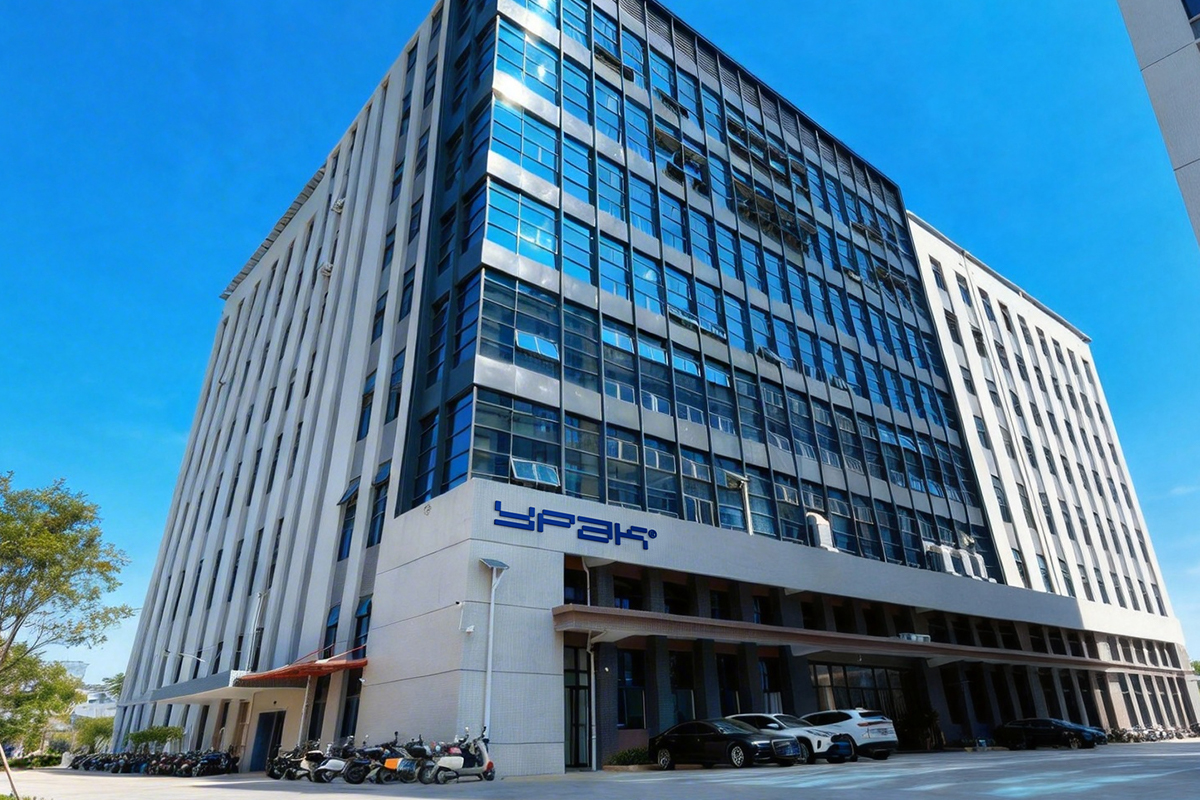
YPAK PACKAGING GROUP was founded in 2011 and operates three state-of-the-art facilities across Hong Kong, Dongguan, and Foshan, emerging as one of China’s leading coffee bag manufacturers.
Our Foshan and Dongguan plants are BRCGS Food Safety and ISO 22000:2018 certified—ensuring every pouch meets rigorous global food contact standards with full end-to-end batch traceability. We fit Swiss WIPF one-way valves as standard, delivering industry-leading technology to maintain peak coffee freshness across extended shelf-lives.
Our HP Indigo 25K digital press enables low-MOQ, plate-free production runs with photorealistic print quality—perfect for specialty roasters, seasonal limited editions, and immediate market testing.
A continuous evolution of technological investments, sustainable innovation, and production scaling.
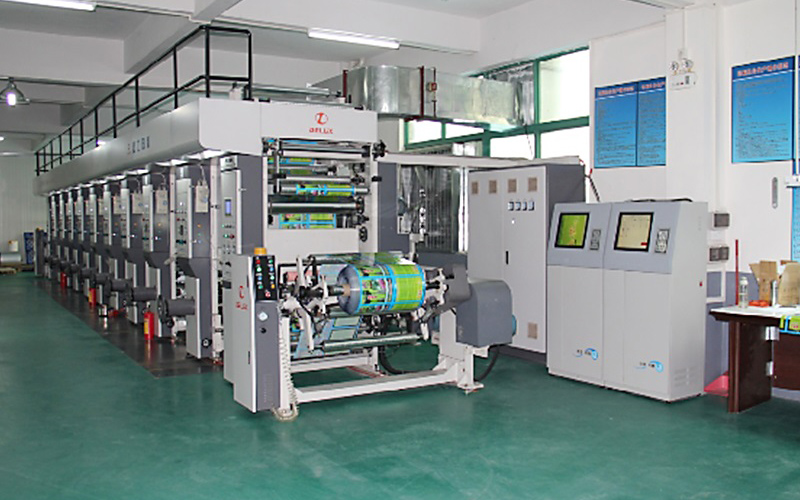
In May 2012, YPAK commissioned its first complete flexible packaging production line, laying the groundwork for specialized food-grade pouch manufacturing.
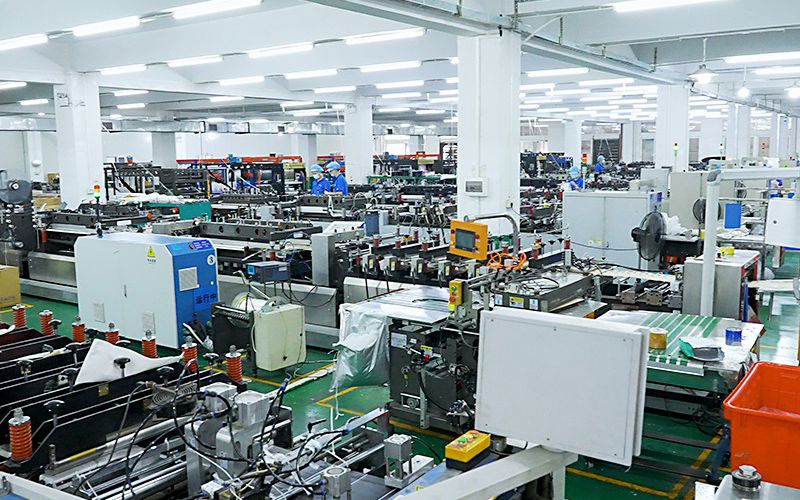
In March 2016, began producing flat-bottom box pouches, offering enhanced shelf stability and expanded branding surfaces for specialty roasters.
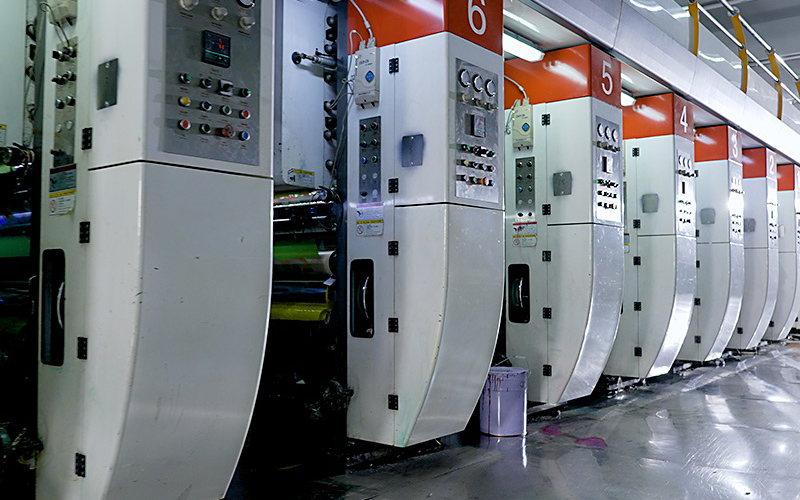
In August 2017, established our second high-speed automated production line to double capacity and satisfy escalating export demand from European and North American markets.
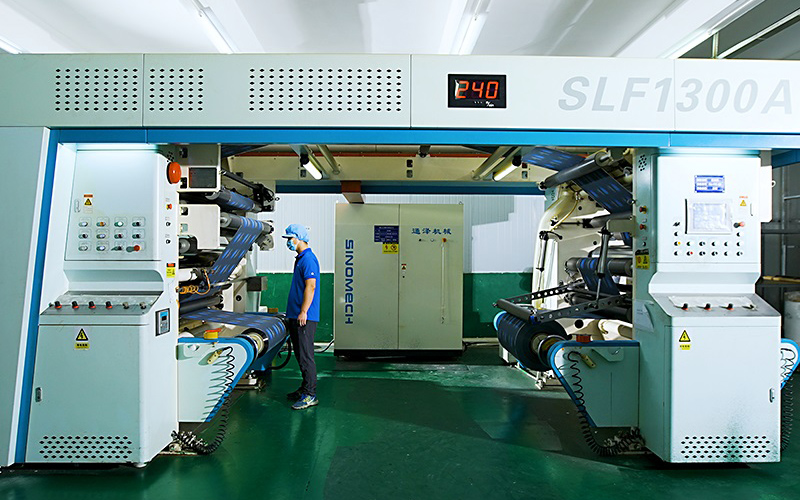
In April 2018, integrated solvent-free composite lamination technology, drastically reducing volatile organic compound (VOC) emissions and improving food contact safety.
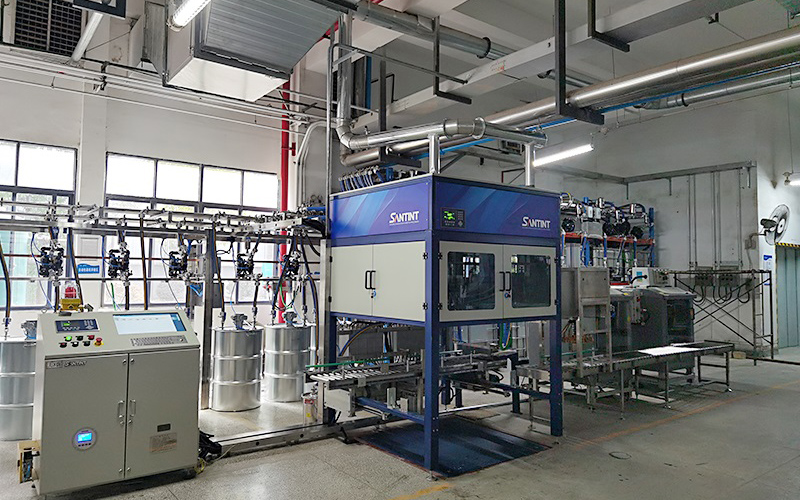
In June 2020, introduced an automatic ink adjustment system, achieving precise Delta E color consistency across complex multi-sku rotogravure print runs.
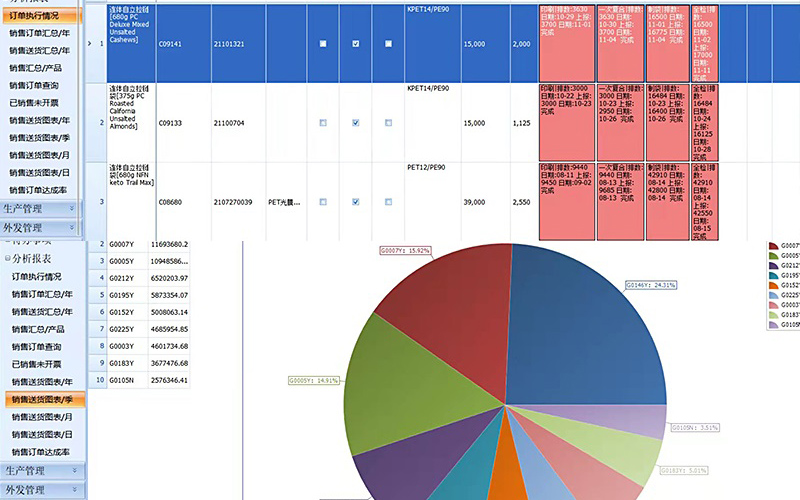
In July 2020, fully implemented an enterprise ERP production monitoring system, enabling real-time tracking, material management, and achieving our 99.5% on-time delivery metric.
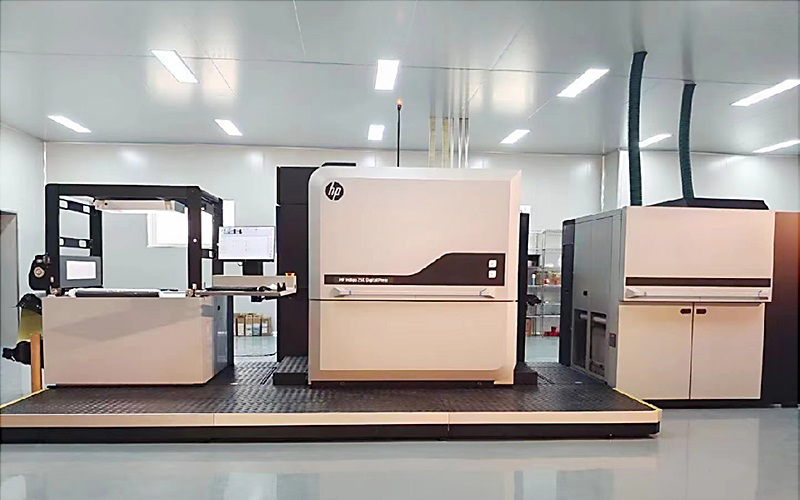
In October 2021, acquired the state-of-the-art HP INDIGO 25K Digital Printing Machine, unlocking plate-free printing, fast artwork turnarounds, and custom variable data capability for global clients.
Comparing Barrier Performance, Recyclability, and Thermal Properties Across Packaging Laminates.
Choosing the correct kraft paper laminate structure requires balancing sensory protection, mechanical stiffness, shelf appearance, and environmental impact. Below is an engineering comparison matrix designed for procurement specialists and coffee brand founders:
| Laminate Structure | Barrier Level (OTR / WVTR) | Tactile & Visual Finish | Sustainability Profile | Recommended Applications |
|---|---|---|---|---|
| Natural Kraft / VMPET / PE | Ultra-High (< 0.5) | Natural Kraft Texture / Matte | Standard Multi-Layer Laminate | Whole Coffee Beans (12–24 Months Shelf Life) |
| Natural Kraft / EVOH-PE | High (< 1.0) | Soft Tactile Organic Finish | 100% Store Drop-off Recyclable (Mono-PE) | Specialty Organic Coffee Beans (6–12 Months) |
| FSC Kraft / NK Paper / PLA | Medium (< 2.5) | Unbleached Organic Kraft | 100% Industrially Compostable (EN 13432) | Fast-Rotational Artisan Coffee & Local Roasters |
| Bleached White Kraft / ALU / PE | Maximum (< 0.1) | Crisp White Gloss or Smooth Matte | High-Barrier Aluminum Shield | Ground Coffee, Freeze-Dried Coffee Powder |
Ensuring transparent communication, total batch compliance, and continuous supply chain assurance.
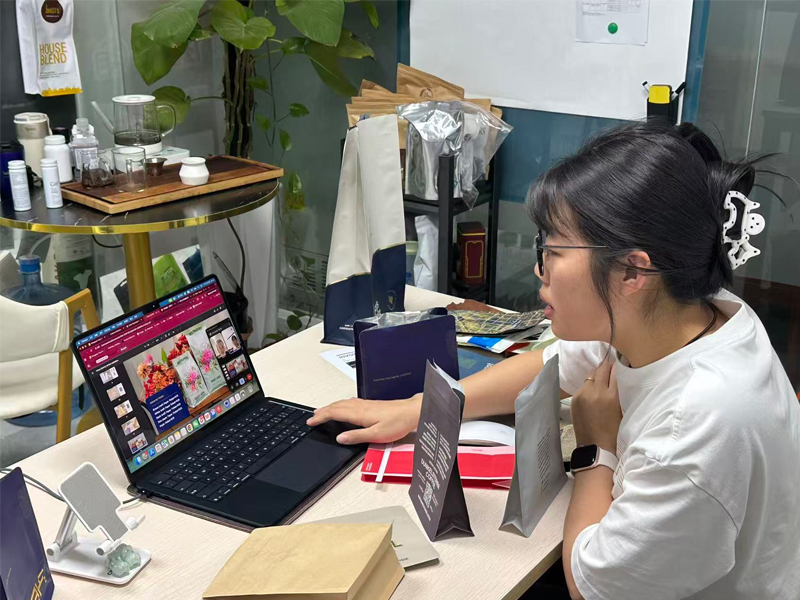
Improving customer experience through online video confirmation: One of the keys to meeting customer needs is providing excellent pre-sales service, building a solid foundation for long-term strategic relationships.
We provide tailored one-on-one service to ensure accurate artwork alignment, barrier selection, and fast pre-production sampling. Online video confirmations eliminate guesswork, enabling brand owners to inspect material textures, color proofs, and valve integration prior to full-scale runs.
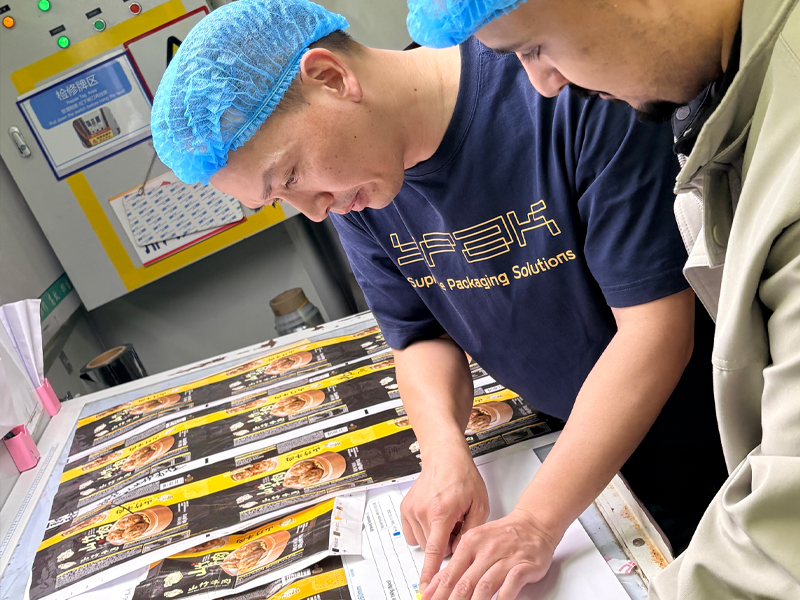
Maintaining absolute control over the production process: Our mid-sale service ensures a seamless transition from order placement to final dispatch.
By closely monitoring and managing each stage—slitting, printing, lamination, and pouch converting—we maintain total quality control. Clients receive regular photo and video updates, enabling buyers to visually track manufacturing progress, seal inspection test results, and palletized packaging in real time.
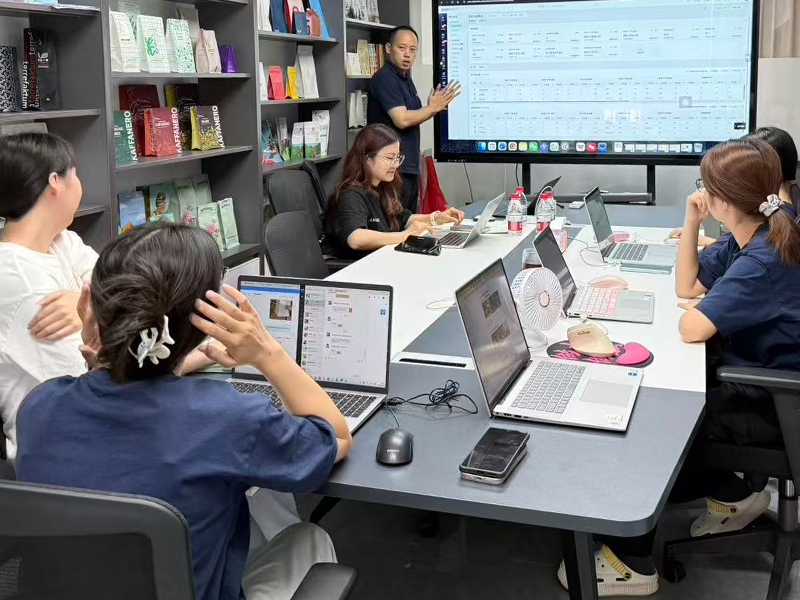
Sustained partnership and quality guarantees: Providing outstanding after-sales support enhances long-term commercial trust and delivers positive word-of-mouth value.
We maintain active post-delivery channels to gather performance feedback on automatic filling lines, logistics endurance, and retail shelf performance. Continuous training and responsive technical resolution ensure long-term success in dynamic competitive markets.
Unlocking Supply Chain Economies, Regulatory Compliance, and Rapid Scaling for International Brands.
China's Pearl River Delta (Foshan, Dongguan, Shenzhen) represents the world’s most dense eco-system for flexible packaging components. Direct proximity to raw material producers—such as certified FSC Kraft paper mills, high-purity resin suppliers, and Swiss-grade degassing valve plants—yields a 25% to 40% cost efficiency relative to domestic European or North American converters without sacrificing structural barrier performance.
Navigating global plastics restrictions requires localized compliance. Packaging structures supplied by YPAK comply directly with:
Stay ahead of regulatory updates, consumer preferences, and smart packaging technological shifts.
Traditional multi-material films (e.g., PET/ALU/PE) are increasingly subject to environmental surcharges. Mono-material PE structures combined with high-barrier EVOH layers allow complete recycling within standard store drop-off streams while preserving a 12+ month shelf life.
Micro-roasters and digital native brands require speed-to-market without locking up capital in printing plates. Digital presses allow multiple SKUs, seasonal roast variations, and localized co-branding promotions to be printed in single batch runs with zero plate setup costs.
Integrating unique QR codes and serialized batch tracking onto flexible pouches allows consumers to trace coffee beans back to specific origin farms, elevation profiles, and roast dates, elevating brand storytelling and transparency.
Expert answers addressing technical, operational, and commercial inquiries for B2B coffee packaging sourcing.
Discover specialized packaging solutions, custom sticker sheets, hanging ear drip pouches, and promo accessories.
 YPAK PACKAGING