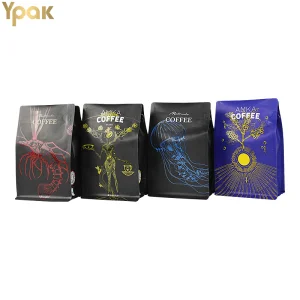
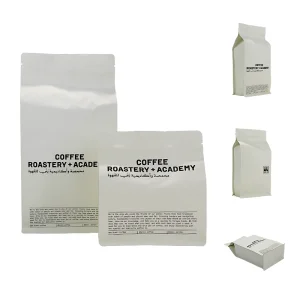
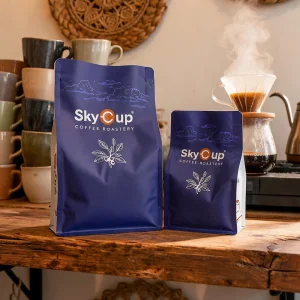
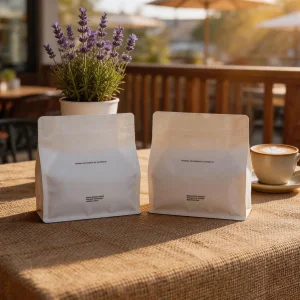
Understanding why "How to Store Matcha Powder" is a multi-million dollar logistics challenge.
Matcha powder is not just tea; it is a delicate, pulverized suspension of Tencha leaves, rich in chlorophyll, L-theanine, and catechins. Unlike traditional loose-leaf tea, its increased surface area makes it exponentially more susceptible to oxidation, photo-degradation, and moisture absorption. In the global industrial landscape, the difference between "culinary grade" and "premium ceremonial grade" often boils down to how the product was stored and packaged at the China Factory level.
As a leading Matcha Powder Manufacturer & Factory, YPAK understands that storage is a thermodynamic battle. The vibrant green color—a primary indicator of quality and market value—is fugitive. Exposure to UV light causes chlorophyll to break down into pheophytin, turning the powder from jade to a dull olive brown. Oxygen reacts with the delicate lipids in the tea, creating off-flavors. Our packaging solutions are engineered to counteract these specific biochemical threats.
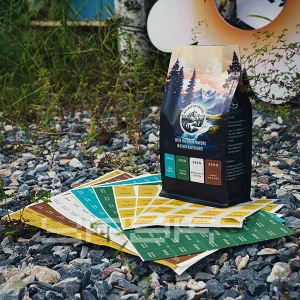
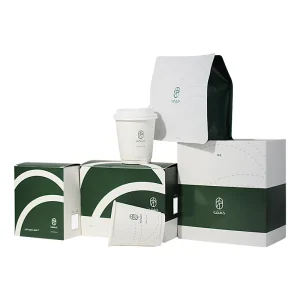
Our pouches utilize high-opacity aluminum foil layers that provide a 100% light barrier, ensuring zero photon penetration during long-haul shipping and retail display.
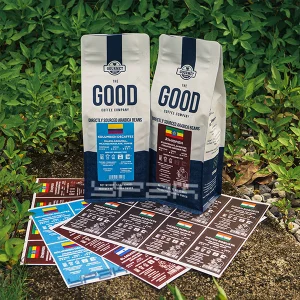
Utilizing Swiss WIPF one-way valves, we allow internal gases to escape while preventing oxygen ingress, maintaining a stable internal micro-environment for the matcha.
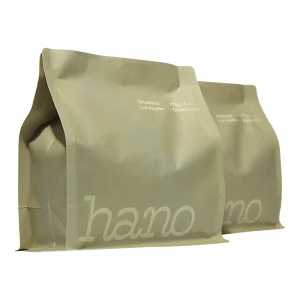
Multi-layered composite structures (VMPET/PE) act as a thermal buffer, reducing the rate of temperature fluctuation which can accelerate metabolic decay in the tea powder.
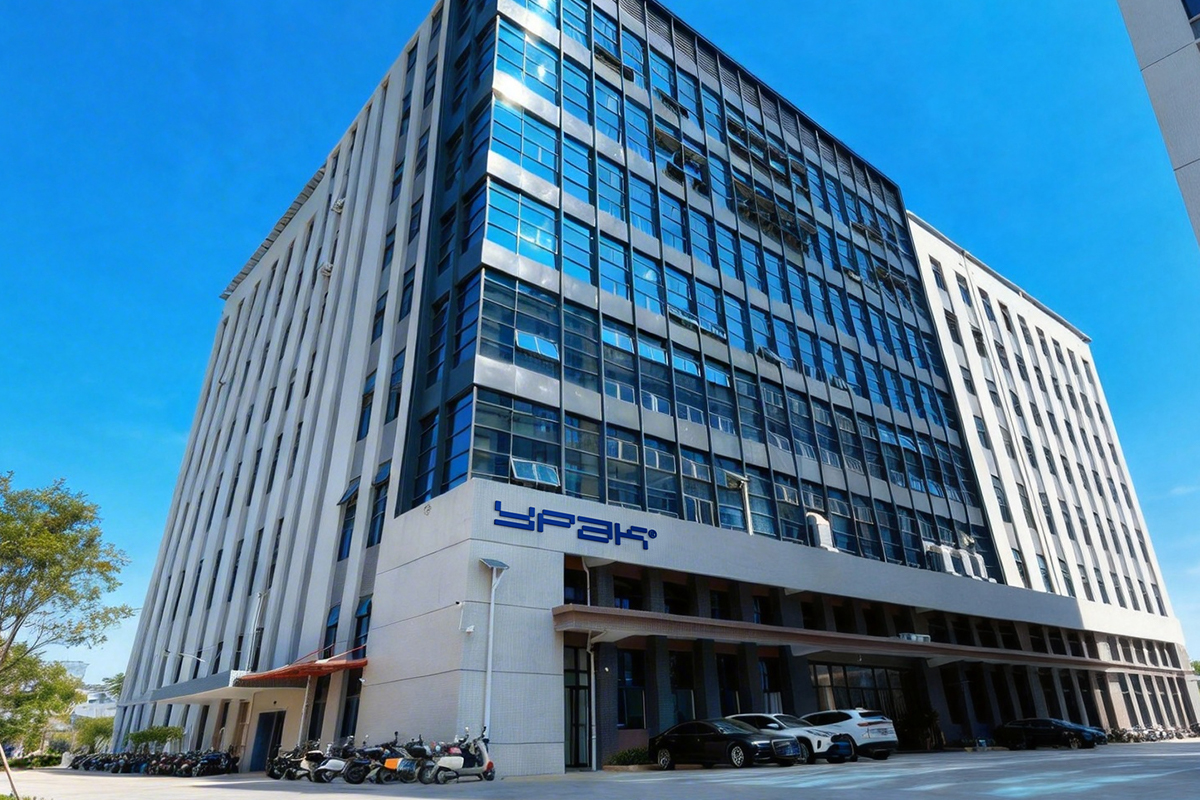
The global matcha market is projected to reach USD 5.5 billion by 2027. China's manufacturing sector has evolved from a volume provider to a high-tech innovation hub. The efficiency of a China Matcha Packaging Factory like YPAK lies in the integration of the entire supply chain.
Founded in 2011, Redefining Flexible Packaging Excellence.
YPAK PACKAGING GROUP operates three facilities across Hong Kong, Dongguan, and Foshan, emerging as one of China’s leading coffee and tea bag manufacturers. Our Foshan and Dongguan plants are BRCGS Food Safety and ISO 22000:2018 certified—ensuring every pouch meets rigorous global food contact standards with full traceability.
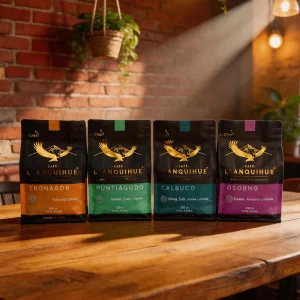
We fit Swiss WIPF one-way valves as standard, delivering industry-leading technology of keeping freshness in our packaging. Our HP Indigo 25K digital press enables MOQ-free, plate-free runs with photorealistic print quality—perfect for limited editions and market testing.
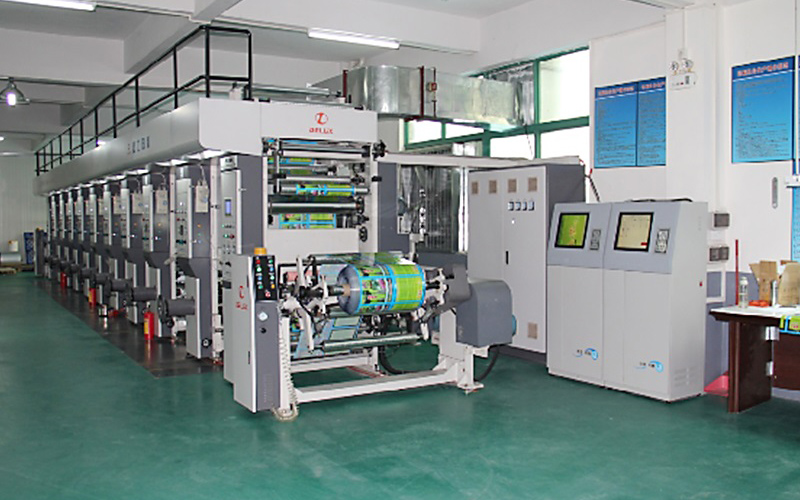
2012
First complete flexible packaging production line.
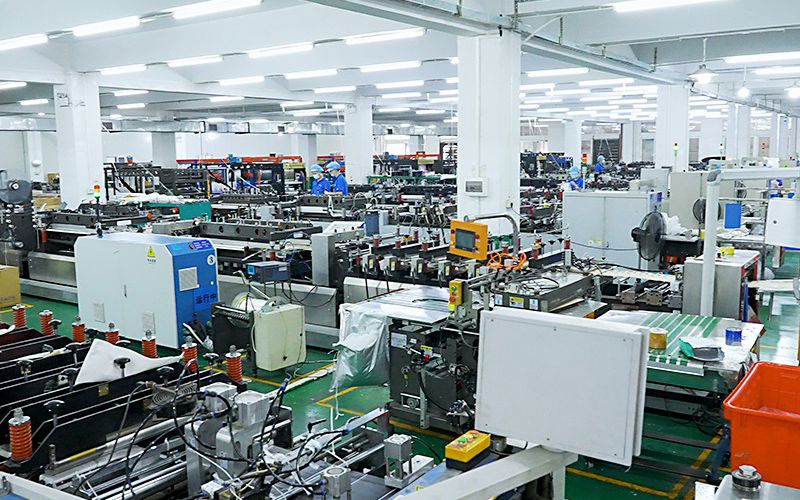
2016
Began to produce flat bottom bags.
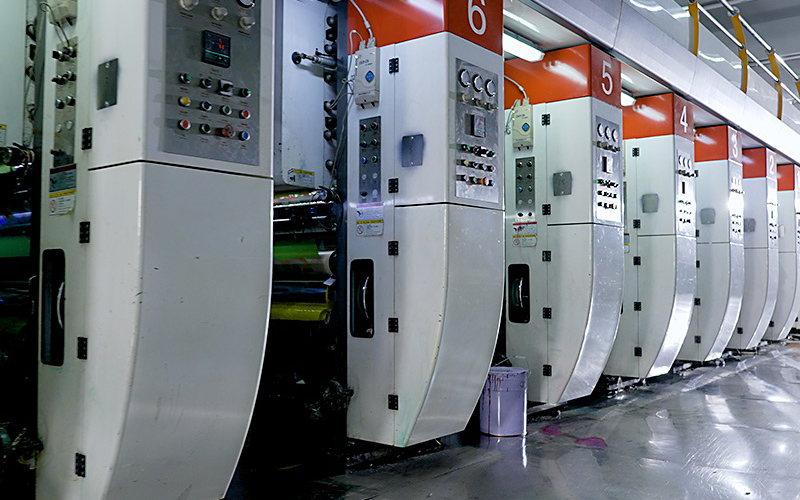
2017
Second production line established.
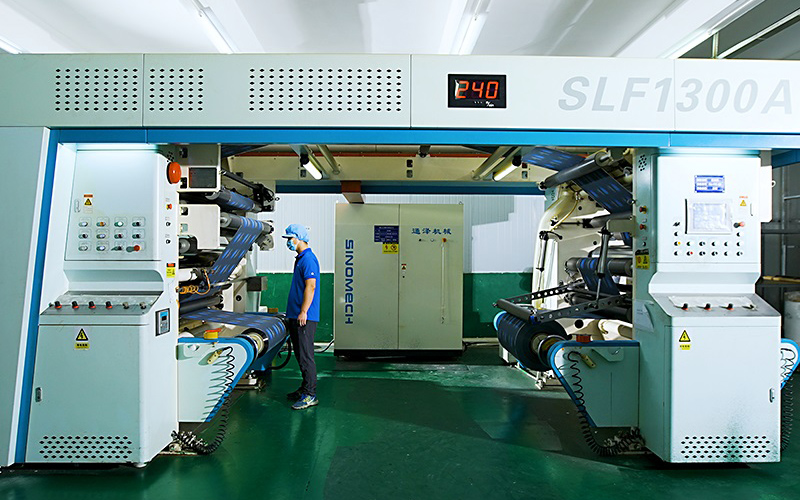
2018
Using solvent-free composite technology.
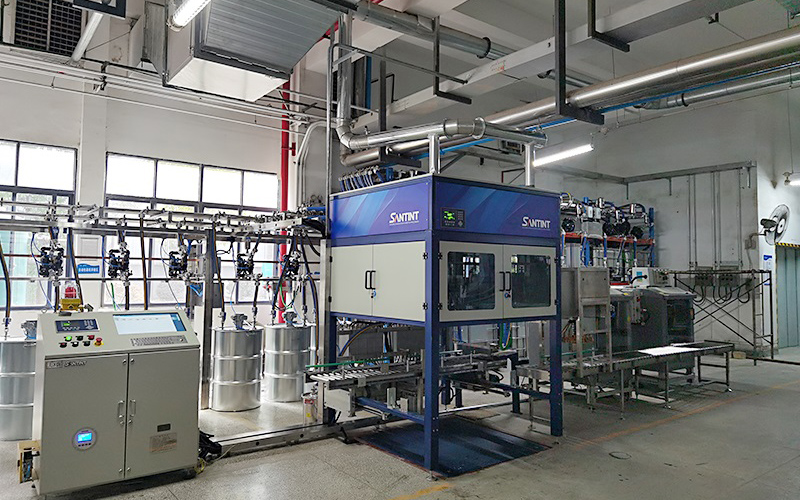
2020
Automatic ink adjustment system introduced.
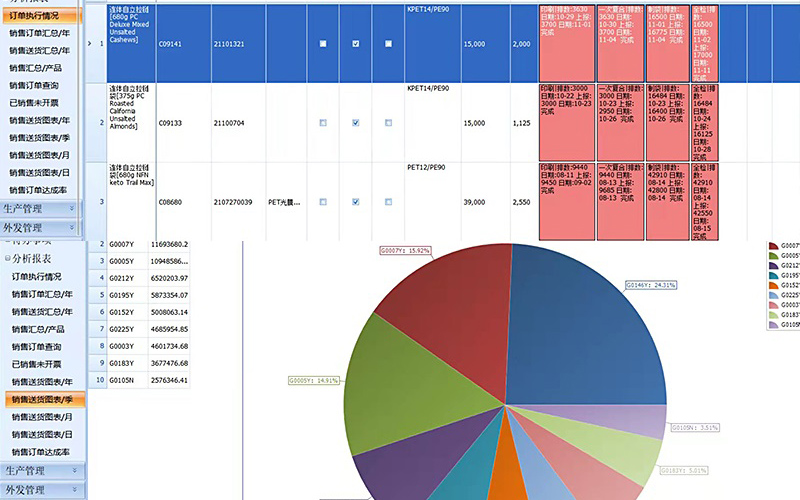
2020 (July)
ERP production system introduced.
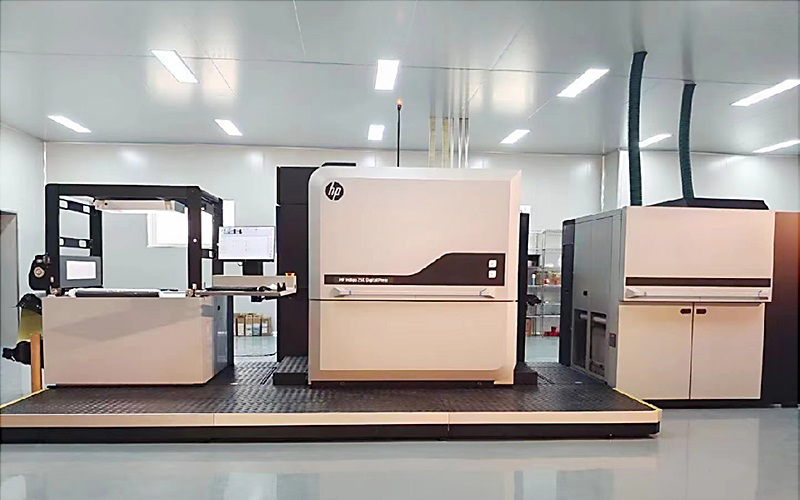
2021
HP INDIGO 25K digital printing machine introduced.
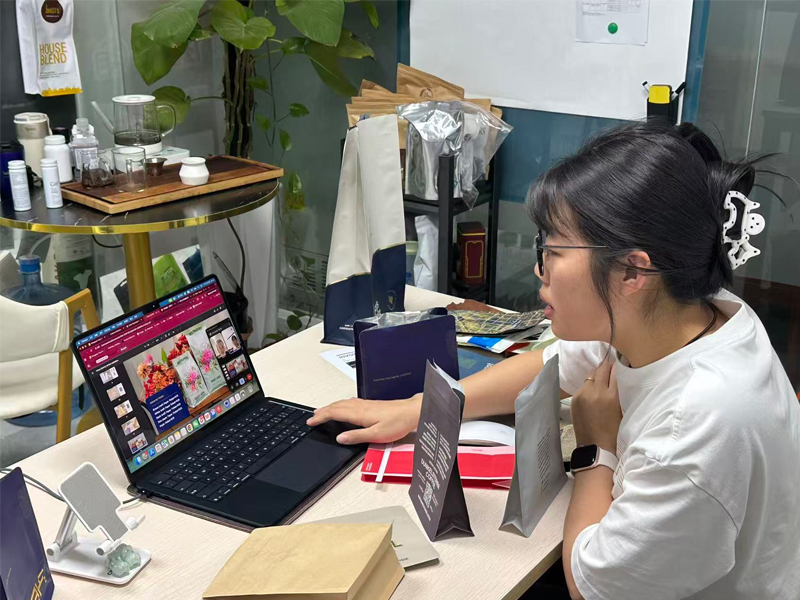
Service Excellence
Pre-sales, Mid-sales, and After-sales optimized.
Improve customer experience through online video confirmation. We provide one-on-one service to ensure accurate communication and product selection, removing the guesswork from custom manufacturing.
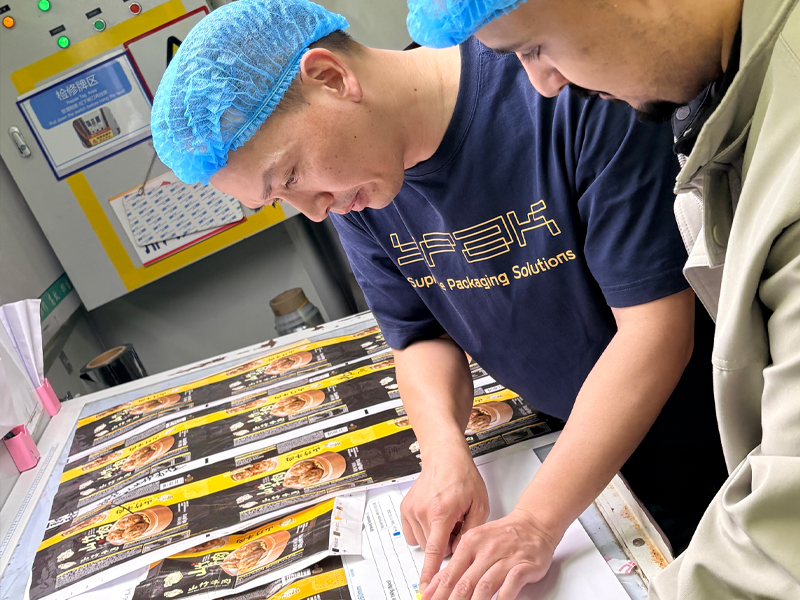
Maintaining control over the production process. We provide real-time updates through videos and pictures, ensuring quality and timely delivery while visualizing each stage of your purchase.
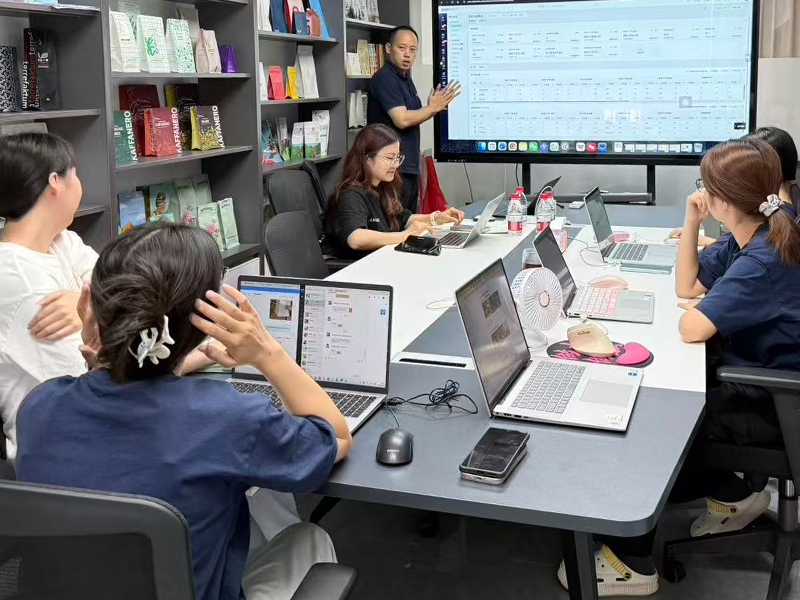
Ensuring long-term success through effective feedback channels. We build lasting partnerships by investing in training and support, leading to consistent quality and word-of-mouth success.
The industry is moving toward "Active Packaging". This includes the use of oxygen scavengers integrated into the film layers and the adoption of high-barrier bioplastics. As a pioneer China Manufacturer, YPAK is currently testing plant-based polymers that offer the same moisture vapor transmission rate (MVTR) as traditional petroleum-based plastics.
Another major trend is the "Smart Packaging" shift. Global procurement teams are increasingly requesting QR-code integration for "Soil to Sip" traceability. By scanning a YPAK-printed bag, consumers can see the harvest date, farm coordinates, and batch testing results. This level of transparency is becoming the gold standard for premium brands.
Furthermore, the "Zero-Waste" initiative is driving the demand for 100% recyclable mono-material structures. These materials are easier to process in municipal recycling streams while maintaining the high barrier properties required for matcha. Our research and development team is at the forefront of this transition, helping brands stay ahead of global plastic bans.
 YPAK PACKAGING