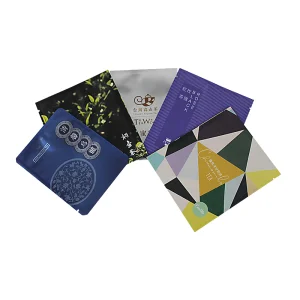
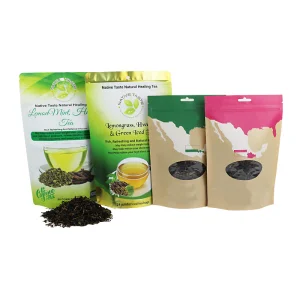
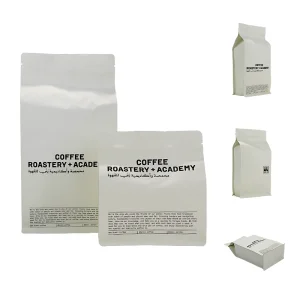
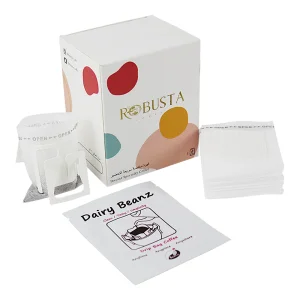
Packaging Matcha powder (Tencha leaf ground to ultra-fine particle sizes of 5–10 microns) presents distinct biophysical challenges compared to traditional loose-leaf teas or coffee beans. Due to its high concentration of chlorophyll, L-theanine, and catechins, ceremonial and culinary grade Matcha suffers rapid degradation when exposed to oxygen, ultraviolet light, ambient humidity, and thermal variance. Understanding China How To Package Matcha Powder Manufacturer & Factories requires analyzing technical barrier parameters, material science dynamics, automated line compatibility, and direct-from-factory procurement economics.
To engineer compliant packaging for commercial brand scaling, packaging directors must account for the four primary degradation vectors of ground green tea matrixes:
Chlorophyll gives premium Matcha its vibrant electric-green hue. Upon exposure to UV and visible spectrum light wavelengths (200nm to 700nm), chlorophyll undergoes photo-bleaching, converting into pheophytin. This changes the color from vibrant green to a dull yellowish-brown while imparting a stale, straw-like off-flavor. Effective Matcha packaging must provide absolute zero light transmission.
Matcha powder has an exceptionally low water activity equilibrium ($a_w < 0.2$). Because of its ultra-fine particle surface area, it acts as a powerful desiccant. Moisture absorption causes rapid clumping, accelerates enzymatic browning, and degrades L-theanine amino acids into harsh astringent compounds. Water Vapor Transmission Rates (WVTR) must be engineered to strictly under 0.05 g/m²/24h.
The delicate umami aroma profile of high-grade Matcha stems from volatile terpene compounds and delicate lipids. Oxygen exposure causes lipid peroxidation, resulting in rancidity. To preserve shelf life up to 18–24 months, Oxygen Transmission Rates (OTR) must be maintained at less than 0.1 cc/m²/24h using high-barrier substrates and modified atmosphere packaging (MAP / Nitrogen flushing).
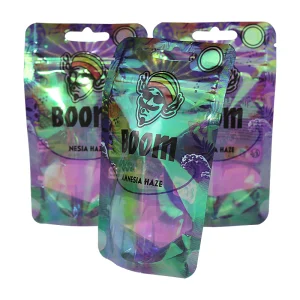
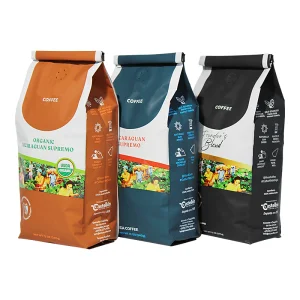
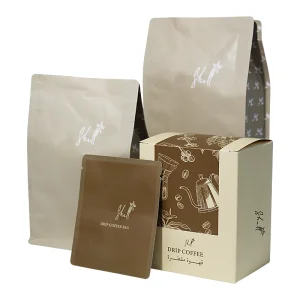
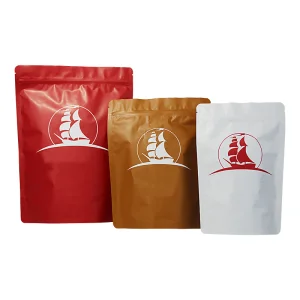
Leading Chinese custom manufacturers leverage advanced multi-layer co-extrusion and dry lamination to construct flexible packaging pouches tailored specifically for static-free powder dispensing and maximum atmospheric isolation.
| Structure Type | Lamination Layer Configuration | Barrier Level (OTR / WVTR) | Key Commercial Application |
|---|---|---|---|
| Ultra-High Barrier Foil Laminate | PET / AL / LLDPE (or Matte OPP / VMPET / PE) | OTR < 0.05 / WVTR < 0.01 | Ceremonial Grade Matcha, Retail Tins, Export Bulk Sacks |
| Eco-Friendly Mono-PE Recyclable | HDPE / EVOH-PE / LLDPE (Fully Recyclable Code 4) | OTR < 0.5 / WVTR < 0.1 | EU/UK Retail Brands (Compliance with PPWR Directives) |
| Industrial Kraft Paper Mylar | Natural Kraft / VMPET / Food-Grade LLDPE | OTR < 0.2 / WVTR < 0.05 | Artisanal Organic Brands, Culinary Bakery Powder Bags |
| Compostable Bio-Film | NK Paper / PBS / PLA or Cellophane / PVOH / PBAT | OTR < 1.0 / WVTR < 0.5 | Zero-Waste Eco Stores, Short-Life Organic Products |
A critical failure point when packaging micro-fine Matcha powder on automated Form-Fill-Seal (FFS) lines is static attraction. Powder dust clings to the inner pouch walls and throat area, compromising the thermal heat seal. Experienced Chinese manufacturers incorporate anti-static food-grade additives (such as specialized slip agents and modified LLDPE sealant layers) that prevent dust cling and ensure 100% hermetic seal integrity even across powder-contaminated seal zones.
The global Matcha market is experiencing exponential growth, transitioning from niche Japanese tea ceremonies to mainstream beverages, dietary supplements, cosmetics, and culinary bakery products across North America, Europe, and the Middle East. Sourcing packaging from China offers key advantages for brand owners and OEM/ODM private label operations:
Chinese production clusters in Guangdong (Foshan, Dongguan) provide vertically integrated raw material sourcing—from specialized film extrusion to high-barrier foil lamination—lowering unit costs by 30% to 50% compared to Western manufacturers.
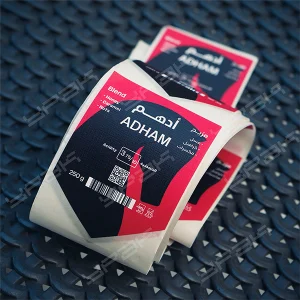
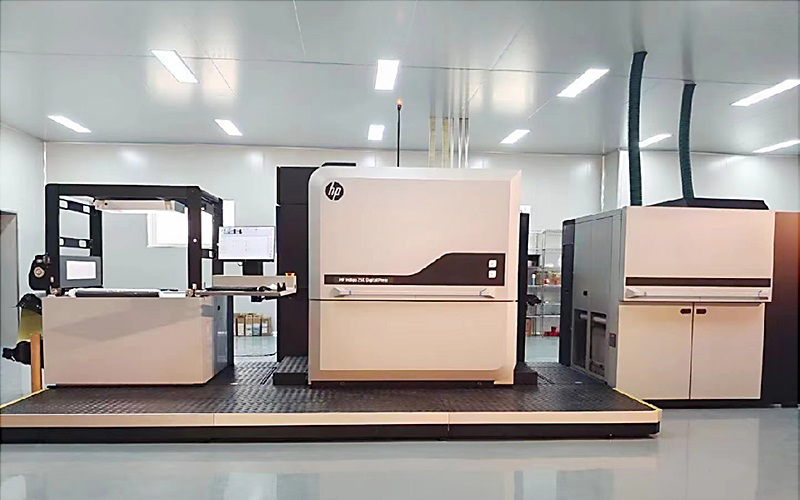
Advanced installations such as the HP Indigo 25K Digital Press enable multi-SKU product launches (e.g., Ceremonial, Culinary, Flavored Mixes) without costly cylinder engraving fees, providing low MOQs and rapid market testing capabilities.
Leading Chinese facilities hold global food contact accreditations including BRCGS (A/AA grade), ISO 22000:2018, FDA compliance, and EU 10/2011 certifications, ensuring safe export to tightly regulated markets.
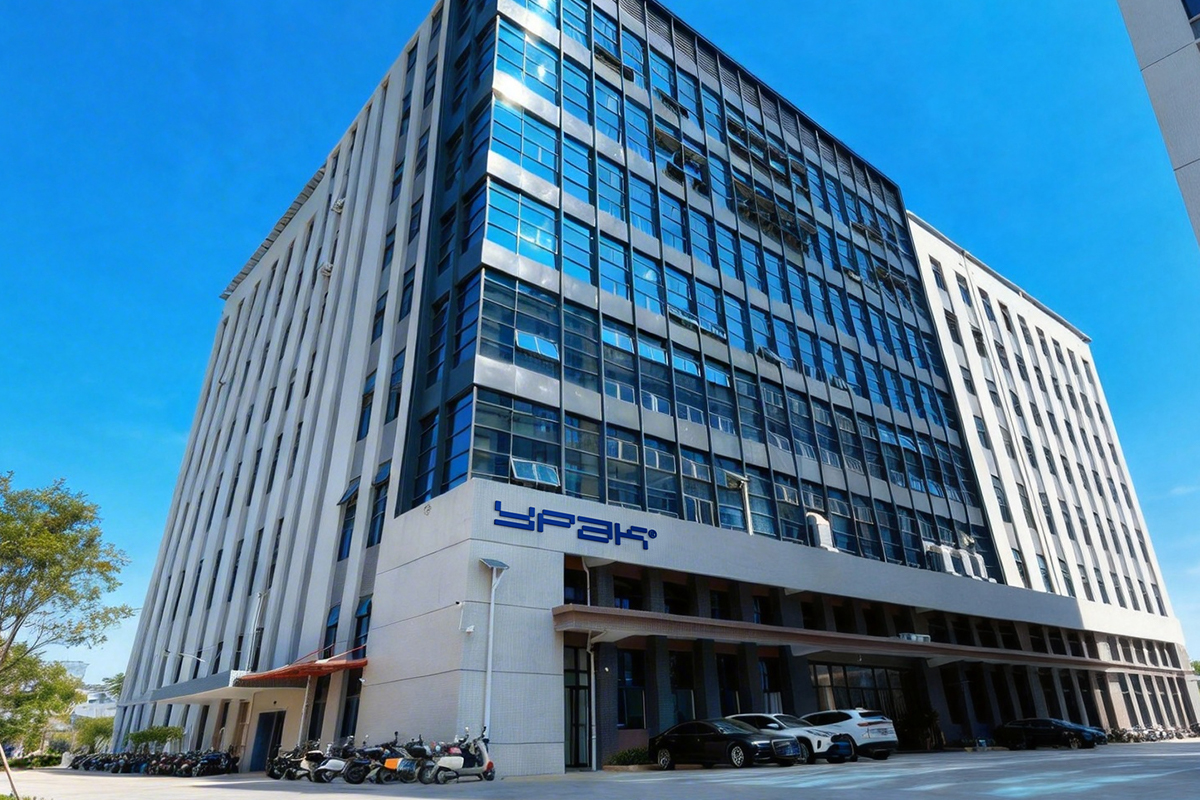
Founded in 2011, YPAK operates three state-of-the-art flexible packaging manufacturing facilities across Hong Kong, Dongguan, and Foshan, establishing itself as one of China’s premier engineering centers for coffee, tea, and specialty powder packaging. Our Foshan and Dongguan production plants are BRCGS Food Safety and ISO 22000:2018 certified—ensuring every high-barrier pouch meets international food contact standards with 100% full-batch traceability.
We integrate premium Swiss WIPF one-way degassing valves as standard where needed and employ high-barrier foil lamination designed specifically to retain volatile aromas and prevent oxidation. Our HP Indigo 25K digital press enables MOQ-free, plate-free production runs with photorealistic 1200 DPI print fidelity—perfect for limited editions and rapid market deployment. Maintaining an industry-leading 99.5% on-time delivery rate, YPAK ensures uninterrupted supply chains for global enterprise clients. Our recyclable (Mono-PE) and certified compostable pouch solutions help brand owners stay compliant with strict European, British, and North American eco-packaging regulations without compromising product protection.
In May 2012, YPAK commissioned its first complete multi-layer flexible packaging production line.
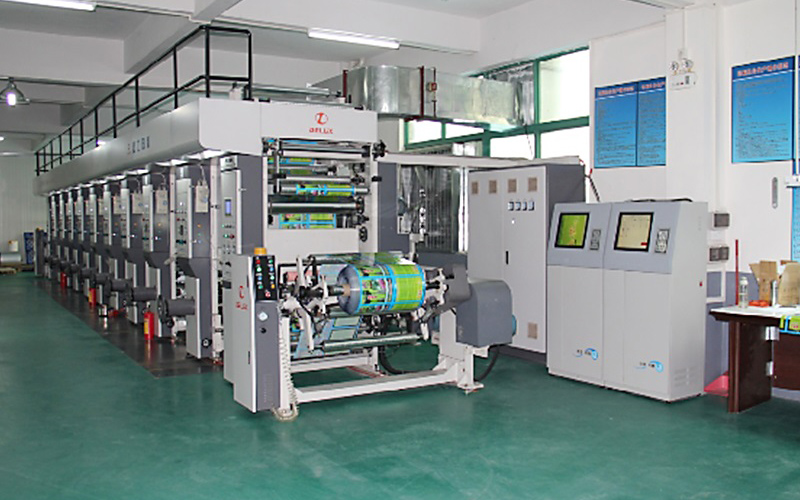
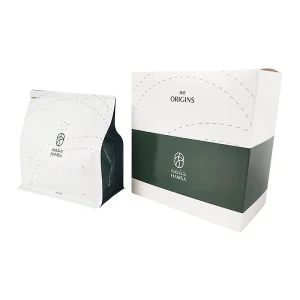
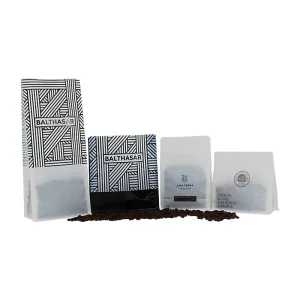
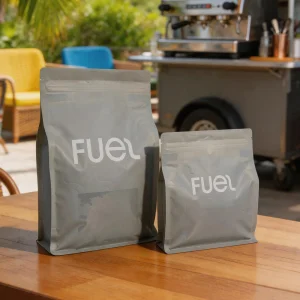
In March 2016, YPAK initiated dedicated production lines for box-shaped flat bottom pouches, ideal for high-end powder retail display.
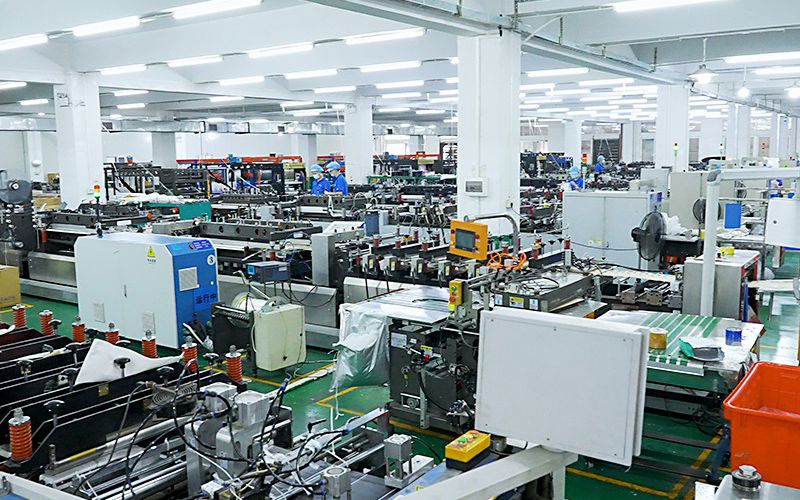
In August 2017, the second high-speed co-extrusion and lamination facility was established to support expanding export demand.
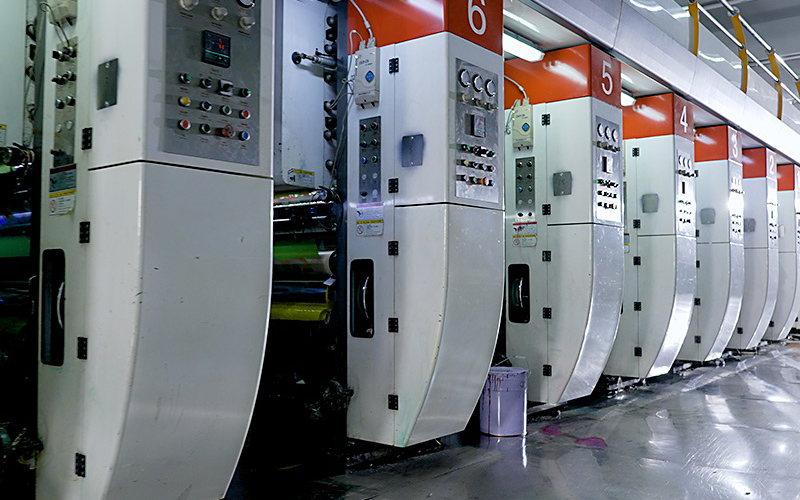
In April 2018, YPAK transitioned completely to solvent-free composite adhesive technology, eliminating chemical residues and VOC emissions.
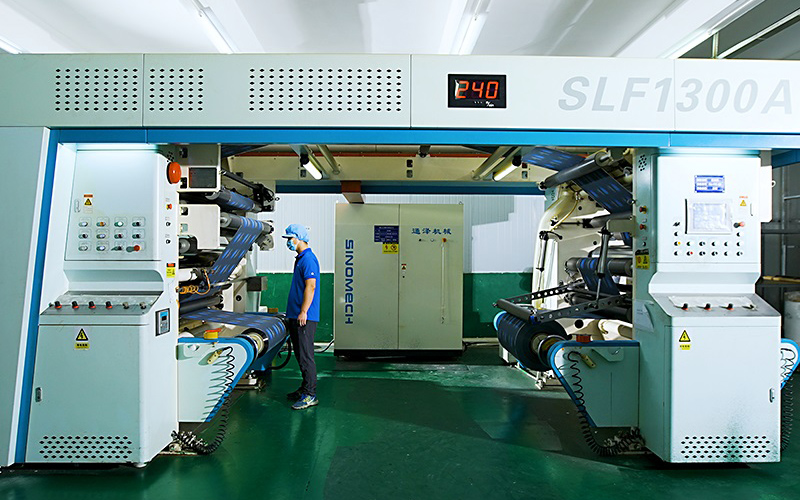
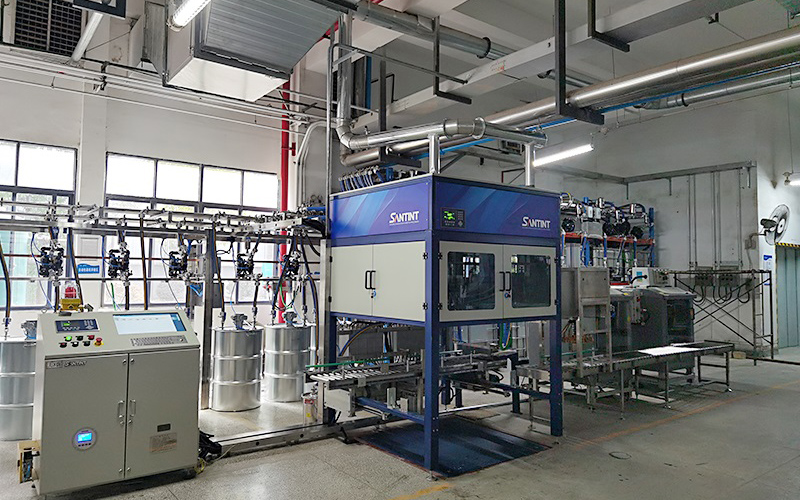
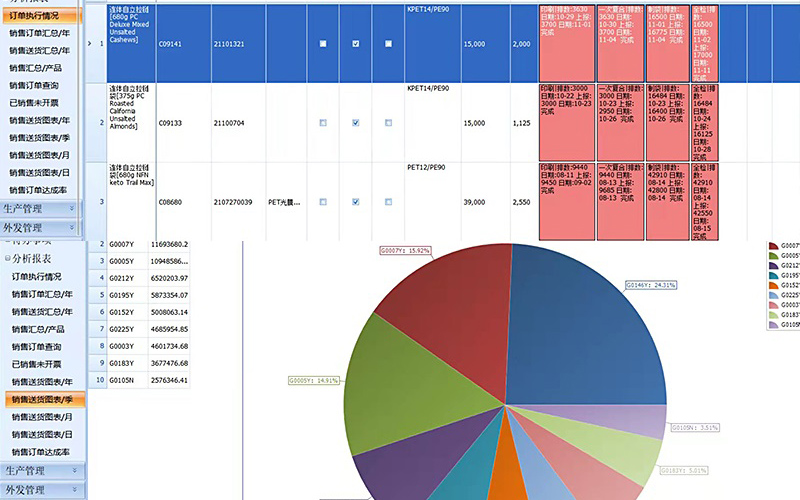
In June 2020, automated ink viscosity control systems were introduced, followed by full enterprise-wide ERP production integration in July 2020.
In October 2021, YPAK installed the HP INDIGO 25K digital printing press, offering zero-MOQ, high-definition variable data printing for fast-growing global brands.
We provide online video proofing and 1-on-1 technical consultations. By evaluating barrier requirements, pouch structure, dynamic seal widths, and volumetric fill capacity, we eliminate guesswork and provide physical pre-production samples prior to mass execution.
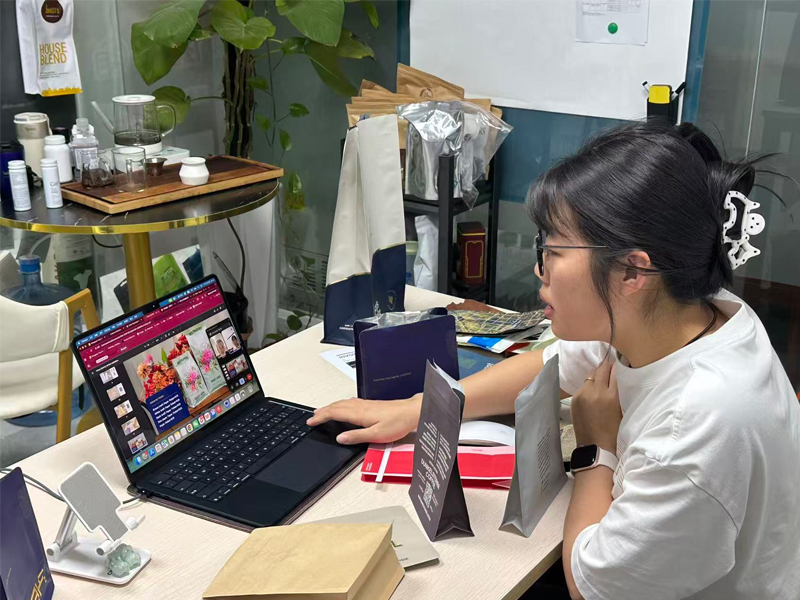
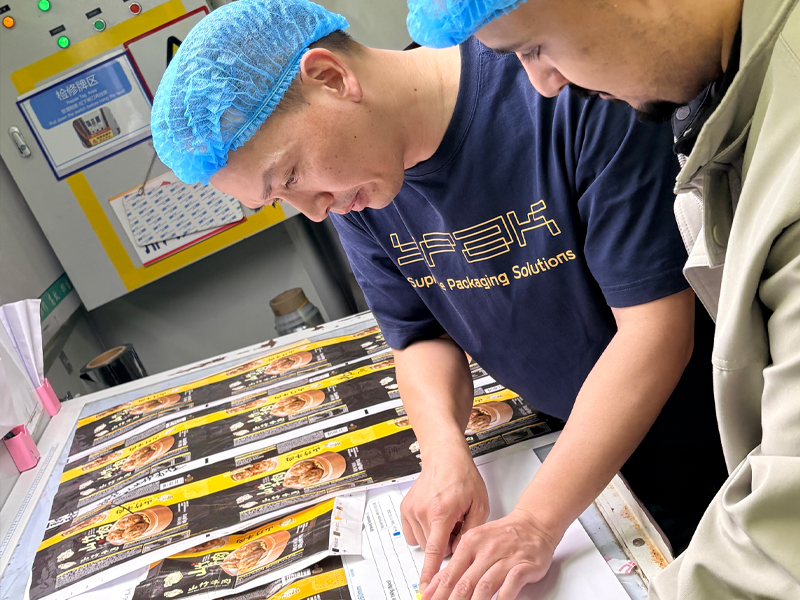
Our operational team monitors each stage of production with real-time video tracking, automated color spectrophotometry, tensile seal testing, and atmospheric leak detection, delivering photo and video verification to buyers prior to shipment dispatch.
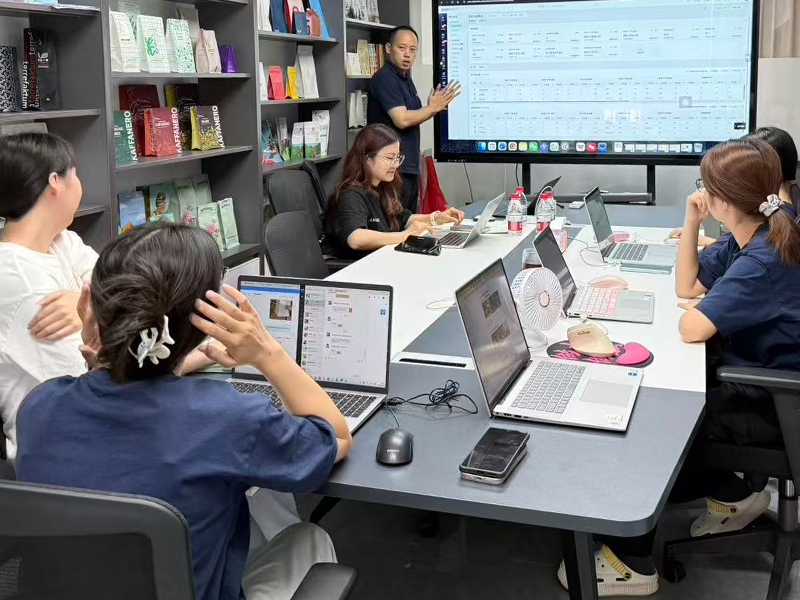
YPAK provides dedicated post-delivery technical assistance, including guidance on machine packaging line calibration, storage protocol optimization, and continuous product feedback loops to foster long-term commercial growth.
Achieving commercial success and extended shelf life requires rigorous protocols during primary and secondary packaging execution. Below is the technical workflow recommended by senior packaging engineers:
Fill operations must take place in cleanroom environments with relative humidity maintained below 40% RH and clean temperature controls (18°C–22°C) to prevent moisture adsorption by airborne fine particles.
Utilize servo-driven auger filling machines fitted with dust extraction hoods and anti-static discharge nozzles to ensure precise volumetric dosing without dusting outer sealing zones.
Inject food-grade Nitrogen gas ($N_2 \ge 99.99\%$) prior to heat sealing to lower residual oxygen concentration within the headspace to under 1.0% ($O_2 < 1.0\%$).
Apply dual-stage thermal sealing jaws with precise pressure dwell timing, followed by a immediate cooling step to lock in seal seam strength and structural integrity.
 YPAK PACKAGING