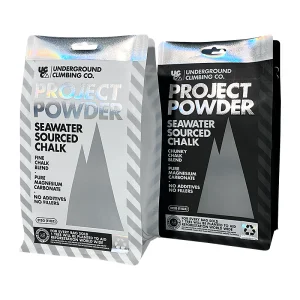
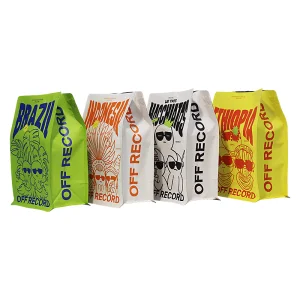
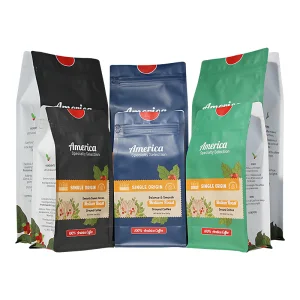
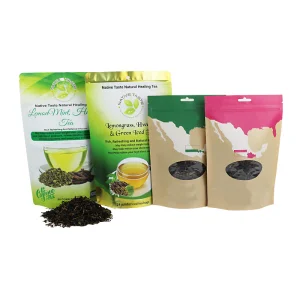
High-performance coffee pouches, specialty bags, and certified packaging solutions direct from factory
Navigating barrier material physics, eco-compliance mandates, and digitalized manufacturing resilience
In modern food packaging engineering, keeping product freshness requires strict control over moisture vapor transmission rates (WVTR) and oxygen transmission rates (OTR). Advanced co-extrusion and multi-layer laminates prevent lipid oxidation, loss of aroma, and moisture degradation in sensitive products like specialty coffee, pet food, and functional powders.
With global legislation like the EU Packaging and Packaging Waste Regulation (PPWR) setting strict targets, global brands are shifting away from traditional non-recyclable PET/AL/PE structures. Industrial transition toward high-barrier Mono-PE, Mono-PP, and home/industrial compostable substrates (PLA, PBAT, Kraft) is now essential for market compliance.
Fast-changing consumer markets require high SKU agility, seasonal branding, and low minimum order quantities (MOQs). Blending digital printing (HP Indigo 25K) with automated solvent-free lamination lets brands test new markets without plate costs, while maintaining rapid scale-up production.
Integrating state-of-the-art facilities in Hong Kong, Dongguan, and Foshan to power global packaging requirements
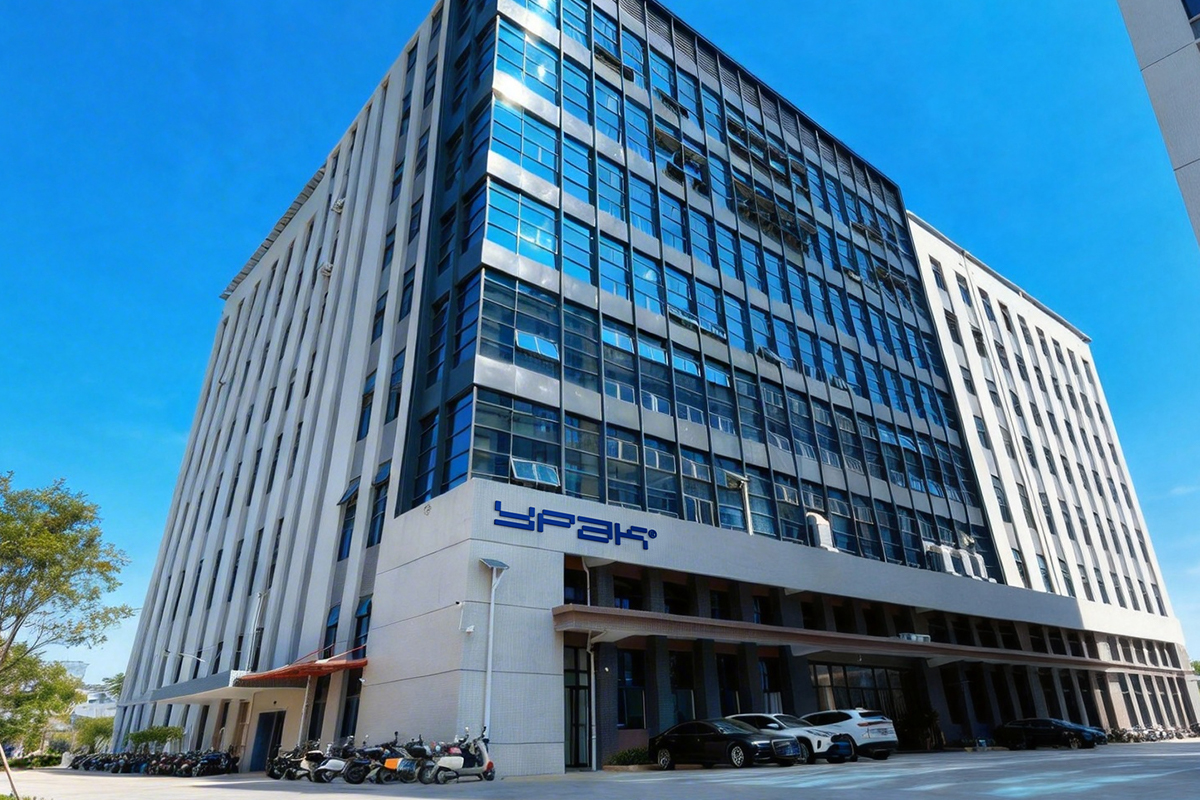
Founded in 2011, YPAK PACKAGING GROUP operates three dedicated production and service centers across Hong Kong, Dongguan, and Foshan, making us one of China's top food packaging bag manufacturers. Our Foshan and Dongguan manufacturing hubs hold BRCGS Global Standard for Packaging Materials (Grade A) and ISO 22000:2018 Food Safety Management Systems certifications.
Every pouch batch undergoes strict quality control, full lot-number traceability, and zero-defect inspections. We install original Swiss WIPF one-way degassing valves as standard for coffee packaging, protecting freshness while maintaining high barrier integrity. With our HP Indigo 25K digital printing press, we support plate-free print runs, zero MOQs, and vibrant photorealistic artwork—ideal for boutique roasters, market testing, and full enterprise rollouts.
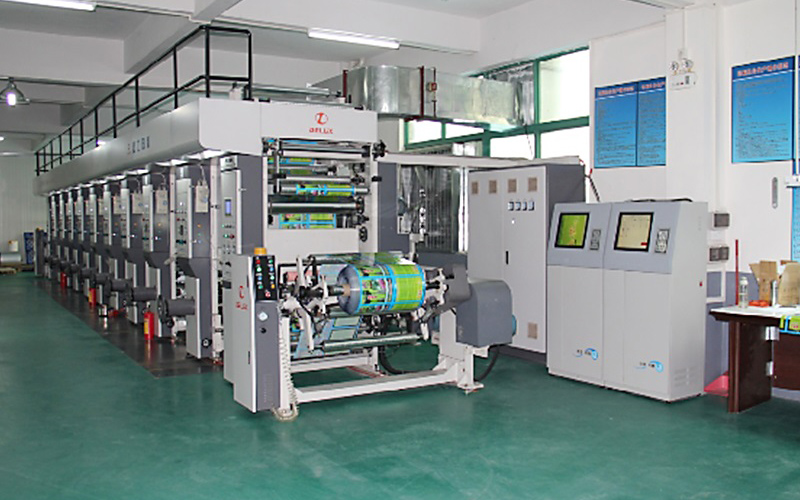
Initial Production Infrastructure: Commissioned our first full flexible packaging line, laying the operational foundation for food-grade multi-layer film conversion.
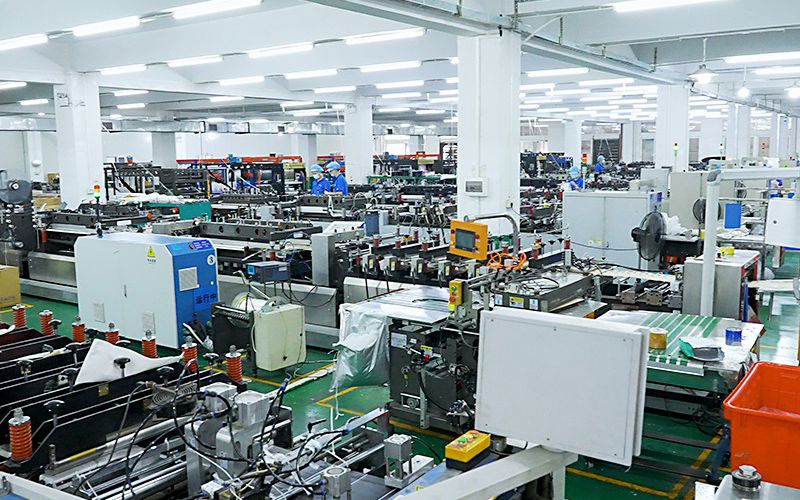
Box Pouch & Flat Bottom Line Expansion: Added specialized machinery for 5-panel flat-bottom pouches, matching international demand for specialty coffee packaging.
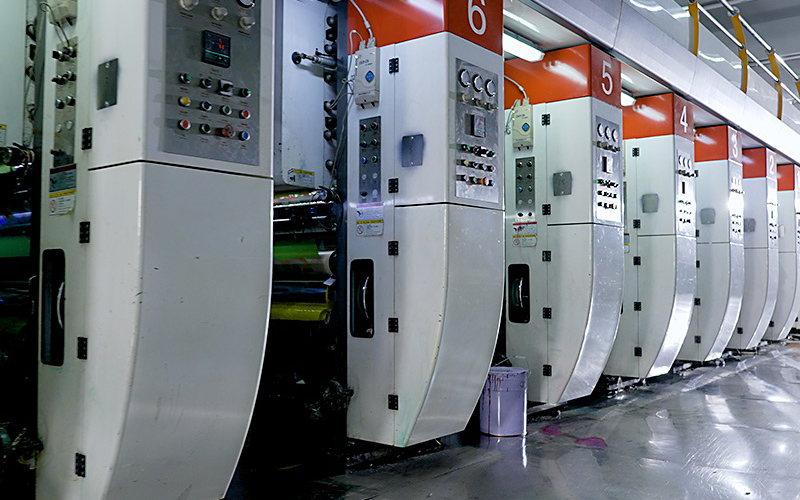
Second Facility Launch: Expanded manufacturing operations with a second dedicated plant, boosting annual pouch output past 150 million units.
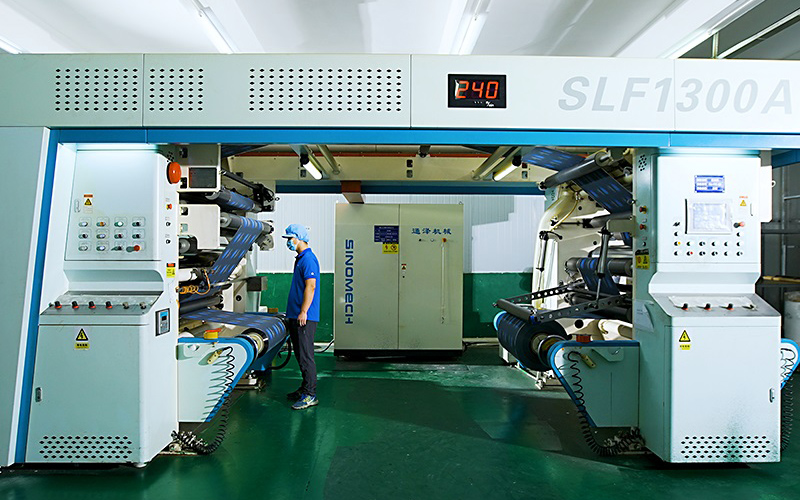
Solvent-Free Lamination Integration: Shifted to 100% solvent-free lamination tech, reducing VOC emissions to zero and improving eco-friendly laminates for food contact.
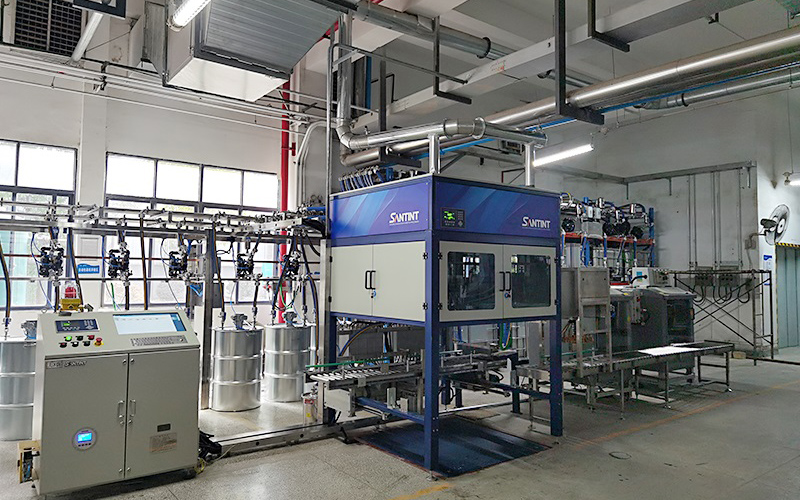
Automated Ink Dispensing Tech: Installed computer-controlled ink mixing systems to keep color matching within tight tolerances ($\Delta E < 1.0$) across production runs.
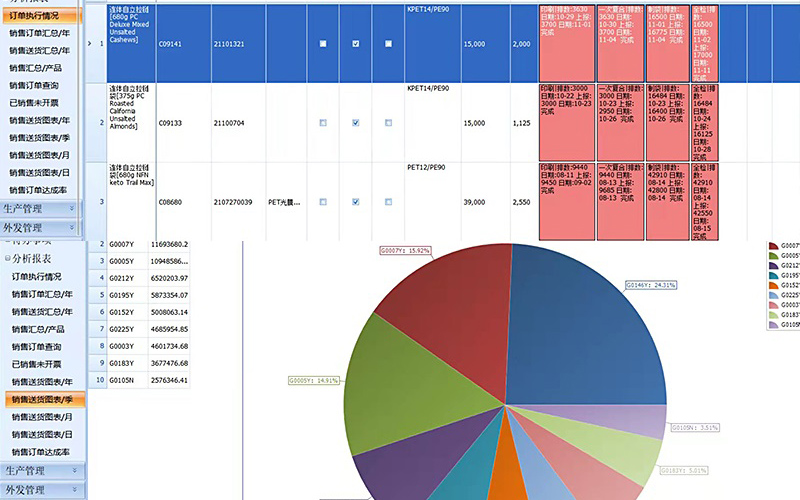
Smart ERP Factory Integration: Deployed an end-to-end ERP tracking system for raw material traceability, machine load balancing, and real-time production visibility.
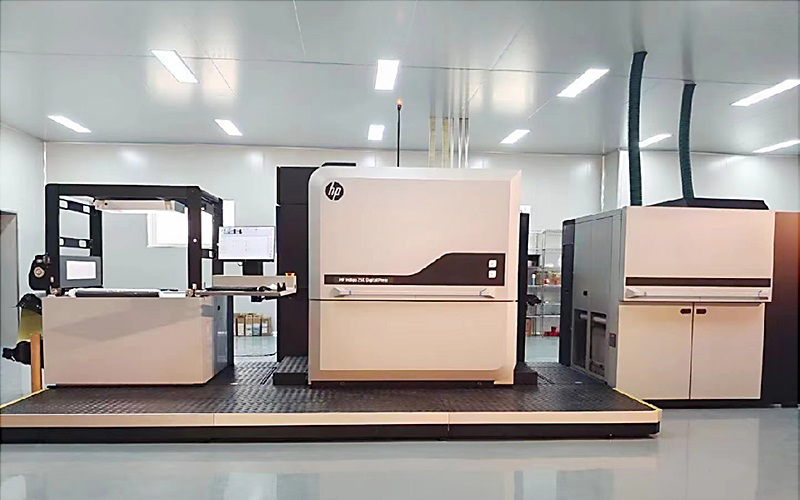
HP Indigo 25K Digital Press Acquisition: Invested in top-tier web-fed digital print technology, enabling low-MOQ print runs, variable data customization, and rapid prototype delivery.
High-performance substrate combinations engineered for specific barrier, eco, and processing requirements
| Material Family | Structure Options | Barrier Rating (OTR/WVTR) | Key Sustainability Features | Target Applications |
|---|---|---|---|---|
| High-Barrier Metallic | PET / AL / PE PET / VMPET / PE |
OTR: < 0.1 cc/m²/day WVTR: < 0.1 g/m²/day |
Extended shelf-life (up to 24 months), reduced food waste | Specialty coffee beans, milk powders, roasted nuts, freeze-dried products |
| Recyclable Mono-Material | MDO-PE / PE-EVOH OPP / CPP Barrier |
OTR: < 1.5 cc/m²/day WVTR: < 1.0 g/m²/day |
100% Recyclable (RIC #4 PE / RIC #5 PP streams), circular economy ready | Organic snacks, tea leaves, dry pet food, confectionery |
| Certified Compostable | Kraft Paper / PLA / PBAT NK / Bio-VMPET / Eco-Polymer |
OTR: < 2.0 cc/m²/day WVTR: < 5.0 g/m²/day |
Industrial (EN 13432) & Home Compostable certified options | Organic coffee, dry herbs, artisanal snacks, eco-friendly retail products |
| Kraft Paper Hybrid | Natural Kraft / VMPET / PE Kraft / EVOH PE |
OTR: < 0.5 cc/m²/day WVTR: < 0.5 g/m²/day |
FSC-certified paper surface with premium tactile feel | Gourmet bakery goods, specialty roasted coffee, premium supplements |
For fresh coffee, roasted beans continuously emit carbon dioxide ($CO_2$) for weeks. Without proper venting, bags swell and risk bursting. Conversely, ambient oxygen ($O_2$) entering the bag ruins delicate aromatic compounds within hours. YPAK integrates genuine Swiss WIPF one-way degassing valves into our flexible pouches. These valves open precise internal pressure thresholds (~3 mbar) to vent gas without letting outside air back in.
Traditional dry lamination uses organic solvents that require high heat drying, leaving risk of residual VOC odor in food contact layers. YPAK's solvent-free adhesive lamination process uses zero organic solvents. This process cuts energy consumption, eliminates solvent odors, guarantees safe food contact compliance, and delivers superior bond strength across thermal sealing cycles.
Tailored pouch structures designed for specialized food and consumer product sectors
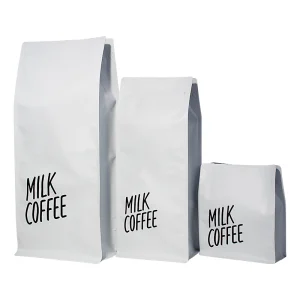
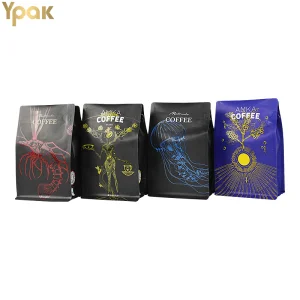
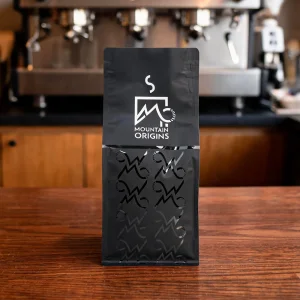
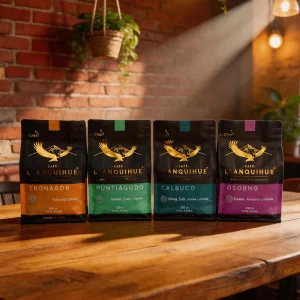
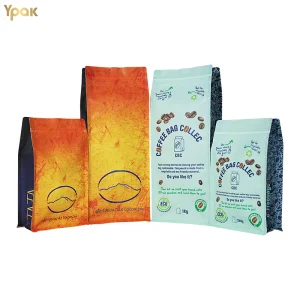
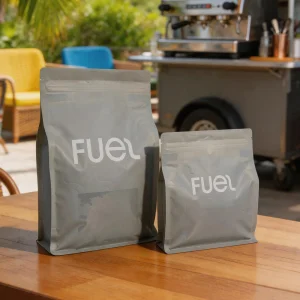
Flat-bottom box pouches, side-gusset bags, and stand-up pouches equipped with pocket zippers, tear notches, and WIPF valves. Materials engineered to preserve roast aromas and volatile essential oils.
Certified Child-Resistant (CR) packaging featuring ASTM D3475 compliant zippers. Opaque, high-barrier film compositions prevent UV degradation, moisture ingress, and smell transmission.
Heavy-duty, puncture-resistant quad-seal and flat-bottom bags. Formulated for high fat and oil resistance, ensuring zero grease migration while preserving protein freshness.
Formulations designed to perform in sub-zero freezer environments without pinholing or seal failure, along with high-speed automated rollstock options for VFFS/HFFS lines.
Meeting international food contact standards and regional packaging waste regulations
All raw resin grades, inks, and laminating adhesives conform to US FDA 21 CFR 177.1520 and EU Regulation No 10/2011 for direct food contact safety, guaranteeing zero heavy metal or hazardous migration.
Our fully recyclable Mono-PE and Mono-PP flexible packaging structures help brands satisfy European Union Extended Producer Responsibility (EPR) requirements and upcoming 2030 recyclability mandates.
Our bio-based films comply with EN 13432 and ASTM D6400 international standards, breaking down into organic humus, water, and $CO_2$ under industrial or home composting conditions.
Clear, step-by-step account management ensuring design accuracy, production tracking, and rapid delivery
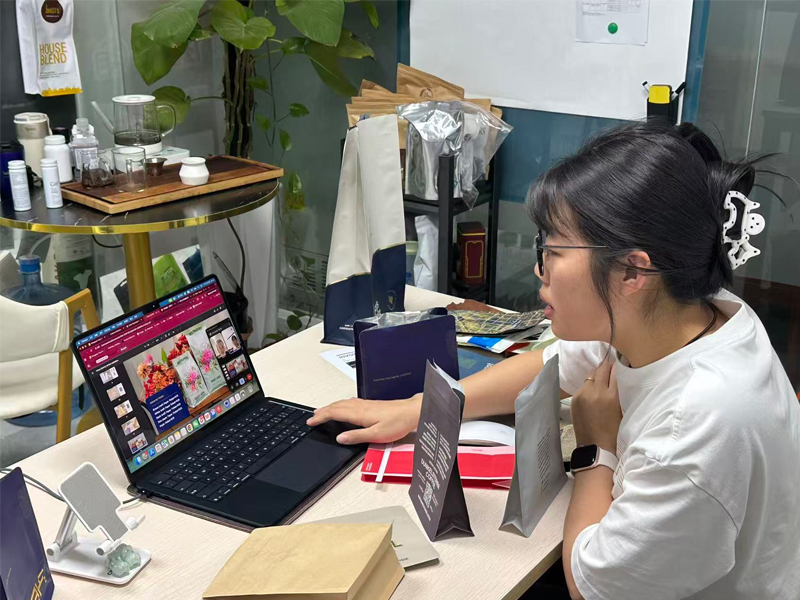
We provide dedicated one-on-one engineering support to help select ideal film structures, pouch dimensions, and valve specifications. Live online video sessions let you review prototypes, verify artwork placement, and confirm structural specs before committing capital.
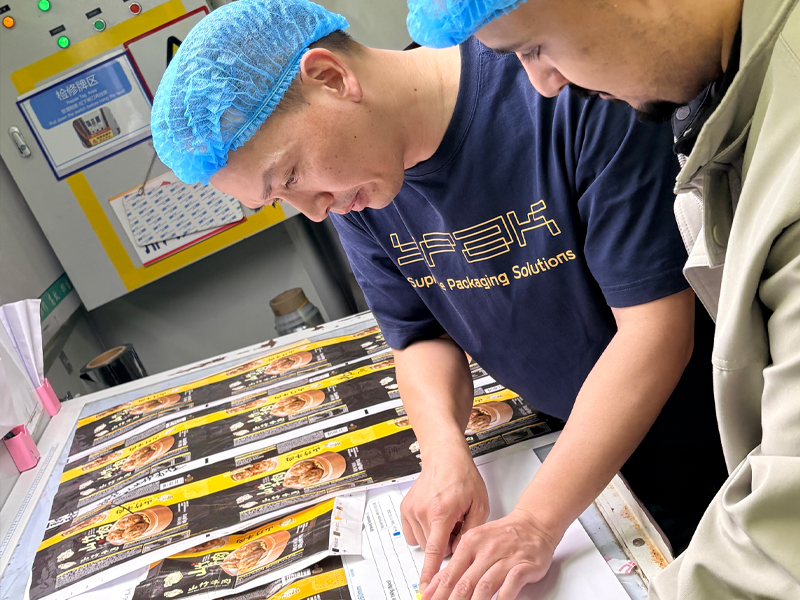
Our integrated ERP system monitors every step from printing to lamination and pouch conversion. We share real-time photo and video production updates, giving you full visual confidence as your order moves through our cleanroom facilities.
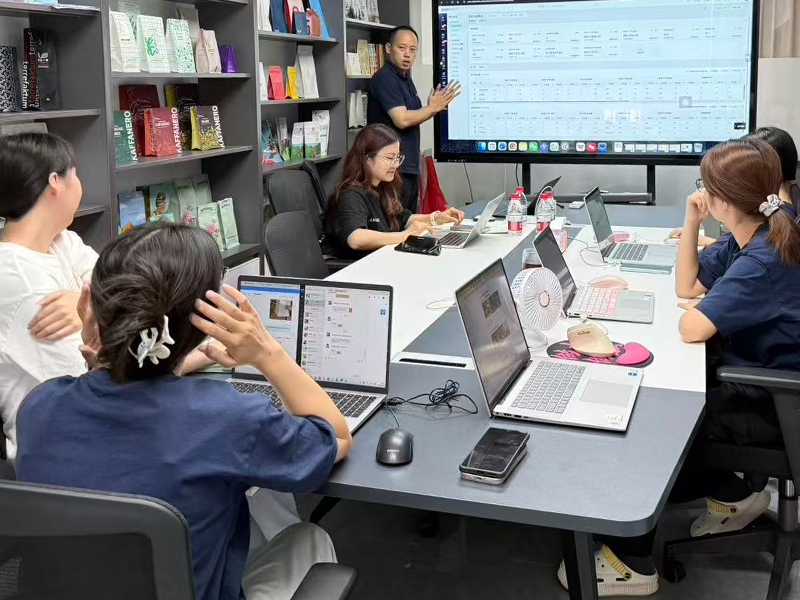
We deliver an industry-leading 99.5% on-time shipping record. Post-delivery, our team stays connected through formal feedback loops, offering technical seal-setting guidance for your automated filling lines and ongoing supply continuity support.
Expert answers regarding flexible packaging design, material physics, MOQs, and manufacturing lead times
Explore our full line of specialized pouches, child-resistant bags, and custom flexible packaging
 YPAK PACKAGING